Google: 4.2 · 664 reviews
One of Florence's most enduring addresses for traditional Tuscan cooking, Cibrèo Ristorante on Via Andrea del Verrocchio operates in a category shaped more by civic reputation than by award cycles. The kitchen draws from a culinary grammar rooted in offal, legumes, and slow technique, positioning the restaurant in a peer set that values continuity over invention. Reservations are strongly recommended for dinner service.
 Discover on Pearl
Pearl is the En Primeur Club membership app — saves, bookings, and concierge access live there. Same editors, same standards.
The Oltrarno Side of Florentine Fine Dining — And Why Cibrèo Sits Apart
Florence's premium restaurant tier has reorganised itself considerably over the past decade. Properties affiliated with international hotel groups, Michelin-tracked newcomers, and fashion-house dining rooms have pulled the city's fine dining conversation toward a more global register. Gucci Osteria da Massimo Bottura occupies one end of that spectrum, where contemporary Italian technique meets deliberate brand staging. Enoteca Pinchiorri anchors the Franco-Italian formal tradition with one of Europe's deepest private cellars behind it. Against that backdrop, Cibrèo Ristorante on Via Andrea del Verrocchio operates on a different logic entirely: the reputation is civic, accumulated through decades of service to a cooking tradition that most of the city's newer rooms treat as reference rather than practice.
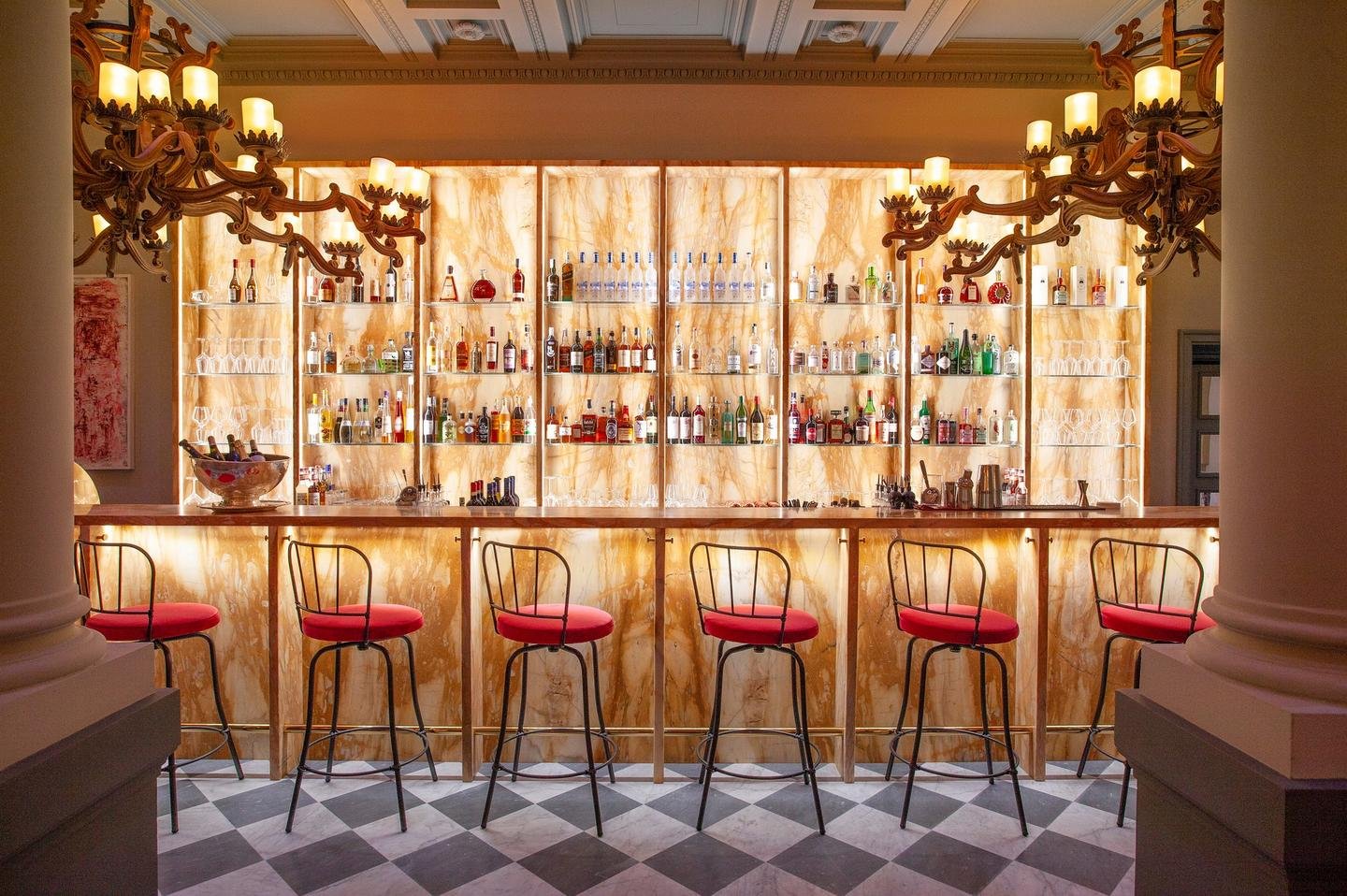
That distinction matters to how the room functions. The Santa Croce neighbourhood, where Cibrèo has long been embedded, maintains a texture that the centre of Florence has largely traded away for tourism. The surrounding streets retain a working quality — market stalls, neighbourhood bars, the kind of afternoon foot traffic that has nothing to do with hotel concierge recommendations. Arriving via Via Andrea del Verrocchio, the scale of the building signals the opposite of spectacle: this is a room that earns attention rather than commanding it on arrival.
A Kitchen Grammar Built on What Most Restaurants Edit Out
Tuscan cooking at its core is a cuisine of thrift transformed into technique. The repertoire that defines the region's traditional table , ribollita, lampredotto, crostini di fegatini, tripe preparations that require patience at every stage , is precisely what modern Italian restaurants tend to soften or reframe for broader palatability. In the tier occupied by Santa Elisabetta or Atto di Vito Mollica, the culinary conversation tilts toward creativity and refinement. Cibrèo sits in a different register: a house committed to executing the traditional canon with full fidelity, including the parts of that canon that ask more of the diner.
This places it in a peer set closer in spirit to Italy's more doctrinaire regional tables than to Florence's hotel dining rooms. Addresses like Dal Pescatore in Runate or Quattro Passi in Marina del Cantone similarly position themselves through depth of regional knowledge rather than through the international competition frameworks that drive Michelin campaigns. The commitment to place and tradition becomes the credentialling mechanism in itself.
How the Room Holds Together: Service, Sommelier, and Front-of-House as a System
In restaurants of this type, where the kitchen programme is deliberately conservative, the front-of-house carries a disproportionate share of the guest experience. This is not a room where theatrical plating or elaborate tableside preparation does the work of hospitality. The table is set early, and the relationship between the dining room team and the cellar determines whether a meal reads as austere or as deeply considered.
Florentine wine service at this level tends to draw from Tuscany's own hierarchy: Chianti Classico Riserva, Brunello di Montalcino, Vino Nobile di Montepulciano, with Vernaccia di San Gimignano or Vermentino as a white counterpoint to the richer preparations. The sommelier's task in a room like this is translation , making the argument for why an aged Sangiovese-based wine, with its characteristic austerity and iron-mineral edges, belongs alongside a slow-braised preparation rather than against it. Done well, the pairing clarifies the food rather than accompanying it. Restaurants such as Uliassi in Senigallia or Piazza Duomo in Alba demonstrate how authoritative regional wine programmes function as a second editorial layer on the food, and that model applies here.
The front-of-house at a room with this kind of tenure has something no newer restaurant can replicate: institutional memory. The team has guided guests through the more challenging entries on the menu long enough to have developed a vocabulary for it. The recommendation of a pasta course built on chicken livers, or a secondo that leads with offal, requires a particular kind of conversational confidence , the ability to frame an unfamiliar preparation without reducing it to novelty or softening it into something less than it is. That skill is a form of collaboration with the kitchen, and it runs in both directions.
Where Cibrèo Sits in the Wider Italian Table
Florence is not the only Italian city where a long-tenured, tradition-focused restaurant holds a category of its own apart from the Michelin-tracked field. Osteria Francescana in Modena occupies the opposite end of the spectrum, where tradition becomes the raw material for continuous reinvention. Reale in Castel di Sangro and Le Calandre in Rubano demonstrate how contemporary technique can be applied to regional identities without dissolving them. Cibrèo's position is different from all of these: the proposition is continuity itself, and the tension the restaurant holds is between accessibility and fidelity to a canon that has never been designed for easy consumption.
Internationally, rooms that hold a similar position , committed to a traditional grammar in a city where the premium tier has moved toward novelty , include Le Bernardin in New York City and, in a different way, Lazy Bear in San Francisco, both of which maintain distinctive voices against a market that constantly pulls toward trend. The comparison is not about cuisine type but about category discipline: knowing what kind of restaurant you are and not drifting.
For northern Italian context at the fine dining level, Atelier Moessmer Norbert Niederkofler in Brunico, Enrico Bartolini in Milan, and Casa Perbellini 12 Apostoli in Verona each illustrate how Italian fine dining diversifies by region, reinforcing why a Florentine room anchored in Tuscan tradition represents a genuinely distinct tier rather than a lower rung on a single ladder.
Planning Your Visit
Cibrèo Ristorante sits at Via Andrea del Verrocchio, 8r, in the Santa Croce quarter, a fifteen-minute walk from the Duomo and well-served on foot from most central accommodation. The neighbourhood's character, anchored by the Mercato di Sant'Ambrogio two blocks north, makes the walk to the restaurant worthwhile in itself. Given the restaurant's reputation and the limited capacity typical of rooms in this category, booking ahead is the practical default, particularly for dinner during the spring and autumn high seasons. For a broader orientation to the city's dining tier before you visit, our full Florence restaurants guide maps the competitive set across price points and cuisine types. Borgo San Jacopo offers an alternative point of comparison for Florentine fine dining with a different spatial setting along the Arno.
In Context: Similar Options
Comparable venues for orientation, based on our database fields.
| Venue | Cuisine | Price | Awards | Notes |
|---|---|---|---|---|
| Cibrèo Ristorante | This venue | |||
| Enoteca Pinchiorri | Italian - French, Italian Contemporary | €€€€ | Michelin 3 Star | Italian - French, Italian Contemporary, €€€€ |
| Santa Elisabetta | Italian, Creative | €€€€ | Michelin 2 Star | Italian, Creative, €€€€ |
| Borgo San Jacopo | Italian, Modern Cuisine | €€€€ | Michelin 1 Star | Italian, Modern Cuisine, €€€€ |
| Gucci Osteria da Massimo Bottura | Modern Italian, Italian Contemporary | €€€€ | Michelin 1 Star | Modern Italian, Italian Contemporary, €€€€ |
| Il Palagio | Italian Contemporary | €€€€ | Michelin 1 Star | Italian Contemporary, €€€€ |
Continue exploring
More in Florence
Restaurants in Florence
Browse all →
Bars in Florence
Browse all →
Hotels in Florence
Browse all →
At a Glance
- Elegant
- Classic
- Intimate
- Iconic
- Sophisticated
- Special Occasion
- Date Night
- Business Dinner
- Historic Building
- Extensive Wine List
- Local Sourcing
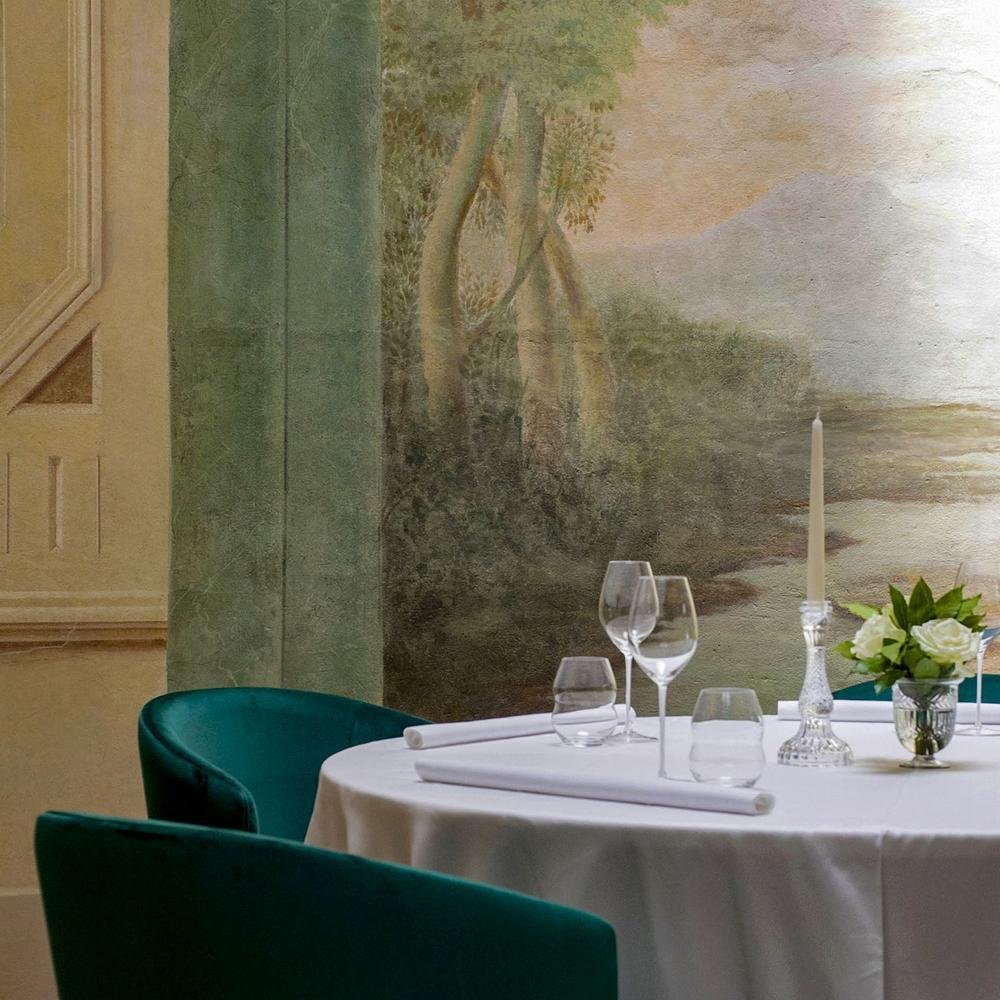
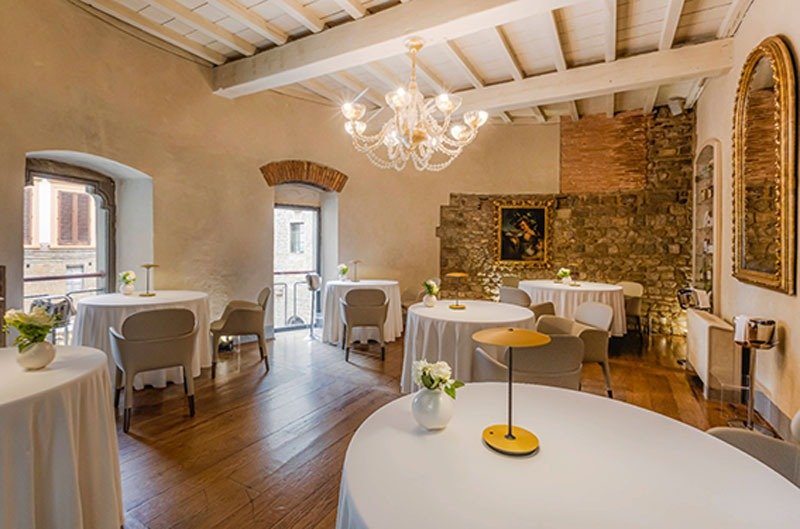
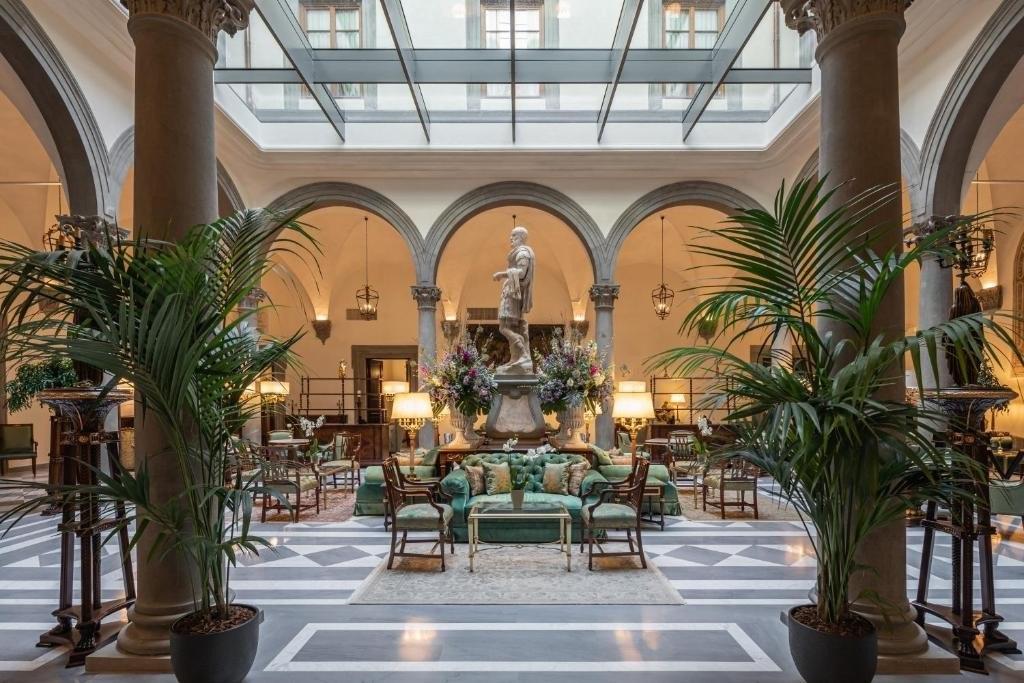
Elegant dining room reminiscent of a private salon with cordial, graciously measured service and warm, sophisticated atmosphere.