
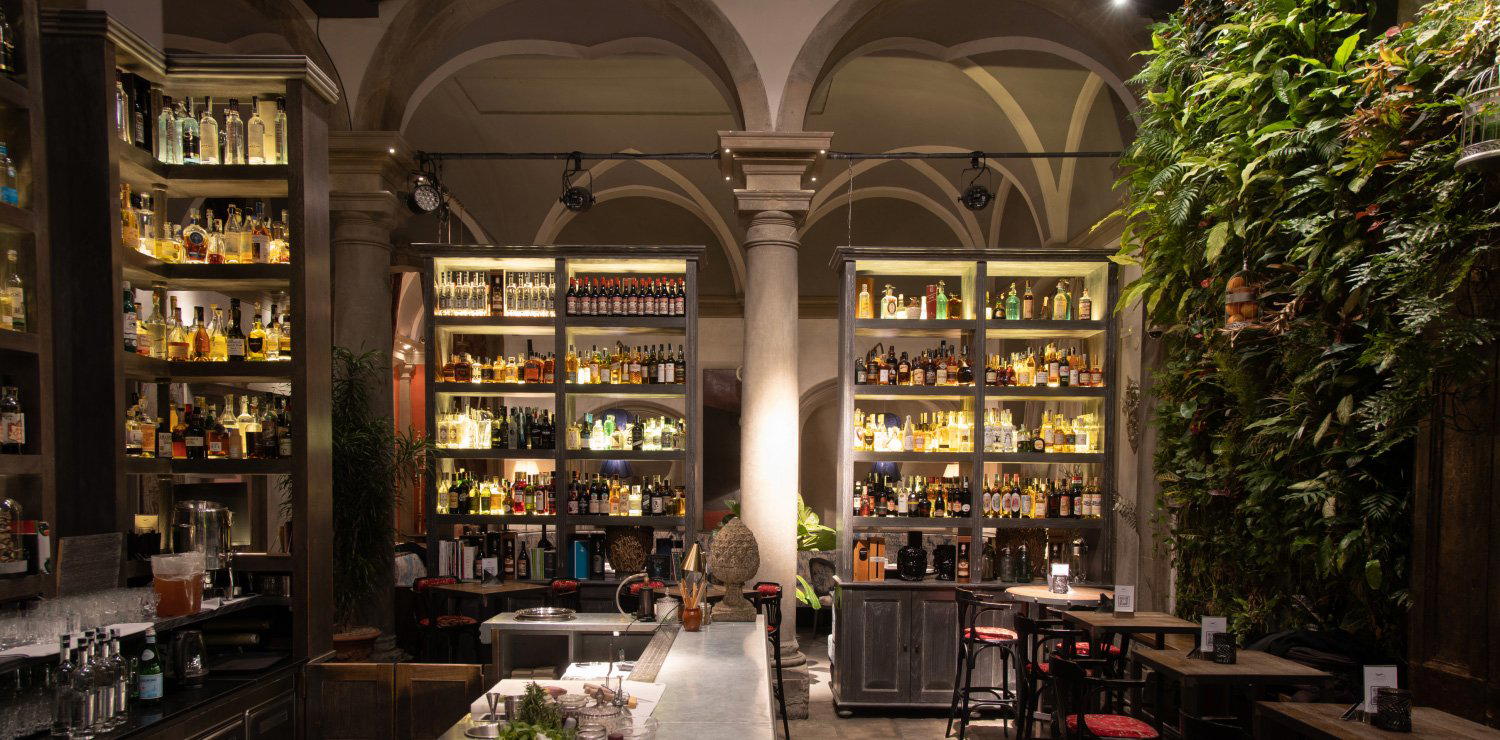
La Ménagère occupies a converted nineteenth-century household goods store on Via de' Ginori, operating today as a multi-concept space that folds restaurant, bar, flower shop, and design retail into a single address. Among Florence's more formal dining rooms, it offers a distinct register: the atmosphere reads more like a Parisian concept store than a Tuscan trattoria, positioning it in a different competitive tier from the white-tablecloth rooms at Enoteca Pinchiorri or Santa Elisabetta.
Pearl is the En Primeur Club membership app — saves, bookings, and concierge access live there. Same editors, same standards.
- Address
- Via de' Ginori, 8/R, 50123 Firenze FI, Italy
- Phone
- +39 055 075 0600
- Website
- lamenagere.it
- Directions
- Get directions
 Saves & bookings on Pearl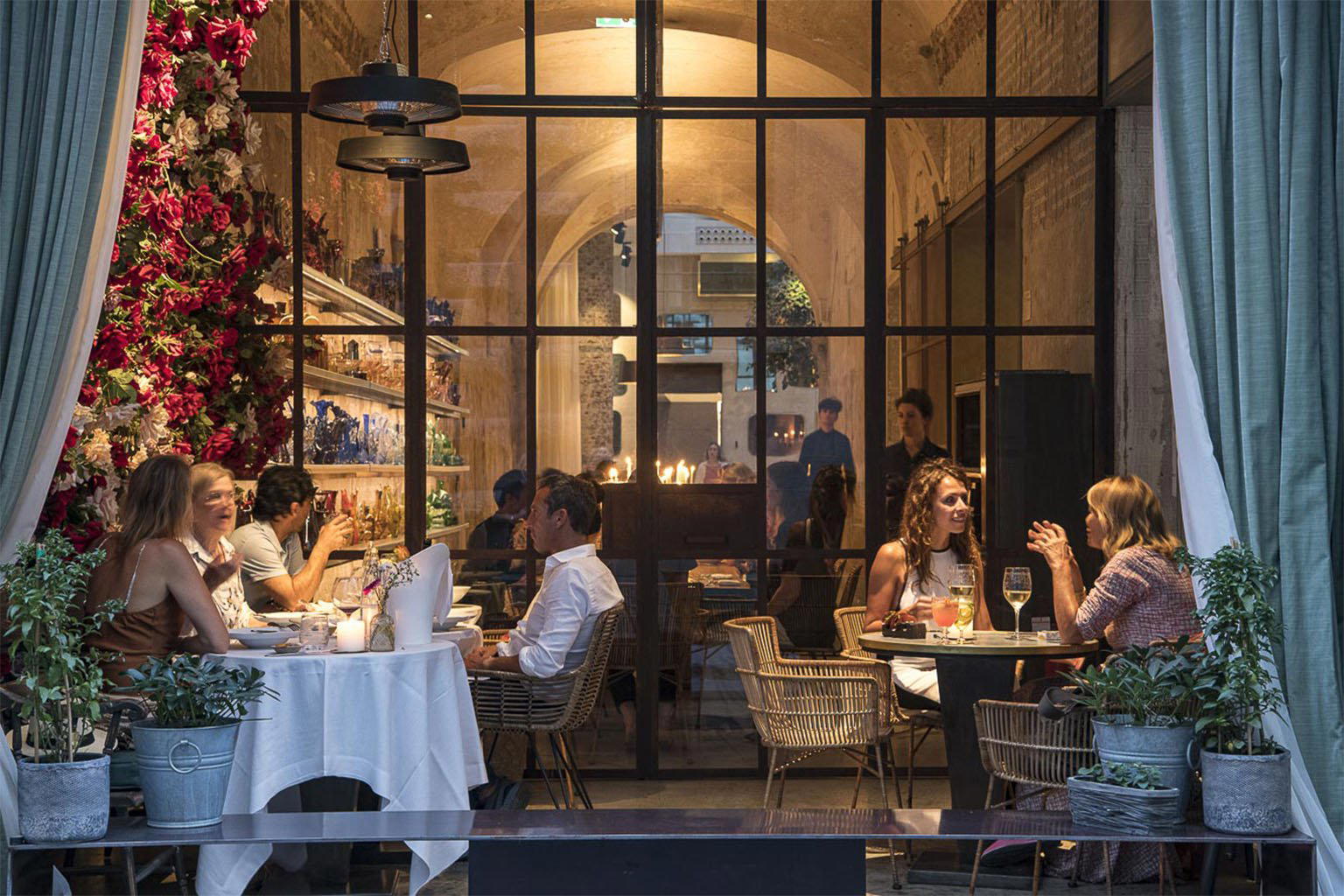
A Different Kind of Florentine Dining Room
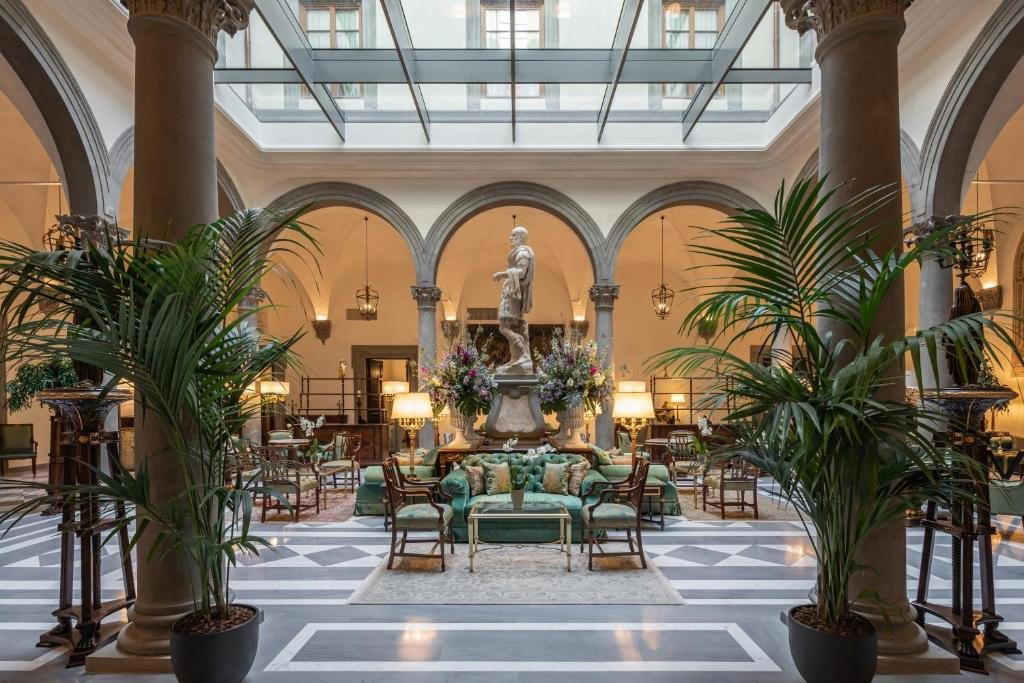
Via de' Ginori runs north from the Medici chapels toward the quieter residential blocks of San Lorenzo, and number 8/R announces itself with more visual force than most addresses in the neighbourhood. The building's original function, a household goods emporium, is legible in the architecture: high iron shelving, wide-plank floors worn to an amber patina, greenhouse glass panels filtering afternoon light down into a ground floor that now divides between restaurant tables, a bar counter, a flower market, and a design retail floor. The effect is less restoration than accumulation, and it is genuinely unlike the candlelit dining rooms that dominate Florence's premium restaurant list.
That distinction matters as a starting point for any visitor trying to read Florence's dining offer. The city's leading end clusters around formal, destination-driven rooms: Enoteca Pinchiorri, with its wine archive and Franco-Italian precision, Santa Elisabetta above the Baptistery, Atto di Vito Mollica at the Portrait hotel, and Borgo San Jacopo facing the Arno. La Ménagère sits outside that tier by design, operating across multiple formats under one roof, which changes the terms on which you arrive. You are not booking a single, sequenced dining experience in the way you would at Gucci Osteria da Massimo Bottura. The visit is more layered than that, and the sequencing of the space itself becomes part of the meal's architecture.
How the Space Sequences the Experience
Italian multi-concept hospitality has antecedents across the country: the osteria-with-a-shop, the wine bar folded into a bottega, the enoteca that spills into a delicatessen counter. What La Ménagère does is apply that logic at a larger scale and with a stronger design vocabulary, resulting in a place where the experience progresses through distinct physical registers before you even sit down. Passing through the flower stalls and the retail floor on the way to the restaurant section creates a kind of arrival sequence, the kind of spatial pacing that formal tasting-menu rooms achieve through anteroom seating or aperitivo service but that here happens through the building's own layout.
That sequencing philosophy connects to a broader shift in how premium hospitality in European cities is being rethought. The notion of a restaurant as a single-function room is giving way, in a number of cities, to mixed-use addresses where the dining component is one act in a longer visit. In Italy, this plays out differently than in, say, the experiential-dining formats gaining ground in the United States, where something like Lazy Bear in San Francisco builds the progression through choreographed coursework rather than architectural variety. The Italian version tends to be less programmatic, more contingent on the space's own logic.
The Meal's Arc Inside the Room
For visitors specifically interested in the restaurant component, the dining room itself sustains the atmospheric register set by the entrance without tipping into self-conscious theatrics. The material palette, metal, reclaimed wood, hanging botanicals, stays consistent across the space, which has the practical effect of making a large interior feel calibrated rather than chaotic. Large group tables and smaller paired seating coexist, which gives the room a less rigid social structure than the aligned counter seating of Italy's more formal tasting rooms.
Tuscany's culinary grammar, built around local olive oil, seasonal vegetables, dry-aged beef, and hand-cut pasta, provides the reference point for most kitchens in the city. At the more formal end of the Florence spectrum, chefs work that grammar into tightly sequenced menus where each course is designed as a response to the last: the progression at Enoteca Pinchiorri or the creative arc at Santa Elisabetta are built on that kind of controlled sequencing. Italy's starred dining rooms more broadly, from Osteria Francescana in Modena to Piazza Duomo in Alba to Reale in Castel di Sangro, treat the meal as a composed argument. La Ménagère operates with a different intention: the format here is more accessible, more café-to-cocktail bar in its ambitions, and it positions itself accordingly rather than competing directly with the city's Michelin-tracked kitchens.
That positioning is a practical advantage for certain visitors. Florence's formal dining rooms, including the coastal precision of Uliassi in Senigallia or the classical depth of Dal Pescatore in Runate, demand a full evening and a deliberate appetite. The restaurant allows for a lighter, more self-directed visit: coffee and the retail floor in the morning, lunch at a proper table, aperitivo at the bar as evening builds on Via de' Ginori.
The Bar Counter as a Separate Programme
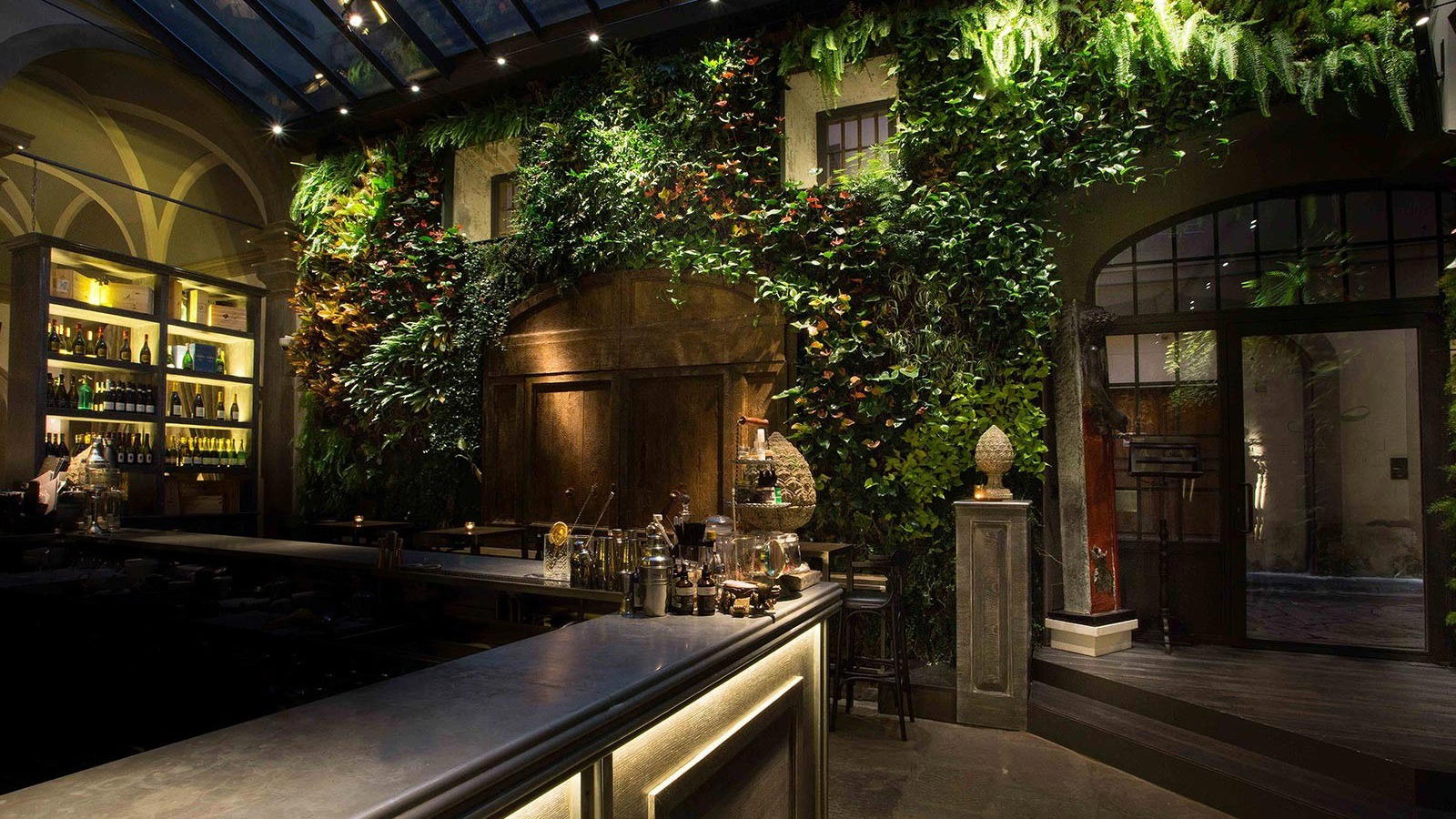
Florence's cocktail culture has historically operated in the shadow of its wine identity, but the city's bar offer has become more considered in recent years, with a number of addresses running serious aperitivo programmes. The restaurant's bar operation is a genuine component of the address rather than a waiting area for the dining room, and it functions independently across much of the day. This places it in a different relationship to the meal than the sommelier-led wine service at the city's formal rooms: here, the drink is a destination in its own right, not a supporting act.
Both treat beverage as a parallel programme rather than an afterthought. The restaurant's version is less formal but follows the same underlying logic: you can build a visit around the bar alone, or use it as the aperitivo act before moving to the dining room, or as the post-dinner close.
Planning a Visit
The restaurant is on Via de' Ginori, 8/R, a short walk from the Medici Chapels and the Mercato Centrale in the San Lorenzo district, putting it within easy reach of both the historic centre and the quieter residential streets north of the Duomo. Given the address operates across multiple functions and receives consistent attention from both Florentine regulars and visiting guests, securing a table for the restaurant component in advance is advisable, particularly for weekend evenings and the high season months of April through October. The bar and retail sections operate on a walk-in basis for most of the day.
The Short List
Comparable venues nearby, for context on price, style, and recognition.
| Venue | Cuisine | Price |
|---|---|---|
| La MénagèreThis venue — the venue you are viewing | Not listed | $$$ |
| Gurdulù Gastronomia | Santo Spirito, Contemporary Tuscan | $$ |
| Ristorante Il Guscio | San Frediano, Authentic Tuscan Trattoria | $$$ |
| Coquinarius Fiesole | San Niccolo, Refined Tuscan Bistro | $$$ |
| La Giostra | San Niccolo, Authentic Tuscan Trattoria | $$$ |
| Giovanni Santarpia | San Felice a Ema, Neapolitan Pizza | $$$ |
Recognition history
Dated appearances from independent guides and award organizations, with the underlying list record or original source where available.
Top 500 Bars Best Bars #393
Top 500 Bars
Top 500 Bars Best Bars #289
Top 500 Bars
Continue exploring
More in Florence
Restaurants in Florence
Browse all →
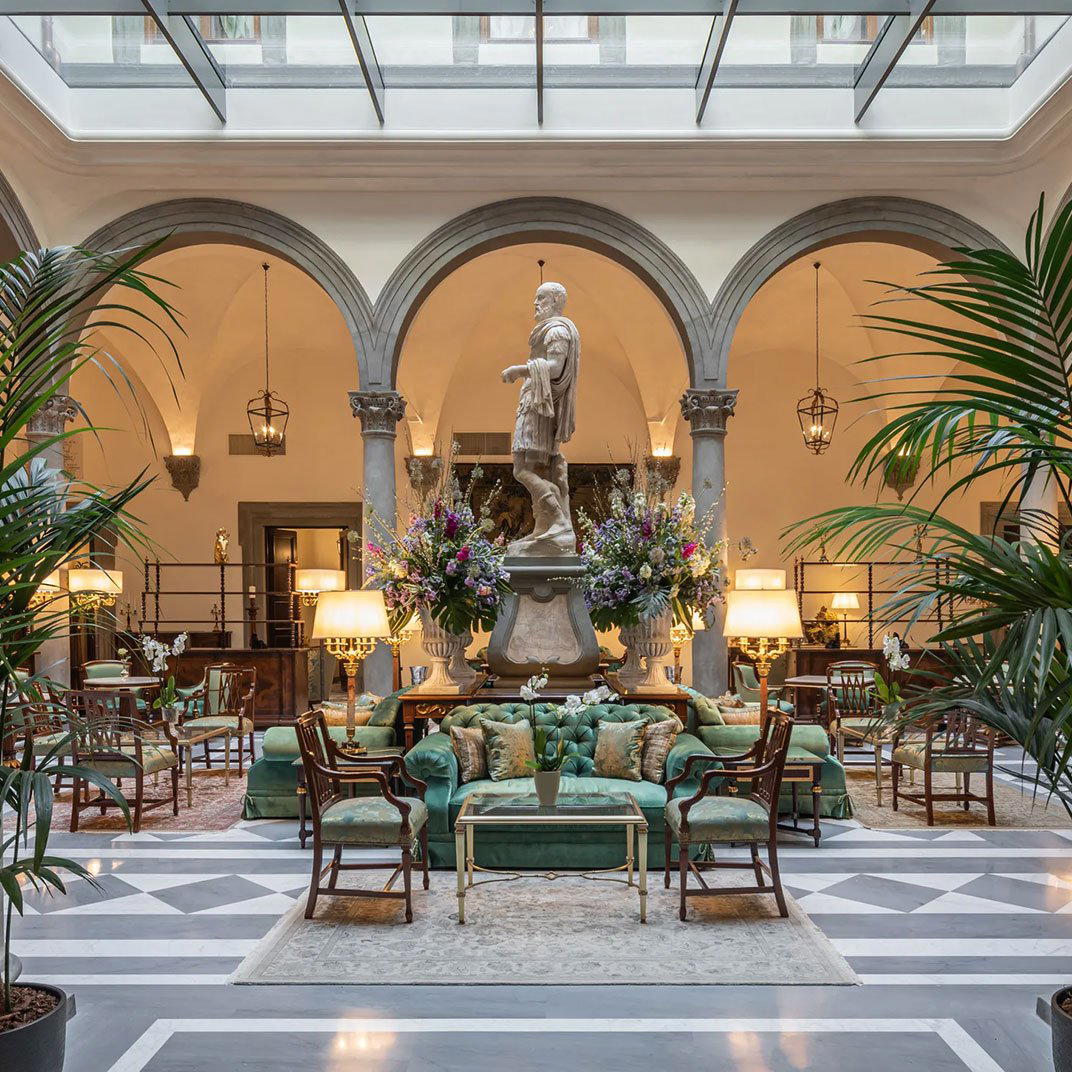
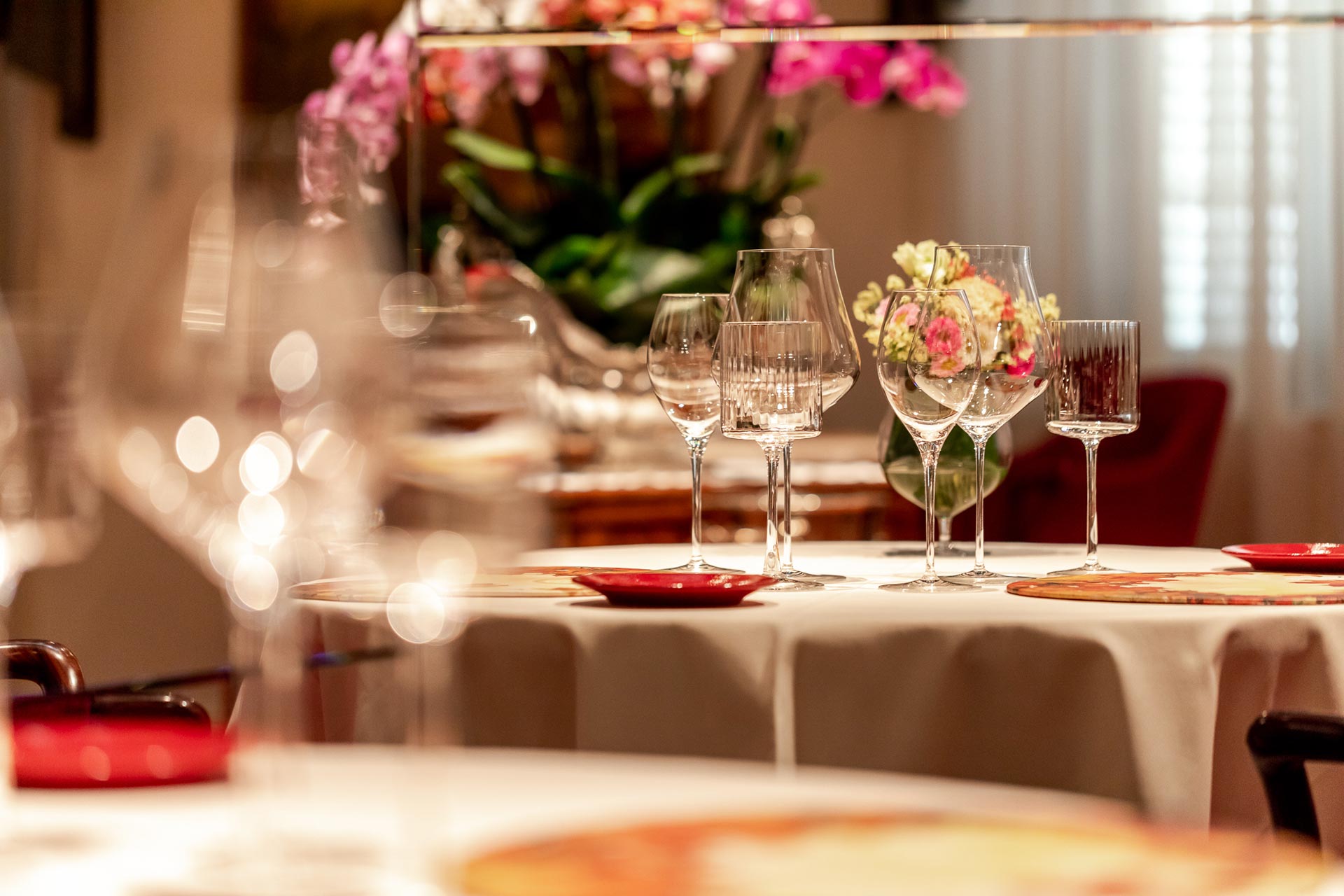
Bars in Florence
Browse all →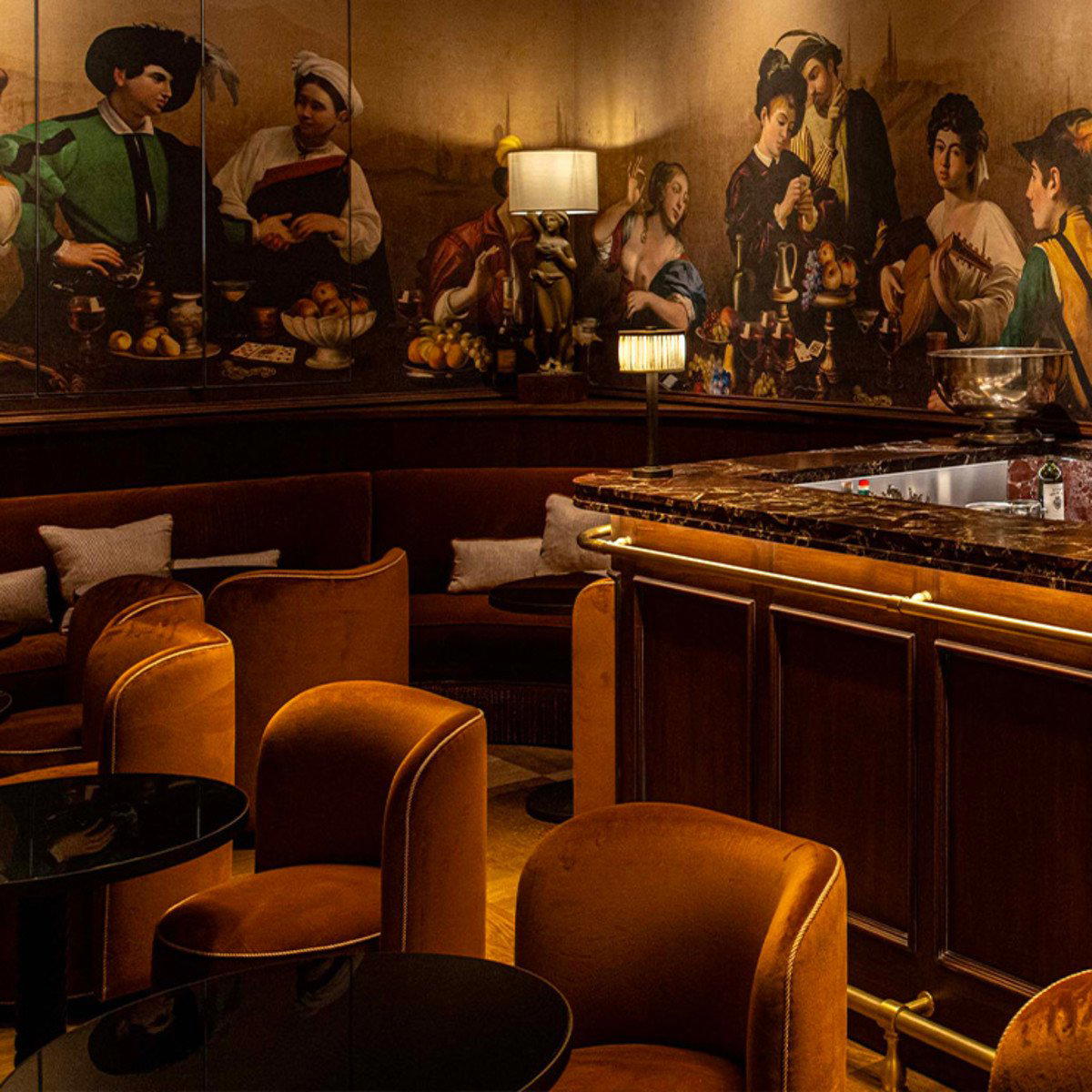
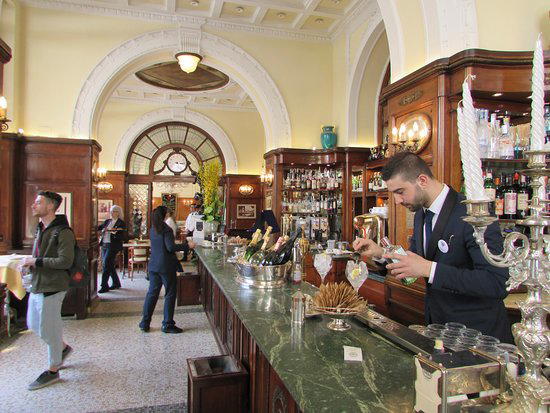
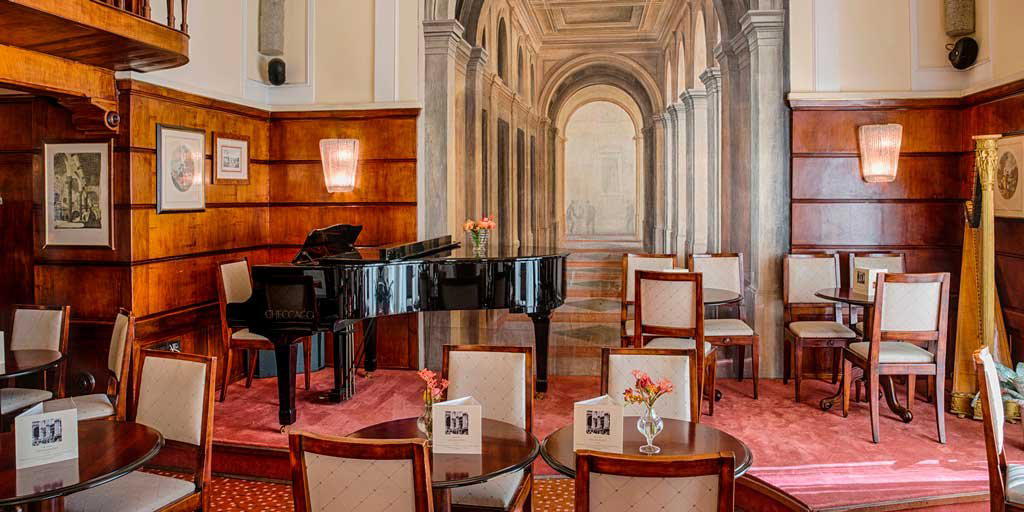
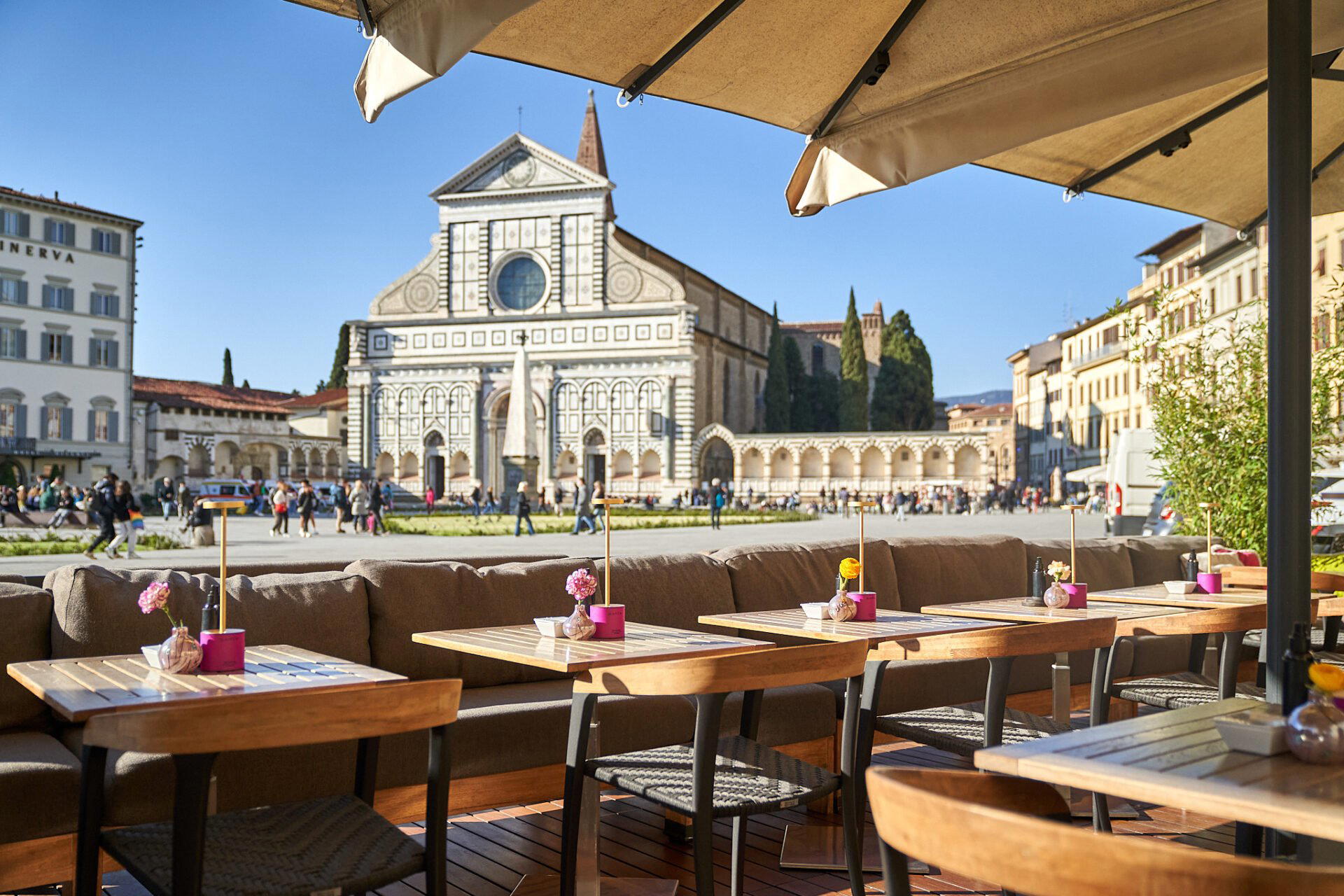
Hotels in Florence
Browse all →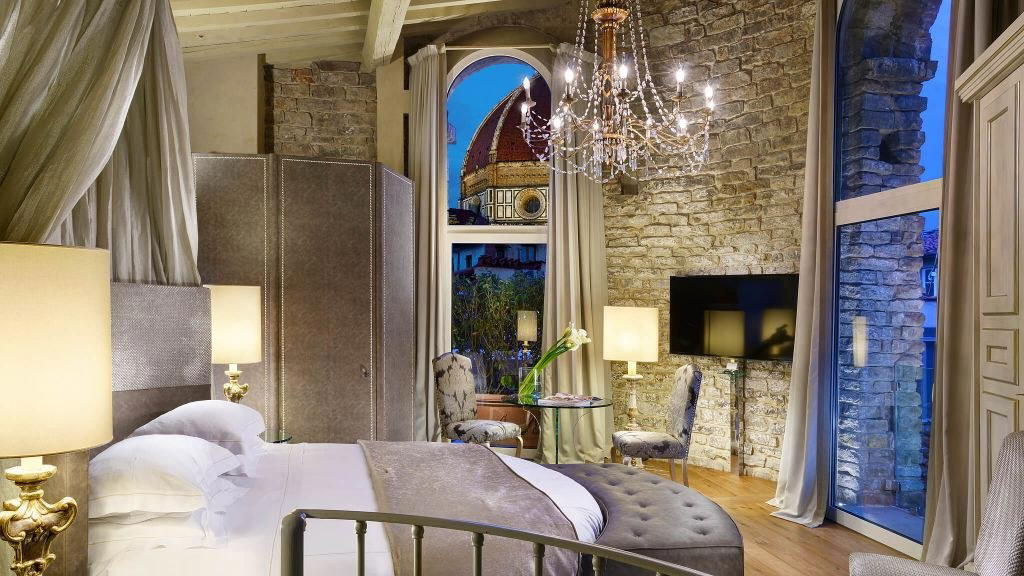
At a Glance
- Elegant
- Modern
- Romantic
- Trendy
- Industrial
- Date Night
- Special Occasion
- Business Dinner
- Open Kitchen
- Terrace
- Extensive Wine List
- Local Sourcing
- Sustainable
Current opening hours
- Monday
- 8 AM–2 AM
- Tuesday
- 8 AM–2 AM
- Wednesday
- 8 AM–2 AM
- Thursday
- 8 AM–2 AM
- Friday
- 8 AM–2 AM
- Saturday
- 8 AM–2 AM
- Sunday
- 8 AM–2 AM
Hours can change for holidays and private events. Last verified .
Elegant and relaxing decor with industrial materials, recycled design objects, flower installations, and a welcoming high-end atmosphere praised for its beauty and sophistication.