On the western shore of Lake Como, The Lido sits within a dining scene that balances lakeside tradition with contemporary Italian ambition. Como's restaurant culture draws on Lombard produce, fresh lake fish, and a tourism economy that rewards quality. The Lido occupies that space where setting and cuisine converge, making it a reference point for visitors orienting themselves around the lake's dining options.
Pearl is the En Primeur Club membership app — saves, bookings, and concierge access live there. Same editors, same standards.
- Address
- Como, Italy
- Directions
- Get directions
 Saves & bookings on Pearl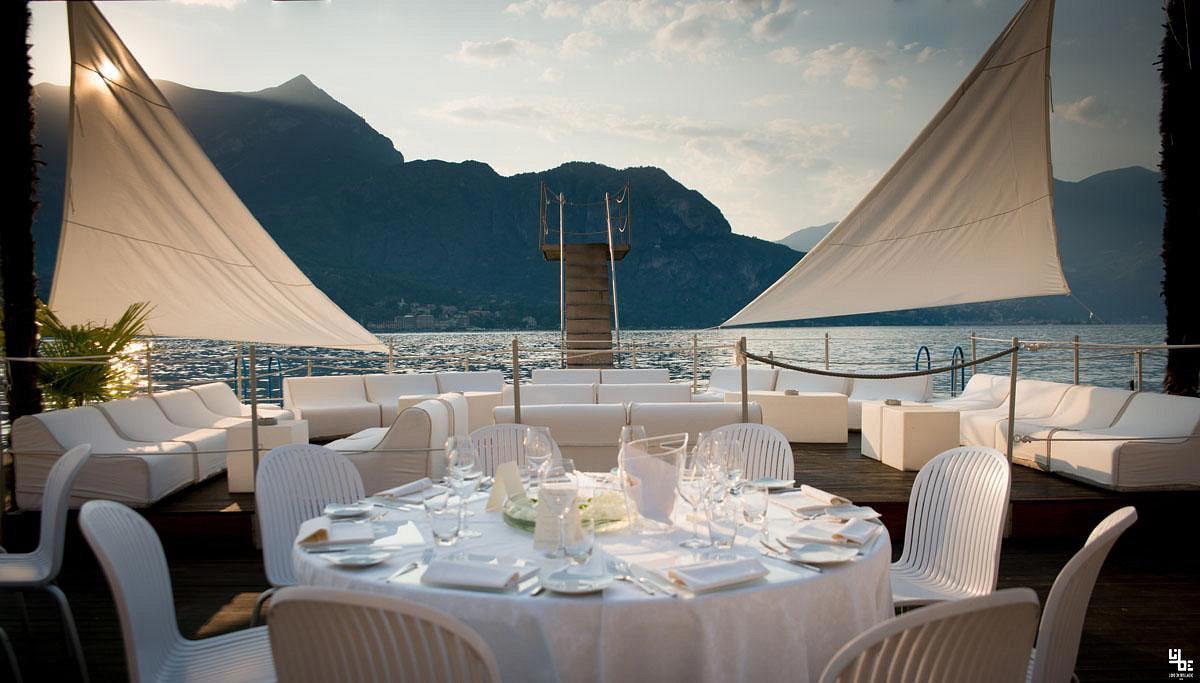
Lake Como's Dining Character and Where The Lido Fits
Lake Como operates on a different register from Milan's restaurant scene, forty kilometres to the south. Where Milan rewards experimentation and chef-driven theatrics, Como's dining culture has historically been shaped by the lake itself: the ferry schedules, the tourist seasons, the morning fish catch, and the long lunches that stretch across the water into the afternoon. Restaurants here answer to geography as much as to culinary fashion. The Lido sits within that tradition, in a city whose name carries centuries of lakeside hospitality, and where the question of where to eat is as tied to atmosphere and position as it is to what arrives on the plate.
Como's stronger dining addresses tend to cluster around lake-facing positions or historic town-centre buildings, each one negotiating the balance between serving an international visitor base and maintaining a kitchen identity rooted in Lombard and northern Italian ingredients. The broader context matters: further north in the Italian Alps, Atelier Moessmer Norbert Niederkofler in Brunico has reframed what Alpine Italian cuisine can be, while the Mantuan countryside around Runate is home to Dal Pescatore, one of Italy's most durable three-Michelin-star addresses. Como sits between these reference points geographically and, in some ways, conceptually.
The Cultural Roots of Lakeside Cooking in Lombardy
The cuisine of the Lakes region draws from a set of ingredients that Milan's restaurants can only approximate: lake perch, lavarello (European whitefish), agone dried and salted in the local tradition, and the olive oil produced on the warmer western shores of Garda and, to a lesser extent, Como. Lombard cooking at its core is not about the flashpoint techniques that define kitchens like Le Calandre in Rubano or the boundary-testing creativity found at Osteria Francescana in Modena. It is a cuisine of accumulation: slow braises, rice-based dishes, cured meats from the valley floors, and a fish cookery shaped by what the lake gives up each morning.
For visitors arriving in Como expecting the format of Enoteca Pinchiorri in Florence or the metropolitan ambition of Enrico Bartolini in Milan, the adjustment is real. Lakeside dining here is slower, more dependent on the view as a structural element of the meal, and more overtly seasonal than the year-round tasting menus of Italy's headline fine-dining rooms. The Lido operates within that seasonal rhythm.
Setting and Atmosphere
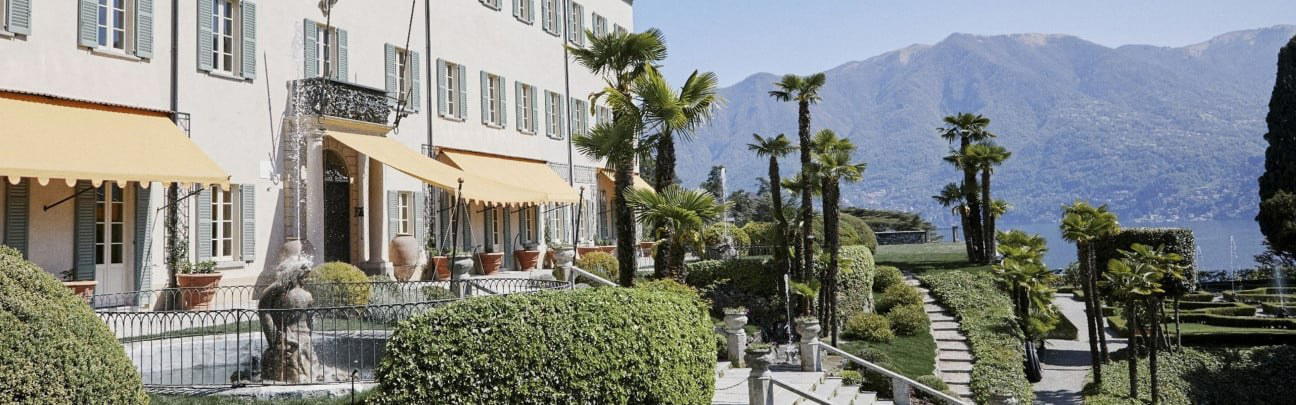
The restaurant concept in Italian culture predates the modern restaurant by decades. In its original form, a lido is a bathing and leisure establishment positioned at a lake or sea edge, where the line between recreation and hospitality blurs. Como has maintained several such spaces along its waterfront, and any address carrying the name carries with it that specific register of Italian lakeside leisure: open air or near-open air, the sound of water close enough to be present in the dining room, and a pace that the architecture itself enforces. You do not rush a meal at a lido; the setting makes that argument for you.
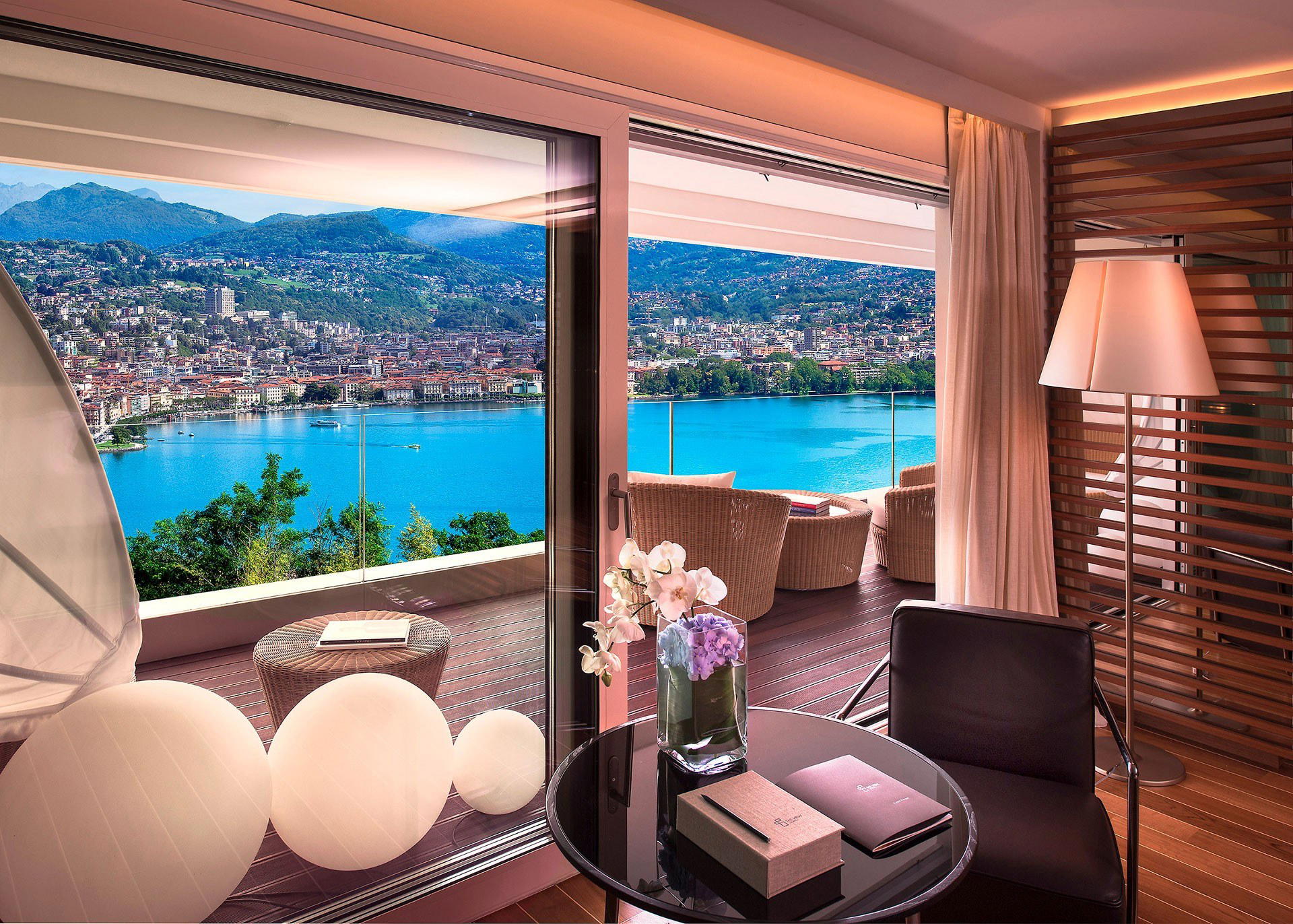
Como's lakefront position on the southwestern tip of the Y-shaped lake means its views span toward Cernobbio and the Villa d'Este shoreline to the northwest, a geography that has attracted wealthy visitors since the eighteenth century. The dining rooms and terraces that face this view are trading on one of northern Italy's most established tourism backdrops. Two other restaurants actively working within Como's contemporary dining conversation are Cetino, with its lake, sea, and land-inspired menu, and Renzo, which operates across all-day contemporary Italian formats. All three address a similar visitor profile but through different formats and meal occasions.
Positioning Within Italy's Broader Restaurant Map
Italy's fine-dining geography rewards specificity. The addresses that have built lasting international reputations tend to be tightly tied to a region's identity: Piazza Duomo in Alba is inseparable from Piedmont's truffle and Barolo culture; Uliassi in Senigallia reads as an extension of the Adriatic; Quattro Passi in Marina del Cantone belongs to the Amalfi coast's seafood tradition. Como's opportunity, and its challenge, is to translate lake geography into a kitchen identity that travels beyond the local. Some addresses in the region have managed it; the scene overall is still building that argument.
For international visitors comparing notes on Italian dining, Como sits in a different tier from the country's headline multi-starred destinations. Places like Reale in Castel di Sangro, Casa Perbellini 12 Apostoli in Verona, and Da Vittorio in Brusaporto draw destination diners who have organised their itinerary around a reservation. Como's dining, the restaurant included, more often functions as the reward at the end of a day on the lake, which is a different proposition but not a lesser one. The comparison set changes depending on what the reader is optimising for.
For those building a wider Italian itinerary that includes serious dining rooms, La Pergola in Rome remains Italy's most decorated hotel dining room, while internationally minded visitors might cross-reference the precision-focused formats of Le Bernardin in New York City or the Korean-American tasting menu at Atomix in New York City as benchmarks for what highly controlled fine dining looks like at its outer edge. Como, and the restaurant within it, occupies a different register: more relaxed in format, more dependent on place, and deliberately so.
Planning Your Visit
Como is accessible from Milan's Cadorna station via the regional Trenord line in under an hour, making it viable as a day trip or as a base for several days of exploration around the lake's western branch. The town's dining scene concentrates around the lakefront promenade and the historic centre, with peak season running from late spring through early autumn.
Budget and Context
Comparable venues nearby, for context on price, style, and recognition.
| Venue | Cuisine | Price | Notes |
|---|---|---|---|
| The LidoThis venue — the venue you are viewing | Not listed | $$ | Not listed |
| Renzo | Not listed | $$$ | Cadenabbia di Griante, Contemporary Italian |
| Cetino | Not listed | $$$$ | Cadenabbia di Griante, Seasonal Mediterranean Fine Dining |
| Le Macare Ristorante | Alezio, Modern Salentino Trattoria | $$ | Not listed |
| Ciro a Santa Lucia | Not listed | $$ | San Ferdinando, Neapolitan Pizza & Fresh Seafood |
Continue exploring
More in Como
Restaurants in Como
Browse all →
Bars in Como
Browse all →
Hotels in Como
Browse all →


At a Glance
- Scenic
- Lively
- Casual
- Casual Hangout
- Group Dining
- Family
- Waterfront
- Terrace
- Beer Program
- Local Sourcing
- Waterfront
Bright, relaxed beachside atmosphere with both outdoor and indoor spaces offering varying degrees of privacy; reminiscent of Mediterranean beach destinations.