




Osteria Francescana is Massimo Bottura's restaurant in Modena, Italy.
Pearl is the En Primeur Club membership app — saves, bookings, and concierge access live there. Same editors, same standards.
- Address
- Via Stella, 22, 41121 Modena MO, Italy
- Phone
- +39 059 223912
- Website
- osteriafrancescana.it
- Directions
- Get directions
 Saves & bookings on Pearl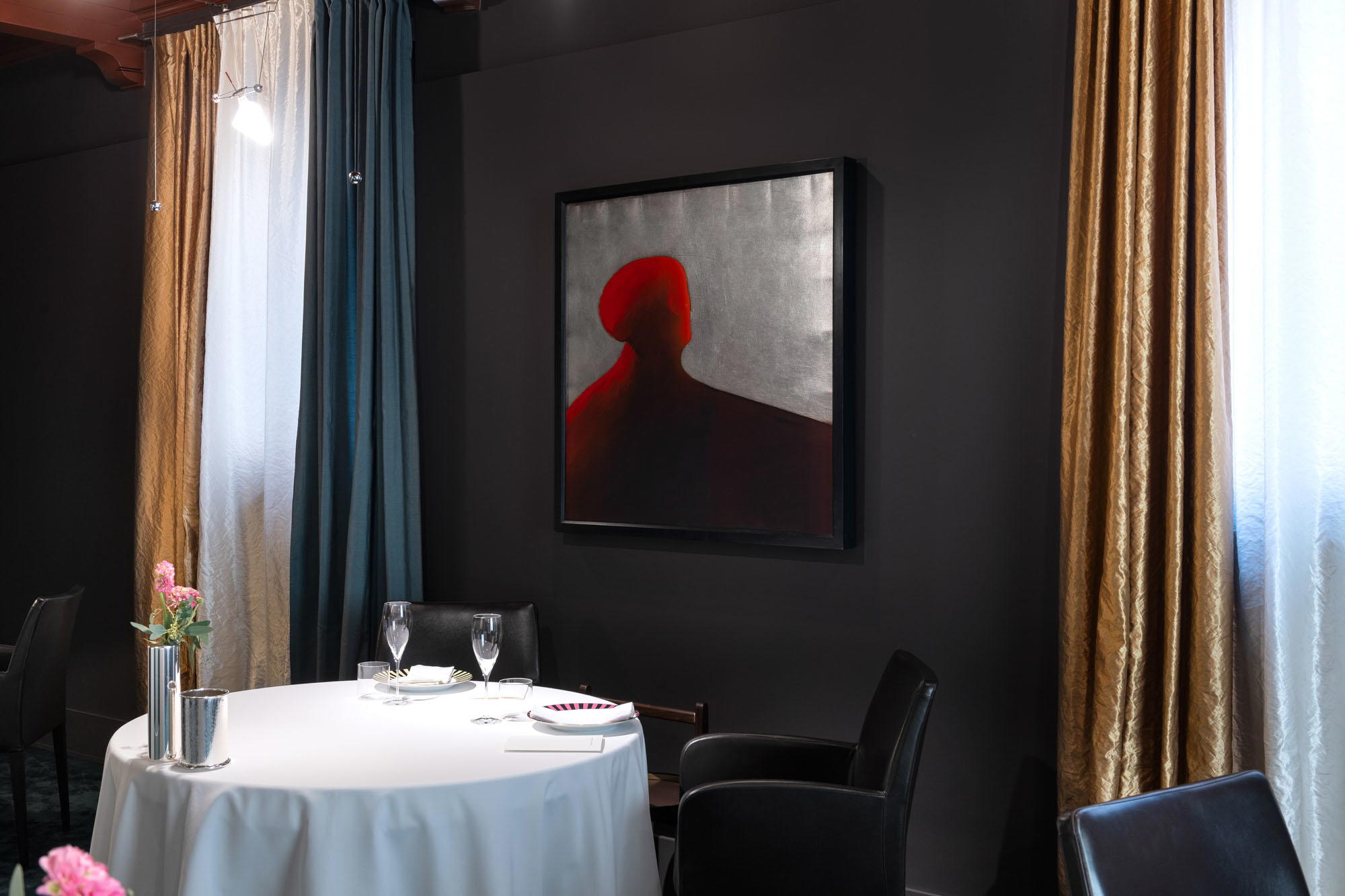
In Modena, Osteria Francescana carries a reputation that extends beyond the city. The verified frame is concise but important: this is a €€€€ restaurant from chef-owner Massimo Bottura, with a formal dress code and a cuisine described as Progressive Italian and Creative.
Osteria Francescana is positioned in a progressive and creative register. The useful frame is not to invent specific menu items, room features, or service details, but to understand the restaurant through the facts that are confirmed: Modena, Massimo Bottura, Progressive Italian and Creative cuisine, €€€€ pricing, and formal dress.
Emilian memory, edited through contemporary Italian technique
Massimo Bottura is the verified chef-owner of Osteria Francescana, and the restaurant’s cuisine is listed as Progressive Italian and Creative. That gives the page a firm, grounded premise: this is not a casual trattoria description, nor should it be presented through unverified menu names or specific dishes. The restaurant is best introduced as a formal, high-price Modena destination where Italian culinary identity is approached creatively.
What can be stated with confidence is that restaurant operates in the €€€€ bracket, is associated with Massimo Bottura, and is categorized as Progressive Italian and Creative.
Recognition listed for the restaurant includes Les Grandes Tables du Monde 2026 member restaurant and La List. The verified recognition text also includes booking-focused promotional wording, so it is better not to overstate awards beyond the confirmed mentions. For diners, the practical takeaway is that restaurant is a recognized Modena restaurant, but exact current accolades should be checked against the restaurant’s own channels or the relevant guide sources.
How Modena's table culture frames the room
Modena rewards diners who give the city more than one reservation slot. A meal at the restaurant can be understood more clearly when placed within the city’s broader dining context.
Within and beyond Modena, the comparison is not simply between expensive restaurants. L'Erba del Re offers another reference point, while Al Gatto Verde provides a different nearby option. Outside the immediate Modena context, Materia and Madonnina del Pescatore can be considered as part of a broader Italian dining conversation, without implying they belong to the Modena dining scene.
Those comparisons underline the point: the restaurant should not be read as generic luxury dining alone. Its verified identity is more specific than that: a formal, €€€€ Modena restaurant led by Massimo Bottura and categorized as Progressive Italian and Creative.
Who should plan a meal around it
The restaurant makes strongest sense for diners interested in contemporary Italian cooking and in Modena as a culinary destination. The verified dress code is formal, and the price level is €€€€, so it is best approached as a planned destination meal rather than an informal stop. Diners looking for a casual local meal may want a different kind of Modena restaurant, while those interested in a creative Italian experience will find the restaurant the central reference point here.
For a fuller Modena itinerary, build around the city rather than treating the restaurant as a standalone trophy. The restaurant’s verified hours are Monday to Sunday, 12:30–3 pm and 8–10:30 pm. Confirm current opening hours, booking requirements, menu details, and any special requests directly before visiting.
How It Stacks Up
Comparable venues by cuisine and price in the same metro.
| Venue | Cuisine | Price | Awards |
|---|---|---|---|
| Osteria FrancescanaThis venue — the venue you are viewing | Progressive Italian, Creative | €€€€ | Michelin 3 Stars, World's 50 Best Restaurants #1 (2018), World's 50 Best Restaurants #2 (2017), World's 50 Best Restaurants #1 (2016), World's 50 Best Restaurants #2 (2015), World's 50 Best Restaurants #3 (2014), World's 50 Best Restaurants #3 (2013), World's 50 Best Restaurants #5 (2012), World's 50 Best Restaurants #4 (2011), World's 50 Best Restaurants #6 (2010), World's 50 Best Restaurants #13 (2009) |
| L'Erba del Re | Creative | €€€€ | Creative, €€€€ |
| Al Gatto Verde | Woodfire Cooking, Contemporary | €€€€ | Woodfire Cooking, Contemporary, €€€€ |
| Ensama Pesce | Seafood | €€€€ | Seafood, €€€€ |
| Materia | Progressive Italian, Creative | €€€ | Progressive Italian, Creative, €€€ |
| Madonnina del Pescatore | Progressive Italian, Creative | €€€€ | Progressive Italian, Creative, €€€€ |
Recognition history
Dated appearances from independent guides and award organizations, with the underlying list record or original source where available.
Falstaff Restaurant - 100 Falstaff Points
Falstaff
La Liste Top Restaurants
La Liste
Les Grandes Tables du Monde Member
Les Grandes Tables du Monde
Michelin 3 Stars
Michelin
Opinionated About Dining Top Restaurants in Europe Ranked #21
Opinionated About Dining
Chef's Table Featured on Chef's Table
Chef's Table
La Liste Top Restaurants
La Liste
Michelin 3 Stars
Michelin
Opinionated About Dining Top Restaurants in Europe Ranked #27
Opinionated About Dining
The Best Chef Three Knives
The Best Chef
Michelin 3 Stars
Michelin
Opinionated About Dining Top Restaurants in Europe Ranked #18
Opinionated About Dining
Opinionated About Dining Top New Restaurants in Europe Ranked #17
Opinionated About Dining
World's 50 Best Best Restaurants #1
World's 50 Best
World's 50 Best Best Restaurants #2
World's 50 Best
World's 50 Best Best Restaurants #1
World's 50 Best
World's 50 Best Best Restaurants #2
World's 50 Best
World's 50 Best Best Restaurants #3
World's 50 Best
World's 50 Best Best Restaurants #3
World's 50 Best
World's 50 Best Best Restaurants #5
World's 50 Best
World's 50 Best Best Restaurants #4
World's 50 Best
World's 50 Best Best Restaurants #6
World's 50 Best
World's 50 Best Best Restaurants #13
World's 50 Best
Continue exploring
More in Modena
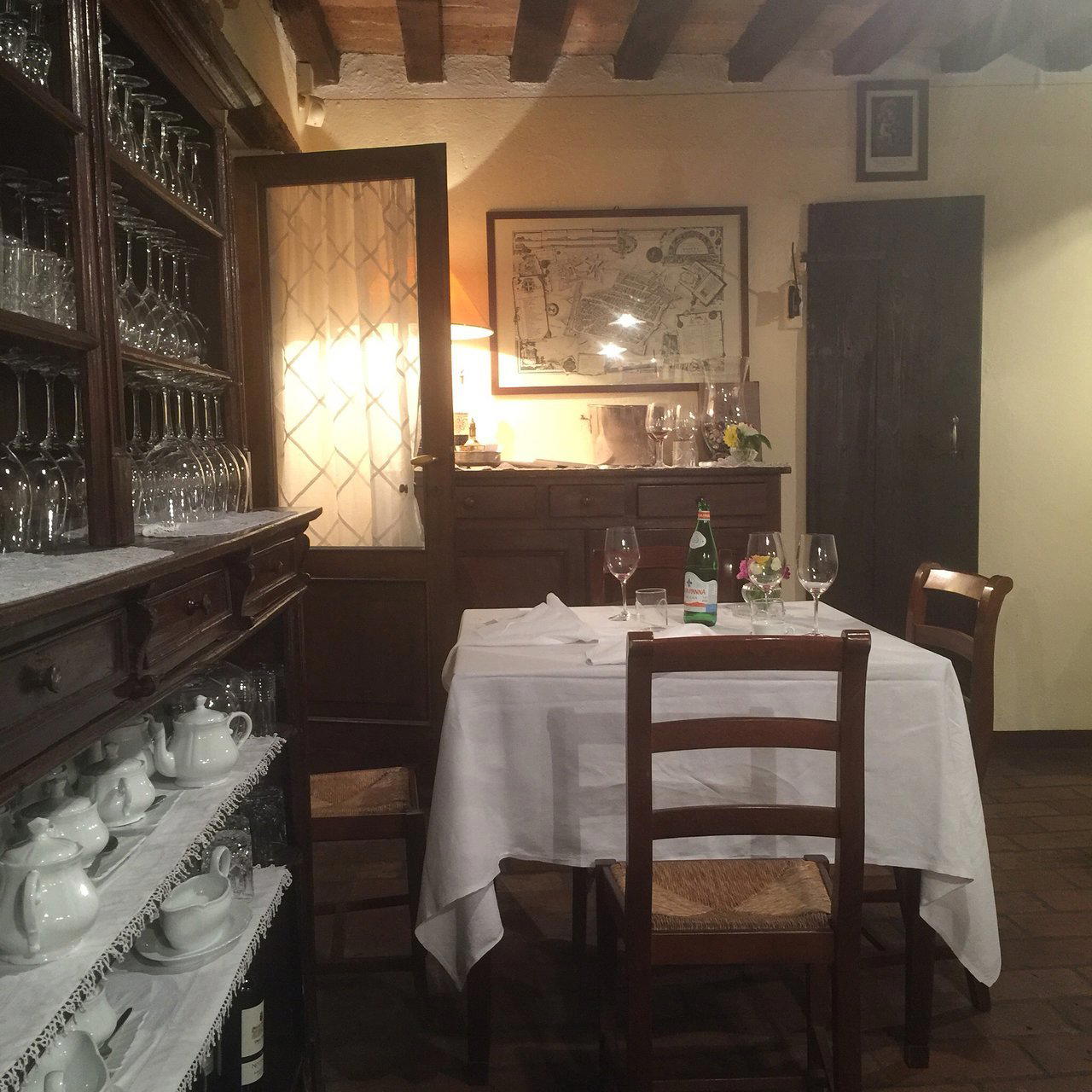
Restaurants in Modena
Browse all →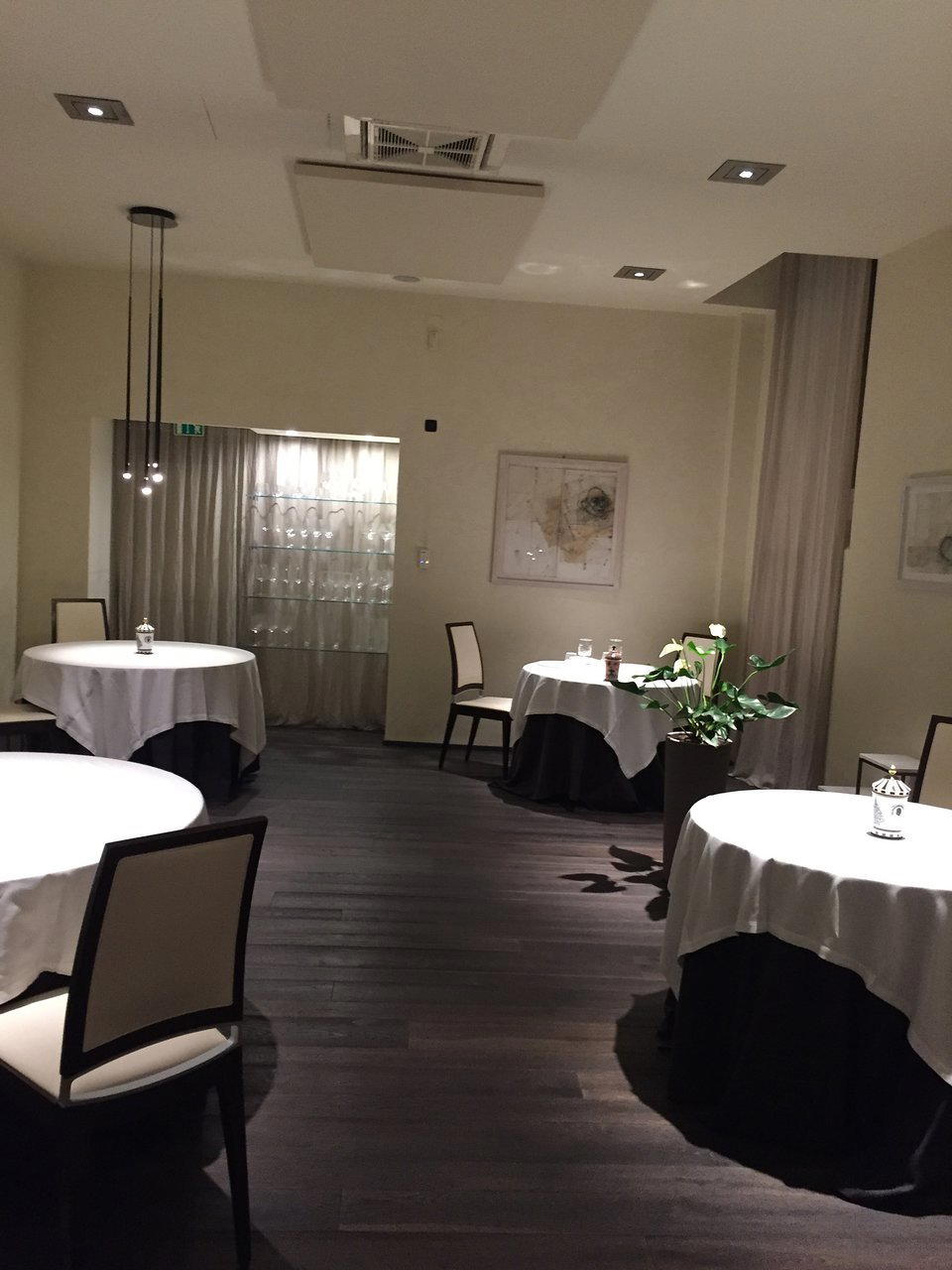
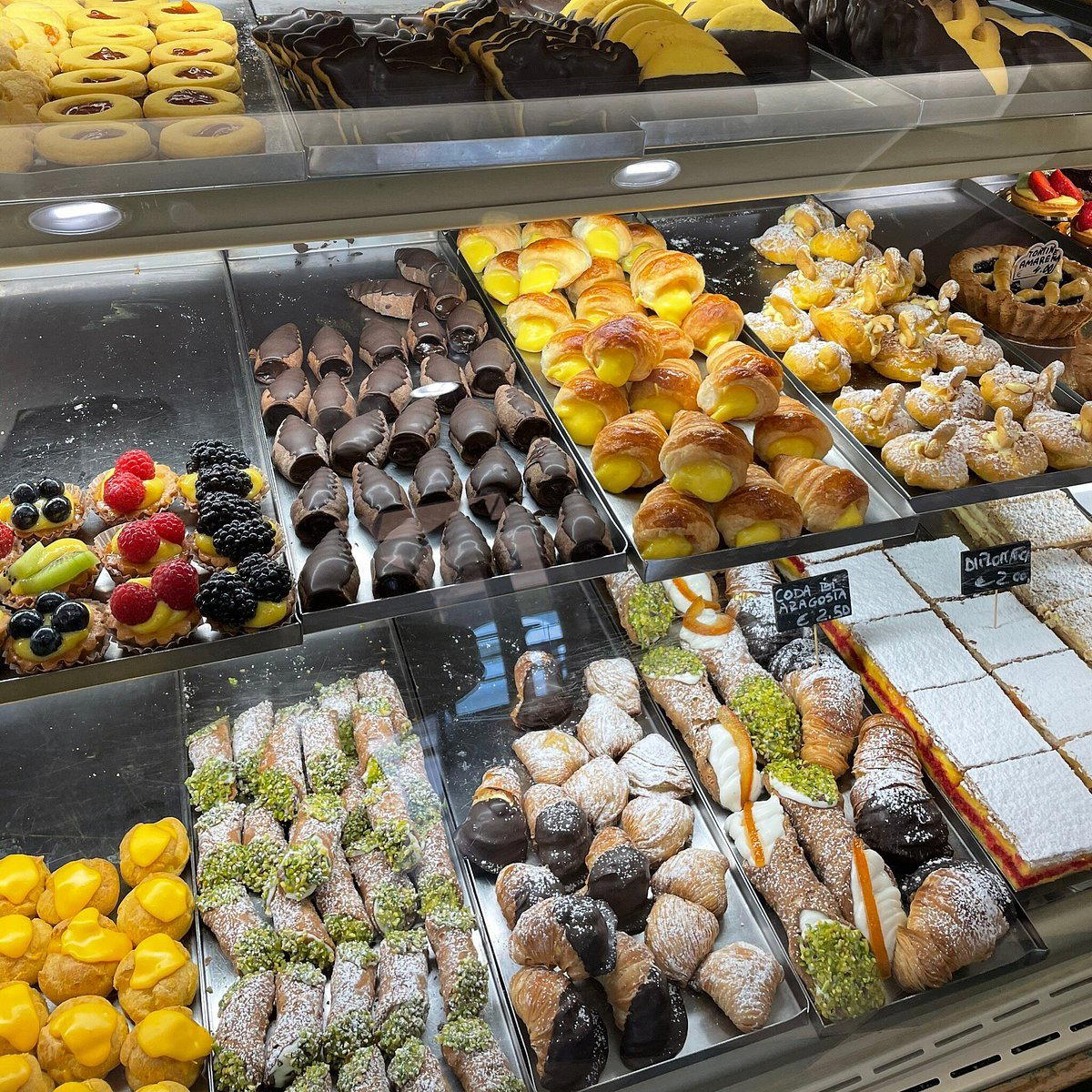
Bars in Modena
Browse all →
Hotels in Modena
Browse all →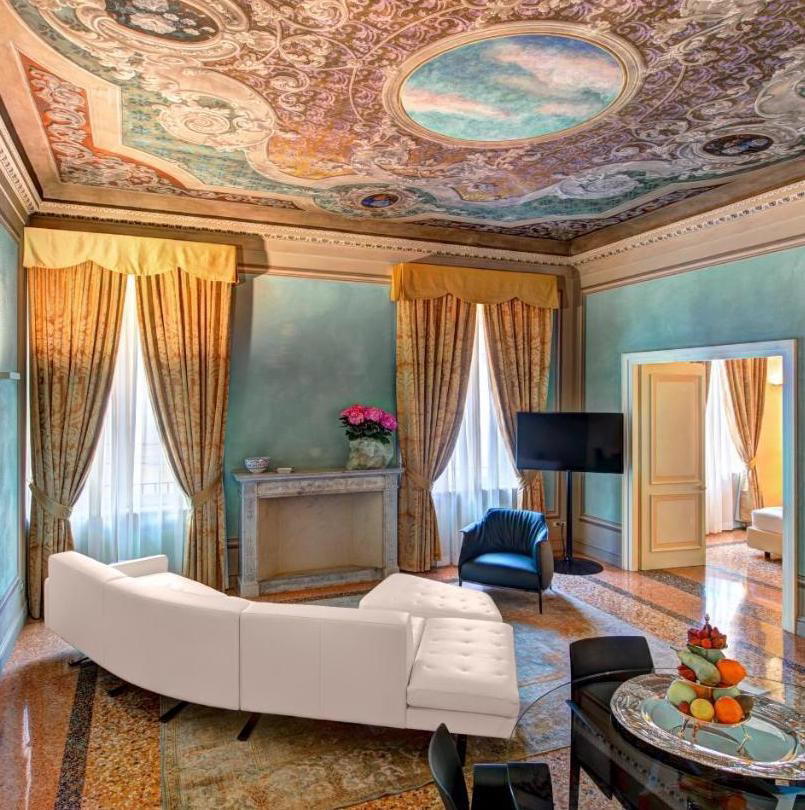

At a Glance
- Elegant
- Sophisticated
- Modern
- Well Known
- Intimate
- Special Occasion
- Celebration
- Open Kitchen
- Extensive Wine List
- Sommelier Led
- Local Sourcing
Current opening hours
- Monday
- 12:30–3 PM, 8–10:30 PM
- Tuesday
- 12:30–3 PM, 8–10:30 PM
- Wednesday
- 12:30–3 PM, 8–10:30 PM
- Thursday
- 12:30–3 PM, 8–10:30 PM
- Friday
- 12:30–3 PM, 8–10:30 PM
- Saturday
- 12:30–3 PM, 8–10:30 PM
- Sunday
- 12:30–3 PM, 8–10:30 PM
Hours can change for holidays and private events. Last verified .
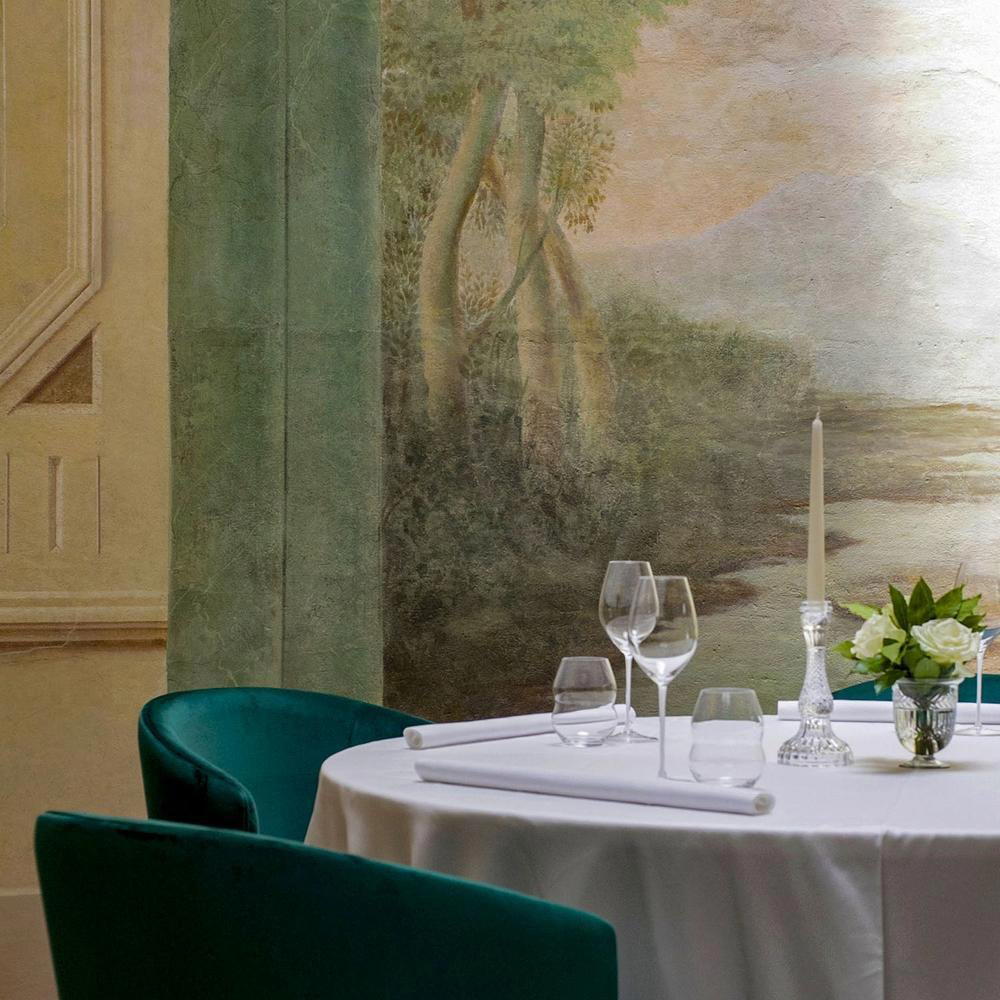
Contemporary elegance with thoughtful lighting, impressive modern artworks, and a tranquil, intimate atmosphere that enhances the multi-sensory dining experience.