
Ranked #448 in the 2025 Top 500 Bars list, Drinx at Il Gusto di Xinge sits at Piazzale della Porta al Prato on Florence's western edge, occupying a position in the city's bar scene that sits outside the tourist-dense centro storico. The recognition places it in a competitive tier alongside Italy's more discussed cocktail addresses, making it a reference point for anyone mapping Florence's serious drinking culture.
Pearl is the En Primeur Club membership app — saves, bookings, and concierge access live there. Same editors, same standards.
- Address
- Piazzale della Porta al Prato, 26, 50144 Firenze FI
- Phone
- +39 320 968 1806
- Website
- ilgustodixinge.com
- Directions
- Get directions
 Saves & bookings on Pearl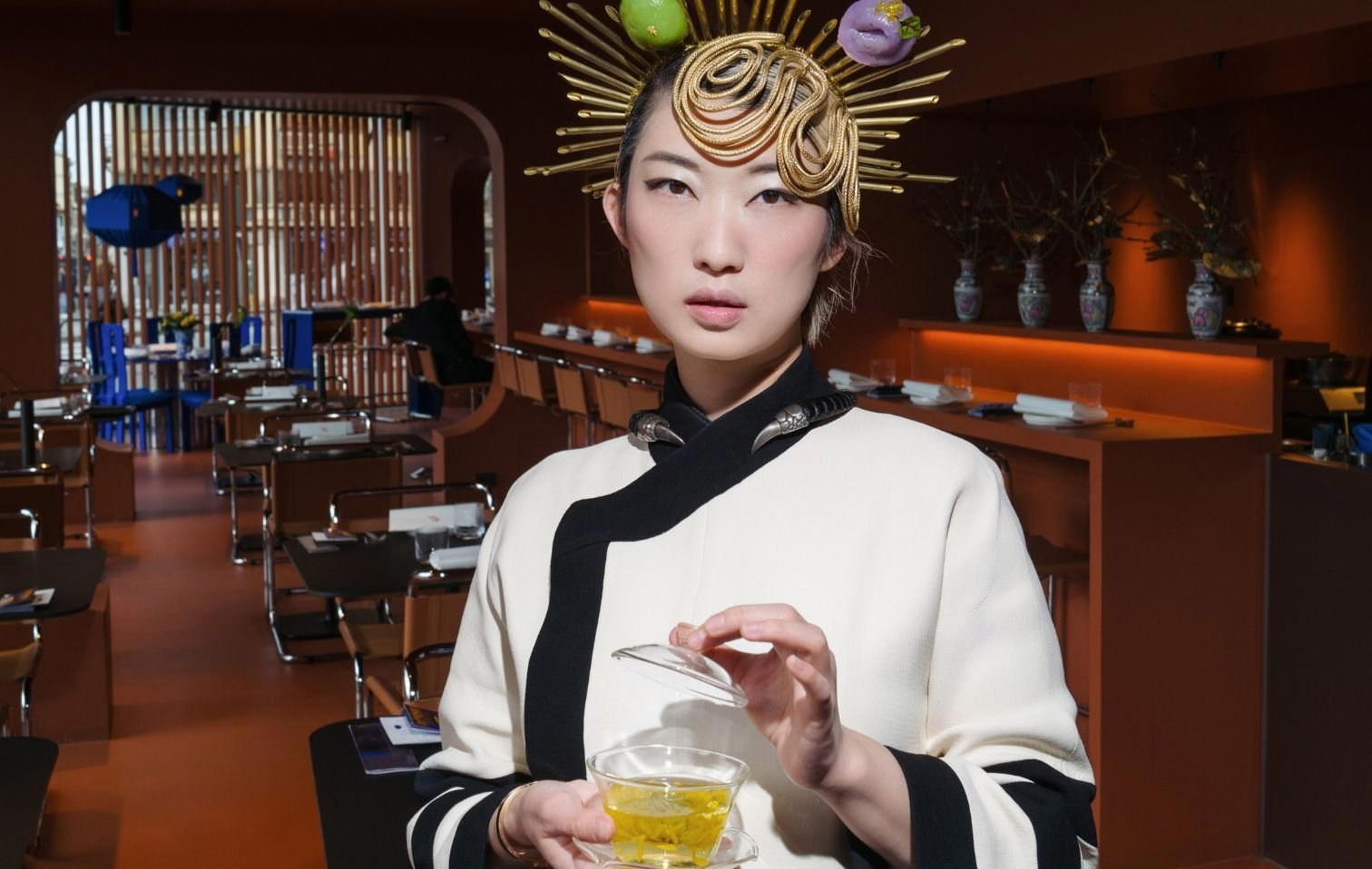
Florence's Bar Scene Beyond the River
Florence's cocktail culture has developed in two distinct zones: the centro storico and its immediate surrounds, where addresses like Gucci Giardino and Locale Firenze draw an international crowd familiar with the city's design-forward credentials, and the outer neighbourhoods, where bars tend to serve a more local clientele without the aesthetic self-consciousness that comes with proximity to the Duomo. Drinx at Il Gusto di Xinge occupies the latter geography. Piazzale della Porta al Prato sits on the western edge of the city, just outside the old walls near the Arno's northern bank, a stretch that moves at a different pace than the tourist corridors to the east. The approach is residential and unassuming, which is part of the point.
A 2025 ranking of #448 in the Top 500 Bars list places Drinx at Il Gusto di Xinge in a strong position among Italy's drinking destinations. For context, Italy's cocktail scene has produced entries like 1930 in Milan and Drink Kong in Rome, both of which operate at the sharper edge of the national bar conversation. A Top 500 placement from Florence, a city whose reputation rests more on wine than cocktails, signals that something deliberate is happening here.
Day Drinking Versus Evening Service: How the Divide Plays Out
In Italian bar culture, the distinction between daytime and evening service is rarely just about hours. Aperitivo as a social ritual shapes the late afternoon into something that functions almost as a separate establishment within the same room: different lighting, different energy, different intent. Bars at this level in Florence tend to make a considered choice about which side of that divide they want to own, or whether they attempt to hold both with equal conviction.
The daytime bar in this part of Florence tends to be quieter and more neighbourhood-facing. The clientele arriving before early evening is typically local, and the format often reflects that: shorter menus, coffee culture still in play, less pressure on the theatrical side of the drink programme. As afternoon shifts toward evening, the register changes. This is when a bar with serious credentials begins to show its construction: the approach to spirits sourcing, the balance between classic templates and house signatures, the precision of service under pressure. Bars ranked within the Top 500 globally are generally operating with intention on both sides of that divide, but the evening hours are where the ranking criteria tend to be most visibly met.
For a bar at Piazzale della Porta al Prato, the aperitivo window also carries particular weight. The neighbourhood context means the bar is likely drawing from a radius that values accessibility alongside quality. This is a different proposition from the bars operating closer to the Atrium Bar or BABAE, both of which sit within Florence's more internationally trafficked zones and carry the foot traffic that comes with that position.
Where Drinx Sits in Italy's Wider Cocktail Conversation
Italy's Top 500 representation stretches from the obvious northern-city anchors to a scattering of southern and island entries. L'Antiquario in Naples has demonstrated that cities outside Milan and Rome can sustain serious cocktail programmes with genuine international recognition. Florence's inclusion via Drinx at Il Gusto di Xinge reinforces that the ranking is responding to quality distributed across the peninsula rather than clustering around particularly obvious urban nodes.
The wider European picture is also worth noting. The Top 500 includes entries from markets with different bar cultures, from the technically focused programmes found in Nicosia, represented by Lost and Found, to the wine-adjacent drinking culture of Venice, where Al Covino holds its position. Even internationally, the list reaches as far as Bar Leather Apron in Honolulu, a signal that the ranking criteria reward a specific kind of craft consistency regardless of geography. Sitting at #448 within that context is a precise credential, not a vague compliment.
Bologna's approach to wine bars, exemplified by addresses like Enoteca Storica Faccioli, illustrates how northern Italian drinking culture can hold serious credentials outside the cocktail format entirely. The bar occupies different territory, named as a bar rather than an enoteca, and its inclusion in the Top 500 rather than a wine-specific list suggests the programme leans toward mixed drinks as its primary language.
Planning a Visit
Piazzale della Porta al Prato is reachable from the centro storico on foot in roughly fifteen to twenty minutes via Via della Scala heading west, or by tram from Santa Maria Novella station. The address at number 26 places it within the piazzale proper, a square that functions as a transit and neighbourhood node rather than a destination in its own right, which means arriving with a specific purpose rather than stumbling in is the more likely scenario for visitors staying in central Florence. Given the neighbourhood character of the location, weekday evenings may offer a more considered experience than peak weekend service.
A Tight Comparison
Comparable venues nearby, for context on price, style, and recognition.
| Venue | Cuisine | Price | Notes |
|---|---|---|---|
| Drinx at Il Gusto di XingeThis venue — the venue you are viewing | Not listed | $$$ | Not listed |
| La Terrazza Rooftop Bar | Not listed | $$$ | Santo Spirito, rooftop_bar |
| Caffè Gilli | Santo Spirito, lounge | $$$ | Not listed |
| Le Volpi e l´Uva | Not listed | $$ | San Niccolo, wine_bar |
| Bulli & Balene - Spritz e Cicchetti | Not listed | $$ | Santo Spirito, cocktail_bar |
| La Ménagère | Santo Spirito, lounge | $$$ | Not listed |
Recognition history
Dated appearances from independent guides and award organizations, with the underlying list record or original source where available.
Top 500 Bars Best Bars #443
Top 500 Bars
Top 500 Bars Best Bars #448
Top 500 Bars
Continue exploring
More in Florence
Bars in Florence
Browse all →
Restaurants in Florence
Browse all →
Hotels in Florence
Browse all →

At a Glance
- Elegant
- Modern
- Sophisticated
- Intimate
- Date Night
- Group Outing
- Special Occasion
- Design Destination
- Seated Bar
- Lounge Seating
- Craft Cocktails
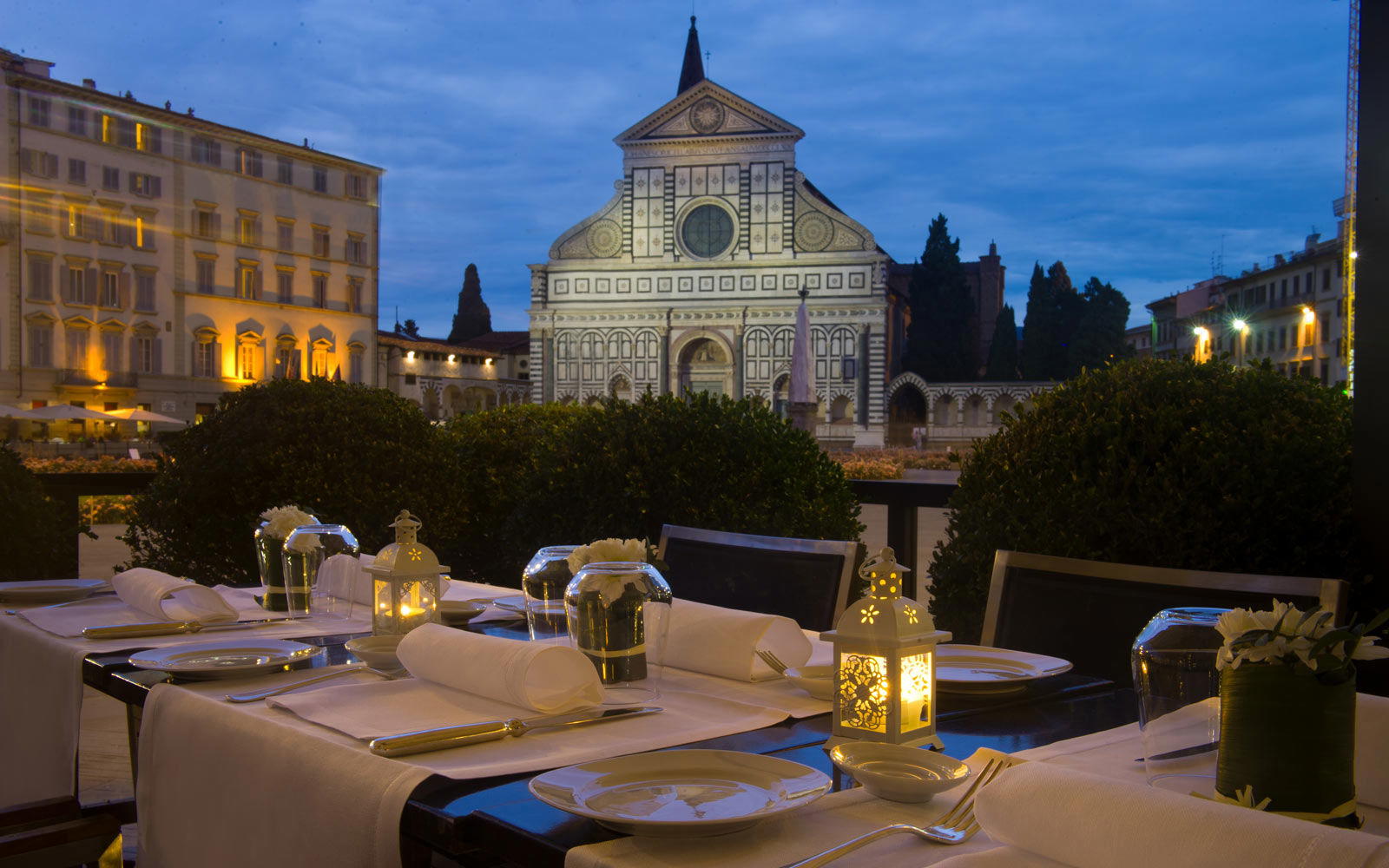
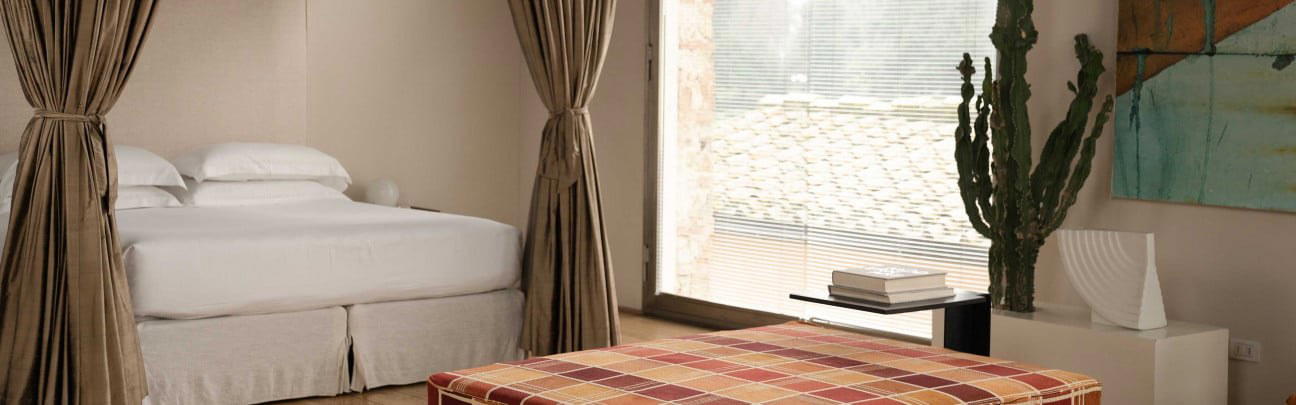
Stylish minimalist decor in deep terracotta and midnight blue tones with a 1960s vibe, chic and elegant atmosphere.