


Michelin Plate · Tabelog 100 #49
Our verdict
In Kagurazaka, Tempura Taku holds a Michelin Plate and consecutive Opinionated About Dining rankings for a reason: Chef Hisayuki Takeuchi works a menu that alternates seafood and vegetables to keep flavours in motion, frying in cold-pressed sesame oil and aerating the batter for a coating that stays light and defined. The price tier sits at ¥¥¥, and the kitchen's treatment of sea urchin wrapped in nori and asparagus fried at variable temperatures signals the level of technical care involved.

Pearl is the En Primeur Club membership app, where members save venues, book tables and use the concierge.
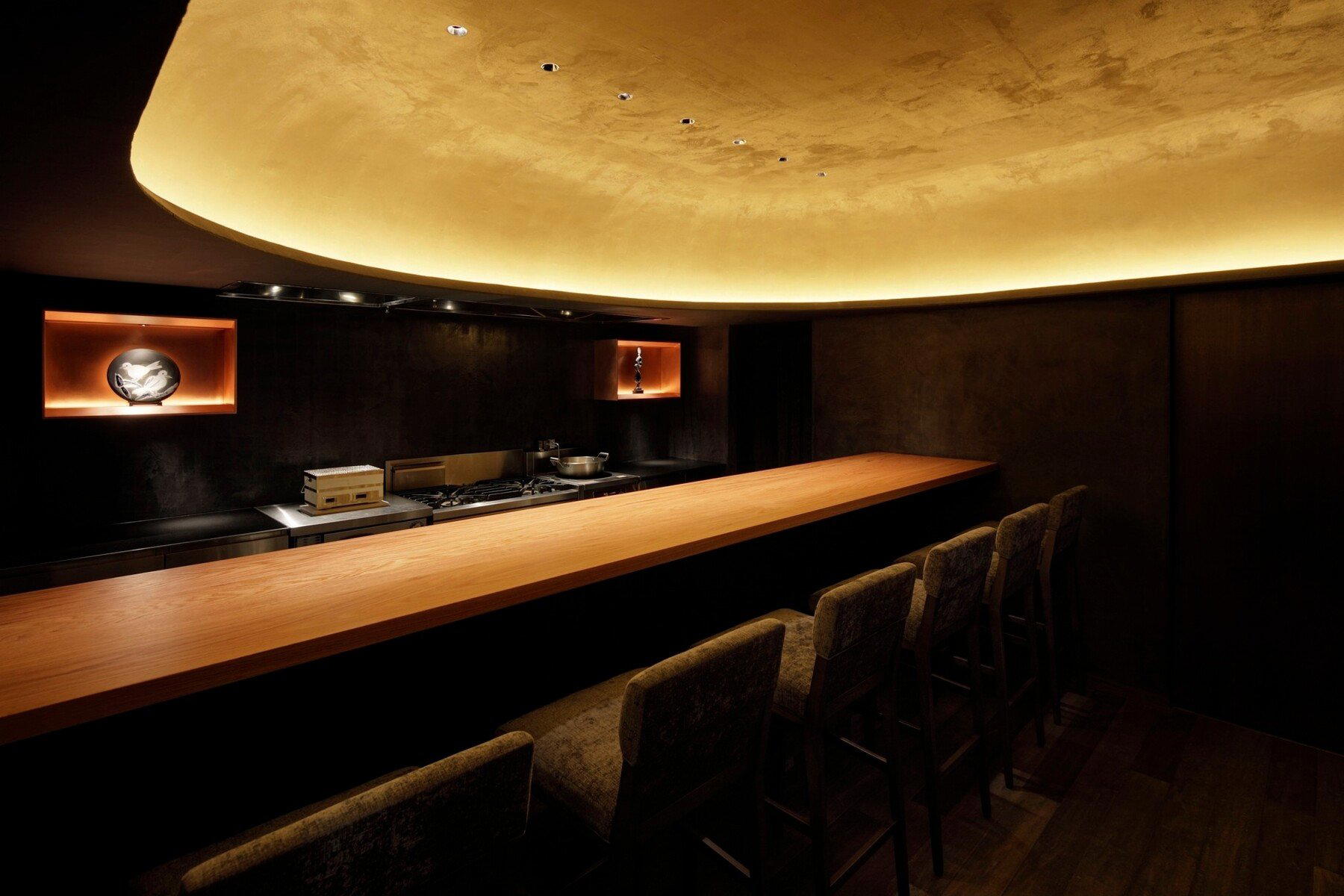
Tempura lives or dies on batter temperature. The flour must be barely mixed, overstirring develops gluten and weight, and the oil must hold steady across wildly different ingredients, from dense root vegetables to the fragile interior of a shrimp. Most tempura counters in Tokyo have this in common. What separates the better ones is discipline in sequencing, ingredient sourcing, and the willingness to resist the audience-pleasing instinct to over-batter. In Kagurazaka, Tempura Taku operates within that discipline, holding a Michelin Plate in both 2024 and 2025 and appearing in Opinionated About Dining's ranked list of Japan's restaurants across three consecutive years, reaching #454 in 2025.
The Logic of Kagurazaka
Kagurazaka is not the neighbourhood most diners think of first when planning a serious meal in Tokyo. Ginza and Azabu hold the flagship addresses; Minami-Aoyama draws design-conscious crowds; Shinjuku anchors the high-volume end. Kagurazaka occupies a different register: a former geisha district with French and Japanese restaurants threading narrow stone lanes, where the density of serious, low-profile counters is higher than the address suggests. The neighbourhood rewards visitors who move slowly and book ahead rather than walk in with expectations shaped by louder parts of the city. Tempura Taku, at an address in Kagurazaka's 3-chome, sits inside that quieter tier of the dining map. For broader context on where to eat, drink, and stay across the city, see our full Tokyo restaurants guide, our full Tokyo hotels guide, and our full Tokyo bars guide.
What Edomae Tempura Actually Means
The tempura tradition in Tokyo traces to Edo-period street cooking: vendors frying seafood pulled from Tokyo Bay in sesame oil, serving it immediately to working crowds. That origin is why timing matters so acutely at any serious tempura counter today. A piece held too long after frying loses the contrast between the crisp exterior and the ingredient's natural moisture. The Edo-period vendor had no choice but to serve immediately; the modern counter replicates that urgency by design. Cold-pressed sesame oil is the historically grounded choice for high-temperature frying in this tradition, it contributes a round, nutty depth that neutral vegetable oils cannot match, and it handles heat consistently enough for the kitchen to hold precise frying windows across a multi-course sequence.
The parallel tradition of alternating seafood and vegetables through the service is equally rooted in practical logic. Shrimp, conger eel, and white fish carry their own fat and sweetness; root vegetables and greens carry earthiness and bitterness. Moving between the two throughout the meal prevents palate saturation and keeps each piece registering at full intensity. This is the structure Tempura Taku follows, and it is the same logic you find at the most respected counters in the category, including Tempura Kondo, Tempura Ginya, and Tempura Motoyoshi.
Where the Kitchen Extends the Form
Canonical tempura menu, shrimp, conger eel, squid, seasonal vegetables, exists because those ingredients fry well, read clearly, and satisfy broadly. Most counters anchor their progression to this repertoire. What distinguishes the more technically minded kitchens is what they do at the edges: the items that require adjusted oil temperature, modified batter weight, or an unconventional approach to retain quality through frying.
At Tempura Taku, sea urchin appears on the menu wrapped in nori. Sea urchin is one of the more demanding ingredients to fry: its moisture content is high, its fat profile is delicate, and direct contact with hot oil destroys the flavour the ingredient is known for. Wrapping in nori creates a barrier that moderates the oil contact and holds the filling together. The result is served rare, which means the interior temperature stays low enough to preserve the urchin's character. This is not a novelty choice, it reflects an understanding of heat transfer and the specific vulnerability of the ingredient. A similar logic governs the kitchen's treatment of asparagus: tips and stalks fry at different temperatures because they have different densities and moisture levels, and frying both at a single setting produces either an undercooked stalk or an overcooked tip. Adjusting between them is technically demanding but the only way to treat the vegetable at its actual structure rather than at a convenient approximation.
This kind of ingredient-level thinking is what separates mid-tier execution from the work that earns sustained critical recognition. Tempura Taku's Opinionated About Dining ranking improved between 2024 (#485) and 2025 (#454), suggesting the kitchen's approach has gained traction with the evaluators tracking Japanese restaurants systematically over time. Comparable approaches to technical precision in Tokyo's broader dining scene can be found at Edomae Shinsaku and Fukamachi.
Tempura's Place in Tokyo's Wider Price Spectrum
At ¥¥¥, Tempura Taku occupies a serious but not stratospheric price tier. Tempura counters with Michelin recognition generally hold at ¥¥¥, which positions the format as accessible relative to the best of the Japanese fine dining market without conceding on ingredient quality or technical rigour. This makes the category a practical choice for diners who want Michelin-acknowledged cooking without committing to the full spend of the city's most celebrated addresses. Across Japan, the same logic applies at tempura specialists in other cities: see Numata in Osaka for a comparable tier. Outside Japan, Mudan Tempura in Taipei represents how the form travels to other East Asian markets. For the broader context of Japanese dining beyond Tokyo, HAJIME in Osaka, Gion Sasaki in Kyoto, akordu in Nara, Goh in Fukuoka, 1000 in Yokohama, and 6 in Okinawa offer points of reference across the country's range of serious dining. For more on what Tokyo offers beyond restaurants, see our full Tokyo experiences guide and our full Tokyo wineries guide.
Planning a Visit
Tempura Taku is located at Kagurazaka 3-chome in Shinjuku City, accessible from Kagurazaka Station on the Tōzai Line or Iidabashi Station, which is served by multiple lines including the JR Chūō-Sōbu. The address, 軽子坂プレイス 501, indicates a building with an elevator entrance rather than a ground-floor frontage, which is typical of Kagurazaka's mixed residential and commercial building stock. Chef Hisayuki Takeuchi leads the kitchen.
What People Recommend at Tempura Taku
The kitchen's most discussed items centre on the ingredients that require adjusted technique: sea urchin wrapped in nori and served rare, and asparagus prepared with separate frying temperatures for tips and stalks. The menu also maintains the tempura canon, shrimp and conger eel among the seafood anchors, which provides the structural familiarity that lets the more technical items register properly in sequence. The sequencing itself, alternating seafood with vegetable pieces throughout the meal, is consistently noted as part of what keeps the meal coherent rather than repetitive. For guests visiting from outside Japan, the ¥¥¥ price tier and Michelin Plate recognition make this a logical first encounter with serious tempura cooking in Tokyo.
Frequently asked questions
What should I budget for a meal at Tempura Taku?
Pricing at Tempura Taku is listed as ¥¥¥.
What distinctions does Tempura Taku have?
Tempura Taku has received recognition including: Tempura is required to be light. The flour is aerated as it is mixed with water to form a thin coating. Tempura pieces are fried in cold-pressed sesame oil to bring the flavour to the fore. Service alternates seafood with vegetable items, s….
What do people recommend at Tempura Taku?
The two most discussed items are sea urchin wrapped in nori and fried rare, and asparagus prepared in two stages, tips and stalks cooked at different temperatures to optimise texture. Both appear in a menu that already covers canonical Edomae ground: shrimp and conger eel fried in cold-pressed sesame oil, with seafood and vegetable courses alternating throughout the meal. Opinionated About Dining has ranked Tempura Taku among its top Japan restaurants in both 2024 and 2025, which tracks with the kitchen's reputation for technical precision on ingredients that most counters treat as secondary.
In Context: Similar Options
| Venue | Cuisine | Price | Awards | Notes |
|---|---|---|---|---|
| Tempura TakuThis venue (the venue you are viewing) | Tempura Specialty | $50–100 | Michelin Plate · Tabelog 100 #49 | Not listed |
| Harutaka | Edo-Style Omakase Sushi | $200–300 | 3 Michelin Stars · World's 50 Best #76 | Sushi |
| RyuGin | Modern Kaiseki | $500+ | 3 Michelin Stars · World's 50 Best #41 | Kaiseki, Japanese |
| L'Effervescence | Modern French with Japanese Influences | $200–300 | 3 Michelin Stars · World's 50 Best #69 | French |
| HOMMAGE | Modern French with Japanese Influences | $150–200 | 2 Michelin Stars · World's 50 Best #78 | Innovtive French, French |
| MAZ | Innovative Peruvian-Japanese Fusion | $150–200 | 2 Michelin Stars · World's 50 Best #28 | Innovative |
Recognition history
Dated appearances from independent guides and award organizations, with the underlying list record or original source where available.
Michelin Plate
Michelin
Opinionated About Dining Top Restaurants in Japan Recommended
Opinionated About Dining
Tabelog 100 #49 · No. 49
Tabelog · Tabelog 100 - Tempura - 2025
Full recognition history (8 entries)
Michelin Plate
Michelin
Opinionated About Dining Top Restaurants in Japan Ranked #454
Opinionated About Dining
Michelin Plate
Michelin
Opinionated About Dining Top Restaurants in Japan Ranked #485
Opinionated About Dining
Opinionated About Dining Top Restaurants in Japan Recommended
Opinionated About Dining
Continue exploring
More in Tokyo
Restaurants in Tokyo
All restaurants in Tokyo →


Bars in Tokyo
All bars in Tokyo →




Details
- Intimate
- Cozy
- Elegant
- Minimalist
- Special Occasion
- Date Night
- Solo
- Chefs Counter
- Open Kitchen
- Sake Program
- Counter Dining
- A La Carte
Current opening hours
- Monday
- Closed
- Tuesday
- 6:30–9:30 PM
- Wednesday
- 6:30–9:30 PM
- Thursday
- 6:30–9:30 PM
- Friday
- 6:30–9:30 PM
- Saturday
- 6:30–9:30 PM
- Sunday
- 12–2 PM, 6:30–9:30 PM
Hours can change for holidays and private events. Last verified .
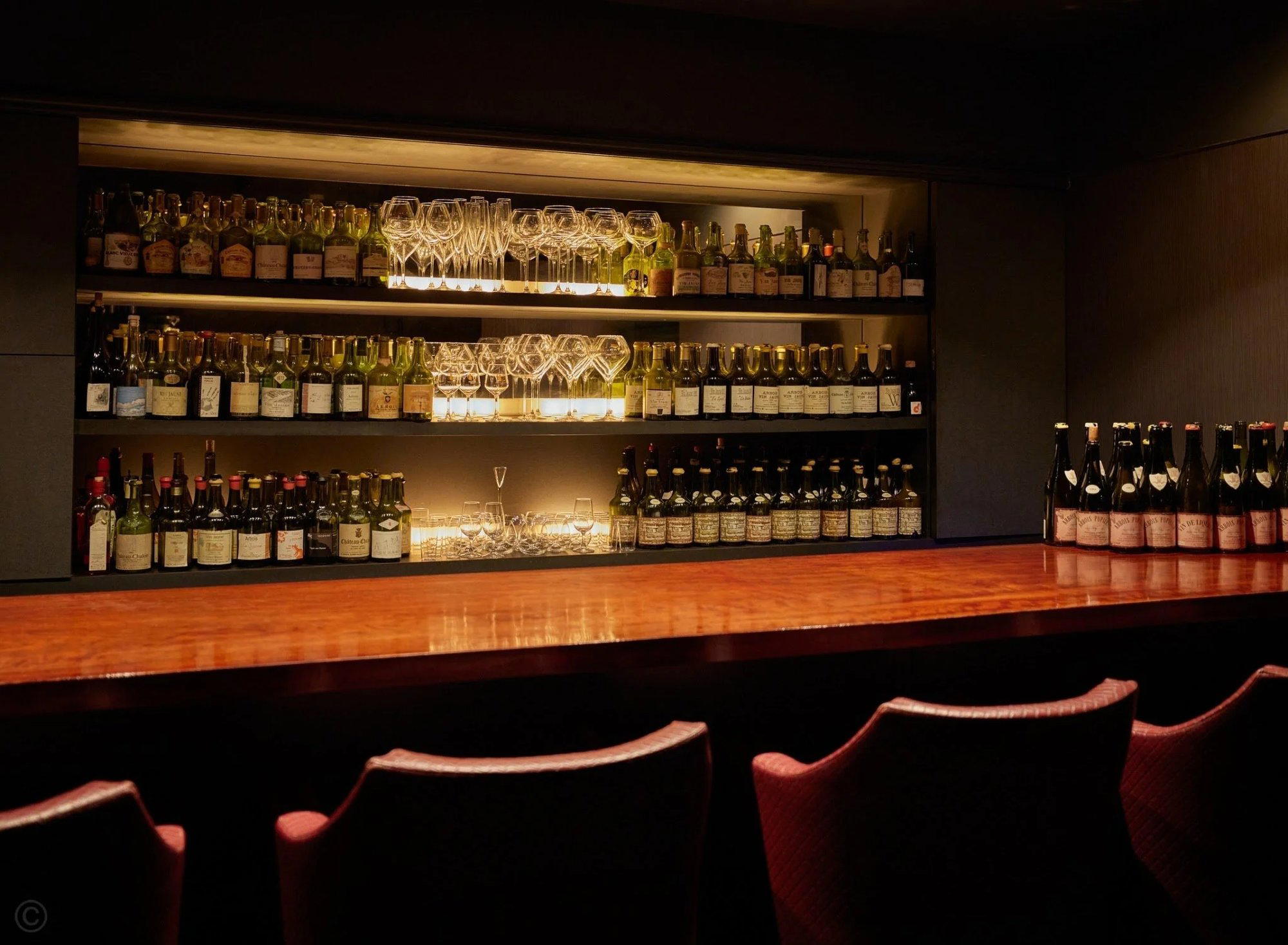
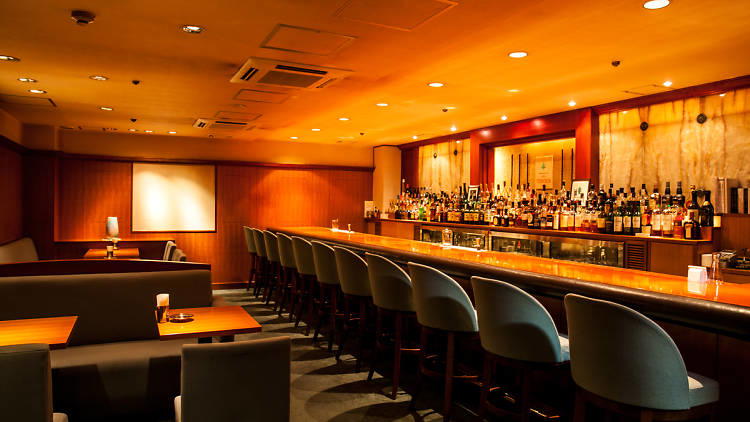
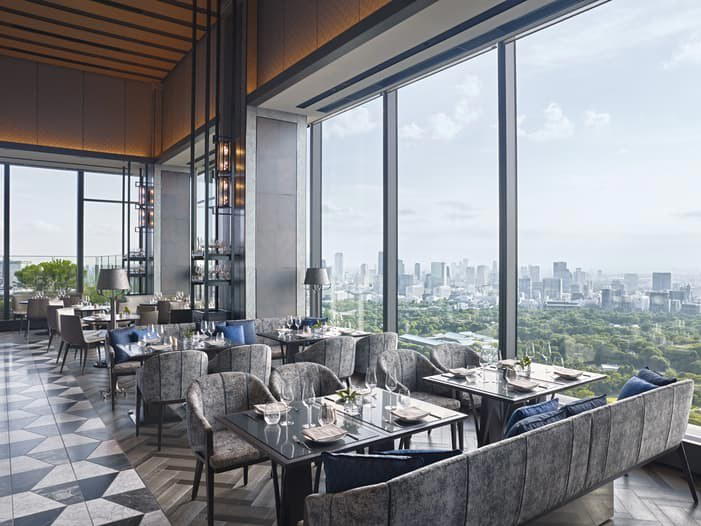
Cozy counter with refined, minimalist decor providing an intimate and welcoming atmosphere for focused dining.