On Ginza's Namiki-dori, tempura occupies a different register than at street-level tendon counters. Tempura Ginza Onodera Namikidori operates on the sixth floor of a building in Chuo City's most polished retail corridor, where the cooking discipline demands precision over volume and the sourcing conversation starts before the batter does. It belongs to a tier of Tokyo tempura that treats ingredient origin as the primary editorial decision.
 Discover on Pearl
Pearl is the En Primeur Club membership app — saves, bookings, and concierge access live there. Same editors, same standards.
- Address
- Japan, 〒104-0061 Tokyo, Chuo City, Ginza, 8 Chome−5−10 金成ビル 6階
- Phone
- +81362645738
- Website
- onodera-group.com
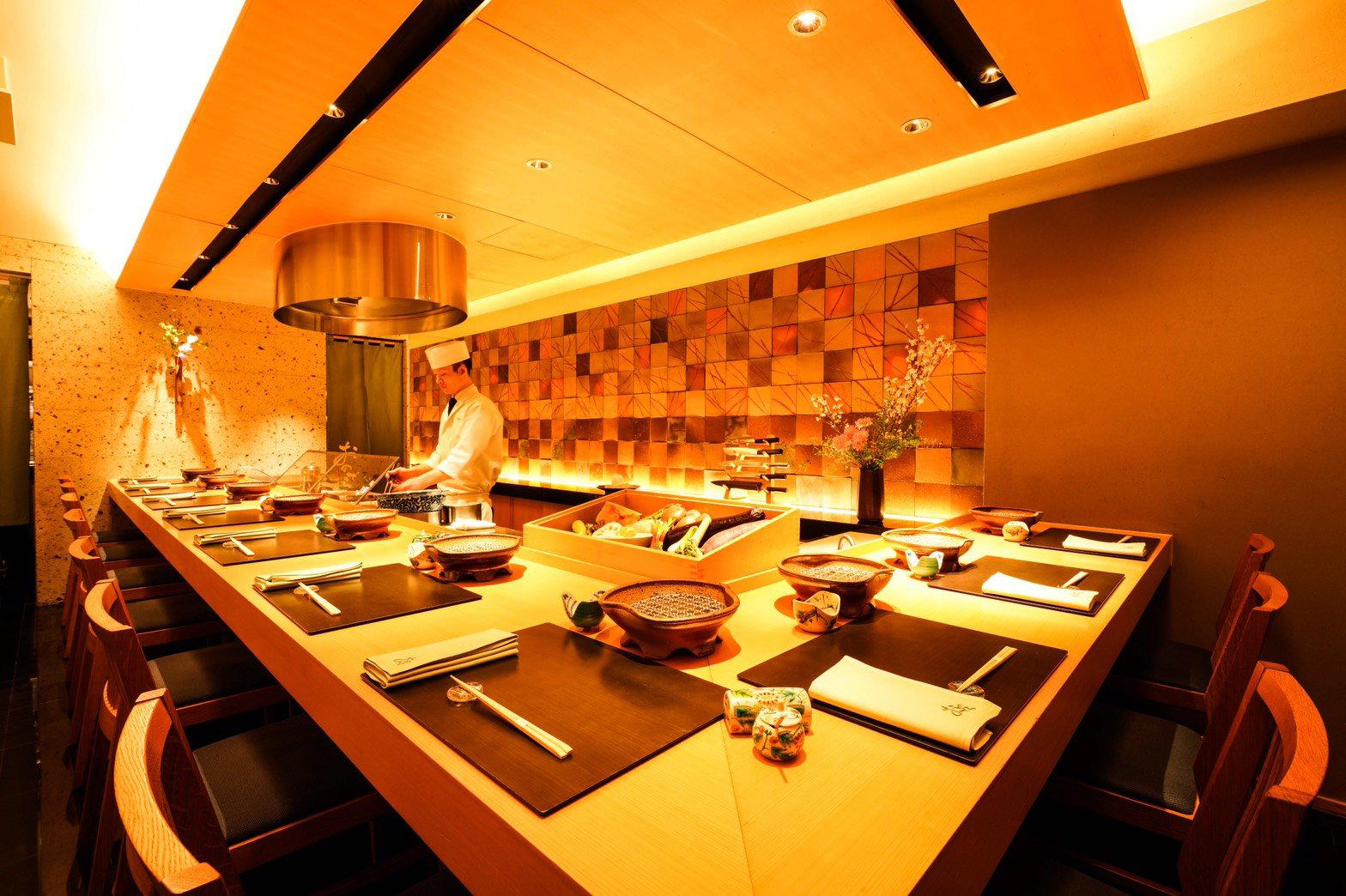
Tempura in Ginza's Upper Tier
Ginza's dining floor plan follows a recognisable logic: the street level moves fast, the upper floors slow down, and the sixth floor of a building on Namiki-dori puts you somewhere between the two. Tempura Ginza Onodera Namikidori occupies that elevation literally and figuratively. Namiki-dori itself is one of Ginza's more deliberate streets, lined with fashion houses and galleries that self-select for a visitor comfortable with considered spending and unhurried pace. The restaurant fits that register. It is a tempura fine-dining restaurant in Tokyo, with a Google rating of 4.7.
Tempura as a high-end Tokyo discipline has changed considerably over the past two decades. Counters that once competed primarily on batter technique and oil temperature now treat ingredient sourcing as the defining competitive variable. The question is no longer only how something is fried but what is being fried, and from where. Tempura Ginza Onodera Namikidori sits inside that shift, positioning itself within a category of Ginza restaurants where the sourcing conversation starts before service does.
The Ingredient-First Logic of Premium Tempura
The case for tempura as a serious cuisine rests almost entirely on what arrives at the counter before the oil is heated. Unlike kaiseki, where elaborate preparation can transform modest ingredients across multiple courses, or sushi, where the chef's knife work and rice temperature carry significant weight, tempura is mercilessly transparent. A piece of battered seafood or vegetable cooked at precision temperature reveals its source material with unusual clarity. Poor provenance is unflattering; excellent provenance is amplified.
This is why the leading tempura counters in Tokyo treat purchasing decisions with the same seriousness as technique. Seasonal vegetables from named producers, seafood sourced from specific coastal regions, and ingredients timed to peak moment rather than logistical convenience are all markers of this approach. The counter format, common at this level, means the kitchen is visible and the sequence of courses is deliberately paced. You are not eating through a menu so much as watching an argument about ingredient quality being made, course by course.
Japan's regional sourcing depth gives tempura counters significant material to work with. The country's coastal geography produces a variety of seafood that changes meaningfully by season and by prefecture, and the agricultural variety across Hokkaido, Kyushu, and the mountain regions of Honshu gives vegetable courses genuine range. A counter serious about sourcing will shift its menu tracking those changes rather than holding a fixed list year-round.
This approach to seasonal precision connects to a tradition visible across Japan's fine dining. Restaurants like RyuGin in Tokyo treat seasonal ingredient logic as the backbone of their kaiseki menus, while Gion Sasaki in Kyoto applies similar discipline within a very different format. Even French-rooted Tokyo counters like L'Effervescence have adopted sourcing-led frameworks that mirror this Japanese principle.
Ginza as a Setting for This Format
Ginza's position in Tokyo's dining hierarchy is worth clarifying. It is not simply expensive; it is specifically associated with a certain kind of formality and product quality that other upmarket neighbourhoods do not replicate. Roppongi trends more international and theatrical. Minami-Aoyama skews younger and more design-conscious. Ginza's restaurants, particularly those in the ¥¥¥¥ tier, tend to attract a clientele that arrives with clear expectations about seasonal product and service precision.
That context matters for a tempura counter operating on Namiki-dori. The street has historically attracted establishments that treat their product with a degree of seriousness about craft rather than novelty. Tempura Ginza Onodera Namikidori's address places it in conversation with that expectation, even before a single piece is served. For comparison, premium sushi counters like Harutaka operate within this same Ginza register, where the physical address functions as a signal about the price tier and the format discipline a diner should anticipate.
Tokyo's high-end tempura tier does not generate the same international media volume as its sushi or kaiseki equivalents, which means the counters that operate at this level often maintain their reputation through repeat clientele and word-of-mouth within the city rather than through global award cycles. That relative quiet should not be read as absence of seriousness. It reflects the format's more domestic audience base.
Japan's Wider Tempura and Precision-Cooking Geography
Understanding where Tempura Ginza Onodera Namikidori sits requires some awareness of how precision counter dining distributes across Japan. Tokyo holds the highest concentration of high-investment counters, but the sourcing networks that feed them often run through regional producers far outside the capital. Hokkaido seafood, Kyushu vegetables, and mountain-region mushrooms all travel into Tokyo's leading counters via purchasing relationships that have developed over years.
Other Japanese cities have their own versions of this sourcing discipline applied to local formats. HAJIME in Osaka applies a different kind of ingredient rigour to its French-influenced tasting format. Goh in Fukuoka works with local seafood traditions in ways that parallel what a serious tempura counter does with its coastal sourcing. akordu in Nara draws from the agricultural depth of the Yamato region.
Further afield, the precision-counter model has international analogues. Le Bernardin in New York City operates a comparable sourcing-obsessed seafood discipline within a French framework, and Atomix, also in New York, applies Korean fine-dining rigour in a counter format that shares structural similarities with Japan's omakase tradition.
Across regional Japan, smaller counters and specialist restaurants are doing similar work at different price points. 一本杉 川島酒造 in Nanao, 夕来山乃 in Sapporo, and 羽根屋 in Nishikawa Machi each represent the kind of regional precision that supplies or parallels what Tokyo's leading counters draw on.
Planning a Visit
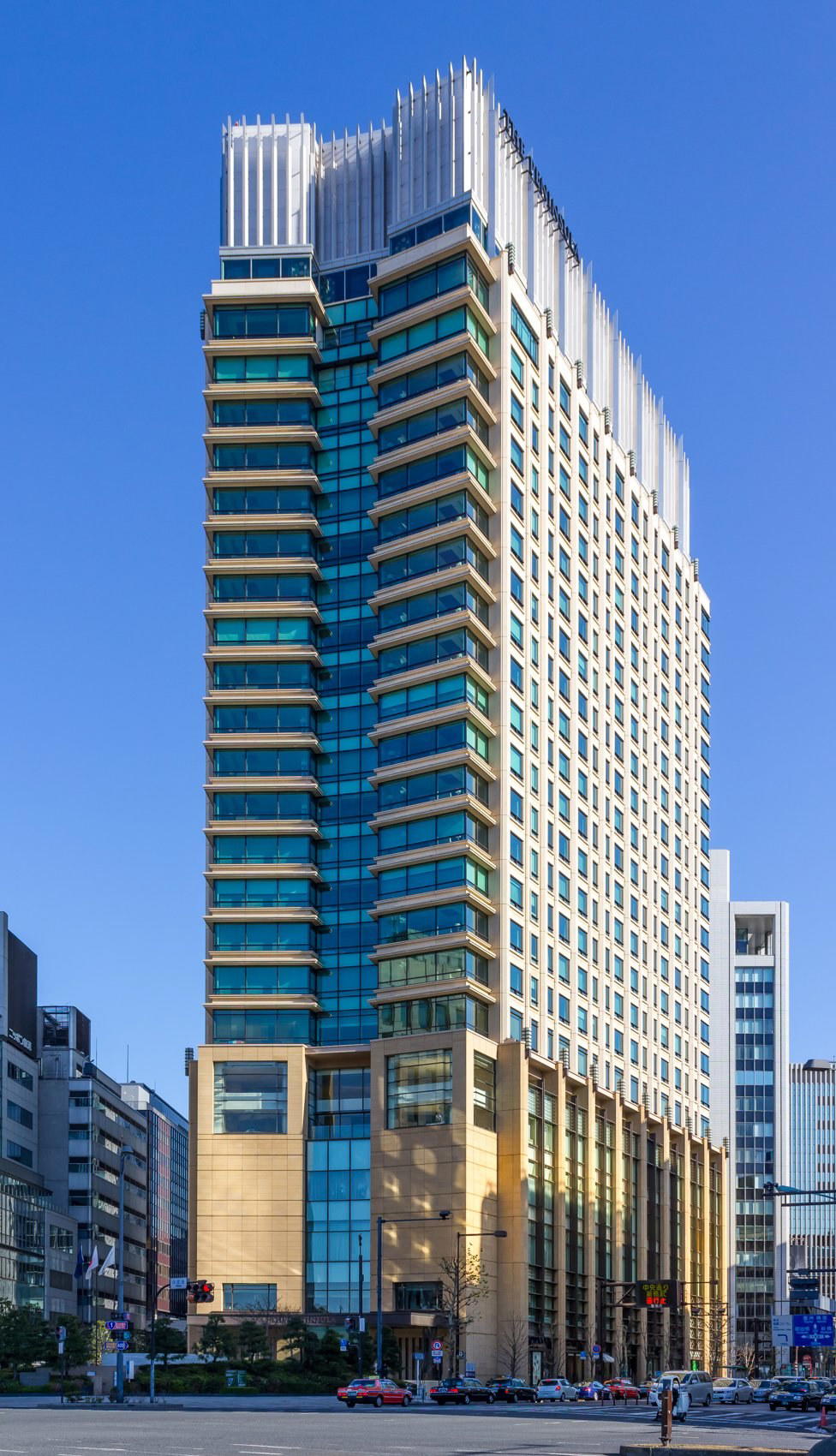
Tempura Ginza Onodera Namikidori is located on the sixth floor of a building at 8-5-10 Ginza, Chuo City, Tokyo. The Ginza and Higashi-Ginza subway stations are the closest access points, each within a few minutes' walk of Namiki-dori. Advance reservation is essential. Dress expectations lean towards smart casual.
Diners exploring beyond tempura during a Tokyo trip can reference the city's French-inflected side through Sézanne or the more experimental Crony. For those extending into regional Japan, 湖魚庵 in Takashima and Birdland in Sakai offer different regional perspectives. Bistro Ange in Toyohashi takes the regional French approach in a less-covered city.
Tempura Ginza Onodera Namikidori, 6F, 8-5-10 Ginza, Chuo City, Tokyo 104-0061. Nearest stations: Ginza and Higashi-Ginza. Advance reservation required.
Standing Among Peers
Comparable venues nearby, for context on price, style, and recognition.
| Venue | Cuisine | Price | Awards | Notes |
|---|---|---|---|---|
| Tempura Ginza Onodera NamikidoriThis venue — the venue you are viewing | Tempura Fine Dining | $$$$ | , | |
| 久丹 | Modern kaiseki "Tokyo washoku" tasting menu | $$$$ | , | Shintomicho, Chuo |
| Bohemian Nishiazabu | Secret seasonal Japanese robata omakase | $$$$ | , | Nishiazabu |
| 鮨 くわ野 | Traditional Ginza Omakase Sushi | $$$$ | , | Chūō |
| Ginza Yamashina | Luxury Wagyu Yakiniku & Steak in Private Rooms | $$$$ | , | Chūō |
| Kondo | Modern Edomae Tempura Omakase | $$$$ | , | Chūō |


At a Glance
- Intimate
- Elegant
- Cozy
- Sophisticated
- Date Night
- Special Occasion
- Business Dinner
- Chefs Counter
- Open Kitchen
- Sake Program
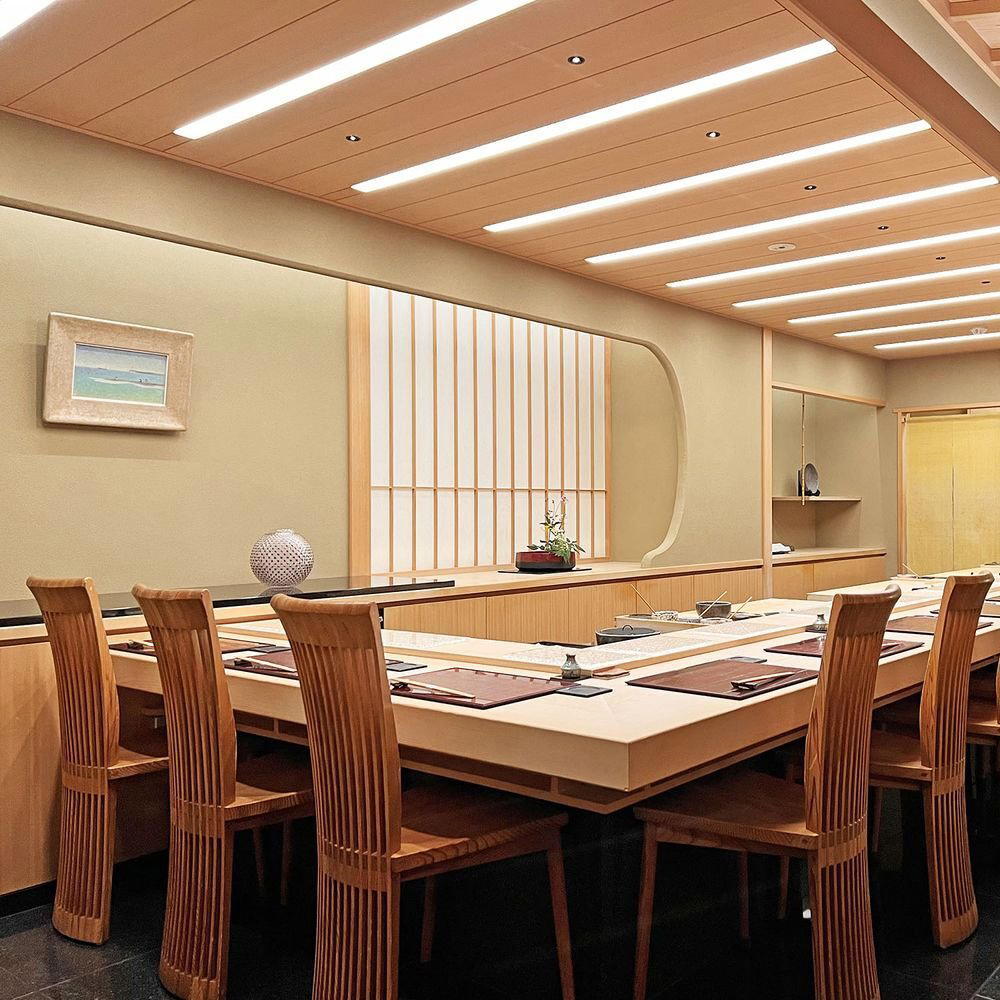
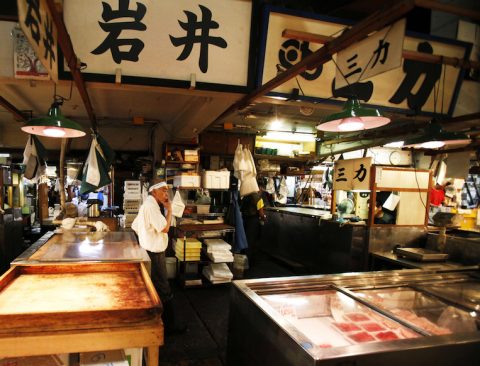
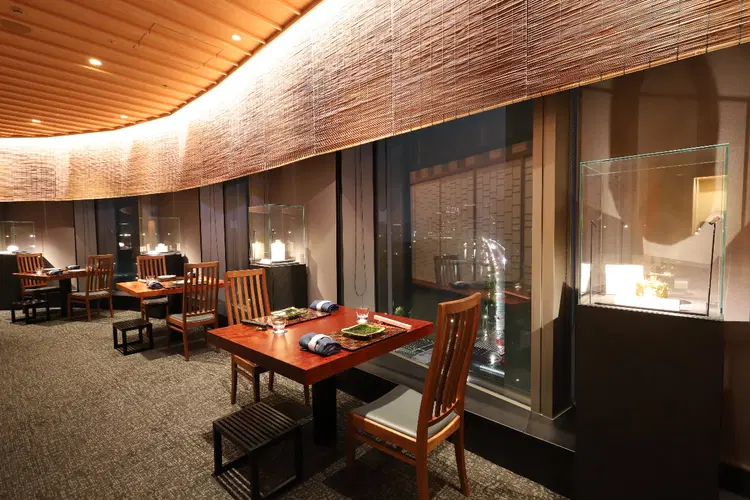
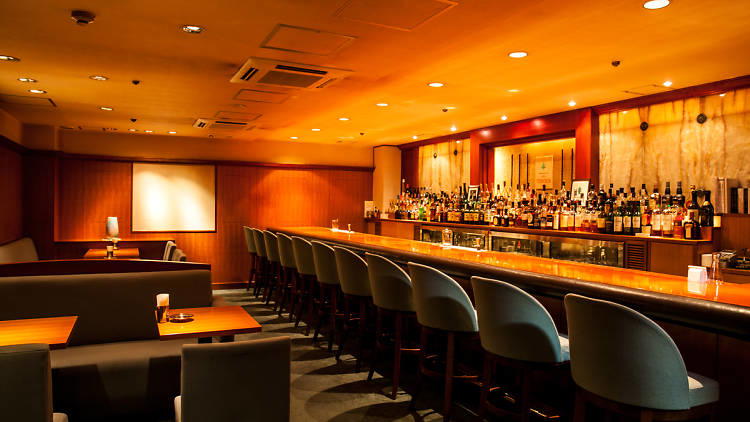
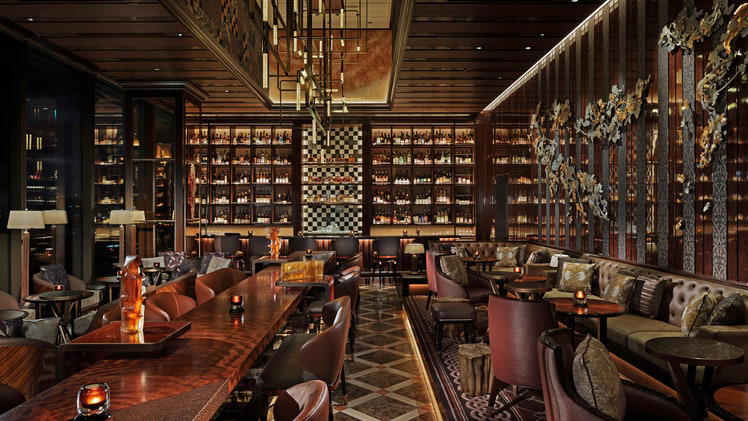
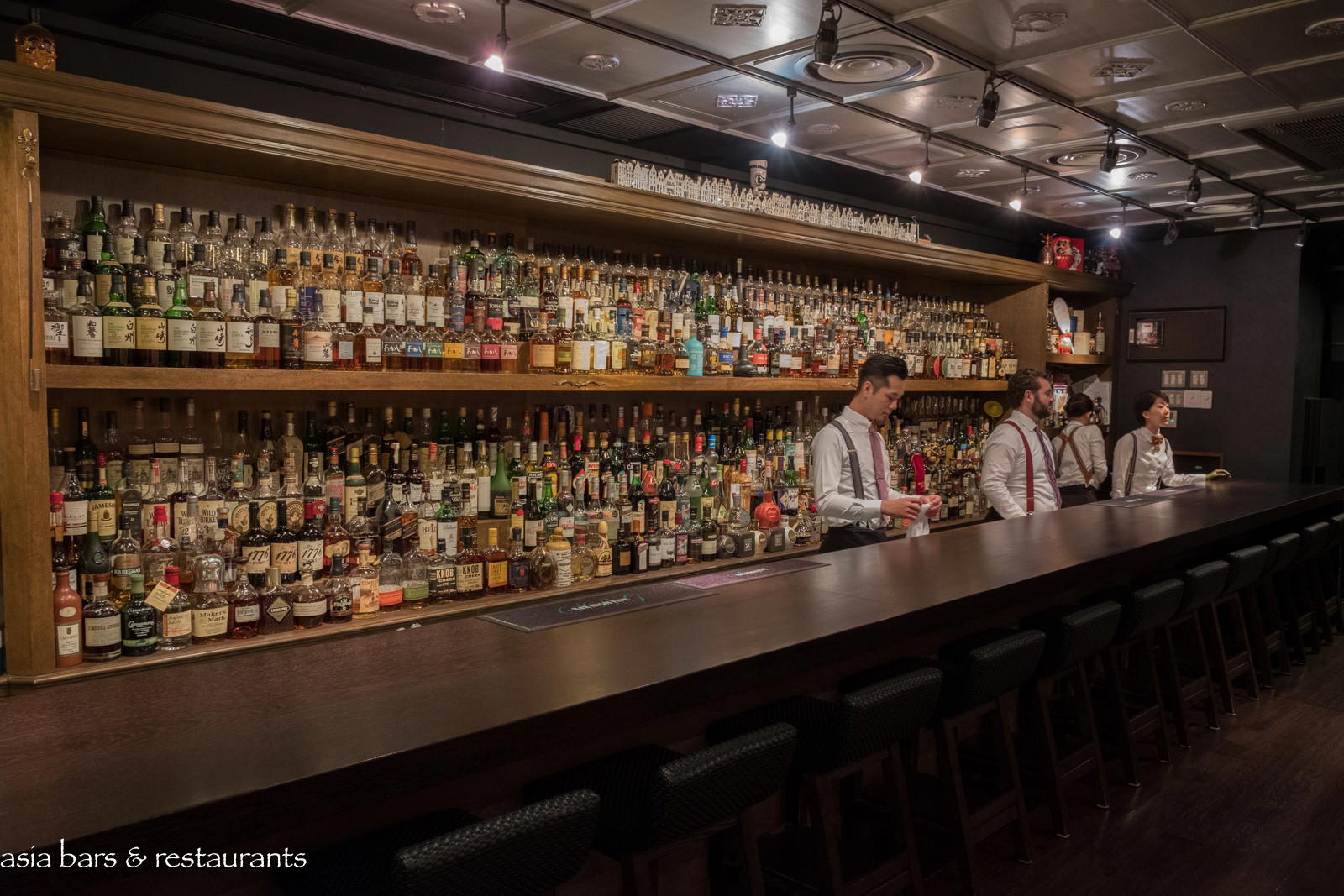
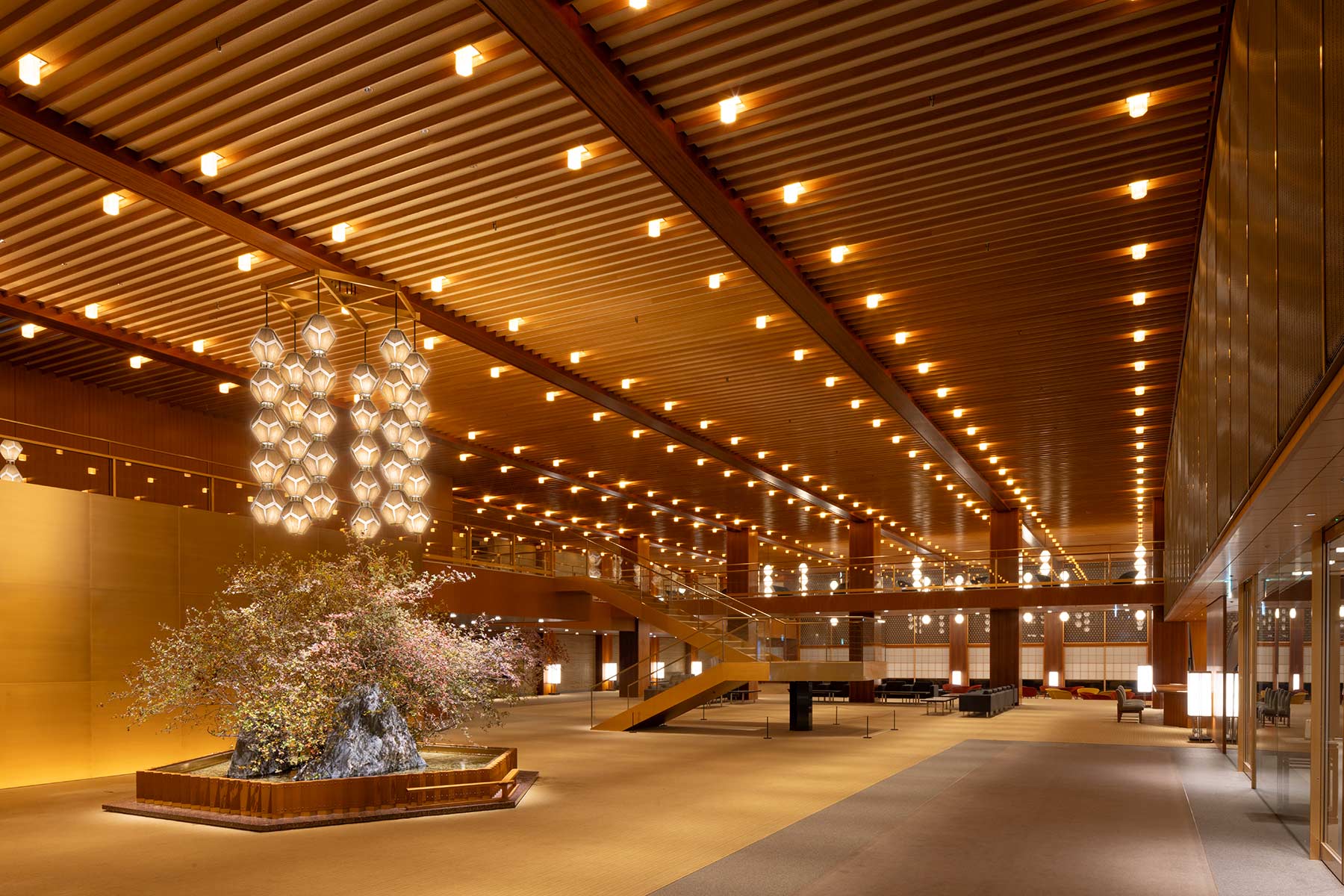
Warm lighting and cozy interior that balances luxurious and homey feels in a calm Japanese space.