Google: 4.4 · 920 reviews
Kondo occupies a measured position within Ginza's high-end dining tier, where booking discipline and format precision define the experience before a single dish arrives. Located in the Sakaguchi Building on 5-chome, the restaurant draws visitors planning well ahead and expecting the kind of focused craft that defines the upper bracket of Tokyo's fine dining scene. Confirm details directly before visiting, as specifics shift with the seasons.

The Ginza Approach: What It Takes to Sit Down
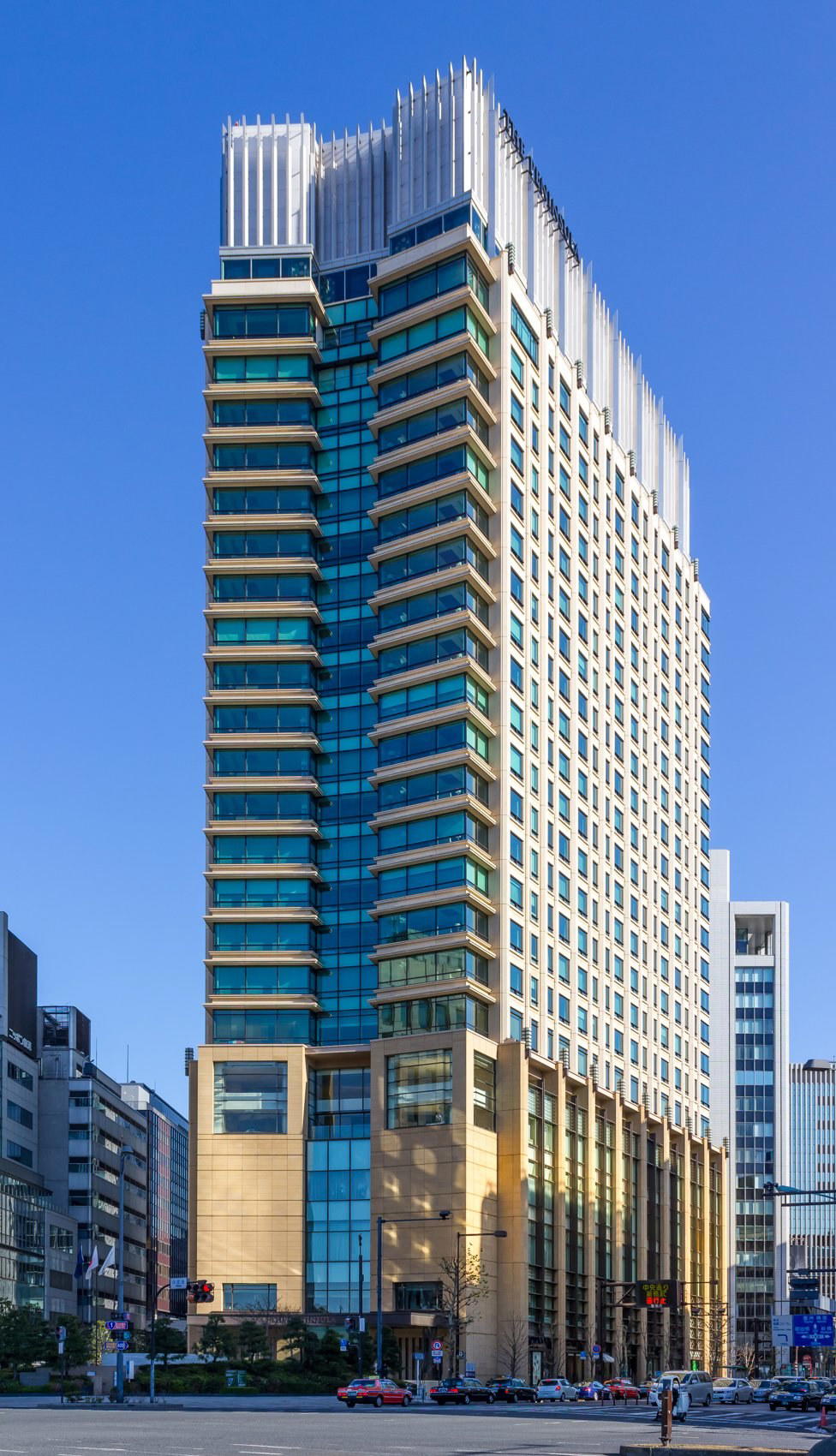
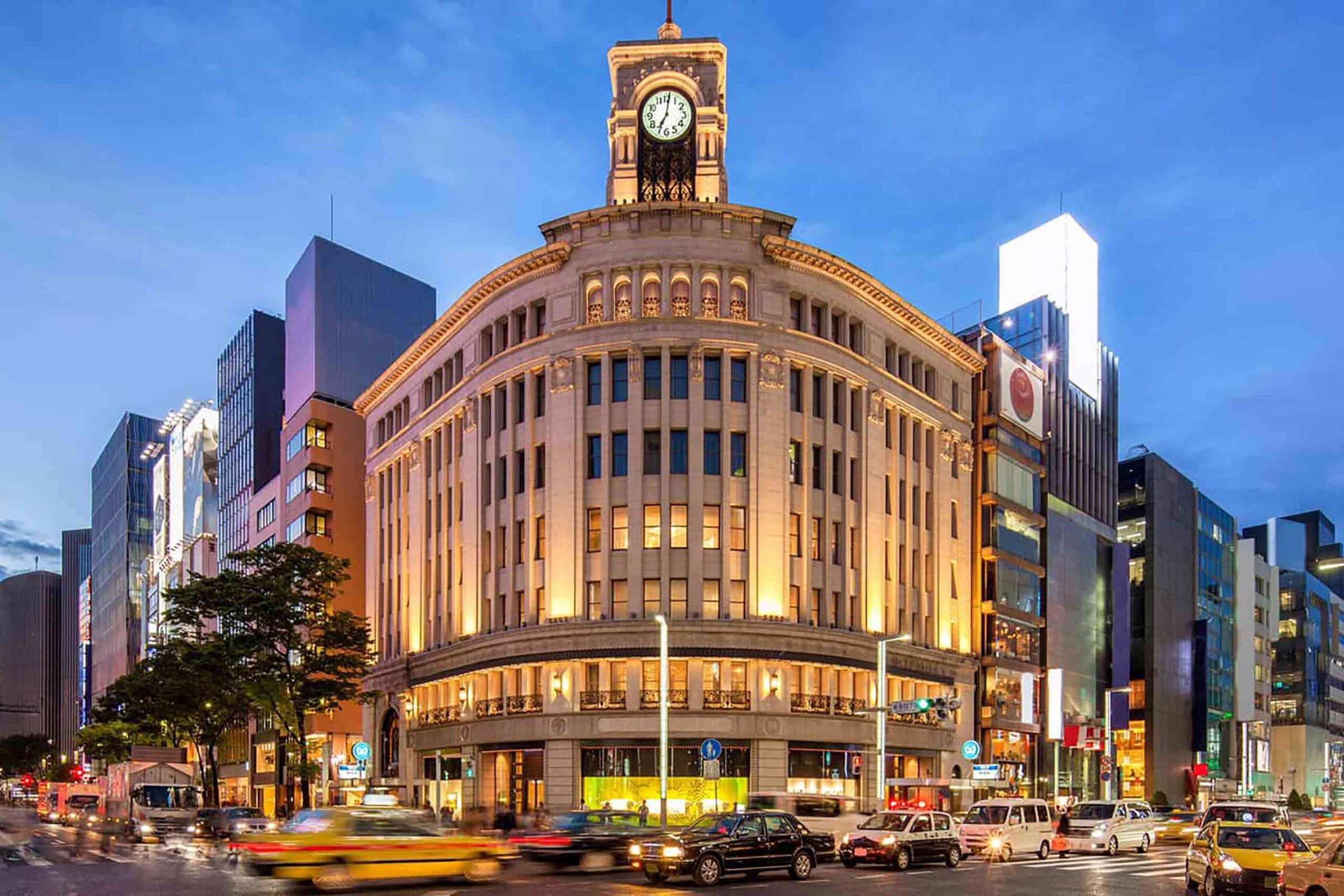
There is a particular kind of anticipation that builds before a meal at the upper end of Ginza's dining circuit. The neighbourhood has long operated as Tokyo's proving ground for restaurants that prize precision above all else, and the buildings along 5-chome tell that story in stone and glass: understated exteriors that give nothing away, elevator lobbies that filter out anyone not already committed to the experience upstairs. Kondo, on the ninth floor of the Sakaguchi Building at 5-5-13 Ginza, sits inside that tradition. The approach is deliberate and the logistics are part of the experience.
Ginza's fine dining tier has tightened considerably over the past decade. Counter-format restaurants, kaiseki rooms, and tempura specialists have consolidated around a smaller number of serious practitioners, while the mid-range has shifted toward casual formats. What remains at the leading end is a cohort of restaurants where booking difficulty is itself a signal: the harder a table is to secure, the more it communicates about the seriousness of the kitchen's following. Kondo belongs to that cohort.
Planning the Visit: What the Booking Process Tells You
The editorial angle on any restaurant in Ginza's upper bracket begins before you arrive, and in many cases before you even call. Securing a reservation at a serious Tokyo counter is less a transactional exercise and more an exercise in planning discipline. Restaurants at this level in Ginza typically book several weeks to several months out, particularly for weekend seats. The booking window itself is a form of curation: it filters for guests who have done their research, committed to a date well in advance, and arrived knowing what they're there for.
For international visitors, the logistics carry additional weight. Tokyo's most reservation-intensive restaurants often require a Japanese-speaking contact for initial inquiries, or operate through concierge networks at high-end hotels. This is not gatekeeping for its own sake — it reflects the operational reality of small-format kitchens managing a fixed number of covers per service. If you are visiting Tokyo and Kondo is on your list, the first practical step is to contact your hotel concierge several weeks before arrival. Attempting to book at short notice, or without a local contact, significantly reduces the likelihood of a successful reservation.
For broader context on how Tokyo's fine dining booking landscape compares to other cities in Japan, the contrast is instructive. HAJIME in Osaka operates at a similar commitment level, while Gion Sasaki in Kyoto reflects the kaiseki tradition's own particular booking rhythms. In smaller cities, the dynamic shifts: akordu in Nara and Goh in Fukuoka serve as useful reference points for how premium dining operates outside the metropolitan centres.
Kondo in Its Ginza Peer Set
Understanding where Kondo sits within Ginza's competitive field helps frame the decision of whether it belongs in your Tokyo itinerary at all. The neighbourhood houses several restaurants that compete within the same planning and price tier. Harutaka operates at the ¥¥¥¥ level in the sushi format; RyuGin represents the kaiseki tradition at a comparable commitment level. On the French side, L'Effervescence and Sézanne occupy similarly deliberate positions, while Crony represents the newer wave of creative French-influenced cooking that has added a different kind of ambition to the Ginza-adjacent scene.
What distinguishes Kondo from the sushi and kaiseki formats around it is format specificity: the restaurant has built its reputation on tempura, a discipline that Tokyo takes seriously at the upper end in a way that few other cities do. Tempura at the highest level in Tokyo is not the oil-forward, batter-heavy rendition familiar from casual contexts. It is a study in temperature control, sourcing, and the relationship between batter weight and ingredient integrity. In Ginza, that tradition has a lineage, and Kondo is considered part of it.
Visitors building a broader Japan itinerary will find that the regional diversity of the country's fine dining scene rewards comparison. Beyond the major cities, restaurants like 一本杉川嶋 in Nanao and 湖都庵 in Takashima operate according to entirely different logics of seasonality and local sourcing. For a fuller picture of Tokyo's dining options across formats and price points, see our full Tokyo restaurants guide.
What to Expect on the Night
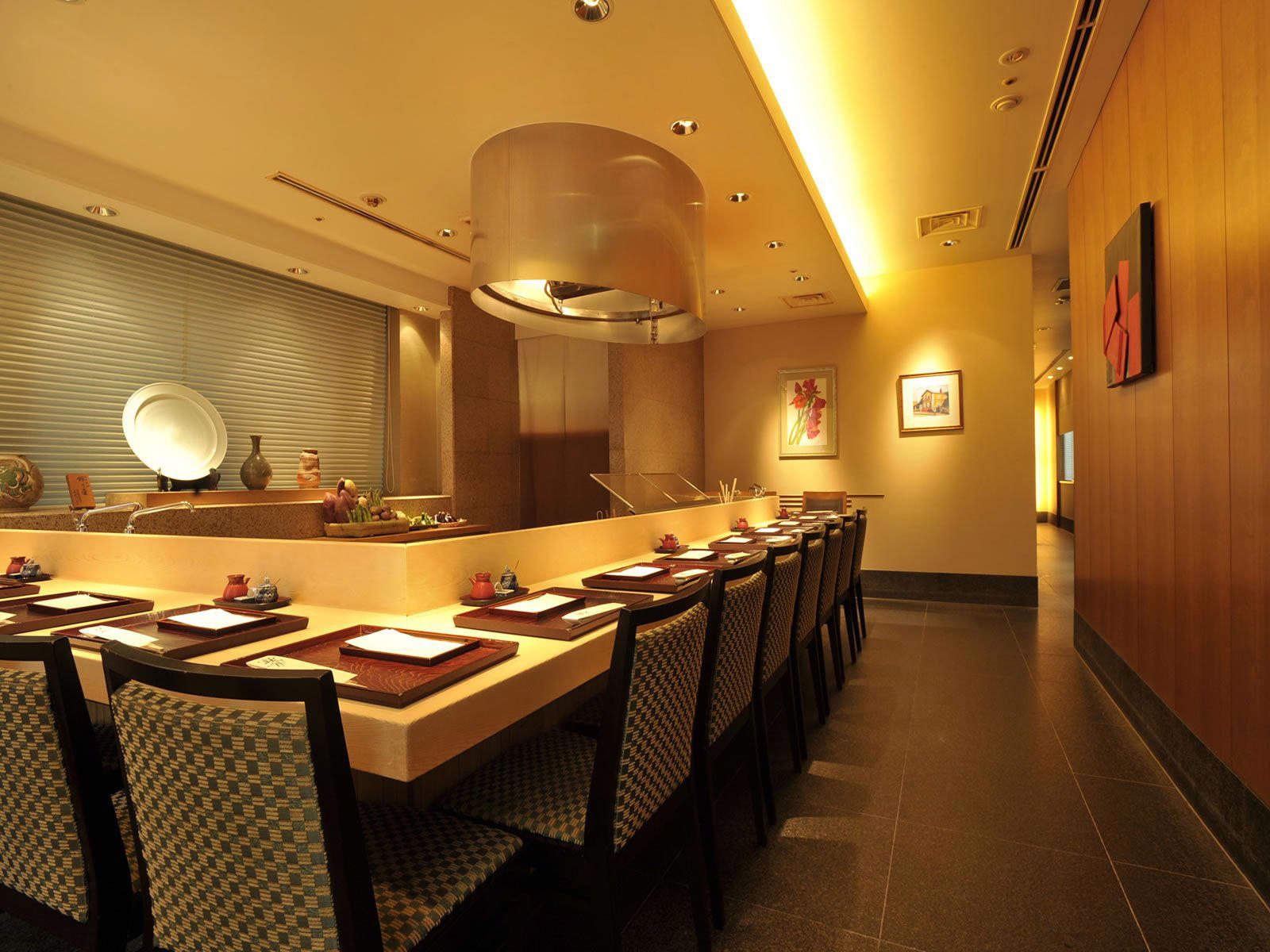
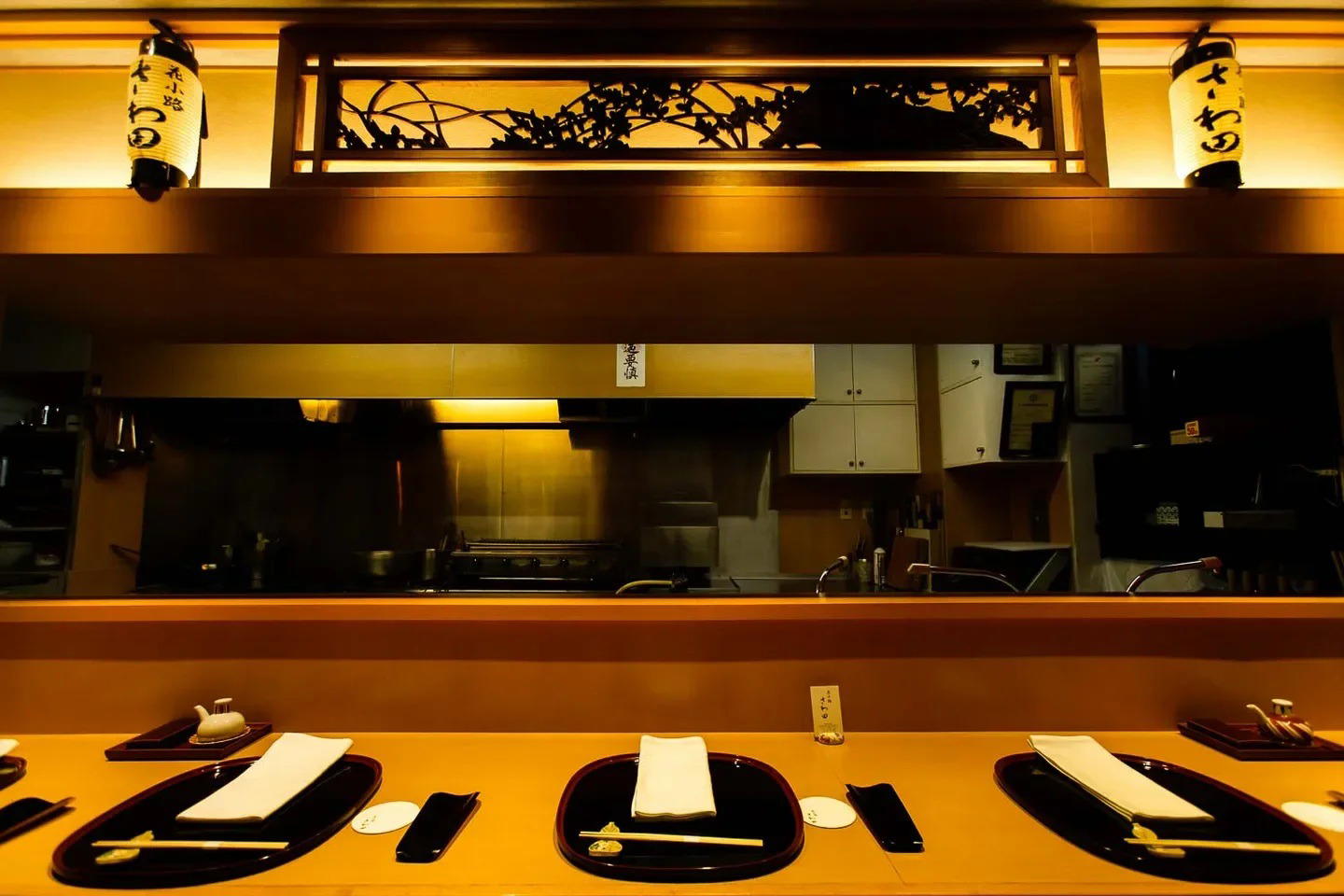
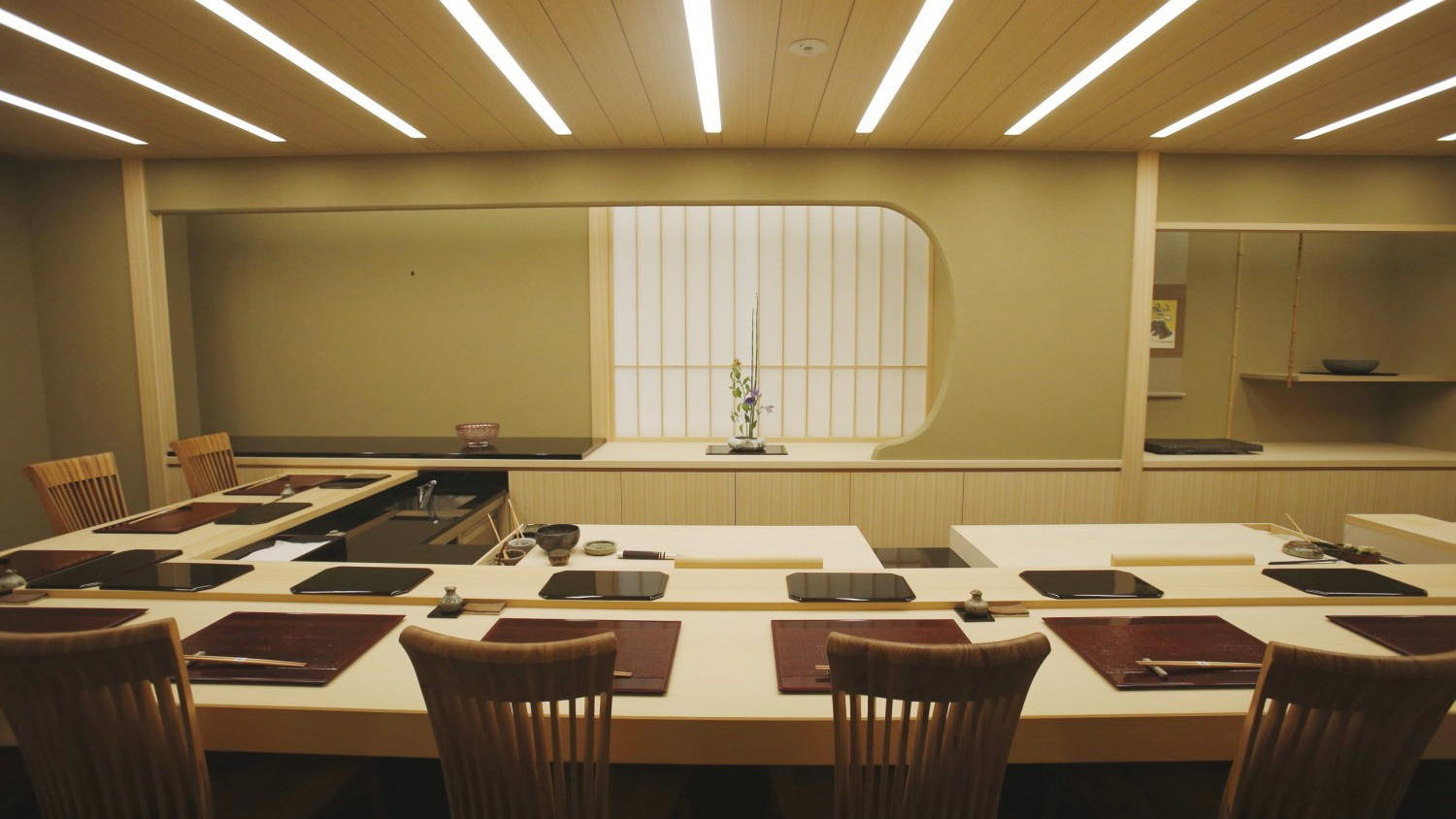
Counter-format restaurants in Ginza share a set of conventions that experienced diners recognise immediately. The room is small; the service is attentive without being intrusive; the pacing is set by the kitchen rather than the guest. These are not incidental features but deliberate architectural decisions about how a meal should unfold. Tempura counters in particular operate with a rhythm tied to the fryer: courses arrive in sequence, each piece served at the moment of optimal temperature, which means the guest's role is to be present and ready rather than to direct the pace.
The seasonal dimension matters here. Tempura at this level is ingredient-led, which means the menu changes in response to what is available at market rather than following a fixed script. Spring produces different reference points than autumn; what arrives on the plate in October is calibrated to a different set of ingredients than a meal taken in April. Visitors with fixed ideas about what they want to eat may find the format requires some adjustment; visitors who arrive with genuine curiosity about what is at peak condition on that particular day will find it suits them well.
For international reference points, the discipline of counter-format precision at this level has analogues in other cities. Le Bernardin in New York City operates within a similarly technique-driven framework in the seafood register, while Atomix in New York City demonstrates how counter format and Korean fine dining have found their own version of this same commitment to tightly sequenced, kitchen-led progression.
Additional Context: Japan's Broader Fine Dining Network
Tokyo is the obvious entry point for high-end dining in Japan, but the country's network of serious restaurants extends well beyond the capital. 大人の山之 in Sapporo, 庄羽屋 in Nishikawa Machi, and Birdland in Sakai each represent the way serious culinary craft has distributed itself across the country, often with less booking friction and more direct access than their Tokyo counterparts. Bistro Ange in Toyohashi is another example of how provincial Japanese dining has developed its own distinct character outside the metropolitan frame.
Know Before You Go
- Address: Sakaguchi Building, 9F, 5-5-13 Ginza, Chuo City, Tokyo 104-0061
- Booking: Advance reservation required; contact via hotel concierge recommended for international visitors
- Lead time: Plan several weeks to several months ahead, particularly for weekend seats
- Format: Counter-style tempura; kitchen-led pacing
- Season: Menu reflects seasonal market availability; confirm current format and pricing directly before your visit
- Language: Japanese-speaking contact advisable for initial reservation inquiries
Budget Reality Check
A quick context table based on similar venues in our dataset.
At a Glance
- Elegant
- Iconic
- Sophisticated
- Intimate
- Special Occasion
- Date Night
- Celebration
- Chefs Counter
- Open Kitchen
- Sake Program
- Local Sourcing
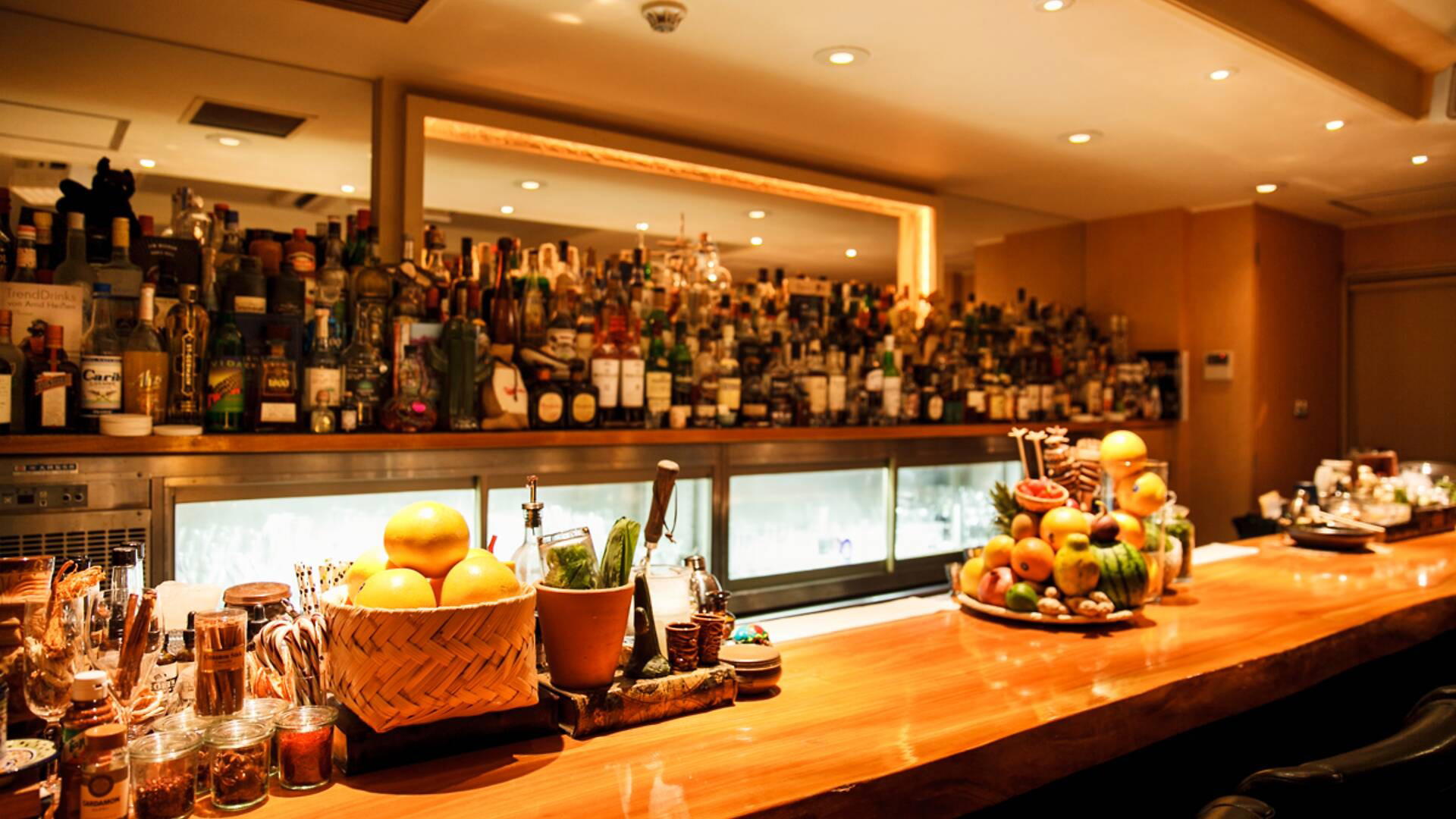
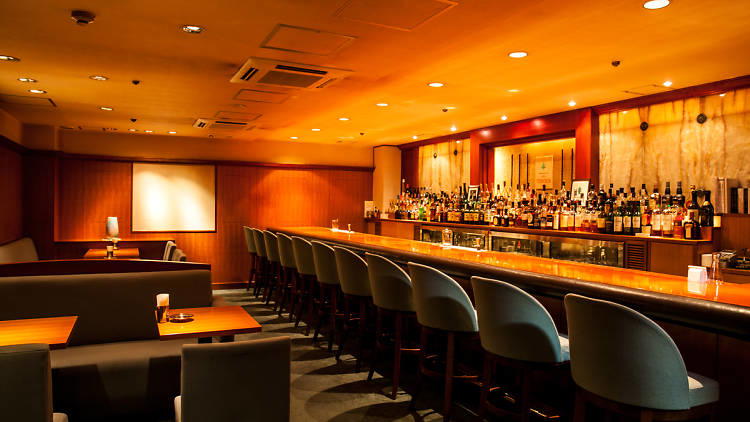
Refined counter-style dining on the 9th floor of a Ginza office building with intimate seating around the chef's counter, creating an exclusive atmosphere focused on the culinary artistry unfolding before diners.