
Bohemian Nishiazabu sits in Tokyo’s izakaya tradition at the ingredient-led end of casual dining, where dashi, seasonal produce, and small-plate pacing matter more than spectacle. Its 2026 Opinionated About Dining Highly Recommended citation in the Casual Japan list gives it a useful external signal in a city where informal rooms can be as serious as tasting counters.
Pearl is the En Primeur Club membership app — saves, bookings, and concierge access live there. Same editors, same standards.
- Address
- 2 Chome-7-7 Nishiazabu, Minato City, Tokyo 106-0031, Japan, Tokyo, Kantō, Japan
 Saves & bookings on Pearl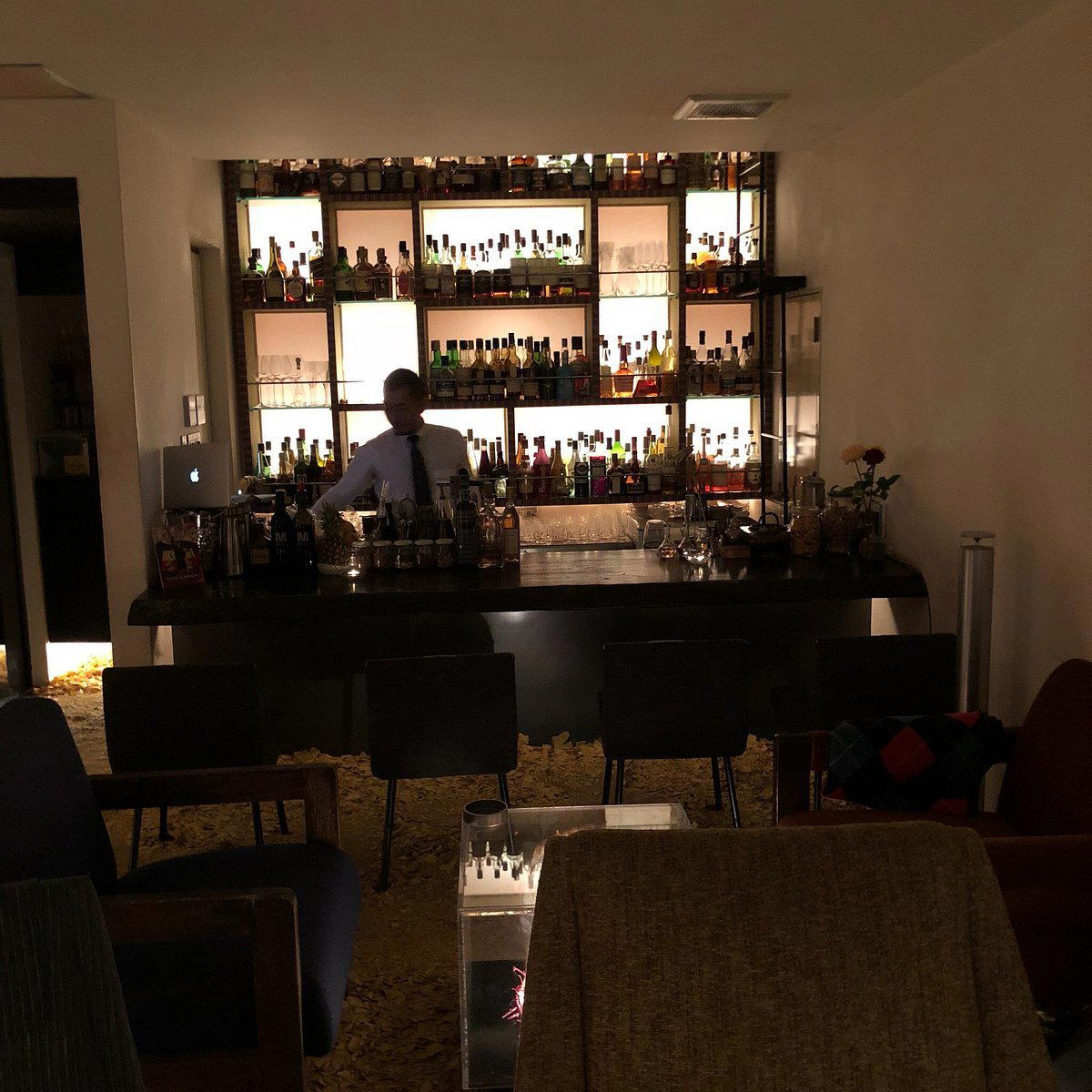
Nishiazabu after dark has a different rhythm from Ginza’s polished counters or Shibuya’s louder drinking rooms: low-rise streets, discreet entrances, and dining built around conversation rather than performance. In that setting, Bohemian Nishiazabu fits a Tokyo category outsiders often underestimate: the serious izakaya, casual in format but exacting in buying, seasoning, and pacing.
Read this address through ingredients rather than genre. “Izakaya” can mean fried snacks and beer, but in Tokyo’s focused rooms it becomes a flexible structure for seasonal cooking: dashi as a base note, calendar-led vegetables, restrained seafood, and dishes sequenced so the table steers the evening. Bohemian Nishiazabu’s recognition as Highly Recommended in Opinionated About Dining’s 2026 Casual Japan list places it in that conversation, not in ceremony-heavy luxury dining but in the harder-to-define space where everyday formats carry serious culinary intent.
Nishiazabu's quieter argument for ingredient-led izakaya dining
Tokyo’s dining hierarchy can mislead. The city’s international reputation still leans toward sushi counters, kaiseki rooms, ramen queues, and French-influenced tasting menus, yet much native dining intelligence lives in smaller informal formats. Izakaya culture rewards range: a table might move from raw fish to simmered vegetables, grilled protein, pickles, rice, and sake without a grand menu arc. The skill is judgment: when to season lightly, lean on smoke or salt, or let dashi carry the dish without austerity.
That ingredient-forward logic explains why Nishiazabu matters. The neighbourhood is close enough to Roppongi and Hiroo to draw an international crowd, but its better dining rooms often feel less exposed than comparable Ginza or Omotesando addresses. This produces a particular Tokyo evening: less theatrical than a chef’s counter, more adult than a casual chain izakaya, and more dependent on sourcing discipline than design cues. The chef credit is listed as Various, which suits the format. In izakaya dining, authorship is often less useful than consistency across prep, grill, simmering, and service rhythm.
The OAD Casual citation is a meaningful trust signal because it separates the restaurant from the mass of Tokyo drinking-dining rooms without pretending it belongs to formal luxury. For travellers building a Tokyo food itinerary, that distinction matters. A serious izakaya can be a better corrective after omakase and tasting menus than another high-pressure reservation. It gives the table choice, tempo, and a view of Japanese cooking when it is not compressed into a set-course narrative.
How to place it within a Tokyo itinerary
Bohemian Nishiazabu works well in a Tokyo plan that distinguishes between formats. Ginza remains useful for counter precision, while Daikanyama, Nishiazabu, and parts of Minato carry a softer, more localised style of evening dining. Readers comparing formats can use Our full Tokyo restaurants guide as the wider map, then narrow by mood: small-plate drinking, sushi-led counters, regional cooking, ramen, or late-night rooms.
Within that map, izakaya dining should not be treated as a lower-stakes fallback. The category is broad, and Tokyo’s stronger examples ask diners to notice details easily missed: broth clarity, grilled-item temperature, rice quality, pickle acidity, and seasonal greens appearing without fanfare. These are not decorative details but the grammar of the meal. A room like this is less about one named dish than whether the sequence keeps returning to good materials and clean decisions.
For adjacent Tokyo references, Daikanyama Issai Kassai, Ginza Nominokoji Yamagishi, Ginza Shimada, Hakata Hotaru, and Hakata Issou show how varied the city’s casual and counter-adjacent dining field can be. The point is not to rank them against the restaurant, but to recognise that Tokyo rewards format literacy. A ramen specialist, a Ginza counter, and a Nishiazabu izakaya answer different questions.
That literacy helps outside Tokyo. Travellers extending a Japan itinerary can compare regional casual dining through -Grilled beef Sukiyaki- KAMAKURA TANUKIAN 鎌倉 たぬき庵 in Kamakura.cafe in Osaka.know in Kumamoto, (Shoku) Vietnam in Kawasaki, [Curry Senmon Ten] Maruyama Kyoju. in Sapporo, [ki:] in Kyoto, Benikurage, Izakaya in Osaka, and Berangkat, Izakaya in Kyoto. The comparison is cultural rather than competitive: izakaya cooking shifts with city, produce, drinking habits, and local tolerance for improvisation.
The reader decision: choose it for tempo, not theatre
Choose this Tokyo booking when the evening calls for looseness without culinary indifference. Its appeal is the middle register: not the rigid choreography of a tasting menu, not the anonymity of a broad-menu pub, but a room where seasonal Japanese cooking moves at the table’s pace. That makes it useful for travellers who have formal meals booked and want one night that still says something precise about Tokyo’s food culture.
The practical caveat is simple: Tokyo’s better casual restaurants can be harder to read from abroad than luxury counterparts. Public-facing details may be thinner, English-language guidance inconsistent, and walk-in assumptions unreliable in small neighbourhood rooms. Treat the OAD 2026 Highly Recommended citation as a signal to plan, not decoration. The smarter move is to build the night around Nishiazabu, with nearby drinking or a later transfer kept flexible.
EP Club readers looking beyond dinner can place the area within the city’s wider travel frame through Our full Tokyo hotels guide, Our full Tokyo bars guide, Our full Tokyo wineries guide, and Our full Tokyo experiences guide. Nishiazabu is rarely the easiest neighbourhood for first-timers to decode, but that is partly the point. Its better meals reveal Tokyo through restraint, materials, and timing rather than a single headline dish.
In Context
Comparable venues nearby, for context on price, style, and recognition.
| Venue | Cuisine | Price | Notes |
|---|---|---|---|
| Bohemian NishiazabuThis venue — the venue you are viewing | Izakaya | $$$$ | Not listed |
| Sushidokoro Suzu | Minato, Traditional Edomae Omakase | $$$$ | Not listed |
| Oryori Shibuu | Chūō, Japanese Kaiseki | $$$$ | Not listed |
| USHIGORO S. SHINJUKU | Not listed | $$$$ | Shinjuku, Luxury Wagyu Yakiniku in Private Rooms |
| Ningyocho Imahan Ginza ten | Not listed | $$$$ | Chūō, Traditional Wagyu Sukiyaki & Shabu-shabu |
| にく割烹金座 | Not listed | $$$$ | Chūō, Niku Kappo (Meat Kappo) |
Recognition history
Dated appearances from independent guides and award organizations, with the underlying list record or original source where available.
Opinionated About Dining Casual in Japan Highly Recommended
Opinionated About Dining
Continue exploring
More in Tokyo
More from Chef Various
Browse all →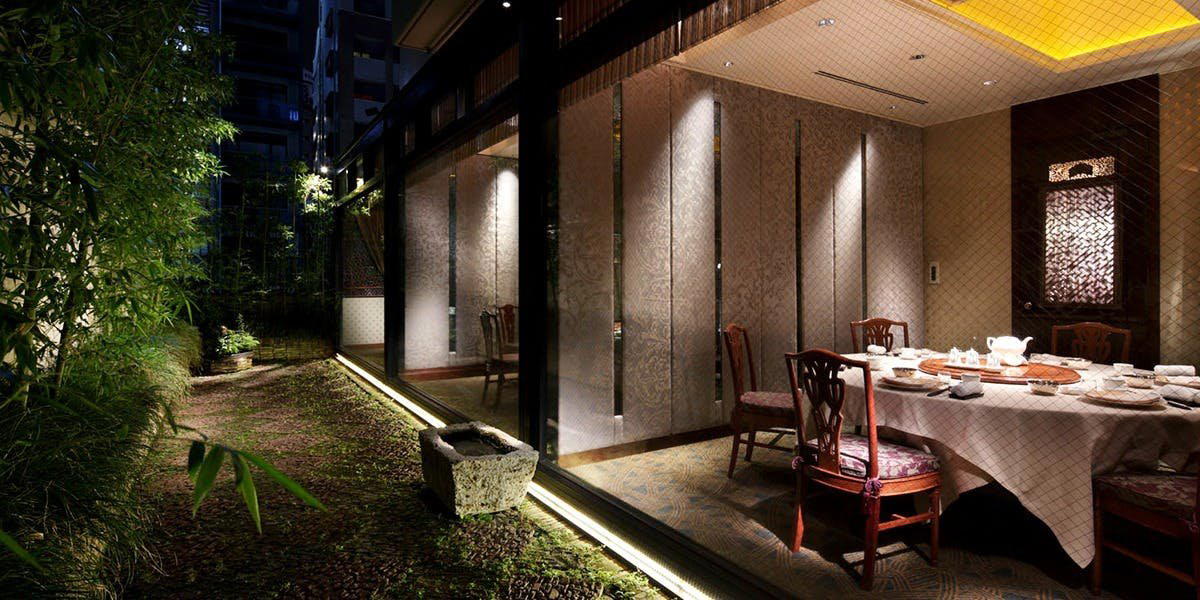
Restaurants in Tokyo
Browse all →


Bars in Tokyo
Browse all →





At a Glance
- Cozy
- Intimate
- Bohemian
- Romantic
- Sophisticated
- Date Night
- Special Occasion
- Celebration
- Private Event
- Business Dinner
- Chefs Counter
- Open Kitchen
- Design Destination
- Standalone
- Private Dining
- Sake Program
- Craft Cocktails
- Local Sourcing
- Farm To Table
- Sustainable Seafood
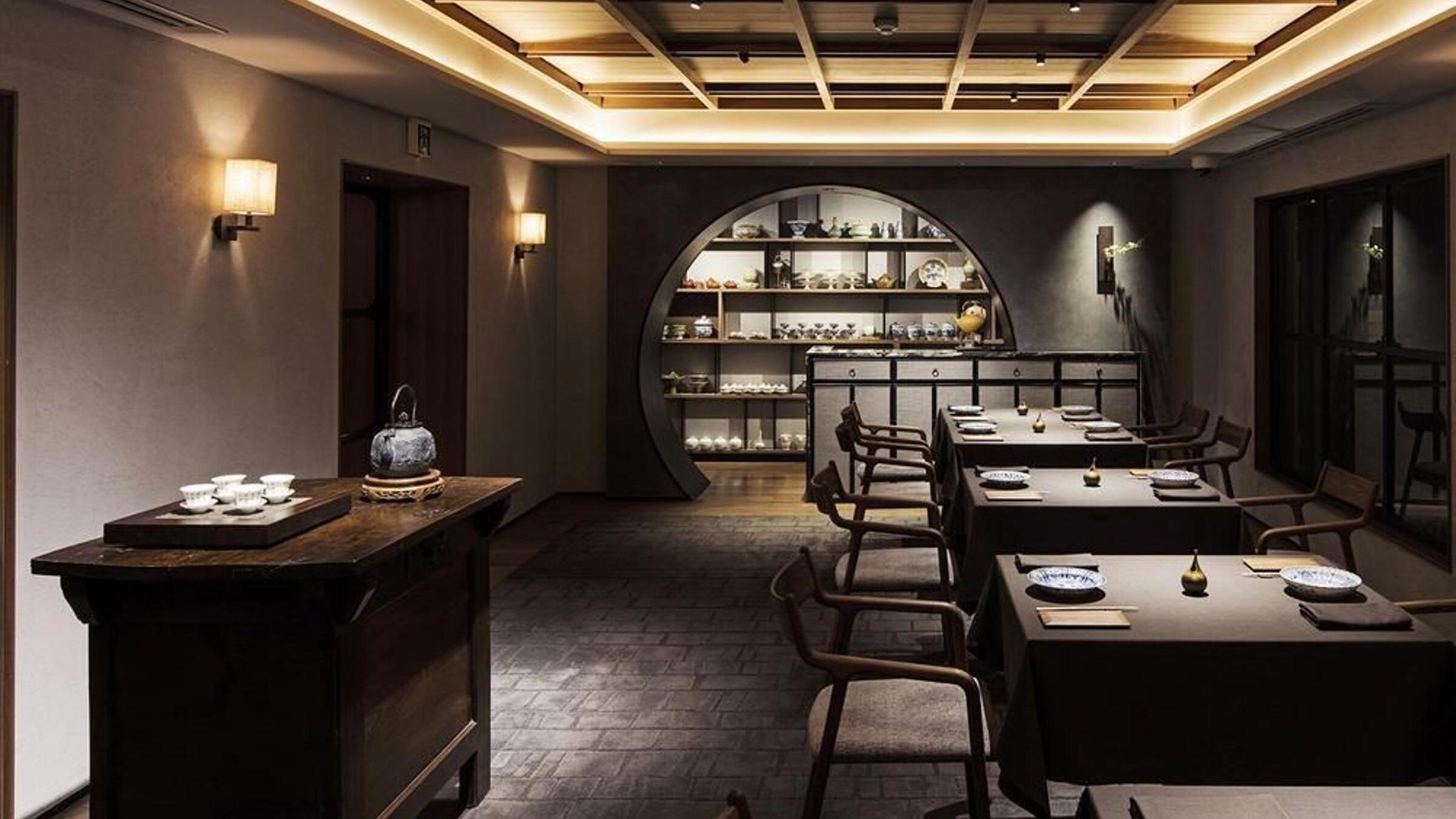
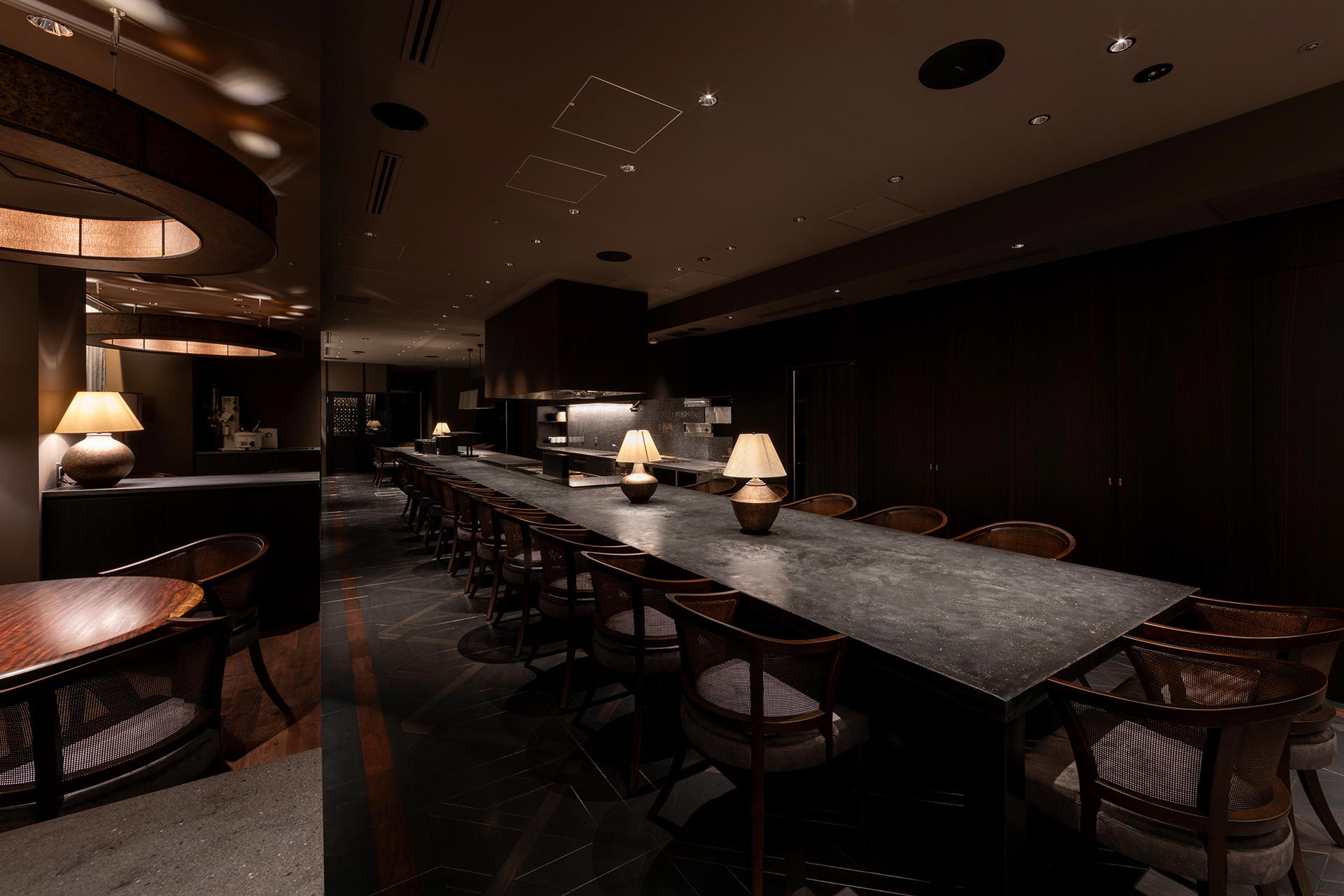
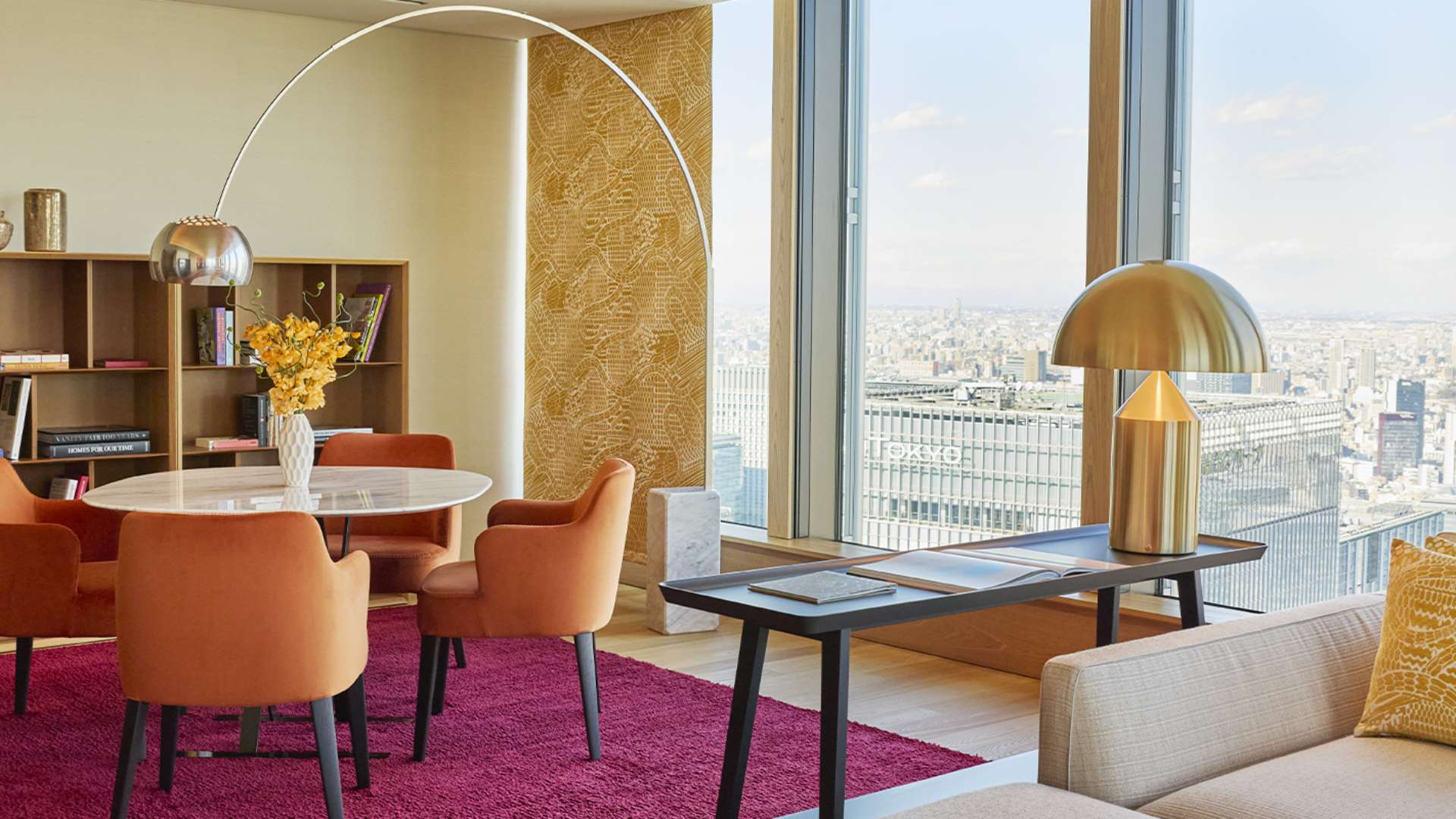
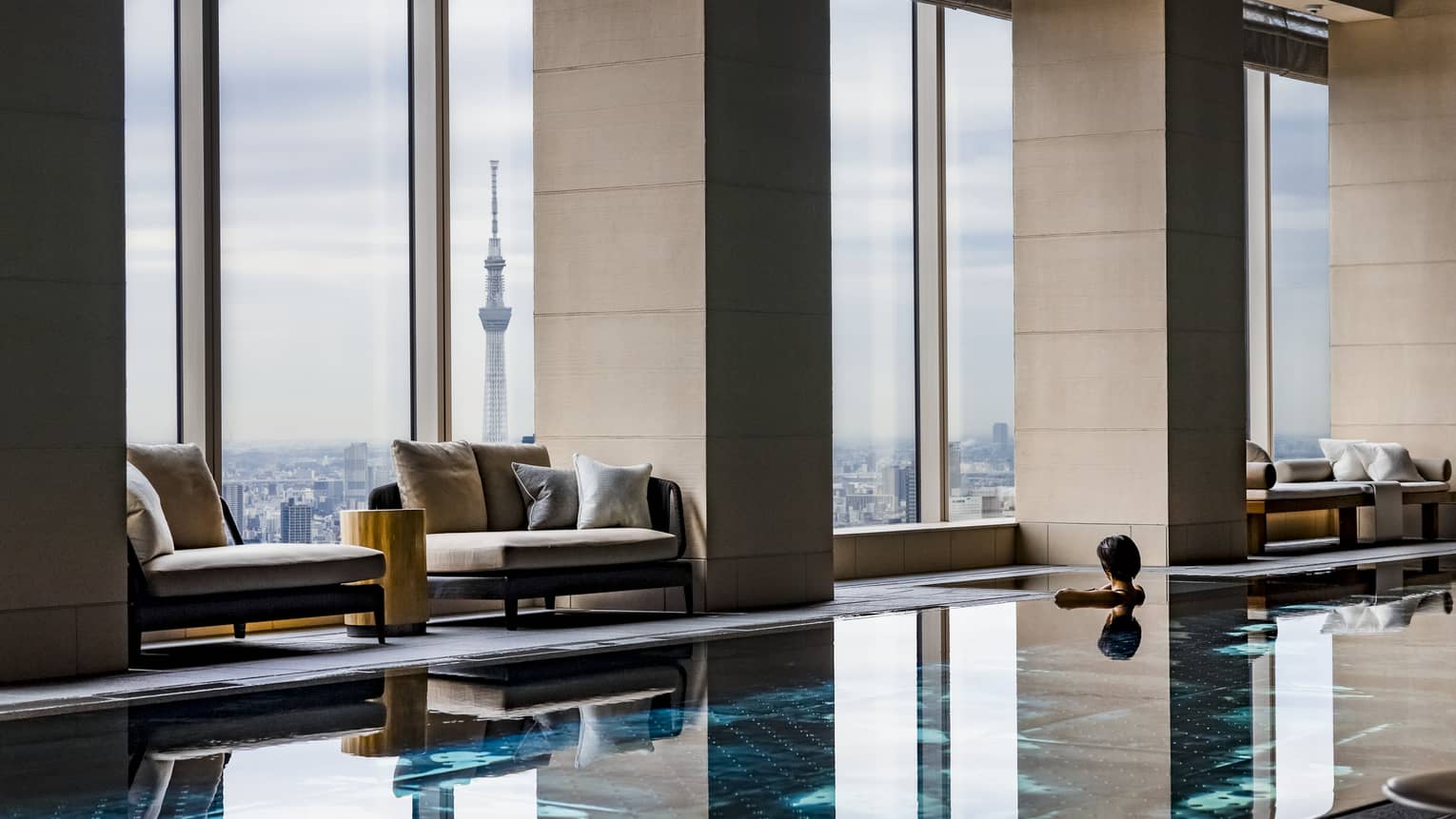
A hidden, buzzer-entry space curated with Japanese artisan crafts, dimly lit and home-like yet refined, creating a quiet, relaxed, and private atmosphere where it feels like dining at a friend’s secret home rather than a public restaurant.