
Ginza Yamashina places Ginza’s polished yakiniku culture inside an all-private-room format, with beef grilling, sukiyaki and steak presented for diners who want control, privacy and a serious drinks list. Its Tabelog 100 selection for Tokyo yakiniku in 2025, plus repeated selections since 2021, put it in the city’s recognised premium beef tier rather than the casual grill-room bracket.
Pearl is the En Primeur Club membership app — saves, bookings, and concierge access live there. Same editors, same standards.
- Address
- Japan, 〒104-0061 Tokyo, Chuo City, Ginza, 6 Chome−4−4 3GICROS GINZA GEMS 7F・8F
- Phone
- +81 3-3289-0298
- Website
- tabelog.com
 Saves & bookings on Pearl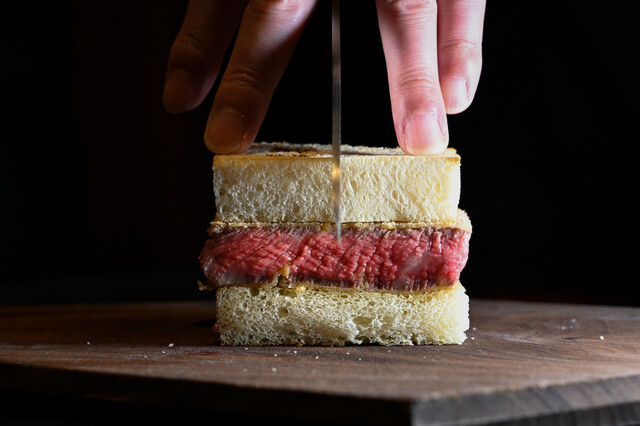
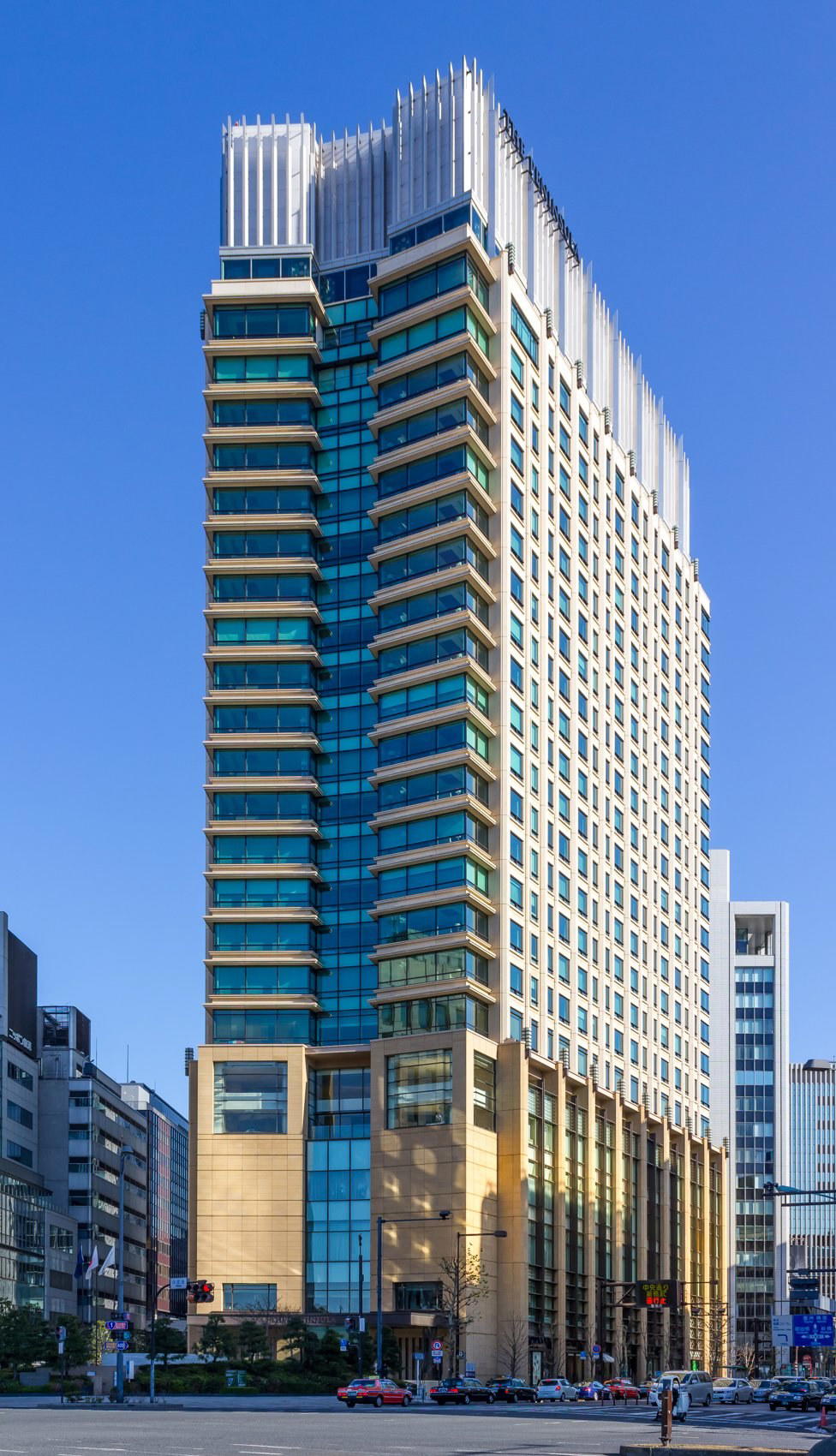
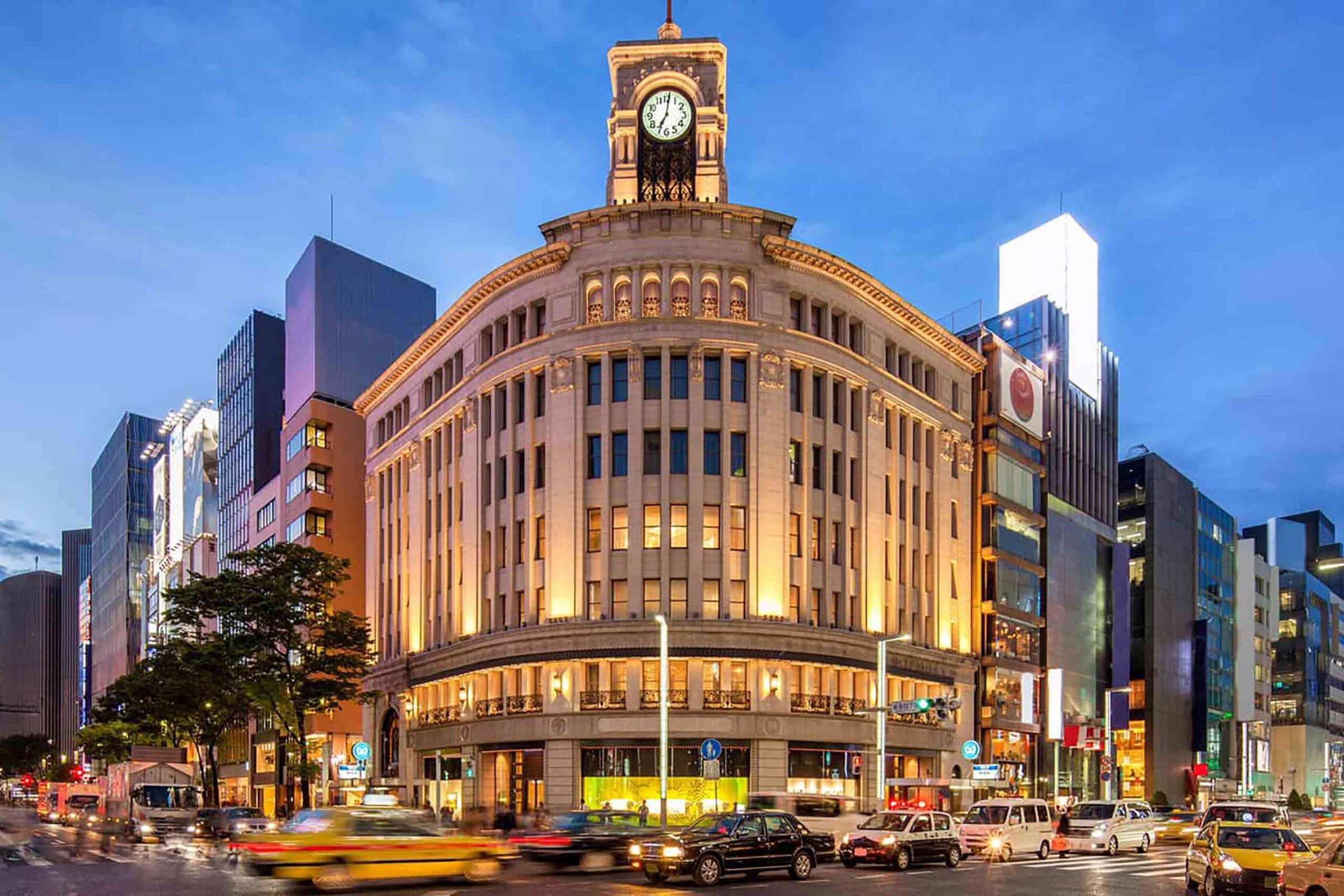
Ginza’s restaurant buildings often reveal themselves vertically: a lift lobby, a discreet floor number, then a dining room removed from department stores, taxis and after-work crowds. In that setting, premium yakiniku has shifted from smoky communal grill rooms toward quieter formats built around private rooms, controlled pacing and a broader idea of beef dining. Ginza Yamashina belongs to that shift, treating yakiniku, sukiyaki and steak as adjacent languages rather than separate categories, fitting a district where expense-account dining and occasion meals often require privacy before theatre.
The restaurant is best read not as another Ginza beef address, but as proof of Tokyo high-end yakiniku’s maturity. A decade ago, visitor-facing prestige in Japanese dining tilted toward sushi counters, tempura bars and kaiseki rooms. Beef restaurants now claim comparable seriousness when they combine wagyu sourcing, staff-led grilling, wine service and private-room architecture. The Tabelog 100 selection for Tokyo yakiniku in 2025, after selections in the same category from 2021 onward and a grill selection in 2024, places Ginza Yamashina inside that recognised band rather than the category’s broad middle.
Private-room yakiniku, and why Ginza has made it feel natural
Yakiniku has always carried a social charge: the table grill, the sequencing of cuts, the shared negotiation of heat and timing. Ginza changes the tone. Here, the category bends toward discretion. All-private rooms are not decorative; they alter the meal’s rhythm. Conversation takes priority over room energy, suiting business dinners, family occasions and small groups wanting Japanese beef without the exposed counter dynamic of sushi or kappo.
That privacy reflects a broader evolution in Tokyo beef dining. Setsugekka Ginza and Nikuya Tanaka sit in the same city conversation around premium beef, though their formats diverge: beef kaiseki pushes the ingredient toward course-by-course formality, while private-room yakiniku keeps the grill nearer the table’s centre. Mochiku, with a higher listed dinner band, signals another nearby price tier in Tokyo’s special-occasion market. These rooms are not interchangeable; the point is that beef in Tokyo now competes across formats once tied to different dining traditions.
Ginza Yamashina’s 88-seat scale is notable. Many prestige Tokyo restaurants use tiny counters to create scarcity; this format uses capacity and partitioning to serve varied parties while preserving separation. That puts it closer to polished hospitality than ascetic chef-counter dining. For diners, the distinction matters: this is a beef restaurant for controlled comfort, not for watching one craftsman perform across eight seats.
Beef dining after the steakhouse era
Tokyo’s premium meat restaurants have largely outgrown the old split between Western steakhouse and Japanese grill. The contemporary category borrows from both without becoming either. Yakiniku supplies grill immediacy; sukiyaki brings sweetness, broth and ceremony; steak gives the kitchen a luxury vocabulary familiar to international diners. The combination is especially legible in Ginza, where restaurants must satisfy local regulars, domestic travellers and visitors who know wagyu as a global luxury product but may not know the finer distinctions between Japanese beef formats.
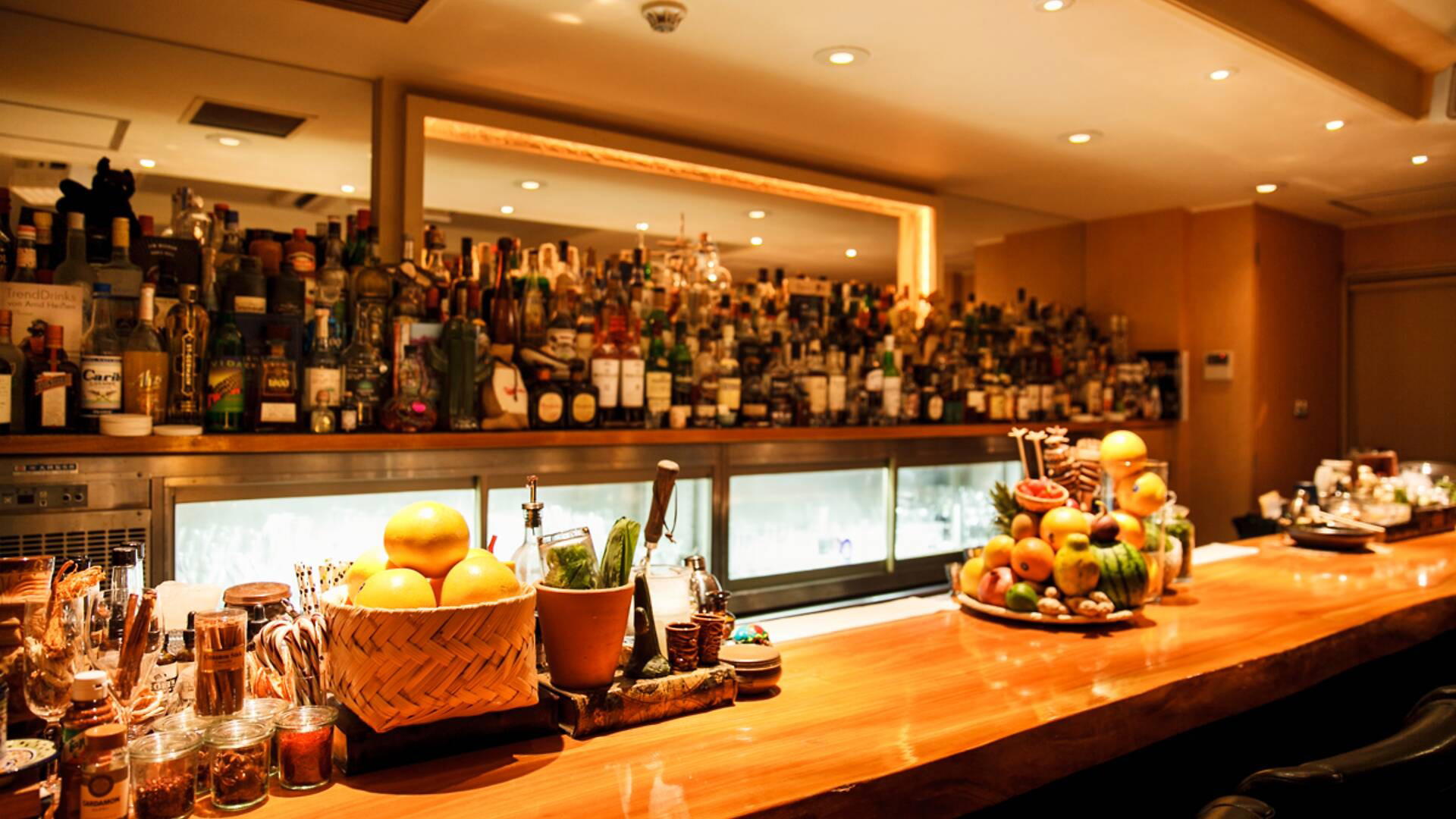
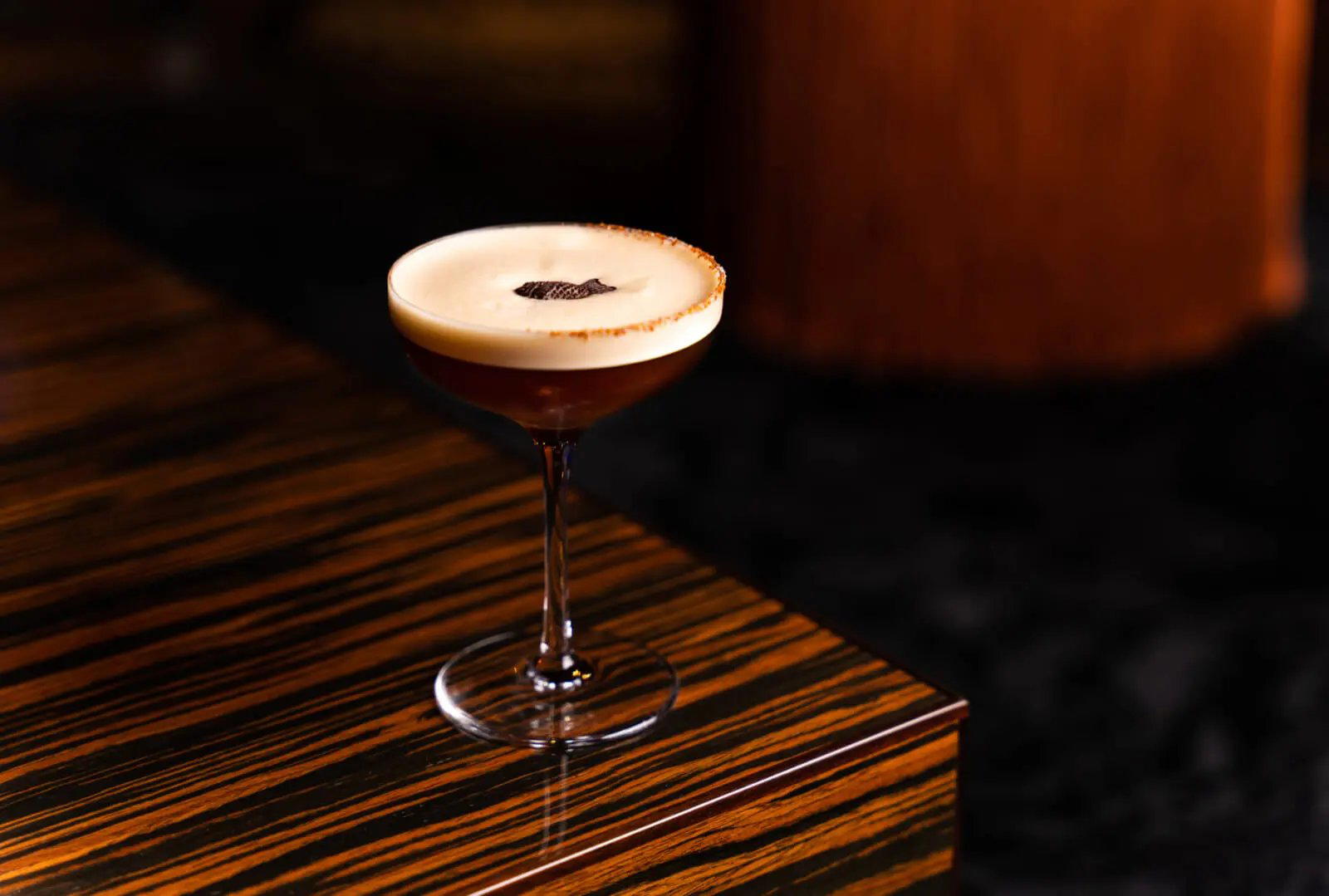
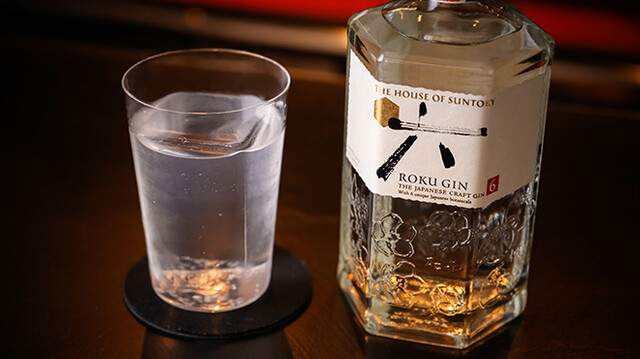
The drinks programme matters because beef’s richness shifts the table’s centre of gravity. Sake, shochu, wine and cocktails are offered, with sommelier service listed, placing the restaurant among yakiniku rooms that treat beverage pairing as more than an afterthought. Smoke and beer remain part of yakiniku’s cultural memory, but Ginza’s premium rooms increasingly speak in cellars, glassware and pacing.
There is a useful contrast with Tokyo’s broader dining map. Spice Lab Tokyo shows how Ginza can absorb an international fine-dining idiom; にく割烹金座 points back toward meat-kappo Japanese luxury; Nikuya Tanaka gives beef the structure of kaiseki. Against that field, the restaurant reads as a private-room yakiniku specialist broad enough to cover sukiyaki and steak without abandoning the table-grill identity that anchors the category.
For a wider Tokyo itinerary, compare beyond beef. The city ranges from charcoal seafood at . 鮪と炭火焼き うお炭 秋葉原店 to chicken-focused precision at 124. KAGURAZAKA (Yakitori), graphic café culture at 2D Cafe, curry specialist cooking at 3 Chome no Curry Ya San and urban dining-room formats such as 12/10 Shinjuku ten. The wider edit sits in Our full Tokyo restaurants guide, with companion planning through Our full Tokyo hotels guide, Our full Tokyo bars guide, Our full Tokyo wineries guide and Our full Tokyo experiences guide.
The reader decision: privacy, beef and Ginza polish
This is strongest for diners who value separation, service structure and a recognisable premium-beef frame over counter intimacy. The children policy makes it better suited to planned family meals than spontaneous multi-generation dining, especially on weekday evenings. Non-smoking rooms, English-capable staff, photo menus, card acceptance and private rooms for small groups make the format easier for international travellers than many smaller Tokyo beef rooms, while the smart-casual code aligns with Ginza’s polished dining culture.
The evolution angle is essential. The restaurant opened in 2019, and its repeated Tabelog 100 selections since 2021 show how quickly private-room yakiniku entered Tokyo’s recognised premium dining vocabulary. It needs neither counter austerity nor kaiseki ceremony to make its case. Its relevance comes from a newer expectation: serious Japanese beef in a format built for privacy, drinks and the modern Ginza dinner.
For wider Japan planning, the beef thread can run to -Grilled beef Sukiyaki- KAMAKURA TANUKIAN 鎌倉 たぬき庵 in Kamakura, while contrast comes through.cafe in Osaka.know in Kumamoto, (Shoku) Vietnam in Kawasaki, [Curry Senmon Ten] Maruyama Kyoju. in Sapporo and [ki:] in Kyoto. Across the Pacific, Japanese drinking and casual-food references continue at Jōdo Saké Bar in Los Angeles and Onigiri Time in Pasadena.
Price and Recognition
Comparable venues at a glance for context.
| Venue | Cuisine | Price | Notes |
|---|---|---|---|
| Ginza YamashinaThis venue — the venue you are viewing | Not listed | $$$$ | Not listed |
| Akasaka Asada | Not listed | $$$$ | Akasaka, Traditional Kaga Kaiseki (Ryotei) |
| Kondo | Chūō, Modern Edomae Tempura Omakase | $$$$ | Not listed |
| Ten Ichi Ginza | Chūō, Traditional Edomae Tempura | $$$$ | Not listed |
| Ginza Yonemura | Chūō, Edo Ryori Kaiseki | $$$$ | Not listed |
| 新ばし しみづ | Minato, Edomae Sushi | $$$$ | Not listed |
Recognition history
Dated appearances from independent guides and award organizations, with the underlying list record or original source where available.
Tabelog 100 #81 · No. 81
Tabelog · Tabelog 100 - Yakiniku - TOKYO - 2025





At a Glance
- Elegant
- Modern
- Intimate
- Sophisticated
- Romantic
- Date Night
- Business Dinner
- Celebration
- Special Occasion
- Group Dining
- After Work
- Private Dining
- Standalone
- Design Destination
- Extensive Wine List
- Craft Cocktails
- Sake Program
- Local Sourcing
Current opening hours
- Monday
- 12–3 PM, 5–11 PM
- Tuesday
- 12–3 PM, 5–11 PM
- Wednesday
- 12–3 PM, 5–11 PM
- Thursday
- 12–3 PM, 5–11 PM
- Friday
- 12–3 PM, 5–11 PM
- Saturday
- 12–3 PM, 5–11 PM
- Sunday
- 12–3 PM, 5–11 PM
Hours can change for holidays and private events. Last verified .
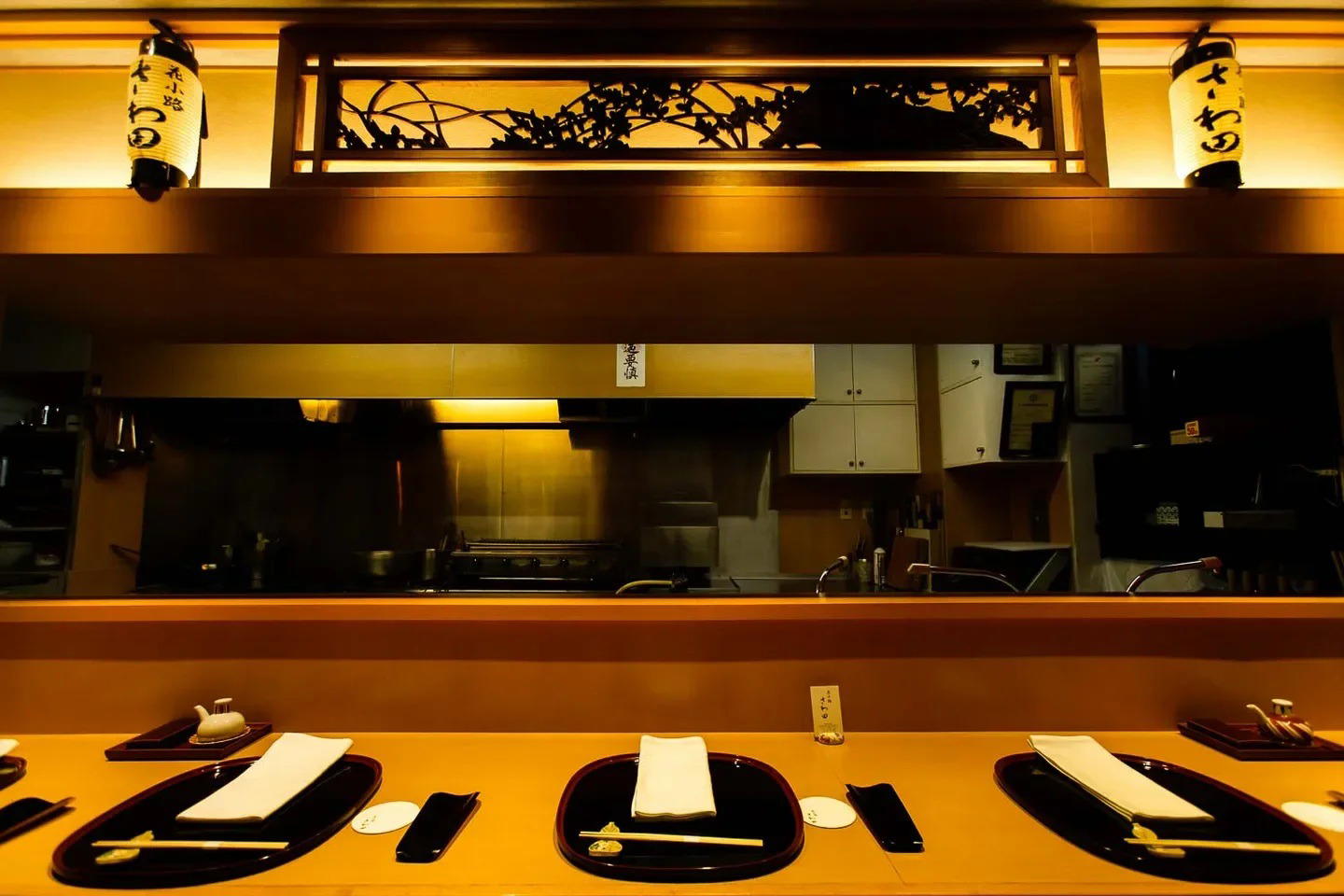
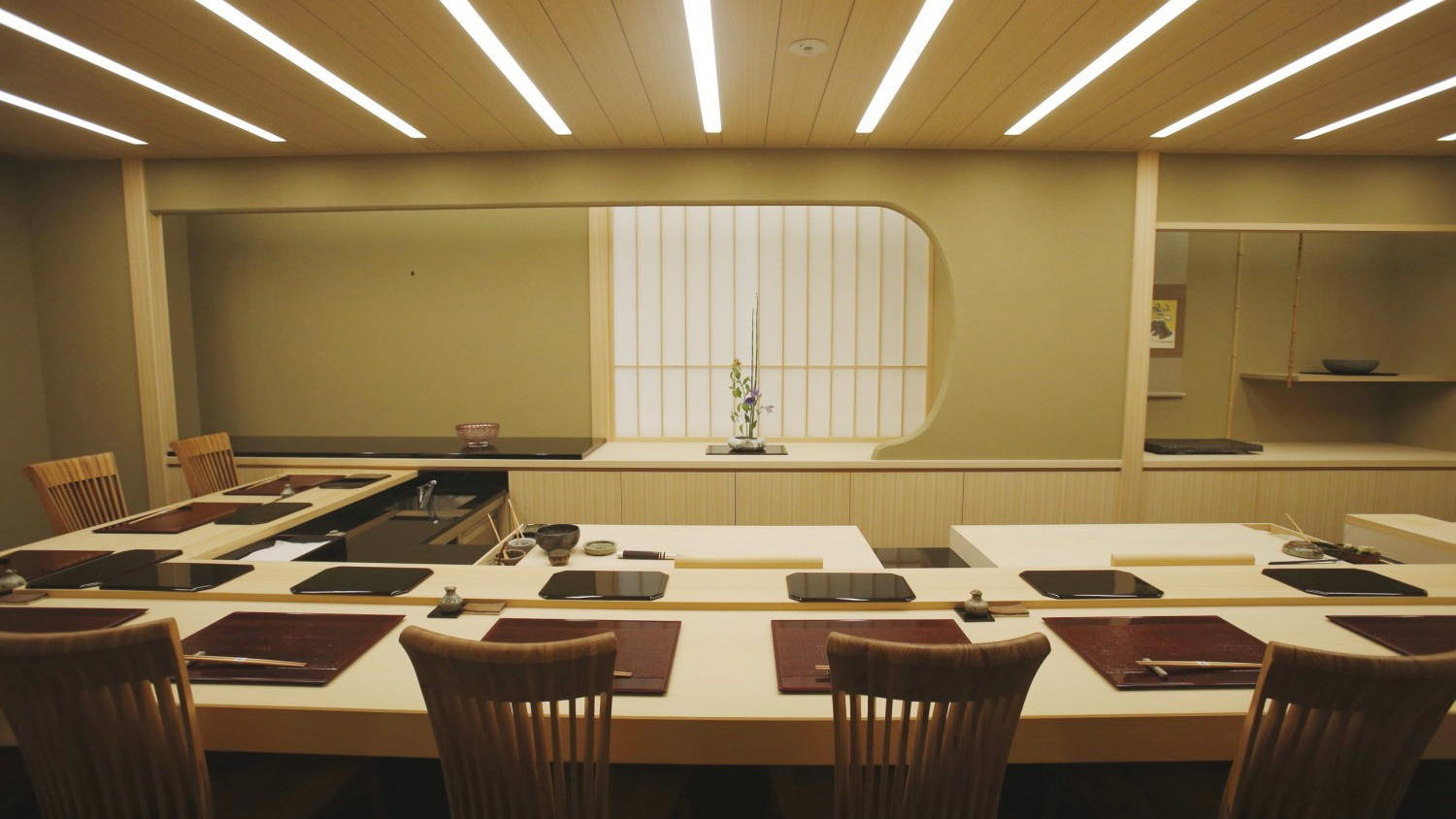
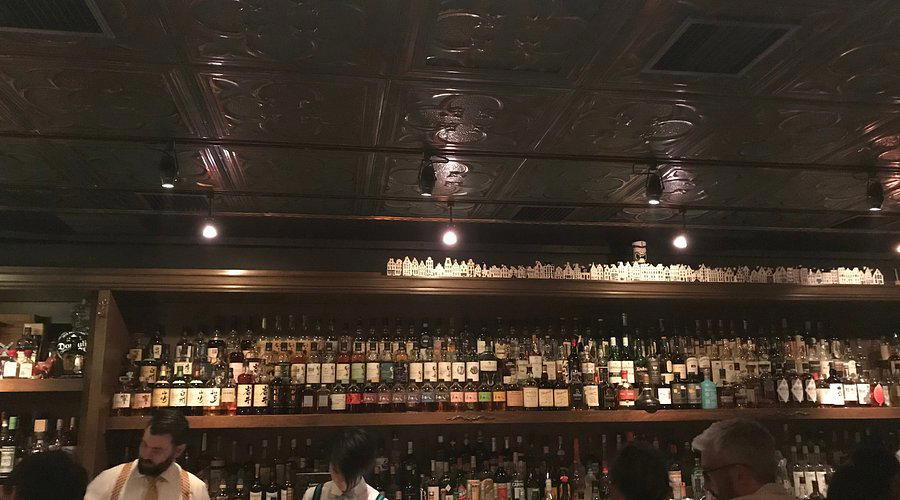
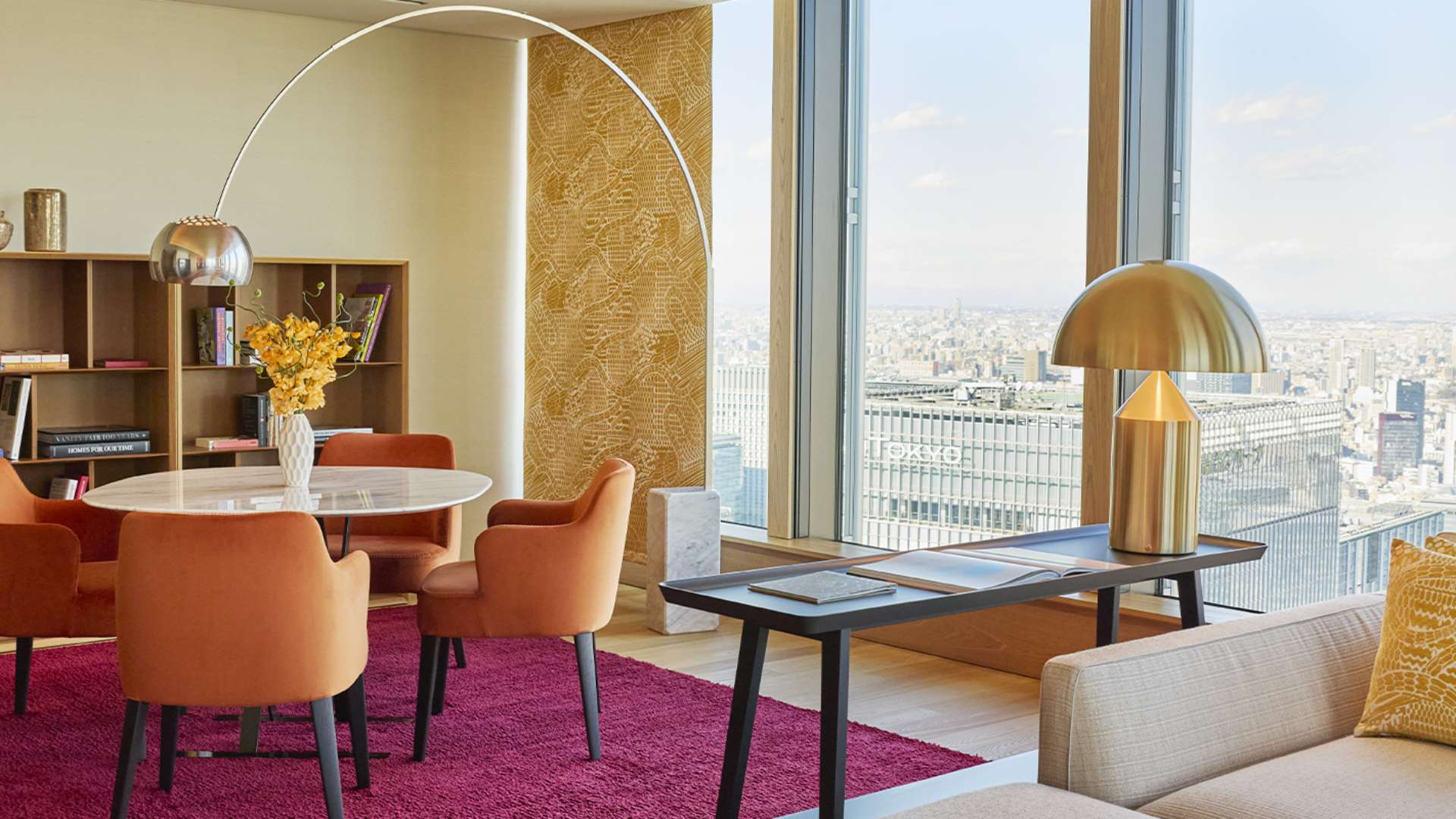
A modern, low-lit and polished private-room setting in the heart of Ginza, designed for quiet, high-end occasions with full table service by a dedicated griller; it feels intimate and sophisticated rather than bustling, with an emphasis on privacy and special-occasion formality.