Our verdict
Omotenashi Hobart occupies a compact address on Elizabeth Street, where the Japanese concept of wholehearted hospitality shapes the pace and purpose of each sitting. The name itself signals intent: a service philosophy built on anticipation rather than transaction. In a city where dining culture increasingly rewards restraint and attention, this is a room worth slowing down for.

Pearl is the En Primeur Club membership app — saves, bookings, and concierge access live there. Same editors, same standards.
- Address
- Unit 4/160 Elizabeth St, Hobart TAS 7000, Australia
- Hours
- Mon–Thu ClosedFri–Sun 6:30–10:30 PM
- Website
- omotenashihobart.com
- Directions
- Get directions
- Booking
- Book on SevenRooms
The menu
What to order
- Sashimi
- Salmon nanban
- Onabe hot pot
- Zunda mochi
- Mattcha roll cake
The Ritual Before the Meal Begins
In Japanese hospitality culture, omotenashi is not a service style so much as a governing philosophy: the host attends to the guest's needs before those needs are stated. That principle tends to produce a very particular kind of dining room — one where the physical environment is calibrated toward comfort and focus rather than spectacle, and where the pacing of the meal is treated as deliberately as the food itself. Omotenashi Hobart, positioned on Elizabeth Street in the city's central corridor, applies that framework to a Tasmanian context, where the local instinct toward quiet precision already finds common ground with Japanese service tradition.
Hobart has spent the better part of a decade repositioning itself within the national dining conversation. Where once the city was overshadowed by Melbourne and Sydney's concentrated restaurant culture — venues like Attica in Melbourne, Rockpool in Sydney, and Brae in Birregurra commanding most of the critical attention directed at regional Australian dining, Tasmania's capital has developed a distinct identity built around provenance, restraint, and small-format venues. A restaurant operating under the omotenashi concept fits that context more naturally than it might in a larger, louder city.
Elizabeth Street and the Geography of Dining in Hobart
Unit 4 at 160 Elizabeth Street places Omotenashi in the inner city, within reasonable reach of the waterfront precinct and Salamanca, the areas where most visitors anchor their time in Hobart. The street-level address on Elizabeth gives the venue a degree of accessibility that some of the city's more destination-driven restaurants lack. Venues such as Agrarian Kitchen, one of the more celebrated names in Tasmanian dining, require a deliberate trip; this address does not. That positioning matters for first-time visitors working out how to structure their time across the city's compact but layered dining options.
Hobart's inner dining circuit is small enough that walking between venues is standard practice. Nearby options across different registers include Aloft, Cugini Restaurant, and Don Camillo Restaurant, with the Elizabeth Street precinct itself offering enough variety that a multi-night stay can be structured entirely on foot. Callington Mill Distillery at MACq 01 adds a spirits-forward option for those whose evenings extend past dinner. For a broader picture of where Omotenashi sits within the city's dining options, our full Hobart restaurants guide maps the full range.
How the Dining Ritual Takes Shape
The omotenashi model, when applied faithfully, restructures what a meal feels like from arrival onward. The traditional Japanese approach discourages the guest from having to ask for anything: water is refreshed before the glass empties, courses arrive at a pace tuned to the table's rhythm, and the server's presence is calibrated so that it registers as care rather than interruption. For diners accustomed to the transactional pacing of European-style service, where interaction is initiated from the guest's side, this can require a small adjustment in how the evening is read.
Across Australian cities, Japanese-influenced dining formats have proliferated significantly in the past decade. The omakase counter model, as seen at venues including Atomix in New York City and high-end Australian equivalents, represents one end of that spectrum: high-commitment, fixed-price, course-driven. At the other end, Japanese-influenced casual formats offer the flavour vocabulary without the formality. Where a venue operating under the omotenashi name positions itself within that spectrum shapes how a diner should approach the booking and the evening itself.
In Hobart's context, where the dining culture generally favours mid-register precision over theatrical formality, a service-led Japanese concept is more likely to land in the considered-casual tier than in the high-ceremony omakase bracket. That tier, attentive without being stiff, unhurried without being inattentive, tends to suit the city's pace and its visitor profile, which skews toward culturally engaged travellers who have often already eaten at bills in Bondi Beach, Bar Carolina in South Yarra, or Barry Cafe in Northcote and are looking for something with more local depth.
What Japanese Hospitality Philosophy Means in Practice
The word omotenashi gained significant international visibility around the 2013 Tokyo Olympic bid, when it was used to articulate Japan's service culture for a global audience. But its application in restaurant settings well predates that moment. The concept draws from tea ceremony tradition and the ryokan guest house model, both of which treat the act of receiving a guest as a complete, considered practice rather than a commercial transaction. When transplanted to a Western dining room, the philosophy typically produces a quieter, more attentive room than the guest might expect, with service rhythms that feel less reactive and more orchestrated.
For diners arriving from venues with more transactional service cultures, or from the kind of high-volume city dining found at spots like Johnny Bird in Crows Nest, Bayly's Bistro in Kirribilli, or Hungry Wolfs Italian Restaurant in Newcastle, the shift in register can be disorienting in the leading possible way. Hobart, with its smaller scale and its dining culture that already prizes deliberateness over volume, is a natural environment for that kind of venue.
It is worth noting where this approach diverges from adjacent formats. Japanese-influenced wine bars, of which Scholé in Hobart is a local example, tend to prioritise the drink programme and treat the food as complementary. A venue named for omotenashi is, by definition, placing the hospitality relationship itself at the centre. That is a different contract with the guest, and one that rewards diners willing to surrender the pacing to the house.
Planning Your Visit
Omotenashi Hobart is located at Unit 4, 160 Elizabeth Street, in central Hobart. The Elizabeth Street address is accessible on foot from most inner-city accommodation and is a short distance from the Salamanca and waterfront areas. For those arriving from interstate or from regional Australian cities, Hobart Airport is approximately twenty minutes from the CBD by road. Given the nature of the omotenashi service model, calling ahead or checking for booking options before visiting is advisable, as venues operating within this format typically work leading with a reserved table rather than a walk-in arrangement.
Frequently asked questions
Is Omotenashi Hobart a family-friendly restaurant?
The omotenashi model prioritises attentive, anticipatory hospitality, which tends to suit adult dining occasions where that philosophy can be fully observed. The Elizabeth Street address in central Hobart is accessible and practical for most groups, but the format and atmosphere are best aligned to those seeking a considered, unhurried meal rather than a casual family outing.
What's the vibe at Omotenashi Hobart?
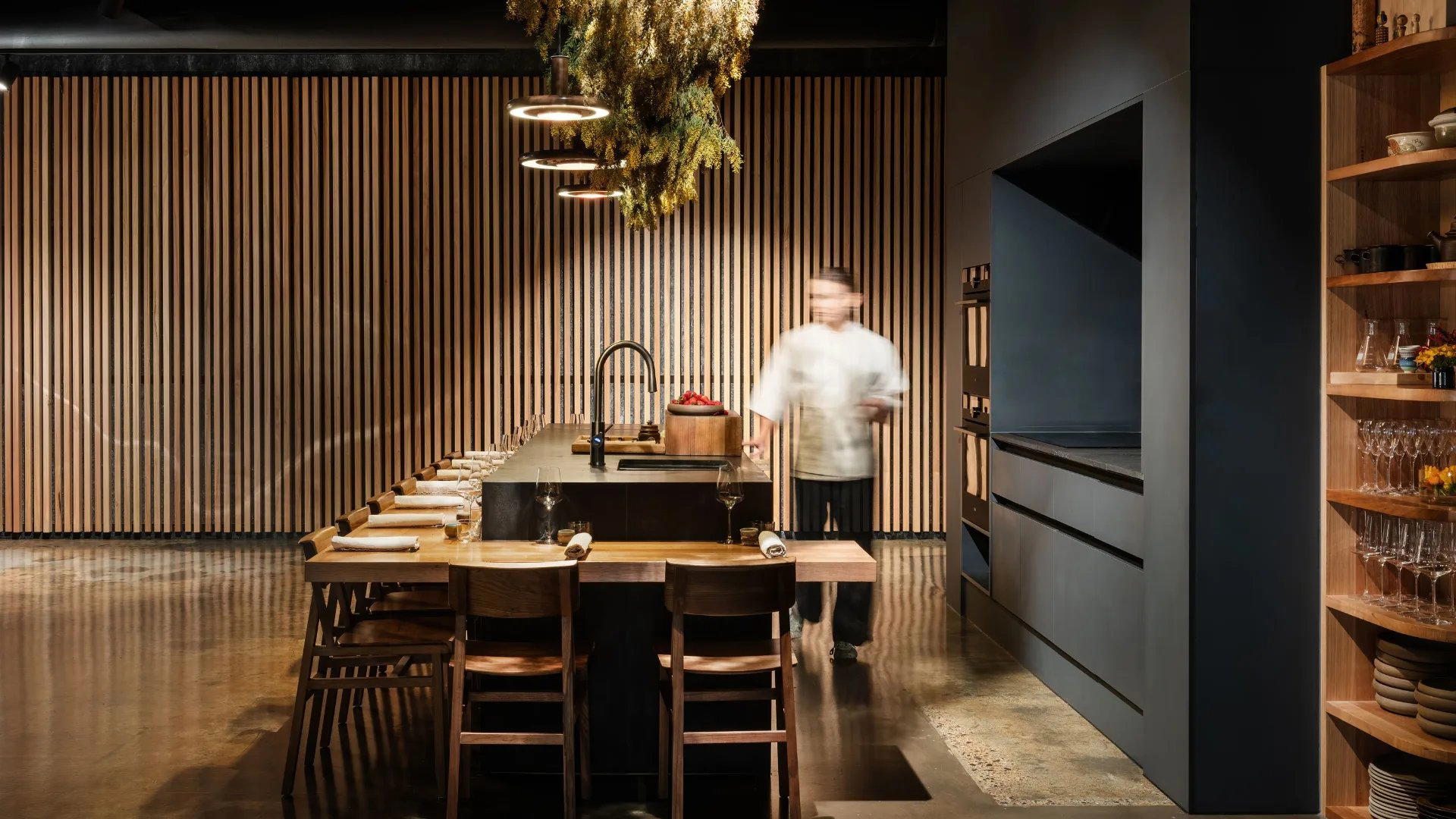
The governing concept is omotenashi, the Japanese principle of attending to a guest's needs before they are voiced, which shapes pacing, service cadence, and the overall atmosphere. At 160 Elizabeth Street, that translates to a composed, deliberate dining environment rather than anything high-energy or informal. Think structured calm over ambient buzz.
What makes Omotenashi Hobart different from other Japanese restaurants in Hobart?
The distinguishing factor is the venue's grounding in omotenashi as an operating philosophy rather than a decorative theme. Where most Japanese restaurants in Hobart focus on cuisine style, Omotenashi centres the hospitality framework itself, the anticipatory, self-effacing service culture that shaped Japan's reputation for guest care long before food became the headline. That positions it closer to a philosophical dining format than a conventional ethnic restaurant category.
What's the must-try dish at Omotenashi Hobart?
Contacting the venue directly at Unit 4, 160 Elizabeth Street, Hobart is the most reliable way to get current menu information before your visit.
Where exactly is Omotenashi Hobart?
Omotenashi Hobart is located at Unit 4/160 Elizabeth St, Hobart TAS 7000, Australia, Hobart.
Can I walk in to Omotenashi Hobart?
Given that venues operating under a structured hospitality model often require advance bookings to maintain service standards, contacting them ahead of your visit is advisable. The Elizabeth Street location is centrally positioned in Hobart, making it easy to plan around.
Cuisine-First Comparison
Comparable venues nearby, for context on price, style, and recognition.
| Venue | Cuisine | Price | Awards | Notes |
|---|---|---|---|---|
| Omotenashi HobartThis venue — the venue you are viewing | Japanese Kaiseki Omakase | $300–500 | Not listed | Not listed |
| Scholé | Japanese-inspired Tasmanian | $100–150 | Gourmet Traveller State Winner Tasmania | Hobart CBD |
| Bird in Hand | Wine-led modern Australian fine dining in the Royal Tasmanian Botanical Gardens | Not listed | Not listed | Royal Tasmanian Botanical Gardens |
| Callington Mill Distillery at MACq 01 Hobart | Modern Australian Whisky Dining | $50–100 | Not listed | Hobart Waterfront |
| Analiese Gregory’s anti-restaurant | Intimate seasonal fusion by Analiese Gregory | Not listed | Not listed | Not listed |
| Templo | Italian-inspired Seasonal Tasting Menu | $100–150 | Not listed | West Hobart |
Continue exploring
More in Hobart
Restaurants in Hobart
Browse all →
Bars in Hobart
Browse all →
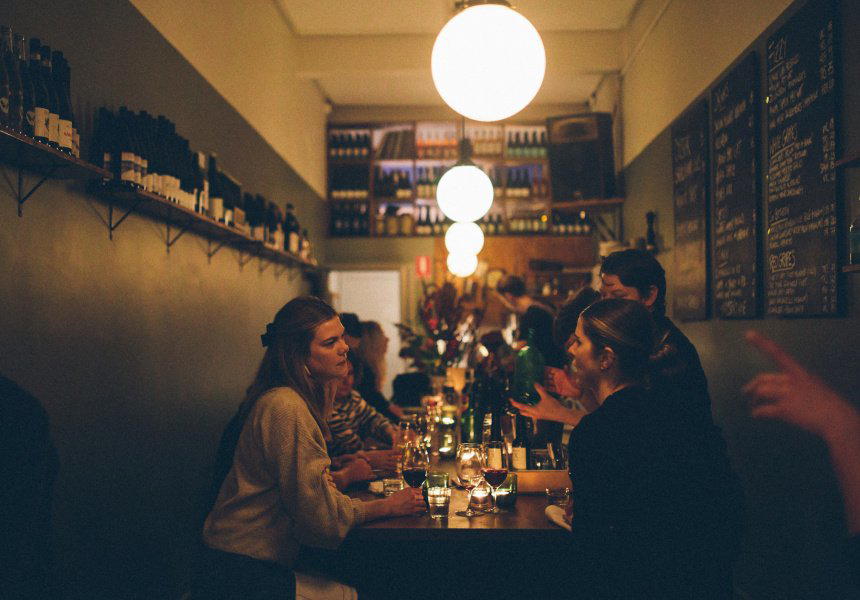
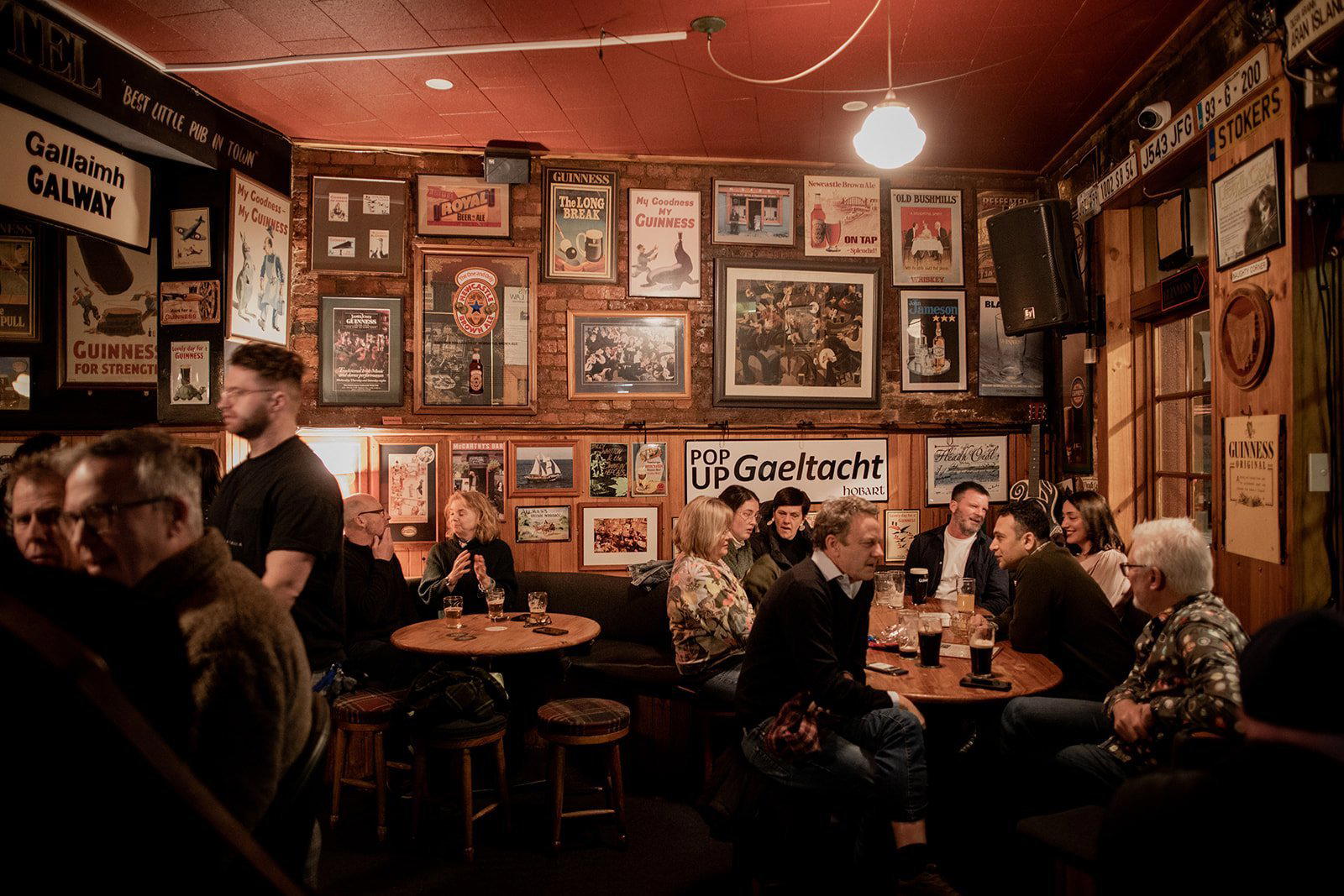
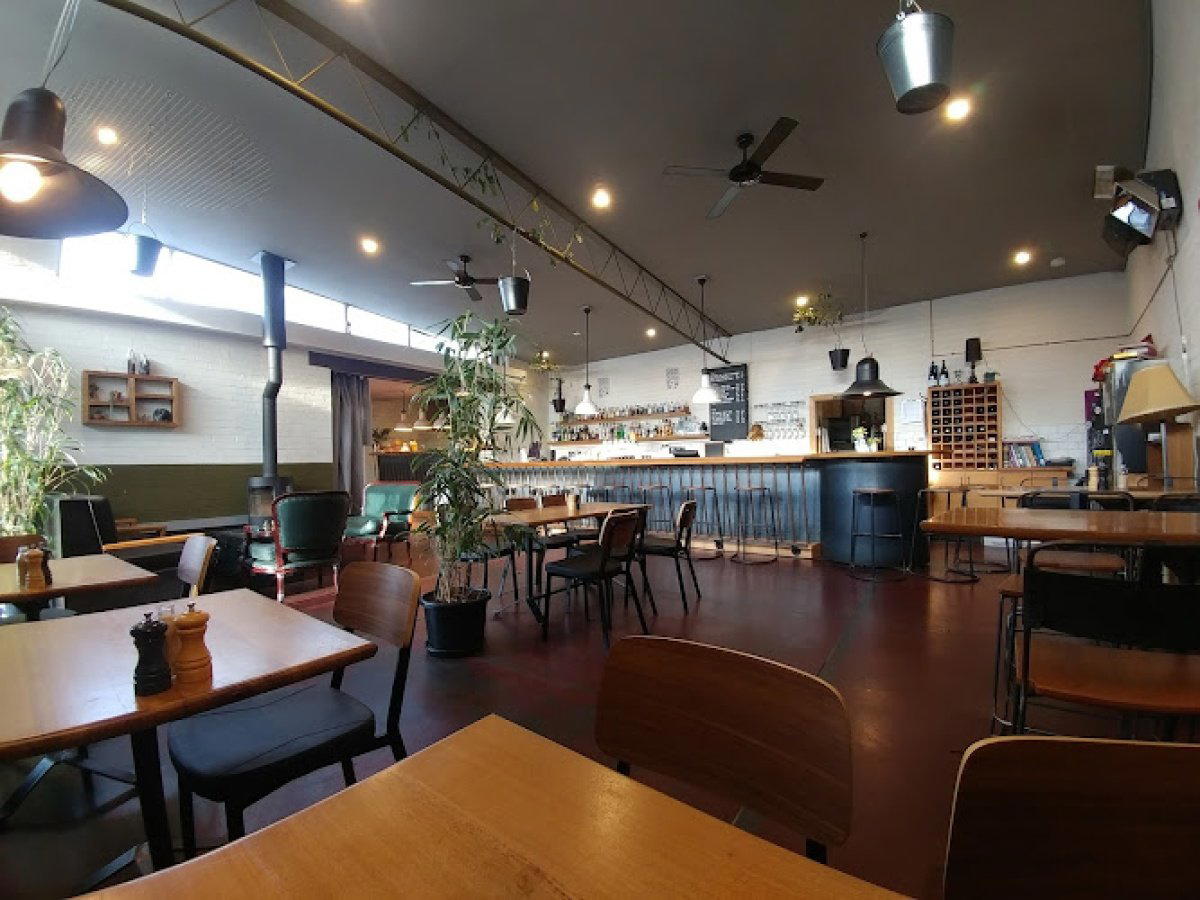
Hotels in Hobart
Browse all →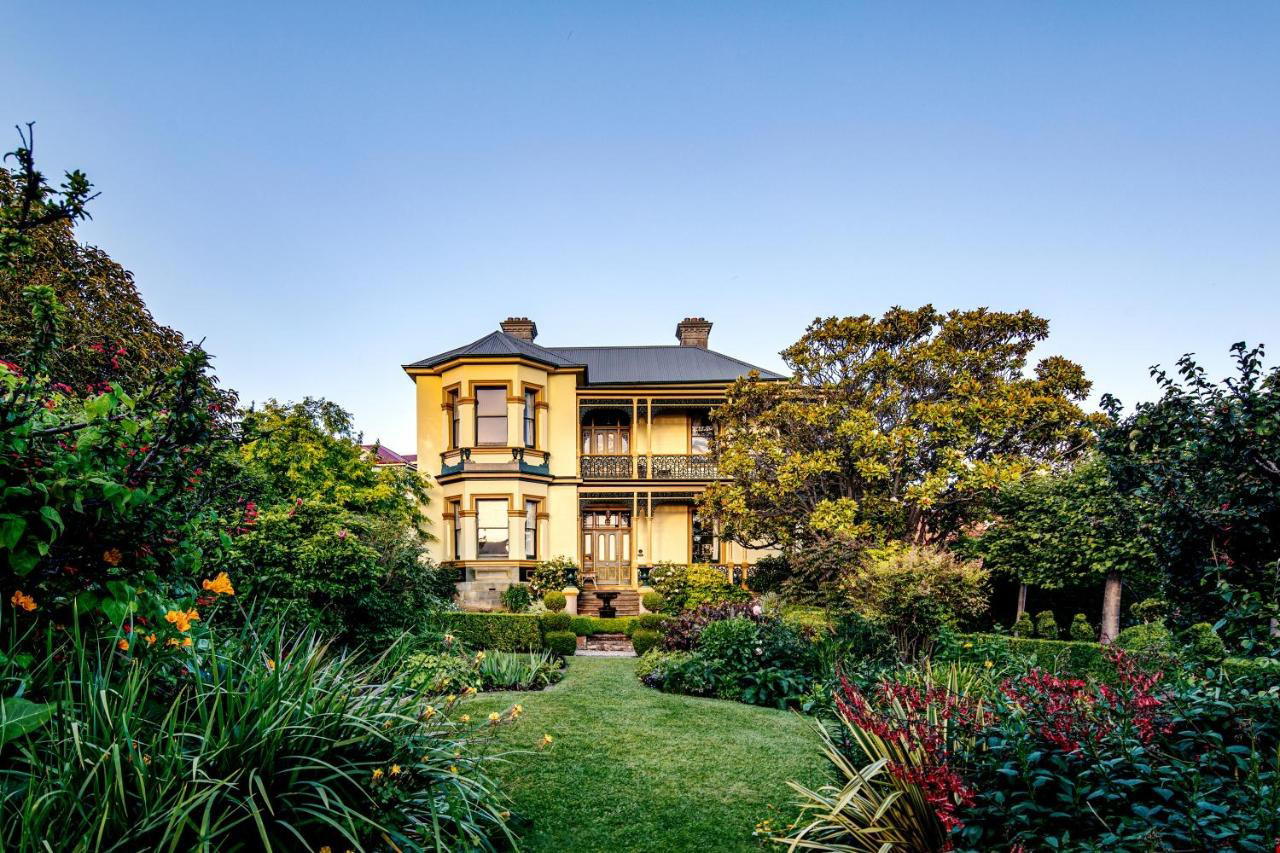
Details
- Intimate
- Elegant
- Sophisticated
- Date Night
- Special Occasion
- Celebration
- Open Kitchen
- Chefs Counter
- Private Dining
- Design Destination
- Sake Program
- Sommelier Led
- Local Sourcing
- Farm To Table
- Tasting Menu
- Omakase
- Set Menu
- Sake
- Tea
Current opening hours
- Monday
- Closed
- Tuesday
- Closed
- Wednesday
- Closed
- Thursday
- Closed
- Friday
- 6:30–10:30 PM
- Saturday
- 6:30–10:30 PM
- Sunday
- 6:30–10:30 PM
Hours can change for holidays and private events. Last verified .
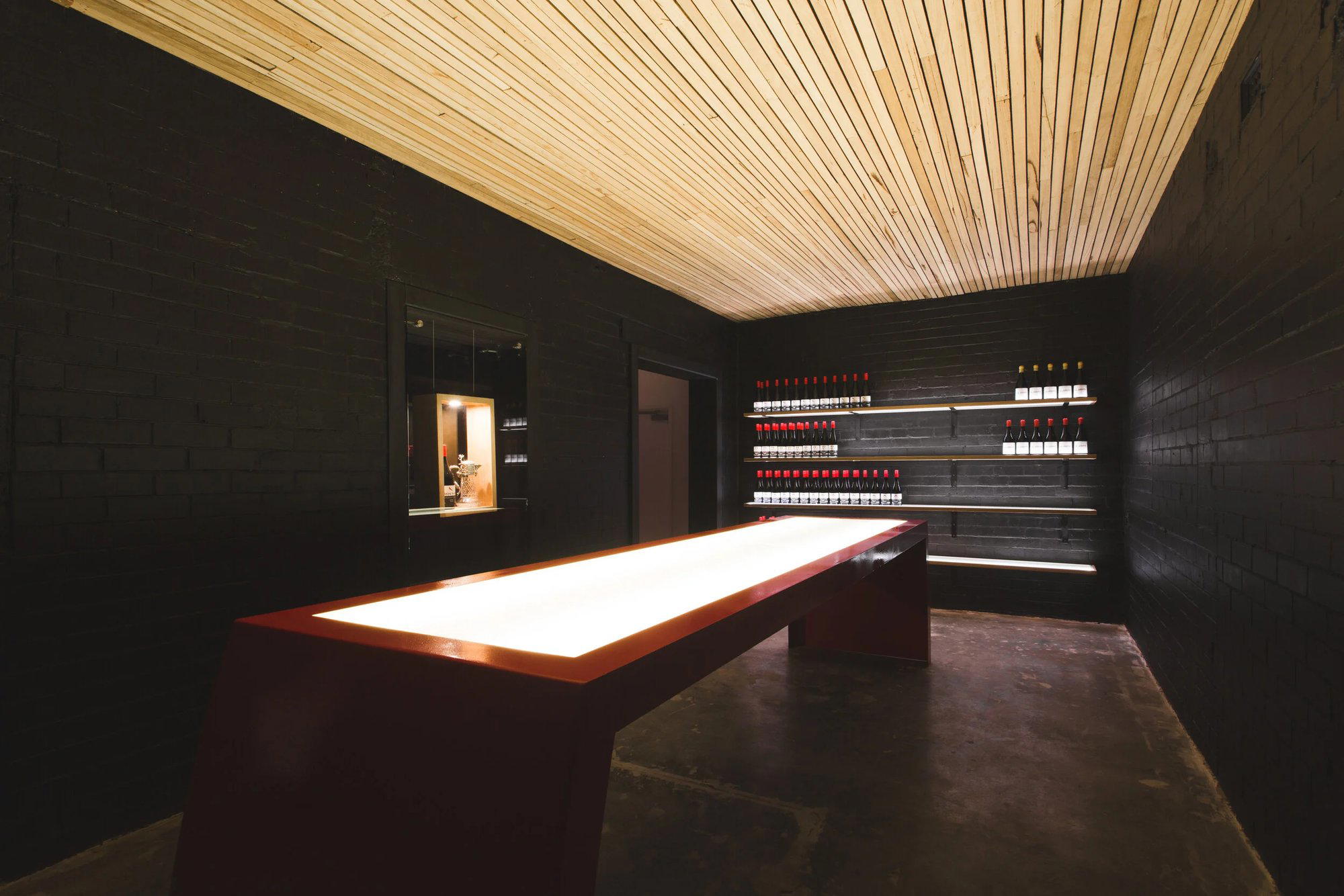
Minimalist and refined with an open kitchen concept, featuring carefully curated lighting and antique tableware sourced from Japan, creating a warm yet sophisticated atmosphere.