Smolt Kitchen
Smolt Kitchen sits on Hill Street in West Hobart, a neighbourhood that has quietly become one of Tasmania's more considered dining precincts. The kitchen works within the broader Australian tradition of produce-led cooking, placing it alongside a tier of restaurants that treat sourcing as editorial rather than marketing. For visitors working through Hobart's dining options, it is worth understanding where Smolt fits in that local conversation.
Pearl is the En Primeur Club membership app — saves, bookings, and concierge access live there. Same editors, same standards.
- Address
- 107-109 Hill St, West Hobart TAS 7000, Australia
- Phone
- +61 3 6231 0828
- Website
- smoltkitchen.au
 Saves & bookings on Pearl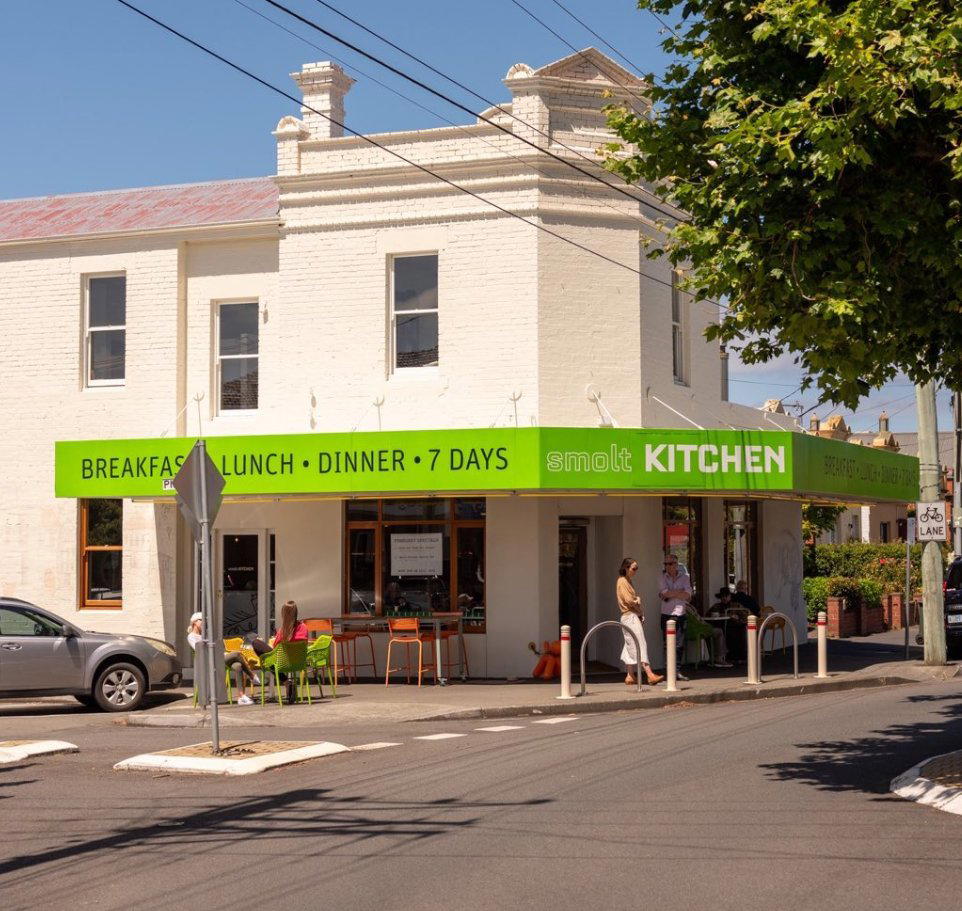
West Hobart's Hill Street and the Case for Neighbourhood Dining
There is a particular kind of restaurant that only makes sense in a city at a certain moment in its culinary development. It does not announce itself with a grand room or a celebrity name above the door. It occupies a converted shopfront or a narrow terrace, and it draws its authority from the consistency of what arrives at the table rather than from the theatre surrounding it. Hill Street in West Hobart has become a reliable address for that format. Smolt Kitchen, at 107 to 109 Hill St, sits within a precinct that has accumulated enough good operators to function as a genuine dining neighbourhood rather than a single-venue destination. The surrounding streets connect to Hobart's inner-west residential fabric, and the restaurants here draw a crowd that includes locals eating mid-week as readily as visitors making a deliberate trip.
Understanding Smolt Kitchen means understanding West Hobart's position in the broader Hobart dining conversation. The city's reputation for food has grown substantially over the past decade, driven by a combination of world-class cold-water produce, a small but technically serious cohort of cooks, and the gravitational pull of MONA, which brought a new class of culturally engaged visitor to Tasmania and raised expectations across the hospitality sector. Hobart now competes for serious dining attention alongside Melbourne and Sydney, though on a different register: fewer covers, shorter supply chains, and a cooking culture that leans toward restraint over spectacle. Smolt Kitchen operates inside that register.
The Cultural Framework: Australian Produce Cooking and Its Tasmanian Expression
The broader tradition that Smolt Kitchen sits within is one of the most consequential shifts in Australian restaurant culture of the last thirty years. What began as a rejection of French orthodoxy and a turn toward Asian influence has since evolved into something more grounded: a cooking mode that treats Australian geography as its primary ingredient list. In Tasmania, that impulse has a particularly strong foundation. The island's cold climate, clean water systems, and relatively low industrial-agricultural footprint produce ingredients, from Pacific oysters and Atlantic salmon to cool-climate brassicas and stone fruit, that carry their provenance visibly in the eating.
The word "smolt" itself signals this orientation. A smolt is a juvenile salmon at the life stage when it transitions from freshwater to saltwater, a phase specific to the salmonid life cycle. Tasmania is Australia's primary salmon-farming region, with the Huon and D'Entrecasteaux Channel systems supporting most of the country's cold-water aquaculture. Using that term as a restaurant name is not incidental, it anchors the kitchen's identity to a specific regional ecology. That kind of naming convention has become more common in the tier of Australian restaurants that treat sourcing as a serious editorial position rather than a marketing footnote. Nationally, kitchens like Brae in Birregurra and Attica in Melbourne have made produce provenance central to their identity. In the seafood-forward register, Rockpool in Sydney built a long-standing reputation on similar principles applied to Australian coastal produce.
What distinguishes the Tasmanian expression of this tradition is scale and access. A kitchen on Hill Street can deal directly with fishermen, farmers, and foragers in a way that is logistically more complicated for a large urban restaurant. The ingredient chain is shorter, the seasonal windows are sharper, and the regional identity is more specific. That specificity is the value proposition, and it is what places neighbourhood kitchens like Smolt within a serious conversation about Australian cooking, even when they operate without the awards infrastructure of a destination restaurant.
Where Smolt Sits in the West Hobart Dining Tier
West Hobart's dining precinct has developed a recognisable character: accessible in price and atmosphere, serious about produce, and unpretentious in format. It is a neighbourhood where a well-made natural wine list and a menu that changes with the season are expected rather than exceptional. Pigeon Hole, a short distance from Hill Street, helped define that character and remains a useful reference point for understanding the tier. Smolt Kitchen operates in a similar register, drawing on the same neighbourhood sensibility while contributing its own angle, the salmon-specific naming suggests a kitchen that has thought carefully about its relationship to Tasmanian aquaculture and cold-water seafood.
For visitors building a Hobart itinerary, the practical logic of West Hobart as a dining base is worth understanding. The suburb sits uphill from the CBD and waterfront, a ten-to-fifteen minute walk from Salamanca Place depending on the route. It functions leading as an evening destination rather than a lunch detour from the Hobart docks, and its restaurants tend to attract a neighbourhood crowd that extends the atmosphere beyond the visitor-heavy precincts closer to the water.
Comparisons to Australian regional destination restaurants further afield are instructive for calibrating expectations. Kitchens like Pipit in Pottsville, Provenance in Beechworth, and Wills Domain in Yallingup have all built reputations on produce-led cooking in regional settings with strong local ingredient stories. Smolt Kitchen's position on Hill Street places it in that broader Australian regional dining conversation, even within a capital city context. For estate and resort dining with similar produce-forward ambitions, Hentley Farm in Seppeltsfield and Laura at Pt Leo Estate in Merricks represent the more formal end of the spectrum. Internationally, the structural parallel, a serious kitchen in a non-metropolitan setting, committed to a regional ingredient identity, echoes what Lazy Bear in San Francisco has done with Californian produce and what Le Bernardin in New York City has long demonstrated with cold-water seafood at the highest technical register.
Planning a Visit
Smolt Kitchen is located at 107 to 109 Hill St, West Hobart, a fixed address in a walkable residential precinct. Check current listing details before you go, particularly if you are travelling specifically for a meal. West Hobart's dining strip is compact enough that a visit can be combined with stops at neighbouring venues, and the neighbourhood format means walk-in availability may be more common than at Hobart's more formal dining rooms. That said, confirmed reservations are advisable during peak summer months (December through February), when Tasmania sees its highest visitor numbers and local restaurants fill earlier in the week.
- Shakshuka
- Cauliflower Harissa Salad
- Grilled Haloumi
- Smashed Avocado
- Pizza Capricciosa
- Chicken Parmi
Booking and Cost Snapshot
Comparable venues nearby, for context on price, style, and recognition.
| Venue | Cuisine | Price | Awards | Notes |
|---|---|---|---|---|
| Smolt KitchenThis venue — the venue you are viewing | West Hobart, Modern Mediterranean Cafe | $$ | , | |
| Pigeon Hole | $$ | , | West Hobart, Australian Farm-to-Table Cafe | |
| Boccabona | Ocean Grove, Italian Pasta Restaurant | $$ | , | |
| Seoul Bakery | Box Hill, Korean Bakery | $$ | , | |
| Terrigal Pavilion | Terrigal, Mediterranean Coastal | $$ | , | |
| Agora Greek Cuisine | North Adelaide, Greek Cuisine | $$ | , |
Continue exploring
More in West Hobart
Restaurants in West Hobart
Browse all →
Bars in West Hobart
Browse all →

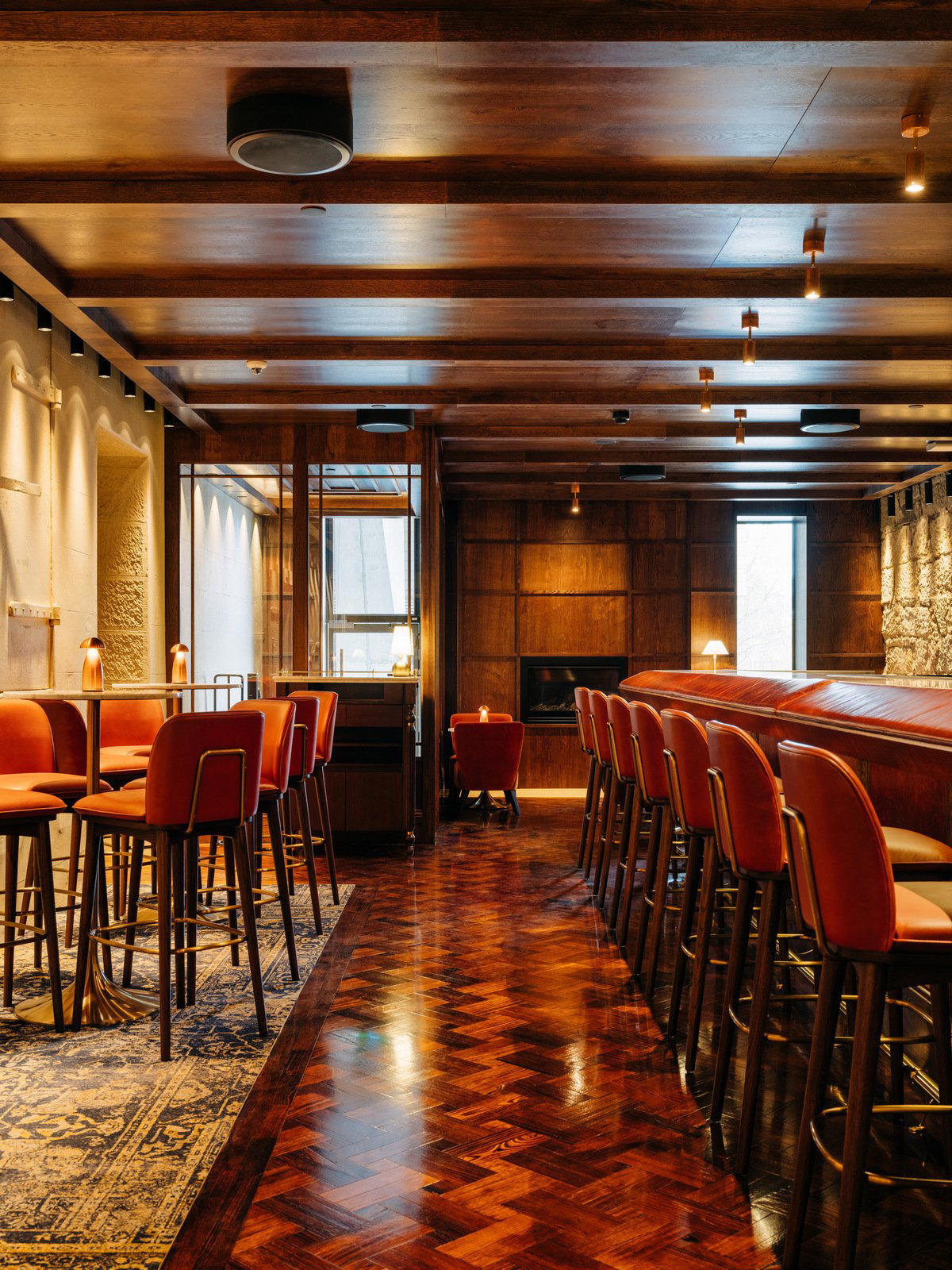
Hotels in West Hobart
Browse all →
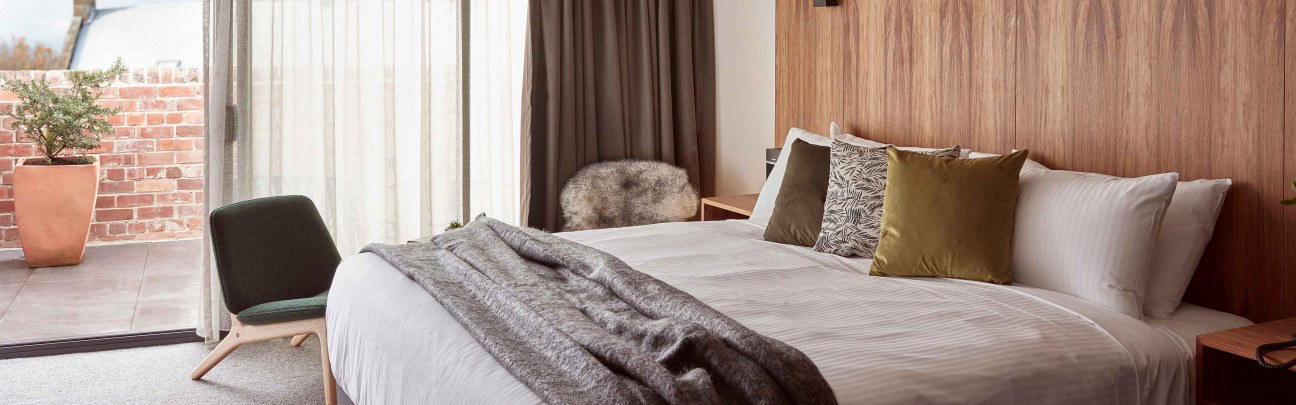
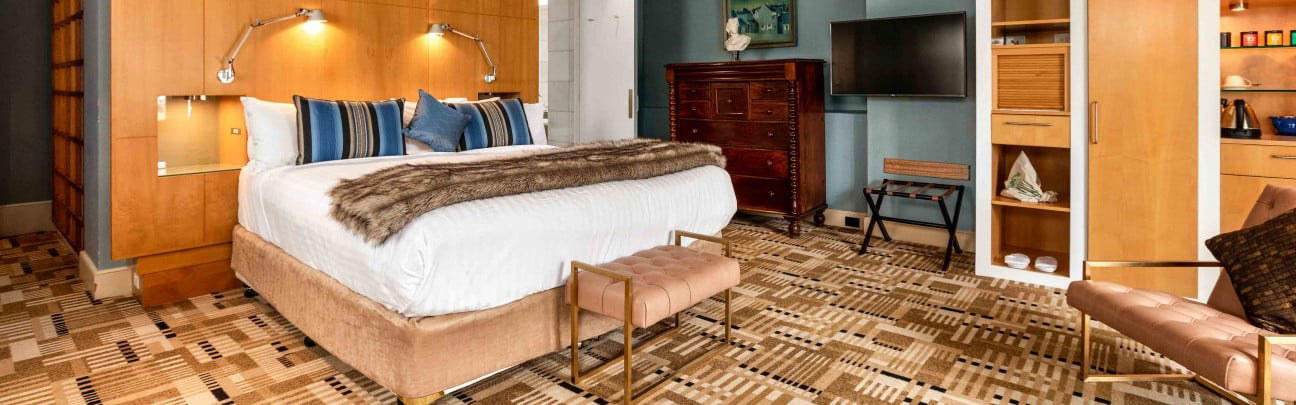
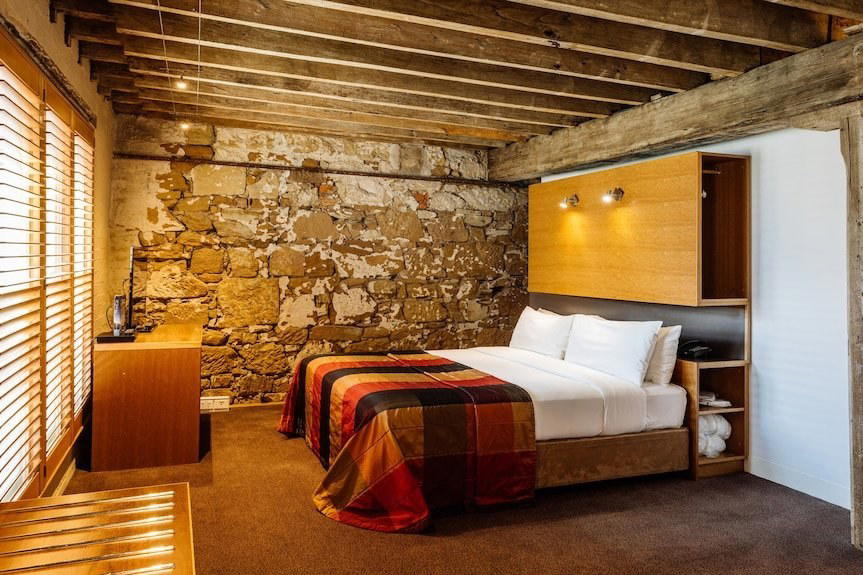


At a Glance
- Modern
- Lively
- Trendy
- Whimsical
- Brunch
- Casual Hangout
- Family
- Group Dining
- Standalone
- Historic Building
- Design Destination
- Craft Cocktails
- Beer Program
- Local Sourcing
Bright and airy with floods of natural light streaming through large windows; colorful, asymmetric plastic laminate and salmon-pink Memphis design touches create a breezy, modern yet playful atmosphere.
- Shakshuka
- Cauliflower Harissa Salad
- Grilled Haloumi
- Smashed Avocado
- Pizza Capricciosa
- Chicken Parmi