Our verdict
Kurume and the Culture of the Counter Fukuoka Prefecture has long attracted attention for its food culture, but the gravitational pull tends to settle on Hakata and the city of Fukuoka itself. Kurume, roughly 30 kilometres to the south, operates...

Pearl is the En Primeur Club membership app, where members save venues, book tables and use the concierge.
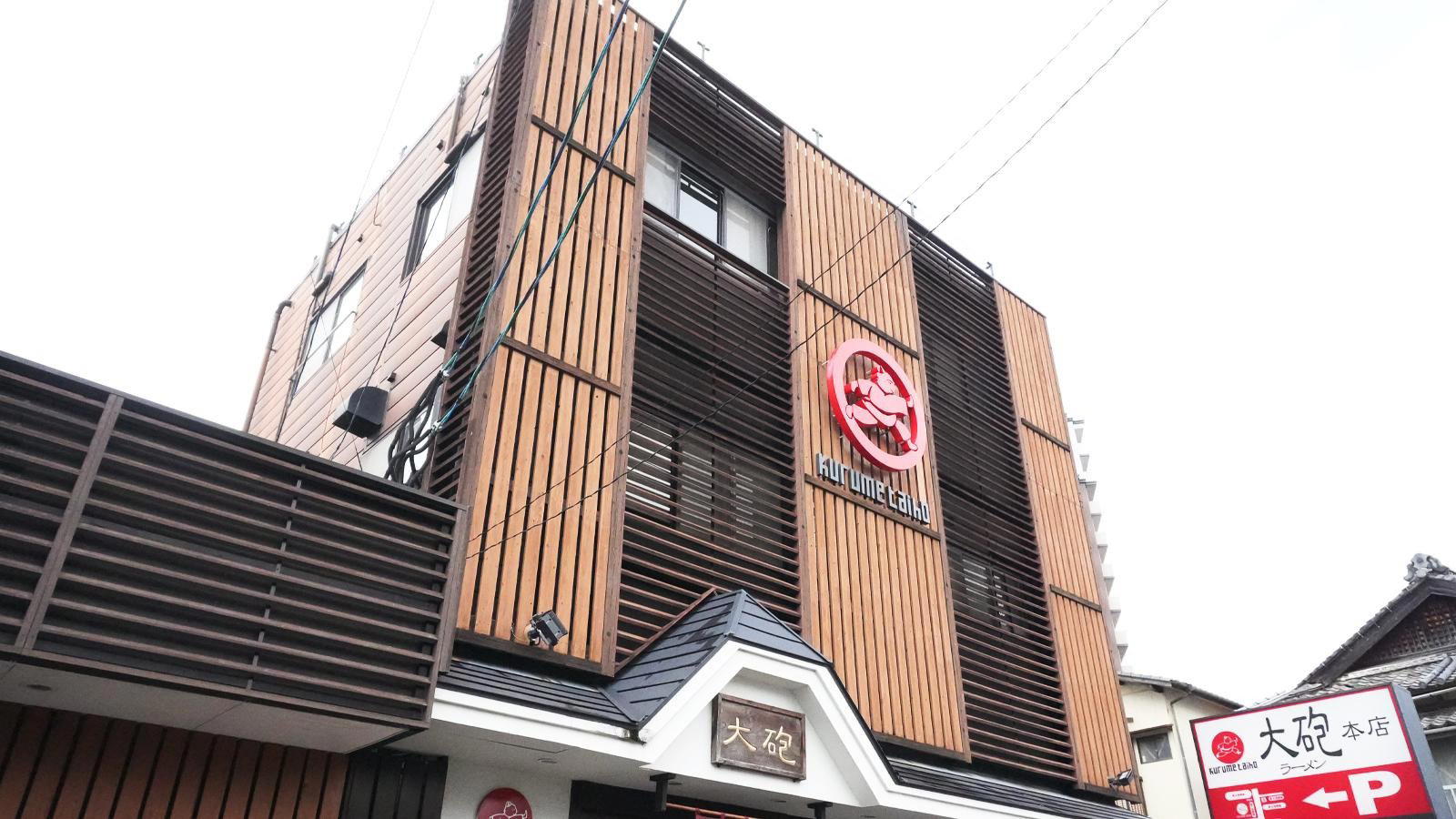
Kurume and the Culture of the Counter
Fukuoka Prefecture has long attracted attention for its food culture, but the gravitational pull tends to settle on Hakata and the city of Fukuoka itself. Kurume, roughly 30 kilometres to the south, operates in that shadow while carrying a quietly serious dining tradition of its own. The city's culinary identity is rooted in a handful of craft-driven formats, including tonkotsu ramen (Kurume is widely credited as the style's origin point), yakitori, and, at the more considered end of the spectrum, intimate counter dining where the kitchen and the guest occupy the same unhurried time. Tashu Kurumeten sits in that last category, on the second floor of a building in Higashimachi, one of the low-rise commercial and residential blocks that make up central Kurume. The address is 39-24 in the Tenjin Building, and the second-floor placement is itself a signal: not a street-facing shopfront, not a ground-level grab, but a room you climb to deliberately.
The Second Floor as a Culinary Position
In Japanese restaurant culture, location within a building carries meaning. Ground-floor venues maximise footfall; second-floor and above rooms self-select their guests. The customer who finds Tashu Kurumeten has looked for it. That filtering mechanism shapes the atmosphere before anyone sits down. Across Japan's regional cities, from the backstreet kappo counters of Kanazawa to the discrete tasting rooms of Nara, the second-floor format signals a particular contract with the guest: the room asks for your attention and offers close focus in return. Venues in that mode generally keep seat counts low, pacing tight, and interaction between kitchen and table high. For comparison, akordu in Nara operates on a similarly intimate register within a regional city context, and Goh in Fukuoka represents the concentrated, chef-driven counter format at its most recognised end in this part of Kyushu. Tashu Kurumeten occupies a quieter position in the same geographic and stylistic zone.
Kurume's Place in the Kyushu Dining Circuit
The broader Fukuoka Prefecture dining circuit has attracted sustained international attention. Fukuoka city has been flagged repeatedly by food media as one of Asia's more accessible high-quality eating cities, with a density of serious restaurants relative to its size that outperforms many larger urban centres. Kurume's contribution to that picture is less visible from the outside but coherent from within. The city's food producers, particularly in the areas of soy, miso, and regional fermentation traditions, feed into the ingredient supply chains that reach Fukuoka and beyond. A restaurant operating in Kurume has access to those same local materials at source, which gives a craft-focused kitchen a practical advantage. Sushi Yoshida is among the venues in Kurume that demonstrate what a focused, locally-rooted format can produce at a high level. For the fuller picture of what the city offers, our full Kurume restaurants guide maps the range across price points and styles.
Counter dining in Japan's regional cities occupies a different competitive logic than in Tokyo or Osaka. The reference frame is not the three-Michelin-star circuit of the capital, where venues like Harutaka in Tokyo or Gion Sasaki in Kyoto define the upper tier. Regional counter venues set their ambitions against local craft standards and against the expectations of a guest base that may travel in from across the prefecture but is unlikely to be the type of international dining tourist that fills Tokyo's hardest bookings. That difference in audience shapes the format: fewer theatrics, more directness, a kitchen that communicates through the food rather than through ceremony. The high-end Japanese counter at its Tokyo apex, as seen in venues like HAJIME in Osaka, uses architecture, lighting, and formal service as part of the experience. In Kurume's second-floor rooms, the register tends to be quieter. That is not a limitation; it is a different set of values made spatial.
What the Sparse Record Tells You
The practical details available for Tashu Kurumeten are limited: the address in Higashimachi, the second-floor placement, the city of Kurume in Fukuoka Prefecture. In Japan's regional dining culture, that kind of opacity is not unusual. Many of the country's most carefully run counter venues maintain minimal or no online presence, relying on repeat guests, local knowledge, and word-of-mouth circulation. The absence of a digital footprint is, in that context, a data point rather than a gap. Venues with this profile are leading approached through local hotel concierge networks, Japanese-language food communities, or through platforms that maintain updated booking contacts for restaurants operating outside the standard reservation systems. Visiting Kurume and asking at a hotel front desk in the city is a more reliable path than searching in English. Comparable venues across Japan, from 一本杉 川島 in Nanao to 湖里庵 in Takashima, operate with similarly limited digital profiles while maintaining serious local standing.
Planning a Visit
Kurume is accessible from Fukuoka via the Nishitetsu Omuta Line, with a journey time of roughly 30 to 40 minutes from Nishitetsu Fukuoka (Tenjin) Station, making it viable as a day trip or as an overnight stop on a broader Kyushu itinerary. The Higashimachi area, where Tashu Kurumeten's address is located, is central and walkable from Nishitetsu Kurume Station. Given the absence of a website or phone number in the current public record, the most practical approach is to confirm operating days and reservation requirements before travel, either through a local concierge or through Japanese-language platforms such as Tabelog or Gurunavi, where some regional venues maintain listings even without a dedicated web presence. Walk-in availability at second-floor counter venues in Japan is variable and often limited; arriving without a reservation carries risk, particularly on weekend evenings. The broader regional circuit rewards those who plan around it: combining Tashu Kurumeten with other Kurume stops, then extending to Fukuoka for venues like Goh, builds a coherent picture of what this part of Kyushu offers at the serious end of the dining spectrum. For those constructing a Japan itinerary that reaches further, the counter format appears in its most recognised regional expressions at places like 夕月山乃 in Sapporo and 羽前屋 in Nishikawa Machi, each operating within the same logic of focused, locally-rooted hospitality that Kurume's better rooms share. For international reference points that show what the counter format can reach in terms of global recognition, Atomix in New York City and Le Bernardin in New York City each represent the apex of their respective traditions, a useful frame for understanding how far the format travels and what it can carry. Closer to home in Japan's mid-scale regional circuit, venues like Birdland in Sakai, Bistro Ange in Toyohashi, Blue Ocean Steak in Nakagami District, bodai in 那智勝浦町, and Cafe Naoshima Konichiwa in Naoshima each illustrate the range of what deliberate, place-specific dining looks like outside Japan's major cities.
Frequently asked questions
What part of town is Tashu Kurumeten in?
Tashu Kurumeten is located at Japan, 〒830-0016 Fukuoka, Kurume, Higashimachi, 39−24 天神愛眼ビル 2F, Kurume.
Is Tashu Kurumeten worth visiting from Fukuoka city as a standalone trip?
Kurume is roughly 30–40 minutes from Nishitetsu Fukuoka (Tenjin) Station on the Nishitetsu Omuta Line, which makes Tashu Kurumeten a viable evening excursion rather than a full day commitment. Fukuoka Prefecture's regional dining circuit has drawn sustained attention from food media, and Kurume's counter scene operates largely outside the visitor flow that concentrates in Hakata. For those already in Fukuoka, the transit is straightforward enough to justify the trip for a purposeful dinner.
What do people recommend at Tashu Kurumeten?
The venue sits on the second floor in Higashimachi, Kurume, a format that in Japan typically signals a focused, chef-directed menu rather than an à la carte selection. Arriving open to the house direction is the standard approach at counters of this type.
Can I walk in to Tashu Kurumeten?
Second-floor counter venues in Japan, particularly those without a published phone number or website, rarely operate on a walk-in basis. Tashu Kurumeten's address in Higashimachi, Kurume places it in this category. Reaching out through a local hotel concierge in Kurume or Fukuoka city is the most reliable way to secure a seat.
What's the signature at Tashu Kurumeten?
No signature dish is documented in sources accessible to us for Tashu Kurumeten. Its positioning as a second-floor counter in Kurume, within Fukuoka Prefecture's broader dining circuit, suggests a kitchen with a defined point of view rather than a broad menu. The specifics are best confirmed directly when making a reservation.
Can Tashu Kurumeten accommodate dietary restrictions?
With no website or phone number in the current public record, confirming dietary requirements before arrival is not straightforward through standard channels. A concierge based in Kurume or Fukuoka city will have the local contacts to make that inquiry directly. Counter-format venues in Japan generally ask about restrictions at the time of booking, so raising the question early is advisable.
Cost Snapshot
Comparable venues nearby, for context on price, style, and recognition.
| Venue | Cuisine | Price | Awards | Notes |
|---|---|---|---|---|
| Tashu KurumetenThis venue (the venue you are viewing) | Motsunabe Izakaya | $30–50 | Not listed | Not listed |
| Mitsuya Stand | Japanese tachinomi standing bar | $10–20 | Tabelog 100 #37 | Higashimachi, Kurume, Japanese tachinomi standing bar |
| Hitokuchi Gyoza Tenya | Kurume gyoza izakaya | $10–20 | Tabelog 100 #97 | Not listed |
| Sushi Yoshida | Traditional Japanese Omakase Sushi | $100–150 | Not listed | Mutsumon-machi, Traditional Japanese Omakase Sushi |
| Dharmasagara | Authentic South Indian Restaurant | $30–50 | Tabelog 100 #10 | Tanushimaru-machi, Authentic South Indian Restaurant |
| Gyoza Nyannyan | Traditional Japanese gyoza shop | $10–20 | Tabelog 100 #34 | Mutsumonmachi, Traditional Japanese gyoza shop |
Continue exploring
More in Kurume
Restaurants in Kurume
All restaurants in Kurume →
Details
- Cozy
- Intimate
- Group Dining
- Casual Hangout
- Private Dining
- Sake Program
- A La Carte
Current opening hours
- Monday
- 5 PM–12 AM
- Tuesday
- 5 PM–12 AM
- Wednesday
- 5 PM–12 AM
- Thursday
- 5 PM–12 AM
- Friday
- Closed
- Saturday
- 5 PM–12 AM
- Sunday
- 5 PM–12 AM
Hours can change for holidays and private events. Hours as of .
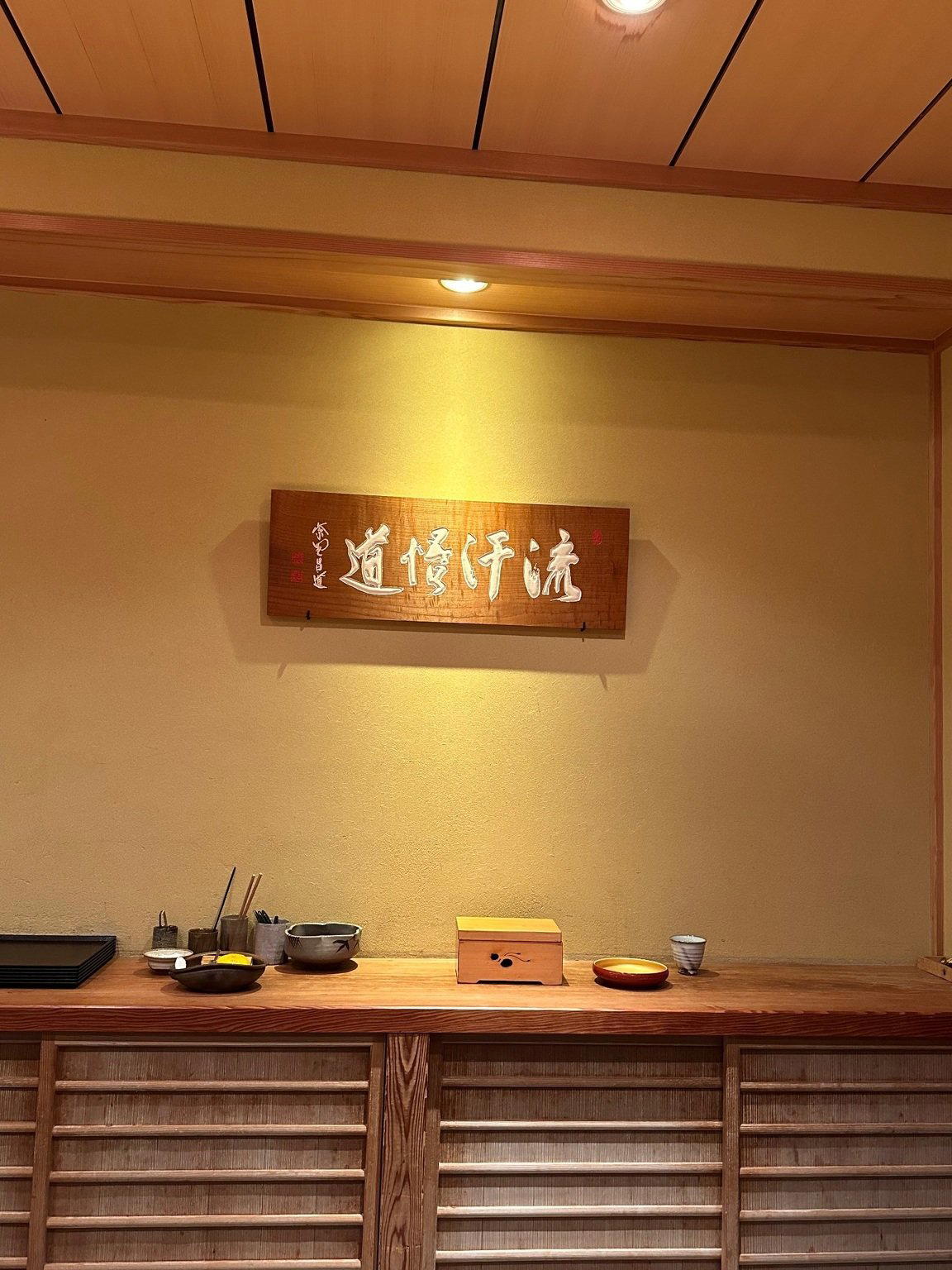
Cozy Japanese modern atmosphere with private rooms and serene setting.