Our verdict
Kurume sits at the quieter end of Fukuoka Prefecture's dining map, yet its sushi tradition draws from some of the most productive fishing waters in western Japan. Sushi Yoshida, on Mutsumonmachi, represents the local counter format at its most focused: ingredient-driven, understated in setting, and firmly rooted in the seasonal rhythms of Kyushu's coastal supply chain.

Pearl is the En Primeur Club membership app, where members save venues, book tables and use the concierge.
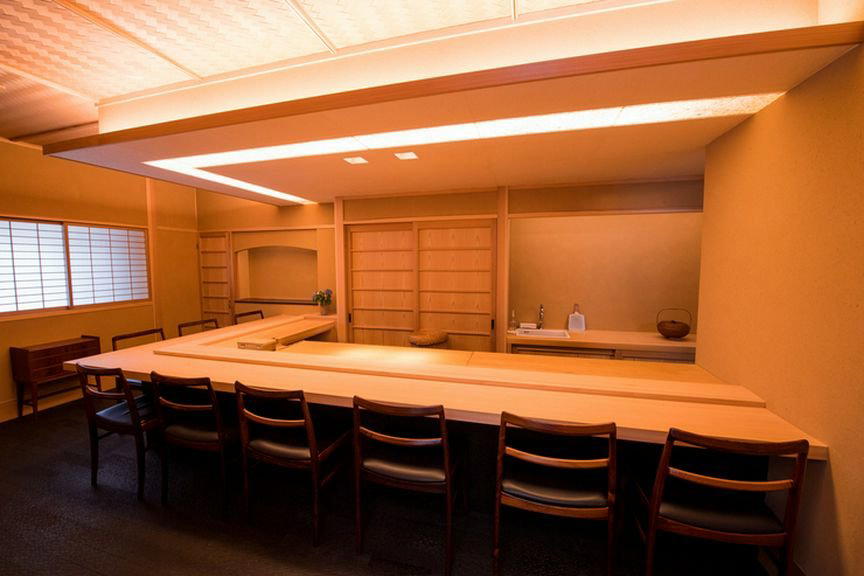
A Counter in Kyushu's Interior
Kurume occupies an interesting position in Japan's dining geography. It sits roughly thirty kilometres inland from Hakata Bay, close enough to Fukuoka city to benefit from the prefecture's deep fishing infrastructure, yet removed from the tourist circuits that shape dining culture in Hakata, Nakasu, and the Fukuoka waterfront. That distance creates a particular kind of restaurant: one calibrated for local regulars rather than passing visitors, where the sourcing relationships are often older and quieter than anything you'd find at a headline counter in the capital.
Sushi Yoshida is on Mutsumonmachi, a central Kurume address that places it within the city's established commercial fabric rather than in any designated dining district. For a sushi counter in this part of Kyushu, that address means the competitive reference points are different from Tokyo or Kyoto. Harutaka in Tokyo operates within a dense constellation of Michelin-tracked counters where each restaurant is measured against an unusually concentrated peer group. Kurume's frame of reference is narrower and the city's dining character is shaped less by awards infrastructure and more by the reliability of local supply.
What Kyushu Waters Bring to the Counter
The ingredient argument for a sushi counter in Fukuoka Prefecture is not a small one. The waters around Kyushu, particularly the Genkai Sea to the north and the Ariake Sea to the east of the prefecture, produce a range of seafood with characteristics that differ meaningfully from the Tsukiji and Toyosu supply that defines Tokyo omakase. Squid from the Genkai Sea, sea bream raised in the warm shallows of Ariake, and the famously clean-flavoured flat fish from western Kyushu coastal catches all arrive at local counters with a supply chain measured in hours rather than overnight logistics.
This is the structural advantage that Kyushu sushi counters hold over many metropolitan peers. The fish is not necessarily more prestigious in the way Tsugaru Strait bluefin tuna is prestigious, but it is often fresher and more seasonal in a granular sense, arriving in varieties and quantities that reflect what is actually running rather than what the market has standardised. For a counter like Sushi Yoshida, that local supply network is the operative framework, not a secondary consideration. Compare this approach to the French-technique precision of HAJIME in Osaka, where the kitchen's relationship to ingredient is mediated by an elaborate preparation philosophy. At a Kyushu sushi counter, the fish supply relationship tends to be more direct and less transformed.
Fukuoka's food culture more broadly has built its identity on exactly this kind of proximity. Goh in Fukuoka represents the city's kaiseki-adjacent contemporary dining, drawing on the same regional larder with a more elaborated technique. A neighbourhood sushi counter in Kurume operates at a different register: the preparation is minimal, the sourcing is the statement.
The Kurume Context
Kurume is not typically the first city that appears in western Japan dining coverage. Fukuoka attracts the attention, along with Kyoto counters like Gion Sasaki for their kaiseki depth, or Nara destinations like akordu for their wine-forward European approach. Kurume functions differently: it is a working city with a serious ramen tradition and a less publicised but genuine local restaurant culture that serves residents rather than itineraries.
That orientation matters when thinking about what a sushi counter in Kurume is actually doing. It is not positioning itself against the omakase tier in Tokyo or calibrating its format for international guests. It is serving the local demand for quality fish, prepared with the disciplined simplicity that characterises the better end of regional Japanese sushi. For visitors, this means the experience is likely less theatrical than a high-end metropolitan counter, and the practical elements, booking access, atmosphere, pricing register, will reflect a regional rather than destination-dining logic. Check our full Kurume restaurants guide for the broader picture of where Sushi Yoshida sits within the city's dining options.
Nearby Tashu Kurumeten represents another facet of Kurume's food culture. Tashu Kurumeten and Sushi Yoshida together signal that Kurume has a more considered local restaurant scene than its national profile might suggest.
Regional Sushi and the Question of Sourcing
Across Japan, the question of what defines a serious sushi counter has shifted over the past decade. The Michelin-audited omakase format, documented at counters from Tokyo to Sapporo, has reinforced a particular set of signals: aging protocols, rice temperature precision, and supplier relationships with named fishing families. Venues like the Sapporo sushi counter in Hokkaido operate within that framework, where cold northern waters and specific seasonal catches define the menu's narrative.
In Kyushu, the sushi sourcing story is different in character. The region's warm-water species and the fishing culture of the western straits produce a counter menu that leans toward different textures and flavours than Hokkaido-influenced counters. Where Hokkaido defines itself through uni, scallop, and cold-water fish with clean fat content, Kyushu counters work with a warmer-water palette that includes more textural variety in the shellfish and a different seasonal rhythm across the year. For anyone moving between Japan's regional dining scenes, that shift in the underlying ingredient culture is worth tracking. It is the same discipline applied to a different larder.
The parallel in other cuisines would be the way Le Bernardin in New York treats fish sourcing as the primary argument for everything else on the plate, or the way Atomix situates Korean ingredient tradition within a fine-dining framework. The method differs, but the principle of sourcing as the anchor holds across formats.
Planning a Visit
Kurume is accessible by Shinkansen from Hakata Station in under twenty minutes, which makes it a realistic addition to a Fukuoka-anchored itinerary rather than a standalone destination requiring a separate base. For a sushi counter in a regional city like Kurume, the practical approach is to contact the restaurant directly or through a local hotel concierge, as booking infrastructure for smaller regional counters in Japan tends to operate through direct channels rather than third-party reservation platforms. Arriving without a reservation at a counter-format restaurant in Japan is rarely advisable, and in a regional city with a limited number of seats per service, this is especially true. Expect the atmosphere to be quiet and focused, consistent with the low-key character of Kurume's dining culture generally.
Frequently asked questions
Can I bring kids to Sushi Yoshida?
Omakase sushi counters in Japan typically follow an adult-focused format built around extended tasting sequences and counter etiquette. Given Sushi Yoshida's setting in Kurume as a sushi counter operation, that format generally suits adults rather than young children. check the venue's official channels to confirm their policy before booking.
Is Sushi Yoshida formal or casual?
Sushi counters in Fukuoka Prefecture tend to occupy a middle register, serious about fish and craft without the rigid dress codes of Tokyo's top-tier Ginza rooms. Kurume's dining culture runs less ceremonial than central Fukuoka, which often translates to a composed but relaxed atmosphere at the counter. Specific dress guidance is not published, so confirm directly when reserving.
Is Sushi Yoshida worth a day trip from Fukuoka?
Kurume is reachable from Hakata Station by Shinkansen in under twenty minutes, which makes a visit straightforward to layer into a Fukuoka itinerary rather than requiring a separate overnight stay. The journey time compares favourably to cross-city travel within Osaka or Tokyo. That access makes Sushi Yoshida a realistic option for travellers already based in Fukuoka who want to extend into Kyushu's less-covered interior dining scene.
What's the must-try dish at Sushi Yoshida?
A sushi counter in Kyushu is well-positioned to showcase fish from the Genkai Sea, waters known for species like aji (horse mackerel) that define the regional sourcing argument for Fukuoka-area counters. Without a published menu on record, specific nigiri recommendations aren't available, but seasonal Kyushu catch is the structural reason to visit a counter at this address.
What's the address for Sushi Yoshida?
Sushi Yoshida is located at î20-10 Mutsumonmachi, Kurume, Fukuoka 830-0031, Japan, Kurume.
What's the best way to book Sushi Yoshida?
Reservation enquiries are most reliably handled through a hotel concierge in Fukuoka or Kurume, or via a third-party Japan dining reservation platform such as Tableall or Omakase.
What's the standout thing about Sushi Yoshida?
The location is itself a point of distinction. Kurume sits roughly thirty kilometres inland from Hakata Bay, which places Sushi Yoshida outside the Fukuoka city circuit where most western-facing dining coverage lands. For a sushi counter drawing on Kyushu's coastal waters, that remove from the better-documented Hakata scene is precisely what gives it its regional specificity.
Comparable Spots, Quickly
Comparable venues nearby, for context on price, style, and recognition.
| Venue | Cuisine | Price | Awards | Notes |
|---|---|---|---|---|
| Sushi YoshidaThis venue (the venue you are viewing) | Traditional Japanese Omakase Sushi | $100–150 | Not listed | Not listed |
| Tashu Kurumeten | Motsunabe Izakaya | $30–50 | Not listed | near Nishitetsu Kurume Station |
| Hitokuchi Gyoza Tenya | Kurume gyoza izakaya | $10–20 | Tabelog 100 #97 | Not listed |
| Gyoza Nyannyan | Traditional Japanese gyoza shop | $10–20 | Tabelog 100 #34 | Mutsumonmachi |
| Tachibana Udon | Traditional Kurume udon shop | $1–10 | Tabelog 100 #8 | Higashi Aikawa / near Kurume Interchange |
| Mitsuya Stand | Japanese tachinomi standing bar | $10–20 | Tabelog 100 #37 | Higashimachi, Kurume |
Continue exploring
More in Kurume
Details
- Quiet
- Elegant
- Intimate
- Minimalist
- Sophisticated
- Date Night
- Special Occasion
- Chefs Counter
- Sake Program
- Local Sourcing
- Sustainable Seafood
- Omakase
- Counter Dining
- Sake Program
Current opening hours
- Monday
- Closed
- Tuesday
- 5–11 PM
- Wednesday
- 5–11 PM
- Thursday
- 5–11 PM
- Friday
- 5–11 PM
- Saturday
- 5–10 PM
- Sunday
- 5–10 PM
Hours can change for holidays and private events. Hours as of .
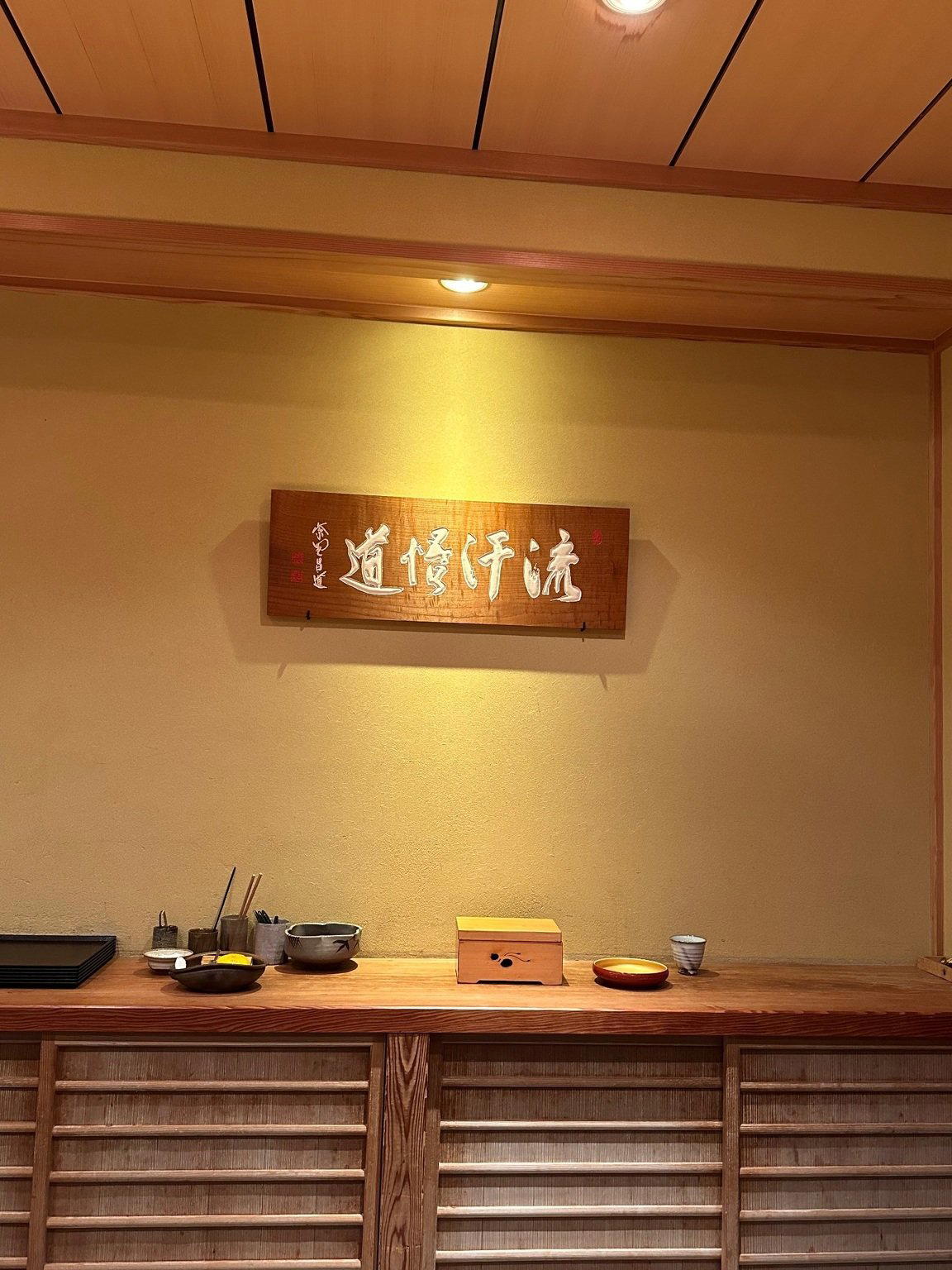
Refined minimalist atmosphere with quiet elegance, sturdy L-shaped counter, and traditional craftsmanship evoking anticipation for each sushi piece.