
A 12-seat counter in Fukuoka's Minami Ward where Chinese cuisine is filtered through Japanese technique and sensibility. Tabelog Bronze Award winner in both 2025 and 2026, with a score of 3.95 and selection in the Tabelog Chinese WEST Top 100 for 2023 and 2024, Imaishihanten Suzuka operates on a reservation-only course format at dinner prices of JPY 20,000 to 29,999.
Pearl is the En Primeur Club membership app — saves, bookings, and concierge access live there. Same editors, same standards.
- Address
- Japan, 〒815-0083 Fukuoka, Minami Ward, Takamiya, 1 Chome−2−33 セゾンドヴィラ平尾 103号室
- Phone
- +81 92-534-7133
- Website
- suzuka-0720.com
- Directions
- Get directions
 Saves & bookings on Pearl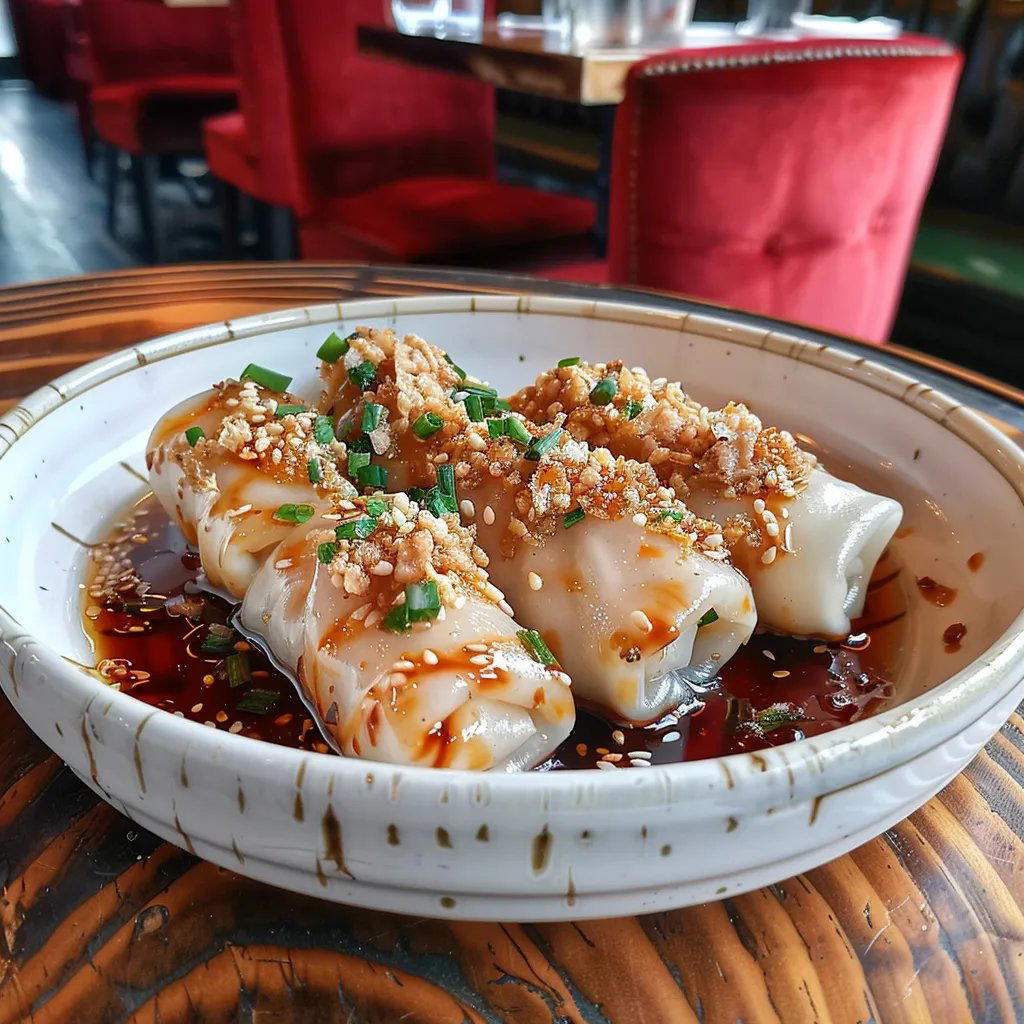
Twelve Seats in Minami Ward
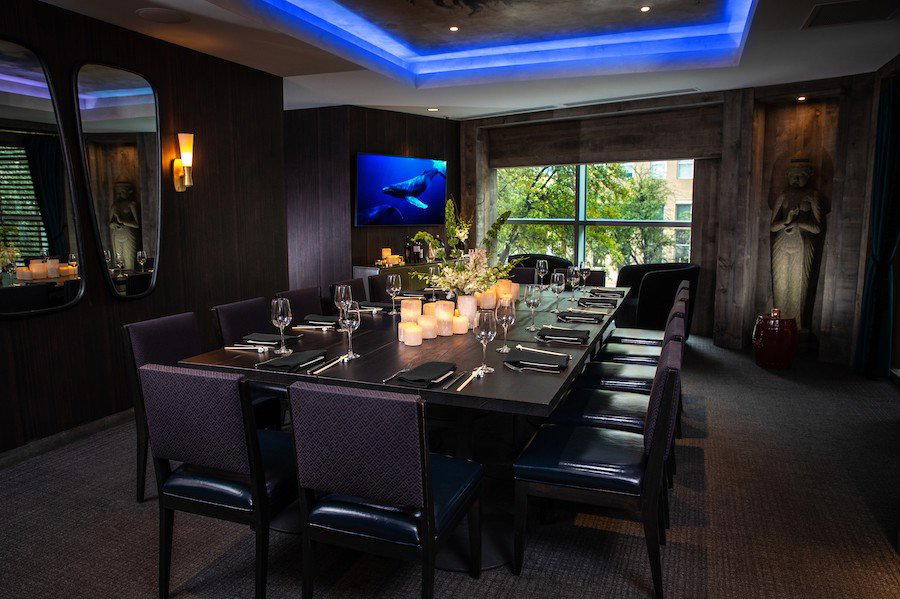
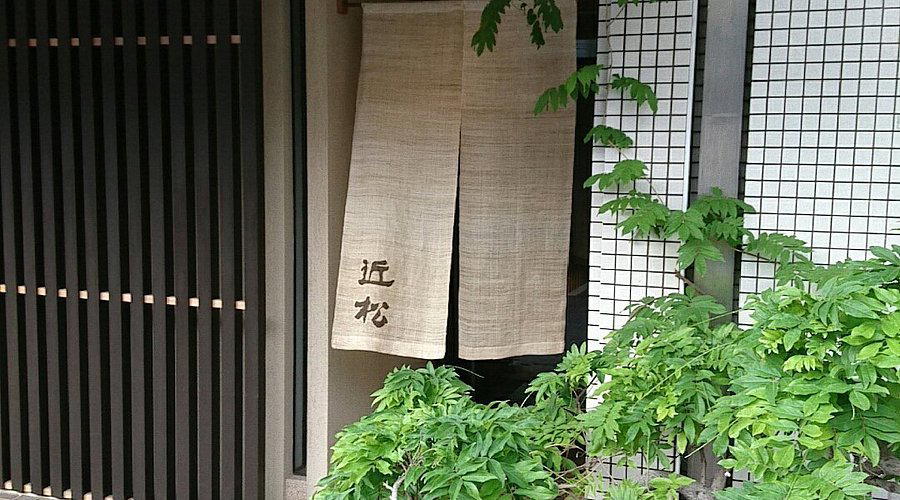
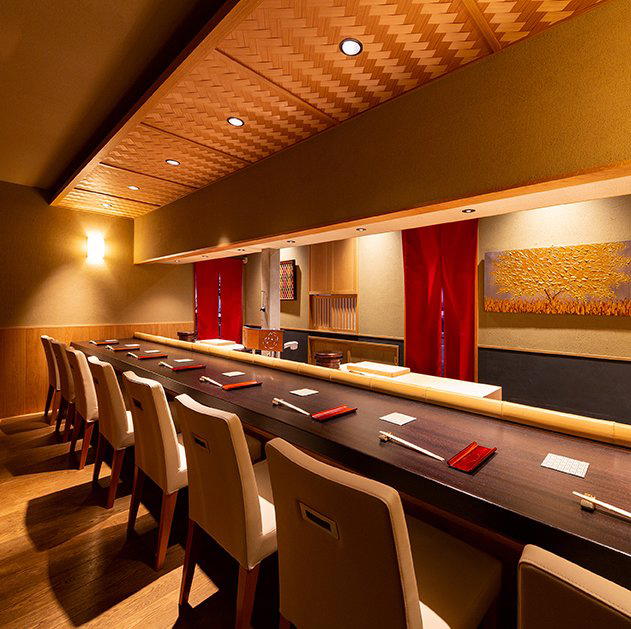
The residential streets south of Nishitetsu Hirao Station are not where you would expect to find one of Fukuoka's most consistently decorated Chinese restaurants. The address is a ground-floor unit inside a low-rise apartment building called Sézon de Villa Hirao, about a three-minute walk from the station toward Takamiya. Nothing about the approach announces itself. That restraint carries inside: 12 seats arranged between a four-seat counter and two four-person tables, a non-smoking room, a dress code that asks only that guests not arrive in tank tops or beach sandals. The physical setup signals a deliberate scale, one that the kitchen has made the basis of its entire operating logic.
Imaishihanten Suzuka entered a Fukuoka dining scene that already had strong representation in Japanese and French cooking but comparatively fewer serious Chinese tables at the precision end. In that gap, the restaurant has built a following that returns consistently enough to anchor the kind of Tabelog score that separates acknowledged quality from peer-group appreciation. The current score of 3.95 places it in the upper tier of Tabelog's Chinese category, confirmed by Tabelog Bronze Awards in both 2025 and 2026, and by back-to-back selection in the Tabelog Chinese WEST Top 100 in 2023 and 2024. For context, that cohort of 100 restaurants is drawn from all of western Japan, not just Fukuoka, which gives the recognition more weight than a purely local ranking would.
The Chinese Table Through a Japanese Lens
What draws regulars back to a 12-seat room in a residential apartment block, course after course and season after season, is rarely a single dish. At Imaishihanten Suzuka, the draw appears to be a particular interpretation of Chinese cuisine: one that the restaurant's own framing describes as Chinese cooking that "resonates with the Japanese sensibility." In practical terms, this is a recognisable current in modern Japanese food culture. The country has a long tradition of absorbing Chinese culinary technique and reframing it through local ingredient priorities, presentation discipline, and a preference for restraint over abundance. Peking-influenced cooking, Cantonese dim sum, and Shanghai-style preparations have all been reinterpreted by Japanese kitchens over decades. Imaishihanten Suzuka sits at the more considered end of that tradition, operating at a price point where the cooking is expected to hold up against Japan's serious French and Japanese tables, not just against other Chinese restaurants.
The course-only format reinforces this positioning. Both lunch and dinner are served exclusively as set courses, with no à la carte and no takeout. Dinner runs JPY 20,000 to 29,999 per person (a 10% service charge applies), while lunch, available Wednesday through Saturday from 12:00 to 13:30, lands at JPY 8,000 to 9,999. Actual review-based spending trends slightly lower at dinner, with Tabelog's reviewer-average sitting in the JPY 15,000 to 19,999 range, suggesting that the course structure gives the kitchen flexibility in how it builds value across the sequence. For Fukuoka, where you can eat well at almost every price point, spending JPY 20,000-plus at a Chinese table is a deliberate choice, and the regulars who make it tend to be tracking cuisine quality rather than occasion.
What Keeps Them Coming Back
The regulars at a 12-seat restaurant in a format like this develop a different relationship with a room than the guests at a 60-seat brasserie. At this scale, the kitchen is fully visible in the counter configuration, the sequence of courses lands at a pace that can only be maintained for one sitting at a time, and the cumulative effect of repeat visits is that you start to understand the unwritten logic of the menu: what the kitchen does with fish (the restaurant notes a particular emphasis on fish-focused sourcing), how the course builds from lighter to more substantial preparations, where the seasonal inflection points are. These are not things that reveal themselves on a first visit.
Fish emphasis is worth noting in the Fukuoka context specifically. The city's access to the catch from Hakata Bay and the broader Genkai Sea has always given its restaurants a seafood advantage, and a Chinese kitchen that leans into that local supply is doing something different from the template Chinese restaurant that works from the same pantry regardless of geography. It connects the cooking to the same ingredient logic that drives the leading Japanese tables in the city, including Chikamatsu on the sushi side and Asago in the broader washoku category. The approach also places it in the same conversation as Chiso Nakamura, where local produce and seasonal discipline define the course structure. For context on where Fukuoka's premium French cooking sits in a similar format, Goh and Bekk operate at comparable price points with the same reservation-first, course-only logic.
That cross-category comparable set tells you something about how the restaurant should be evaluated. Imaishihanten Suzuka is not competing against casual Chinese restaurants or against the ramen and tofu specialists that also form part of Fukuoka's food identity. It is competing against the city's serious course-format tables, Japanese, French, and sushi, and earning its place through sustained Tabelog recognition rather than category-adjacent goodwill.
Across Japan, the restaurants that hold Tabelog Bronze and consistent Top 100 selection tend to carry a shared characteristic: they are places where regulars have effectively co-authored the restaurant's reputation through repeat visits and detailed review patterns. The same pattern holds at tables like Harutaka in Tokyo, Gion Sasaki in Kyoto, and HAJIME in Osaka, each of which has built Tabelog credibility through reviewer depth rather than media cycle. At the international level, the model of intimate, course-driven cooking with a strong point of view parallels what Atomix in New York City or Le Bernardin represent in their respective categories: small rooms where the format is the argument. Further afield, comparable precision-led course formats appear at akordu in Nara, 1000 in Yokohama, and 6 in Okinawa.
Planning Your Visit
The restaurant is open Monday and Tuesday for dinner only (17:00 to 22:00), and Wednesday through Saturday for both lunch (12:00 to 13:30) and dinner. Sunday is closed, and the restaurant observes irregular holidays and temporary closures, so confirming availability through the website (suzuka-0720.com) or by phone before planning travel is necessary. The restaurant is fully reservation-only, accepting no walk-ins, and operates course meals exclusively for both services. Two dedicated parking spaces are on site, with coin parking nearby. The nearest transit is Nishitetsu Hirao Station, a three-minute walk toward Takamiya. Major credit cards are accepted (Visa, Mastercard, JCB, Amex, Diners), though electronic money and QR code payments are not. A 10% service charge applies to all bills. The restaurant can accommodate private buyouts for up to 20 guests. Guests with severe allergies should note that the kitchen may decline reservations where ingredient restrictions cannot be met within the course structure.
The Short List
Comparable venues nearby, for context on price, style, and recognition.
| Venue | Cuisine | Price | Notes |
|---|---|---|---|
| IMAISHIHANTEN SUZUKAThis venue — the venue you are viewing | Minami, Modern Chinese Omakase | $$$ | Not listed |
| Asago | Chūō, Authentic Sarashina Soba | $$$ | Not listed |
| Restaurant Arena | Chūō, Modern French Gastronomy | $$$ | Not listed |
| Tatsu Sho | Chūō, Sushi Omakase | $$$ | Not listed |
| Unazen | Chūō, Traditional Japanese Unagi | $$$ | Not listed |
| なかがわ | Not listed | $$$ | Chūō, Italian-Inspired Seasonal Kyushu Cuisine |
Recognition history
Dated appearances from independent guides and award organizations, with the underlying list record or original source where available.
Tabelog Bronze #132
Tabelog
Tabelog 100 #57 · No. 57
Tabelog · Tabelog 100 - Chinese cuisine - WEST - 2026
Tabelog Bronze
Tabelog
At a Glance
- Elegant
- Sophisticated
- Intimate
- Modern
- Special Occasion
- Business Dinner
- Chefs Counter
- Sake Program
- Local Sourcing
Current opening hours
- Monday
- Closed
- Tuesday
- 6–9 PM
- Wednesday
- 12–1:30 PM, 6–9 PM
- Thursday
- 6–10 PM
- Friday
- 6–10 PM
- Saturday
- 12–1:30 PM, 6–9 PM
- Sunday
- Closed
Hours can change for holidays and private events. Last verified .
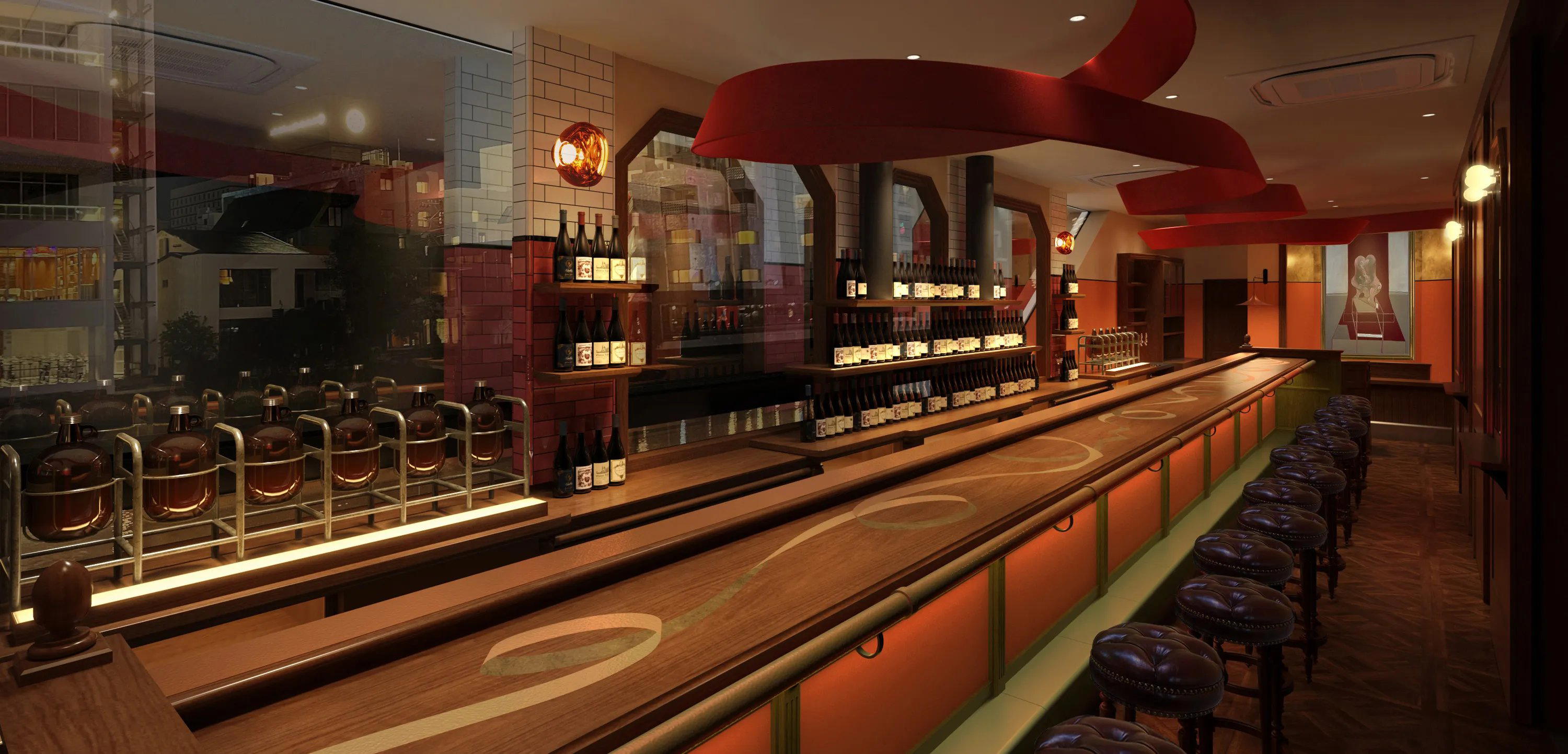
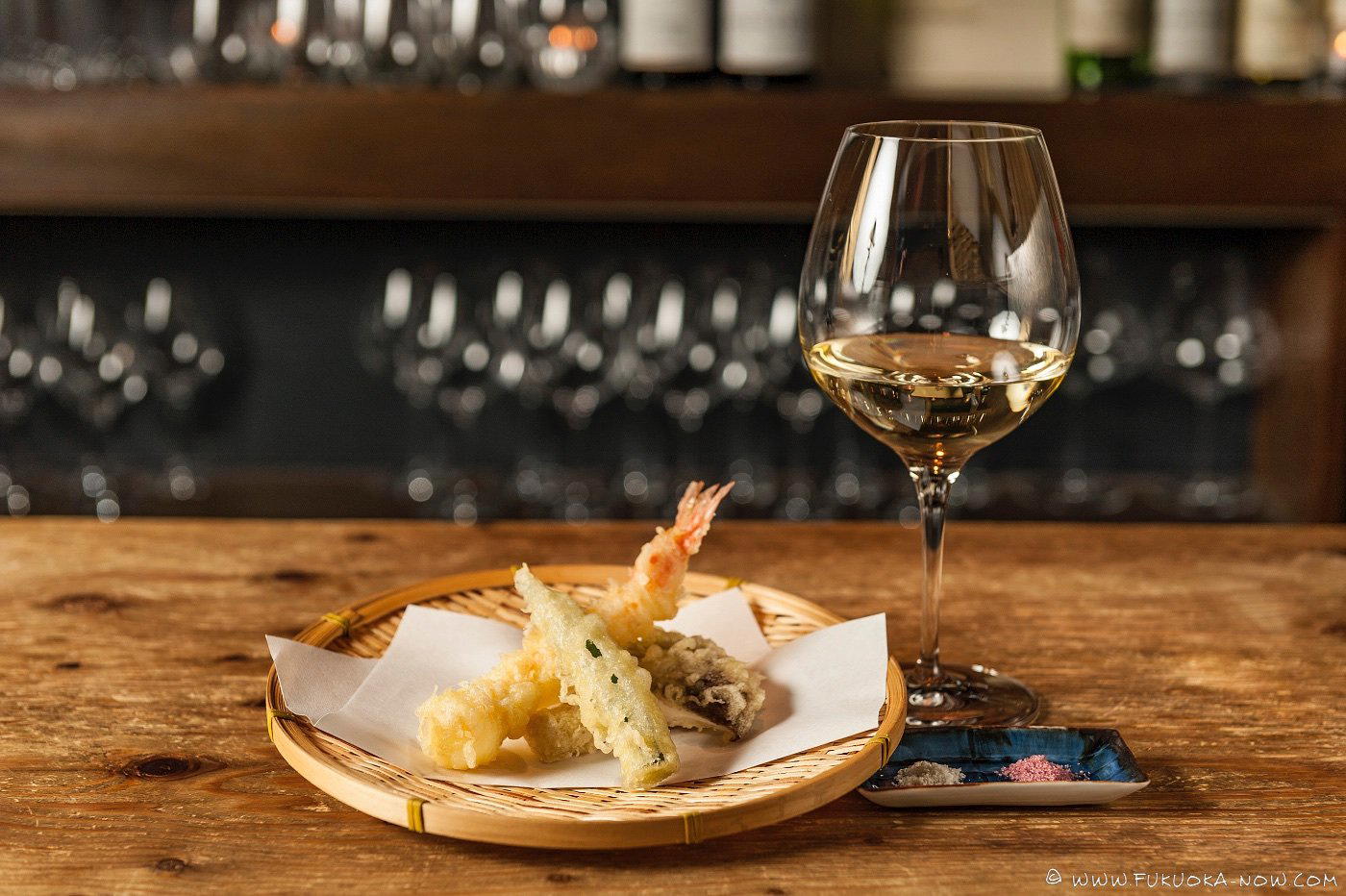
Simple interior highlighting tabletop dishes, counter seating in a compact 12-seat space fostering an intimate atmosphere.