


1 Michelin Star · Tabelog 100 #35
Our verdict
A Michelin-starred kaiseki counter in Kagurazaka where charcoal grilling defines the menu and the meal closes with the chef personally pouring tea. Tanimoto draws on ryotei service traditions, treating each ingredient with the precision that discipline demands. The address sits on the third floor of a quiet Shinjuku City building, placing it among Tokyo’s more considered and quietly operated fine-dining rooms.

Pearl is the En Primeur Club membership app, where members save venues, book tables and use the concierge.
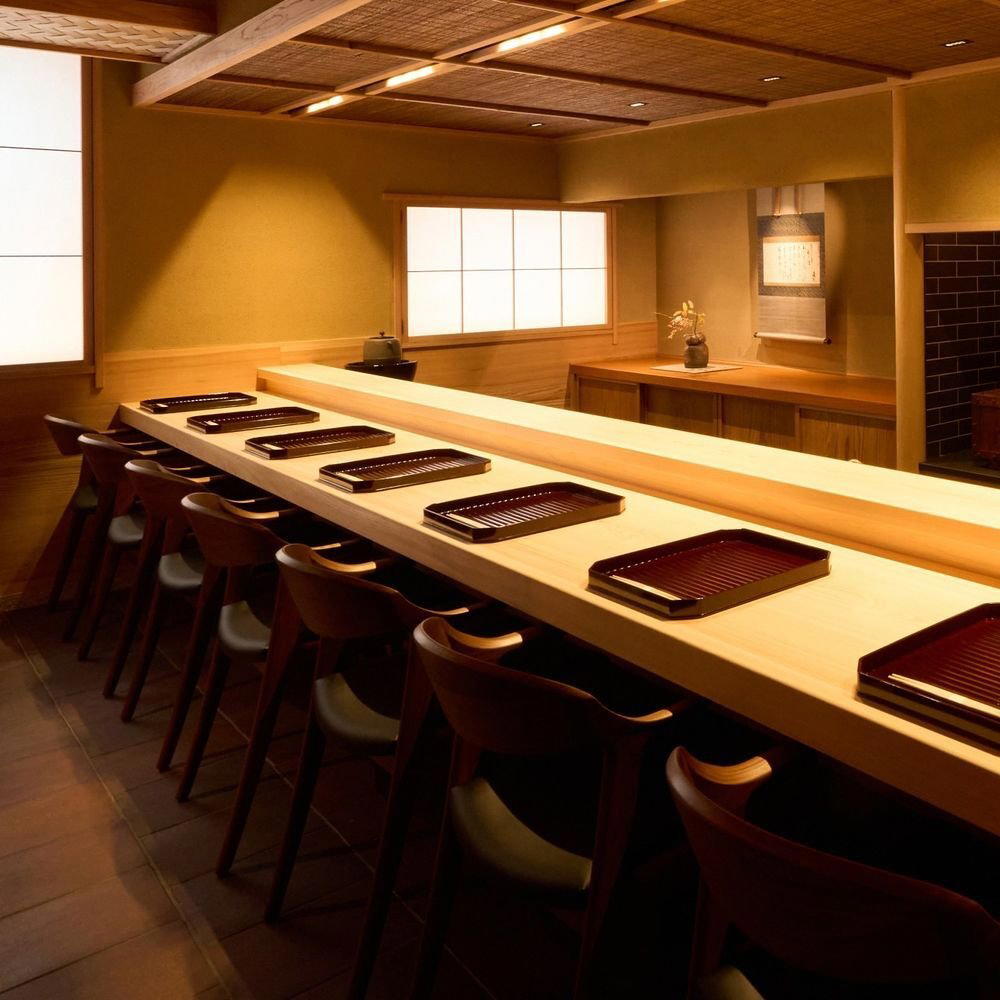
The Rice Course as a Closing Argument
The meal at Tanimoto ends with not one but several rice dishes served in sequence: white rice, takikomi-gohan, then chazuke, followed by tea poured by the chef himself. In most kaiseki rooms, the rice course is a formality, a signal that the kitchen is finished. Here it functions as the meal’s thesis statement, a deliberate declaration that the most honest ingredients, prepared without distraction, are the ones worth lingering over. That sequencing, from the charcoal grill’s intensity to the quiet ceremony of tea, maps the full range of what Kagurazaka’s more considered dining rooms are capable of.
Kagurazaka and the Quiet End of the Shinjuku Fine-Dining Corridor
Kagurazaka occupies an unusual position in Tokyo’s dining geography. Once a geisha district, the neighbourhood retains a density of small, discreet restaurants that operate without the visibility of Ginza’s Michelin-saturated blocks or the media attention that follows Roppongi’s international addresses. What it has instead is a cluster of rooms with deep roots in traditional Japanese hospitality, where the stone-paved side alleys and low-lit entryways set an expectation before the meal begins. Tanimoto sits on the third floor of Karukozaka Place at 3-1 Kagurazaka, Shinjuku City, and that positioning, neither street-level prominent nor basement hidden, reflects the neighbourhood’s character accurately: present, but requiring intention to find.
For the broader context of what Tokyo’s fine-dining scene offers across neighbourhoods and price tiers, our full Tokyo restaurants guide maps the city’s categories in detail. Those looking beyond restaurants can consult our full Tokyo hotels guide, our full Tokyo bars guide, our full Tokyo wineries guide, and our full Tokyo experiences guide for a complete picture of the city.
Charcoal Grilling as an Ingredient-Led Discipline
The charcoal grill occupies a specific place in Japanese culinary reasoning. Unlike the broiler or the plancha, binchotan charcoal operates at a radiant heat that concentrates rather than overwhelms: fats render slowly, surfaces caramelise without burning, and the ingredient’s inherent character becomes the variable that matters. At Tanimoto, charcoal grilling is described explicitly as the kitchen’s forte, which places a constraint on what the menu can credibly include. Produce that doesn’t reward the grill’s particular logic has no place here. That constraint is, in effect, an editorial position on sourcing: only ingredients with sufficient quality and structural integrity to perform under that heat make the cut.
This sourcing discipline connects Tanimoto to a specific tier of Japanese restaurants where the kitchen’s technique serves as a filter rather than a correction. Comparable rooms in the same ¥¥¥¥ bracket, like Kagurazaka Ishikawa or Azabu Kadowaki, apply similar logic to different technical disciplines.
The Ryotei Inheritance
The chef’s background includes early service at a ryotei, where his role was managing footwear at the entrance. That detail is noted in the Michelin citation not as biographical colour but as evidence of a particular service formation. Ryotei culture operates on an attentiveness that begins before the guest is seated, where awareness of small material things, the state of the entrance, the temperature of the room, the timing of each course transition, constitutes the full definition of hospitality. That formation shapes how Tanimoto is experienced: the tea service at the meal’s close, conducted by the chef, is the same logic extended into the meal itself.
This model of service-as-attention places Tanimoto in a tradition distinct from the international fine-dining template, where the sommelier’s patter and the theatrical presentation of dishes carry the hospitality weight. Here, the service signals are quieter and more deliberate. Michelin’s 2024 one-star recognition acknowledges both the kitchen’s cooking and the coherence of that service model, which is relatively rare: the citation describes a “spirit of graceful service” that brings “satisfaction to the depths of the soul,” language that Michelin uses with precision when it means to indicate a room where hospitality and cooking are functionally indistinguishable.
Where Tanimoto Sits in Tokyo’s One-Star Field
Tokyo’s Michelin one-star Japanese restaurants form a large and varied field. Within it, rooms divide broadly along two axes: those that use the one-star tier as a launching position toward the three-star bracket, with progressive menus and media-facing chefs, and those that occupy the one-star tier with a settled, coherent identity that is not in dialogue with upward mobility. Tanimoto reads as the latter. The tea arbour atmosphere, the closing rice sequence, the chef’s personal conduct of the service: these are not features of a room building toward a different version of itself. They are the room.
That stability places it alongside other settled, tradition-grounded addresses in Tokyo’s Japanese category. Myojaku and Ginza Fukuju operate within a comparable frame of reference, as does Jingumae Higuchi in a slightly different neighbourhood context. For visitors approaching from other Japanese cities, the tradition has strong parallels at Gion Sasaki in Kyoto, Isshisoden Nakamura in Kyoto, and Kashiwaya Osaka Senriyama in Osaka, all rooms where the service tradition and the cooking share equal billing. Elsewhere in the country, HAJIME in Osaka, akordu in Nara, Goh in Fukuoka, 1000 in Yokohama, and 6 in Okinawa each represent distinct regional expressions of the same disciplined approach to Japanese cooking at the formal tier.
Planning Your Visit
Tanimoto is located on the third floor of Karukozaka Place, 3-1 Kagurazaka, Shinjuku City, Tokyo. Kagurazaka is accessible via the Tozai Line (Kagurazaka Station) or the Oedo Line (Ushigome-Kagurazaka Station), with either option placing the address within a short walk. The ¥¥¥¥ price positioning aligns with Tokyo’s Michelin one-star Japanese dining tier, where omakase and set-course formats are standard and pricing typically reflects both kitchen labour and the quality of raw ingredients sourced for the charcoal grill.
Frequently asked questions
Is Tanimoto expensive?
Pricing at Tanimoto is listed as ¥¥¥¥.
What kind of recognition has Tanimoto received?
Tanimoto has received recognition including: Amid the refinement of a dignified tea arbour, the chef cooks with sincere devotion. His attentiveness derives from his early work at a ryotei, where he was a doorman in charge of footwear. Tanimoto’s forte is charcoal grilling, preparing e….
What should I eat at Tanimoto?
Tanimoto does not publish a fixed menu; the kitchen follows a chef-directed kaiseki progression built around what is seasonal and available. The technical signature is charcoal grilling, applied with close attention to each ingredient rather than as a showcase technique. The meal closes with a sequence of rice dishes, white rice, takikomi-gohan, and chazuke, followed by tea poured by the chef, a sequence that Michelin's own commentary singles out as central to the experience.
Where is Tanimoto located?
Tanimoto is located at Japan, 〒162-0825 Tokyo, Shinjuku City, Kagurazaka, 3 Chome−1 軽子坂プレイス 3階, Tokyo.
Accolades, Compared
A quick peer reference to anchor this venue in its category.
| Venue | Cuisine | Price | Awards | Notes |
|---|---|---|---|---|
| TanimotoThis venue (the venue you are viewing) | Michelin-Starred Kaiseki | $150–200 | 1 Michelin Star · Tabelog 100 #35 | Not listed |
| Harutaka | Edo-Style Omakase Sushi | $200–300 | 3 Michelin Stars · World's 50 Best #76 | Sushi |
| RyuGin | Modern Kaiseki | $500+ | 3 Michelin Stars · World's 50 Best #41 | Kaiseki, Japanese |
| L'Effervescence | Modern French with Japanese Influences | $200–300 | 3 Michelin Stars · World's 50 Best #69 | French |
| HOMMAGE | Modern French with Japanese Influences | $150–200 | 2 Michelin Stars · World's 50 Best #78 | Innovtive French, French |
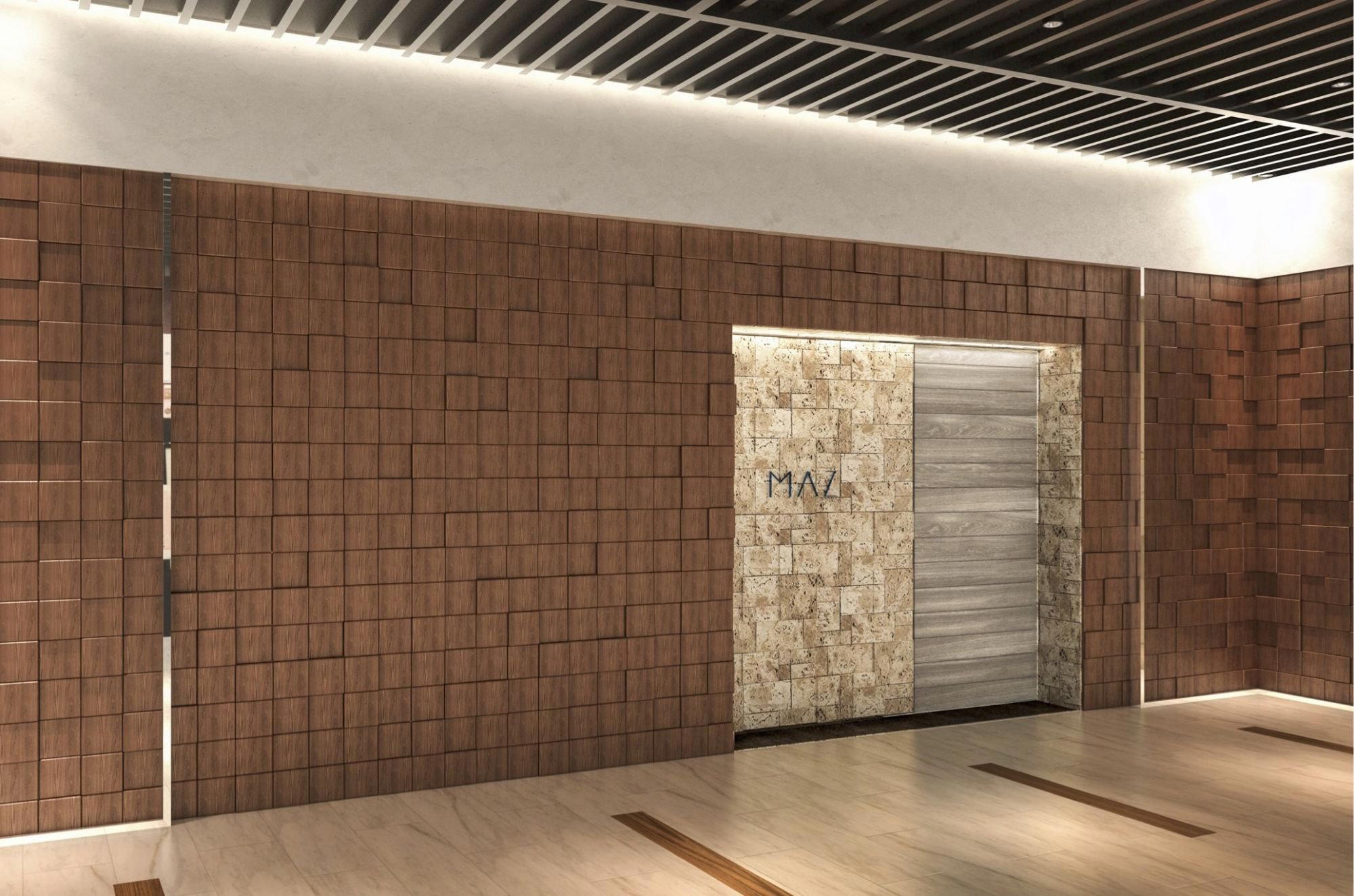
| MAZ | Innovative Peruvian-Japanese Fusion | $150–200 | 2 Michelin Stars · World's 50 Best #28 | Innovative |
Recognition history
Dated appearances from independent guides and award organizations, with the underlying list record or original source where available.
Michelin 1 Star
Michelin
Opinionated About Dining Top Restaurants in Japan Recommended
Opinionated About Dining
Tabelog 100 #35 · No. 35
Tabelog · Tabelog 100 - Japanese cuisine - TOKYO - 2025
Full recognition history (4 entries)
Michelin 1 Star
Michelin
Continue exploring
More in Tokyo
Restaurants in Tokyo
All restaurants in Tokyo →


Bars in Tokyo
All bars in Tokyo →



Details
- Elegant
- Intimate
- Sophisticated
- Quiet
- Date Night
- Special Occasion
- Chefs Counter
- Sake Program
- Omakase
- Tasting Menu
Current opening hours
- Monday
- 9 AM–5 PM, 5:30–11:30 PM
- Tuesday
- 5:30–11:30 PM
- Wednesday
- 12–2:30 PM, 5:30–11:30 PM
- Thursday
- 5:30–11:30 PM
- Friday
- 5:30–11:30 PM
- Saturday
- 12–2:30 PM, 5:30–10:30 PM
- Sunday
- Closed
Hours can change for holidays and private events. Hours as of .
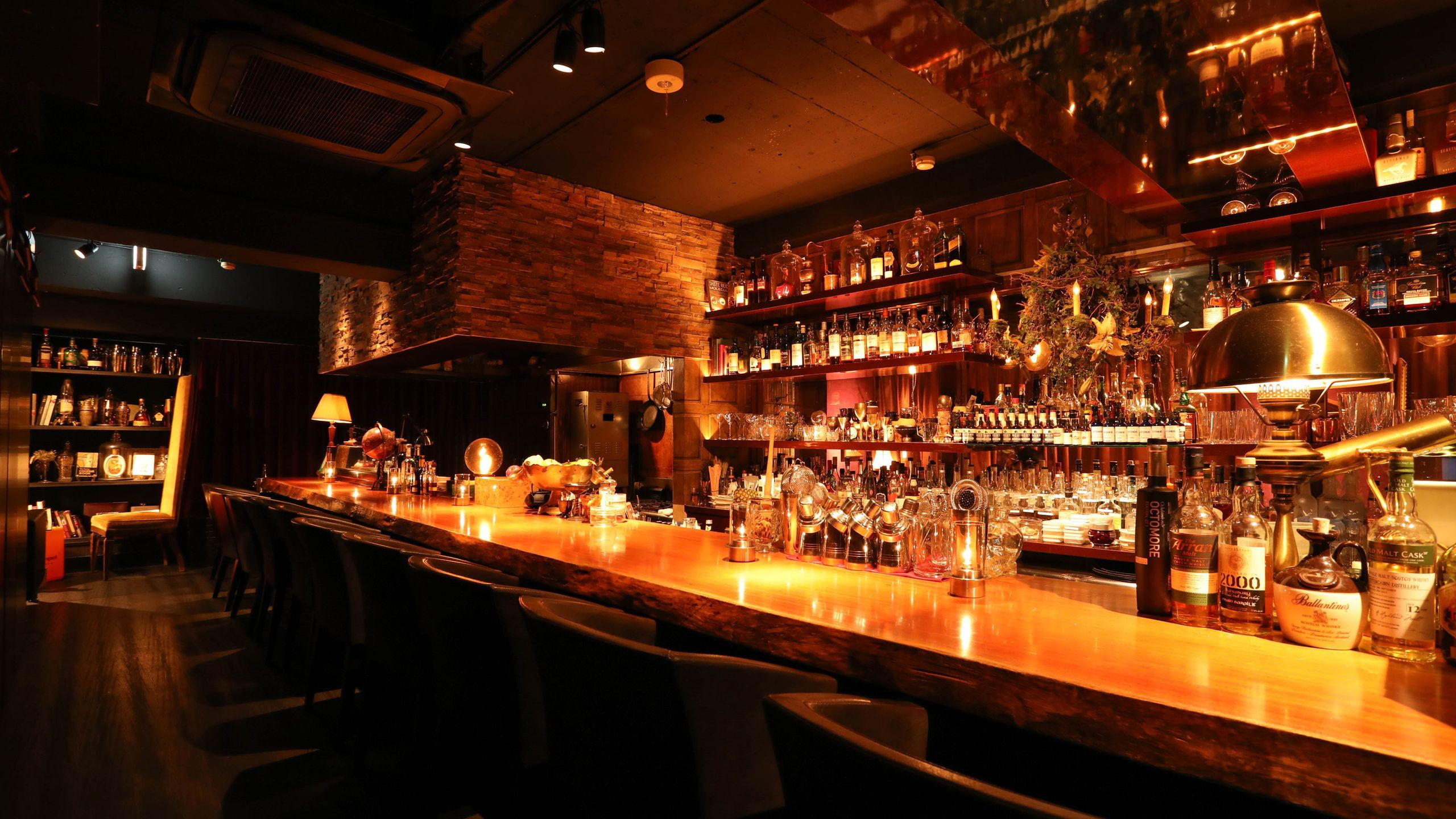
Refined tea arbour-like atmosphere with dignified, relaxing Japanese spirit and serene, subtle decor.