
Kyoto Kiccho Nagoya ten brings Kyoto-style Japanese cuisine into Nagoya’s station-district luxury tier, with fish sourcing, sake and shochu depth, private-room service, and a high-floor Midland Square setting doing the heavy lifting. Its Tabelog 100 Japanese cuisine EAST selections in 2021, 2023, and 2025 place it among the region’s more scrutinized formal Japanese dining rooms.
Pearl is the En Primeur Club membership app — saves, bookings, and concierge access live there. Same editors, same standards.
- Address
- 4 Chome-7-1 Meieki, Nakamura Ward, Nagoya, Aichi 450-0002, Japan
- Phone
- +81 52-527-8888
- Website
- kyoto-kitcho.com
 Saves & bookings on Pearl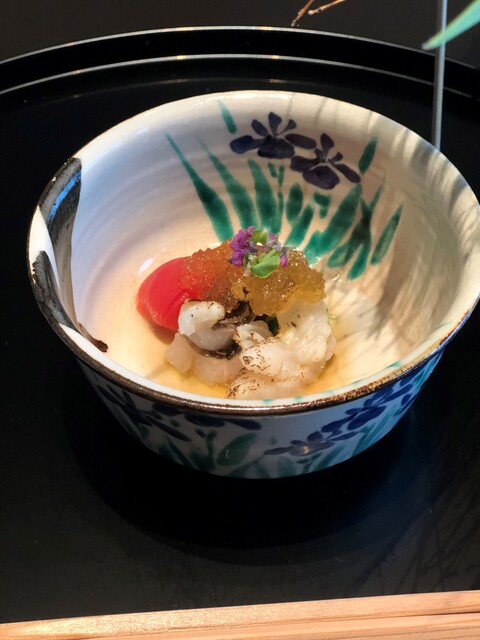
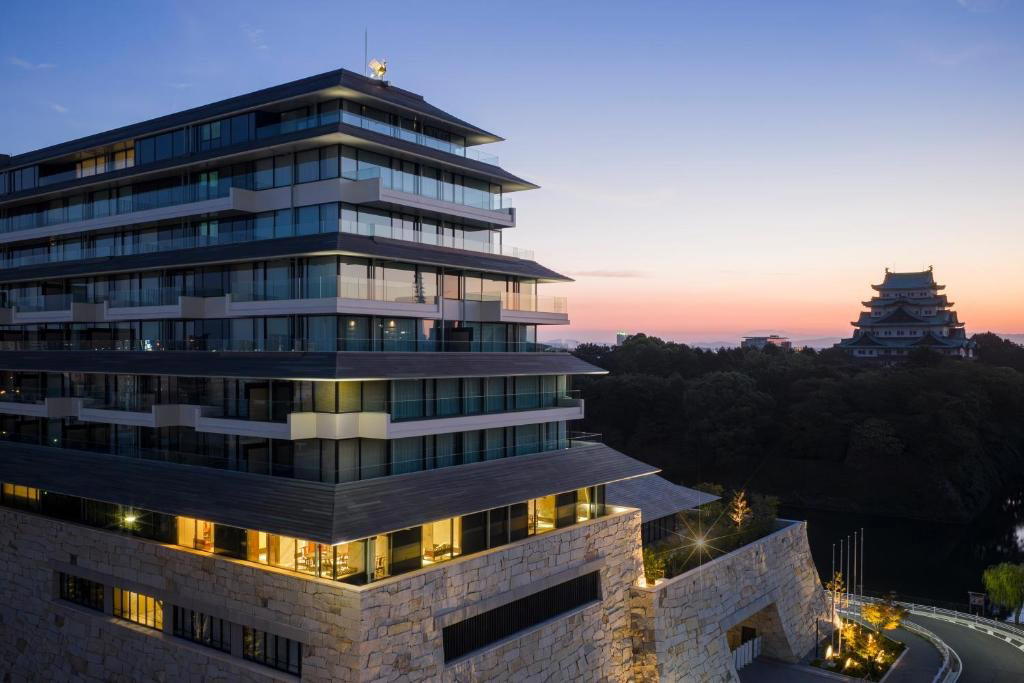
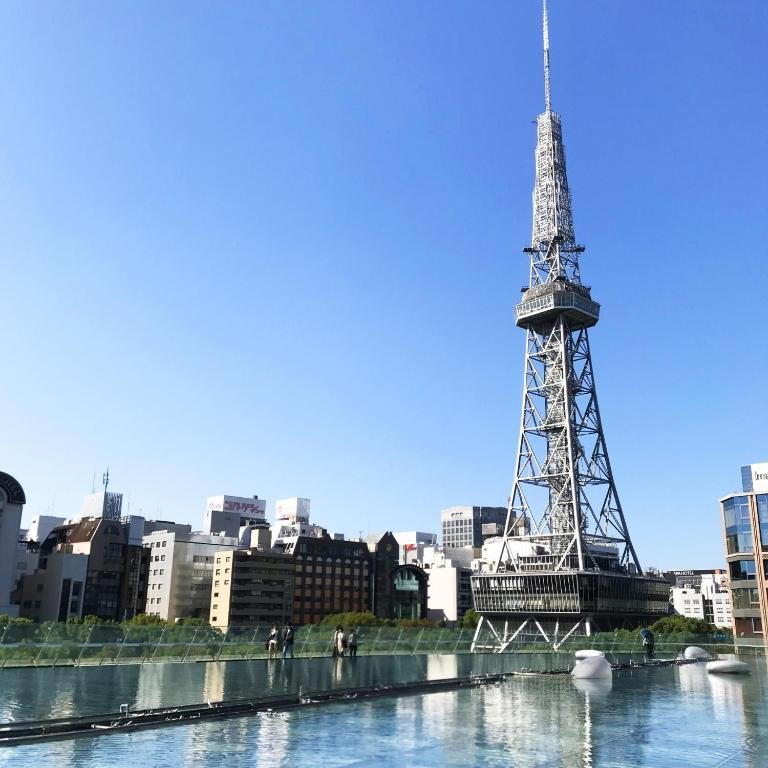
The approach is vertical before it is culinary: Midland Square rises above Nagoya Station, and the dining room sits high enough for the city to become part of the pacing. This is not the street-level Nagoya of miso katsu queues, kissaten breakfasts, and commuter izakaya. It is the formal side of Meieki, where station convenience meets corporate dining, family occasions, and Japanese cuisine built around seasonality, service choreography, and sourcing discipline.
In Nagoya, high-end dining often splits between hotel-style French rooms, Chinese banquet dining, sushi counters, and kappo or kaiseki-adjacent Japanese restaurants. Kyoto Kiccho Nagoya ten belongs to the last category, and that matters because the city’s premium Japanese dining culture is less internationally narrated than Tokyo’s Ginza counters or Kyoto’s ryotei circuit. Here, the value proposition is not novelty. It is control: fish selection, sake pairing potential, private-room utility, and a room designed for meals that need structure rather than noise.
Fish sourcing gives the formal Japanese format its center of gravity
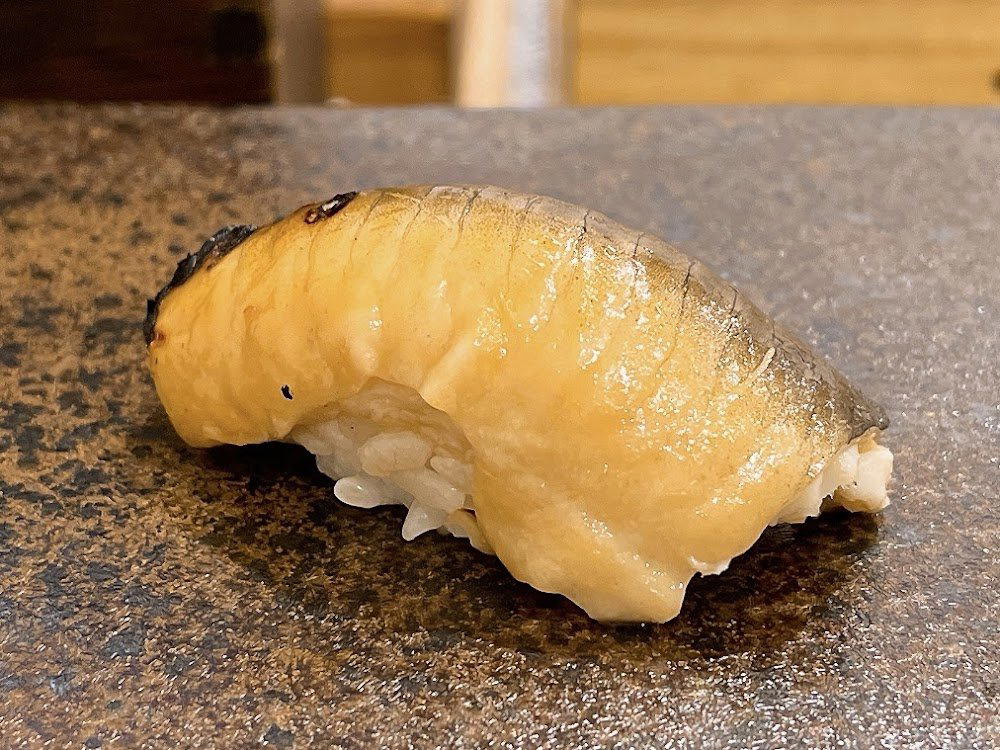
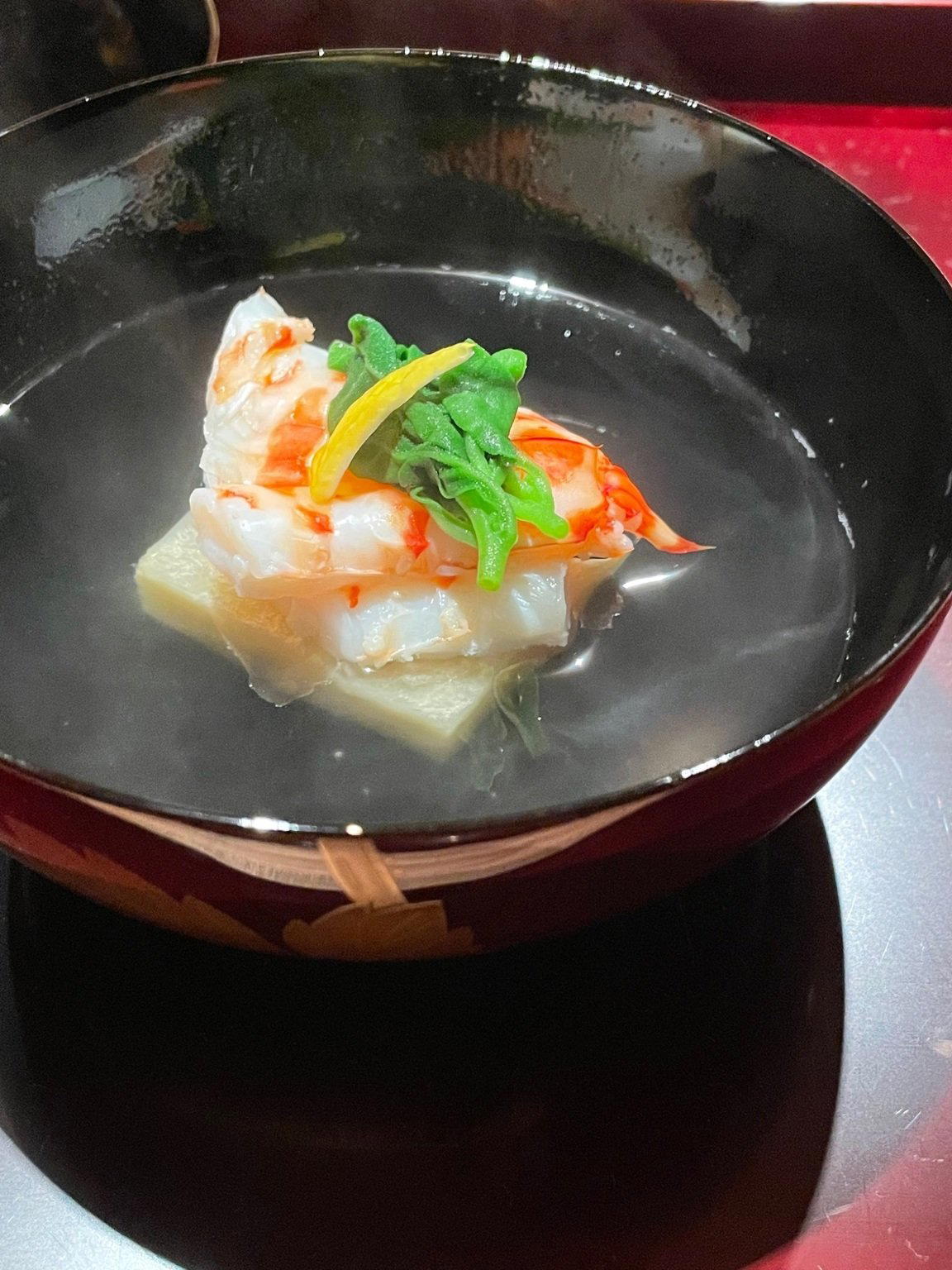
Japanese cuisine at this level lives or dies on procurement before technique enters the conversation. The restaurant is explicitly marked by attention to fish, and that signal should be read in the context of a cuisine where seasonality is not a decorative theme but the operating system. In a city with strong access to central Japan’s transport network, seafood-led formal dining can draw from a broad market logic rather than a single local identity. The result is a Nagoya room that speaks in Kyoto grammar while operating inside Meieki’s business-dining ecosystem.
The drink program also points toward a classical Japanese meal rather than a narrow luxury template. Sake, shochu, and wine are all part of the offering, with additional emphasis on sake and shochu. That breadth matters for diners who want the meal to stay close to Japanese structure, since shochu and nihonshu can handle grilled, steamed, simmered, and raw preparations with a flexibility that a wine-only program often struggles to match. The stronger editorial read is simple: this is a room for diners who care about the source material and the sequence, not just the room height.
Recognition reinforces that positioning. Selection for Tabelog 100 Japanese cuisine EAST in 2021, 2023, and 2025 places the restaurant inside a regional Japanese-cuisine cohort judged by a domestic audience that tends to be exacting about genre fidelity. The listed Tabelog score of 3.71 is not a global trophy metric, but in Japan’s restaurant culture it gives useful context: this is a serious formal Japanese address, not a generic luxury room wearing seasonal language.
Meieki's premium dining tier is built for decisions, not wandering
Nagoya Station’s dining geography rewards intent. The area is efficient, vertical, and commercially dense, with high-spend rooms often embedded in towers rather than detached neighbourhood streets. That changes the mood of a meal. A restaurant here competes less with discovery and more with reliability: a table before a Shinkansen, a private room for a family event, a business dinner where the setting cannot misfire.
Within that competitive bracket, comparison clarifies the choice. Chinese Hanten Reiho occupies a Chinese fine-dining lane in the same high-spend dinner range, while Auberge de L’Ill Nagoya brings a French reference point to the city’s premium tier. Sushi Hanakuruma pushes into a higher sushi-counter spend at dinner, and Ningyocho Imahan Nagoya middorandosukuea ten sits slightly lower for sukiyaki and beef-led dining. Kyoto Kiccho Nagoya ten is the pick when the brief is formal Japanese cuisine with private-room flexibility and a fish-forward center, rather than steakhouse theatre, French service codes, or sushi-counter scarcity.
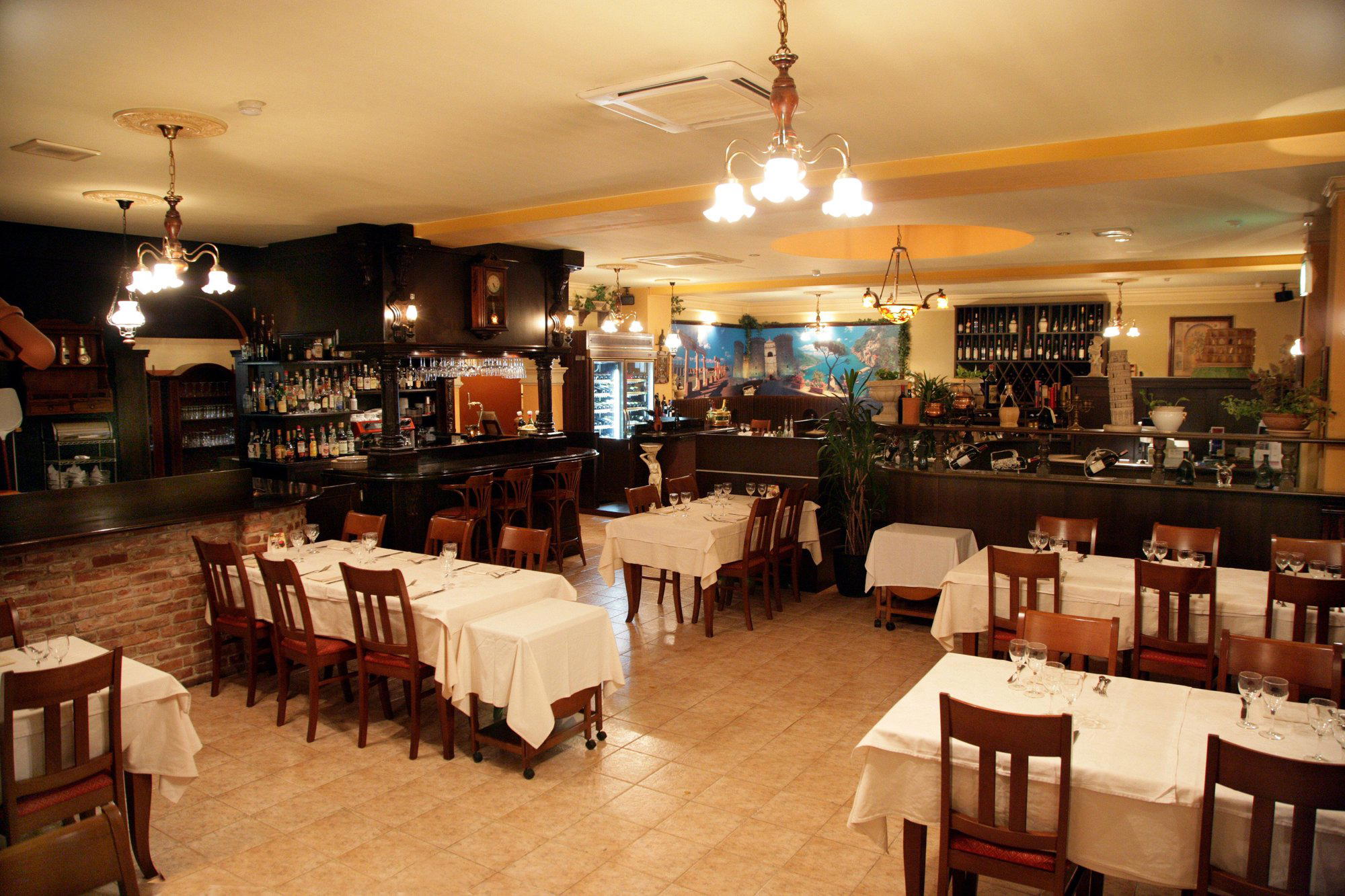
The room format widens its use case. With 54 seats and private rooms for small groups through larger parties, it is built for occasions where privacy and pacing matter. Counter seating, tatami rooms, sunken seating, and couple seating suggest a restaurant trying to cover several modes of Japanese dining without abandoning ceremony. The private-room service charge is higher than the standard service charge, which is worth factoring into the total for group meals, especially when the occasion requires separation from the main room.
How to place it within a Nagoya itinerary
This is not the meal to use as a casual first impression of Nagoya’s local food culture. For that, the city’s everyday grammar is elsewhere: miso-based cooking, kishimen, hitsumabushi, morning-service cafés, and late-night drinking rooms. This address works better as the formal counterweight to those experiences, especially for travellers who want one composed Japanese meal in the station district rather than a cross-town dinner built around a narrower specialty.
The practical appeal is unusually strong for a high-end Japanese restaurant because the station area removes much of the usual transit friction. The trade-off is atmosphere: Meieki lacks the old-neighbourhood texture of Kyoto or the side-street intimacy of smaller Nagoya dining districts. What it offers instead is precision. For a traveller moving through central Japan, that may be the point.
Reservations are the sensible route, and the cancellation terms are strict enough to treat the booking as a fixed commitment. Lunch and dinner sit in the same stated spend band, so the decision is less about economy than schedule and mood. Dinner makes better use of the high-floor city setting; lunch is more efficient for travellers anchoring the meal to rail movement or a same-day arrival.
For a wider read on the city’s dining map, start with Our full Nagoya restaurants guide, then cross-check the surrounding travel infrastructure through Our full Nagoya hotels guide, Our full Nagoya bars guide, Our full Nagoya wineries guide, and Our full Nagoya experiences guide. Nearby and Japan-wide restaurant references worth comparing include 1022, 451, Aaron, Alan., All Day Dining Montmartre, -Grilled beef Sukiyaki- KAMAKURA TANUKIAN 鎌倉 たぬき庵 in Kamakura. 鮪と炭火焼き うお炭 秋葉原店 in Tokyo.cafe in Osaka.know in Kumamoto, (Shoku) Vietnam in Kawasaki, [Curry Senmon Ten] Maruyama Kyoju. in Sapporo, Jōdo Saké Bar in Los Angeles, and Onigiri Time in Pasadena.
Comparison Snapshot
Comparable venues for cuisine and category context.
| Venue | Cuisine | Price | Notes |
|---|---|---|---|
| Kyoto Kiccho Nagoya ten | Traditional Kyoto-style kaiseki | $$$$ | Nakamura |
| ことわりをはかるみせばんどう | Modern Japanese Fine Dining | $$$$ | Chikusa |
| Sushisho | Edo-style Sushi Omakase | $$$$ | Naka |
| Myoan | Seasonal Japanese Kappo / Kaiseki | $$$$ | Higashi |
| Japanese cuisine Nao | Seasonal Japanese Counter Cuisine | $$$$ | Nishi |
| Nako Tei | Luxury Japanese Teppanyaki | $$$$ | Nakamura |
Recognition history
Dated appearances from independent guides and award organizations, with the underlying list record or original source where available.
Tabelog 100 #52 · No. 52
Tabelog · Tabelog 100 - Japanese cuisine - EAST - 2025
Continue exploring
More in Nagoya
Restaurants in Nagoya
Browse all →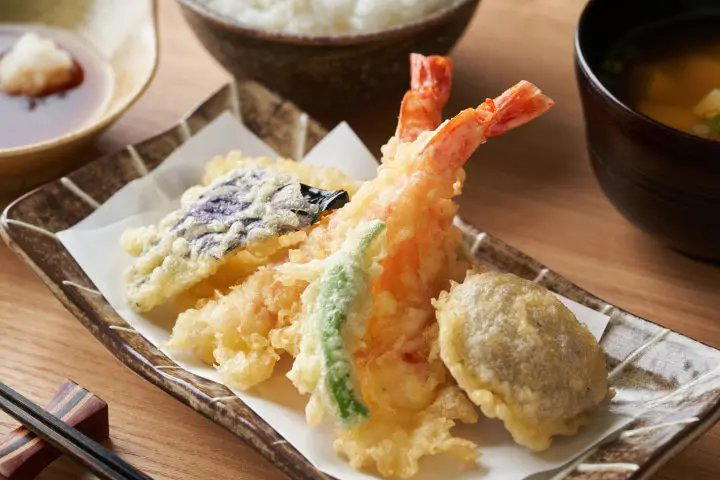
At a Glance
- Elegant
- Scenic
- Sophisticated
- Classic
- Romantic
- Special Occasion
- Business Dinner
- Date Night
- Celebration
- Private Event
- Rooftop
- Private Dining
- Panoramic View
- Design Destination
- Sake Program
- Extensive Wine List
- Local Sourcing
- Skyline
Current opening hours
- Monday
- 11:30 AM–3 PM, 5:30–10 PM
- Tuesday
- 11:30 AM–3 PM, 5:30–10 PM
- Wednesday
- 11:30 AM–3 PM, 5:30–10 PM
- Thursday
- 11:30 AM–3 PM, 5:30–10 PM
- Friday
- 11:30 AM–3 PM, 5:30–10 PM
- Saturday
- 11:30 AM–3 PM, 5:30–10 PM
- Sunday
- 11:30 AM–3 PM, 5:30–10 PM
Hours can change for holidays and private events. Last verified .
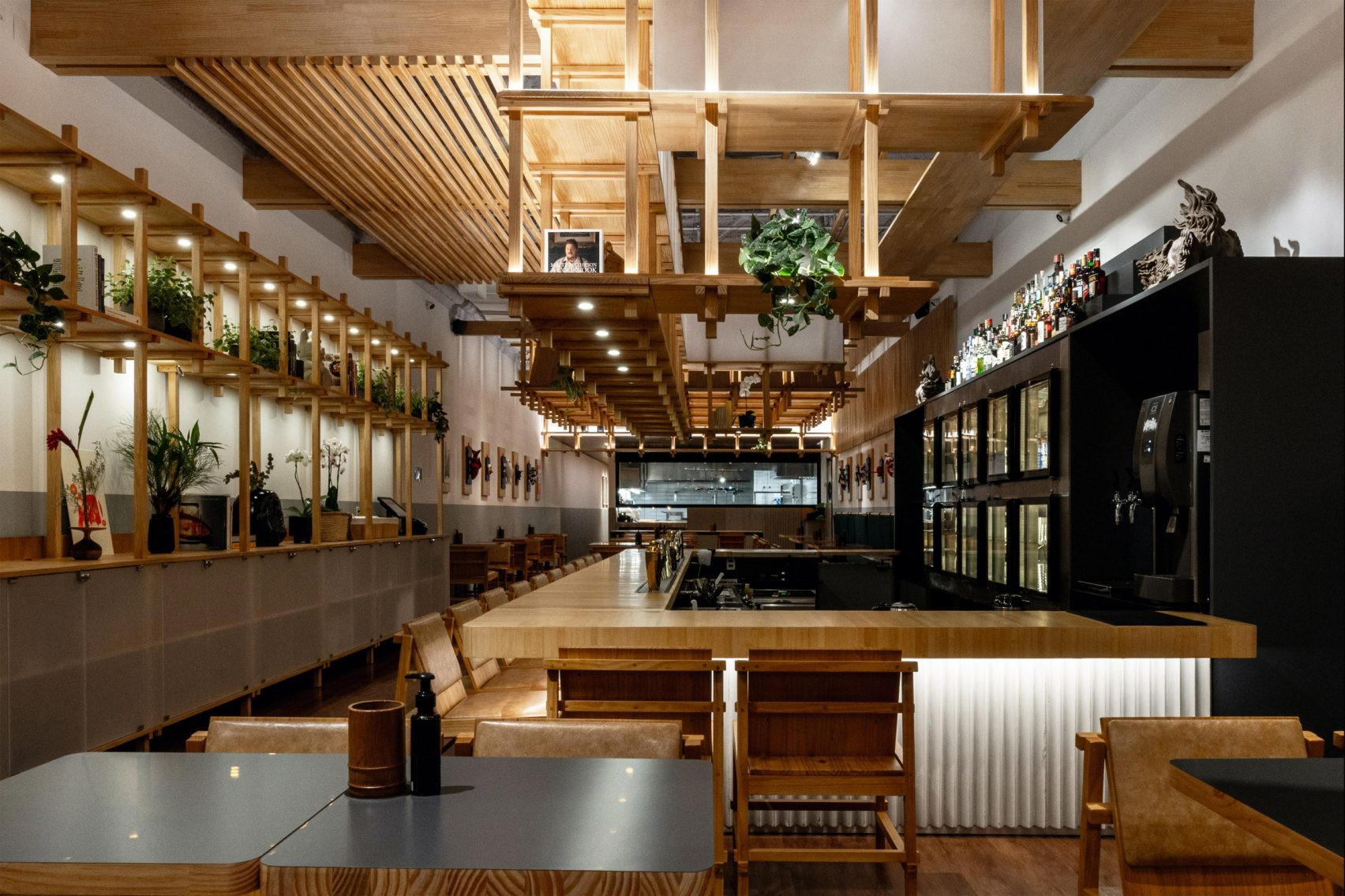
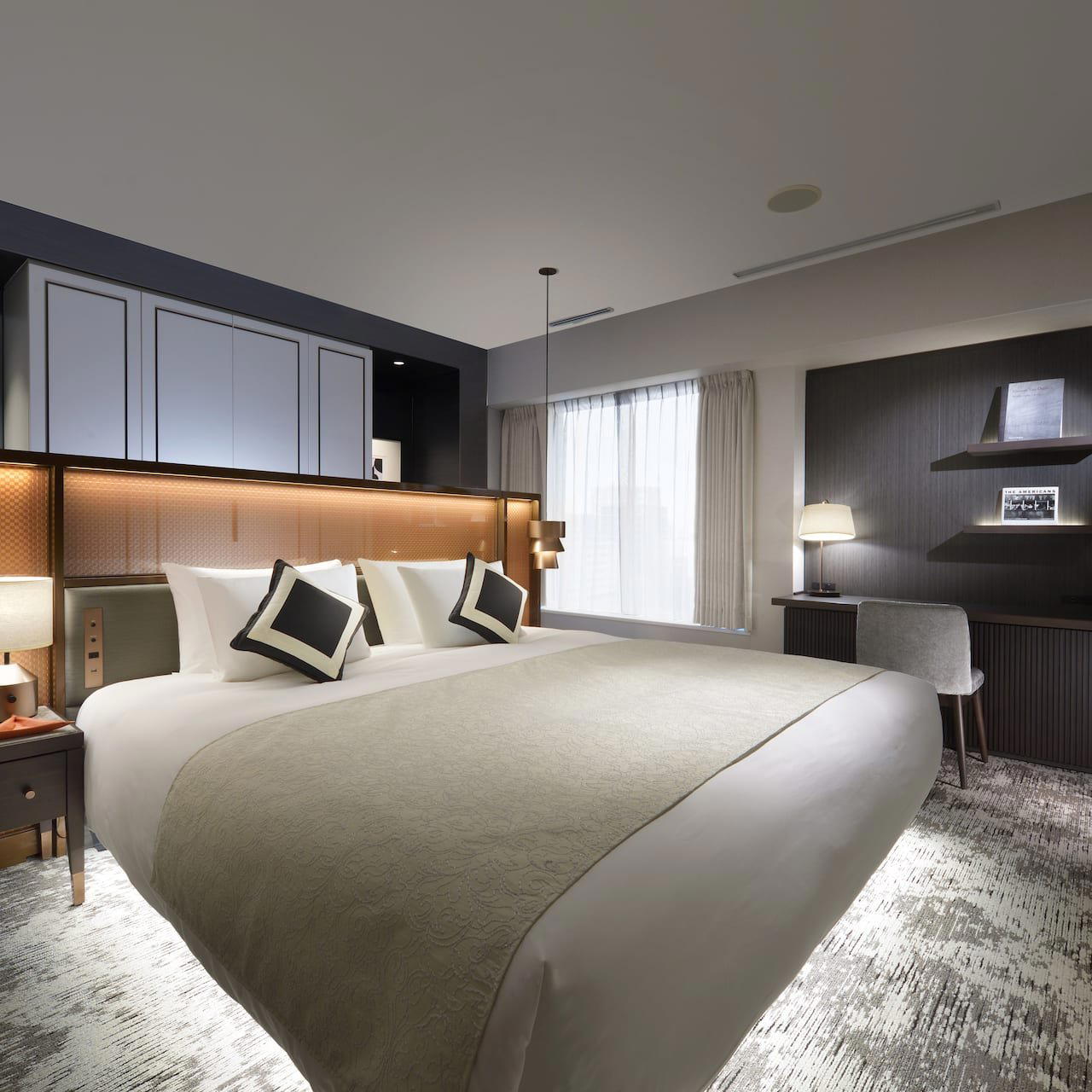
Formal, tranquil kaiseki setting on the 41st floor with refined Japanese decor, seasonal room arrangements, and dramatic city views that emphasize a luxurious, unhurried dining experience.