Our verdict
Sushi Shutatsu operates from a quiet address in Ogikubo, Suginami City, sitting well outside the Ginza-Roppongi corridor where Tokyo's high-profile omakase counters cluster. That geographical remove is part of its identity: a neighbourhood sushi-ya where the regulars return on rhythm rather than occasion, and where proximity to the kitchen matters more than proximity to a Michelin map pin.

Pearl is the En Primeur Club membership app, where members save venues, book tables and use the concierge.
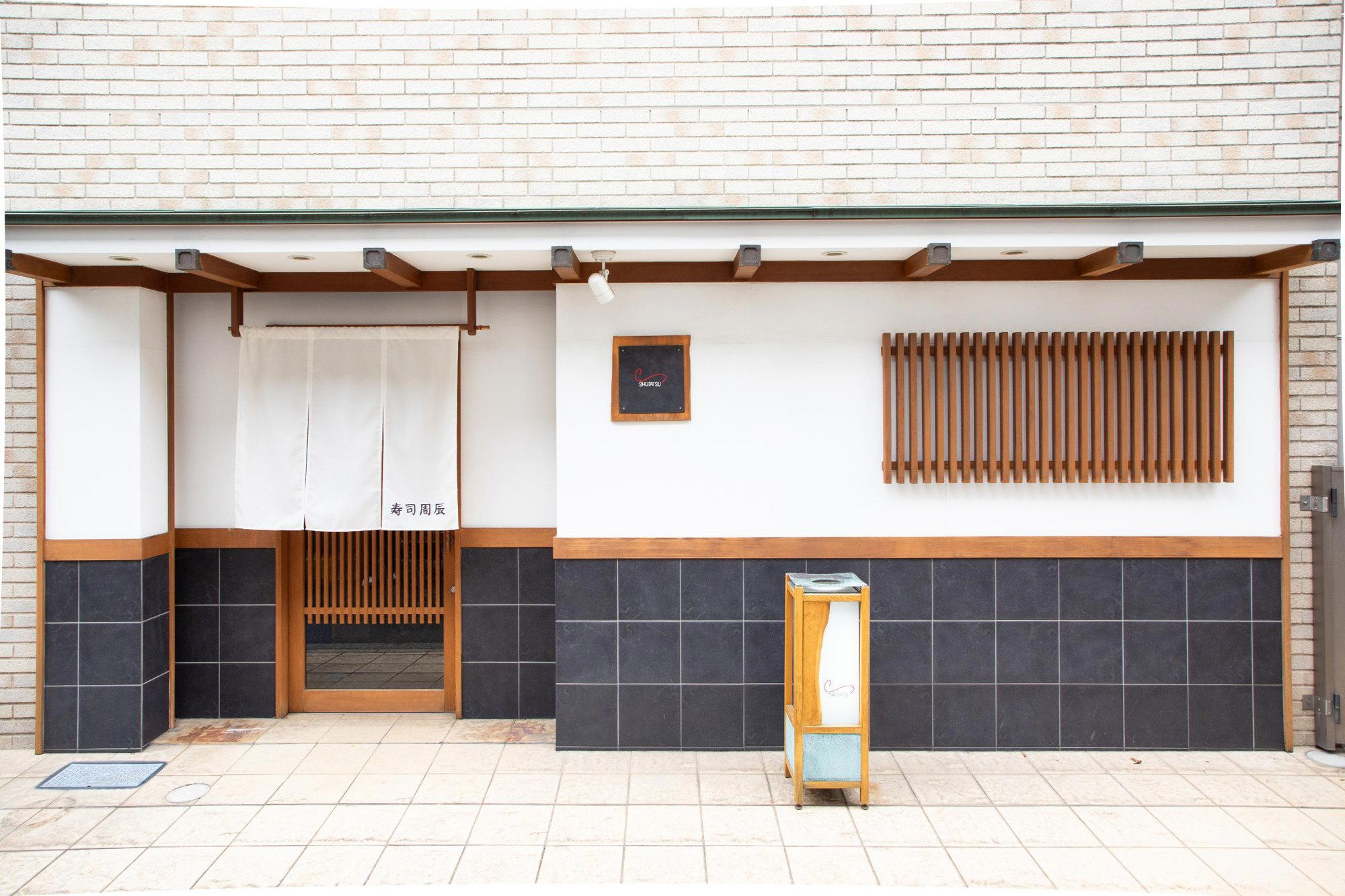
Outside the Circuit: Ogikubo and the Neighbourhood Sushi Counter
Tokyo's omakase conversation tends to collapse into a small number of postcodes. Ginza, Azabu-Juban, and Minami-Aoyama account for the majority of the city's high-profile counter seats, where restaurants like Harutaka trade in tightly allocated bookings and price points that signal their position in a competitive tier. That concentration is partly practical, proximity to corporate expense accounts and hotel concierge networks, and partly reputational self-reinforcement. The further you move from those postcodes, the more a sushi counter has to build its clientele on merit alone, without the ambient credibility of the address.
Ogikubo sits on the Chuo Line in Suginami City, roughly thirty minutes from central Tokyo by rail, and functions as one of the city's more self-contained residential neighbourhoods. Its dining scene skews local: the regulars here tend to live or work nearby rather than travel specifically for a reservation. Sushi Shutatsu, addressed to IVY-en 103 on a side street in the 5-chome block of Ogikubo, fits that pattern. It is the kind of counter that accumulates a following through repetition rather than press coverage, the kind of place where knowing what to order, and when to arrive, is knowledge transmitted between regulars rather than published in a guide.
The Logic of the Return Visit
What distinguishes a neighbourhood sushi counter from its Ginza equivalents is rarely the quality of the fish, sourcing networks in Japan are sophisticated enough that a disciplined chef anywhere on the Chuo Line can access the same Tsukiji or Toyosu wholesale relationships as a three-starred operation in the centre. The difference is format and familiarity. High-profile omakase counters in Tokyo are increasingly engineered for first-time or infrequent visitors: the pacing is calibrated, the explanation is built in, and the experience is designed to be legible without prior context. A counter like Sushi Shutatsu operates on a different assumption, that the people sitting down already understand the rhythm, already trust the chef's judgment on the day's fish, and don't need the scaffolding of a produced performance.
That distinction matters to regulars precisely because it changes what the meal feels like. At counters such as RyuGin or in the French-influenced fine dining rooms represented by L'Effervescence and Sézanne, the architecture of service is partly theatrical, dishes arrive within a sequence designed to build and resolve tension. At a neighbourhood counter, the sequence is more conversational. The chef reads the room, adjusts the pacing, and responds to what regulars seem to want that evening. The meal becomes collaborative rather than curated.
What the Regulars Already Know
Tokyo's neighbourhood sushi tradition has a specific grammar. The unwritten menu, the dishes that don't appear on any card but that regulars know to request or simply expect, is a form of institutional knowledge that accumulates over seasons. In practical terms, this means the leading experience at a counter like Sushi Shutatsu is likely to develop over multiple visits rather than be fully accessible on a first appearance. This is a structural feature of the format, not a failing: the counter rewards investment in the relationship.
For visitors unfamiliar with the neighbourhood, Ogikubo station on the JR Chuo Line provides the most direct access, with the venue a short walk from the station's south exit. The residential character of the immediate area means the surrounding blocks are quieter than central Tokyo dining districts, there is no street-level theatre of competing restaurants and queuing tourists to signal that you are in the right place. That absence is, for the regulars, the point.
The same dynamic appears across Japan's more considered regional dining culture. Counters and ryotei that operate at a remove from the obvious tourist infrastructure, like Gion Sasaki in Kyoto or Goh in Fukuoka, tend to build their clientele through depth rather than volume. The same logic applies to more unexpected addresses: 一本木 在川製 in Nanao and 羽根屋 in Nishikawa Machi demonstrate that serious cooking in Japan has never been exclusively a metropolitan project. HAJIME in Osaka and akordu in Nara extend that point beyond sushi entirely.
Within Suginami and its neighbouring wards, a similar pattern holds. The counters that develop genuine local loyalty tend to be those where the chef has stayed in one place long enough for the neighbourhood to absorb them, where the fish supplier relationship, the sake selection, and the seasonal adjustments to the menu accumulate into something that can't be replicated by opening a second location or chasing a guide listing. 古代山乃 in Sapporo reflects a comparable logic in the north: serious craft at an address that makes no concessions to visibility.
The broader Tokyo innovative dining scene offers a useful contrast. Counters like Crony occupy a different bracket, French-influenced, operating closer to the city's international dining circuit, with a format that translates well for visitors arriving without prior context. They are excellent on their own terms. But they solve a different problem than a counter in Ogikubo does. Birdland in Sakai and Bistro Ange in Toyohashi each demonstrate how strong regional operators develop audiences through consistency rather than spectacle, a principle that translates directly to a neighbourhood sushi counter in Suginami. Internationally, the same logic plays out at places like Le Bernardin in New York City, where long-standing regulars navigate a different experience than first-time diners, and at Atomix, where the format assumes a certain prior fluency. 湖畔荘 in Takashima offers a ryokan-adjacent version of the same premise in the Kansai region.
Know Before You Go
| Detail | Information |
|---|---|
| Address | IVY-en 103, 5 Chome-29-7 Ogikubo, Suginami City, Tokyo 167-0051, Japan |
| Access | Ogikubo Station, JR Chuo Line; short walk from the south exit |
| Booking | Contact details not currently listed; approach via direct enquiry at the venue or through a local concierge network |
| Price range | ; neighbourhood counter pricing in Tokyo typically runs below central-ward omakase equivalents |
| Leading approach | Multiple visits yield more than a single reservation; regulars access dishes and pacing unavailable to first-time guests |
Frequently asked questions
What should I order at Sushi Shutatsu?
Because the venue operates as a neighbourhood counter rather than a fixed-menu omakase in the Ginza mould, the most direct approach is to follow the chef's lead on the day's fish rather than arriving with a specific dish in mind. Tokyo's neighbourhood sushi counters are built around seasonal availability and the chef's judgment at the market that morning, the same sourcing discipline that drives three-starred counters, applied at a residential scale. If you are a first-time visitor rather than a returning regular, deferring to the omakase sequence, where one is offered, is the standard approach across this format.
Can I walk in to Sushi Shutatsu?
Walk-in availability at Tokyo sushi counters depends heavily on seat count and day of the week; smaller counters in residential neighbourhoods like Ogikubo tend to operate with limited seats that fill through regular bookings rather than passing trade. In Tokyo's counter-dining culture broadly, unannounced arrivals at smaller operations carry more risk than at larger restaurants, and first-time visitors without a reservation may find the counter full. Contacting the venue directly or engaging a hotel concierge with local knowledge is the more reliable approach, particularly if your visit is time-sensitive.
Is Sushi Shutatsu in Ogikubo worth the journey from central Tokyo for a non-regular?
The counter's position in Suginami City, roughly thirty minutes from Shinjuku on the Chuo Line, is part of its identity as a neighbourhood operation rather than a destination restaurant on the central-ward omakase circuit. First-time visitors can expect the format to be more conversational and less produced than high-profile Ginza equivalents, which is precisely what draws returning guests. For travellers used to the pacing and structure of counters like Harutaka, the experience here will feel different in register, not lesser in craft.
A Tight Comparison
Comparable venues nearby, for context on price, style, and recognition.
| Venue | Cuisine | Price | Awards | Notes |
|---|---|---|---|---|
| 寿司周辰 SUSHI SHUTATSUThis venue (the venue you are viewing) | Edomae Sushi Omakase | $300–500 | Not listed | Not listed |
| Kyoaji (京味) | Traditional Kyoto-Style Kaiseki Omakase | Not listed | Not listed | Shinbashi, Traditional Kyoto-Style Kaiseki Omakase |
| Tudore Tranquility | Creative Plant-Based Fine Dining | $50–100 | Not listed | Shibuya, Creative Plant-Based Fine Dining |
| Oryori Mukyu | Seasonal Japanese Fine Dining | $100–150 | Tabelog 100 #78 | Minato, Seasonal Japanese Fine Dining |
| Mikawa | Edomae Tempura Omakase | $200–300 | Not listed | Minato, Edomae Tempura Omakase |
| Yakiniku Kaiseki Tomoji | Halal Yakiniku Kaiseki | $50–100 | Not listed | Chiyoda, Halal Yakiniku Kaiseki |
Continue exploring
More in Tokyo
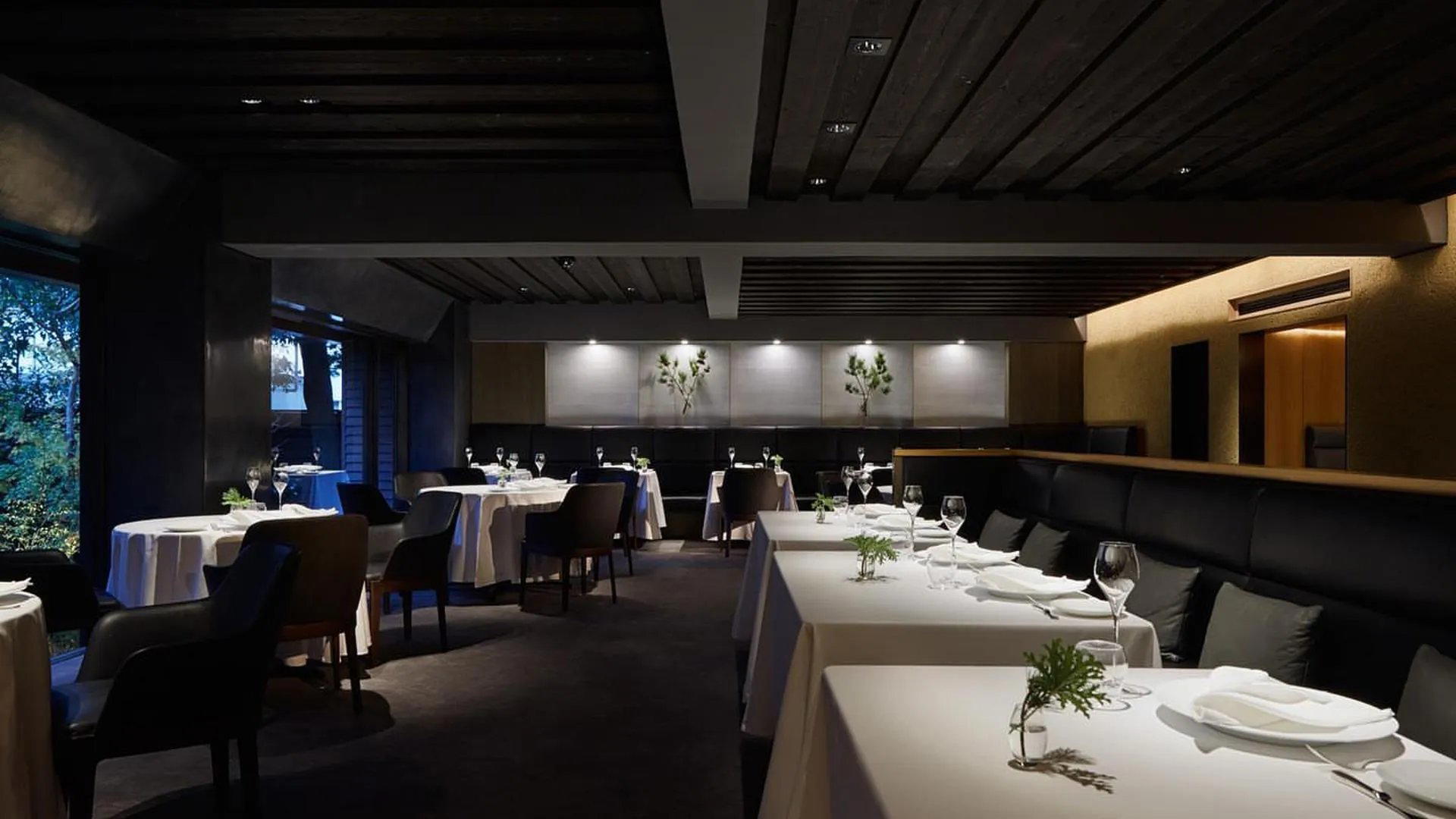
Restaurants in Tokyo
All restaurants in Tokyo →
Bars in Tokyo
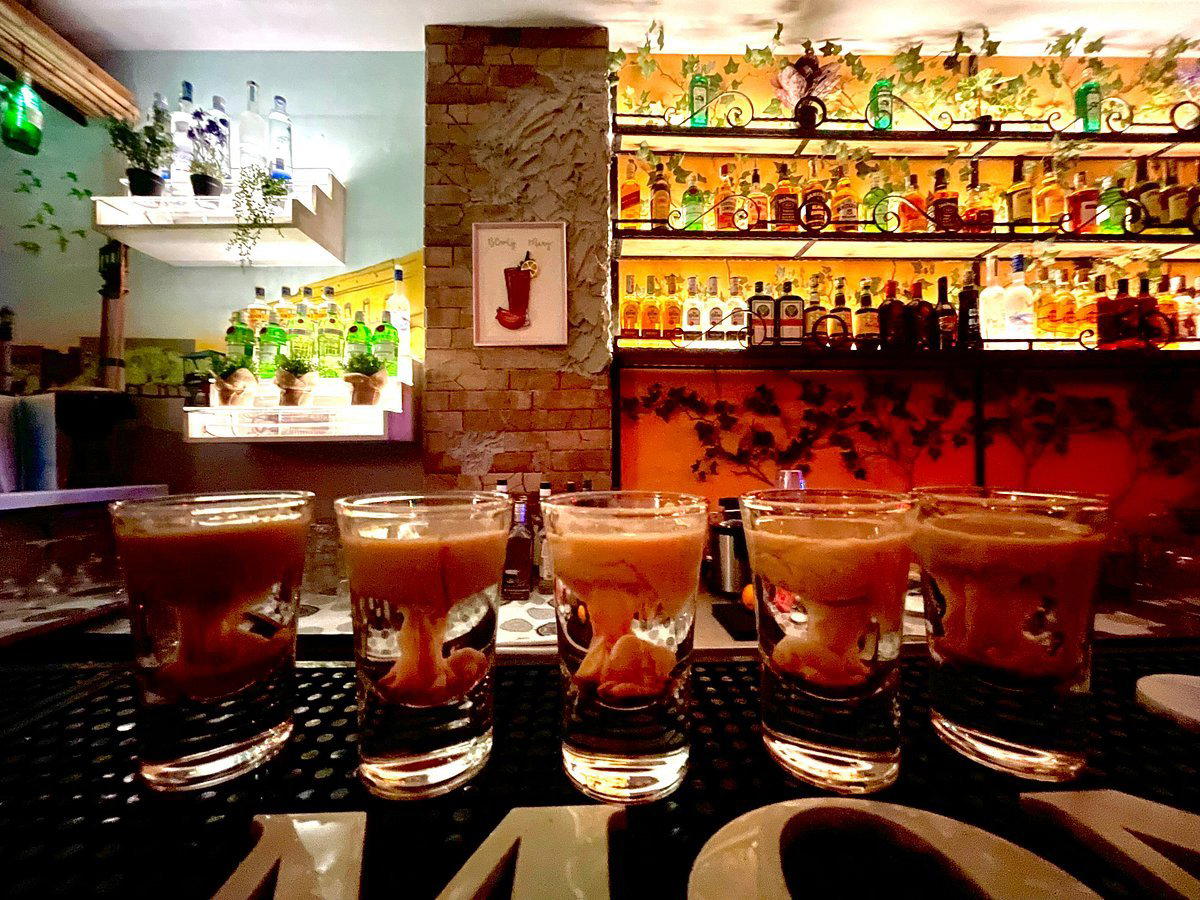
All bars in Tokyo →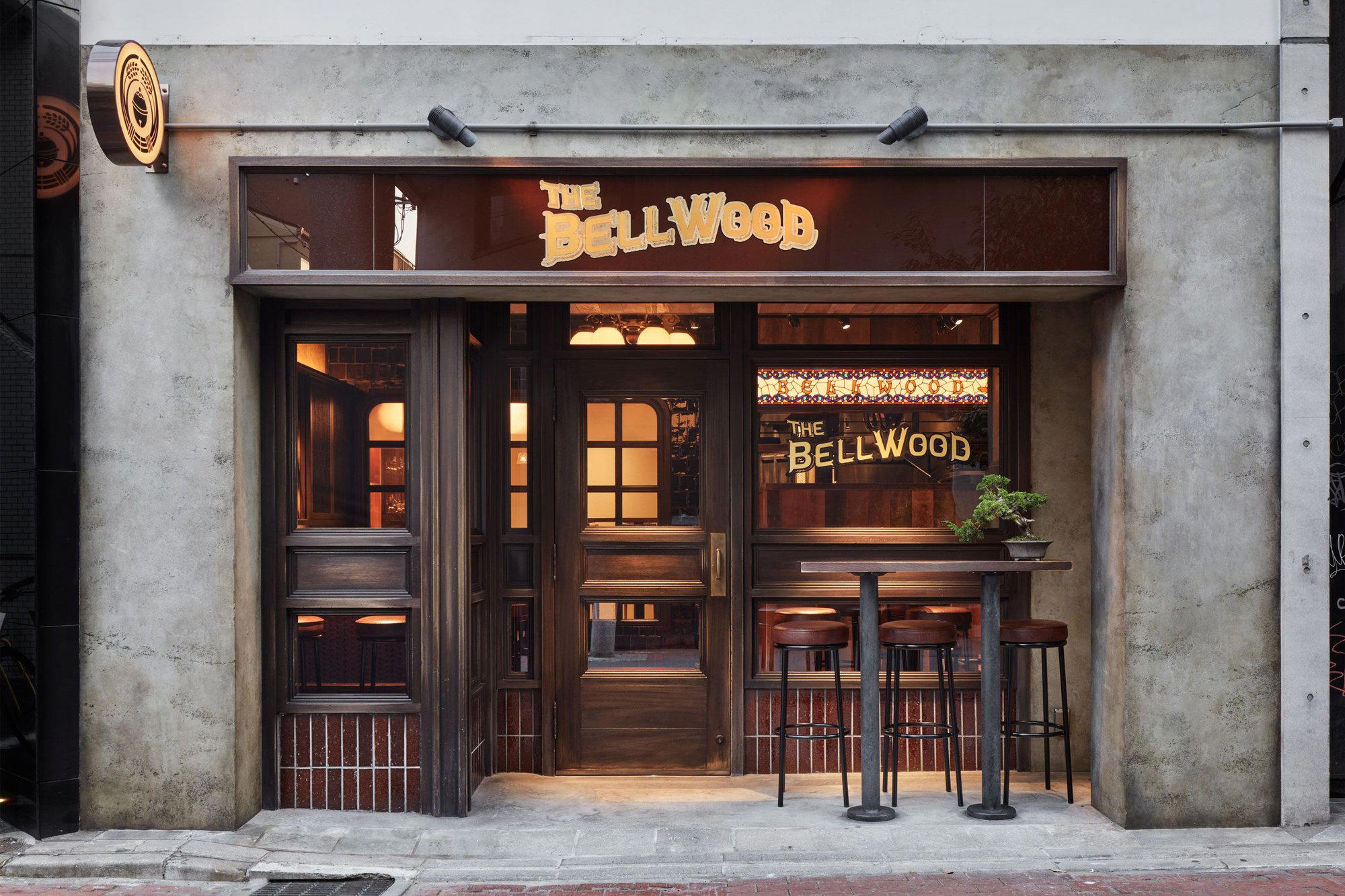
Details
- Intimate
- Sophisticated
- Minimalist
- Special Occasion
- Date Night
- Solo
- Chefs Counter
- Sake Program
- Sustainable Seafood
- Omakase
- Counter Dining
- Sake
- Pescatarian Friendly
Current opening hours
- Monday
- Closed
- Tuesday
- 5–10 PM
- Wednesday
- 12–2 PM, 5–10 PM
- Thursday
- 12–2 PM, 5–10 PM
- Friday
- 12–2 PM, 5–10 PM
- Saturday
- 12–10 PM
- Sunday
- 12–10 PM
Hours can change for holidays and private events. Hours as of .
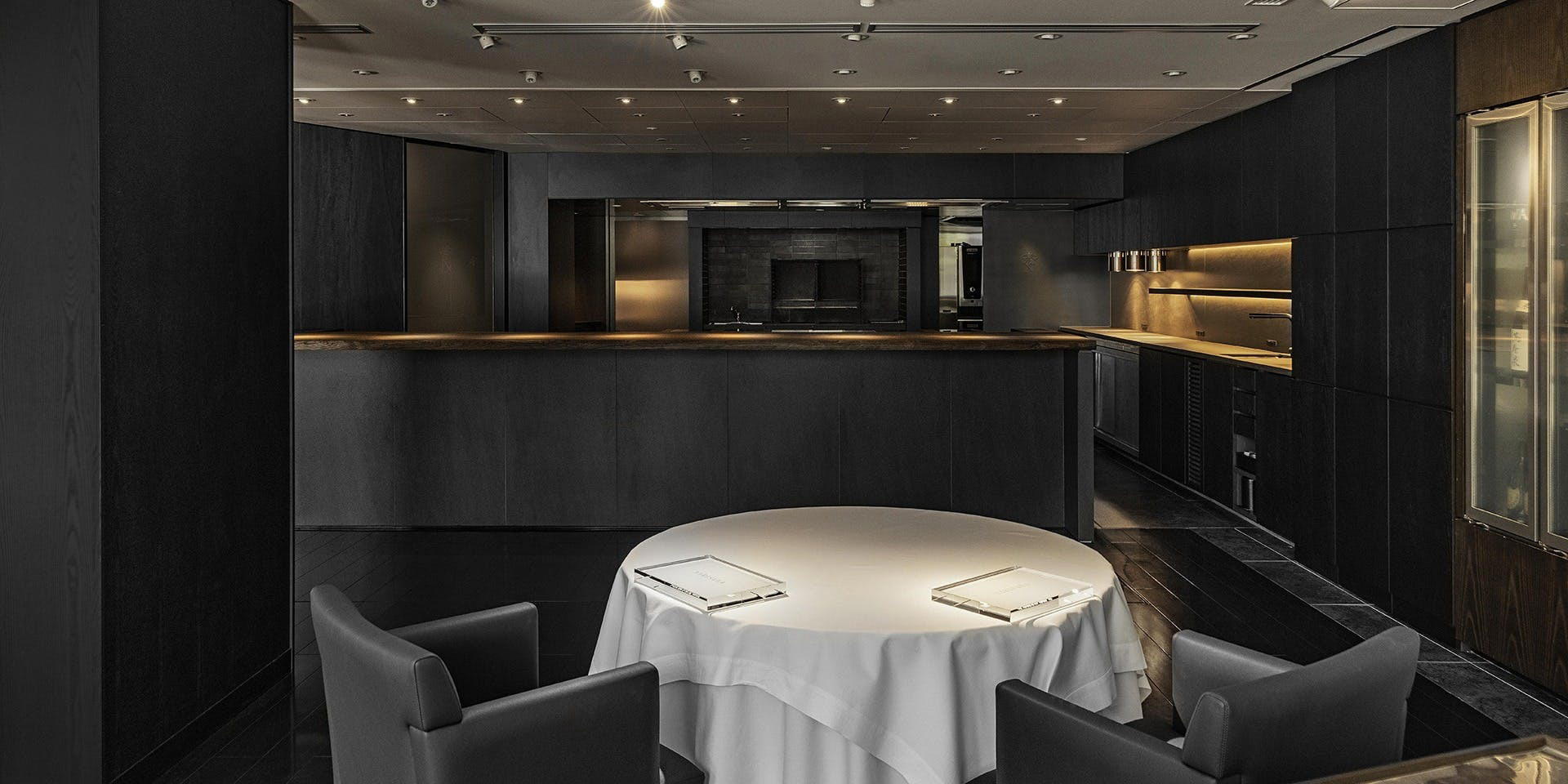
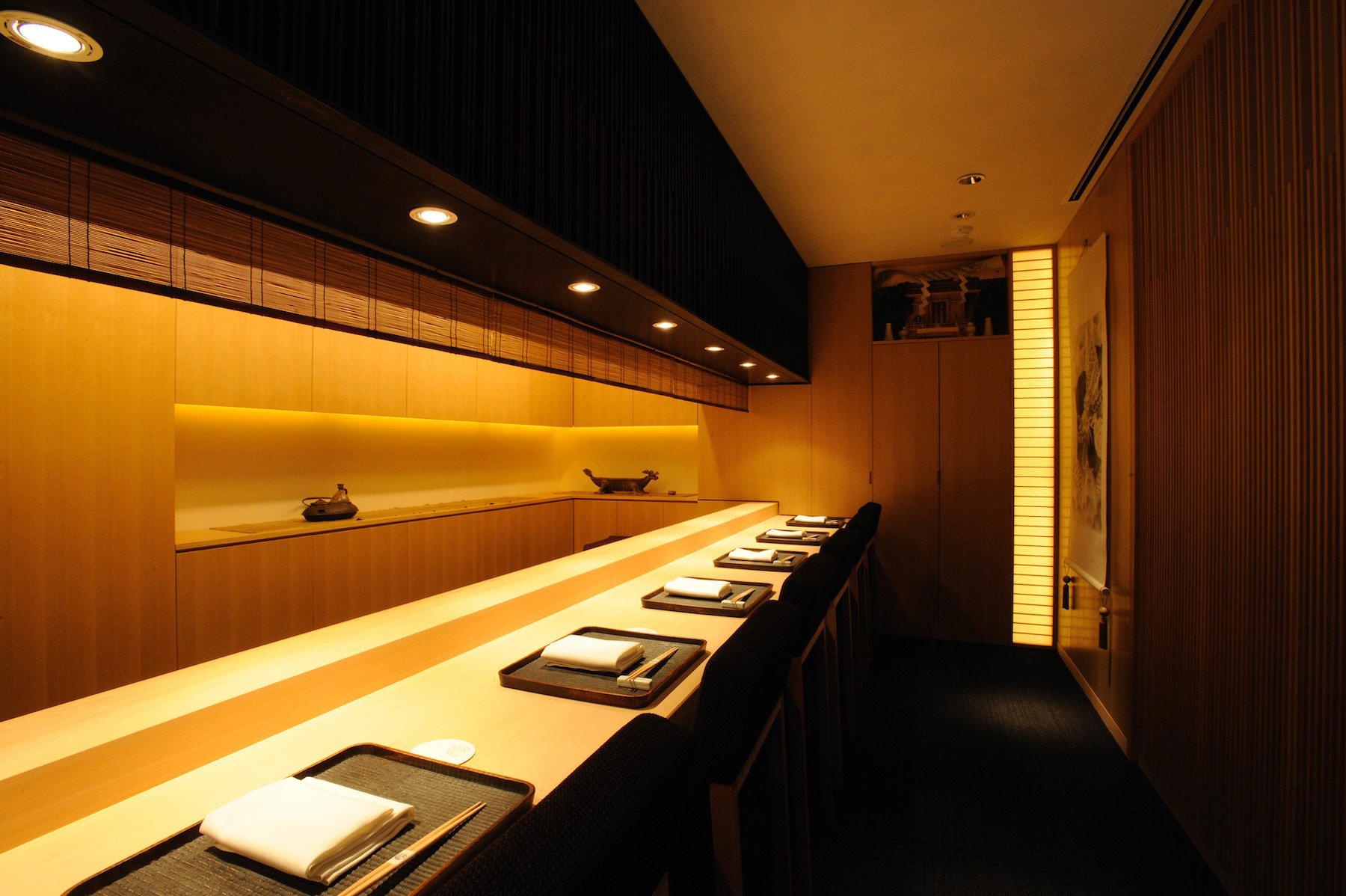
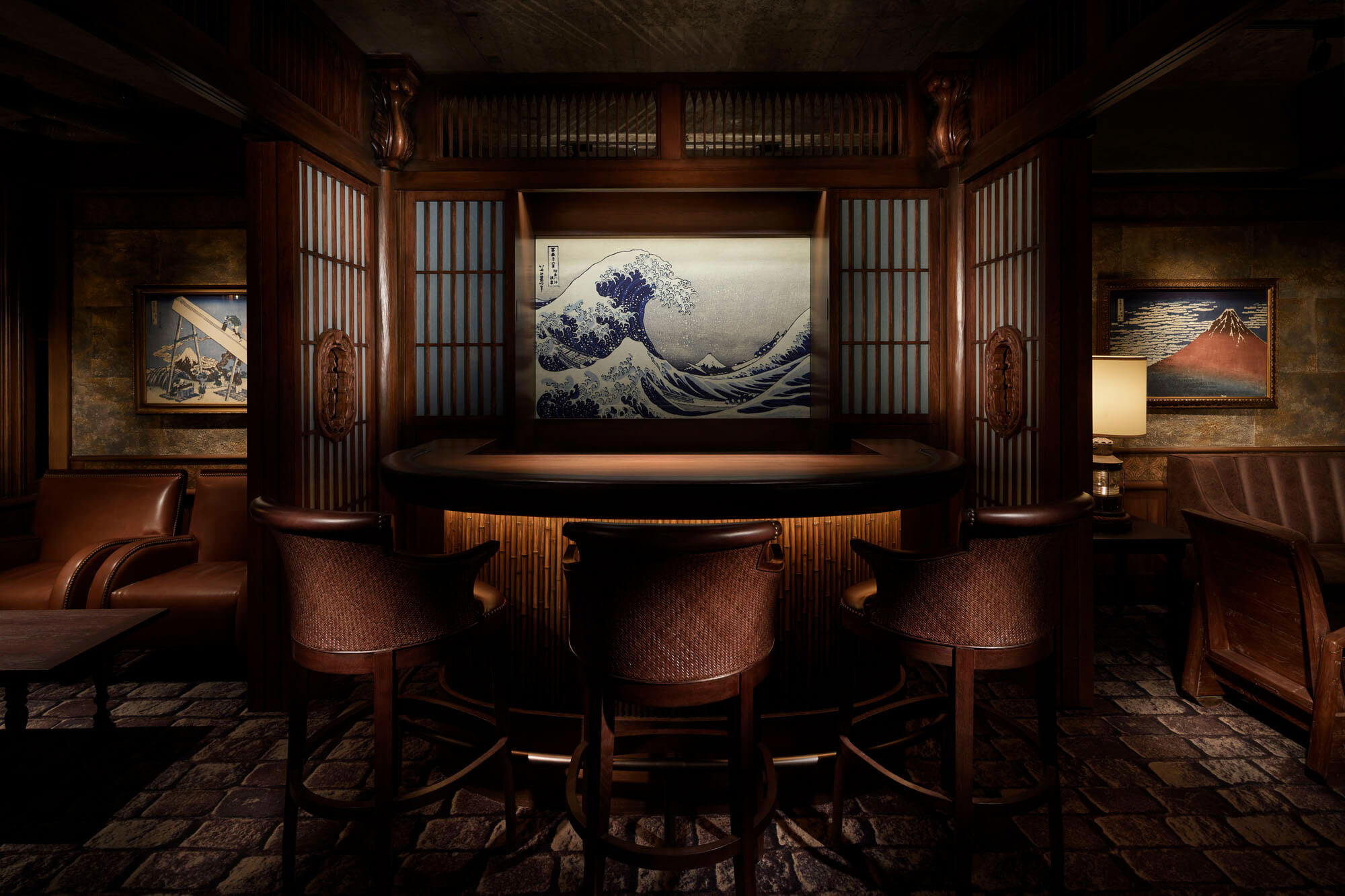
Dimly lit minimalist counter with focused spotlighting on the sushi preparation, creating an intimate and reverent atmosphere.