



Ginza Shinohara is a restaurant in Ginza, Tokyo.
Pearl is the En Primeur Club membership app — saves, bookings, and concierge access live there. Same editors, same standards.
- Address
- 2 Chome-8-17 Ginza, Chuo City, Tokyo 104-0061, Japan
- Phone
- +81 3-6263-0345
- Website
- tabelog.com
- Directions
- Get directions
 Saves & bookings on Pearl
Ginza Shinohara sits within Tokyo’s highly focused dining culture, where small rooms, quiet service, and carefully paced meals often matter more than spectacle. In that setting, Ginza Shinohara reads as a serious Tokyo table: intimate in feel, precise in rhythm, and framed for diners who value concentration over display.
The immediate comparison is not casual everyday dining, nor the grand hotel dining room. This is the Tokyo register of refined restaurant craft, where the meal is judged by pacing, seasonality, service rhythm, and how much personality the room can show without breaking its own discipline. Serious peers such as Ginza Kojyu, GINZA OKUDA, and Kutan frame the same question from different angles: how formal can a Tokyo meal remain while still feeling tied to a specific point of view and moment in the year?
Regional memory inside Tokyo discipline
Tokyo’s most exacting restaurants often lean toward refinement as their main language. Here, the more interesting tension is between metropolitan polish and a more personal sense of place. Rather than reading only as a luxury address, the restaurant is best understood as a tightly edited room whose appeal depends on sequence, atmosphere, and the ability to make each course feel deliberate.
That point of view gives the meal its editorial shape. Dining at this level is rarely about novelty alone; it is about reading the season through a controlled progression. The strongest descriptions of Ginza Shinohara tend to emphasize detail, rhythm, and the way a small room can make subtle changes feel significant. Those details place the restaurant in a narrower lane than the usual Tokyo luxury script: the cooking and service look beyond surface polish, then bring that language back into a concentrated urban setting.
The recognition trail supports the position. The restaurant appears in the Opinionated About Dining 2026 restaurant source, giving it a clear third-party signal within the wider field of serious restaurants. That recognition puts it in the same conversation as Tokyo’s focused small rooms and high-ambition counters, while the restaurant’s individual identity keeps it from reading as another exercise in expensive restraint.
A focused meal, not a private-room performance
The format matters. A small, closely run room changes how a meal behaves: service is closer, the kitchen’s tempo feels more visible, and the experience depends less on architectural drama than on sequence and attention. That places it near the counter culture found across Tokyo’s most serious dining rooms. For diners choosing between refined Tokyo restaurants, this is the key distinction: the experience is built around proximity and progression, not private-room ceremony.
That also explains why the restaurant fits Tokyo rather than simply occupying it. The city rewards compression. A compact room can carry the weight of a major meal because the surrounding dining culture already supplies the theatre outside: late elevators, narrow restaurant floors, and a public trained to read small differences in service, presentation, produce, and timing. The restaurant uses that context well. Its scale suits Tokyo’s appetite for precision, while its own point of view prevents the meal from dissolving into generic formality.
For broader Tokyo context, other serious dining rooms show how contemporary restaurant craft can move through different registers of polish, accessibility, and personal voice. The comparison is useful because Tokyo’s version of refinement is not automatically warmer, stricter, or more traditional; it is often more concentrated. The better question is whether the room gives the cooking enough space to declare a point of view. Here, the focused format and individual identity do that work.
How to read it within Tokyo's wider food map
Tokyo’s restaurant culture is full of micro-categories. A high-end small-room meal in Tokyo competes less with fashionable tasting-menu rooms than with other highly coded formats: counters, compact dining rooms, and formal special-occasion restaurants. The restaurant belongs in that serious fine-dining cluster, but it is not trying to be the neutral expression of seasonality. Its useful distinction is the way personal restaurant identity enters a disciplined Tokyo setting without turning the meal into theme dining.
That distinction matters for travellers building a serious Tokyo itinerary. Pairing one focused Tokyo meal with other contrasting formats gives a better read on the city than booking several meals that share the same luxury cues. For restaurant planning, Our full Tokyo restaurants guide maps the wider field, while Our full Tokyo hotels guide, Our full Tokyo bars guide, Our full Tokyo wineries guide, and Our full Tokyo experiences guide help place the meal inside a larger city stay.
The strongest case for this restaurant is not that it offers a rarefied Tokyo meal; many rooms in the city can make that claim with evidence. The case is more specific: it brings a distinct sensibility into Tokyo’s small-room discipline and has enough third-party recognition to justify treating it as part of the city’s serious dining conversation. For diners who read a meal as season, craft, and memory rather than luxury theatre, that is the point.
For readers extending the thread beyond one reservation, the broader EP Club archive can be read as a map of how dining culture shifts from city to city and room to room. Further afield, the directory also tracks smaller and more idiosyncratic addresses, useful reminders that Japan’s dining map is wider than the capital’s prestige corridor and that Tokyo itself is best understood through contrast rather than a single style.
Just the Basics
Comparable options at the same price tier.
| Venue | Cuisine | Price |
|---|---|---|
| Ginza ShinoharaThis venue — the venue you are viewing | Chūō, Traditional Kaiseki Omakase | $$$$ |
| Seizan | Chūō, Modern Kaiseki | $$$$ |
| Jingumae Higuchi | Shibuya, Modern Japanese Kappo Omakase | $$$$ |
| Sukiyabashi Jiro | Chūō, Edomae Omakase Sushi | $$$$ |
| ZURRIOLA | Chūō, Modern Spanish Basque Fusion | $$$$ |
| Hakuun | Minato, Modern Kaiseki Omakase | $$$$ |
Recognition history
Dated appearances from independent guides and award organizations, with the underlying list record or original source where available.
La Liste Top Restaurants
La Liste
Michelin 2 Stars
Michelin
Opinionated About Dining Top Restaurants in Japan Ranked #43
Opinionated About Dining
Tabelog Gold #30
Tabelog
La Liste Top Restaurants
La Liste
Michelin 2 Stars
Michelin
Opinionated About Dining Top Restaurants in Japan Ranked #35
Opinionated About Dining
Tabelog 100 #76 · No. 76
Tabelog · Tabelog 100 - Japanese cuisine - TOKYO - 2025
Tabelog Gold
Tabelog
Michelin 2 Stars
Michelin
Opinionated About Dining Top Restaurants in Japan Ranked #44
Opinionated About Dining
Opinionated About Dining Top Restaurants in Japan Ranked #51
Opinionated About Dining







At a Glance
- Intimate
- Elegant
- Cozy
- Sophisticated
- Special Occasion
- Date Night
- Business Dinner
- Chefs Counter
- Sake Program
Current opening hours
- Monday
- 5–11:30 PM
- Tuesday
- 12–3 PM, 5–11:30 PM
- Wednesday
- 5–11:30 PM
- Thursday
- 12–3 PM, 5–11:30 PM
- Friday
- 5–11:30 PM
- Saturday
- 12–3 PM, 5–11:30 PM
- Sunday
- Closed
Hours can change for holidays and private events. Last verified .
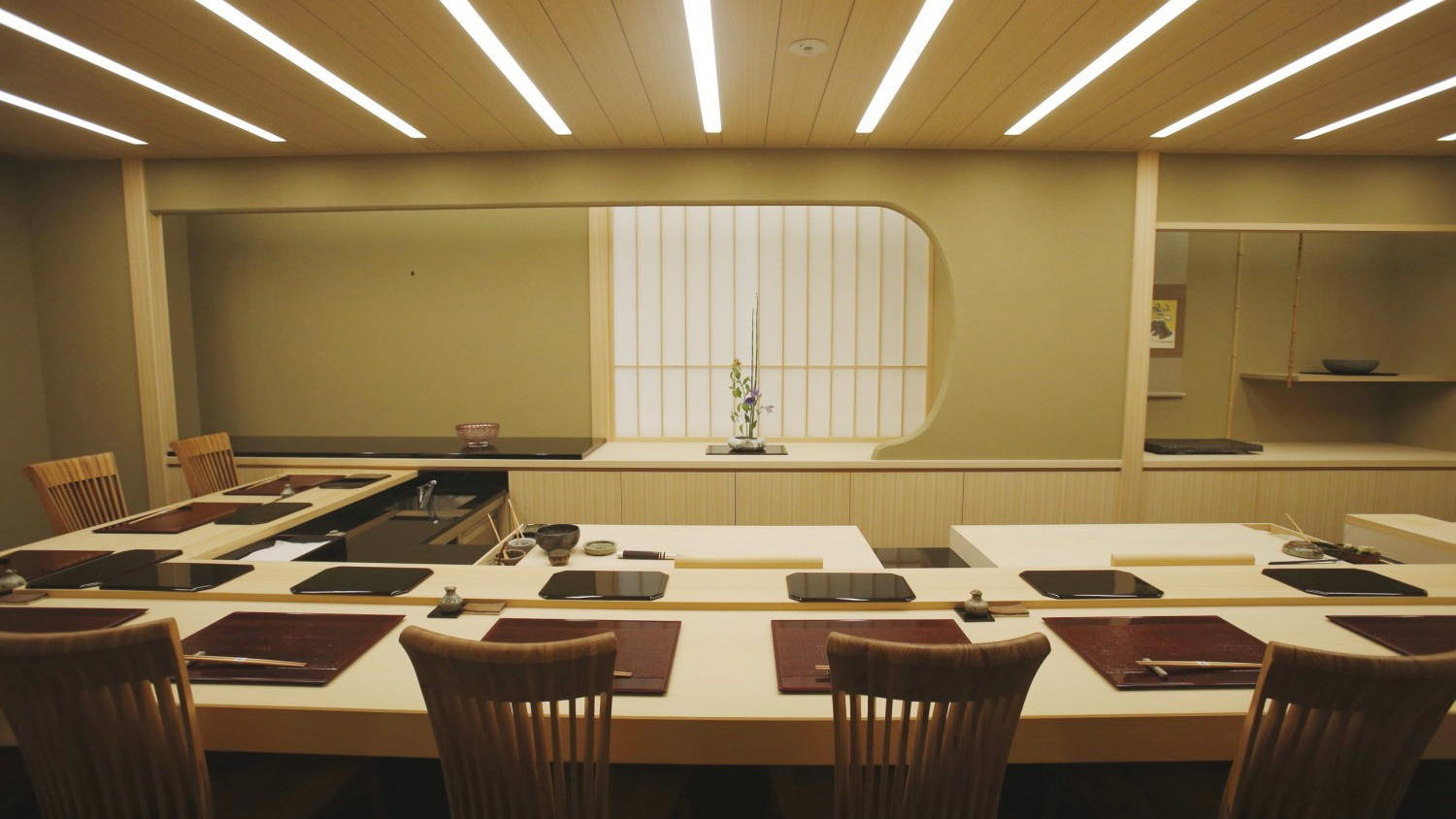
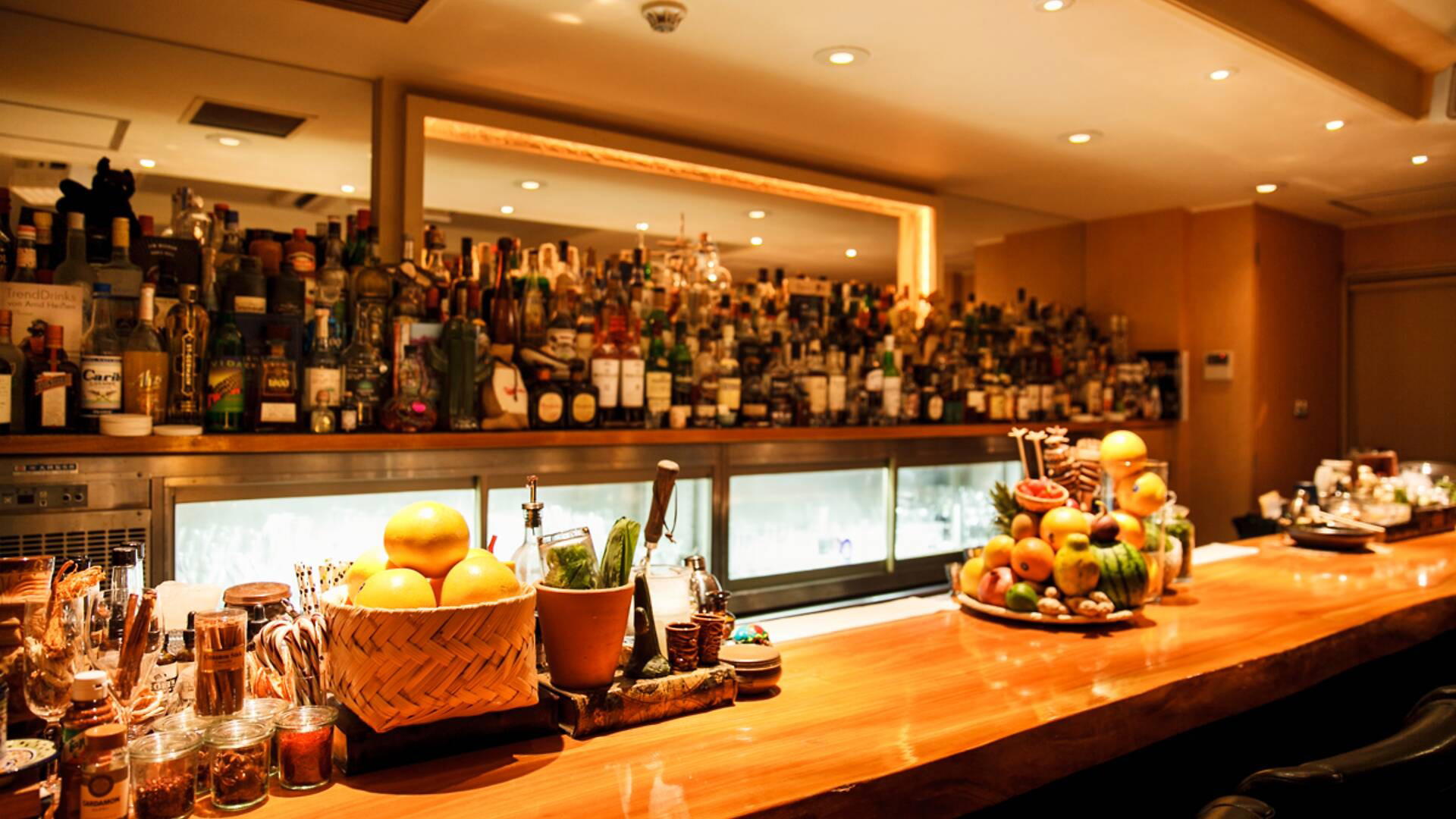
Intimate counter seating with a serene, warm atmosphere featuring beautiful lacquerware presentation and a joyful chef dynamic.