Our verdict
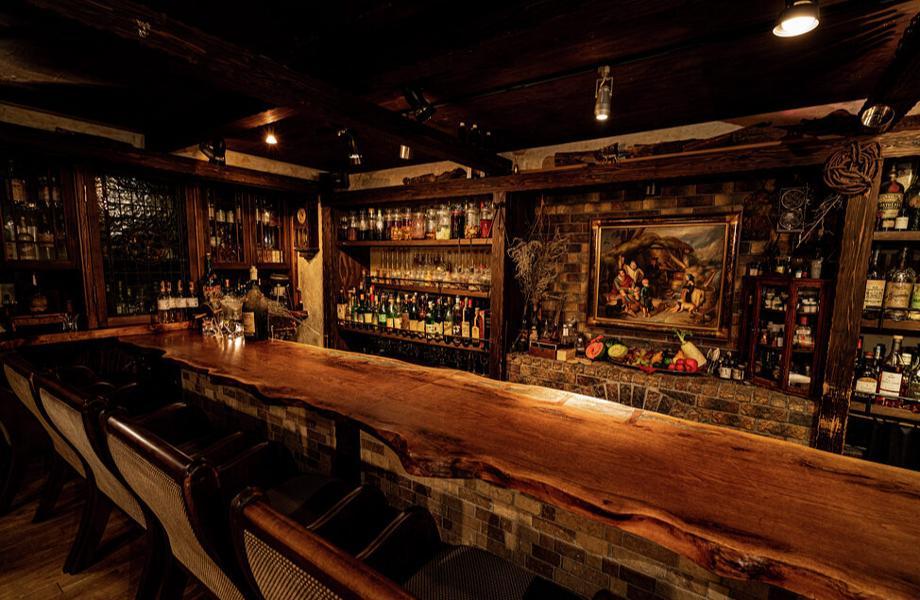
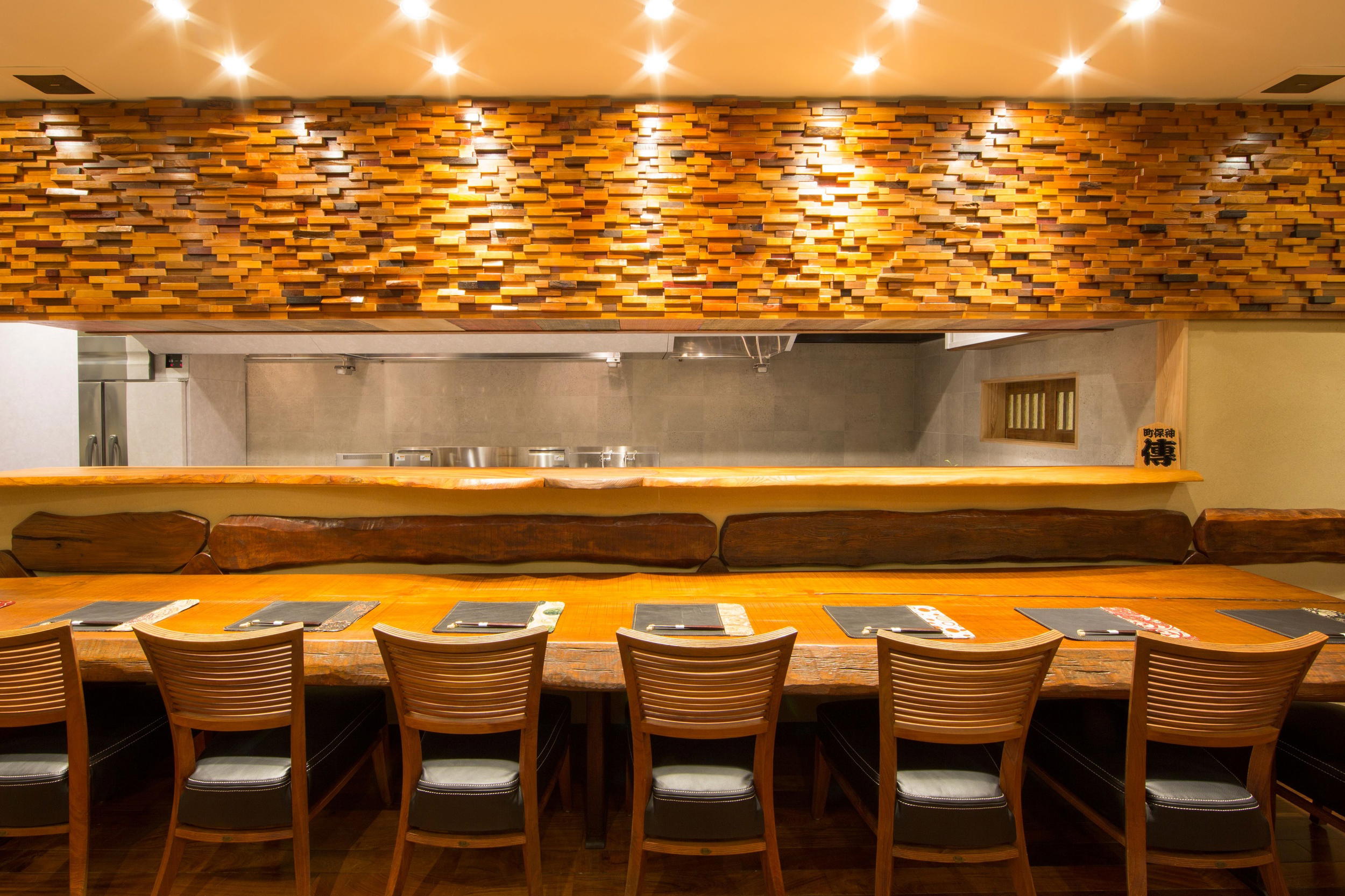
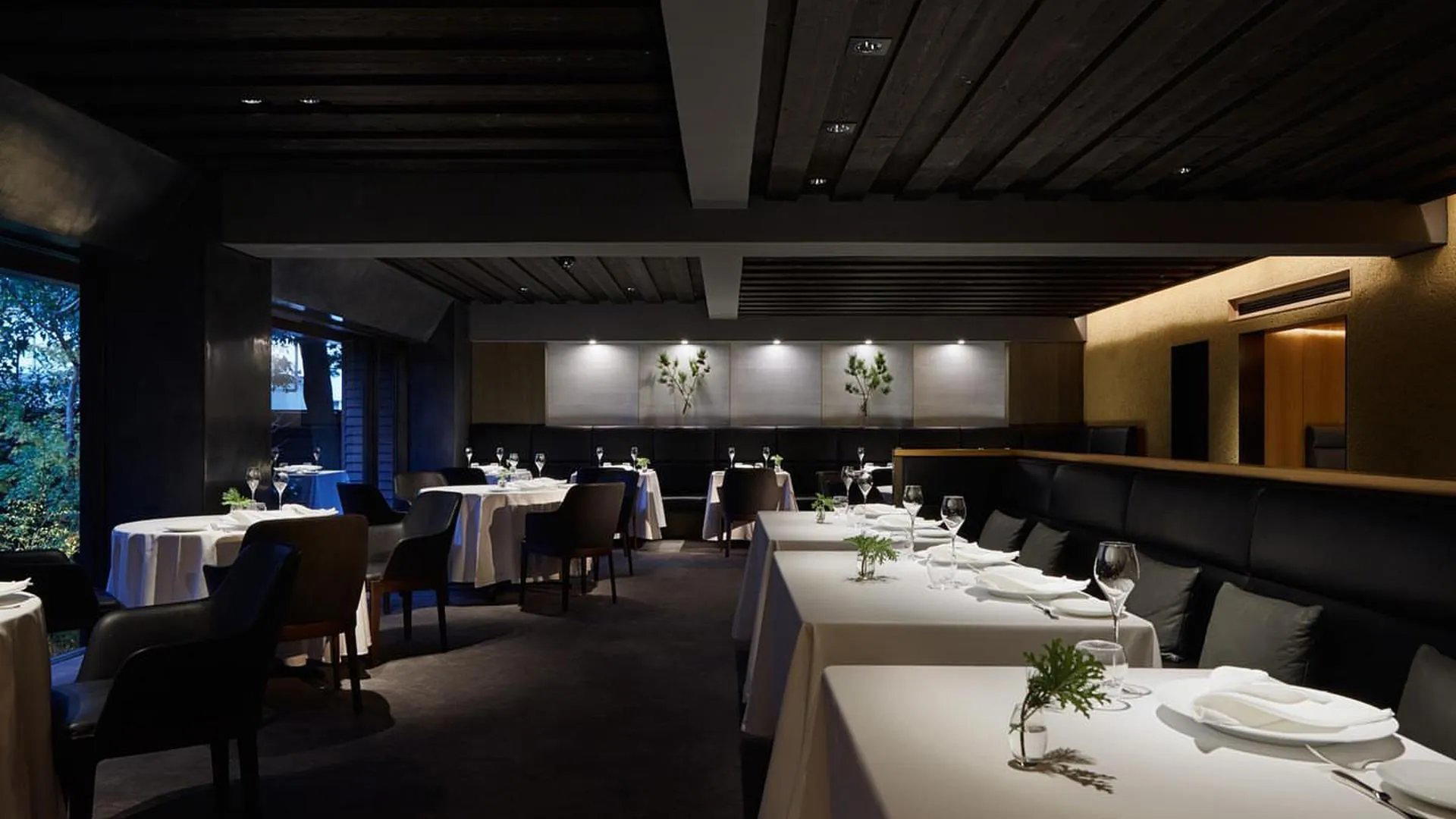
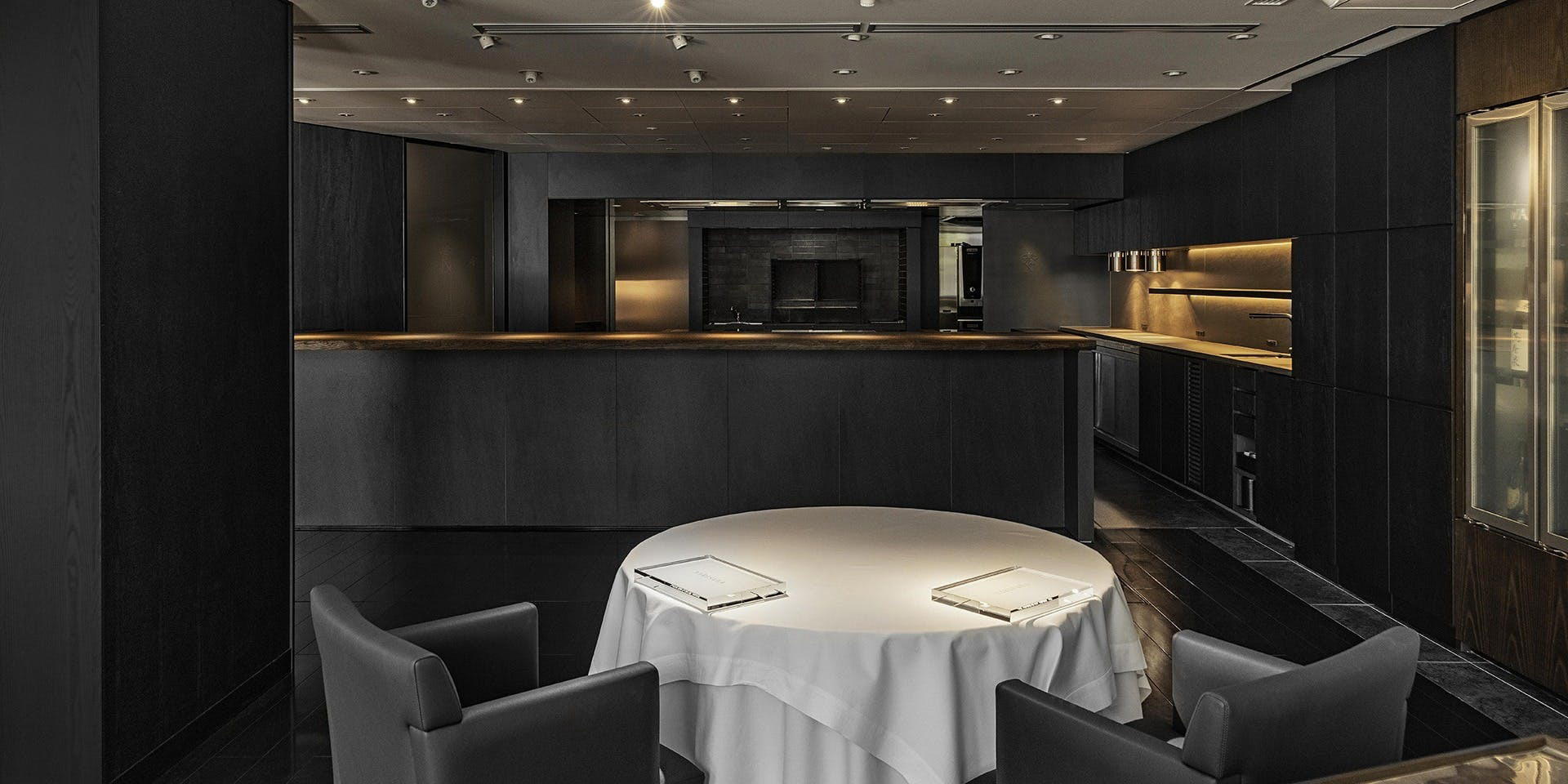
Tudore Tranquility occupies a residential address in Uehara, Shibuya, positioning itself within Tokyo's quieter, neighbourhood-scaled dining tier rather than the high-visibility corridors of Ginza or Nishiazabu. The Uehara address places it among a cohort of destination restaurants that reward deliberate planning over spontaneous discovery. Booking ahead is advisable for any visit to this part of Shibuya's dining circuit.

Pearl is the En Primeur Club membership app — saves, bookings, and concierge access live there. Same editors, same standards.
The menu
What to order
- Miso Glazed Eggplant
- Seasonal Vegetable Medley
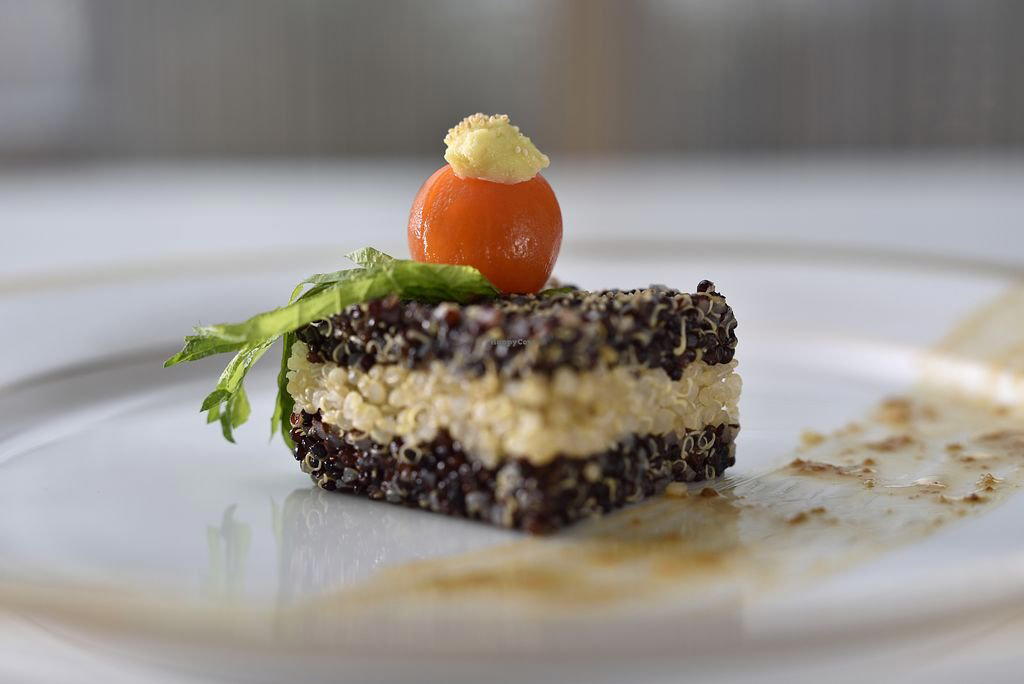
- Black Quinoa Pilaf
Uehara and the Residential Dining Tradition in Tokyo
Tokyo's premium restaurant geography has never been limited to the obvious corridors. While Ginza concentrates its highest-ticket omakase counters and Nishiazabu holds a density of French-influenced kaiseki, the residential neighbourhoods of Shibuya-ku have long supported a quieter tier of destination dining, one that draws guests by reputation and word of mouth rather than foot traffic or hotel adjacency. Uehara, the sub-district where Tudore Tranquility operates, sits within this tradition. The address at 2 Chome-6-16 Uehara places the venue on a quiet residential street, a locational choice that in Tokyo carries its own signal: spaces that survive here do so on returning guests, not passing trade.
This pattern is visible across the city's dining history. Japan's neighbourhood restaurant culture, built on the concept of ikitsuke (the regular's place), values consistency and familiarity over novelty. The most enduring venues in residential Tokyo are not necessarily the most decorated; they are the ones that build a relationship with a fixed clientele over years. Tudore Tranquility's Uehara positioning places it within that lineage, whatever its specific format turns out to be on the plate.
Where Tudore Tranquility Sits in Tokyo's Dining Tier
Tokyo's restaurant ecosystem is stratified in ways that visitors from other cities often underestimate. A tier below, venues at the ¥¥¥ level like Sézanne and L'Effervescence occupy a French-influenced bracket that has grown significantly over the past decade as European-trained Japanese chefs returned home. Then there is a third category: neighbourhood-anchored spaces in areas like Uehara, where the competitive set is defined less by price point and more by the relationship between the room and its regulars.
What the address does indicate is intent. Restaurants that choose residential Uehara over the commercial density of Omotesando or Ebisu are generally not optimising for visibility. They are optimising for a specific guest relationship. That is a meaningful editorial distinction, even without a tasting menu price or a star count.
For broader context on where Tokyo's dining scene is moving, our full Tokyo restaurants guide maps the city's key neighbourhoods and the venues that define them.
The Cultural Weight of the Shibuya-ku Dining Address
Shibuya as a ward is often reduced in international coverage to its scramble crossing and department stores, but Shibuya-ku as an administrative unit contains some of Tokyo's most considered residential dining. Uehara and neighbouring Tomigaya have, over the past fifteen years, accumulated a cluster of cafes, natural wine bars, and small-format restaurants that operate on a philosophy closer to the Parisian 10th arrondissement than to the spectacle dining of Roppongi. The area's low-rise streetscape, proximity to Yoyogi Park, and mixed residential-commercial zoning make it hospitable to small operators running tight, personal formats.
This matters for understanding Tudore Tranquility's positioning. A venue at this address in 2024 is choosing a neighbourhood with an established dining character, one that has attracted a guest profile looking for something more considered than a hotel restaurant or a celebrity-chef flagship. The name itself, with its suggestion of calm and retreat, aligns with the area's prevailing tone.
Across Japan, the contrast between this kind of neighbourhood dining and the major-destination formats is instructive. HAJIME in Osaka and Gion Sasaki in Kyoto operate within city-defining traditions, their reputations inseparable from the culinary identities of their respective cities. akordu in Nara and Goh in Fukuoka demonstrate how regional Japanese cities sustain serious dining outside the three-city axis of Tokyo, Osaka, and Kyoto. Against that national picture, a Uehara address in Tokyo suggests a deliberate neighbourhood-first stance rather than a bid for national or international destination status.
Planning a Visit: What the Address Tells You
Reaching Uehara is direct from central Tokyo. The neighbourhood is served by the Odakyu Odawara Line with a stop at Yoyogi-Uehara, which connects directly to the Tokyo Metro Chiyoda Line, making it accessible from Ginza, Omotesando, and Shinjuku without requiring a taxi. From Shibuya Station, the walk takes roughly fifteen minutes through residential streets, or a short ride on the Odakyu Line one stop west. The area is navigable on foot once you arrive, and the low-rise streetscape makes it easy to locate specific addresses even on unfamiliar blocks.
For those building a broader Japan itinerary around serious dining, regional options worth considering include a notable address in Nanao, a destination in Sapporo, one in Takashima, and another in Nishikawa Machi, all part of EP Club's expanding Japan coverage. Birdland in Sakai and Bistro Ange in Toyohashi add further regional range for itinerary planning beyond the major cities.
For international reference points on what serious neighbourhood-anchored dining looks like at its highest expression, Le Bernardin in New York City and Atomix, also in New York, demonstrate how committed neighbourhood-scaled ambition translates across very different culinary cultures.
Frequently asked questions
Where is Tudore Tranquility in Tokyo?
Tudore Tranquility is located at 2 Chome-6-16 Uehara, Shibuya, Tokyo 151-0064, Japan, Tokyo.
Is Tudore Tranquility suitable for a solo dining visit in Tokyo?
The Uehara address in Shibuya-ku positions Tudore Tranquility within a residential dining culture that Tokyo solo diners often find more accommodating than high-traffic Ginza or Shinjuku venues. Small neighbourhood restaurants in this part of Shibuya-ku frequently seat solo guests at a counter or compact table without the social pressure that larger rooms can carry. Confirming availability for one when reserving is worth doing given the likely limited cover count at this address.
What do regulars order at Tudore Tranquility?
Specific menu details for Tudore Tranquility are not published through standard channels, which is consistent with how many Uehara neighbourhood restaurants operate — menus often shift by season or supplier availability. The Shibuya-ku address places it within a dining culture that tends toward restraint and rotation rather than fixed signature dishes. Visiting without a fixed expectation is, in this context, part of the format.
Is Tudore Tranquility reservation-only?
Reservation policy is not publicly listed for Tudore Tranquility. In Uehara, where residential dining rooms routinely run small covers and limited sittings, advance contact is strongly advisable before visiting. The 2 Chome-6-16 Uehara address suggests a neighbourhood-scale operation where walk-ins carry real risk of disappointment.
What is Tudore Tranquility known for?
Tudore Tranquility occupies a specific position in Tokyo's dining geography: a Shibuya-ku address in Uehara, a neighbourhood that draws residents and repeat visitors rather than tourist foot traffic. That location alone signals a particular kind of intent — cooking aimed at regulars rather than passing trade. Beyond the address, published documentation on awards or a named chef is not currently available.
How does Tudore Tranquility handle allergies?
No allergy or dietary policy is documented publicly for Tudore Tranquility. As with most Tokyo restaurants operating at a neighbourhood scale in Uehara, communicating requirements directly and in advance — ideally in Japanese — is the practical approach. Contacting the venue before booking is advisable for any specific dietary needs.
The Minimal Set
Comparable venues nearby, for context on price, style, and recognition.
| Venue | Cuisine | Price | Awards | Notes |
|---|---|---|---|---|
| Tudore TranquilityThis venue — the venue you are viewing | Creative Plant-Based Fine Dining | $50–100 | Not listed | Not listed |
| Yugen Tei Shinjuku | High-end Yakiniku (Japanese BBQ) | $100–150 | Tabelog 100 #63 | Shinjuku, High-end Yakiniku (Japanese BBQ) |
| Jubako | Traditional Japanese Unagi | $200–300 | Not listed | Minato, Traditional Japanese Unagi |
| すが弥 | Edomae Omakase Sushi | $300–500 | Tabelog Bronze #426 | Minato, Edomae Sushi Omakase |
| Ginza Yamashina | Luxury Wagyu Yakiniku & Steak in Private Rooms | $100–150 | Tabelog 100 #81 | Chūō, Luxury Wagyu Yakiniku & Steak in Private Rooms |
| 鮨処いし原 | Traditional Omakase Sushi | $200–300 | Not listed | Chūō, Traditional Omakase Sushi |