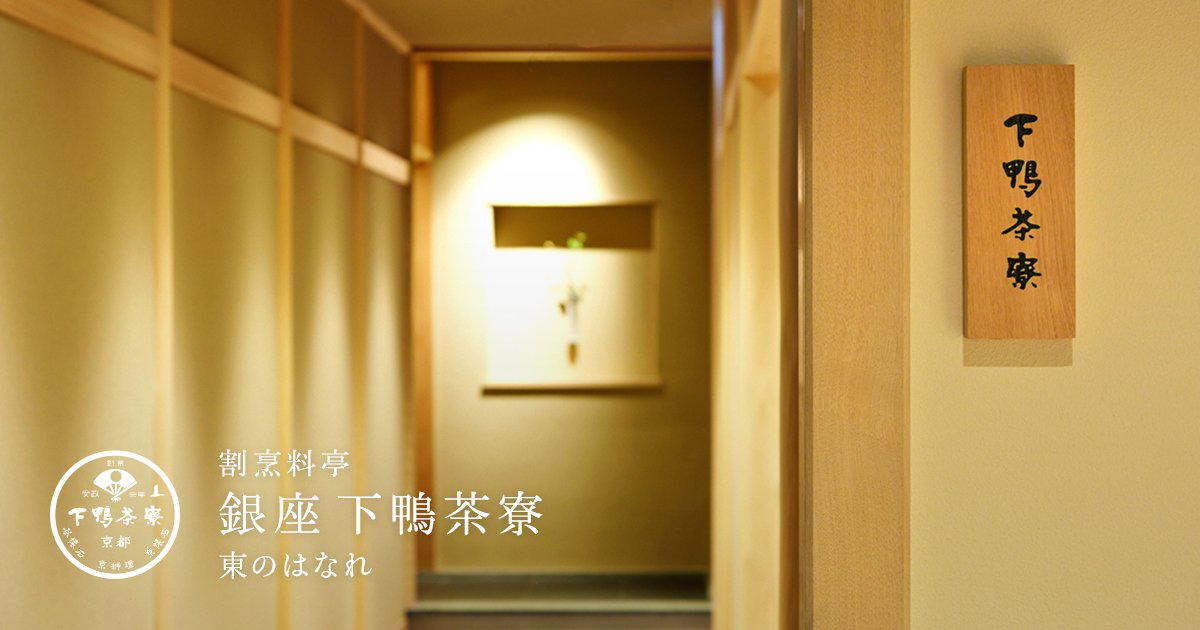
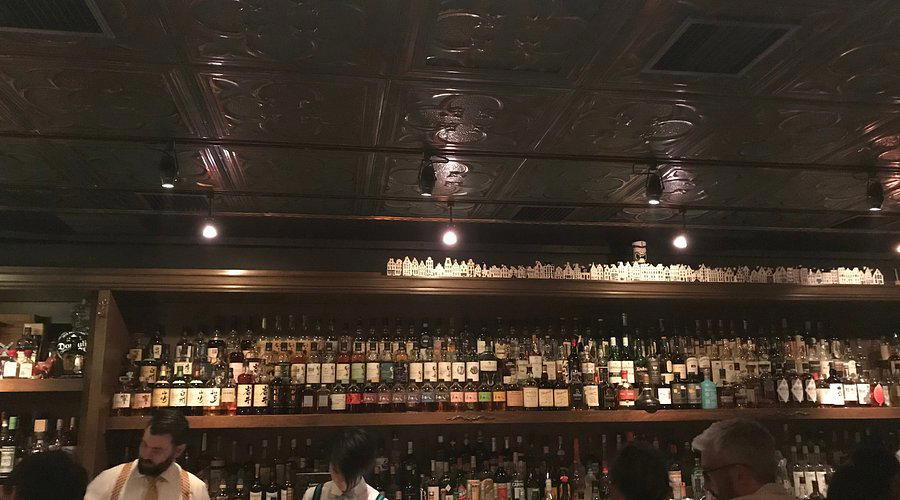
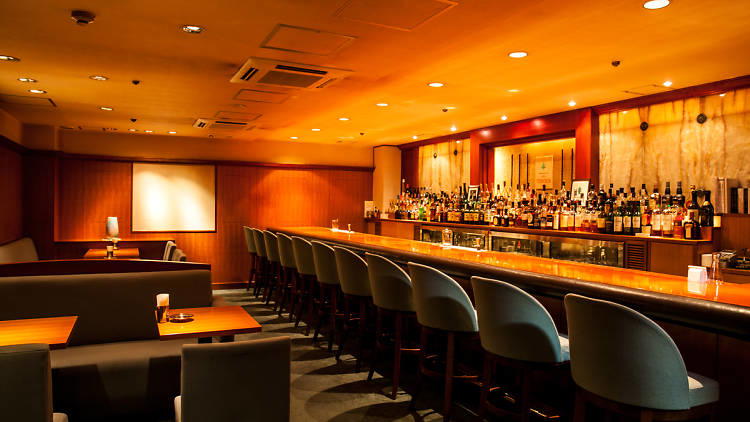
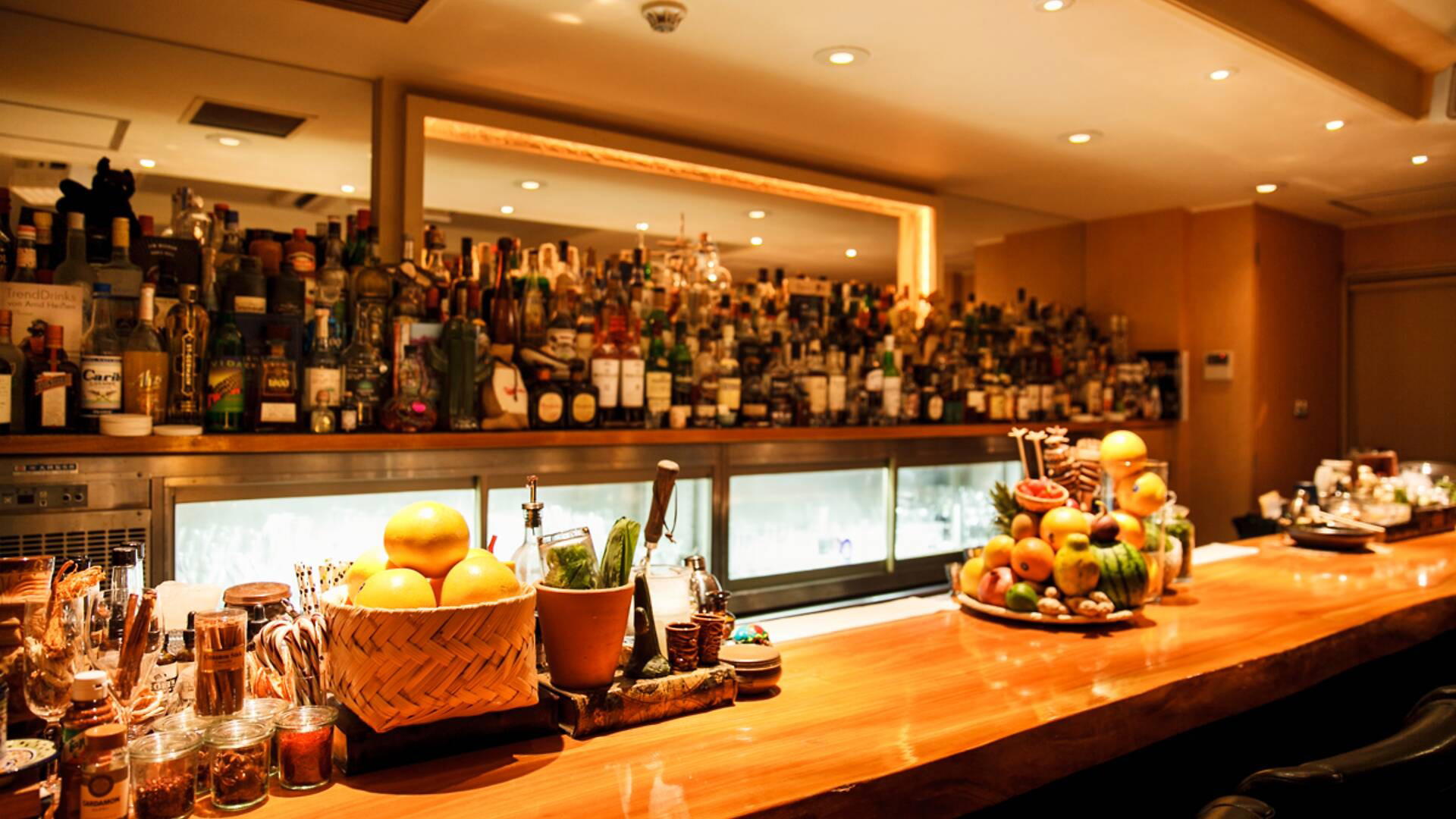
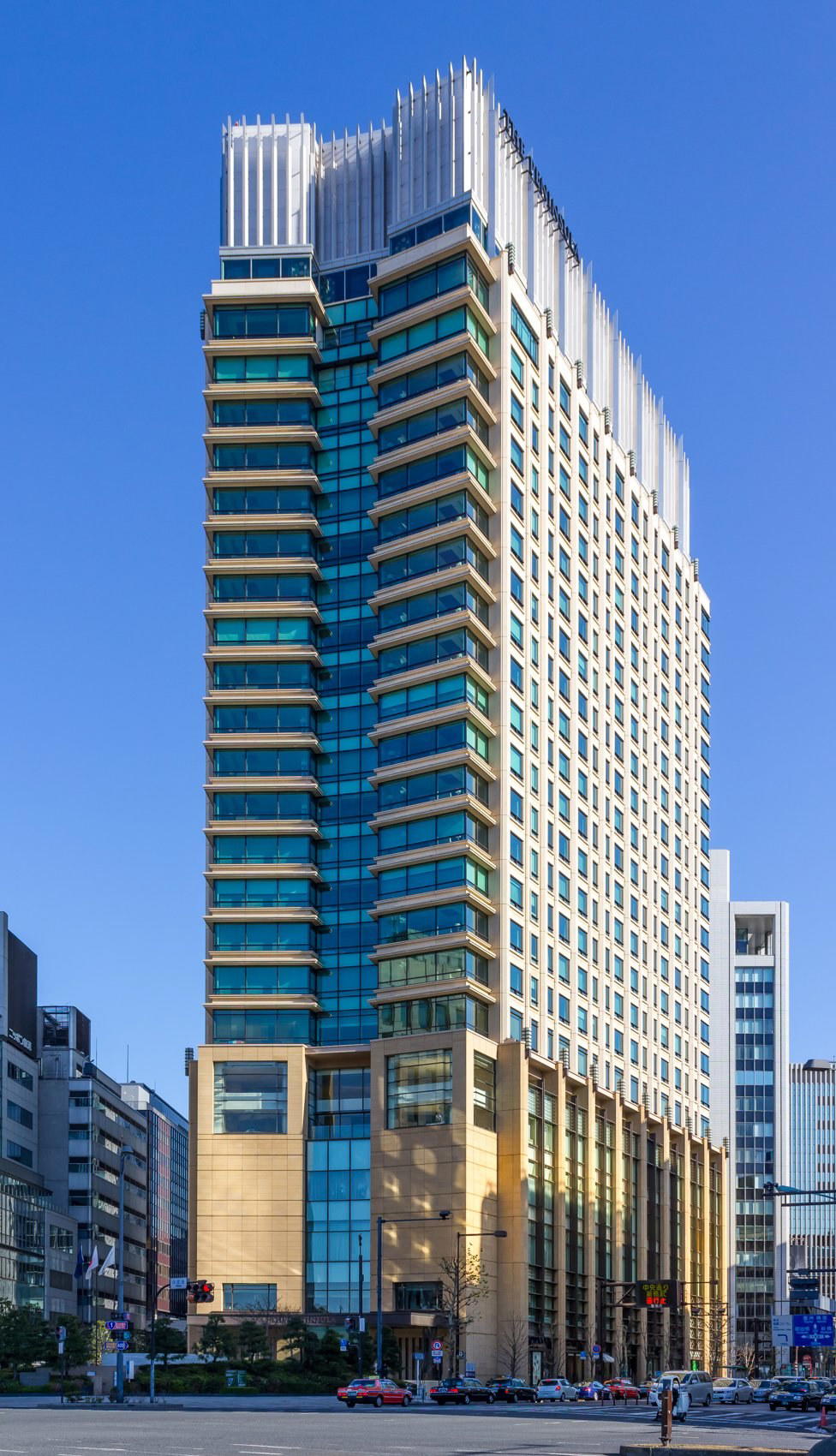
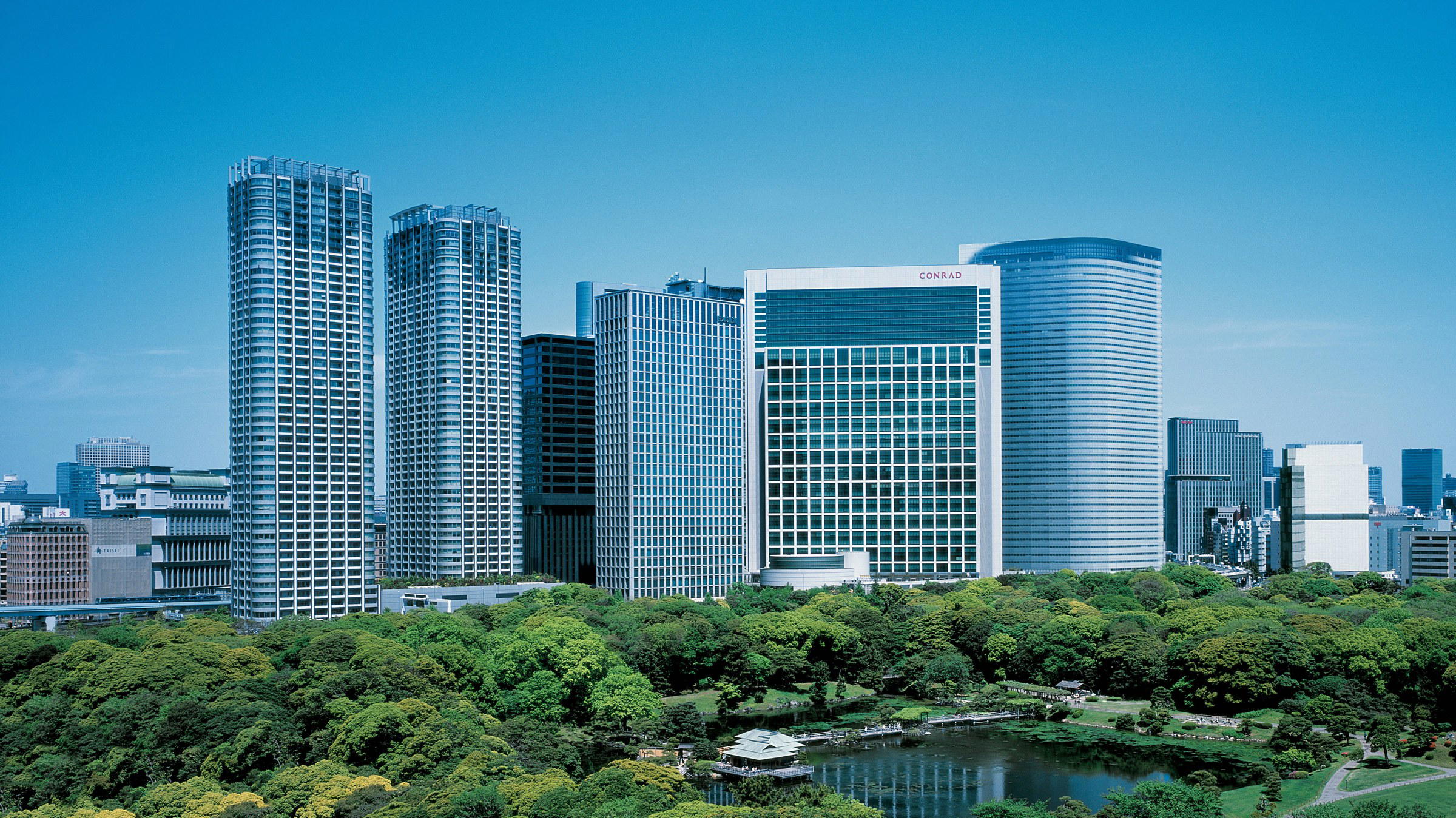
銀座 下鴨茶寮 東のはなれ occupies the eleventh floor of Tokyu Plaza Ginza, bringing the refined Kyoto kaiseki tradition of the 下鴨茶寮 house to central Tokyo. The setting places classical Japanese multi-course dining inside one of Ginza's most prominent commercial addresses, positioning it as a counterpoint to the neighbourhood's Western-leaning fine dining scene.
Pearl is the En Primeur Club membership app — saves, bookings, and concierge access live there. Same editors, same standards.
- Address
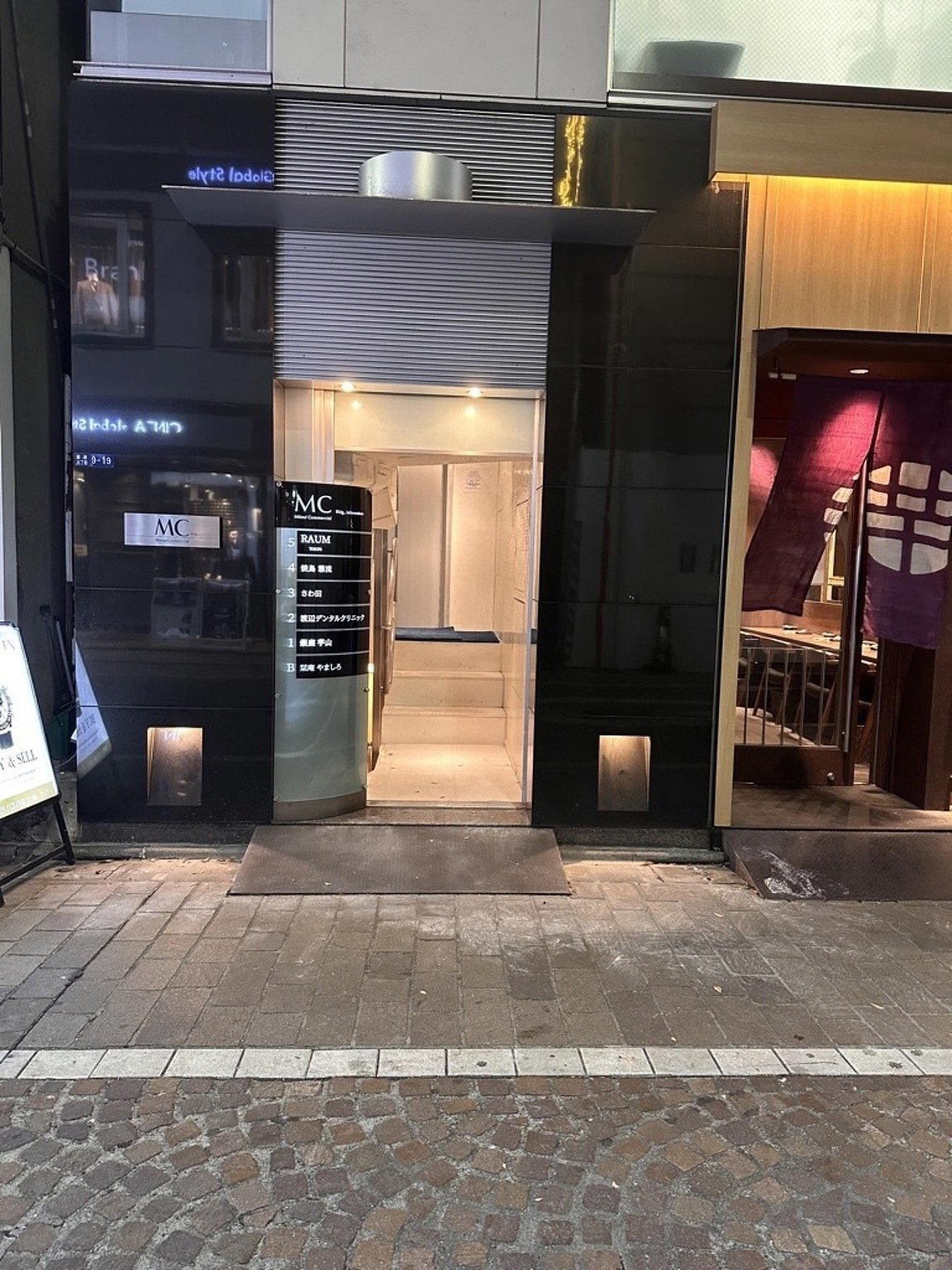
- Japan, 〒104-0061 Tokyo, Chuo City, Ginza, 5 Chome−2−1 東急プラザ銀座 11F
- Phone
- +817053455761
- Website
- shimogamosaryo.co.jp

Kyoto Kaiseki in Ginza: A Tradition Transplanted
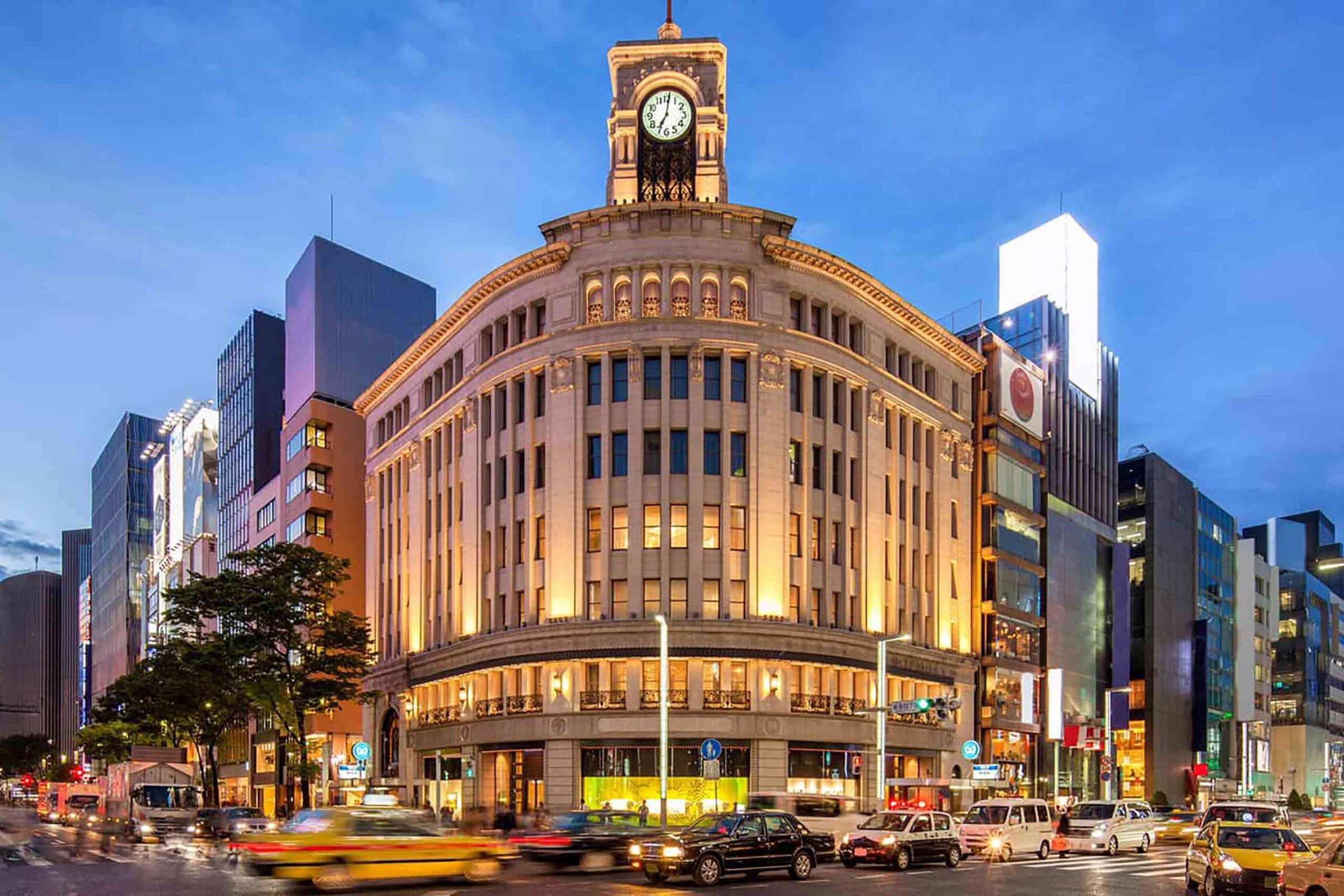
Tokyo's Ginza district has long housed the country's most expensive dining real estate, but the dominant register there skews toward high-end sushi counters and French-influenced tasting menus. Venues such as Harutaka, Sézanne, and L'Effervescence anchor the area's premium tier in that mould. Against that backdrop, 銀座 下鴨茶寮 東のはなれ represents a different proposition: a Kyoto-rooted kaiseki house operating from the eleventh floor of Tokyu Plaza Ginza, at the address Japan, 〒104-0061 Tokyo, Chuo City, Ginza, 5 Chome−2−1 東急プラザ銀座 11F.
The 下鴨茶寮 name carries significant weight in Kyoto dining. The parent house has operated for generations in the Shimogamo district, where the tradition of serving refined seasonal Japanese cuisine in a villa-adjacent setting defined its identity. 東のはなれ, which translates approximately as "the eastern annexe," is the Tokyo expression of that lineage, a deliberate extension rather than a dilution, positioned to serve a metropolitan clientele within a format recognisable to anyone familiar with the original.
The Arc of the Meal: How Kaiseki Sequences Work Here
Kaiseki, as a dining structure, is one of the most codified in world cuisine. The format evolved from the tea ceremony tradition, where small dishes served before matcha became increasingly elaborate over centuries. By the time it reached its current form in Kyoto's leading dining rooms, it had developed a strict internal logic: seasonal ingredients presented in an order that moves from light and delicate through richer preparations, with each course functioning as a chapter rather than a standalone dish.
At venues operating within this tradition, including RyuGin, which represents the modernist end of the Tokyo kaiseki spectrum, the sequencing itself is the editorial statement. A meal typically opens with sakizuke (the appetiser), moves through hassun (the seasonal platter establishing the meal's thematic core), then progresses into yakimono (grilled preparations) and rice-based closing courses. The pacing is deliberate, with intervals intended to reset the palate rather than fill time.
For 銀座 下鴨茶寮 東のはなれ, operating as the Tokyo branch of a Kyoto institution, that progression carries additional expectation. Guests arriving with knowledge of the parent house will read the sequencing as an argument about what the brand can sustain at geographic remove. The setting inside a modern commercial tower on one of Tokyo's most commercially dense blocks adds further tension: kaiseki's contemplative pacing sits in deliberate contrast to the retail environment eleven floors below.
Ginza's Premium Dining Context
To understand where 銀座 下鴨茶寮 東のはなれ sits competitively, it helps to map the full price tier of Ginza fine dining. The ¥¥¥¥ bracket, where venues like Crony operate with innovative French formats, has become increasingly crowded as international recognition for Tokyo's dining scene has expanded. Traditional Japanese multi-course formats occupy a more stable, less fashion-driven segment of that bracket, where the value proposition rests on seasonal ingredient sourcing and craft continuity rather than chef personality or technique novelty.
Kyoto-origin brands carry specific authority in this segment. The Kansai region's culinary traditions, and Kyoto's in particular, have a cultural primacy in Japanese fine dining that Tokyo houses often acknowledge rather than challenge. When a Kyoto institution extends to Tokyo, it does so with an implicit claim about standards: the seasonal sourcing networks, the supplier relationships, the kitchen philosophy are presumed to travel with the brand. Whether that claim holds at a specific Tokyo outpost is always the operative question for the returning visitor.
For broader comparison across Japan's kaiseki tradition, Gion Sasaki in Kyoto represents the source geography at its most refined, while HAJIME in Osaka shows how the Kansai tradition can absorb modernist influence. Regional expressions further afield, including Goh in Fukuoka and 一本杉川島 in Nanao, demonstrate how seasonal kaiseki adapts to local ingredient traditions outside the major urban centres.
The Tokyu Plaza Setting and What It Means Practically
Tokyu Plaza Ginza opened in 2016 as part of the sustained redevelopment of central Ginza, consolidating luxury retail and dining across multiple floors. The eleventh floor positioning of 銀座 下鴨茶寮 東のはなれ places it at the building's upper dining tier, with views over the Ginza grid that function as a counterpoint to the enclosed, garden-adjacent atmosphere of the Kyoto original. This is urban kaiseki, aware of its metropolitan address.
For visitors staying near other high-tier dining destinations covered in our full Tokyo restaurants guide, the location sits within easy reach of the broader Ginza-Hibiya corridor.
Internationally, the format of a flagship regional house extending to a commercial tower context finds parallels: Atomix in New York and Le Bernardin both demonstrate how tradition-rooted tasting formats can maintain credibility within explicitly urban, commercially dense addresses. The question of atmosphere is always real in these settings, but kaiseki's internal discipline, the pacing, the course structure, the seasonal ingredient logic, tends to generate its own coherence regardless of the exterior view.
Planning Your Visit
Reservations are recommended. For additional context on similar Japanese dining formats operating across different price registers, Birdland in Sakai and Bistro Ange in Toyohashi offer comparison points outside the major metropolitan markets.
Awards and Standing
Comparable venues nearby, for context on price, style, and recognition.
| Venue | Cuisine | Price | Awards | Notes |
|---|---|---|---|---|
| 銀座 下鴨茶寮 東のはなれThis venue — the venue you are viewing | Kyoto Kaiseki Tea House | $$$$ | , | |
| Ginza Donkoji Yamagishi | Kyoto-Style Izakaya | $$$$ | , | Chūō |
| Kitagawa | Modern Japanese Kappo | $$$$ | , | Chūō |
| Sushi Yuu | Traditional Edomae Omakase Sushi | $$$$ | , | Chūō |
| Hyoki Shabu-shabu Yaesu | Kyoto-style Dashi Shabu-shabu | $$$$ | , | Chūō |
| Seryna | Premium Kobe Beef Shabu-Shabu | $$$$ | , | Minato |
At a Glance
- Elegant
- Quiet
- Intimate
- Sophisticated
- Classic
- Special Occasion
- Business Dinner
- Date Night
- Private Dining
- Sake Program
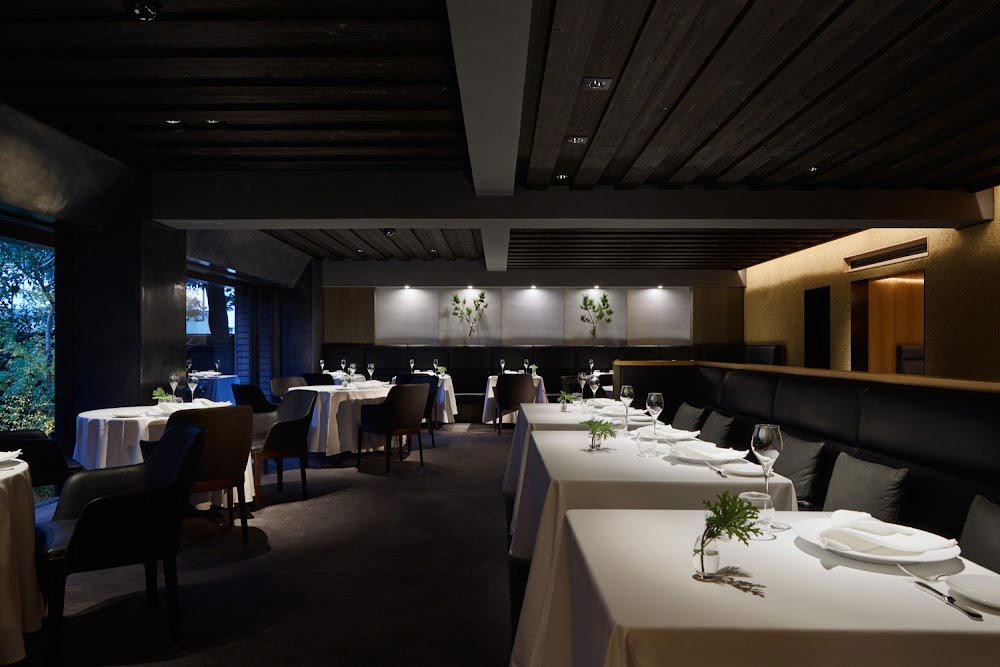
Serene and refined atmosphere reminiscent of a Kyoto tea room, blending traditional elegance with modern design.