
Teppanyaki Go puts Tokyo teppanyaki in its hotel-counter form: controlled, ingredient-led, and closer to a chef-facing tasting format than a steakhouse performance. Its 2025 Tabelog 100 selection for Steak / Teppanyaki EAST, 14-seat counter, sommelier service, and Marunouchi Palace Hotel setting place it in the city’s polished, high-spend teppanyaki tier.
Pearl is the En Primeur Club membership app — saves, bookings, and concierge access live there. Same editors, same standards.
- Address
- 東京都千代田区丸の内 1-1-1 パレスホテル東京 6F
- Phone
- +81332115322
- Website
- palacehoteltokyo.com
 Saves & bookings on Pearl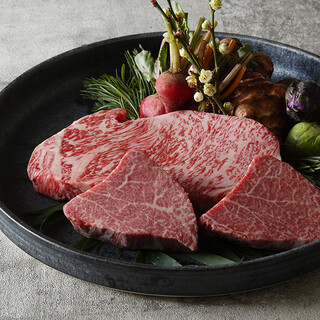
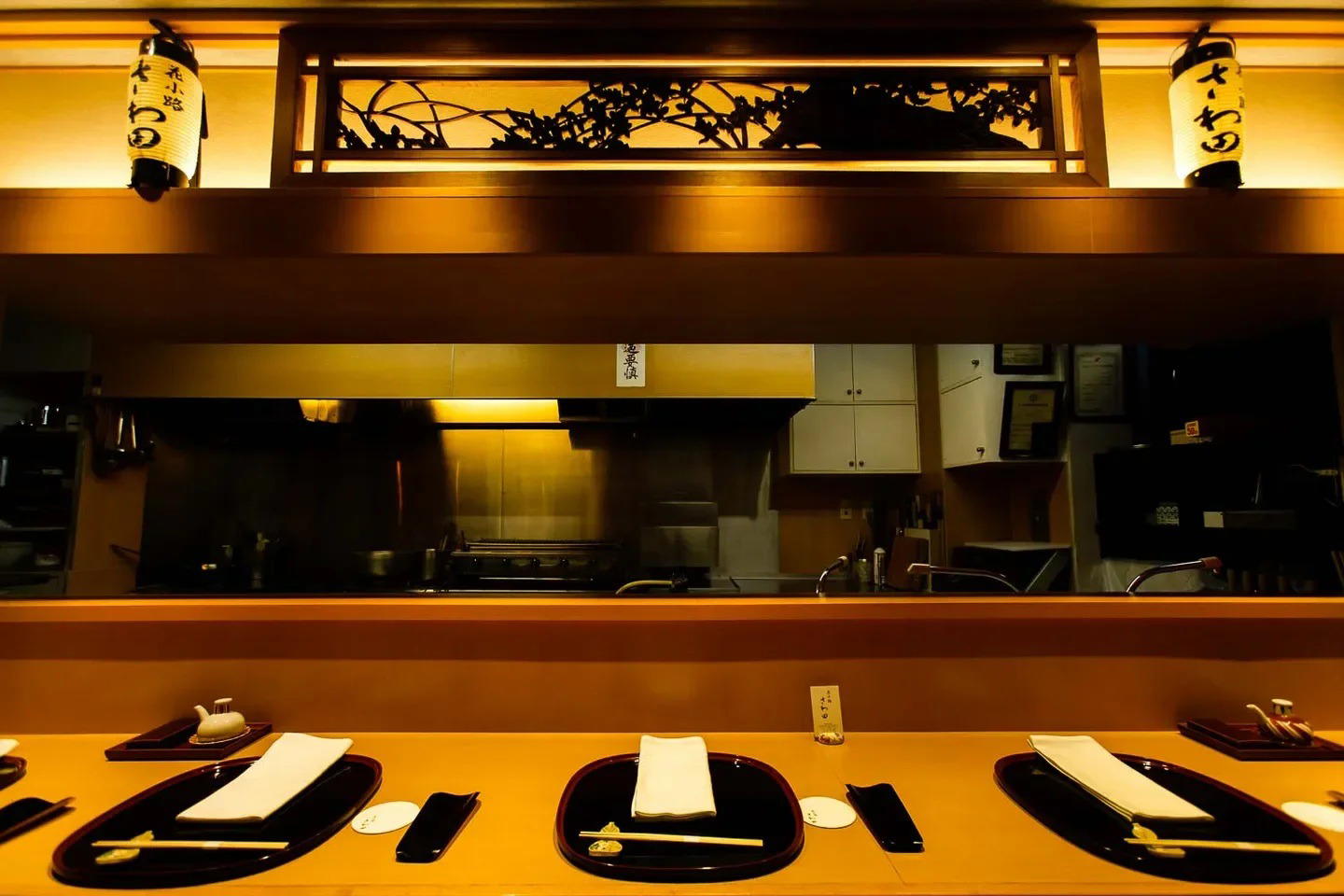
On the sixth floor of Palace Hotel Tokyo, teppanyaki becomes a study in proximity. Guests face the grill, cooks work in plain view, and the meal turns on timing, heat control, and sourcing before anything reaches the counter. In Marunouchi, where dining often serves business, ceremony, and hotel polish at once, the counter format matters. It gives premium beef, seafood, vegetables, sake, shochu, and wine a tighter frame than a conventional dining room.
Tokyo teppanyaki sits apart from yakiniku, sukiyaki, and Western steakhouse dining. The conversation is less about abundance than sequence: what gets grilled first, what needs only salt, what takes sauce, and how richer cuts are paced against seafood or vegetables. Teppanyaki Go belongs to the hotel-restaurant end of that spectrum, where service discipline and ingredient range carry as much weight as theatre. Its selection for Tabelog 100 Steak / Teppanyaki EAST 2025 is a useful signal because the category groups restaurants by a specific craft rather than general luxury.
Ingredient-led teppanyaki in Marunouchi's hotel dining tier
The stronger argument for this counter is sourcing breadth. The restaurant’s positioning points to carefully selected premium beef alongside mountain and ocean ingredients, with fish treated as an emphasis rather than a supporting act. That matters in Tokyo teppanyaki. Many counters lean heavily on beef; a broader ingredient program asks the grill to handle texture, fat, water content, and seasoning with more range.
Seasoning defines the style. The stated use of an original sauce and natural salt places the meal in the familiar Japanese tension between enhancement and restraint. Salt makes sourcing legible; sauce can clarify or blur. At this tier, the expectation is calibration rather than novelty: beef that can take heat, seafood that is not overworked, and vegetables treated as produce rather than garnish.
The counter-only room reinforces that logic. Fourteen seats is a small operating model for a hotel restaurant, and it changes dinner’s rhythm. A grill-facing seat makes technique observable without turning the meal into spectacle. It also narrows the margin for error: over-searing, under-resting, or mistimed plating becomes visible. For travellers comparing Tokyo formats, this sits closer to omakase in attention economy than to a large steak dining room.
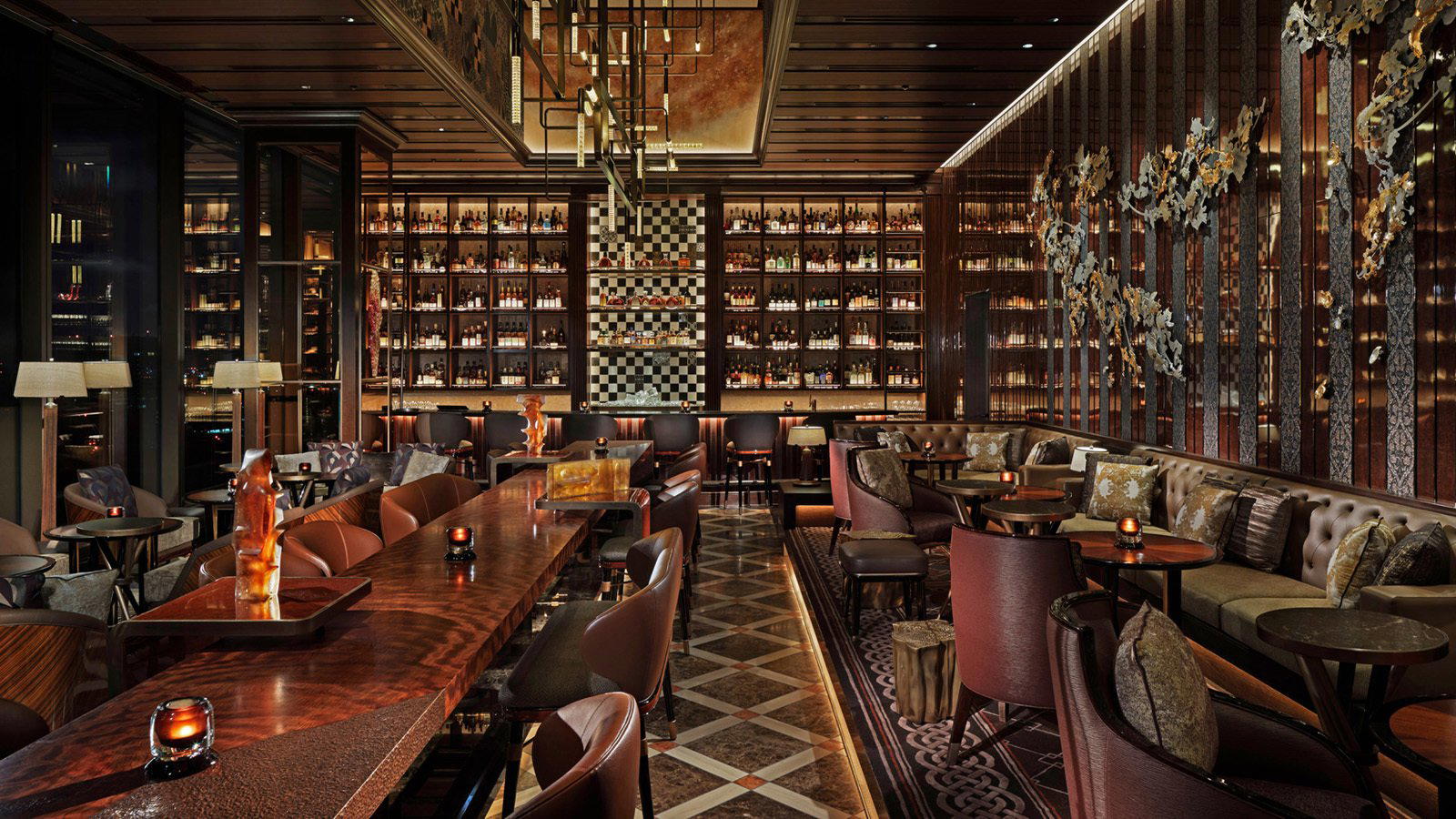
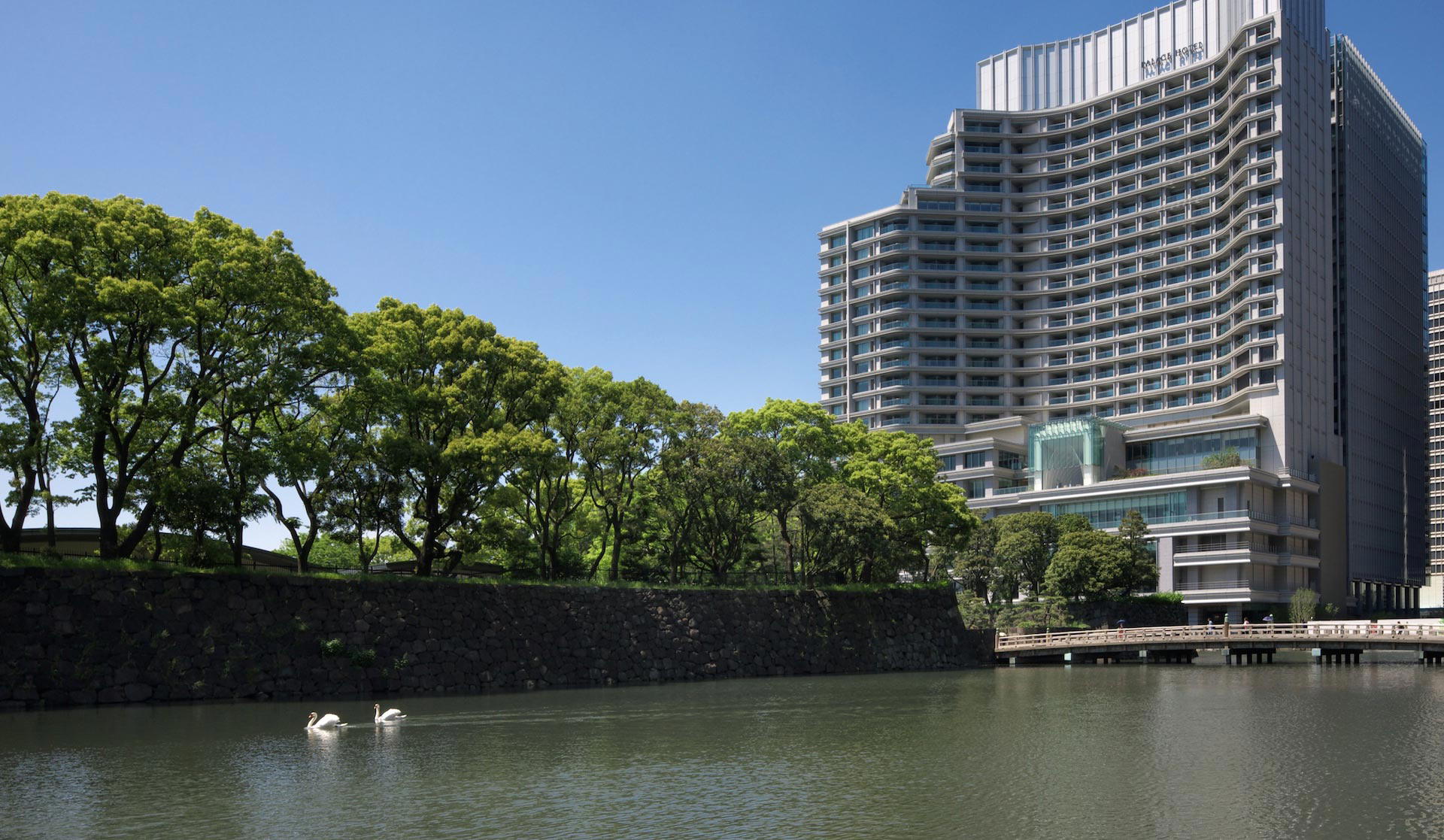
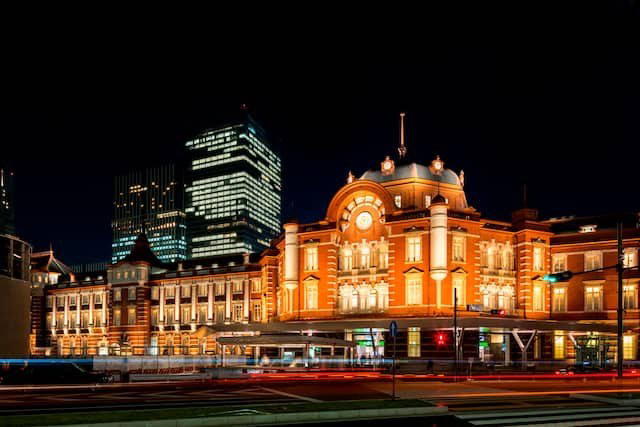
Palace Hotel Tokyo gives the experience context. Marunouchi is not back-alley Tokyo; it is corporate, central, and built around rail access, offices, imperial-era sightlines, and international hotels. Here, a teppanyaki counter must satisfy guests who want Japanese technique, a controlled room, and ingredients with enough status to justify the spend. Nearby hotel venues such as Grand Kitchen, Royal Bar, Chugoku Hanten Kohakukyu (Amber Palace), ESTERRE by Alain Ducasse, and Heinz Beck Tokyo reflect the same district pattern: Marunouchi concentrates polished dining formats that are easier to plan around than many neighbourhood counters.
How to read the counter: beef, fish, drink service, and pacing
Visitors often mistake teppanyaki for show-cooking. In Tokyo, the more serious counters prize control over flamboyance. Beef quality matters, but so does the sequence around it. Fish, shellfish, vegetables, rice, and condiments can separate a heavy meal from a measured one. Teppanyaki Go’s stated attention to fish is therefore not decorative; it signals a broader interpretation of the grill.
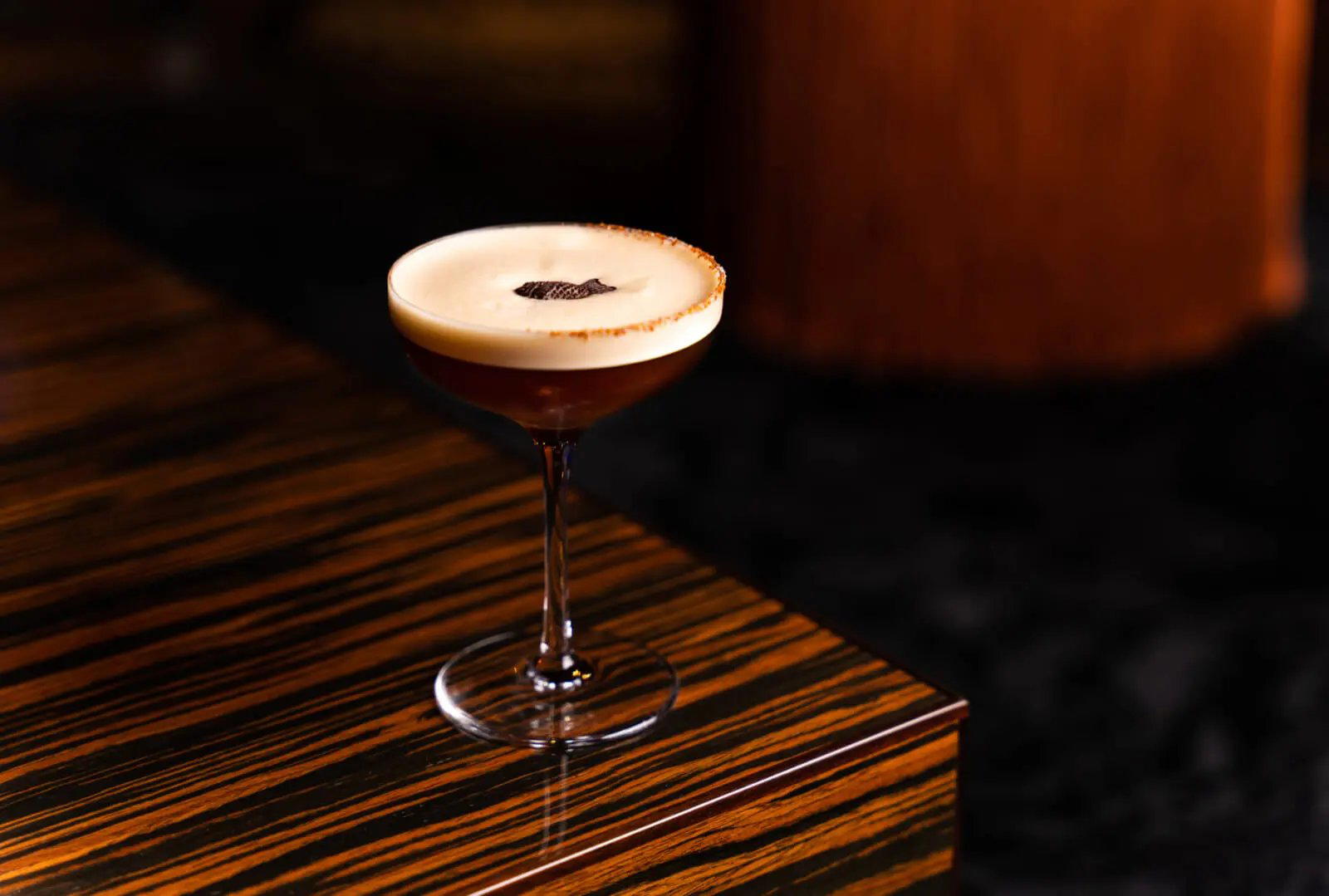
Drink service is another marker. Sake and shochu sit naturally with salt-led seafood and grilled vegetables, while wine gives richer beef courses a more international frame. A sommelier on the floor matters where guests move across textures and fat levels in one sitting. Pairings need not be elaborate; they need to keep pace with the grill.
For Tokyo regulars, the appeal is the controlled middle ground. Sushi counters can be stricter, kappo more conversational, and yakiniku gives the diner more agency. Teppanyaki at this level returns control to the kitchen while keeping cooking visible. That is the format’s quiet strength: a premium ingredient can be assessed in real time, but the diner is not asked to manage the fire.
The award signal should be read precisely. Tabelog’s Steak / Teppanyaki EAST 2025 selection places the restaurant among notable eastern Japan addresses in a defined category; it is not a Michelin claim and should not be treated as one. For Tokyo itineraries, that makes it a credible specialist choice rather than a general-purpose luxury meal.
Where it fits in a Tokyo itinerary
This is a strong fit for travellers who want a Japanese grill counter without leaving the central hotel zone. Marunouchi and Otemachi work well for arrival nights, business dinners, and meals built around Tokyo Station rather than late-night neighbourhood wandering. The counter-only format suits small parties better than groups seeking a private-room structure.
Tokyo rewards format literacy. A teppanyaki counter should not be judged by the same criteria as yakitori, curry, sushi, or a cocktail bar. For broader planning, Our full Tokyo restaurants guide maps the city’s dining range, while Our full Tokyo hotels guide, Our full Tokyo bars guide, Our full Tokyo wineries guide, and Our full Tokyo experiences guide help place a Marunouchi meal into a larger stay.
For contrast inside and beyond Tokyo, the city’s casual and specialist registers run from 鮪と炭火焼き うお炭 秋葉原店, 12/10 Shinjuku ten, 124. KAGURAZAKA (Yakitori), 2D Cafe, and 3 Chome no Curry Ya San to regional comparisons such as -Grilled beef Sukiyaki- KAMAKURA TANUKIAN 鎌倉 たぬき庵 in Kamakura.cafe in Osaka.know in Kumamoto, (Shoku) Vietnam in Kawasaki, [Curry Senmon Ten] Maruyama Kyoju. in Sapporo, and [ki:] in Kyoto. Japanese drinking culture abroad offers another lens through Jōdo Saké Bar in Los Angeles and Onigiri Time in Pasadena.
The editorial case is clear: choose this counter for controlled teppanyaki, central Tokyo convenience, and a sourcing-led meal that gives fish and beef equal seriousness. It is not for diners seeking a loose, late-night, neighbourhood atmosphere. It is for precision at the grill, hotel-level service, and a compact counter where ingredients remain the point.
At-a-Glance Comparison
Comparable venues by category and price.
| Venue | Cuisine | Price | Notes |
|---|---|---|---|
| Teppanyaki GoThis venue — the venue you are viewing | Luxury Teppanyaki in Palace Hotel Tokyo | $$$$ | Not listed |
| Motoyoshi (天ぷら 元吉) | Michelin-Starred Modern Tempura Omakase | $$$$ | Ebisu |
| Inoue (井上) | Modern Yakiniku | $$$$ | Ginza |
| Sushi Mitani (鮨 三谷) | Edomae-style Omakase | $$$$ | Yotsuya |
| 銀座 すきやばし次郎 本店 | Edomae Sushi Omakase | $$$$ | Chiyoda |
| Sushi TAKAYA | Edomae Sushi Omakase | $$$$ | Chūō |
Recognition history
Dated appearances from independent guides and award organizations, with the underlying list record or original source where available.
Tabelog 100 #67 · No. 67
Tabelog · Tabelog 100 - Steak / Teppanyaki - EAST - 2025







At a Glance
- Elegant
- Intimate
- Sophisticated
- Modern
- Business Dinner
- Special Occasion
- Celebration
- Date Night
- Chefs Counter
- Open Kitchen
- Hotel Restaurant
- Design Destination
- Extensive Wine List
- Sake Program
- Local Sourcing
- Sustainable Seafood
- Garden
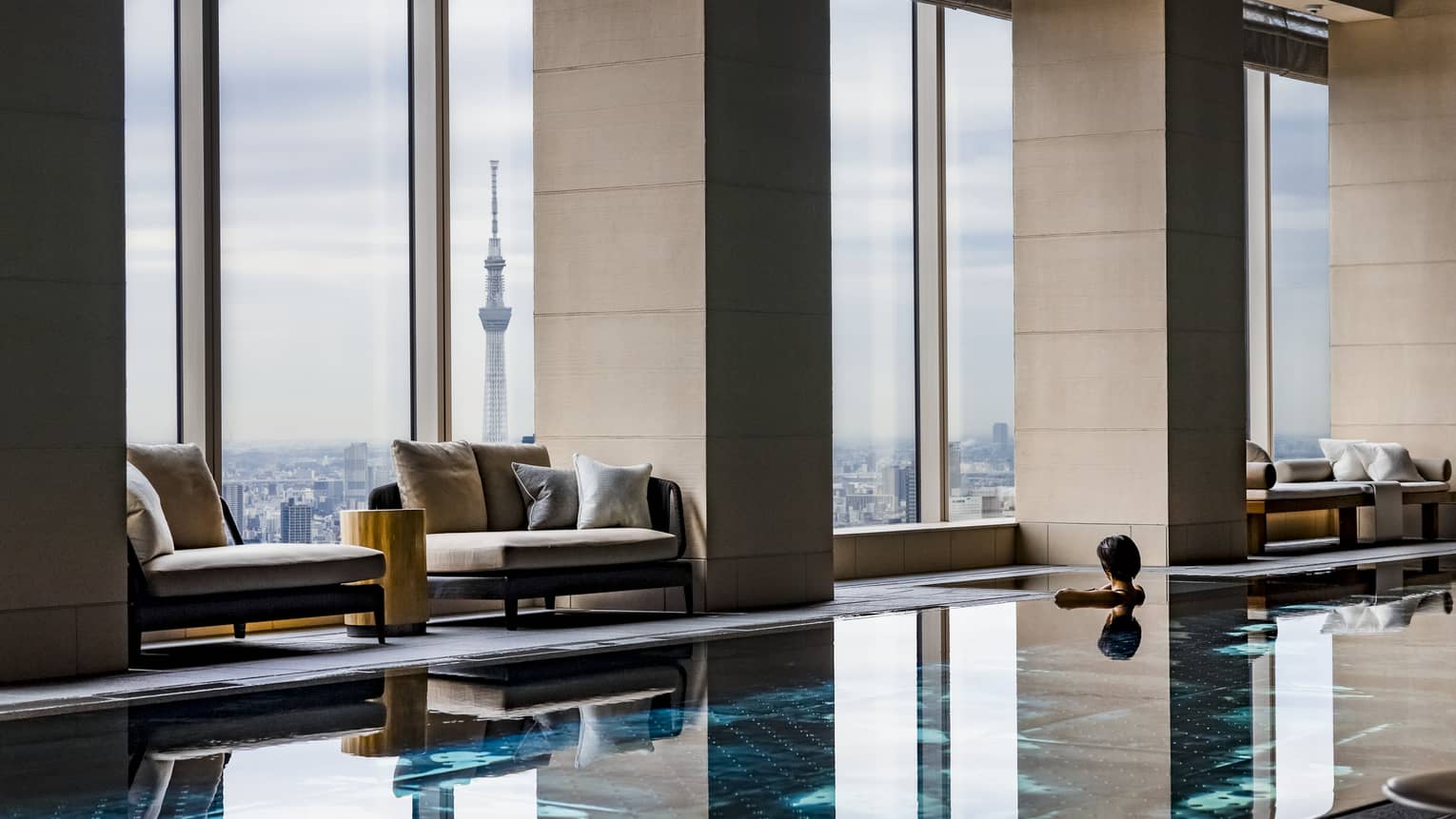
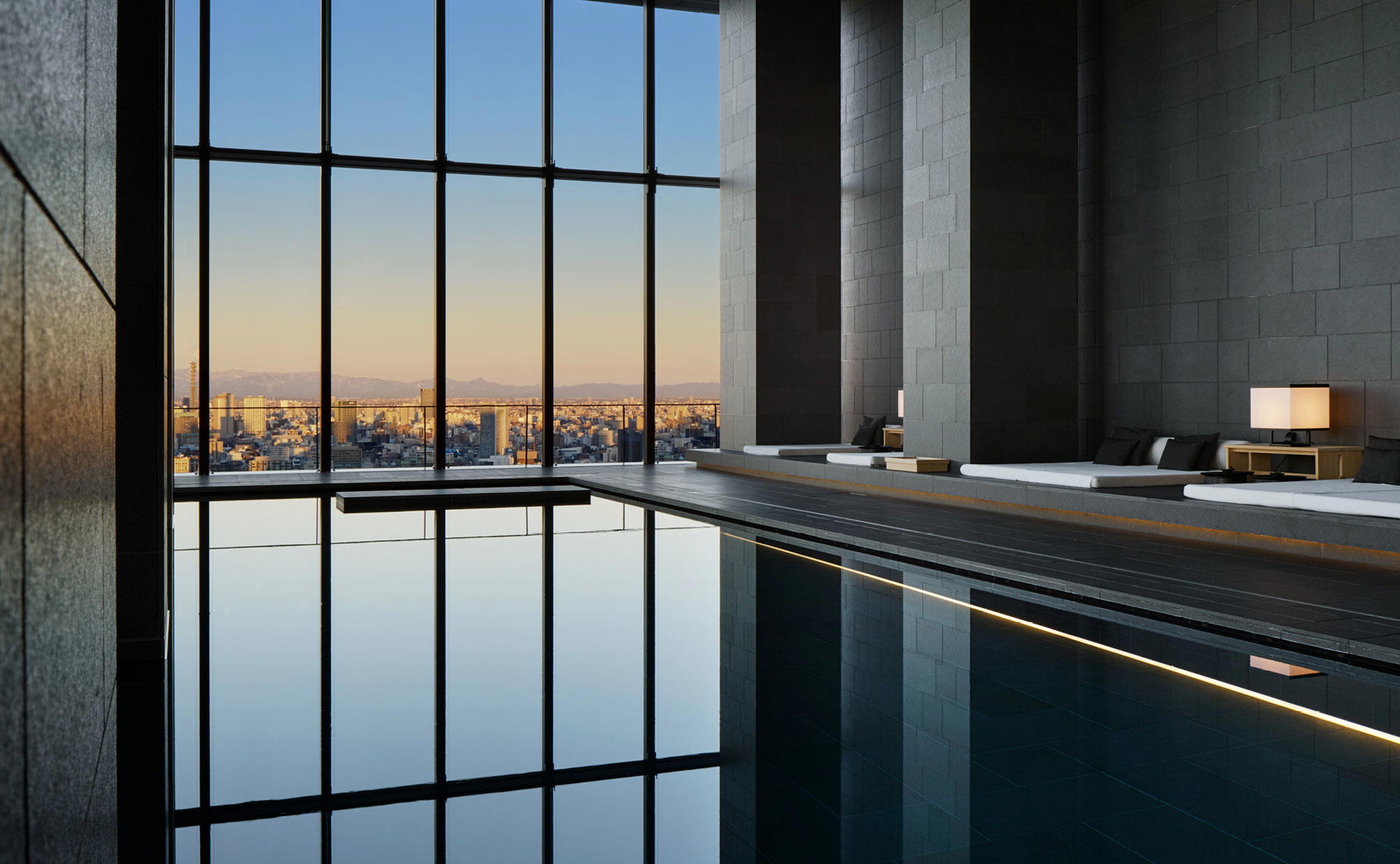
Refined, low-key luxury with a polished counter-only setup, attentive formal service, and a calm hotel atmosphere that feels suited to special occasions and business dining.