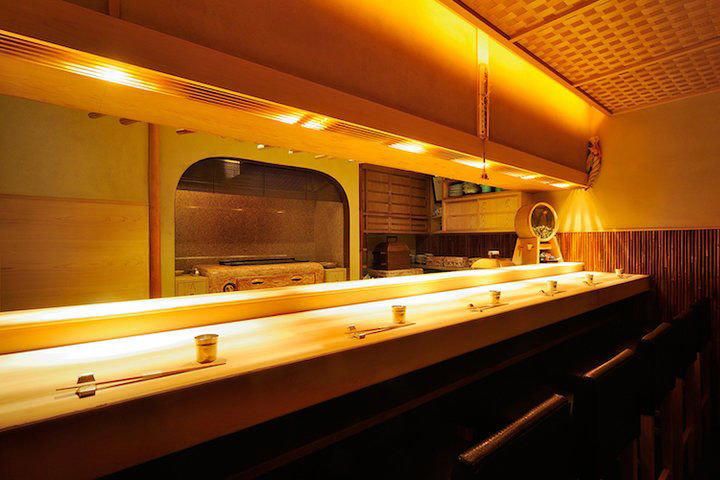
Suetomi is a referral-only kaiseki counter in Shibuya, Tokyo, holding Tabelog Silver Awards consecutively from 2023 through 2026 and a Tabelog score of 4.53. Dinner runs JPY 50,000–59,999 per person, with review-based averages suggesting spend closer to JPY 60,000–79,999. The kitchen operates with a particular focus on fish, and private rooms are available for exclusive use.

Tokyo Kaiseki at the Upper Tier: Where Suetomi Sits
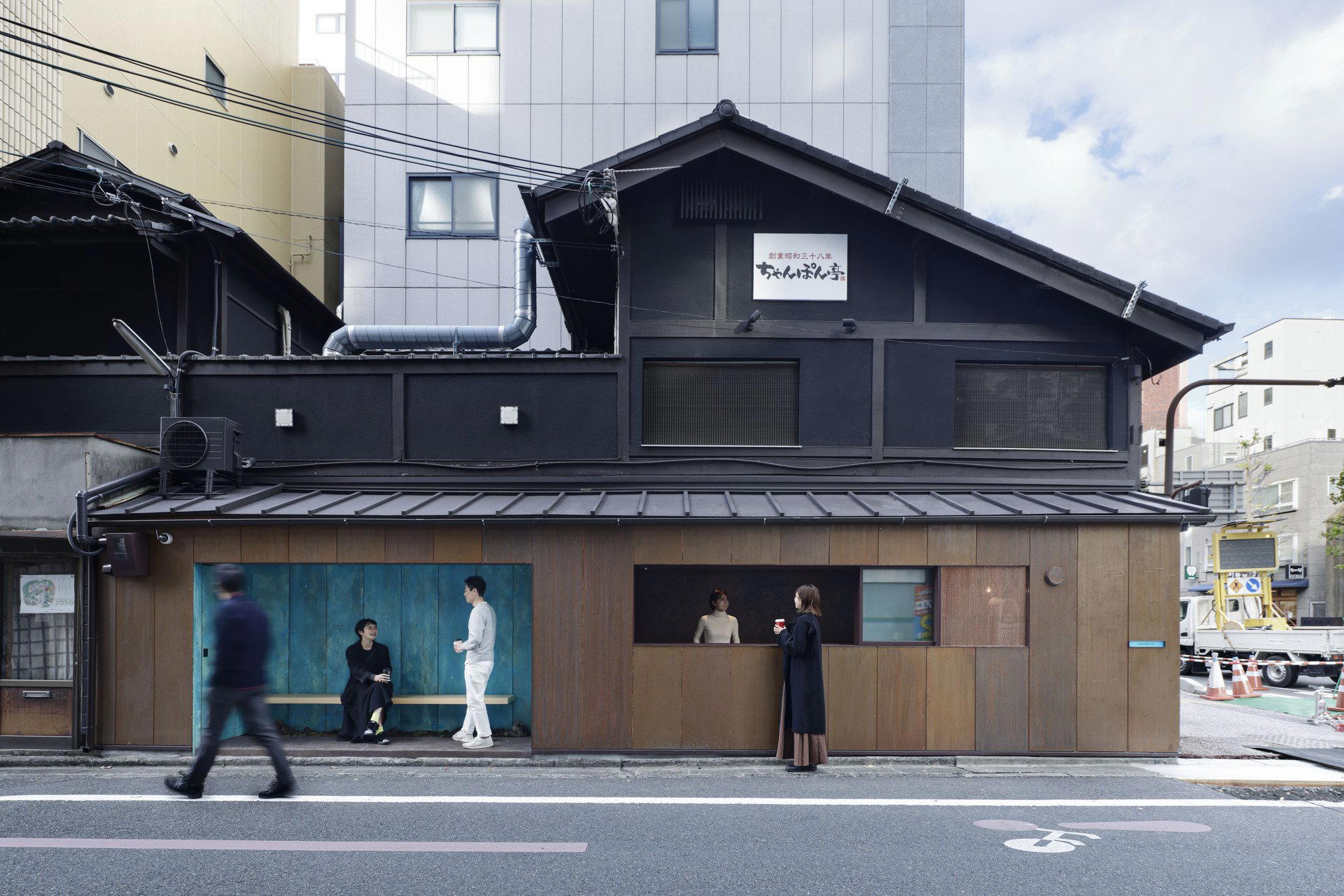
Tokyo's kaiseki scene occupies a narrower band than most visitors expect. Beneath the Michelin-starred rooms of Ginza and Roppongi — where Kikunoi Tokyo and Akasaka Ogino hold their respective positions — a smaller cohort of referral-only rooms operates almost entirely outside the public booking infrastructure. These are not restaurants you find through conventional reservation platforms. They run on introductions, sustained relationships, and the kind of accumulated trust that takes years to build. Suetomi, operating out of a second-floor space in the Aoyama-Shibuya axis, belongs firmly to that cohort.
The restaurant has held Tabelog Silver Awards in four consecutive years , 2023, 2024, 2025, and 2026 , and has been selected twice for the Tabelog Japanese Cuisine Tokyo "Top 100" list (2023 and 2025). Its current Tabelog score sits at 4.53. On the Opinionated About Dining ranking of Japan's leading restaurants, Suetomi reached #29 in 2024, pulling back to #53 in 2025 and #65 in 2023. That range across three years places it consistently within the top tier of Japanese cuisine in Tokyo, pricing and operating accordingly.
The shortlist, unlocked.
Hard-to-book tables, cellar releases, and concierge-planned trips.
Get Exclusive Access →Menu Architecture: Restraint as a Structural Principle
In kaiseki, the architecture of a meal communicates as much as any individual dish. The sequence , from sakizuke (opening bite) through wanmono (the soup course) to yakimono and rice , is not decorative; it is the argument the kitchen is making about ingredients, seasonality, and proportion. The strongest kaiseki rooms treat this structure as a discipline, not a template. Courses are sized to allow accumulation without fatigue. The pacing of textural contrast, temperature shifts, and flavour intensity across eight to twelve courses is where craft shows most clearly.
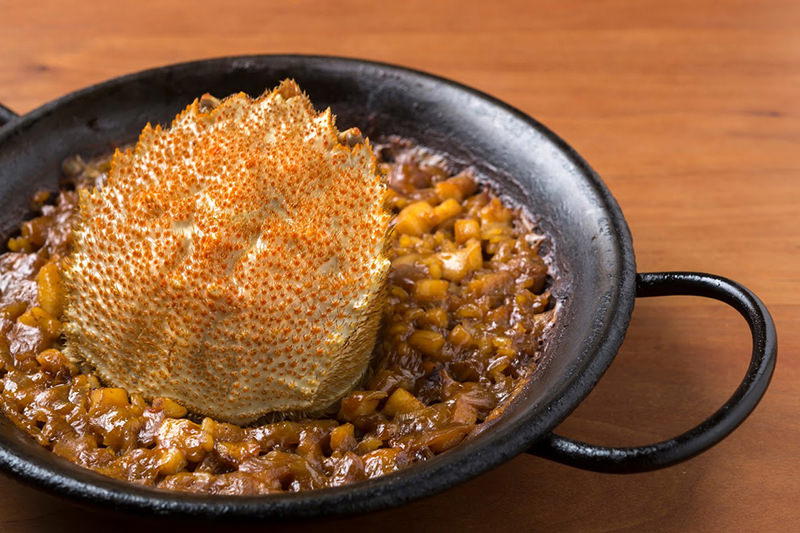
At Suetomi, the database record notes a particular emphasis on fish, which in kaiseki terms shapes the mid-sequence courses significantly. Japanese cuisine at this price point draws heavily on the discipline of sourcing, and a kitchen identified as particular about its fish is signalling where its attention sits: in the quality and provenance of the raw material, not in technical elaboration for its own sake. This is consistent with a kaiseki philosophy that prizes clarity of ingredient over complexity of preparation. The same sourcing rigour is reflected in the drink program, which the venue describes as particularly focused on sake (nihonshu) and wine , a pairing that places it closer to the more cosmopolitan end of traditional Japanese fine dining, where sake selection is treated with the same analytical seriousness as a European wine list.
Comparisons with peers are instructive here. RyuGin, also operating at ¥¥¥¥ in Tokyo, approaches kaiseki through a lens of technical innovation and theatrical presentation. Suetomi's profile suggests a different register: less spectacle, more concentration on ingredient integrity. Both approaches are legitimate within the form, but they serve different expectations at the table. Diners who arrive at Suetomi expecting the kind of visual elaboration associated with contemporary kaiseki innovation may find the room more austere , and more demanding of attention , than they anticipated.
The Referral Structure and What It Means in Practice
The by-referral-only reservation model is not unusual at the upper end of Tokyo dining, but it does create a meaningful filtering effect on who actually sits at the table. Rooms operating this way tend to maintain a more consistent clientele, which in turn allows the kitchen to assume a higher baseline of familiarity with the kaiseki format. There is no need to narrate the obvious. Courses arrive and are understood. This has a direct effect on pacing and on the density of what the kitchen chooses to do, because the room is not calibrated to the uninitiated.
For a visitor without existing connections to the Tokyo fine dining network, entry to Suetomi typically requires an introduction through a hotel concierge with established relationships, or through a local contact already known to the restaurant. Luxury hotel concierge teams in Tokyo , particularly those at properties with long-standing relationships with the city's kaiseki community , are the most reliable route for first-time access. This is not a procedural obstacle; it is part of how the room maintains the conditions it operates leading under. See our full Tokyo hotels guide for properties with strong local restaurant networks.
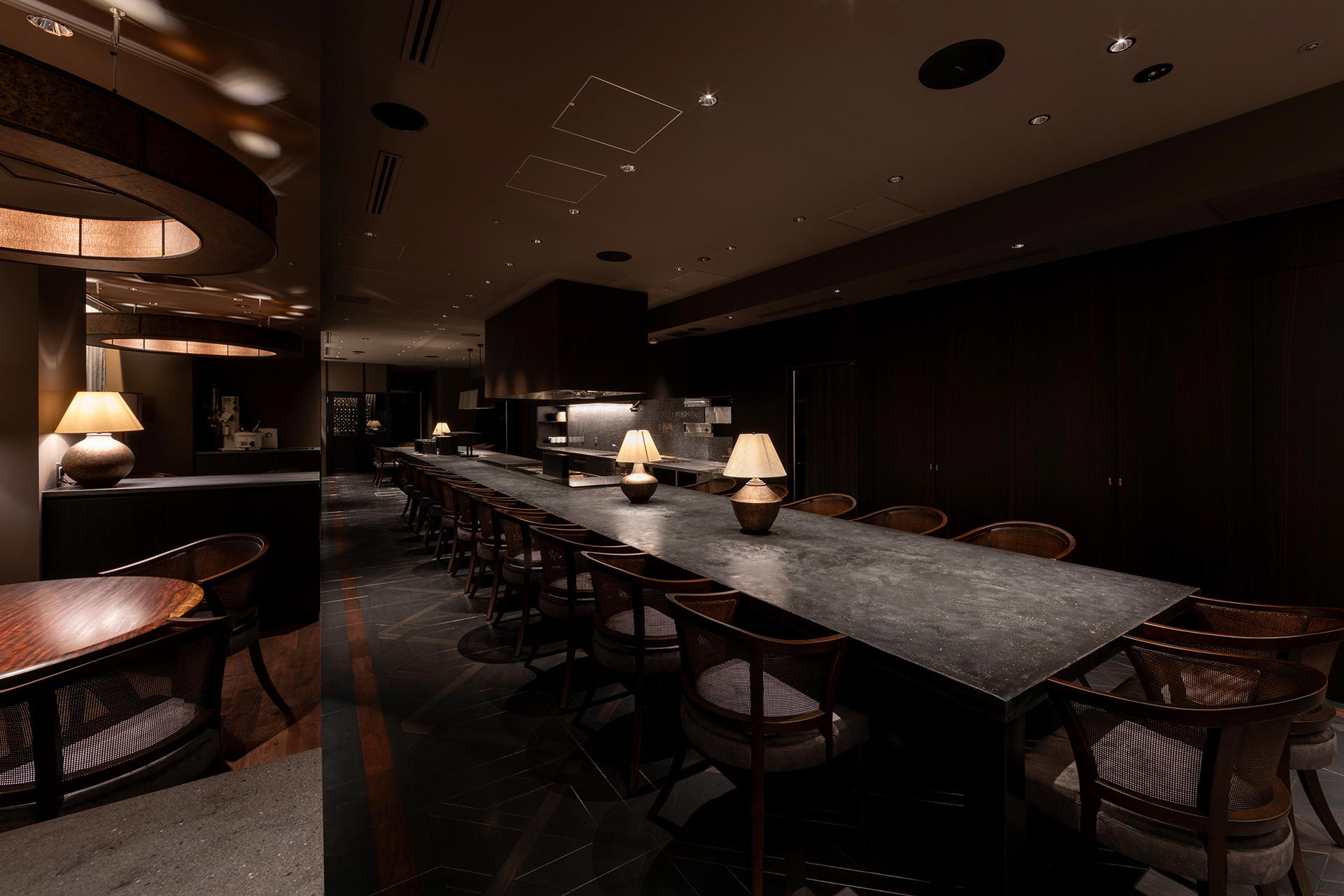
Dinner hours run Monday through Saturday, 18:00 to 23:00, with food last orders at 21:00 and drinks at 22:30. The restaurant is closed Sundays and public holidays. Private rooms are available and can be booked for exclusive use , a relevant consideration for small groups or business entertaining, where the format of a kaiseki progression suits extended conversation without the rhythmic disruption of à la carte ordering.
Price, Positioning, and the Peer Set
The stated dinner price range is JPY 50,000–59,999 per person, with review-based averages suggesting actual spend closer to JPY 60,000–79,999 once drinks are included. In Tokyo's kaiseki market, this positions Suetomi clearly in the upper segment, alongside rooms like Hirosaku and above the mid-tier kaiseki counters that operate in the JPY 20,000–35,000 range. It is not the most expensive Japanese cuisine available in Tokyo , there are omakase and kaiseki rooms that exceed JPY 100,000 , but it operates in a bracket where the price is a function of sourcing cost and room capacity rather than brand premium.
The same price tier in the kaiseki format also exists across Japan. Visitors planning a longer itinerary that includes Kyoto or Osaka may find useful comparison points in Ifuki and Ankyu in Kyoto, or Gion Sasaki for a kaiseki room operating at comparable distinction. For those extending beyond the Kansai corridor, HAJIME in Osaka represents the innovation-led pole of Japanese fine dining, while Goh in Fukuoka offers a regional perspective on contemporary Japanese cuisine.
Within Tokyo itself, the kaiseki category sits alongside other Japanese fine dining formats. Aoyama Jin and Ajihiro represent adjacent positions in the Japanese cuisine tier, and understanding where they each sit helps contextualise the specific proposition at Suetomi. The broader Tokyo dining picture , across restaurants, bars, and experiences , is covered in our full Tokyo restaurants guide, alongside our full Tokyo bars guide and our full Tokyo experiences guide.
Chef Yasuo Suetomi leads the kitchen. The restaurant's Tabelog listing notes it was revived after a three-year hiatus , a detail that adds context to its current trajectory. A room that closed and reopened to accumulate four consecutive Tabelog Silver Awards is not coasting on prior reputation; it is actively performing at a level the platform's review corpus consistently validates.
Planning Your Visit
Reservations: By referral only; no public booking platform available. Contact through a Tokyo hotel concierge with established restaurant relationships or through a local introduction. Hours: Monday–Saturday, 18:00–23:00 (food L.O. 21:00, drinks L.O. 22:30); closed Sundays and public holidays. Budget: JPY 50,000–59,999 per person for dinner (listed); review-based averages suggest JPY 60,000–79,999 inclusive of drinks. Payment: Credit cards accepted (Visa, JCB, Amex); electronic money and QR code payments not accepted. Private rooms: Available; venue also available for private exclusive use. Parking: Not available; the Shibuya area is well-served by Tokyo metro connections. Smoking: Non-smoking throughout.
The shortlist, unlocked.
Hard-to-book tables, cellar releases, and concierge-planned trips.
Get Exclusive Access →Frequently Asked Questions
Budget and Context
A quick look at comparable venues, using the data we have on file.
| Venue | Price | Awards | Notes |
|---|---|---|---|
| Suetomi | {"Year":"2026","Award Source":"Tabelog",… | This venue | |
| Harutaka | ¥¥¥¥ | Michelin 3 Star | Sushi, ¥¥¥¥ |
| RyuGin | ¥¥¥¥ | Michelin 3 Star | Kaiseki, Japanese, ¥¥¥¥ |
| L'Effervescence | ¥¥¥¥ | Michelin 3 Star | French, ¥¥¥¥ |
| HOMMAGE | ¥¥¥¥ | Michelin 2 Star | Innovtive French, French, ¥¥¥¥ |
| MAZ | ¥¥¥¥ | Michelin 2 Star | Innovative, ¥¥¥¥ |
Need a table?
Our members enjoy priority alerts and concierge-led booking support for the world's most difficult tables.
Get Exclusive AccessThe shortlist, unlocked.
Hard-to-book tables, cellar releases, and concierge-planned trips.
Get Exclusive Access →