
1 Michelin Star
Our verdict
In Toranomon's quietly serious dining corridor, Sorahana operates at the intersection of seasonal Japanese cooking and counter-side intimacy. Chef Kanako Wakimoto builds her menu around produce at peak ripeness, moving across meat, rice, and sweets rather than committing to a single format. The result sits at the ¥¥¥ tier: accessible relative to Tokyo's heavier omakase counters, but no less focused in execution.

Pearl is the En Primeur Club membership app, where members save venues, book tables and use the concierge.
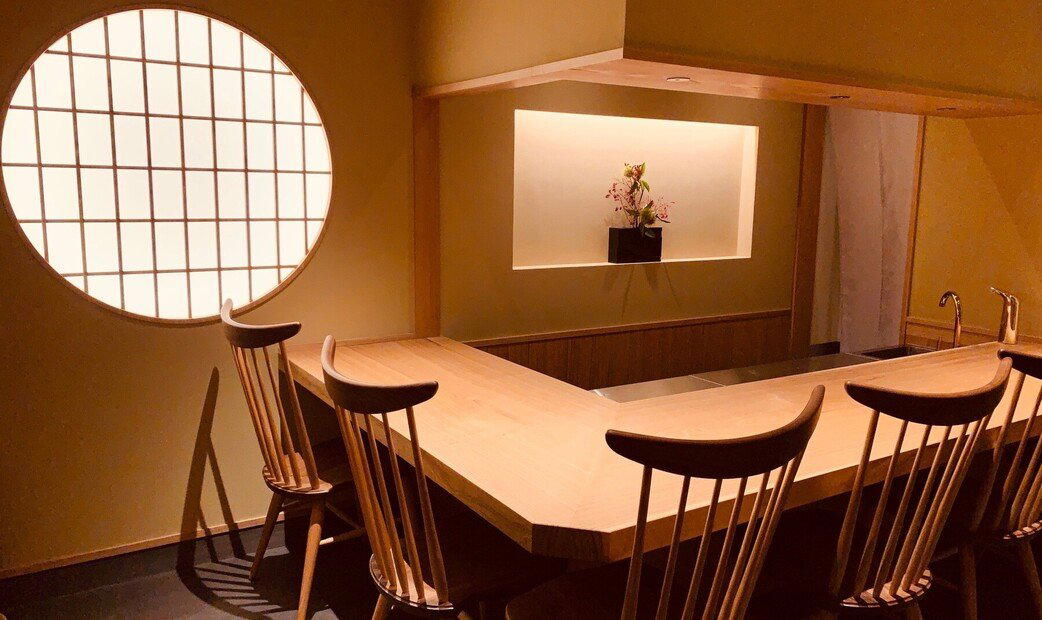
Toranomon's Counter Cooking Tradition
Tokyo's business districts have long supported a category of restaurant that operates below the visible tier of Michelin-starred omakase counters but well above the casual izakaya register. Toranomon, a ward defined by corporate towers and the slow creep of redevelopment from Roppongi to Shinbashi, has accumulated exactly this kind of serious mid-tier dining. These are kitchens built for regulars: executives, local residents, and the kind of international traveller who has grown tired of the curated omakase circuit. Sorahana, on a ground-floor address in the Kamiya Place building on Toranomon 5-chome, sits squarely in that tradition.
The ¥¥¥ positioning is deliberate and instructive. Tokyo's premium Japanese dining tier has bifurcated sharply over the past decade. At the upper end, counters affiliated with Michelin-starred lineages, the sushi houses, the kaiseki rooms, the tasting-menu hybrids, command ¥¥¥¥ pricing and multi-month lead times. Venues like Harutaka and RyuGin occupy that upper bracket, competing on credential density and international recognition.
The Logic of Live Preparation
The teppanyaki and counter-cooking tradition in Japan carries a specific theatrical contract. The guest sits close to the heat source; the chef's decisions become visible in real time. Unlike the plated tasting menu format, where the kitchen operates as a black box and dishes arrive as finished statements, counter-side cooking invites the diner into the sequence. The timing of a protein hitting a hot surface, the resting period, the order in which components come together, all of this becomes legible. It demands a different kind of attention from both cook and guest.
This format suits Wakimoto's stated approach well. Her philosophy, as documented in the venue's own framing, centres on seasonal produce at peak ripeness, cooked with the intention of delivering honest flavour rather than technical spectacle. The range she works across, meat dishes, rice preparations, and sweets, maps cleanly onto the counter format, where sequencing and temperature management across a broad menu are the primary craft challenges. The name Sorahana, meaning 'Sky Flower', signals an orientation toward the natural and the seasonal rather than the urban and the technical.
It is worth comparing this register against the French-influenced counter formats that have proliferated across Tokyo. Restaurants like L'Effervescence, Sézanne, and the more iconoclastic Crony apply European technique to seasonal Japanese ingredients, producing menus that require fluency in both traditions to fully read. Sorahana works in the opposite direction: rooted in Japanese cooking logic, using the counter as a space for directness rather than interpretation. The comparison clarifies the niche rather than collapsing it.
Seasonality as the Menu's Architecture
Japanese cuisine at this level treats the calendar as the primary creative constraint. The chef does not impose a fixed menu on the season; the season imposes its logic on the menu. Produce picked at peak ripeness carries different nutritional density, different cellular structure, and different cook times than produce harvested early for distribution. Working with this constraint at a counter means the menu is in constant low-level revision, a dish that worked in late autumn will not appear unchanged in early spring.
This is not a philosophy unique to Sorahana. It defines the operating logic of high-attention Japanese cooking from the kaiseki tradition down through the neighbourhood counter. What distinguishes individual venues within this shared framework is the cook's specific range and preference. Wakimoto's range across meat, rice, and sweets is notably broad for a single-chef counter format. Most teppanyaki or counter operations specialize more narrowly. The breadth here suggests a kitchen oriented toward the full arc of a meal rather than a showcase of a particular technique.
For international travellers building a Japan itinerary that extends beyond Tokyo, the seasonal logic at work in Toranomon has direct counterparts elsewhere. Gion Sasaki in Kyoto operates within the same seasonal discipline at a kaiseki level. HAJIME in Osaka applies it through a modernist lens. Closer in format and register, akordu in Nara explores a related attention to local produce in a smaller-city context. These comparisons are useful not to rank venues against each other but to show how a single animating principle, respect for seasonal timing, produces radically different dining experiences depending on format, geography, and the individual cook's range.
Where Sorahana Sits in Tokyo's Wider Scene
Tokyo rewards the traveller who spends time away from the most-cited addresses. The restaurant guide infrastructure, Michelin, Tabelog, and the international press cycle, concentrates attention on a relatively small set of counters in Ginza, Minami-Aoyama, and Azabu-Juban. Toranomon operates at a slight remove from that circuit. The ward's dining culture is shaped more by the demands of its working population than by the expectations of international food tourism, which tends to produce a different kind of kitchen: less performative, more regular-facing, often more consistent across service.
At the ¥¥¥ tier, Sorahana is positioned alongside a range of Tokyo restaurants that prioritize craft over credential display. This is a meaningful distinction. The ¥¥¥¥ tier demands that every element of the experience, room design, service choreography, wine or sake program, and the meal itself, function as a unified signal of premium positioning. At ¥¥¥, the kitchen can afford to let the cooking carry more of the weight. That is a different kind of pressure, and in the right hands, it produces the kind of directness that the heavier-format experiences sometimes trade away.
Travellers covering more ground across Japan's restaurant culture will find useful comparisons at Goh in Fukuoka, where a different regional ingredient logic applies, and at 1000 in Yokohama, operating within similar proximity to Tokyo's gravitational pull. For something more removed from the main island's culinary conventions, 6 in Okinawa applies counter-format discipline to a wholly different ingredient vocabulary.
For the full range of Tokyo dining, drinking, and hospitality options, EP Club maintains comprehensive guides: Tokyo restaurants, Tokyo hotels, Tokyo bars, Tokyo wineries, and Tokyo experiences. For international reference points in counter-format serious cooking, Le Bernardin in New York City and Atomix in New York City represent comparable levels of single-chef attentiveness operating through different culinary traditions.
Planning Your Visit
Sorahana is located at 5 Chome-3-3 Toranomon, Minato City, Tokyo, on the ground floor of the Kamiya Place building. The venue operates at the ¥¥¥ price tier. Given the counter format and the chef-driven seasonal menu structure, advance booking is advisable, particularly for evening sittings. The Toranomon area is well-served by the Tokyo Metro Ginza Line (Toranomon Station) and the newer Toranomon Hills Station on the Hibiya Line.
At a glance: Counter Japanese, ¥¥¥ tier, seasonal menu, Toranomon 5-chome, Minato City, Tokyo.
What Dish Is Sorahana Famous For?
Sorahana is not built around a single signature dish in the way that a sushi counter anchors itself to a celebrated tuna cut or a kaiseki room stakes its reputation on a particular dashi. The kitchen's identity, as Kanako Wakimoto has framed it, is organized around a seasonal breadth rather than a narrow showcase. The range across meat dishes, rice preparations, and sweets reflects an approach where the most celebrated element shifts with the calendar, whatever ingredient is at peak ripeness in a given season becomes, in practical terms, the dish worth ordering. This makes Sorahana harder to summarize in a single dish but more responsive to the moment of a particular visit.
Frequently asked questions
What distinctions does Sorahana have?
Sorahana has received recognition including: What Kanako Wakimoto aims to deliver is simple, honest deliciousness. Ingredients in season are picked when they are ripe, reaping maximum nutrition in each season. The chef’s sweeping selection of meat dishes, rice dishes and sweets stems ….
What dish is Sorahana famous for?
Sorahana is not anchored to a single signature dish. Chef Kanako Wakimoto builds the menu across three categories, meat dishes, rice dishes, and sweets, with seasonal ingredients determining what appears on any given evening. The guiding principle is produce sourced at peak ripeness, which shifts the menu's centre of gravity with each season rather than locking it to a fixed specialty.
City Peers
| Venue | Cuisine | Price | Awards | Notes |
|---|---|---|---|---|
| SorahanaThis venue (the venue you are viewing) | Kaiseki | $200–300 | 1 Michelin Star | Not listed |
| Harutaka | Edo-Style Omakase Sushi | $200–300 | 3 Michelin Stars · World's 50 Best #76 | Sushi |
| RyuGin | Modern Kaiseki | $500+ | 3 Michelin Stars · World's 50 Best #41 | Kaiseki, Japanese |
| L'Effervescence | Modern French with Japanese Influences | $200–300 | 3 Michelin Stars · World's 50 Best #69 | French |
| HOMMAGE | Modern French with Japanese Influences | $150–200 | 2 Michelin Stars · World's 50 Best #78 | Innovtive French, French |
| MAZ | Innovative Peruvian-Japanese Fusion | $150–200 | 2 Michelin Stars · World's 50 Best #28 | Innovative |
Recognition history
Dated appearances from independent guides and award organizations, with the underlying list record or original source where available.
Michelin 1 Star
Michelin
Continue exploring
More in Tokyo
Restaurants in Tokyo
All restaurants in Tokyo →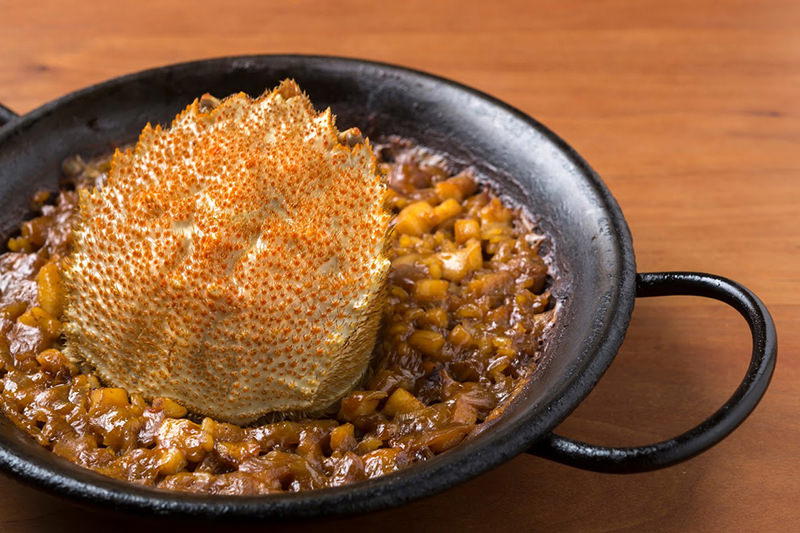
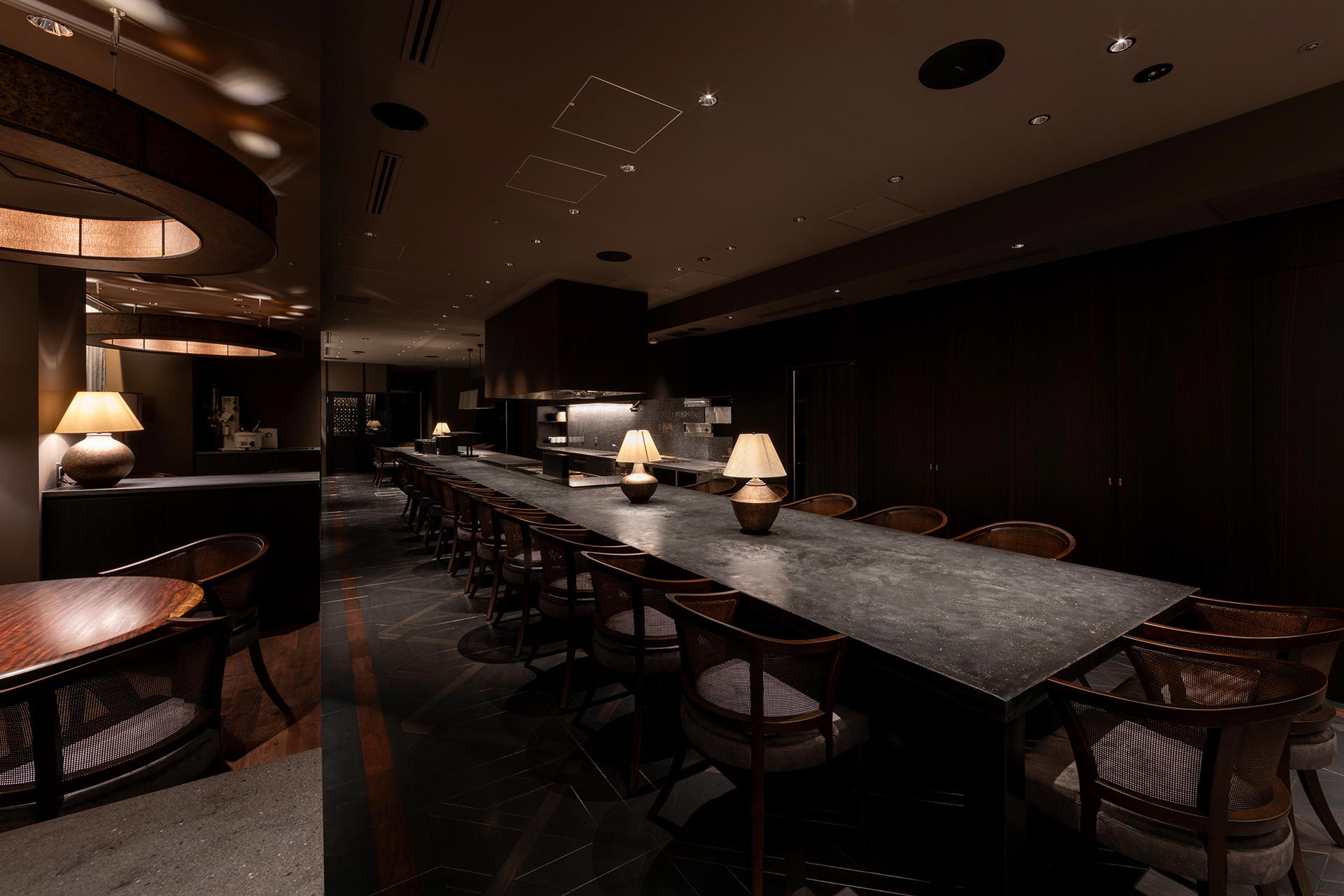
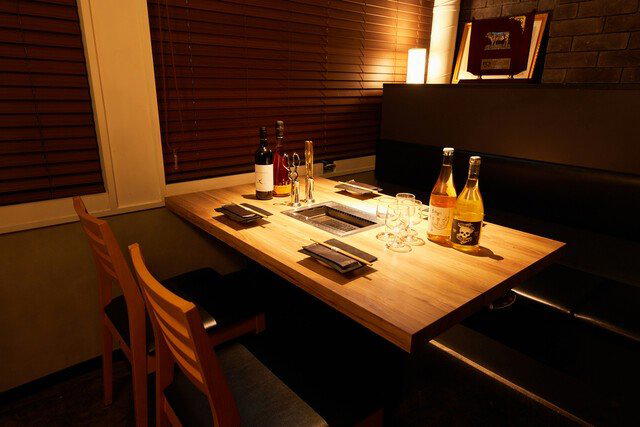
Bars in Tokyo
All bars in Tokyo →


Details
- Elegant
- Intimate
- Cozy
- Sophisticated
- Special Occasion
- Date Night
- Business Dinner
- Chefs Counter
- Sake Program
- Local Sourcing
- Tasting Menu
Current opening hours
- Monday
- 12–3 PM, 5:30–10 PM
- Tuesday
- 12–3 PM, 5:30–10 PM
- Wednesday
- 12–3 PM, 5:30–10 PM
- Thursday
- 12–3 PM, 5:30–10 PM
- Friday
- 12–3 PM, 5:30–10 PM
- Saturday
- 12–3 PM, 5:30–10 PM
- Sunday
- Closed
Hours can change for holidays and private events. Hours as of .
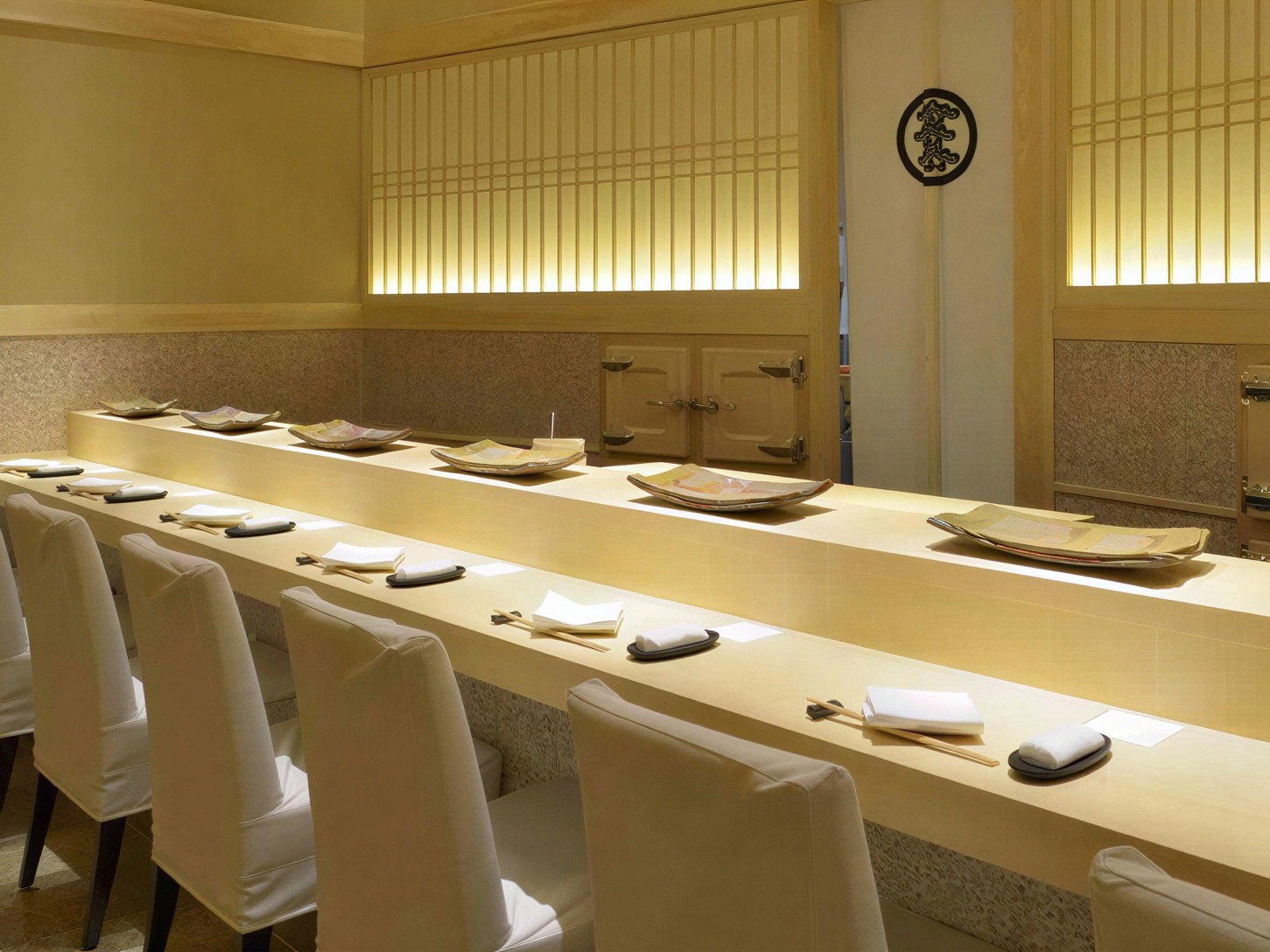
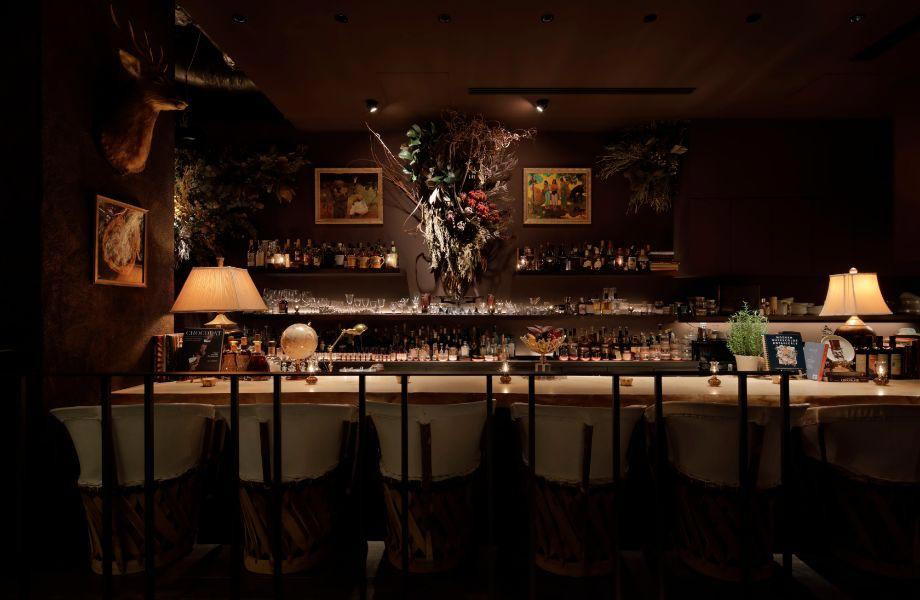
Warm wooden atmosphere with a small cozy counter and tranquil private setting.