

1 Michelin Star
Our verdict
Ichirin holds a Michelin star (2024) and an Opinionated About Dining ranking of #570 in Japan, operating from the third floor of a low-profile building in Kagurazaka, one of Tokyo's most architecturally layered neighbourhoods.

Pearl is the En Primeur Club membership app, where members save venues, book tables and use the concierge.
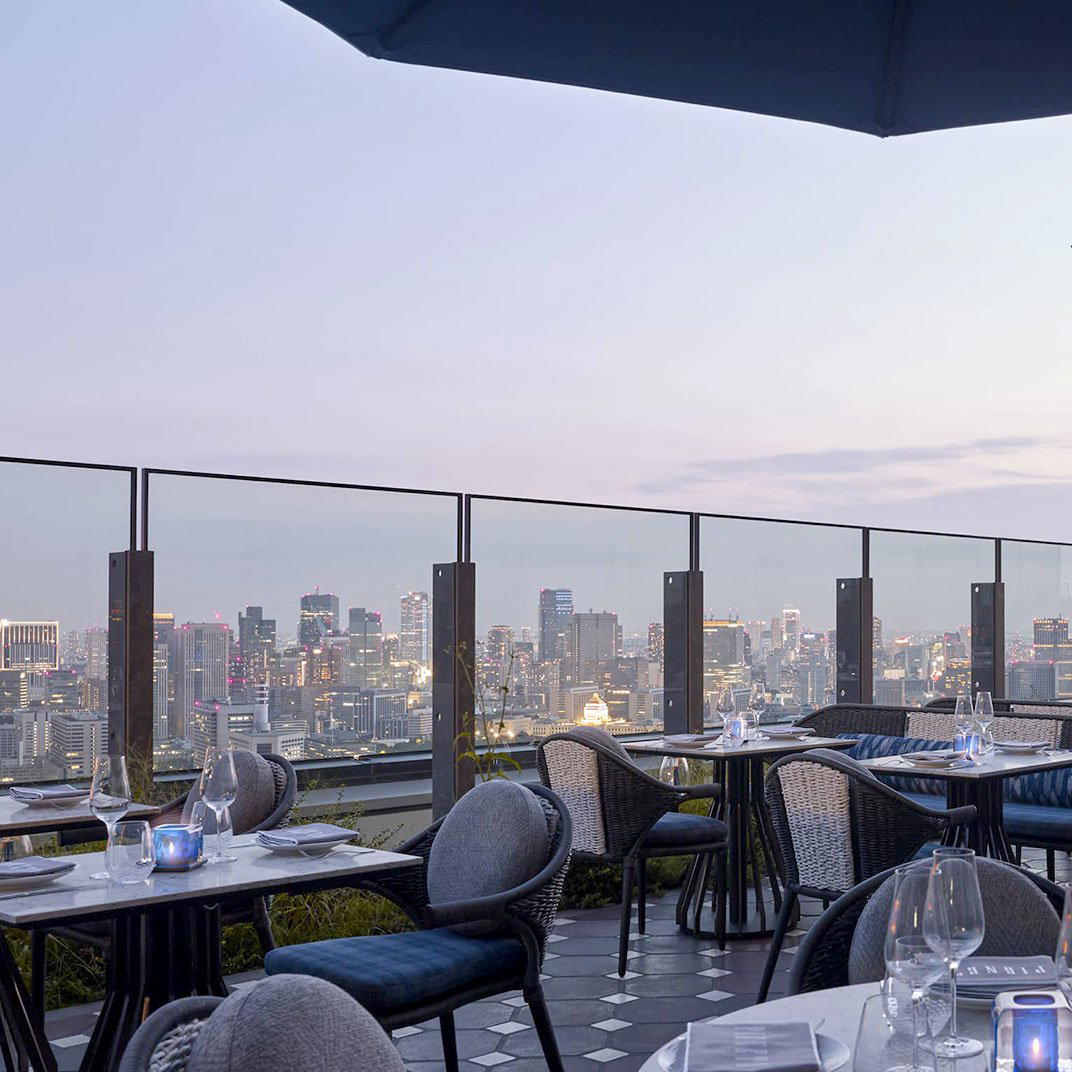
Third Floor, Kagurazaka: The Physical Logic of Ichirin
Tokyo's most quietly serious restaurants tend to occupy spaces that require a degree of intention to reach. A staircase climbed rather than a ground-floor entrance walked through; a building address that rewards the guest who looked it up in advance rather than stumbled in. Ichirin occupies the third floor of Clère Kagurazaka 14, a residential-scale building on Fukuromachi in Shinjuku City, and that vertical remove is not incidental. It is structural to the experience. You arrive at the neighbourhood first, then the building, then the floor, each transition narrowing the frame until you are somewhere that feels genuinely apart from street-level Tokyo.
Kagurazaka itself sets conditions that few other Tokyo neighbourhoods replicate. The area retains a geisha-district bone structure beneath its contemporary surface: cobblestone alleys, traditional townhouses converted to restaurants, and a density of serious Japanese dining that makes it one of the city's most coherent culinary zones. Kagurazaka Ishikawa, three Michelin stars and one of the neighbourhood's anchoring addresses, occupies the same postcode. That proximity shapes the competitive conversation: a single Michelin star at the ¥¥¥ tier in Kagurazaka is read against a neighbourhood standard that runs high.
The Space as Editorial Statement
In contemporary Japanese dining, the physical container carries argumentative weight. The kaiseki and kappo traditions both evolved around the idea that architecture, materials, and scale are not decoration but grammar, they determine what kind of meal is possible. A small room with a counter and visible kitchen asks for one kind of attention. A larger, more segmented space asks for another. Ichirin's third-floor placement, above street noise and removed from foot traffic, aligns it with the counter-culture end of that spectrum: restaurants that treat the room as a deliberate filter, admitting only guests who have already committed.
Tokyo's Michelin-starred Japanese dining at the ¥¥¥ tier spans a wide stylistic range, from technically demanding kaiseki to more intimate kappo formats where the kitchen's proximity to the guest is the organising principle. Myojaku and Jingumae Higuchi occupy adjacent positions in this tier, each with a distinct spatial logic. What these rooms share is a rejection of the theatrical scale that defines the ¥¥¥¥ end of the market, where venues like RyuGin and L'Effervescence use architectural ambition as part of the proposition. At ¥¥¥, the room tends to do less work overtly, and the cooking is expected to carry more.
The Opinionated About Dining ranking of #570 in Japan (2025) adds a second data point: OAD rankings aggregate repeat diner scores from a community of serious eaters, and a position inside the Japan top 600 at this price tier reflects consistent performance over multiple visits by informed guests rather than a single strong year. That dual recognition, one institutional and one community-sourced, suggests a kitchen operating with durability.
In Kagurazaka, that durability matters. The neighbourhood has a concentration of established Japanese restaurants that sets a high baseline. Kagurazaka Ishikawa has held three Michelin stars for years and anchors the neighbourhood's upper register. Ichirin's single-star position in that context is not a footnote, it is an entry into a local conversation where the bar is already set by three-star cooking two streets away.
Broader comparisons within Tokyo's starred Japanese tier point in similar directions. Azabu Kadowaki and Ginza Fukuju both carry Michelin recognition and operate in different neighbourhoods with different spatial identities, but each represents the same fundamental proposition: a Japanese kitchen where technique is the primary language and the room is sized to make that legible. Ichirin fits this pattern from its Kagurazaka address.
Where Ichirin Sits in the Tokyo Japanese Dining Spectrum
Tokyo's Japanese dining market at the credentialed level has a clear structural split. At the leading, ¥¥¥¥ restaurants like RyuGin and Den (the latter at ¥¥¥ but with two Michelin stars) use innovation, scale of booking infrastructure, and international reputation as part of what they sell. Den's innovative Japanese cooking has drawn global attention precisely because it combines technical seriousness with a format that communicates across cultural contexts. Ichirin, at ¥¥¥ with a single star and a Kagurazaka address, operates in a different register: the guest it attracts already knows the neighbourhood, understands the reference system, and is not arriving for an introduction to Japanese cuisine.
That specificity of audience is itself a form of positioning. Single-star Japanese restaurants in established culinary neighbourhoods serve a Tokyo dining public that is among the most sophisticated anywhere.
For readers planning broader Japan itineraries, the context extends beyond Tokyo. Gion Sasaki in Kyoto, HAJIME in Osaka, and Kashiwaya Osaka Senriyama represent the same tier of commitment in different cities, each embedded in a local culinary tradition that gives the cooking its specific meaning. Isshisoden Nakamura in Kyoto and akordu in Nara extend that map further, while Goh in Fukuoka, 1000 in Yokohama, and 6 in Okinawa trace the range of serious Japanese dining well beyond the major centres.
Planning a Visit
The Fukuromachi address in Shinjuku City places Ichirin within walking distance of Kagurazaka Station on the Tokyo Metro Tozai Line, and the neighbourhood is navigable on foot. Third-floor restaurants in Tokyo's narrower buildings often run small services, which has booking implications: capacity is limited by the room, not by choice, and demand at Michelin-recognised addresses in Kagurazaka concentrates quickly. Advance booking is the standard operating assumption at this tier across the neighbourhood.
Reservations: Advance booking strongly advised; the third-floor format and Michelin star combine to create constrained availability, particularly for weekend services. Budget: ¥¥¥ tier; expect pricing consistent with other single-star Japanese restaurants in established Tokyo neighbourhoods. Location: Clère Kagurazaka 14, 3F, Fukuromachi 3-4, Shinjuku City, use the building name when navigating, as street numbering in the area can be non-linear. Getting there: Kagurazaka Station (Tokyo Metro Tozai Line) is the closest access point; the Ushigome-Kagurazaka Station on the Oedo Line is also walkable.
For the full picture of where to eat, drink, and stay in Tokyo, see our full Tokyo restaurants guide, our full Tokyo hotels guide, our full Tokyo bars guide, our full Tokyo wineries guide, and our full Tokyo experiences guide.
Frequently asked questions
How much does it cost to eat at Ichirin?
Pricing at Ichirin is listed as ¥¥¥.
Who is the chef at Ichirin?
The chef associated with Ichirin is Mikizo Hashimoto.
Do I need a reservation for Ichirin?
At a one-Michelin-star counter in Kagurazaka occupying a third-floor space with limited covers, walk-ins are not a realistic option.
A Credentials Check
A quick peer reference to anchor this venue in its category.
| Venue | Cuisine | Price | Awards | Notes |
|---|---|---|---|---|
| IchirinThis venue (the venue you are viewing) | Modern Japanese Omakase with Sea Urchin Focus | $150–200 | 1 Michelin Star | Not listed |
| Harutaka | Edo-Style Omakase Sushi | $200–300 | 3 Michelin Stars · World's 50 Best #76 | Sushi |
| RyuGin | Modern Kaiseki | $500+ | 3 Michelin Stars · World's 50 Best #41 | Kaiseki, Japanese |
| L'Effervescence | Modern French with Japanese Influences | $200–300 | 3 Michelin Stars · World's 50 Best #69 | French |
| HOMMAGE | Modern French with Japanese Influences | $150–200 | 2 Michelin Stars · World's 50 Best #78 | Innovtive French, French |
| MAZ | Innovative Peruvian-Japanese Fusion | $150–200 | 2 Michelin Stars · World's 50 Best #28 | Innovative |
Recognition history
Dated appearances from independent guides and award organizations, with the underlying list record or original source where available.
Michelin 1 Star
Michelin
Opinionated About Dining Top Restaurants in Japan Recommended
Opinionated About Dining
Full recognition history (3 entries)
Opinionated About Dining Top Restaurants in Japan Ranked #570
Opinionated About Dining
Continue exploring
More in Tokyo
Restaurants in Tokyo
All restaurants in Tokyo →


Bars in Tokyo
All bars in Tokyo →


Details
- Serene
- Elegant
- Intimate
- Modern
- Sophisticated
- Date Night
- Special Occasion
- Sake Program
- Omakase
Current opening hours
- Monday
- 6–10 PM
- Tuesday
- 6–10 PM
- Wednesday
- 6–10 PM
- Thursday
- 6–10 PM
- Friday
- 6–10 PM
- Saturday
- 6–10 PM
- Sunday
- Closed
Hours can change for holidays and private events. Hours as of .
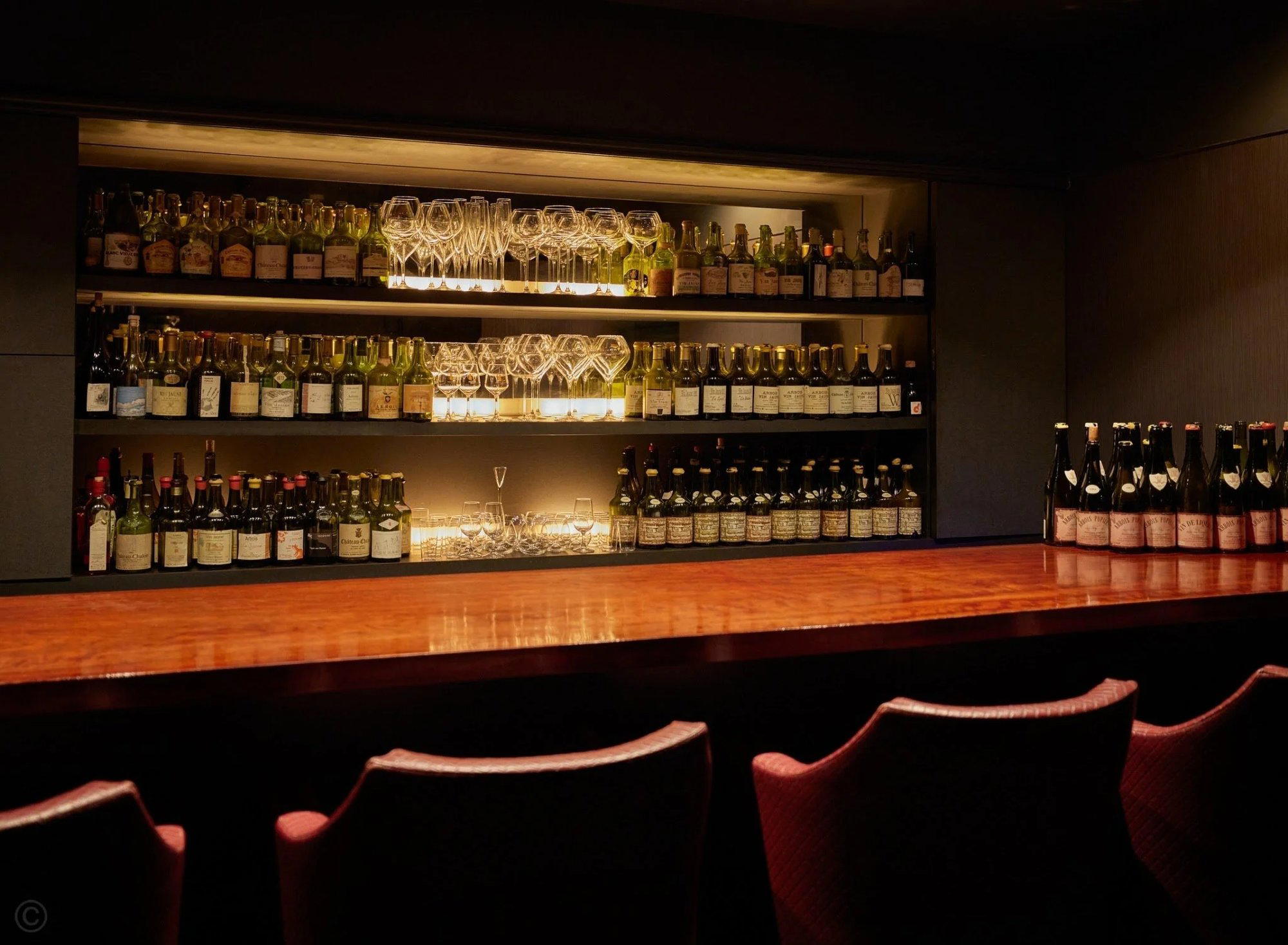
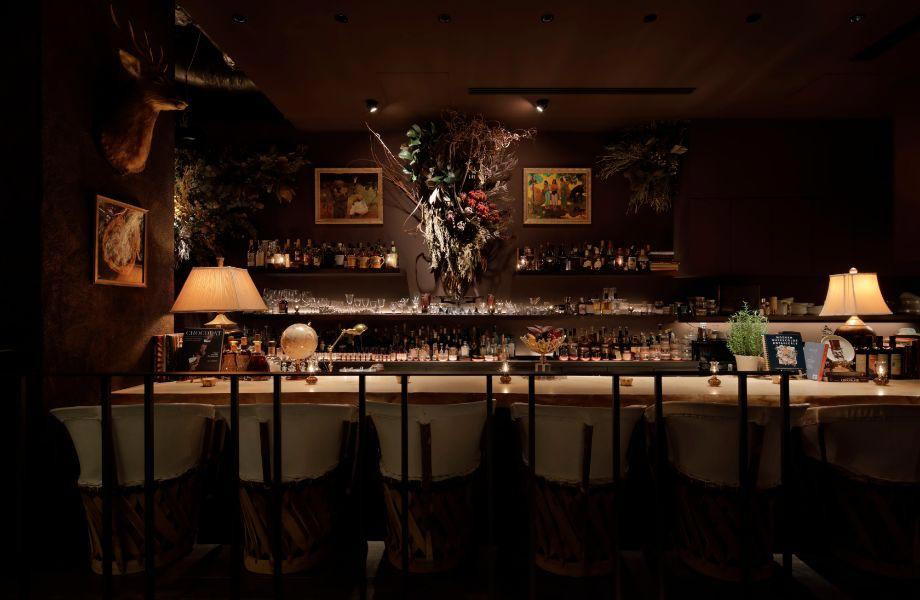
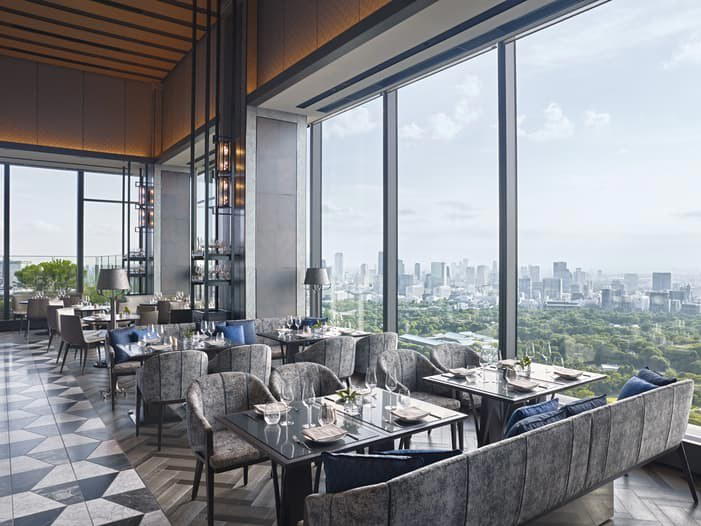
Serene and tranquil atmosphere with a beautiful interior blending traditional and modern aesthetics, providing a peaceful escape from city bustle.