1 Michelin Star · Tabelog 100 #88
Our verdict
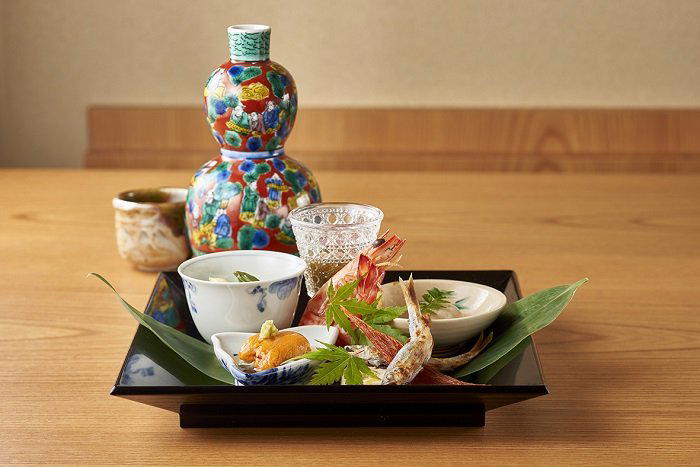
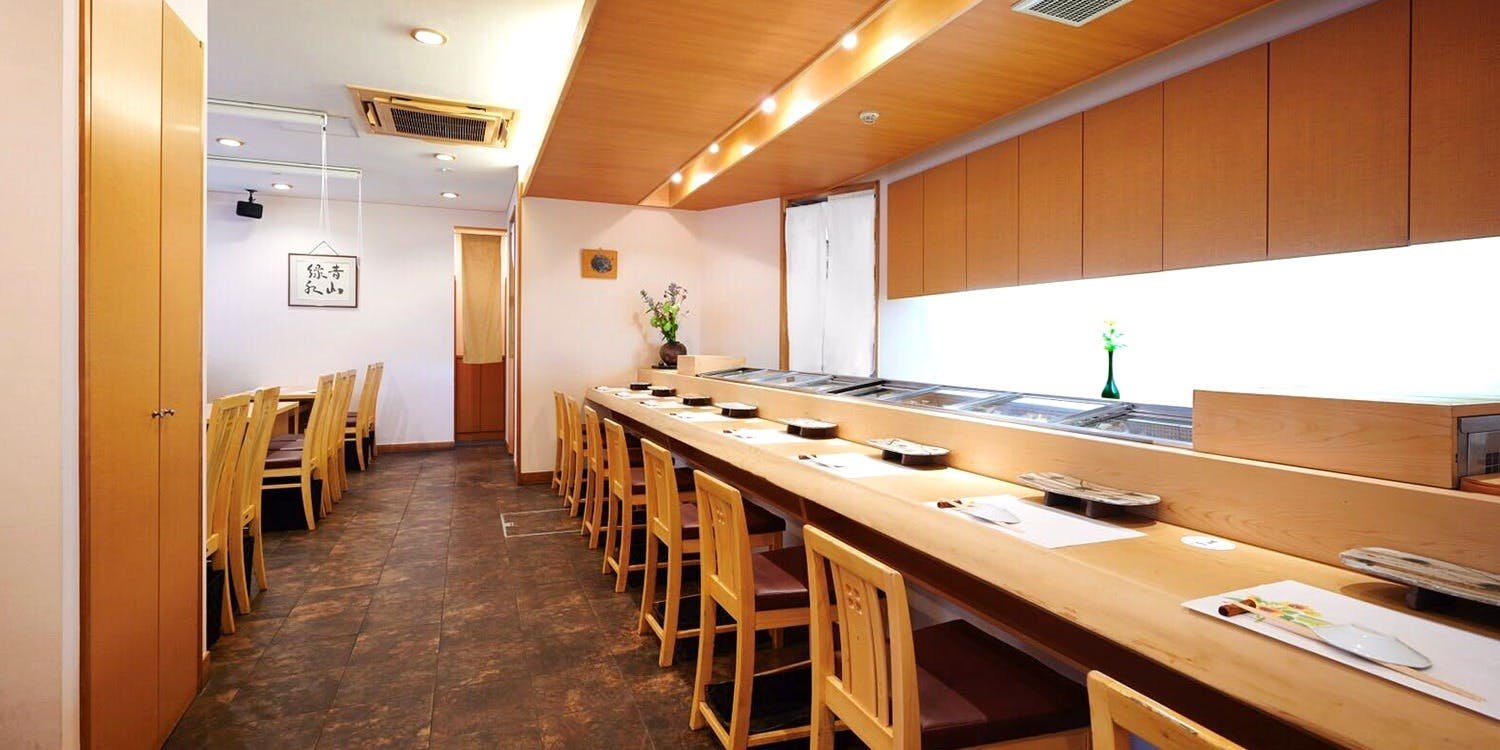
Shunkeian Arakaki holds a Michelin star (2024) and occupies the quieter, counter-led end of Tokyo's tempura scene in Chuo City's Minato district. The kitchen works within a format where ingredient sourcing, frying precision, and floor-to-counter coordination carry equal weight. For a discipline where execution timing is everything, that collective attentiveness is what separates the better rooms from the rest.

Pearl is the En Primeur Club membership app, where members save venues, book tables and use the concierge.
The menu
What to order
- Tempura omakase
- Squid tempura with shiso leaves
- Conger eel tempura
- Black sugar pudding
- Tempura rice bowl
Tempura in Tokyo: Where the Counter Format Still Sets the Standard
Tokyo's tempura tradition stretches back to the Edo period, when street vendors fried seasonal catch in sesame oil along the Sumida River. The discipline migrated indoors over centuries, and by the postwar decades had split into two distinct registers: the high-volume tendon house serving rice bowls to office workers, and the intimate counter restaurant where a chef fries to order, piece by piece, in front of a small seated audience. Shunkeian Arakaki, located in the Minato district of Chuo City, belongs firmly to the latter category. The 2024 Michelin star it received places it within Tokyo's recognised counter-tempura tier, a bracket that includes long-established names like Tempura Kondo and Tempura Motoyoshi, as well as newer entrants such as Tempura Ginya.
What the star signals, in this discipline specifically, is a level of consistency in oil temperature management, batter ratio, and ingredient timing that is harder to sustain than it might appear to a first-time guest. Tempura at this level is not simply a matter of coating and frying; it is a continuous calibration exercise conducted at pace, in real time, with no practical separation between kitchen and dining room. The counter format makes that calibration visible, which raises the stakes considerably for every member of the team involved.
The Chuo City Address and What It Means for Competitive Context
Minato, within Chuo City, is not the most obvious neighbourhood association for destination dining. The area sits east of the Ginza core, carrying more of the character of Tokyo's older commercial districts than the high-density restaurant blocks around Ginza Itchome or Shimbashi. That geographic positioning places Shunkeian Arakaki slightly outside the circuit that international visitors tend to walk first, which in practice means the room skews toward an audience that already knows the Tokyo tempura scene with some confidence. This is consistent with a pattern seen at other Michelin-recognised counter restaurants in less trafficked Tokyo addresses: the location filters toward returning guests and local regulars rather than first-visit explorers.
For comparison, the ¥¥¥ price range positions Shunkeian Arakaki below the ¥¥¥¥ ceiling occupied by multi-star kaiseki rooms like HAJIME in Osaka or Tokyo's own Edomae Shinsaku, and at a level where the value proposition against peers is meaningful. Within the tempura counter category, ¥¥¥ signals a serious omakase format without reaching the outlier pricing of the most expensive counters in the city.
The Team Dynamic at a Tempura Counter
The editorial angle that matters most at a Michelin-recognised tempura counter is collaboration, and not in an abstract sense. The format demands it structurally. The chef at the fryer is executing rapid sequential decisions: which ingredient goes in next, at what temperature, for how long, served on what surface and in what order. The front-of-house team is managing the pace of the room, reading whether guests are eating quickly or slowly, communicating that rhythm back to the counter, and timing the removal of used pieces so that presentation remains clean throughout the meal. The pairings coordinator, where one exists, is calibrating sake or wine suggestions to the progression of ingredients, from lighter early-course vegetables and white fish through to richer late-course proteins.
At counters operating at this level, these three functions are not independent. A floor team that misreads the room's pace will disrupt the chef's sequencing. A pairing recommendation that arrives late breaks the logic of the course progression. The consistency that earns and retains a Michelin star in this format is, by definition, a collective achievement.
This dynamic is what distinguishes the better counter-tempura rooms from establishments where the kitchen is technically proficient but the floor runs independently. Visitors familiar with the format at Fukamachi, another recognised name in Tokyo's tempura tier, will recognise the same logic operating here, even if the specific sequencing and ingredient choices differ between rooms.
Tempura Beyond Tokyo: The Wider Form
The counter-tempura format has spread considerably beyond its Tokyo origins. In Osaka, Numata operates within the same structural discipline applied to a different ingredient set and regional palate. In Taipei, Mudan Tempura represents the format's export to a city where Japanese counter dining has taken firm hold over the past decade. The core technical requirements travel well; the sourcing specificity does not always follow. Tokyo counters maintain access to tsukiji-adjacent networks and seasonal Japanese produce that counters elsewhere have to replicate or substitute, which is one reason that the reference addresses for this discipline remain concentrated in Japan's major cities.
For guests planning a broader Japan itinerary, it is worth noting that the country's other major culinary centres offer complementary rather than competing experiences. Gion Sasaki in Kyoto and akordu in Nara operate in entirely different formats, and Goh in Fukuoka anchors a regional scene with its own distinct character. None of these displace the case for serious counter-tempura in Tokyo; they sit alongside it as part of a longer Japan dining itinerary.
For a fuller picture of Tokyo's restaurant scene across cuisines and formats, see our full Tokyo restaurants guide. The city's wider offering in hotels, bars, and experiences is covered in our full Tokyo hotels guide, our full Tokyo bars guide, our full Tokyo wineries guide, and our full Tokyo experiences guide. For regional Japan dining coverage that extends south, 1000 in Yokohama and 6 in Okinawa are worth including in a longer itinerary.
Planning Your Visit
Shunkeian Arakaki is located at 3 Chome-5-10 Minato, Chuo City, Tokyo 104-0043. Price range: ¥¥¥, positioning it in the mid-to-upper band for Tokyo counter tempura without reaching the ceiling pricing of the city's most expensive multi-star formats. Recognition: Michelin 1 Star (2024). Guest rating:Reservations: Timing: Counter-tempura rooms in Tokyo at this level are typically booked several weeks to two months in advance, particularly for prime evening slots on weekends.
Frequently asked questions
Is Shunkeian Arakaki Michelin-listed?
Shunkeian Arakaki has received recognition including: Michelin 1 Star (2024).
What's the address for Shunkeian Arakaki?
Shunkeian Arakaki is located at 3 Chome-5-10 Minato, Chuo City, Tokyo 104-0043, Japan, Tokyo.
What's the best thing to order at Shunkeian Arakaki?
Shunkeian Arakaki operates in the omakase format standard to Michelin-recognised tempura counters, meaning the kitchen sequences the meal for you. That structure reflects deliberate intent: seasonal ingredients are fried to order and served piece by piece at the counter, so the full progression is the point. Arriving with dietary restrictions noted in advance is the only real decision required of the diner.
What's the cuisine at Shunkeian Arakaki?
What should I budget for a meal at Shunkeian Arakaki?
Pricing at Shunkeian Arakaki is listed as ¥¥¥.
At-a-Glance Comparison
| Venue | Cuisine | Price | Awards | Notes |
|---|---|---|---|---|
| Shunkeian ArakakiThis venue (the venue you are viewing) | Michelin-Starred Okinawan Tempura Omakase | $150–200 | 1 Michelin Star · Tabelog 100 #88 | Not listed |
| Harutaka | Edo-Style Omakase Sushi | $200–300 | 3 Michelin Stars · World's 50 Best #76 | Sushi |
| RyuGin | Modern Kaiseki | $500+ | 3 Michelin Stars · World's 50 Best #41 | Kaiseki, Japanese |
| L'Effervescence | Modern French with Japanese Influences | $200–300 | 3 Michelin Stars · World's 50 Best #69 | French |
| HOMMAGE | Modern French with Japanese Influences | $150–200 | 2 Michelin Stars · World's 50 Best #78 | Innovtive French, French |
| MAZ | Innovative Peruvian-Japanese Fusion | $150–200 | 2 Michelin Stars · World's 50 Best #28 | Innovative |
Recognition history
Dated appearances from independent guides and award organizations, with the underlying list record or original source where available.
Michelin 1 Star
Michelin
Tabelog 100 #88 · No. 88
Tabelog · Tabelog 100 - Tempura - 2025