Our verdict
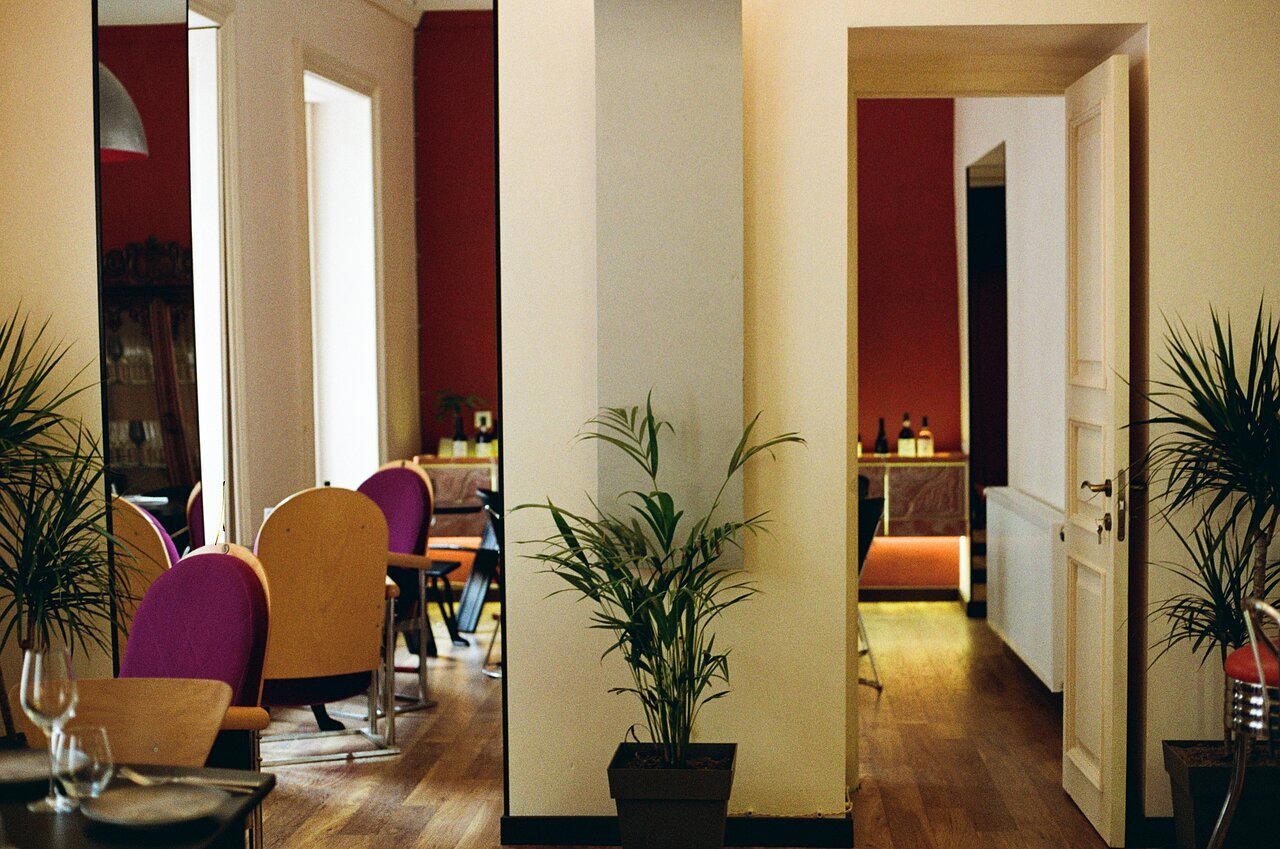
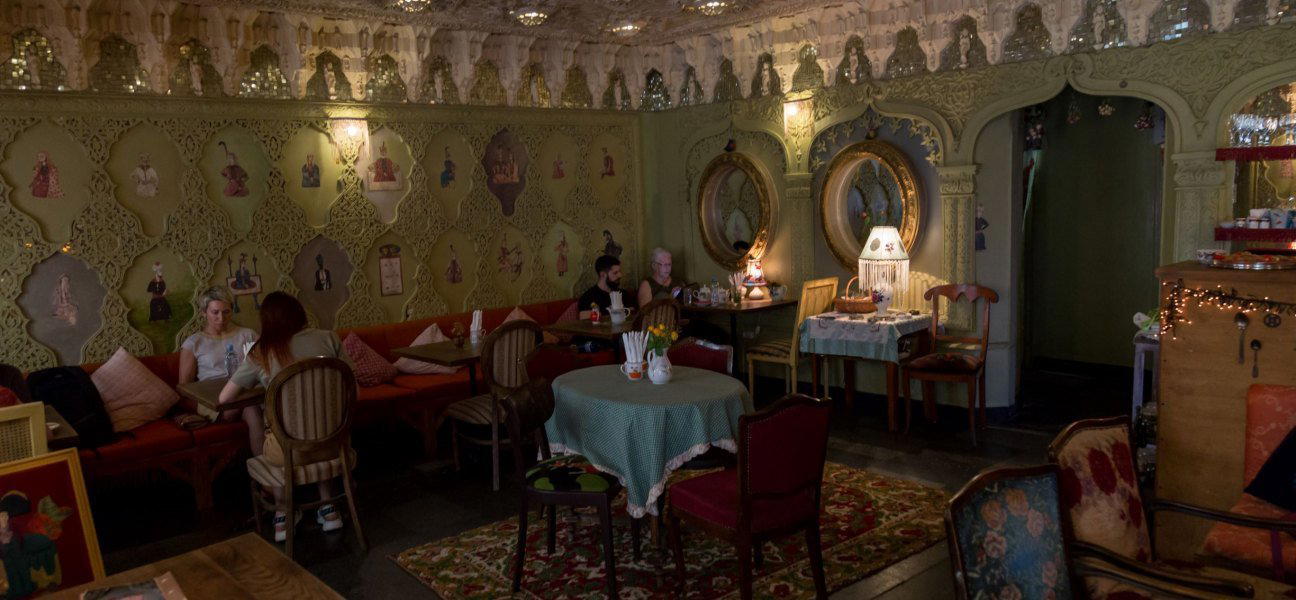
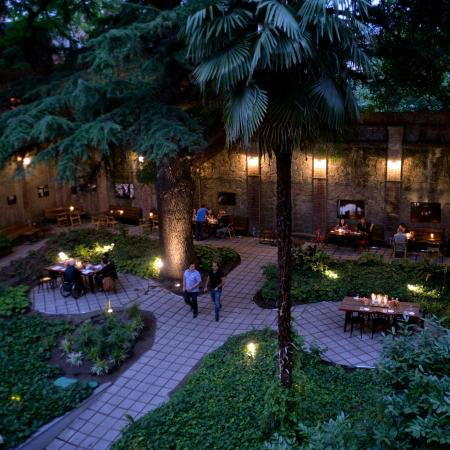
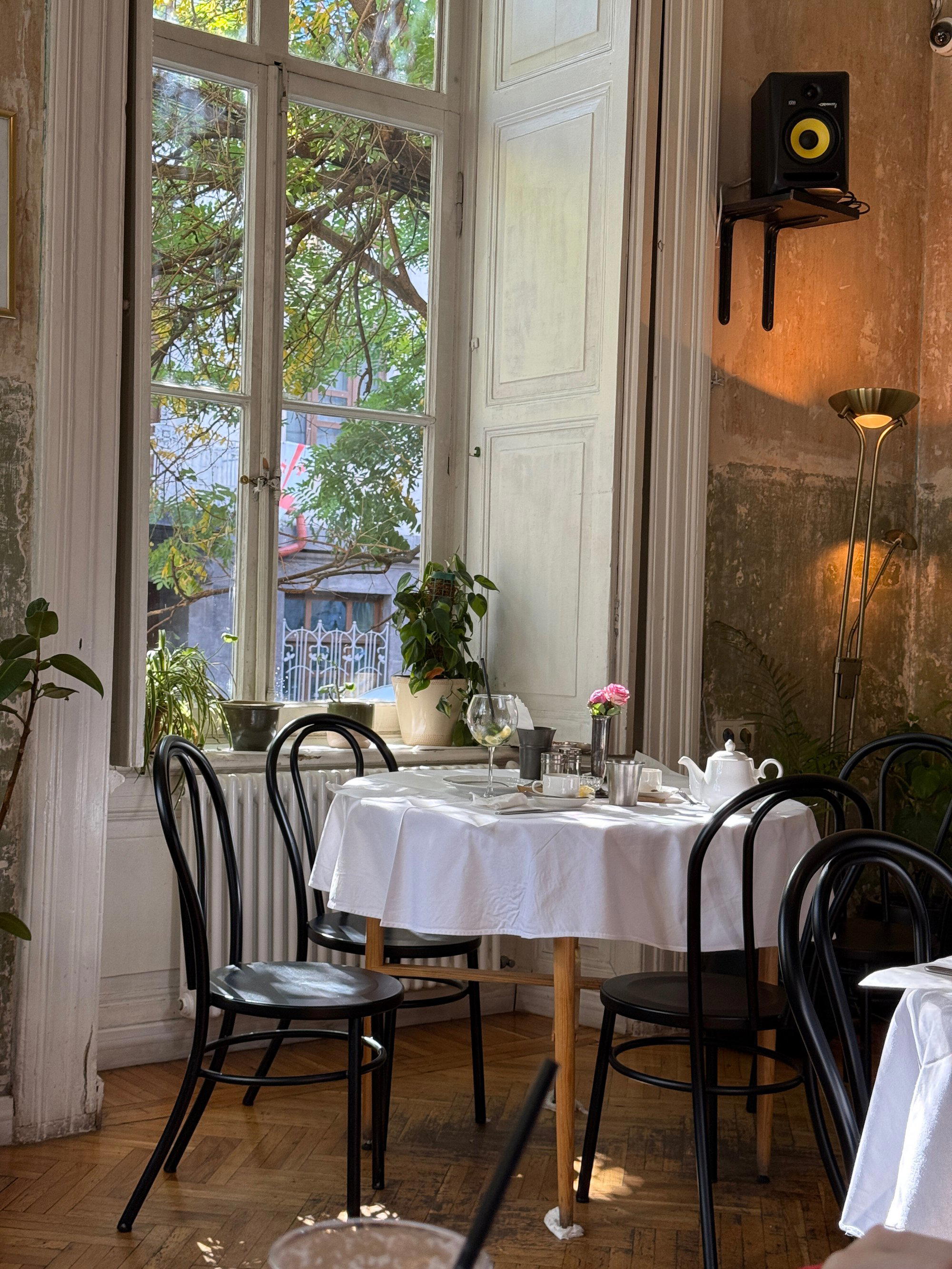
Sofiko operates from a side street in central Tbilisi, placing itself within a generation of Georgian restaurants that treat local sourcing as a structural commitment rather than a menu footnote. The kitchen draws on regional produce and traditional technique, positioning Sofiko alongside the city's more considered mid-to-upper dining tier. Address: 8 Dzmebi Zdanevichebi St.

Pearl is the En Primeur Club membership app — saves, bookings, and concierge access live there. Same editors, same standards.
- Address
- 8 Dzmebi Zdanevichebi St, Tbilisi, Georgia
- Phone
- +995558311133
- Hours
- Daily 12–11 PM
- Website
- instagram.com
- Directions
- Get directions
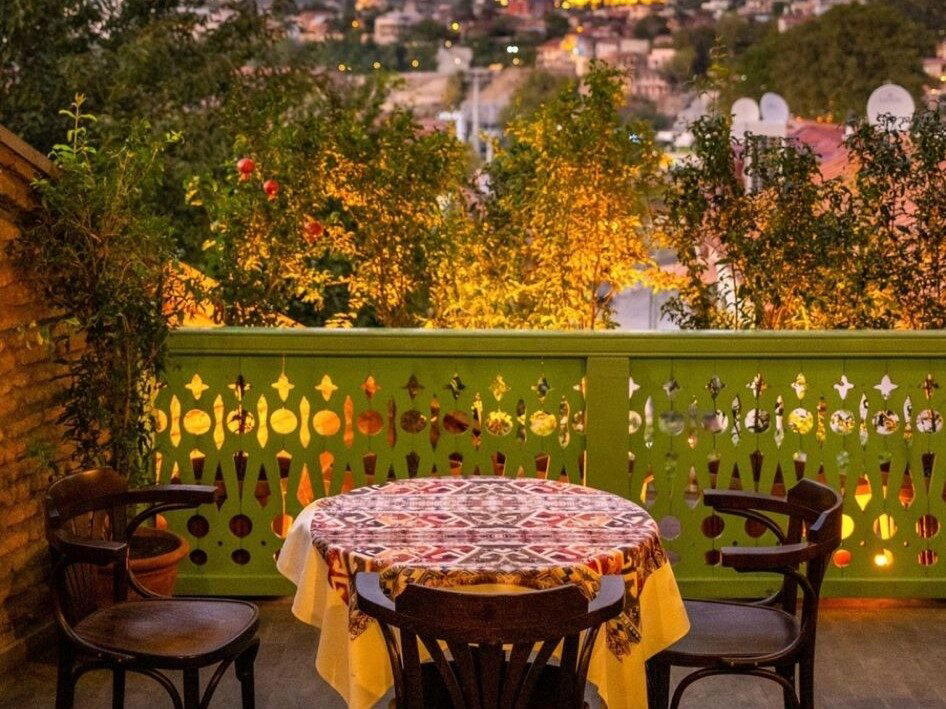
A Side Street with a Point of View
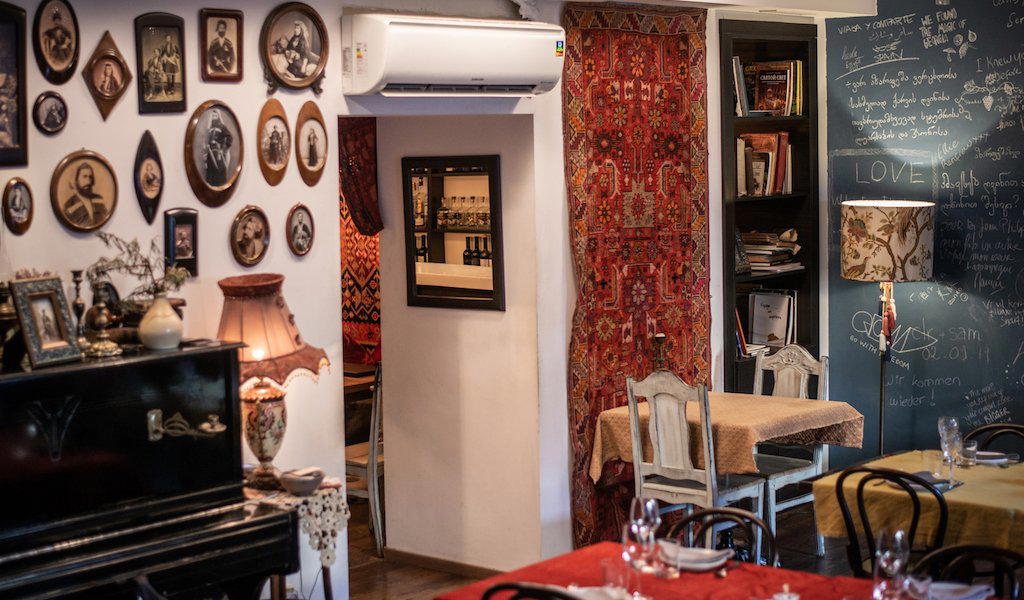
Tbilisi's dining scene has reorganised itself around a quiet but consequential split. On one side sit the tourist-facing taverns serving churchkhela and standardised khinkali to coach-tour groups; on the other, a smaller cohort of restaurants that have made sourcing, technique, and Georgian culinary identity the actual subject of the meal. Sofiko, on Dzmebi Zdanevichebi Street in central Tbilisi, belongs to the second category. The address is not a thoroughfare. It requires a deliberate decision to be there, which filters the room toward guests who already know what they are looking for.
That kind of self-selection shapes the atmosphere in ways a more prominent location cannot manufacture. The approach to the building is quiet by Tbilisi standards, with the visual noise of Rustaveli and the Old Town replaced by the particular calm of a residential backstreet. Inside, the tone follows: this is a restaurant that expects you to pay attention.
Georgia's Sourcing Argument, Made Concrete
The broader shift in Georgian restaurant cooking over the last decade is inseparable from the question of where ingredients come from. For much of the Soviet and post-Soviet period, Georgian cuisine was remarkable for its flavour combinations and spice logic, the walnut pastes, the tkemali, the fenugreek-laced ajika, but less distinguished by the provenance of its raw materials. The new generation of Tbilisi restaurants has changed the terms of that conversation. Places like Barbarestan and Azarphesha have anchored their identities in historical recipe research and market sourcing respectively, and the cumulative effect has been to raise the baseline expectation for what a serious Georgian kitchen should be doing with its supply chain.
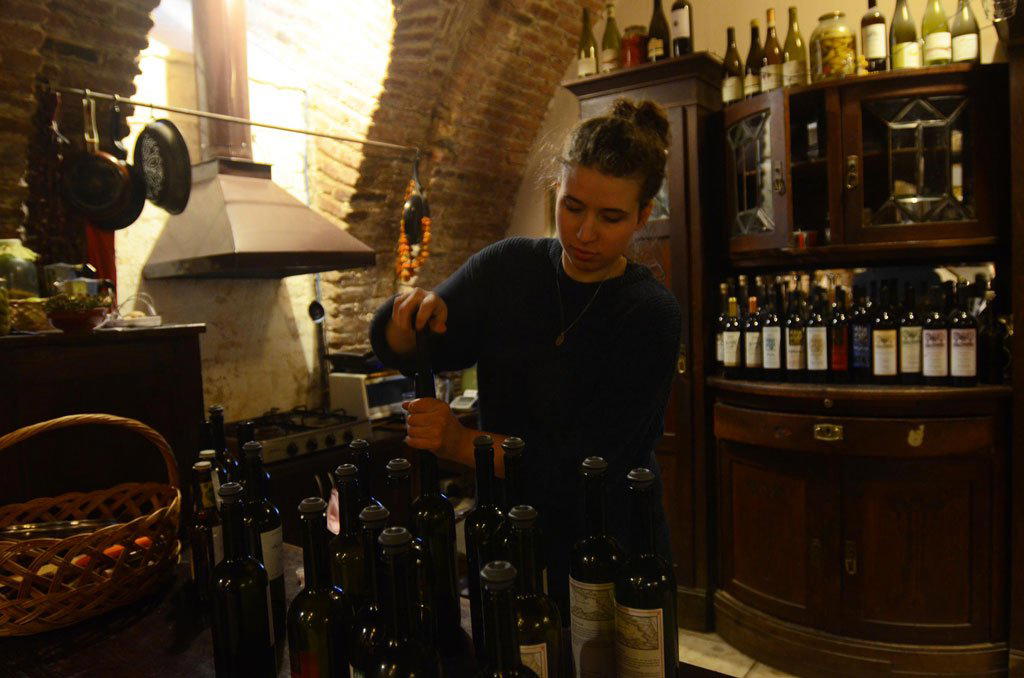
Sofiko operates within that context. The address in central Tbilisi puts it within range of the Deserter's Bazaar and the Dezerter market system, the primary infrastructure through which Georgian regional produce, seasonal vegetables, village cheeses, and fresh herbs flow into city kitchens. The proximity is not incidental. Restaurants that commit to daily market sourcing build their menus around availability rather than fixed lists, which produces cooking that shifts with the agricultural calendar rather than the printing cycle. That structural choice creates menus that reward repeat visits at different times of year.
For a sense of how Tbilisi's Georgian sourcing ethic translates beyond the capital, the wine country context is instructive. Properties like Pheasant's Tears Winery in Signagi and Schuchman Wines Chateau in Telavi have built hospitality programs around direct farm-to-glass sourcing in Kakheti, while restaurants like Doli in Telavi demonstrate how the same sourcing logic operates in regional towns rather than the capital. What Sofiko does in Tbilisi is part of this wider Georgian recalibration of where food comes from and what that origin communicates about quality.
Tbilisi's Mid-to-Upper Tier: Where Sofiko Sits
Georgian restaurant pricing has diverged sharply. The entry tier, khinkali bars and neighbourhood supra spots, remains among the most affordable dining in any European-adjacent city. The upper tier, where restaurants like Alubali and ATI position themselves, competes on technique and curation against international reference points. Sofiko sits in the middle of this range, at a price point where the kitchen has room to source carefully without the full theatrics of a tasting-menu format. That middle register is arguably where Georgian cuisine is doing its most interesting work: close enough to tradition to be legible, ambitious enough to be worth an informed visitor's time.
The comparison set within Tbilisi is worth mapping. Barbarestan built its identity around a 19th-century Georgian cookbook, making historical authenticity the organising principle. Akura San moves in a different direction, applying Japanese technique to Georgian produce. Sofiko's approach, working within Georgian tradition while treating sourcing as the primary discipline, positions it closer to the Barbarestan end of that spectrum without the archival framing. For visitors also considering wider Georgia, Palaty in Kutaisi and Gazaphkhuli in Chiatura offer points of regional contrast.
The Seasonal Logic of When to Go
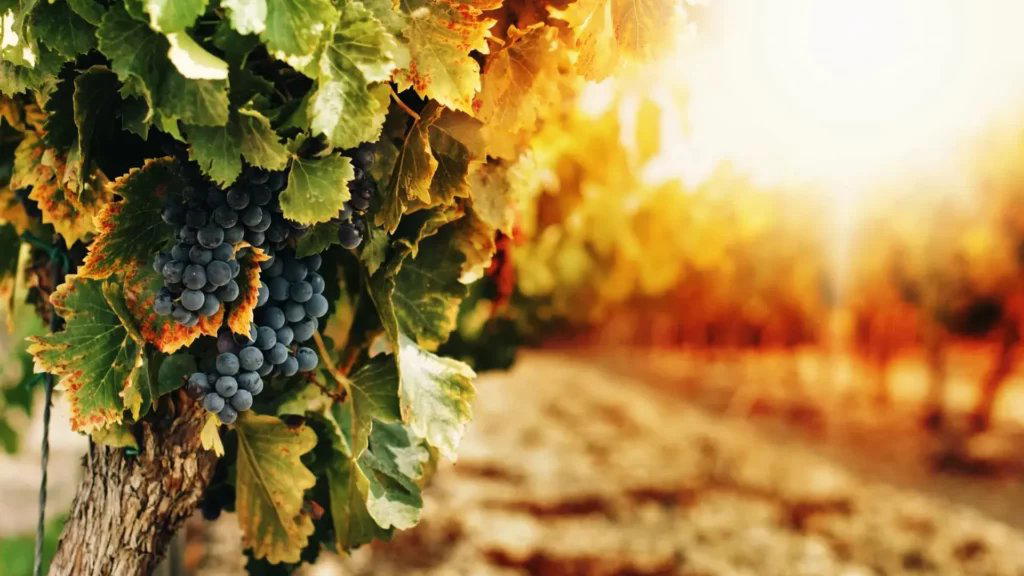
Tbilisi's agricultural calendar gives restaurants like Sofiko a natural rhythm that rewards timing. Spring brings ramps, wild garlic, and the first tkemali plums, the base of Georgia's foundational sour plum sauce. Summer produces the tomatoes and aubergines that define Georgian summer tables, along with the stone fruits that appear in both savoury and preserved preparations. Autumn is the most compelling season for a sourcing-focused kitchen: the grape harvest runs through September and October across Kakheti, walnuts come in from the western regions, and the bazaar fills with the winter-storage produce that Georgian cooks have been preserving for centuries. Winter menus lean into dried and fermented stores, tkemali, churchkhela, pickled jonjoli, which are less photogenic but more revealing of Georgian food's preservation intelligence.
For international visitors building a Georgia itinerary around food, autumn concentrates the most activity. The Rkatsiteli and Saperavi harvests in Kakheti, the walnut season, and the general abundance of late-season produce make September through November the period when sourcing-led restaurants have the most to work with. Booking in that window, and building in visits to wine country through Pheasant's Tears or a stay at Crowne Plaza Borjomi in the spa town to the west, creates a coherent circuit.
Planning a Visit
Sofiko's address at 8 Dzmebi Zdanevichebi Street places it in central Tbilisi, reachable on foot from the Old Town and within a short taxi ride of Rustaveli Avenue. The restaurant does not publish phone or booking details in widely indexed sources, which suggests reservations are leading handled through direct contact or via a hotel concierge familiar with the current Tbilisi scene. For a full picture of where Sofiko sits among the city's options, our full Tbilisi restaurants guide maps the field across price tiers and styles.
Tbilisi's more considered restaurants fill faster during festival periods, the Tbilisoba city festival in October and the harvest season more broadly, so planning three to four weeks ahead during autumn is reasonable. Outside of those windows, last-minute tables are more available, though the sourcing-driven format means the menu will be at its most constrained in late winter when seasonal supply is thinnest.
For comparable formats in other cities, the community-dining and sourcing-forward model has international parallels: Lazy Bear in San Francisco works a seasonal-sourcing tasting format, while Atomix in New York City demonstrates how regional ingredient identity can be the primary editorial voice of a tasting menu. Emeril's in New Orleans and Le Bernardin in New York City represent the longer-arc institutional model of sourcing-committed kitchens. Closer to home, Chiko in Aspindza and Umami at Clouds in Batumi show how the Georgian sourcing argument plays out in different regional registers.
Frequently asked questions
Where do I go for Sofiko?
Sofiko is located at 8 Dzmebi Zdanevichebi St, Tbilisi, Georgia, Tbilisi.
Is Sofiko a good option for experiencing contemporary Georgian cooking rather than traditional supra-style dining?
Sofiko operates distinctly outside the supra-and-churchkhela circuit that defines much of Tbilisi's tourist-facing restaurant offer. Its sourcing-led approach places it in the same conversation as a small number of city addresses rethinking Georgian cuisine through a modern, producer-focused lens. For a traveller who has already eaten at the neighbourhood khinkali bars and wants something more considered, Sofiko at 8 Dzmebi Zdanevichebi Street is the relevant next step in Tbilisi.
What should I order at Sofiko?
Sofiko's kitchen follows a seasonal sourcing logic tied to Georgia's agricultural calendar, so the menu shifts with what is available from local producers. Spring visits bring wild ramp and garlic preparations; later in the year expect the kitchen to work with autumn harvests. Ask staff what arrived that week rather than anchoring to a fixed dish list — that question will point you toward what the kitchen is currently focused on.
How far ahead should I plan for Sofiko?
Sofiko sits in Tbilisi's mid-to-upper dining tier, a bracket where tables at the better addresses move quickly, particularly on weekends and during peak travel months. Booking several days to a week ahead is a reasonable baseline, though the restaurant does not publish availability data publicly. The address on Dzmebi Zdanevichebi Street is central enough that a walk-in attempt is feasible off-peak, but a reservation is the safer route.
What do critics highlight about Sofiko?
Coverage of Sofiko tends to position it within the broader shift in Tbilisi's serious restaurant cooking toward local ingredient sourcing rather than the tourist-tavern model that dominates the Old Town periphery. The restaurant is treated as part of a small peer group that is reframing what Georgian food looks like in a sit-down context. No named award or Michelin recognition is currently attached to the venue.
Nearby-ish Comparables
Comparable venues nearby, for context on price, style, and recognition.
| Venue | Cuisine | Price | Notes |
|---|---|---|---|
| SofikoThis venue — the venue you are viewing | Authentic Georgian | $20–30 | Not listed |
| Chops By The River - Restaurant & Grill | Georgian, European & Caucasian Grill | $20–30 | Tbilisi |
| Gabriadze Cafe | Modern Georgian | $20–30 | Tbilisi |
| Sirajkhana | Georgian-Persian Fusion | Not listed | Tbilisi |
| Chef Konstantin Tedeluri | Modern Georgian-European Fusion | Not listed | Tbilisi |
| Organique Josper | Georgian Josper Grill Steakhouse | Not listed | Tbilisi |