
Michelin Bib Gourmand
Our verdict
A Michelin Plate-recognised sobakappo in Sumida City, Sobakappo Nagano operates at the intersection of noodle craft and sake-oriented small plates. The chef applies kaiseki-informed vegetable cookery alongside soba made to differ by terroir, with two distinct noodle formats: seiro and coarse-ground. Mid-range pricing makes it one of the more accessible addresses in Tokyo's serious soba tier.

Pearl is the En Primeur Club membership app, where members save venues, book tables and use the concierge.
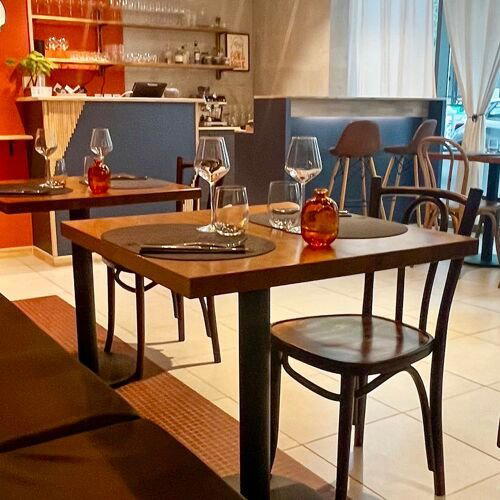
Where Soba Meets the Kappo Tradition
Tokyo's soba scene divides more sharply than visitors expect. On one side sit fast, utilitarian noodle counters built around throughput. On the other, a smaller cohort of sobakappo houses operate in a different register entirely: the noodles are made in-house, the kitchen draws on broader Japanese culinary tradition, and the meal is calibrated to run alongside sake rather than end at the noodle course. Sobakappo Nagano, in the Higashimukojima district of Sumida City, belongs to that second group. A Michelin Plate recognition in the 2025 guide confirms its standing within that serious tier.
The name itself is a statement of intent. Sobakappo fuses two culinary disciplines: the exacting craft of soba-making and the kappo tradition, which in Japanese cooking denotes a skilled kitchen where ingredients are cut and prepared with precision across multiple small-plate formats. At this price point (¥¥ against peers like Akasaka Sunaba and Azabukawakamian), the format represents strong value within the category.
The Ingredient Logic Behind the Menu
In serious soba houses, the grain is not incidental. Buckwheat carries distinct flavour signatures depending on where it was grown, the altitude, the soil mineral content, and the timing of harvest. At Sobakappo Nagano, noodles are made differently according to terroir, a choice that foregrounds the raw material rather than treating soba as a neutral vehicle. Two formats express this: seiro soba, served on a traditional wickerwork tray that allows the noodles to drain and cool evenly while preserving texture, and a coarser-ground variety that delivers a more assertive, textured bite and more visible grain character.
This approach to differentiation by origin places the kitchen in a tradition that has grown more technically conscious over the past decade. Tokyo's better soba establishments have moved toward sourcing transparency, much as the natural wine movement pushed producers to name their vineyards. The terroir framing is not metaphorical here: it is a practical acknowledgement that buckwheat from Hokkaido, Nagano, or Ibaraki will produce a meaningfully different noodle, and that a kitchen paying attention to those differences is one worth tracking. For a comparable commitment to ingredient provenance in a different soba context, Edosoba Hosokawa represents another address in Tokyo where the grain itself drives the editorial.
Small Plates Built for Sake
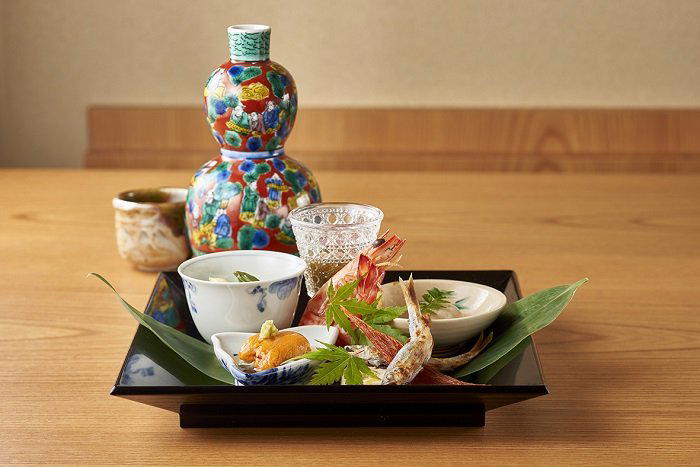
Japan's kappo tradition has always understood that the meal surrounding the main course matters as much as the course itself. At Sobakappo Nagano, the small-plate programme is structured around sake pairing rather than as a preliminary to be cleared before the noodles arrive. Combination platters bring together a range of dishes: simmered herring in sweet soy sauce, marinated grilled shrimp, and cooked vegetable preparations that draw on stewing and salad techniques from broader Japanese cuisine.
The vegetable cookery here deserves attention as a category signal. Patiently stewed and marinated vegetables are not garnishes; they represent a distinct skill set, one that kaiseki kitchens treat as central to seasonal expression. The fact that a soba kitchen applies this level of care to its side dishes positions Sobakappo Nagano closer to the kappo end of its own name than the average noodle house. The herring in sweet soy is a classic Kyoto-influenced preparation, long-simmered until the flesh takes on the sticky lacquer of the sauce. Its appearance on the menu at a Sumida address is a reminder that Tokyo's east side has its own culinary depth, separate from the Michelin-concentrated corridors of Minato and Shinjuku.
For broader context on the relationship between kappo cooking and sake accompaniment in a different format, Hamacho Kaneko operates in a related tradition nearby, while Hamadaya represents the higher end of Tokyo's Japanese cuisine continuum where small-plate discipline reaches its most formal expression.
Sumida City as a Dining Destination
Higashimukojima sits in the eastern band of Tokyo that international visitors tend to skip in favour of the city's more publicised dining districts. That is a navigational error. Sumida and its neighbouring wards carry strong artisan and craft traditions, and a cluster of serious food addresses operate here with less competition for attention than equivalent spots in Ginza or Minami-Aoyama. The neighbourhood's older shitamachi character, a term describing the traditional low-city districts of central Edo, creates a context in which a mid-priced craft kitchen feels at home in a way it might not on a Ginza backstreet.
The restaurant itself is located in the Nagano Building (永野ビル) at 2-20-6 Higashimukojima. For visitors building an east Tokyo itinerary, this area rewards combination with other Sumida-side destinations rather than being treated as a single detour from the centre.
Where Sobakappo Nagano Sits in the Broader Scene
Tokyo's Michelin Plate designation, introduced to recognise kitchens serving food of quality that sits below the starred tier, has become a useful navigational tool for the city's mid-range serious dining. Sobakappo Nagano's 2025 plate places it in a cohort of recognised addresses that operate with craft discipline at accessible price points. Among dedicated soba destinations receiving Michelin attention in Tokyo, the category includes counters across a wide geographic and stylistic spread.
For reference across Japan's soba tradition, Ayamedo in Osaka and Chikuyuan Taro no Atsumori in Kyoto represent how the form adapts across regional contexts. Further afield, Japan's serious dining scene extends through HAJIME in Osaka, Gion Sasaki in Kyoto, akordu in Nara, Goh in Fukuoka, 1000 in Yokohama, and 6 in Okinawa, each operating within a distinct regional tradition. For Tokyo specifically, our full Tokyo restaurants guide maps the broader picture across cuisines and price tiers.
Planning Your Visit
Address: 2-20-6 Higashimukojima, Sumida City, Tokyo (永野ビル). Awards: Michelin Plate 2025. Budget: ¥¥ (mid-range; one of the more accessible price points among Michelin-recognised soba addresses in the city). Reservations: Booking details not publicly listed; direct contact via the venue is recommended given the Michelin recognition. Leading timing: Lunch is the traditional format for serious soba in Tokyo, as freshly milled and rolled noodles are typically at their leading earlier in the day. Getting around: Higashimukojima is accessible via the Tobu Skytree Line; pairing a visit with nearby Sumida destinations is more efficient than treating it as a standalone crossing from central Tokyo.
For further Tokyo planning, see our full Tokyo hotels guide, our full Tokyo bars guide, our full Tokyo wineries guide, and our full Tokyo experiences guide.
Frequently asked questions
What do regulars order at Sobakappo Nagano?
Budget and Context
| Venue | Cuisine | Price | Awards | Notes |
|---|---|---|---|---|
| Sobakappo NaganoThis venue (the venue you are viewing) | Soba Kappo | $50–100 | Michelin Bib Gourmand | Not listed |
| Harutaka | Edo-Style Omakase Sushi | $200–300 | 3 Michelin Stars · World's 50 Best #76 | Sushi |
| RyuGin | Modern Kaiseki | $500+ | 3 Michelin Stars · World's 50 Best #41 | Kaiseki, Japanese |
| L'Effervescence | Modern French with Japanese Influences | $200–300 | 3 Michelin Stars · World's 50 Best #69 | French |
| HOMMAGE | Modern French with Japanese Influences | $150–200 | 2 Michelin Stars · World's 50 Best #78 | Innovtive French, French |
| MAZ | Innovative Peruvian-Japanese Fusion | $150–200 | 2 Michelin Stars · World's 50 Best #28 | Innovative |
Recognition history
Dated appearances from independent guides and award organizations, with the underlying list record or original source where available.
Michelin Bib Gourmand
Michelin
Full recognition history (2 entries)
Michelin Plate
Michelin
Continue exploring
More in Tokyo
Restaurants in Tokyo
All restaurants in Tokyo →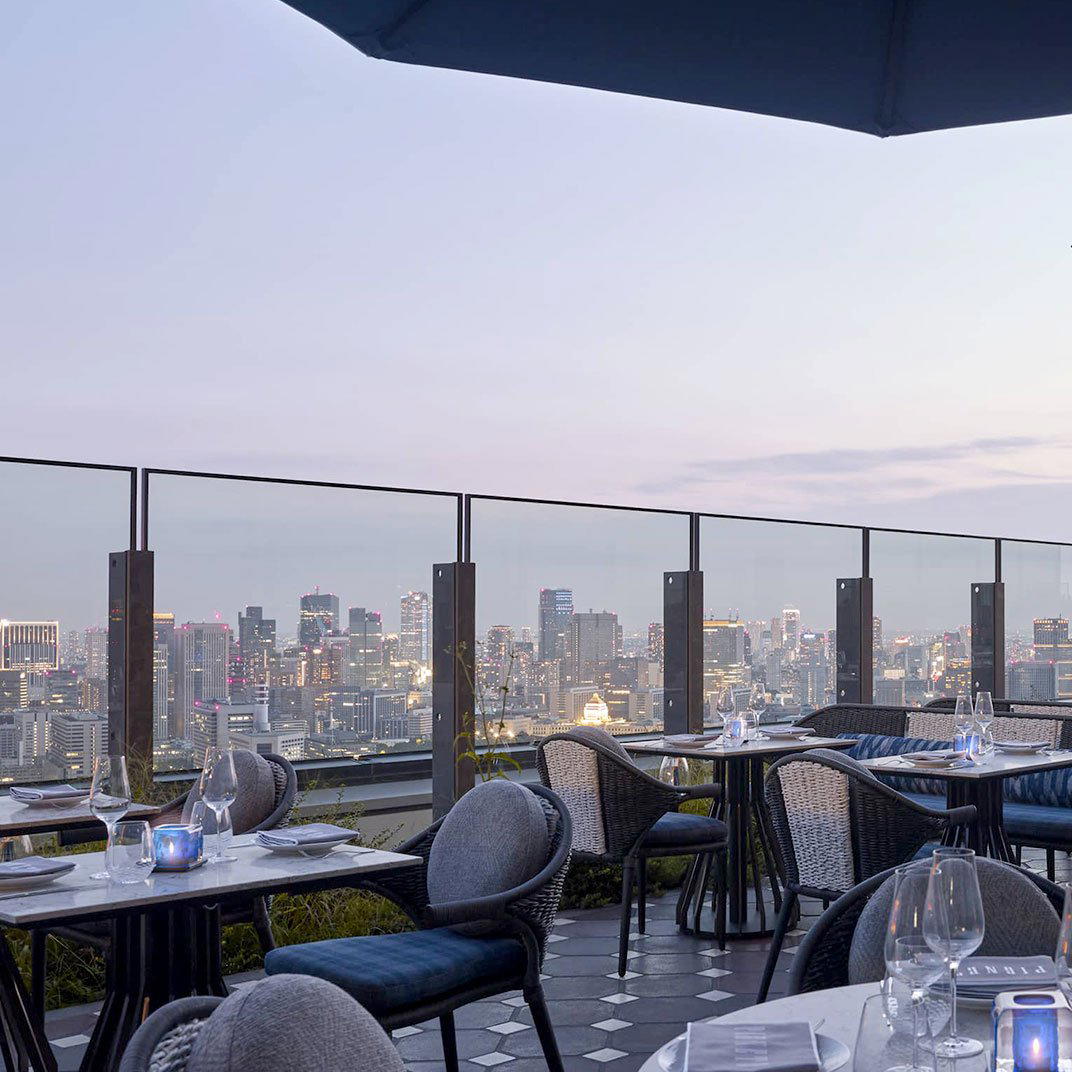
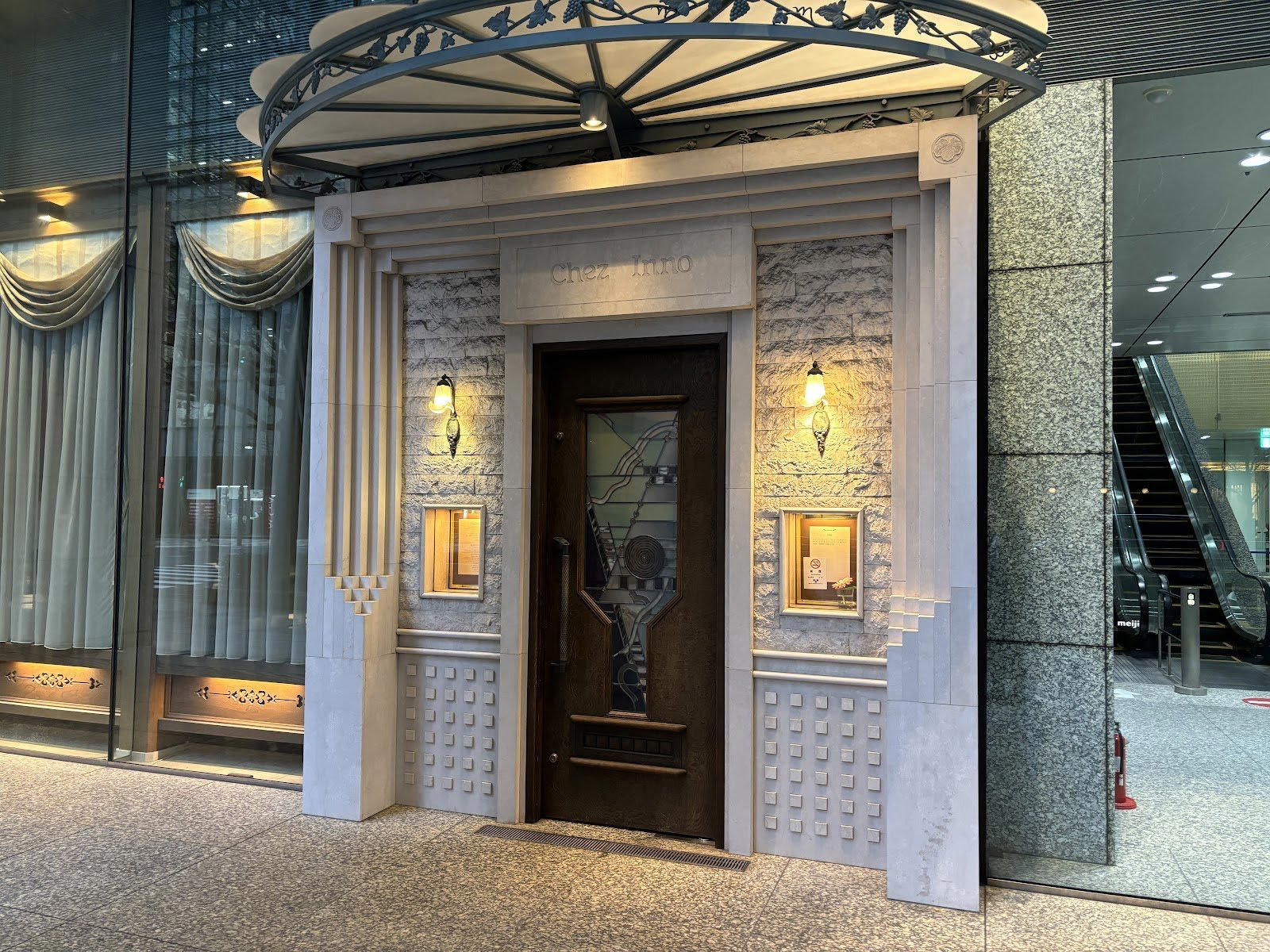

Bars in Tokyo
All bars in Tokyo →

Details
- Intimate
- Cozy
- Elegant
- Solo
- Special Occasion
- Open Kitchen
- Sake Program
- Local Sourcing
- A La Carte
- Counter Dining
- Sake
Current opening hours
- Monday
- Closed
- Tuesday
- Closed
- Wednesday
- 11:30 a.m.–2:30 p.m., 5:30–9:30 p.m.
- Thursday
- 11:30 a.m.–2:30 p.m., 5:30–9:30 p.m.
- Friday
- 11:30 a.m.–2:30 p.m., 5:30–9:30 p.m.
- Saturday
- 11:30 a.m.–2:30 p.m., 5:30–9:30 p.m.
- Sunday
- 11:30 a.m.–2:30 p.m., 5:30–9:30 p.m.
Hours can change for holidays and private events. Hours as of .
Relaxing space with counter seating providing an intimate view of the open kitchen and warm Japanese hospitality.