Shugetsu occupies a residential stretch of Higashiyodogawa Ward, sitting at a remove from Osaka's better-mapped dining corridors. The address alone signals something about its positioning: a restaurant that functions on word of mouth and local authority rather than tourist-facing visibility. For those already familiar with Osaka's more serious dining registers, it represents a point of reference worth seeking out.
Pearl is the En Primeur Club membership app — saves, bookings, and concierge access live there. Same editors, same standards.
- Address
- 1 Chome-19-13 Higashinakajima, Higashiyodogawa Ward, Osaka, 533-0033, Japan
- Phone
- +81663275561
- Website
- shu-getsu.welcome-map.net
- Directions
- Get directions
 Saves & bookings on Pearl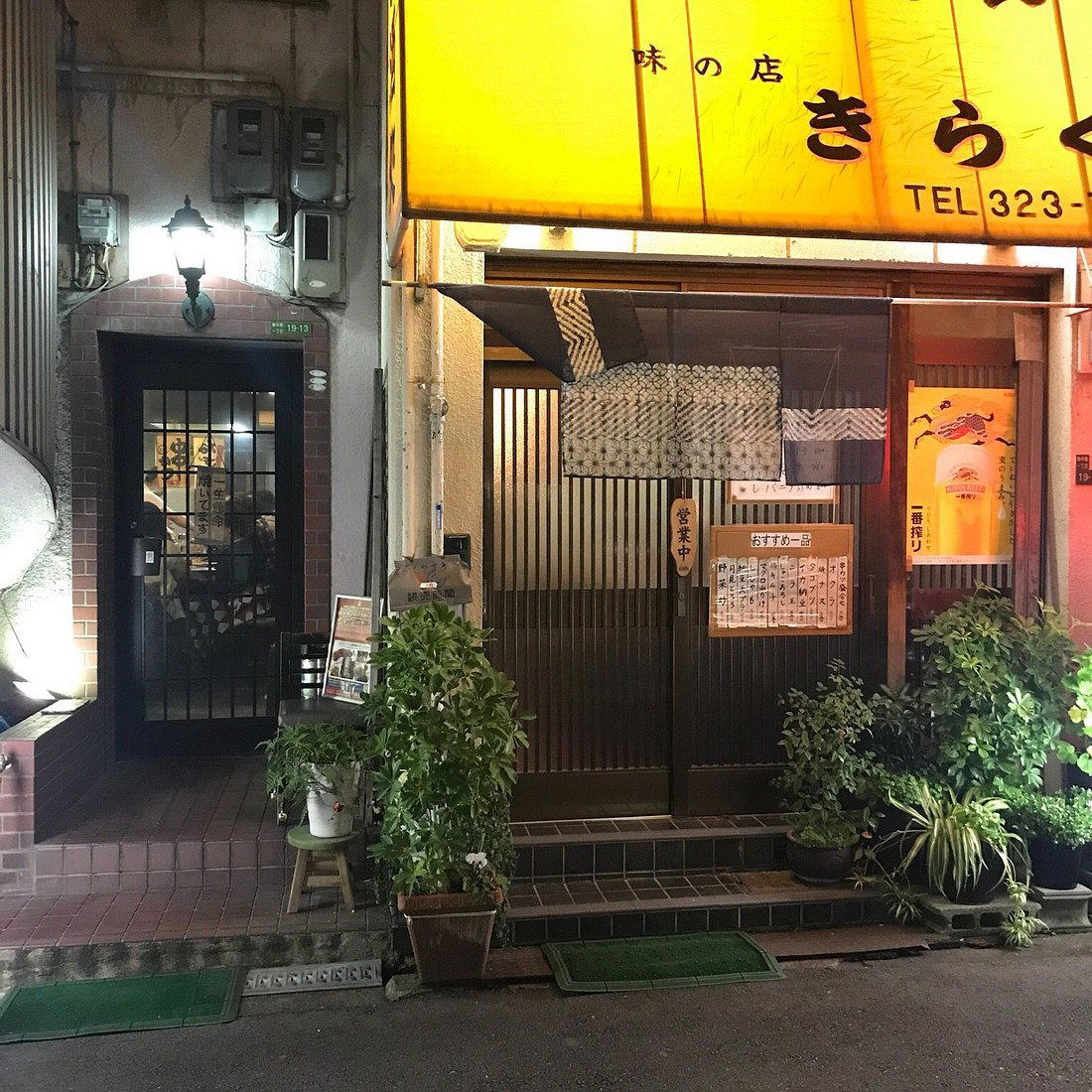
Off the Main Corridors: Higashiyodogawa as a Dining Address
Osaka's restaurant culture is routinely discussed through its most legible axes: Namba, Shinsaibashi, the Hozenji Yokocho lanes, the dense stretch of Kitashinchi. Higashiyodogawa Ward, where Shugetsu sits at 1 Chome-19-13 Higashinakajima, operates at a different register entirely. The ward is primarily residential and industrial in character, bounded by the Shinkansen lines to the north and the Yodo River tributaries to the south. Restaurants that succeed here do so without the foot traffic subsidy of a tourist corridor, they build their reputation through consistency, local trust, and the kind of repeat custom that takes years to earn.
That geographic remove has a culinary logic to it. In Osaka, as in Tokyo, the restaurants that feel most embedded in neighbourhood life tend to occupy streets where the signage is modest, the entrance unannounced, and the assumption is that you already know why you're there. Shugetsu fits that pattern. The surrounding streets of Higashinakajima are quiet by the standards of central Osaka, and approaching the address carries the texture of a local introduction rather than a tourist destination. For a city that prizes kuidaore, the idea of eating oneself to ruin, its most committed dining can feel deliberately unglamorous from the outside.
The Service Architecture of a Japanese Dining Room
One of the structural distinctions that separates serious Japanese restaurants from their international counterparts is the degree to which front-of-house, kitchen, and drinks service operate as a coordinated unit rather than separate departments. At the counter and small-room formats that define Osaka's upper dining tier, the choreography between those three roles becomes the experience itself. The pace at which dishes arrive, the precision with which drinks are poured to match a course's temperature and fat content, the moment a server chooses to speak or stay quiet, all of it is deliberate, and the leading rooms make it feel effortless.
This team dynamic is worth understanding before arriving anywhere in Osaka's serious dining tier. Whether at a kappo counter, a tasting-menu room, or a specialist format, the quality of collaboration between kitchen and floor staff is often what separates a technically correct meal from one that sustains attention across two or three hours. Venues like Ajikitcho Bunbuan and Ajihei Sonezaki represent the established end of that tradition in Osaka, where decades of operation have produced front-of-house rhythms that guests rarely need to think about. Shugetsu's positioning in Higashiyodogawa places it closer to the neighbourhood specialist end of the spectrum, a room where that same collaborative discipline is the product, not the backdrop.
Autumn and the Osaka Dining Calendar
Seasonality is not optional in Japanese cooking, it is structural. The kaiseki tradition, and the broader culture of shun (peak-season ingredients), means that a restaurant's menu in October looks fundamentally different from the same menu in March. Matsutake mushrooms, Pacific saury, Kyoto eggplant in its late-summer window, the first domestic citrus of winter: these ingredients arrive on a calendar that has been observed for centuries, and the restaurants that take it seriously shift their sourcing, their plating, and their course structures accordingly.
For visitors planning around Osaka's dining calendar, autumn is the period of greatest density. The ingredient list is long, the temperature drop makes heavier preparations appropriate, and the visual language of Japanese autumn, persimmons, chrysanthemums, the first signs of yuzu, translates directly to the table. Booking for October and November in the serious dining tier of any Japanese city requires more lead time than the same meal in February, and Osaka is no exception. Restaurants in less visible neighbourhoods like Higashiyodogawa tend to fill through local and repeat custom first, which means that foreign or first-time visitors need to plan further in advance than the address might suggest.
Osaka in Its Regional Context
Understanding where Shugetsu sits requires some orientation within Japan's broader dining geography. Osaka functions as a counterpoint to Tokyo: less obsessed with precision aesthetics, more focused on flavour directness and eating culture as a democratic activity. The city sends serious diners to Kyoto for kaiseki ceremony and to Tokyo for the density of elite counters, but it retains a distinctive cooking identity built on dashi, on pork and beef preparations, on the kushikatsu and takoyaki traditions that occupy street level, and on a mid-to-upper tier of restaurants that take those flavour priorities into more considered settings.
Comparisons within the Kansai region are instructive. Gion Sasaki in Kyoto operates at the ceremonial end of the kaiseki tradition; akordu in Nara represents the European-trained perspective working within Japanese ingredient culture. HAJIME in Osaka holds three Michelin stars and sits at the furthest point of Osaka's fine-dining ambition. Shugetsu, in Higashiyodogawa, operates at a remove from all of those reference points, not in opposition to them, but in a parallel register where neighbourhood authority and restraint read as credentials in themselves.
Internationally, the team-oriented service model that defines the leading Japanese dining rooms has drawn comparisons with the precision of houses like Le Bernardin in New York City or the composed tasting formats at Atomix in New York City, where kitchen-to-floor communication is treated as a craft. The difference is cultural rather than hierarchical: in Japan, that coordination tends to be invisible by design, and its absence is what guests notice first.
Other Osaka addresses worth cross-referencing include Aka to Shiro, Az, and Calendrier, each occupying a distinct position in the city's mid-to-upper dining register. Beyond Osaka, serious diners travelling through Japan's main island often cross-reference with Harutaka in Tokyo and Goh in Fukuoka, both of which operate on comparable principles of sourcing discipline and restrained presentation. Regional specialists in less-visited prefectures, such as 三本木 赤川製 in Nanao, 滋賀庄屋 in Takashima, and 庄羽屋 in Nishikawa Machi, illustrate how Japan's most rigorous cooking often operates furthest from the cities.
Planning Your Visit
Birdland in Sakai and 夕佳亭 in Sapporo share the same approach of operating outside visible dining corridors, and both reward the same kind of deliberate planning.
Peers Worth Knowing
Comparable venues nearby, for context on price, style, and recognition.
| Venue | Cuisine | Price | Notes |
|---|---|---|---|
| ShugetsuThis venue — the venue you are viewing | Okonomiyaki Teppanyaki | $$$ | Not listed |
| Daibon | Modern Seafood Kushikatsu | $$$ | Kita |
| Fujikawa | Traditional Japanese Kaiseki with Tempura | $$$ | Kita |
| 西天満 市がや | Modern Japanese Kaiseki | $$$ | Kita |
| 善道 | Traditional Japanese Kaiseki | $$$ | Kita |
| 鮓 きずな | Edomae-style Omakase Sushi | $$$ | Miyakojima |
Continue exploring
More in Osaka
Restaurants in Osaka
Browse all →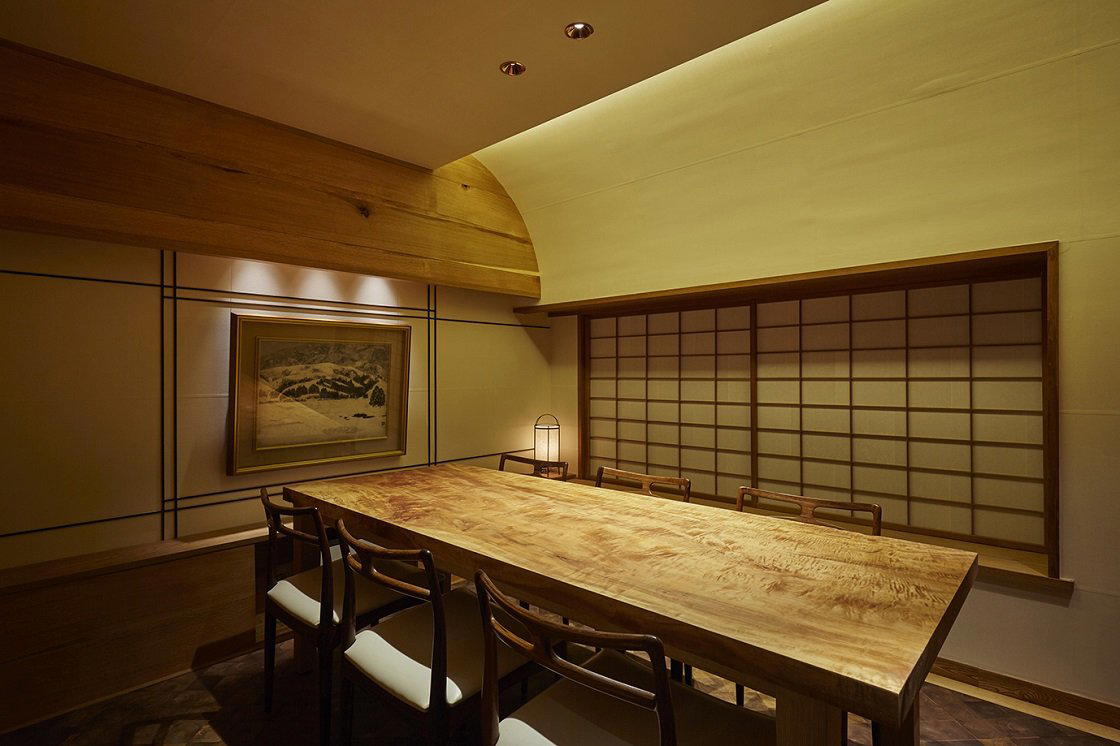




Bars in Osaka
Browse all →



Hotels in Osaka
Browse all →




Wineries in Osaka
Browse all →
At a Glance
- Lively
- Cozy
- Casual Hangout
- Open Kitchen
- Sake Program
Current opening hours
- Monday
- Closed
- Tuesday
- 6–10 PM
- Wednesday
- 6–10 PM
- Thursday
- 6–10 PM
- Friday
- 6–10 PM
- Saturday
- 6–10 PM
- Sunday
- Closed
Hours can change for holidays and private events. Last verified .
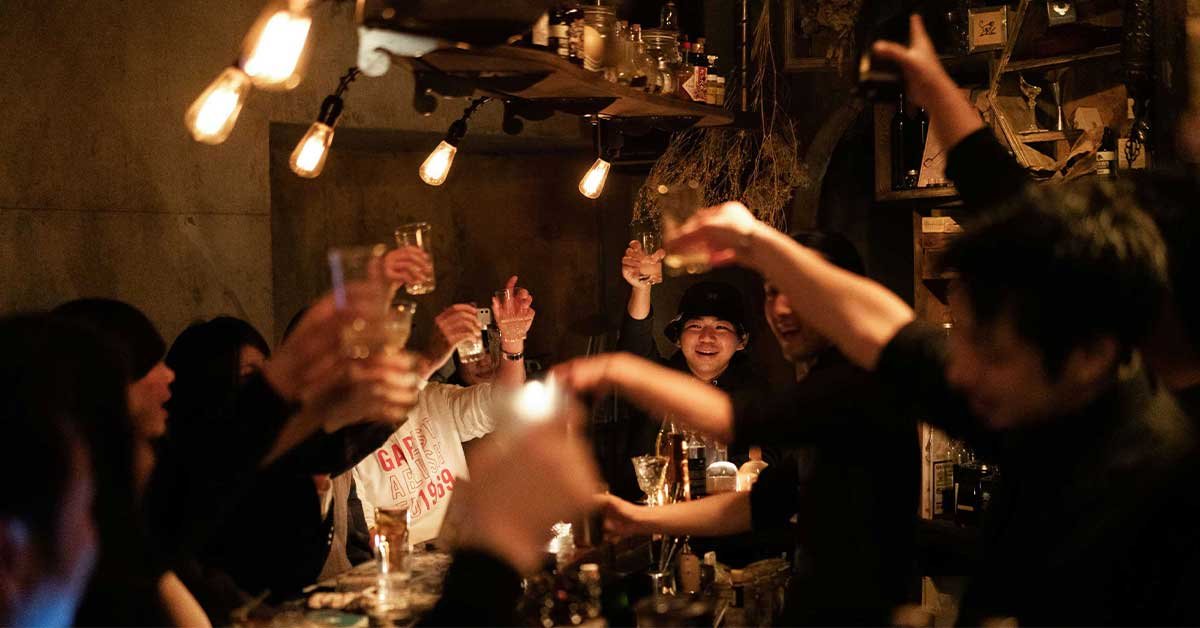
Animated and engaging atmosphere with friendly chef interaction at the counter.