Located in Osaka's Nishitenma district, 西天満 市がや occupies a stretch of Kita Ward where traditional dining culture and a quieter residential character coexist. The restaurant sits within a neighbourhood known for its concentration of serious Japanese restaurants, placing it alongside establishments that prioritise craft over spectacle. For visitors cross-referencing Osaka's broader dining scene, it represents a reason to look beyond the city's more publicised corridors.
Pearl is the En Primeur Club membership app — saves, bookings, and concierge access live there. Same editors, same standards.
- Address
- 2 Chome-10-9 Nishitenma, Kita Ward, Osaka, 530-0047, Japan
- Phone
- +817074627788
- Directions
- Get directions
 Saves & bookings on Pearl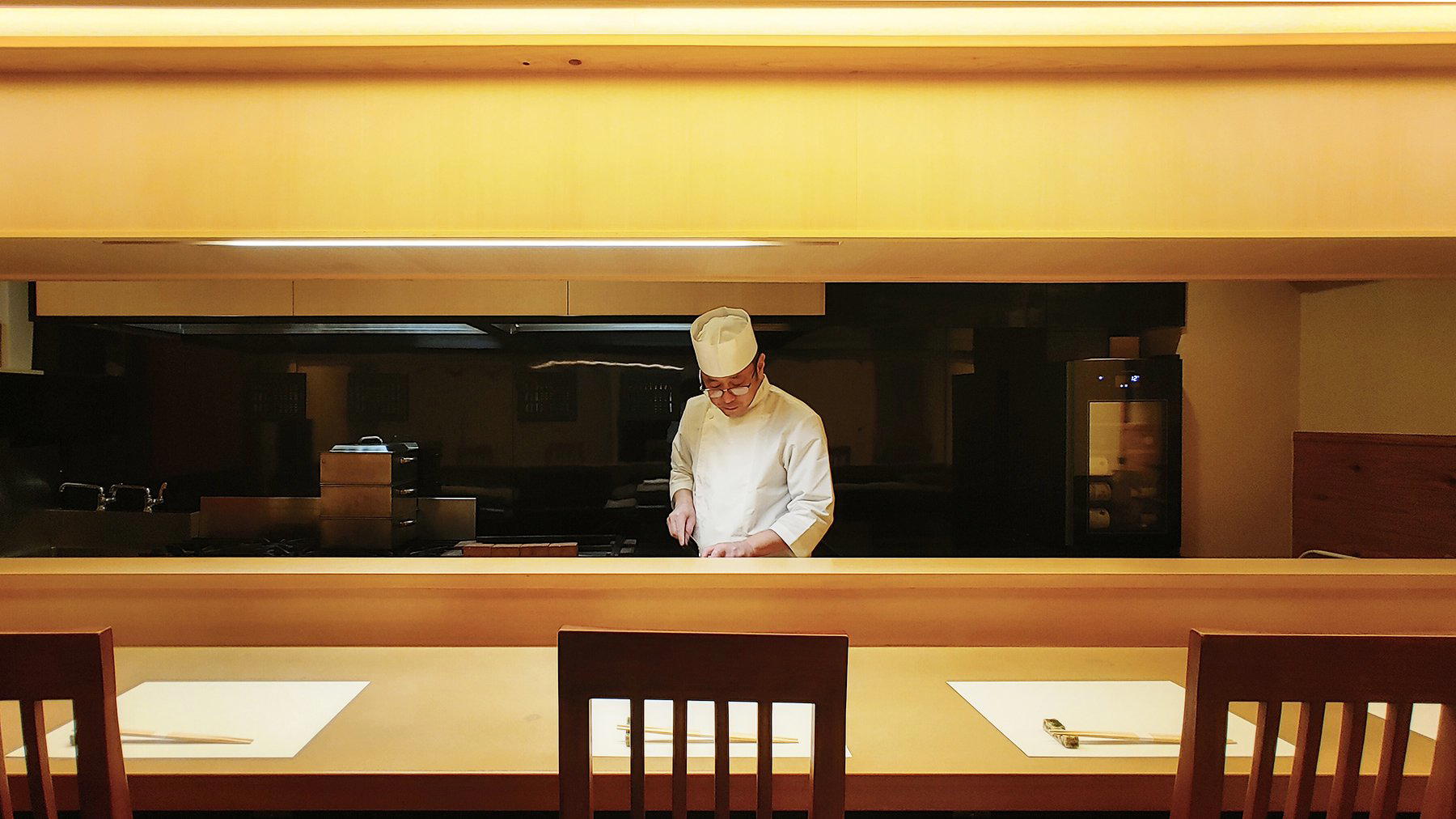
Nishitenma's Quieter Register
Kita Ward in Osaka divides neatly along lines of visibility. Umeda draws the crowds, the department store basement restaurants, the izakaya chains lit like convenience stores. Nishitenma, a short walk north, operates at a different frequency. The streets here carry a residential undertone even at dinner hour, the kind of neighbourhood where a restaurant earns its place through word of mouth rather than foot traffic. It is in this context that 西天満 市がや sits, at 2 Chome-10-9 Nishitenma, as part of a cluster of dining establishments that have quietly made the area one of the more considered pockets of Osaka's restaurant culture.
That geography matters. In a city where Dotonbori and Shinsaibashi command most international attention, the restaurants of Nishitenma tend to serve a different kind of diner: locals who know the district's rhythm, professionals from the nearby legal and business district who treat the area's smaller rooms as an extension of their working week. The dining format here skews toward the deliberate, the counter-heavy, the reservation-led. 西天満 市がや fits that pattern.
The Counter as Collaboration Space
Much of what distinguishes serious Japanese dining from its more casual counterparts comes down to the relationship between the people behind the counter and those in front of it. In the kaiseki and kappo traditions that anchor many of Nishitenma's better rooms, the counter is not merely a serving surface but a communication channel. The chef's movements are visible, the sequencing of courses can shift in real time based on what a diner orders to drink, and the front-of-house role becomes something closer to interpretation than service.
This dynamic, where kitchen, floor, and guest operate as a triangulated system, is one of the defining features of high-commitment Japanese dining. At the level where Nishitenma restaurants tend to operate, the sommelier or drinks lead and the head chef are rarely working in isolation. A dish's temperature, its fat content, its seasoning register, all of these calibrate against what is in the glass. When that calibration works, the experience has a coherence that neither component could achieve alone. Venues like Ajihei Sonezaki and Ajikitcho Bunbuan have built reputations on precisely this kind of integration, and the neighbourhood broadly rewards restaurants that take it seriously.
Restaurants in this district that prefer not to broadcast their credentials often rely on regulars and referrals, which in Osaka's dining culture carries a particular weight. A room that does not need to advertise is usually a room that does not need to.
Where Nishitenma Sits in Osaka's Dining Architecture
Osaka's reputation as Japan's kitchen, the kuidaore city where people eat until they fall down, is accurate in the broadest sense but flattening in its detail. The city has a stratified dining culture that runs from takoyaki stalls to multi-course kaiseki, and the upper tiers are more technically rigorous than the city's populist image suggests. HAJIME in Osaka holds three Michelin stars and represents one end of that spectrum. Nishitenma sits in the quieter middle register, where craft is present but the format does not announce itself.
Within that middle register, the competition is real. Aka to Shiro, Az, and Calendrier each occupy their own positions in the city's serious dining conversation, and the density of capable restaurants in Kita Ward means that a room earns its reputation incrementally, course by course, visit by visit. That process is slower and more durable than a launch review.
For reference points beyond Osaka, the template for this kind of neighbourhood-embedded, counter-led restaurant recurs across Japan. Harutaka in Tokyo and Gion Sasaki in Kyoto both represent the category at high resolution, where the front-of-house team's reading of the room is as important as the technical skill in the kitchen. The format is not distinctive to Osaka, but Osaka's particular food culture, its emphasis on ingredient quality and seasonal precision, gives it a local inflection.
Reading the Room: What the Neighbourhood Signals
Arriving at Nishitenma from Osaka's central train grid, the shift in pace is immediate. The address at 2 Chome-10-9 places the restaurant in a block that does not particularly announce itself to passing traffic. That positioning is characteristic of the district's more serious establishments, which tend to assume that the people who need to find them already know where to look.
The area's dining concentration draws comparisons with the quieter backstreets of Nara's restaurant culture or the neighbourhood-embedded rooms found in cities like Fukuoka, where dining credibility is built through repetition and local loyalty rather than national press. In that sense, 西天満 市がや operates within a pattern that extends well beyond Osaka: the specialist restaurant that serves its neighbourhood first and visitors second.
The Kita Ward dining cluster pairs naturally with the city's northern cultural infrastructure and offers a different register from the more tourist-oriented southern districts. Restaurants in the area generally expect reservations, and walk-in availability at the better rooms is limited, particularly on weekday evenings when the professional local clientele is at its most consistent.
Know Before You Go
- Address: 2 Chome-10-9 Nishitenma, Kita Ward, Osaka, 530-0047, Japan
- Neighbourhood: Nishitenma, Kita Ward, Osaka
- Reservations: Advance booking strongly advised given the district's demand pattern for serious dining rooms
- Getting there: The Nishitenma area is accessible from Osaka's central rail network; Minamimorimachi Station (Sakaisuji Line, Tanimachi Line) is the nearest major interchange
Style and Standing
Comparable venues nearby, for context on price, style, and recognition.
| Venue | Cuisine | Price | Notes |
|---|---|---|---|
| 西天満 市がやThis venue — the venue you are viewing | Modern Japanese Kaiseki | $$$ | Not listed |
| Sushi Kazuma | Traditional Japanese Omakase | $$$ | Kita |
| 新町あだち | Seasonal Japanese Omakase | $$$ | Nishi |
| 焼鳥 YAMATO | Traditional Japanese Kaiseki | $$$ | Kita |
| 老松喜多川 | japanese | Not listed | Kita |
| ä¼è¦çº æ «å±± | Traditional Japanese Restaurant | Not listed | Chūō |
Continue exploring
More in Osaka
Restaurants in Osaka
Browse all →




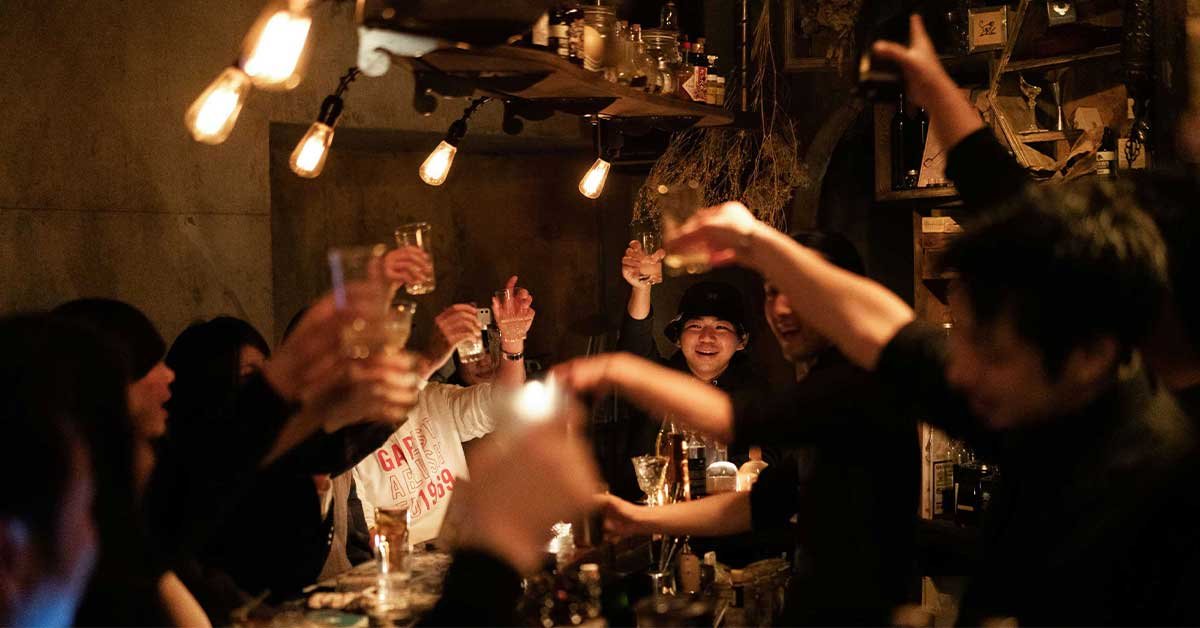
Bars in Osaka
Browse all →

Hotels in Osaka
Browse all →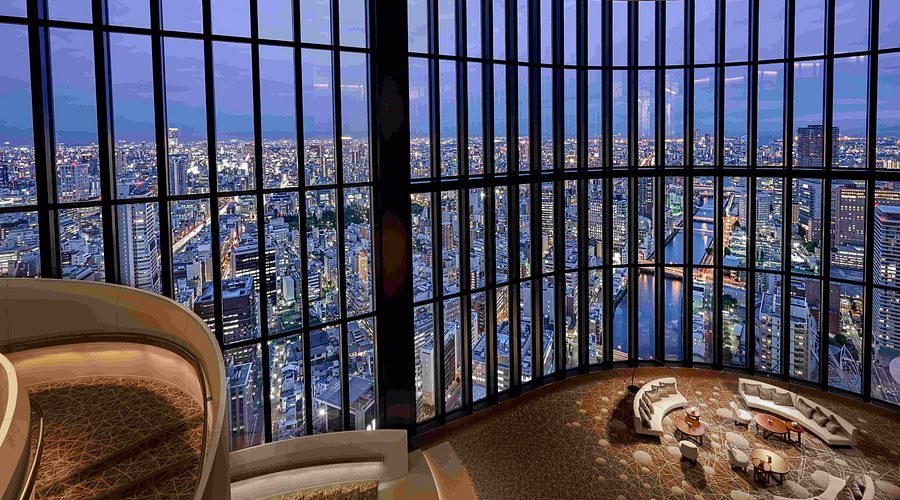




Wineries in Osaka
Browse all →
At a Glance
- Elegant
- Sophisticated
- Intimate
- Special Occasion
- Date Night
- Sake Program
Current opening hours
- Monday
- 11:30 AM–2 PM, 5–11 PM
- Tuesday
- 11:30 AM–2 PM, 5–11 PM
- Wednesday
- 11:30 AM–2 PM, 5–11 PM
- Thursday
- 11:30 AM–2 PM, 5–11 PM
- Friday
- 11:30 AM–2 PM, 5–11 PM
- Saturday
- 11:30 AM–2 PM, 5–11 PM
- Sunday
- 11:30 AM–2 PM, 5–11 PM
Hours can change for holidays and private events. Last verified .
季節の素材を尊重した丁寧な仕上げの料理が楽しめる上品で洗練された空間