Our verdict
Situated in Osaka's Miyakojima Ward, 鮓 きずな represents the quieter, neighbourhood-facing side of the city's sushi scene — away from the Michelin-tracked counters of Kitashinchi and Namba. The address places it within a residential stretch that rewards deliberate seekers over casual walk-ins, making it a reference point for those tracking Osaka's less-publicised omakase circuit.

Pearl is the En Primeur Club membership app — saves, bookings, and concierge access live there. Same editors, same standards.
- Address
- Japan, 〒534-0023 Osaka, Miyakojima Ward, Miyakojimaminamidori, 2 Chome−4−9 藤美ハイツ
- Phone
- +81669225533
- Hours
- Mon ClosedTue–Sat 6–11 PMSun 5–11 PM
- Website
- facebook.com
- Directions
- Get directions
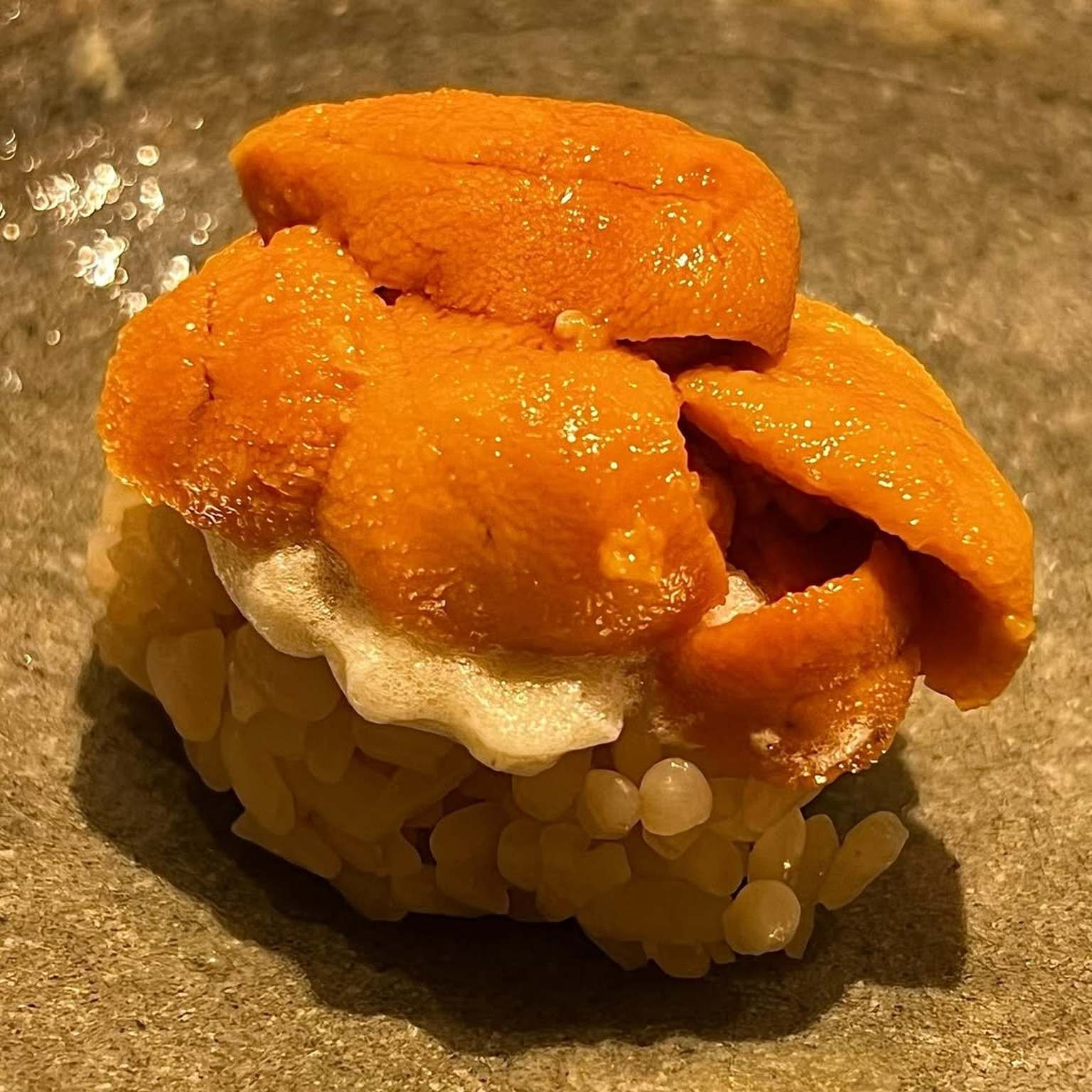
The menu
What to order
- イクラ うに えんがわ 中とろ 数の子
- Kohada vinegar-marinated
Miyakojima and the Quiet Sushi Counter
Osaka's sushi culture does not concentrate in a single district the way Tokyo's omakase scene clusters around Ginza and Hamacho. Instead, it disperses: across Kitashinchi's expense-account counters, the older itamae traditions of Namba, and a quieter residential tier that runs through wards like Miyakojima. 鮓 きずな sits in that third category, at an address in Miyakojimaminamidori that positions it outside the obvious tourist or business-dining circuit. In cities where the most-discussed counters absorb the majority of reservation traffic, this kind of neighbourhood placement functions as a filtering mechanism — the dining room fills with locals and deliberate visitors rather than passing trade.
That geographical logic matters in Osaka specifically. The city has historically maintained a different relationship with sushi than Tokyo: Osaka-mae zushi, rooted in pressed and marinated forms developed before refrigeration, ran parallel to Edo-mae traditions for generations. Contemporary Osaka sushi counters now operate across a wide spectrum — from strictly Edo-mae omakase to hybrid formats that acknowledge the city's own rice-and-vinegar heritage. What the address signals, at minimum, is a counter operating outside the premium-district tier where Michelin inspectors and foreign reservation platforms concentrate their attention.
The Intersection of Technique and Local Supply
Across Japan's serious sushi counters, the conversation about ingredient provenance has sharpened considerably over the past decade. The editorial angle that defines the most interesting work in this category is not simply sourcing from premium suppliers, every high-end counter does that, but rather the application of technique to ingredients that carry genuine regional specificity. Osaka's access to Osaka Bay seafood, the inland markets of the Kinki region, and the rice traditions of Hyogo and Shiga prefectures gives a counter in this city a distinct material base to work with.
The intersection of imported or classically trained technique with locally specific ingredients is where Japanese sushi has generated its most interesting regional variation. In Kanazawa, counters like 一本木 能川制 in nearby Nanao have built reputations around Sea of Japan fish that Edo-mae training never historically encountered. In Sapporo, counters such as 夕付山乃 work with Hokkaido's cold-water species through frameworks developed further south. Osaka sits in a different node of this network: warmer water fish, a rice-vinegar culture with its own deep history, and a city palate that has always leaned toward umami-forward flavour over the austere restraint that Tokyo omakase has sometimes fetishised.
Where a counter in Miyakojima draws its fish, how it handles shari, and whether it acknowledges the city's own pressed-sushi lineage or works strictly in the nigiri idiom, these are the variables that define its position in the local scene. For comparison, Harutaka in Tokyo represents a Edo-mae purist approach that has earned consistent recognition; Osaka counters in the neighbourhood tier often make different compromises, prioritising market relationships and seasonal flexibility over format rigidity.
Osaka's Dining Tier Below the Headlines
The city's three-Michelin-star and 50 Best-adjacent venues, HAJIME in the French haute cuisine register, the kaiseki standard set by Ajikitcho Bunbuan, absorb most of the international editorial attention directed at Osaka dining. Below that tier, a denser layer of serious, less-publicised restaurants operates on tighter margins but often with greater freedom in format and sourcing. Ajihei Sonezaki, Aka to Shiro, and more experimental addresses like Az and Calendrier all demonstrate that the city's most consequential dining does not cluster exclusively at the award-tracked summit.
鮓 きずな occupies a position in this mid-register that is structurally important: it is the kind of counter that serious local diners return to without needing external validation. That pattern is common across Japan's regional cities, Goh in Fukuoka built its reputation on a similar logic before broader recognition arrived, and Gion Sasaki in Kyoto maintained a devoted local following long before its awards trajectory accelerated. The neighbourhood counter that does not advertise itself is a recognisable Japanese dining archetype, and Miyakojima is a plausible home for one.
For visitors mapping Osaka's sushi scene against other Japanese cities, the comparison with akordu in Nara is instructive in a different register: both venues operate outside the primary tourist circuit of their respective cities, and both benefit from that remove. Internationally, the technical ambition of counters like Atomix in New York City or the produce-led precision of Le Bernardin illustrates how the local-ingredient-plus-imported-technique framework operates across categories and continents. At 鮓 きずな, the question is how that framework plays out at neighbourhood scale, in a ward that most international visitors would not otherwise travel to.
What the Address Tells You
Miyakojima Ward sits north of the city centre, across the Okawa River from Tenmabashi and the older merchant districts. It is residential in character, with the density and pace of a working Osaka neighbourhood rather than a dining destination. A sushi counter at this address is not competing for walk-in traffic or foreign tourist footfall; it is built for repeat customers who know exactly where they are going and why. That structural fact, location as implicit curatorial signal, is one of the more reliable indicators of a counter's self-positioning in Japanese cities. See our full Osaka Shi restaurants guide for broader context on how the city's dining geography maps across its wards.
Know Before You Go
- Location: Miyakojimaminamidori, Miyakojima Ward, Osaka (north of city centre, across the Okawa from Tenmabashi)
- Area character: Residential neighbourhood; not a dining-destination district
- Phone / website: Not publicly listed, direct walk-in or local referral likely required
- Hours: Not confirmed, verify locally before visiting
- Booking: No online reservation platform confirmed; approach via local contacts or hotel concierge
Frequently asked questions
Is 鮓 きずな child-friendly?
Omakase-format sushi counters in Osaka, as across Japan's cities, generally operate leading with older children or teenagers who can engage with a set-course pace and counter seating. Miyakojima's neighbourhood character suggests a more relaxed atmosphere than the formal precision-dining counters of Kitashinchi, but pricing and format details are not confirmed, so it is worth checking directly before bringing younger children. If pricing sits at the higher end of the neighbourhood counter tier, the format may assume a quieter, adult-led environment.
Is 鮓 きずな formal or casual?
Osaka's neighbourhood sushi counters generally occupy a middle register between the strict formality of Ginza omakase and the convivial informality of a kaiten-zushi bar. The Miyakojima address positions 鮓 きずな outside the business-dining circuit where dress codes and ceremony are most enforced. For comparison, the kaiseki formality of Ajikitcho Bunbuan or the award-tracked precision of HAJIME sets one end of the Osaka spectrum; a residential-ward sushi counter typically sits considerably closer to the comfortable end. Dress neatly, but a jacket is unlikely to be required.
What do people recommend at 鮓 きずな?
Specific dish or menu details are not confirmed in available public records for 鮓 きずな, so naming particular recommendations would cross into speculation. What the sushi counter format in Osaka typically foregrounds is seasonal nigiri built around Osaka Bay and Kinki-region fish, with rice and vinegar ratios that reflect the city's own flavour tradition rather than a strict Tokyo Edo-mae template. For a sense of how Osaka's serious sushi scene handles local ingredients, the broader neighbourhood counter circuit provides the most instructive context.
Does 鮓 きずな take reservations, and how far in advance should visitors plan?
No online booking platform or reservations policy is confirmed in the public record for 鮓 きずな. Neighbourhood sushi counters in residential Osaka wards frequently operate on a phone-reservation or introduction basis rather than through international booking services, which means securing a table often requires a Japanese-language call or assistance from a hotel concierge familiar with the local circuit. Visitors travelling specifically for this counter should plan to make contact well in advance, particularly for weekend sittings when local regulars tend to fill available seats.
Comparison Snapshot
Comparable venues nearby, for context on price, style, and recognition.
| Venue | Cuisine | Price | Awards | Notes |
|---|---|---|---|---|
| 鮓 きずなThis venue — the venue you are viewing | Edomae-style Omakase Sushi | $150–200 | Not listed | Not listed |
| Hachi | Binchōtan-Grilled Japanese Fine Dining | Not listed | Not listed | Tennōji |
| Wagyu Teppanyaki OUSAKA | Wagyu Teppanyaki | $100–150 | Not listed | Yodogawa |
| なにわ料理 さと有 | Naniwa Ryori (Osaka-style Japanese Cuisine) | Not listed | Michelin Plate | Kita |
| Tatemoto | Traditional Fugu (Pufferfish) Specialist | $150–200 | Not listed | Nishinari |
| 片町 川口 | Refined Japanese Kaiseki | $200–300 | 1 Michelin Star | Miyakojima |
Continue exploring
More in Osaka
Restaurants in Osaka
Browse all →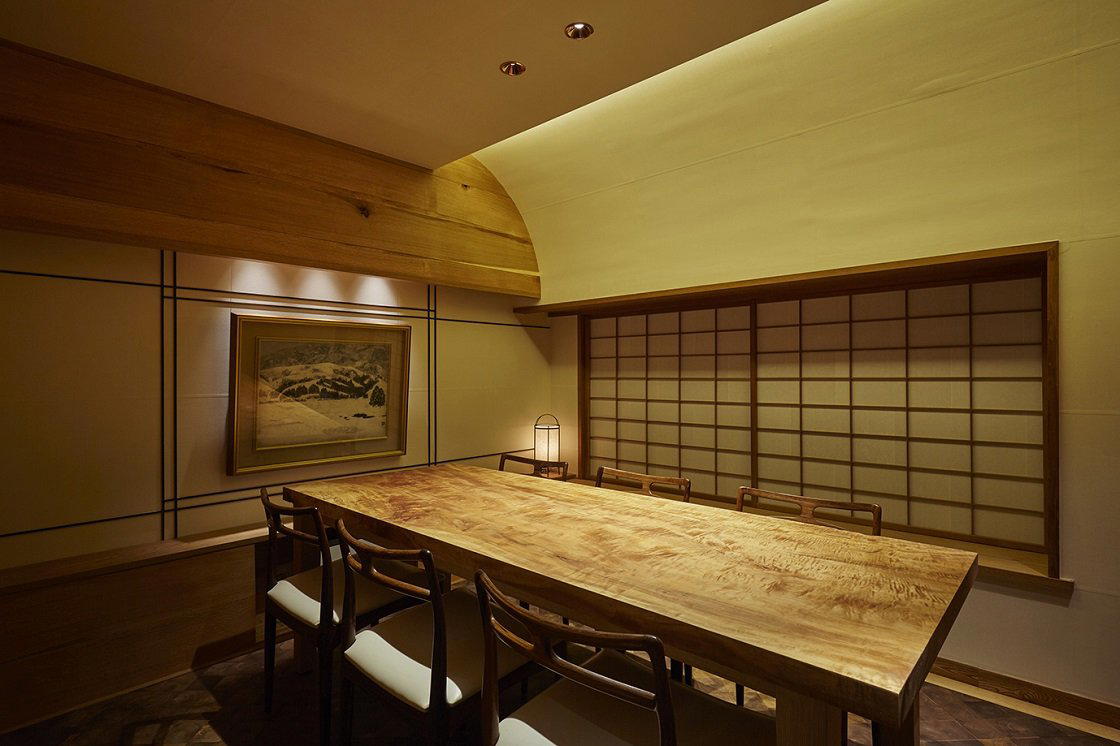


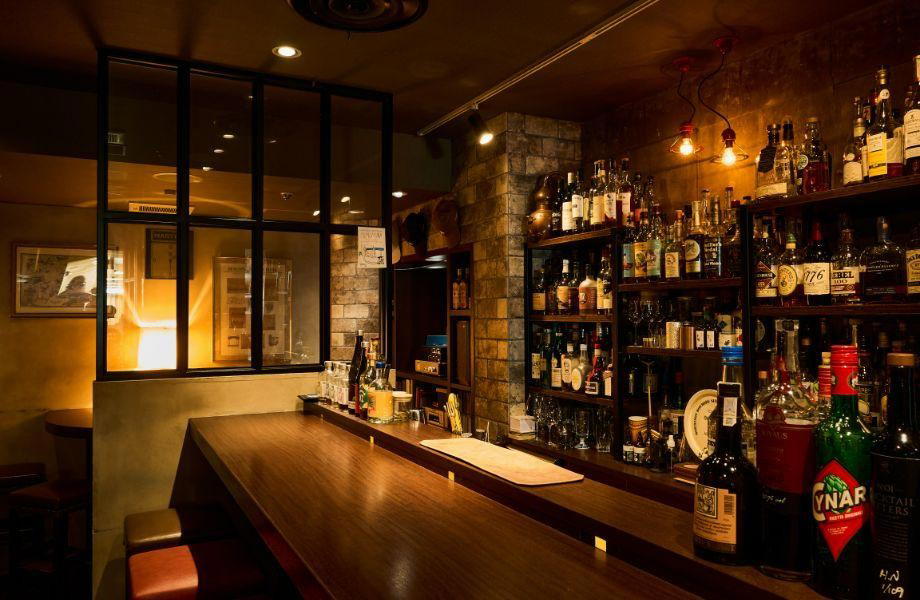
Bars in Osaka
Browse all →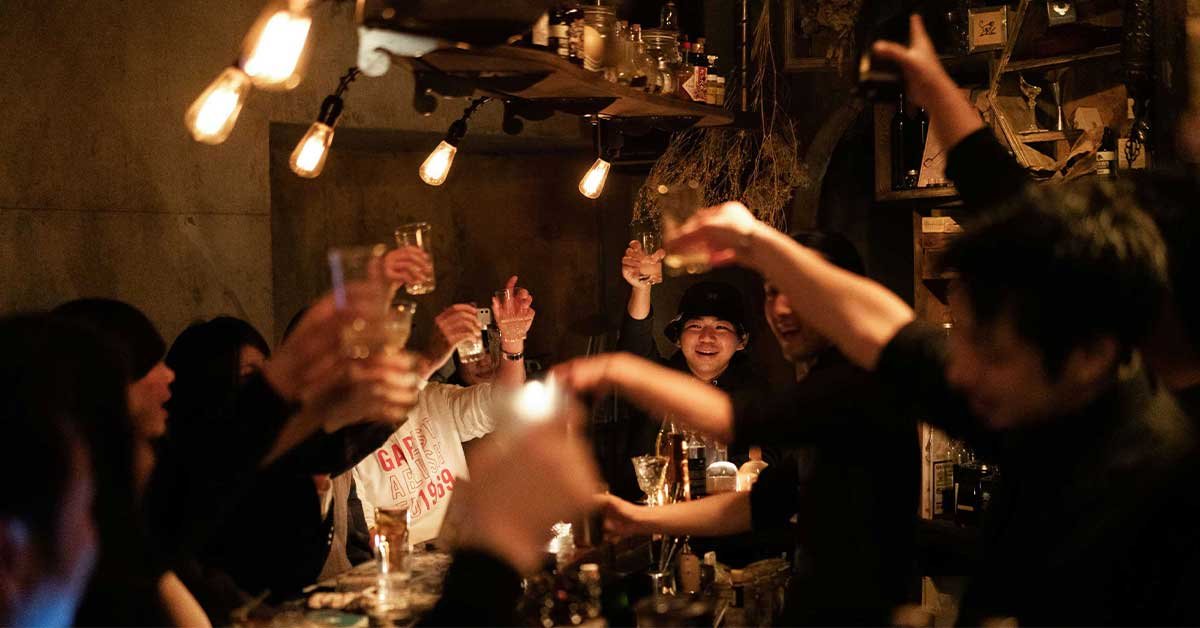
Hotels in Osaka
Browse all →



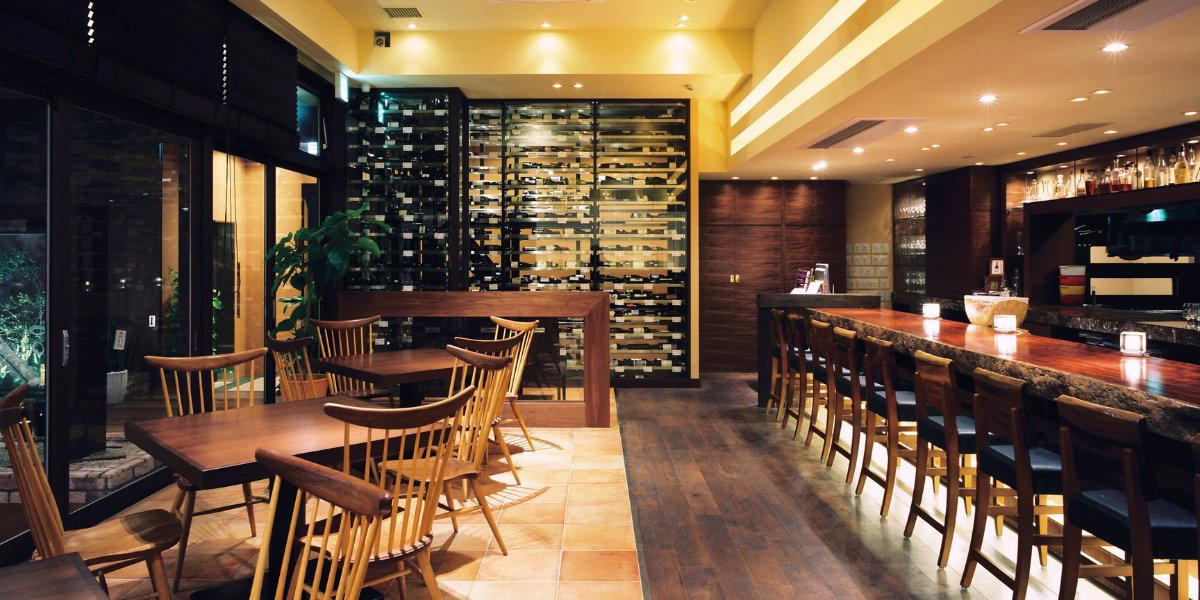
Wineries in Osaka
Browse all →
Details
- Elegant
- Intimate
- Sophisticated
- Date Night
- Special Occasion
- Chefs Counter
- Sake Program
- Sustainable Seafood
- Omakase
- Counter Dining
- Sake
Current opening hours
- Monday
- Closed
- Tuesday
- 6–11 PM
- Wednesday
- 6–11 PM
- Thursday
- 6–11 PM
- Friday
- 6–11 PM
- Saturday
- 6–11 PM
- Sunday
- 5–11 PM
Hours can change for holidays and private events. Last verified .
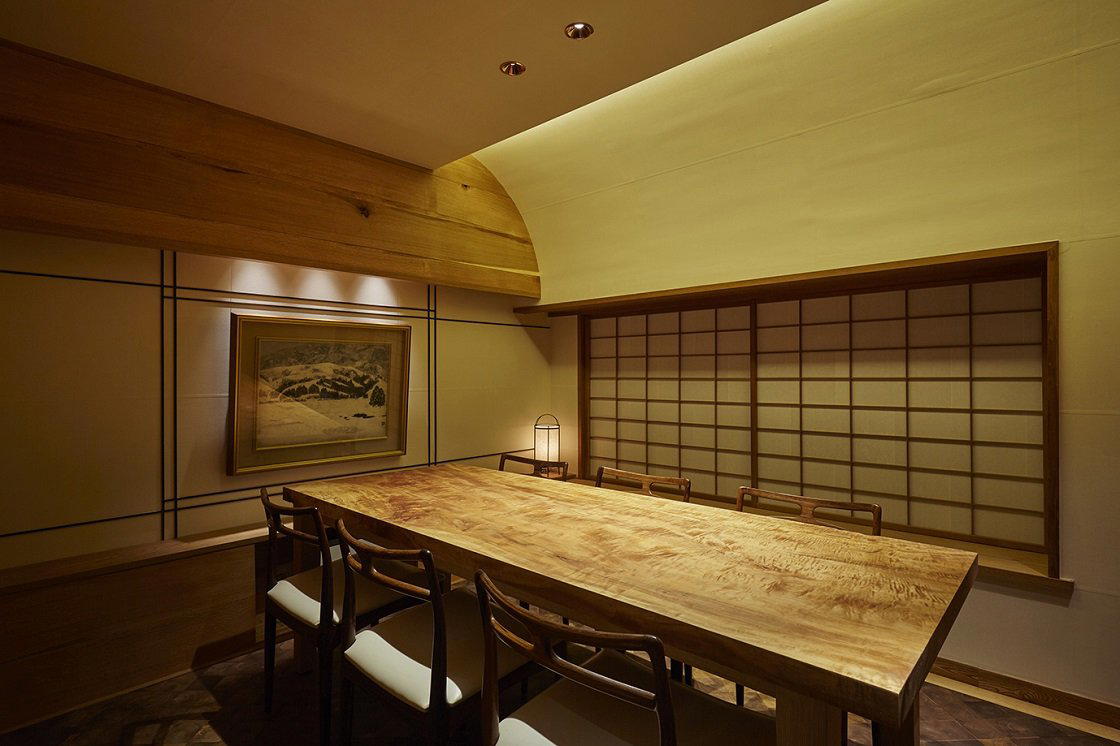
Stylish, relaxed counter-only space with 12 seats fostering an intimate, focused sushi experience.