
Tabelog 100 #95
Our verdict
Located in the Dojima district of Kita Ward, åé occupies a quietly positioned address inside Dojima Hirahachi Building. EP Club tracks it as part of the broader Kita-area scene where reservation depth and word-of-mouth weight more than visibility.

Pearl is the En Primeur Club membership app, where members save venues, book tables and use the concierge.
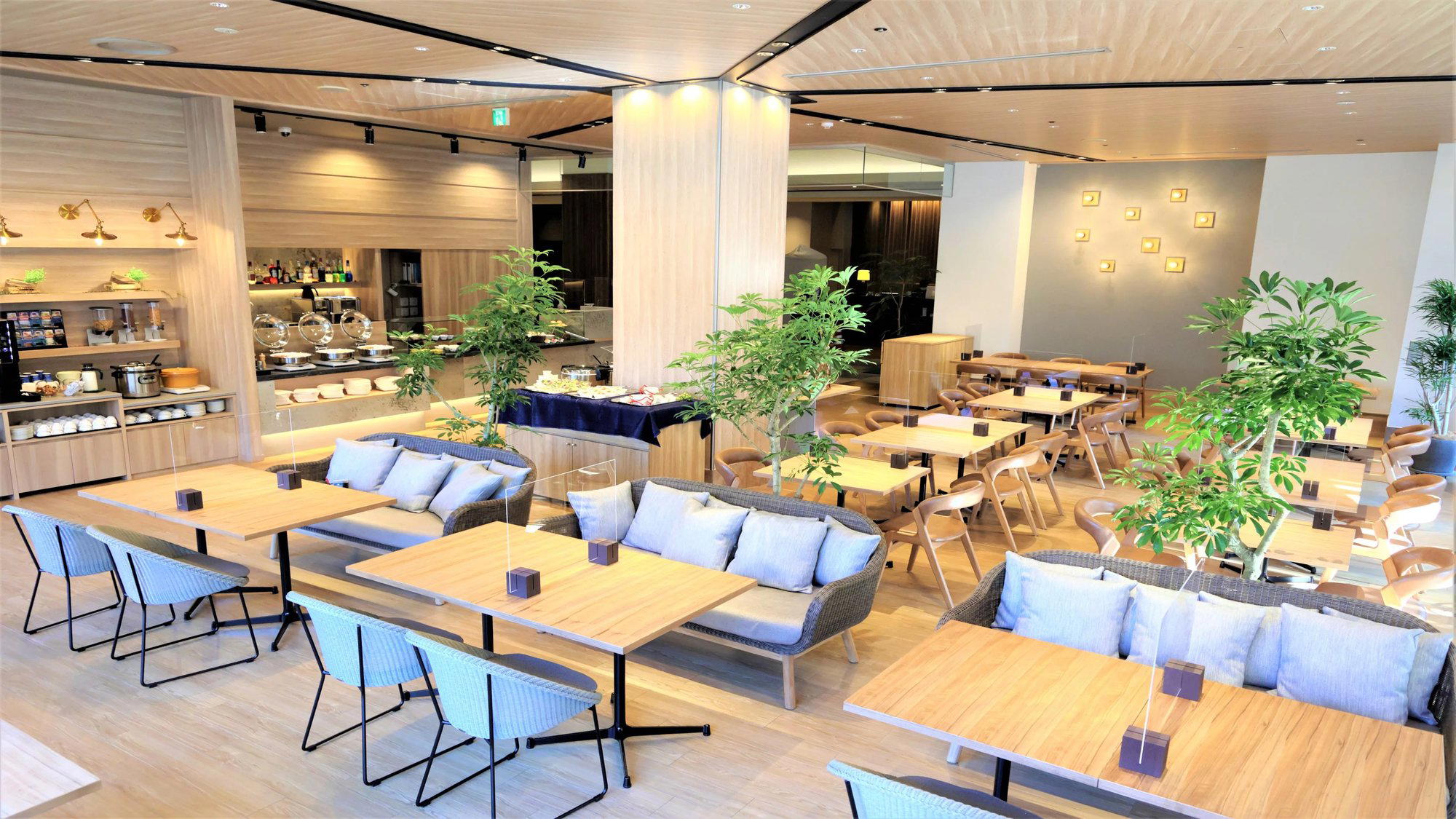
Dojima After Dark: How Osaka's Kita Ward Separates Its Serious Dining Rooms
Osaka's Kita Ward does not announce its better restaurants loudly. The neighbourhood around Dojima, the stretch running west from Umeda toward the old rice exchange district, has long operated on a different register than the tourist-facing streets of Dotonbori or Shinsaibashi. Here, dining rooms tend toward discretion: smaller in scale, lower in signage, and navigated mostly by people who already know where they are going. åé, addressed inside the Dojima Hirahachi Building at 1 Chome-3-14 Dojima, sits within that pattern. The building itself gives little away, which in this part of the city is less an oversight than a cultural position.
That discretion matters when you are thinking about when to go. In Kita-area dining rooms of this type, the gap between lunch and dinner is not merely a shift in price point. It is a change in the entire social grammar of the room. Lunch in the Dojima corridor draws a different crowd, often local professionals from the surrounding financial and media offices, and tends to move at a compressed pace. Evening service, by contrast, extends. Conversation slows. The ratio of alcohol to food shifts. If you are visiting Osaka from outside Japan and want to read a room the way locals do, that distinction is worth understanding before you book.
The Dojima Address and What It Implies
Dojima's dining geography rewards some explanation. Kita Ward as a whole contains a large share of Osaka's serious restaurant stock, but it is not uniform. The area around Umeda station skews toward high-volume formats and department-store dining. Move west toward Dojima and the character changes: lower floors of mid-rise office buildings, smaller frontages, and restaurants that depend on repeat clientele rather than passing foot traffic. This is the part of Kita that functions more like a neighbourhood than a transit hub.
Restaurants at this address level in Osaka, tucked into named buildings rather than street-facing storefronts, typically operate on reservation, and often without the kind of online booking infrastructure that international visitors expect. This is not uniformly the case, but it is a pattern worth anticipating. If you are building an Osaka itinerary that includes serious dining, the Dojima corridor sits within walking distance of central Umeda, yet feels functionally removed from it. The practical implication: arriving without a reservation or a local introduction to this type of room rarely works in your favour.
Lunch Versus Dinner: How the Same Room Reads Differently
Across Osaka's more considered dining rooms, the lunch-versus-dinner divide has sharpened in recent years. Lunch formats have expanded in ambition, with a number of restaurants using midday service to offer condensed versions of evening menus at lower entry prices. This has made lunch an increasingly intelligent point of access for visitors who want the full calibre of a kitchen without committing to an extended evening format or peak pricing. For first-time visitors to a room like åé, a lunch booking, if available, often provides a cleaner read on what the kitchen is doing without the additional social weight that comes with evening service.
Dinner, in these rooms, is where the kitchen tends to extend itself. Courses lengthen. The pace is set by the room rather than the clock. In a district where many of the clientele are regulars with established relationships with the kitchen, evening service can feel opaque to newcomers, not unwelcoming, but calibrated for a familiarity that takes time to build. Ajihei Sonezaki and Ajikitcho Bunbuan represent the kind of Osaka rooms where that regulars-first dynamic is most pronounced; åé's Dojima address places it in a comparable social register.
Osaka's Kita Dining Scene in Broader Context
Understanding where åé sits requires some sense of what Osaka's upper dining tier looks like as a whole. The city punches significantly above its tourist-facing reputation. While the street food narrative around takoyaki and okonomiyaki dominates international coverage, Osaka holds a serious concentration of formally recognised restaurants. HAJIME represents the city's presence at the most formally decorated level, but the broader Kita scene contains a deeper layer of smaller, less publicised rooms that form the actual texture of how serious Osaka diners eat. That layer is where Dojima-area addresses tend to cluster.
Comparative context from elsewhere in the Kansai region helps locate Osaka's dining character more precisely. Gion Sasaki in Kyoto and akordu in Nara each demonstrate how Kansai dining rooms of this type operate with strong local identity while drawing from wider culinary traditions. Osaka's version of that model tends to be less ceremonially positioned than Kyoto and more commercially grounded than Nara, reflecting the city's merchant-city history. Aka to Shiro, Az, and Calendrier each occupy distinct corners of that Osaka sensibility within Kita Ward.
Nationally, the conversation around small, low-profile urban dining rooms connects to rooms like Goh in Fukuoka, Abon in Ashiya, and affetto akita in Akita, all operating on the principle that a low public profile and a strong local base produce a more durable dining proposition than visibility-driven positioning. Aji Arai in Oita, Ajidocoro in Yubari District, and Akakichi in Imabari extend that pattern further into Japan's regional dining geography. Internationally, the model of the room that earns its clientele quietly rather than through media exposure has equivalents in cities as different as New York, where Le Bernardin has maintained formal recognition alongside genuine local-diner loyalty, and San Francisco, where Lazy Bear operates on a format built around community and repeat engagement.
Planning a Visit: What to Know Before You Go
Practical information for åé is limited in public circulation, which is itself a signal about how the restaurant operates. The Dojima Hirahachi Building address in Kita Ward places it within the Umeda-adjacent zone of Osaka, accessible from both Kitashinchi station and Umeda without significant travel. For visitors staying in central Osaka, the location adds no meaningful logistics burden.
The absence of a listed phone number, website, or booking platform in public records suggests that reservations likely run through personal contact, concierge channels, or local introduction. Visitors planning a trip that includes this type of Dojima-area room are well advised to engage a hotel concierge or a Japan dining specialist well ahead of arrival. Last-minute access to this category of restaurant in Osaka is rarely direct, and the Kita Ward dining calendar tightens considerably during peak travel periods in spring and autumn. For broader orientation on the Osaka dining scene before building a final itinerary, our full Osaka Shi restaurants guide maps the city's key rooms by neighbourhood and format. Harutaka in Tokyo offers a useful reference point for how Japan's most reservation-tight rooms typically handle advance planning, and the principles translate directly to serious Osaka addresses.
Frequently asked questions
What's åé's location?
åé is located at Dojima Hirahachi Bldg. 1 Chome-3-14 Dojima, Kita Ward, Osaka, 530-0003, Japan, Osaka Shi.
What should I order at åé?
Menu specifics for åé are not in public circulation, which is consistent with how restaurants at this address level in the Dojima corridor tend to operate, the kitchen dictates the direction rather than a printed list of choices. Across comparable Kita Ward dining rooms in Osaka, the format is typically counter-led and course-based, with little expectation of à la carte selection. The approach rewards guests who arrive without fixed expectations.
How far ahead should I plan for åé?
Reservations are recommended for åé in Osaka Shi. Confirm current policy via the venue's official channels.
What do critics highlight about åé?
åé is best approached by focusing on the core concept and signature offerings.
Cuisine Lens
Comparable venues nearby, for context on price, style, and recognition.
| Venue | Cuisine | Price | Awards | Notes |
|---|---|---|---|---|
| 善道This venue (the venue you are viewing) | Traditional Japanese Kaiseki | Not listed | Tabelog 100 #95 | Not listed |
| Konishi | Kappo | $300–500 | Michelin Plate | Kita |
| 十皿 | Traditional Japanese Kaiseki | Not listed | Tabelog 100 #58 | Kita |
| 澤田 | Traditional Japanese Kaiseki | Not listed | Not listed | Fukushima |
| 旬膳季らく | 浪速割烹 Japanese Kaiseki | $100–150 | Michelin Plate | Chūō |
| 食堂うちの | Modern Japanese Omakase | $100–150 | Michelin Plate | Kita |
Recognition history
Dated appearances from independent guides and award organizations, with the underlying list record or original source where available.
Tabelog 100 #95 · No. 95
Tabelog · Tabelog 100 - Chinese cuisine - WEST - 2026
Continue exploring
More in Osaka
Restaurants in Osaka
All restaurants in Osaka →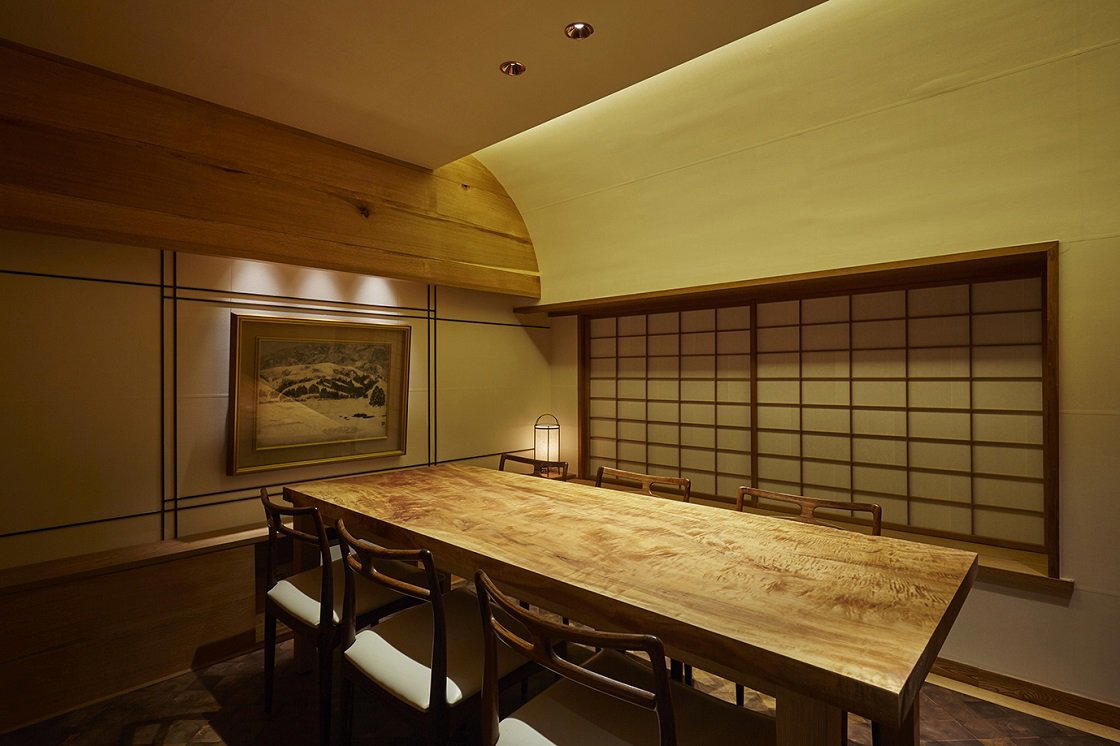


Bars in Osaka
All bars in Osaka →



Hotels in Osaka
All hotels in Osaka →


Wineries in Osaka
Browse all →
Details
- Elegant
- Sophisticated
- Modern
- Date Night
- Special Occasion
- Chefs Counter
- Open Kitchen
- Sake Program
- Local Sourcing
- Counter Dining
- A La Carte
- Sake
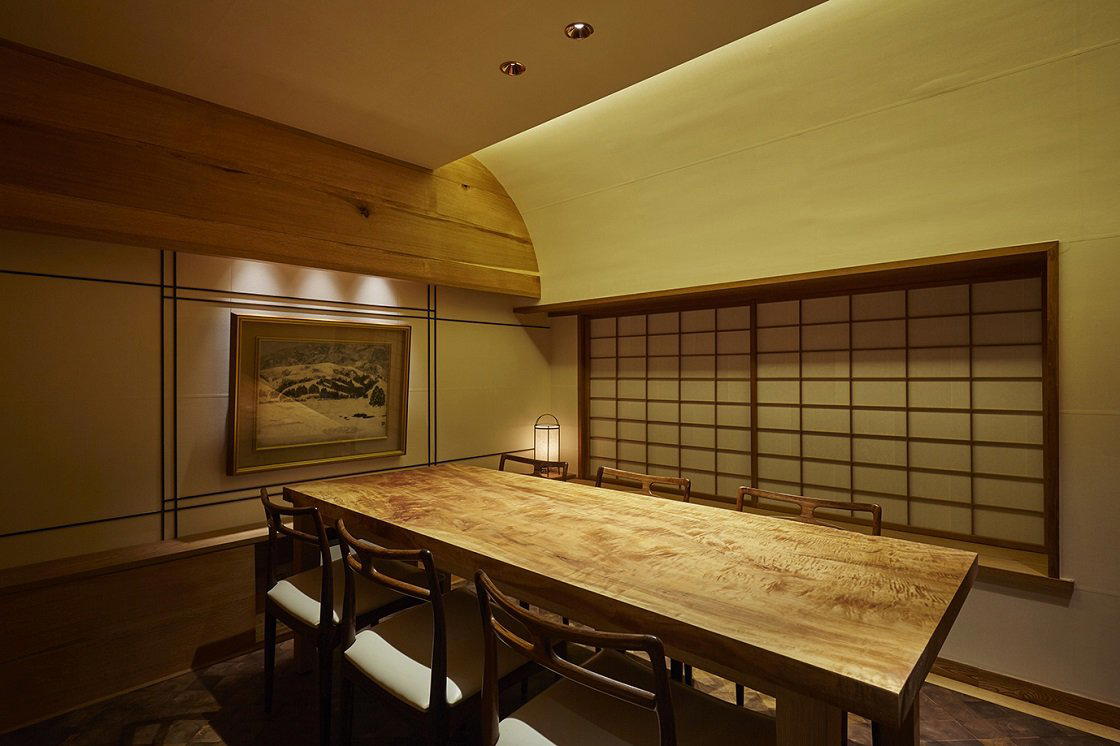
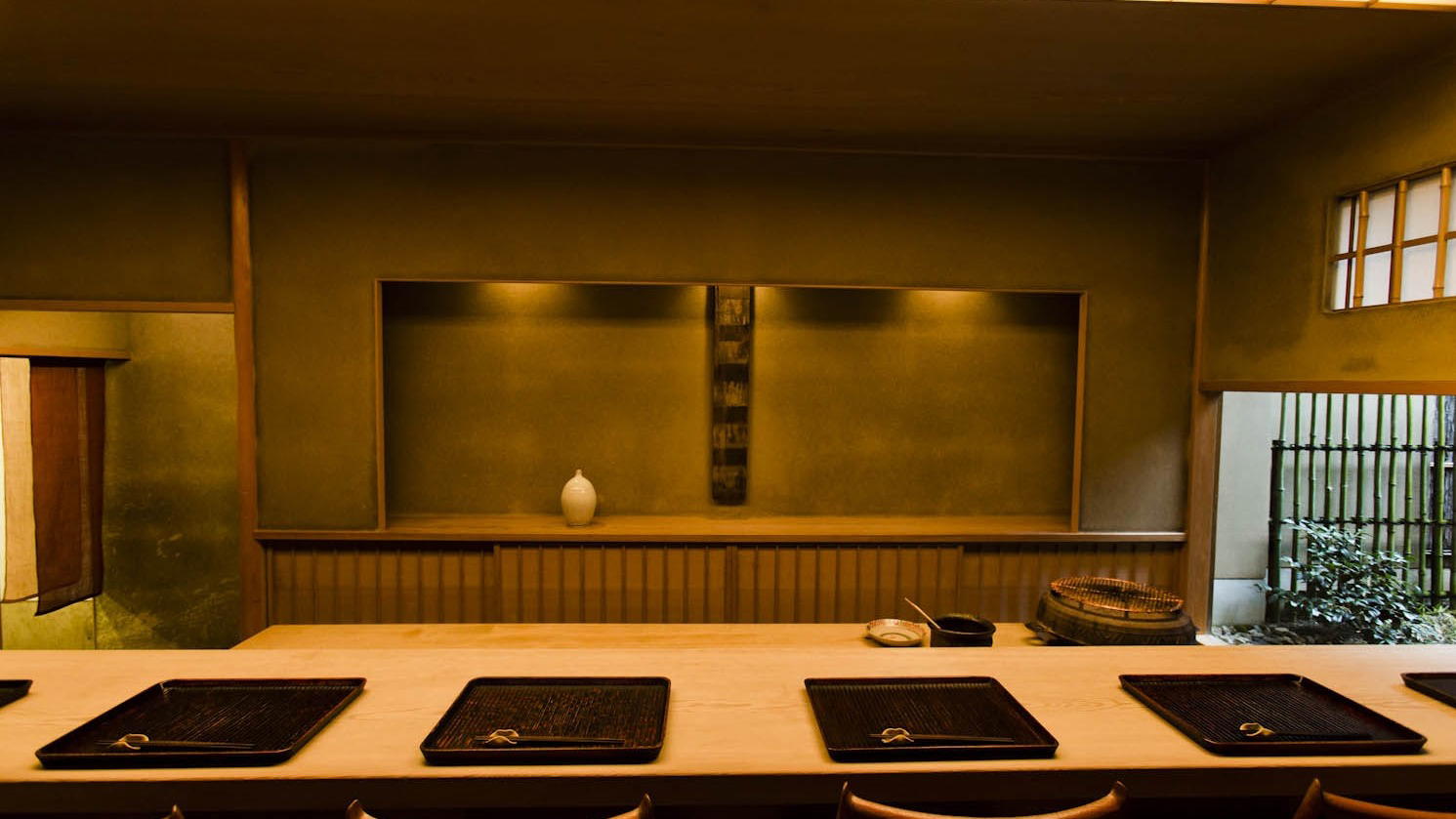
Minimalist modern interior with warm lighting and intimate counter seating creating an exclusive dining atmosphere.