Michelin Bib Gourmand · Tabelog 100 #69
Our verdict
A Michelin Plate-recognised izakaya in Shinjuku, Shokudo Wata operates at the intersection of everyday Japanese hospitality and careful, considered cooking. The ¥¥ price point and warm, wood-framed interior signal a deliberate informality, yet the kitchen applies a level of attention more often found at formal counters. For visitors and locals alike, it represents what the izakaya format does at its most purposeful.

Pearl is the En Primeur Club membership app, where members save venues, book tables and use the concierge.
Shinjuku's Izakaya Culture and Where Shokudo Wata Fits Within It
Shinjuku carries more dining identities than almost any other district in Tokyo. The streets around Kabukicho run loud and neon-lit; the alleys of Omoide Yokocho preserve a postwar yakitori character that has become its own kind of attraction; and deeper in the grid, around 1 Chome Shinjuku, the neighbourhood settles into something more residential, more quotidian. This is where the izakaya format makes the most sense, not as a destination category for tourists assembling restaurant itineraries, but as the rhythm of a neighbourhood evening. Shokudo Wata sits in that register. Its address on 1 Chome-19-11 Shinjuku places it away from the district's highest-traffic corridors, and the warm light that spreads through wood-framed windows into the street communicates its purpose plainly: this is a place people pass and decide to enter, not one they navigate toward from a hotel across the city.
For context, Tokyo's izakaya sector spans a wide range. At the casual end, large chains fill blocks in every major district. At the other end, a smaller cohort of independent operators has drawn critical recognition for applying serious kitchen discipline to informal formats. Shokudo Wata earned a Michelin Plate in 2025, a distinction that places it within that smaller cohort without repositioning it as a special-occasion address. The Michelin Plate, as opposed to a star, signals cooking worth seeking out on its own terms, not cooking that requires formal context to appreciate. That distinction matters here.
The Izakaya Tradition: Informality as a Design Principle
The izakaya format emerged in Japan as a space between the drinking house and the restaurant, somewhere you could eat serious food without the ceremonial weight of kaiseki or the focused ritual of an omakase counter. At its core, the format depends on a specific kind of pacing: dishes arrive in no fixed order, portions are sized for sharing, and the meal extends as long as the table wants it to. The social architecture is deliberately horizontal, designed for regulars, for groups, for long evenings that drift rather than conclude.
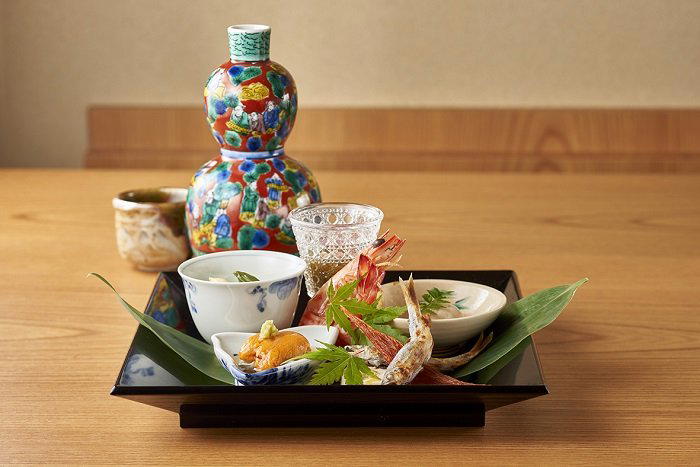
What separates a considered izakaya from a routine one is what happens in the kitchen. The ingredient sourcing, the preparation technique, and the depth of flavour in dishes that might read as simple on paper. This is the gap the Michelin Plate signals at Shokudo Wata. The fare is described as simple, but the flavours are deep and complex, and each dish arrives with what the kitchen calls painstaking attention to detail. In a category where shortcuts are common and the informality of the format can excuse mediocrity, that discipline carries weight.
For useful comparison within the izakaya category across Japan's major cities, Benikurage in Osaka and Berangkat in Kyoto represent how the format adapts to different urban personalities. Tokyo's version, particularly in a district like Shinjuku, carries its own specific character: faster-paced, more anonymous, and in some ways more demanding of the kitchen because the neighbourhood's sheer density of options raises the baseline expectation.
The Interior and What It Communicates
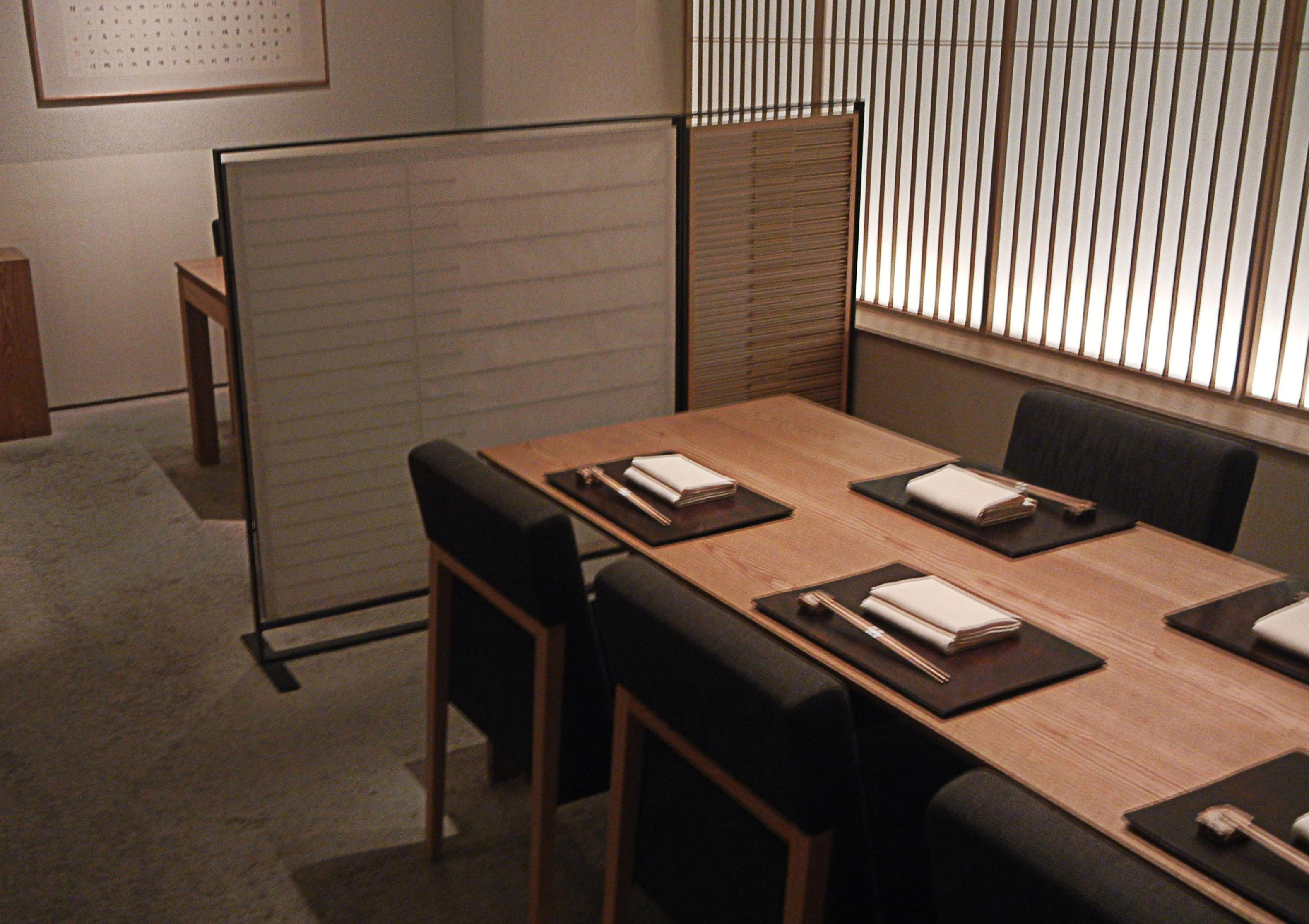
The interior at Shokudo Wata is described as unassuming, with wood-framed windows that allow warm light to reach the street. In the context of Shinjuku, where many restaurant fronts compete aggressively for visual attention, this restraint reads as a deliberate signal. The design communicates that the evening's interest lies inside the meal, not in the environment performing around it. The light is warm and gentle, the framing domestic rather than architectural. These are not accidental choices in a district with access to any number of design approaches.
This interior register connects Shokudo Wata to a broader tendency in Tokyo's more considered casual dining. As the city's premium tier has moved toward increasingly theatrical or minimalist formats, the izakaya counter that looks and feels like a neighbourhood fixture has become a distinct and coherent alternative. Compared to the kaiseki formality of venues like Gion Sasaki in Kyoto or the technical precision signalled by starred counters, the warmth of an interior like this carries a different kind of ambition: to disappear into the fabric of daily life rather than stand apart from it.
Placing Shokudo Wata in Tokyo's Wider Dining Picture
Tokyo's dining scene operates across an unusually wide range of formats and price points. At the upper end, restaurants like Harutaka and RyuGin operate in the ¥¥¥¥ bracket with Michelin-starred ambitions and formats that require advance planning, formal dress consideration, and a particular kind of intentional dining occasion. French kitchens like L'Effervescence occupy a similar tier.
Shokudo Wata's ¥¥ price range positions it as accessible without being throwaway. In Shinjuku's current dining economy, ¥¥ at a Michelin Plate-recognised address represents a distinct value point: the kitchen is accountable to a recognised quality standard, but the format and price remain within reach of an unplanned Tuesday evening. This is where the izakaya concept functions at its most coherent. The lack of a booking requirement or formal dress code is not a gap in the offering; it is the offering.
Within the broader Tokyo picture, venues at adjacent price points that have drawn critical recognition include Hakata Hotaru and Hakata Issou, both of which operate in specialist formats where the food quality exceeds what the setting might lead a first-time visitor to expect. That dynamic, disciplined cooking inside an unassuming room, is one of the more durable qualities in Tokyo's mid-tier dining. For the full range of what Tokyo's restaurant scene offers across formats and price points, the EP Club Tokyo restaurants guide covers the breadth of the current field, and you can also explore the Tokyo hotels guide, Tokyo bars guide, Tokyo experiences guide, and Tokyo wineries guide for a broader view of the city.
For those building a Japan itinerary that moves beyond Tokyo, the editorial record includes HAJIME in Osaka, akordu in Nara, Goh in Fukuoka, 1000 in Yokohama, and 6 in Okinawa, each operating in a distinct local context and format. Within Tokyo itself, Daikanyama Issai Kassai, Ginza Nominokoji Yamagishi, and Ginza Shimada represent the city's more formal end of Japanese dining, providing useful contrast to the Shinjuku izakaya register.
Planning Your Visit
Address: 1 Chome-19-11 Shinjuku, Shinjuku City, Tokyo 160-0022. Price range: ¥¥, accessible by Tokyo standards for the quality on offer. Cuisine: Izakaya, with the kitchen's attention to detail recognised by a Michelin Plate (2025). Reservations: Booking method not confirmed; arriving as a walk-in aligns with the format's design intent. Dress: No dress code indicated; smart-casual is consistent with the neighbourhood's character. Getting there: Shinjuku Station serves multiple lines and is within walking distance of the address.
Frequently asked questions
How would you describe the vibe at Shokudo Wata?
This is a neighbourhood izakaya conceived for daily-life visits, not occasion dining. Warm light filters through wood-framed windows into the street, and the interior is deliberately unassuming. The Michelin Plate (2025) recognises it for exactly that register: serious kitchen attention delivered without ceremony, at a ¥¥ price point.
Where exactly is Shokudo Wata?
Shokudo Wata is located at 1 Chome-19-11 Shinjuku, Shinjuku City, Tokyo 160-0022, Japan, Tokyo.
What kind of recognition has Shokudo Wata received?
Shokudo Wata has received recognition including: Putting to work his experience studying authentic Japanese cuisine, the chef opened this restaurant as an izakaya where people will drop in as part of their daily lives. A warm and gentle light spreads through the restaurant and into the st….
What's the best thing to order at Shokudo Wata?
Michelin's 2025 Plate designation specifically calls out the depth of flavour in what the kitchen describes as simple fare, with each dish prepared with painstaking attention to detail. The format is izakaya, so ordering across several small plates reflects how the menu is intended to be eaten.
Fast Comparison
Comparable options at a glance, pulled from our tracked venues.
| Venue | Cuisine | Price | Awards | Notes |
|---|---|---|---|---|
| Shokudo WataThis venue (the venue you are viewing) | Modern Japanese Izakaya | $50–100 | Michelin Bib Gourmand · Tabelog 100 #69 | Not listed |
| Harutaka | Edo-Style Omakase Sushi | $200–300 | 3 Michelin Stars · World's 50 Best #76 | Sushi |
| RyuGin | Modern Kaiseki | $500+ | 3 Michelin Stars · World's 50 Best #41 | Kaiseki, Japanese |
| L'Effervescence | Modern French with Japanese Influences | $200–300 | 3 Michelin Stars · World's 50 Best #69 | French |
| HOMMAGE | Modern French with Japanese Influences | $150–200 | 2 Michelin Stars · World's 50 Best #78 | Innovtive French, French |
| MAZ | Innovative Peruvian-Japanese Fusion | $150–200 | 2 Michelin Stars · World's 50 Best #28 | Innovative |
Recognition history
Dated appearances from independent guides and award organizations, with the underlying list record or original source where available.
Michelin Bib Gourmand
Michelin
Tabelog 100 #69 · No. 69
Tabelog · Tabelog 100 - Diner - 2026
Full recognition history (3 entries)
Michelin Plate
Michelin