Shofukuro Honten


Tabelog 100 #85
Our verdict
Shofukuro Honten brings kaiseki to a quieter register in Higashiomi, Shiga Prefecture, ranked #228 on Opinionated About Dining's Top Restaurants in Japan list for 2025 and holding a Tabelog Bronze Award with a score of 3.88.

Pearl is the En Primeur Club membership app, where members save venues, book tables and use the concierge.
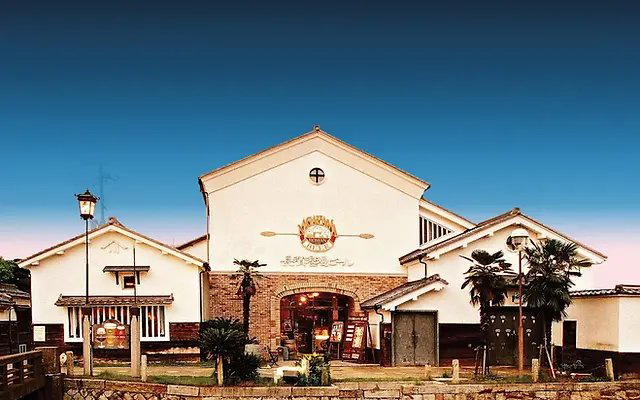
Shiga's Seasonal Table
Kaiseki, at its most considered, is a form of editorial: each course a decision about what the season means right now, arranged in a sequence designed to reveal, contrast, and resolve. The tradition traces back to the tea ceremony culture of Kyoto, where small dishes were prepared to accompany matcha, and evolved over centuries into a full multi-course format governed by strict aesthetic principles ma (negative space), shun (peak seasonality), and the deliberate restraint that separates kaiseki from mere abundance. Shiga Prefecture sits directly east of Kyoto, separated by Lake Biwa, Japan's largest freshwater lake. It supplied Kyoto's imperial kitchens with fish, game, and produce for centuries before kaiseki had a name. That agricultural and lacustrine heritage still gives Shiga's serious dining tables a distinct ingredient foundation that Kyoto itself cannot replicate, freshwater fish, regional vegetables, and a cooler microclimate that extends growing seasons in ways the basin city cannot match.
Shofukuro Honten occupies an address on Yokaichihonmachi in Higashiomi, a mid-sized city in the eastern Shiga basin that most visitors to the Kansai region pass through without stopping. That is, in fact, the relevant context. Kaiseki restaurants in Kyoto, Gion Sasaki, Ifuki, and others, operate in an environment saturated with international attention, where reservations are fought over months in advance and the review ecosystem is relentless. Higashiomi exists outside that circuit. Shofukuro Honten has built its recognition through the same critical channels, Opinionated About Dining, Tabelog, without the infrastructure of tourist footfall that feeds most decorated restaurants. That distinction matters when reading its rankings.
What the Rankings Signal
The trajectory here is consistent and upward. OAD listed Shofukuro Honten as Highly Recommended in 2023, moved it to #253 on the ranked list in 2024, and placed it at #228 in 2025. Tabelog, which aggregates reviews across a large domestic Japanese user base and applies a separate curatorial assessment, awarded it Bronze status in 2025 with a score of 3.88. For context, Tabelog scores compress significantly at the leading, a score above 3.5 in a regional city represents serious culinary recognition, and Bronze is the entry point to the award tier. To rank #228 nationally while operating in Higashiomi, against addresses like HAJIME in Osaka and major kaiseki houses in Kyoto, indicates a kitchen running at a consistently high level.
That critical consistency is the trust signal here. Award systems like OAD rely heavily on diner input from food-focused travelers who seek out serious regional tables precisely because they sit outside the conventional circuit. Shofukuro Honten's rankings reflect that kind of attention, informed visitors making deliberate trips rather than walk-in tourists following a hotel concierge list. Google's 4.5 score across 112 reviews adds a secondary layer: the kitchen holds its standard across service types, lunch and dinner alike.
The Kaiseki Framework at Work
Chef Hidetaro Nakamura operates within a format that offers limited room for shortcuts. Kaiseki at a serious level means the menu changes with the season, sometimes weekly, and the sourcing decisions are as visible as the cooking technique. The structure of a kaiseki meal follows a defined arc: sakizuke (an amuse to open), a soup course, raw fish, a simmered dish, a grilled course, and rice with pickles to close, with variations in between depending on the chef's emphasis and the season's provisions. That framework is both a discipline and a canvas. What separates a ranked kaiseki kitchen from a competent one is the precision of seasonal judgment: whether the matsutake arrives at the exact right moment in autumn, whether the spring vegetable courses genuinely taste of early-season growth rather than forced produce.
Shiga's position as a producing region rather than a consuming capital gives a Higashiomi kaiseki table a potential sourcing advantage over Kyoto restaurants that must import from the same supply chain. Lake Biwa produces ayu (sweetfish), a summer delicacy central to kaiseki seasonality in the Kansai region, and the surrounding farmland yields ingredients that appear on Kyoto menus under premium designations. A kitchen embedded in that landscape, rather than downstream of it, works with a different relationship to its ingredients. This is the structural editorial argument for traveling to Higashiomi rather than simply eating kaiseki in Kyoto.
Among the kaiseki-adjacent Japanese restaurants on the national scene, comparison is instructive. Kikunoi Tokyo represents the large-format, institutionally recognized end of the spectrum, a known name with branches and consistent Michelin recognition. Regional kaiseki houses like Shofukuro Honten, and peers from other prefectures such as Abon in Ashiya and Aji Arai in Oita, occupy a different position: geographically rooted, single-location, and evaluated by a narrower but more expert critical audience. That is the competitive set in which Shofukuro Honten's OAD ranking should be read.
Service Hours and the Lunch Question
The restaurant runs a split service across all seven days: lunch from noon to 3 pm and dinner from 4 pm to 10 pm. In kaiseki terms, the lunch sitting is not a shorter or simpler version of the evening, many kaiseki houses offer full seasonal menus at both services, with price variation rather than quality variation between them. Lunch at a serious kaiseki table in Japan often provides the strongest value proposition in the category, particularly for visitors who prefer to travel in the evening and want to experience the full menu format without the later sitting running late into the night.
Higashiomi is accessible from Kyoto via the JR Biwako Line, which connects Kyoto Station to Omi-Hachiman and nearby points in approximately 40 minutes, with onward access to Higashiomi by local bus or taxi. The address itself, 8-11 Yokaichihonmachi, sits in the central part of the city near the Yokaichi area, historically a merchant town district with preserved streetscapes that frame the approach differently from a modern urban dining address. For visitors building a Kansai itinerary that already covers Kyoto's kaiseki circuit, Higashiomi represents a short, deliberate side trip. For those exploring Shiga Prefecture more broadly, Lake Biwa's eastern shore, the castle town of Hikone, or the old post roads inland, Shofukuro Honten functions as a reason to anchor a night in the region rather than commuting out to the lake from Kyoto.
For broader Higashiomi context, see our guides to restaurants, hotels, bars, wineries, and experiences in the city. For kaiseki comparison across the region, Gion Sasaki in Kyoto and Ifuki in Kyoto are the natural reference points. For the broader Japanese dining circuit across formats, consider Harutaka in Tokyo, Goh in Fukuoka, akordu in Nara, 1000 in Yokohama, 6 in Okinawa, affetto akita in Akita, and Ajidocoro in Yubari District.
Frequently asked questions
What are Shofukuro Honten's hours?
Hours at Shofukuro Honten: Hours: Monday 12–3 pm, 4–10 pm Tuesday 12–3 pm, 4–10 pm Wednesday 12–3 pm, 4–10 pm Thursday 12–3 pm, 4–10 pm Friday 12–3 pm, 4–10 pm Saturday 12–3 pm, 4–10 pm Sunday 12–3 pm, 4–10 pm.
Where do I go for Shofukuro Honten?
Shofukuro Honten is located at 8-11 Yokaichihonmachi, Higashiomi, Shiga 527-0012, Japan, Higashiomi.
Comparable Spots, Quickly
| Venue | Cuisine | Price | Awards | Notes |
|---|---|---|---|---|
| Shofukuro HontenThis venue (the venue you are viewing) | Traditional Kaiseki | $200–300 | Tabelog 100 #85 | Not listed |
| Harutaka | Edo-Style Omakase Sushi | $200–300 | 3 Michelin Stars · World's 50 Best #76 | Sushi |
| RyuGin | Modern Kaiseki | $500+ | 3 Michelin Stars · World's 50 Best #41 | Kaiseki, Japanese |
| HAJIME | Avant-Garde Japanese Fine Dining | $300–500 | 3 Michelin Stars · World's 50 Best #83 | French, Innovative |
| L'Effervescence | Modern French with Japanese Influences | $200–300 | 3 Michelin Stars · World's 50 Best #69 | French |
| HOMMAGE | Modern French with Japanese Influences | $150–200 | 2 Michelin Stars · World's 50 Best #78 | Innovtive French, French |
Recognition history
Dated appearances from independent guides and award organizations, with the underlying list record or original source where available.
Opinionated About Dining Top Restaurants in Japan Recommended
Opinionated About Dining
Tabelog 100 #85 · No. 85
Tabelog · Tabelog 100 - Japanese cuisine - WEST - 2025
Full recognition history (6 entries)
Opinionated About Dining Top Restaurants in Japan Ranked #228
Opinionated About Dining
Tabelog Bronze
Tabelog
Opinionated About Dining Top Restaurants in Japan Ranked #253
Opinionated About Dining
Opinionated About Dining Top Restaurants in Japan Highly Recommended
Opinionated About Dining
Continue exploring
More in Higashiomi
Restaurants in Higashiomi
All restaurants in Higashiomi →
Bars in Higashiomi
Browse all →
Details
- Elegant
- Classic
- Intimate
- Sophisticated
- Special Occasion
- Date Night
- Historic Building
- Private Dining
- Garden
- Sake Program
- Local Sourcing
- Garden
- Omakase
- Tasting Menu
Current opening hours
- Monday
- 12–3 PM, 4–10 PM
- Tuesday
- 12–3 PM, 4–10 PM
- Wednesday
- 12–3 PM, 4–10 PM
- Thursday
- 12–3 PM, 4–10 PM
- Friday
- 12–3 PM, 4–10 PM
- Saturday
- 12–3 PM, 4–10 PM
- Sunday
- 12–3 PM, 4–10 PM
Hours can change for holidays and private events. Last verified .
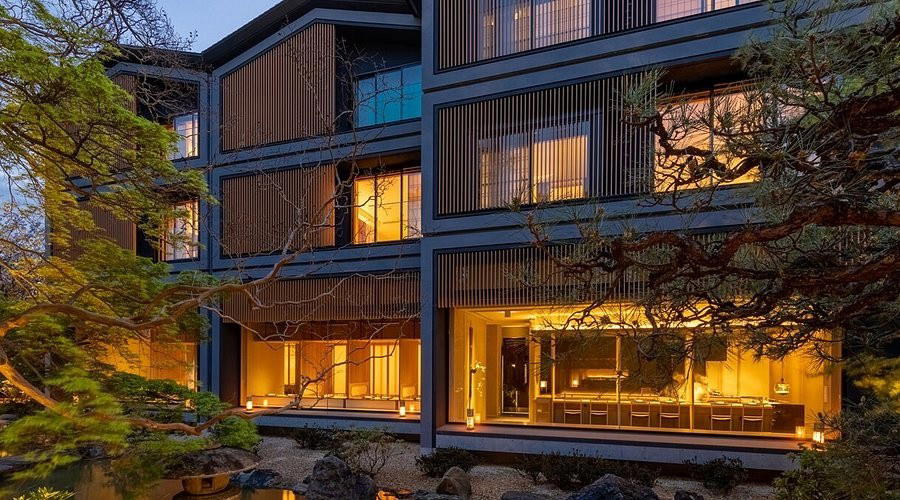
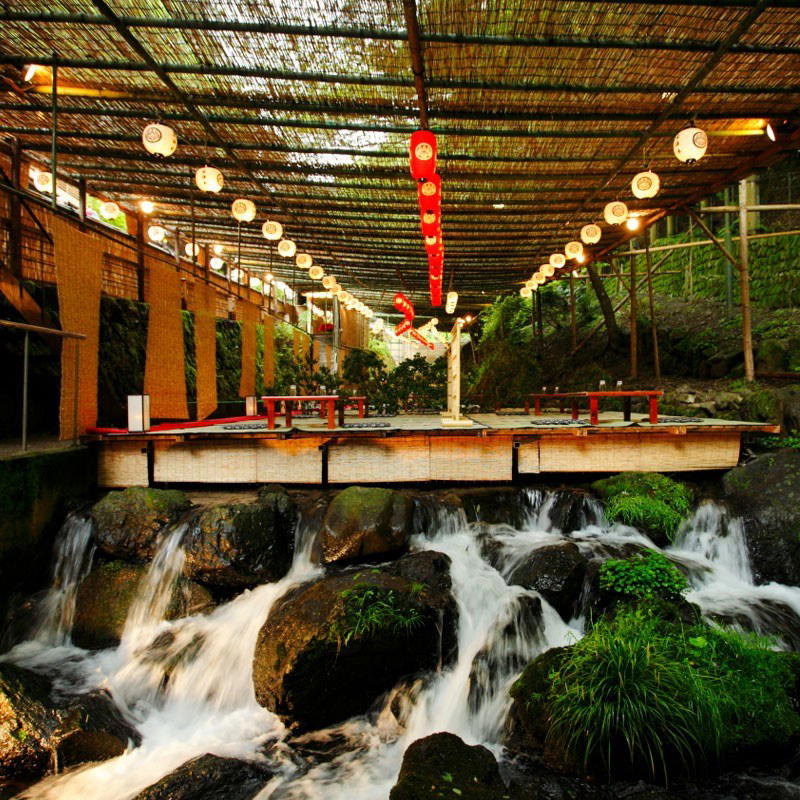
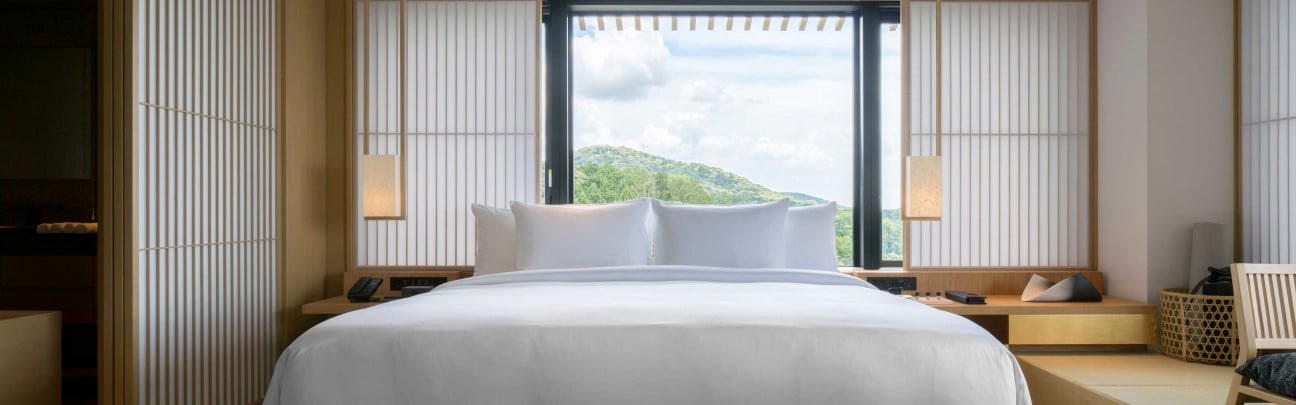
Elegant traditional Japanese atmosphere with serene garden views, tatami rooms, and dignified spacious interiors evoking tea ceremony spirit.