Soba Tokoro Fujimura

Soba Tokoro Fujimura gives Higashiomi’s rural dining scene a precise, ingredient-led soba address rather than another Omi beef stop. Its selection for Tabelog 100 Soba WEST in 2024 and 2025 places it in a serious regional conversation, while the house-restaurant setting keeps the experience close to the older rhythm of countryside noodle shops.
Pearl is the En Primeur Club membership app — saves, bookings, and concierge access live there. Same editors, same standards.
- Address
- 116 Osacho, Higashiomi, Shiga 527-0122, Japan
- Phone
- +81 749-45-0039
- Website
- tabelog.com
 Saves & bookings on Pearl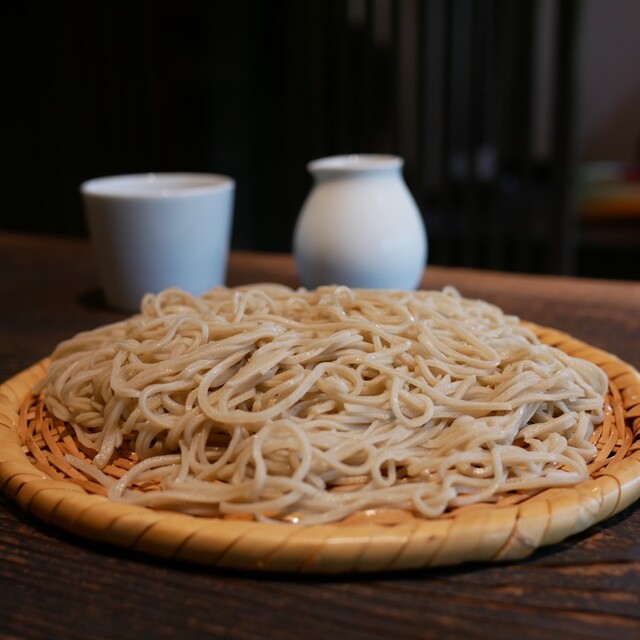
Approaching a rural soba shop in Higashiomi changes the tempo before the meal begins. The city sits in Shiga’s agricultural interior, where Lake Biwa, old post-road towns, and working fields shape a food culture less theatrical than Kyoto’s dining rooms and less urban than Osaka’s counter scene. Soba belongs naturally in that setting: buckwheat is a crop before it is a noodle, and the appeal of a serious soba-ya depends on restraint, milling, water, and timing rather than luxury signals.
Soba Tokoro Fujimura belongs to this quieter register. Its selection for Tabelog 100 Soba WEST in both 2024 and 2025 matters because the category is narrow and technique-sensitive: soba shops are judged less by elaborate menus than by consistency, texture, broth balance, and the discipline of serving noodles before they lose their edge. For travelers building a Higashiomi food day, that puts it in a different lane from the city’s formal kaiseki addresses such as Shofukuro Honten (Kaiseki) and 招福楼, and from lower-stakes local stops such as Gelato Shop Kosou.
Higashiomi soba reads through grain, water, and restraint
Western Japan’s soba culture often gets less international attention than Tokyo’s austere counters or Nagano’s mountain-soba circuits, but Shiga gives the form a persuasive context. The prefecture’s cooking is tied to freshwater, rice country, fermented traditions, and Omi beef; soba cuts across that identity because it is modest, agricultural, and highly dependent on local conditions. A good bowl is not built from abundance. It is built from proportion: noodle thickness, dipping sauce concentration, the temperature of the serve, and the moment at which the noodles leave the kitchen.
That is why an ingredient-sourcing lens is useful here. The point is not whether the menu performs luxury, but whether the shop treats buckwheat as the center of gravity. In serious soba restaurants, the grain determines the conversation: aroma, grind, hydration, and handling are not decorative details but the structure of the meal. This is also why soba is a useful counterweight to Omi beef itineraries. Beef restaurants such as Oumi Kaneyasu and Tokusen Omi Gyu Restaurant Tiffany occupy a higher-spend, protein-led bracket; soba sits closer to daily regional eating, where craft can remain accessible without flattening into convenience food.
The Tabelog 100 Soba WEST recognition gives Fujimura a credible external marker without turning the experience into a trophy meal. A Tabelog score of 3.68 signals strong local and specialist approval in a category where incremental differences matter. For readers comparing across Japan, this is not the same decision as booking a chef-led tasting counter in Tokyo or Kyoto. It is a slower, more rural proposition: go for buckwheat, not spectacle.
A house-restaurant format keeps the meal close to the countryside
Higashiomi rewards travelers who allow for small detours. The city is not organized around a single restaurant district, and its dining strengths are scattered across traditional rooms, neighborhood shops, and countryside addresses. A house-restaurant soba setting fits that geography. It gives the meal a domestic scale that would feel out of place in a department-store dining floor or a station-front chain: low-capacity, direct, and tied to the local lunch rhythm.
That scale also changes the reader’s expectations. A 26-seat soba shop with table and tatami seating is not a long-form destination restaurant; it is a precision lunch format. Children are welcome, private rooms are not part of the equation, and the room is listed as non-smoking. Those details place it closer to a family-capable regional soba stop than a hushed tasting-menu counter, which is useful if the day also includes temples, countryside drives, or a broader Shiga food route.
For a wider Higashiomi itinerary, the contrast is the point. Kaiseki at Shofukuro Honten (Kaiseki) or 招福楼 speaks to ceremony and seasonality through multiple courses. Soba speaks through compression: one craft, a narrow window, and little room for error. That makes Fujimura a useful anchor for travelers who want regional cooking without turning lunch into the day’s entire program.
How to place it in a Shiga food route
The strongest way to use this address is as a soba-focused lunch within a wider Higashiomi plan. The price tier sits well below the city’s formal dining options, and the recognition gives it enough editorial weight to justify the detour for noodle-focused travelers. It also pairs cleanly with lighter stops, including Gelato Shop Kosou, rather than competing with a full kaiseki meal.
Travelers mapping the city should start with Our full Higashiomi restaurants guide, then build the rest of the day around location rather than appetite alone. For overnight planning, Our full Higashiomi hotels guide is the practical companion; for after-hours drinking or regional detours, use Our full Higashiomi bars guide, Our full Higashiomi wineries guide, and Our full Higashiomi experiences guide.
For readers comparing Japan-wide formats, Fujimura sits far from the urban breadth represented by. 鮪と炭火焼き うお炭 秋葉原店 in Tokyo.cafe in Osaka.know in Kumamoto, (Shoku) Vietnam in Kawasaki, [Curry Senmon Ten] Maruyama Kyoju. in Sapporo, [ki:] in Kyoto, #肉といえば松田 奈良本店 in Kashihara, and -Grilled beef Sukiyaki- KAMAKURA TANUKIAN 鎌倉 たぬき庵 in Kamakura. The comparison is not about rank; it is about category. This is rural craft, not city variety. Overseas Japanese food references such as Jōdo Saké Bar in Los Angeles and Onigiri Time in Pasadena underline the same point from another angle: abroad, Japanese food often travels through bar culture, rice snacks, or broad comfort formats; in Higashiomi, soba can remain tied to place, crop, and pace.
The editorial case is clear. Choose this for a disciplined soba lunch in Shiga, especially if the day needs one focused meal rather than a formal procession. The recognition supplies the trust signal; the rural format supplies the context; the buckwheat supplies the reason to go.
Snapshot
Comparable venues by cuisine and price in the same metro.
| Venue | Cuisine | Price | Notes |
|---|---|---|---|
| Soba Tokoro FujimuraThis venue — the venue you are viewing | Traditional Soba Noodle Shop | $$ | Not listed |
| 招福楼 | :null | Not listed | Not listed |
| Gelato Shop Kosou | Farm Gelato & Cafe | $ | Higashiomi |
| Shofukuro Honten | Traditional Kaiseki | $$$$ | Yokaichihonmachi |
| 和風レストラン 青葉の庄 | Traditional Japanese Washoku Set Meals | $$ | 宇陀市 |
| Mamiyado | Wakkanai Scallop Ramen | $$ | Cape Soya |
Recognition history
Dated appearances from independent guides and award organizations, with the underlying list record or original source where available.
Tabelog 100 #27 · No. 27
Tabelog · Tabelog 100 - Soba - WEST - 2025
Continue exploring
More in Higashiomi
Restaurants in Higashiomi
Browse all →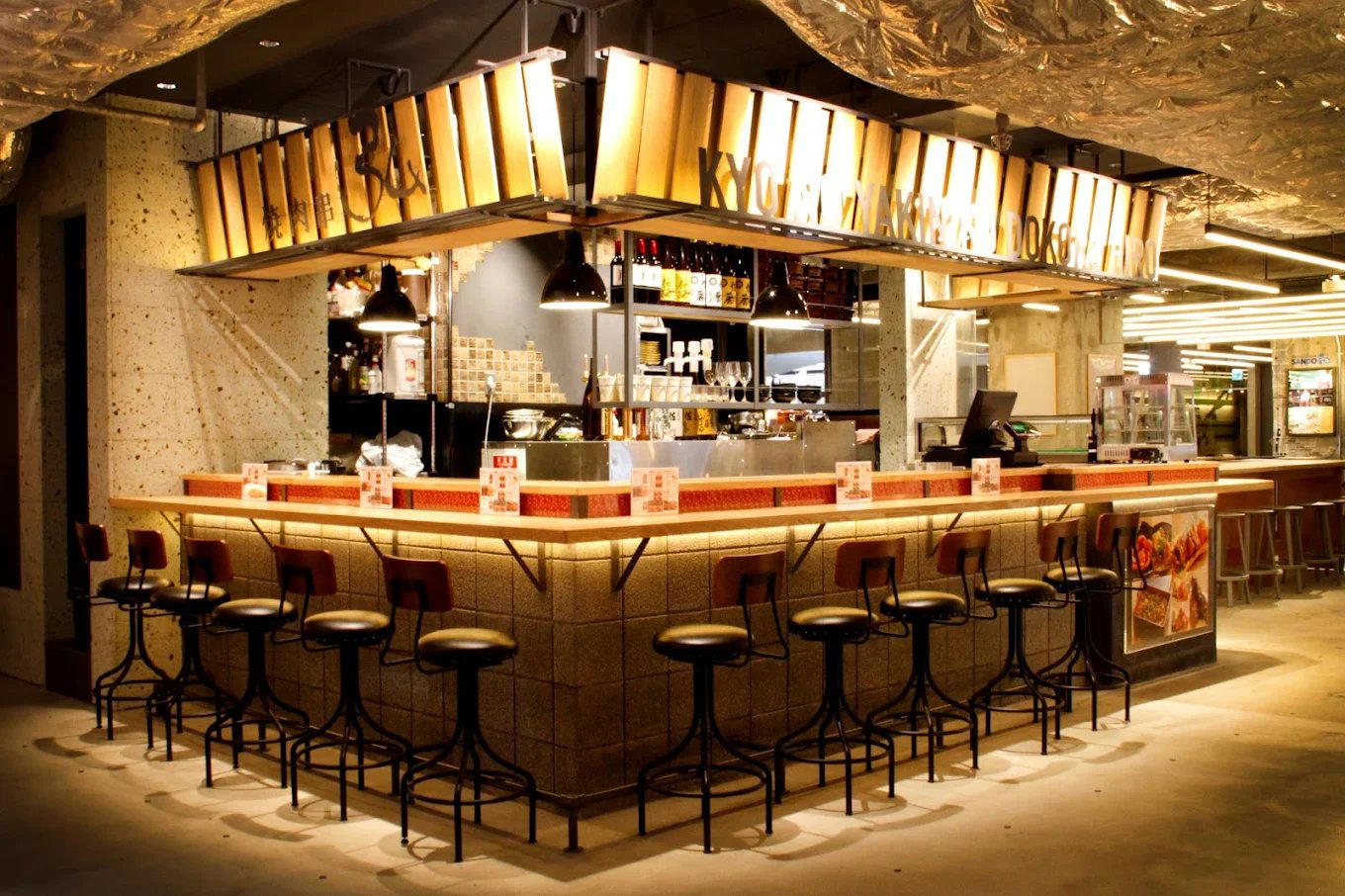
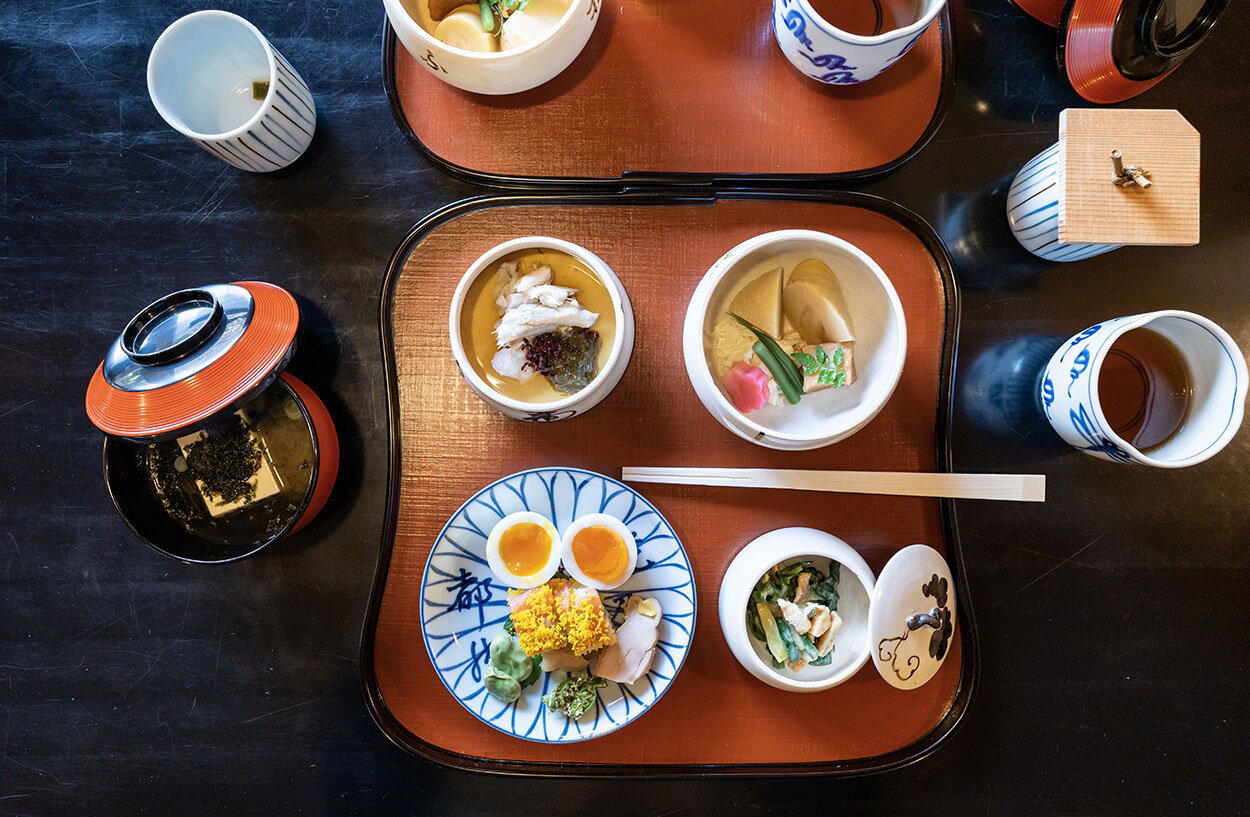
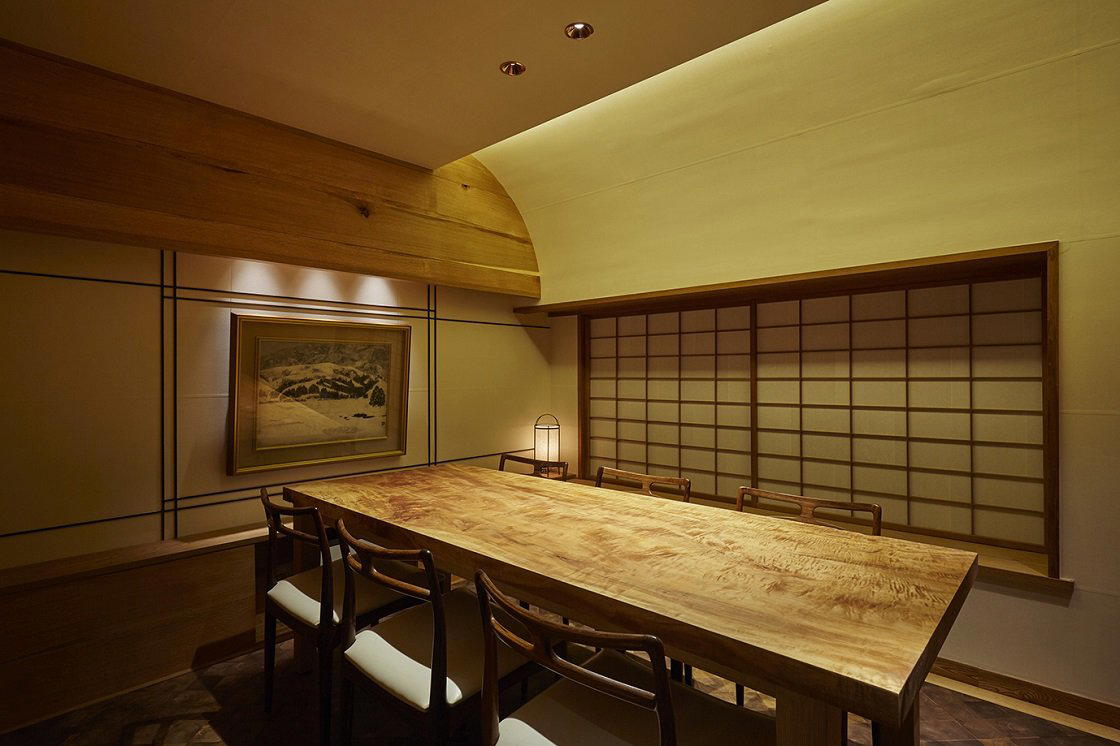
Bars in Higashiomi
Browse all →

At a Glance
- Cozy
- Rustic
- Classic
- Family
- Casual Hangout
- Solo
- Group Dining
- Standalone
- Sake Program
Current opening hours
- Monday
- Closed
- Tuesday
- Closed
- Wednesday
- 11:30 AM–3 PM
- Thursday
- 11:30 AM–3 PM
- Friday
- 11:30 AM–3 PM
- Saturday
- 11:30 AM–3 PM
- Sunday
- 11:30 AM–3 PM
Hours can change for holidays and private events. Last verified .
A small, non-smoking soba shop in a house-style building with a relaxing, spacious feel relative to its size, simple classic interiors, and a calm atmosphere suited to families and friends.