

Michelin Plate · Tabelog 100 #62
Our verdict
A kappo izakaya in Ginza's 3-chome district, Tokihami holds two consecutive Michelin Plates (2024–2025) for a menu that fuses Japanese precision with Western technique. Foie gras stuffed into monaka wafers, truffle omelettes, and the extravagant Tsufuhan rice, laden with salmon roe, bottarga, sea urchin, and caviar, set it apart from standard izakaya fare at the ¥¥ price tier.

Pearl is the En Primeur Club membership app, where members save venues, book tables and use the concierge.
The menu
What to order
- Tsufuhan (Gout Rice)
- Foie Gras Monaka
- Truffle Omelette
- Sansho Pepper Ajillo
- Mackerel Sashimi
- Horse Meat Sashimi
Kappo Ambition at Izakaya Prices: Ginza's Cross-Cultural Counter
Ginza's dining map arranges itself in layers. At the leading sit multi-Michelin-starred sushi and kaiseki rooms where a single evening at counters like those profiled alongside Ginza Nominokoji Yamagishi or Ginza Shimada can clear ¥30,000 per head before drinks. Below that, a more agile stratum of kappo izakayas operates with identical ingredient ambition but a looser format, no prescribed progression, no ceremony tax, no dress code gravity. Tokihami, on the second floor of the Suzuki Building in 3-chome, has held a Michelin Plate in both 2024 and 2025, which places it squarely in that second tier: recognized enough for the guide, priced at ¥¥, and operating with the creative latitude that omakase rooms rarely permit.
The kappo model itself is worth understanding before the menu makes sense. Kappo, literally "to cut and to cook", sits between the precision silence of a sushi counter and the convivial disorder of a standard izakaya. Dishes arrive when they're ready, built to order, and the format invites interaction with the kitchen rather than observation of it. At Tokihami, that format becomes a vehicle for something less common in Ginza: Japanese technique applied without ideological loyalty to Japanese tradition.
Where the Menu Operates
The dish that most clearly signals the kitchen's register is the sansho pepper ajillo. Sansho, the Japanese mountain pepper with its numbing citrus finish, gets simmered in oil alongside seafood and unripe pepper, the structural logic of a Spanish garlic-oil preparation, the flavour profile entirely Japanese. It is not fusion in the decorative sense; it is a kitchen fluent in two culinary grammars, deploying both where the ingredient calls for it.
That same logic runs through the monaka preparation. Monaka wafers are a confectionery format, thin, crisp rice-wafer shells typically filled with sweet bean paste, but here they arrive packed with foie gras. The textural contrast (wafer giving way to dense, fatty liver) is the point, and it's the kind of move that reads as playful until you realize the temperature management required to keep the wafer from collapsing. The truffle omelette operates in similar territory: a French luxury ingredient inside a Japanese egg preparation, where the quality of the egg and the precision of the cook matter as much as the truffle itself.
Tsufuhan, labeled on the menu as "Gout Rice", is the kitchen's most declarative dish. It arrives as a rice ensemble topped with salmon roe (ikura), salted and dried grey mullet roe (karasumi), sea urchin, and caviar. Four ingredients that individually carry significant cost; together on a single bowl of rice, they make an argument about abundance that lands somewhere between traditional Japanese rice accompaniments and European luxury ingredient excess. The name "Gout Rice" is not accidental, it's the kitchen naming its own excess honestly.
For the beverage angle, this kind of menu creates specific pairing requirements. The ajillo's oil and heat call for something with good acidity and weight, a junmai ginjo sake with clean lactic character or a barrel-aged shochu would both work. The monaka foie gras, with its fat and sweetness, aligns with slightly sweeter sake styles: a koshu (aged sake) with its oxidative, umami-heavy profile is a logical pairing choice in the kappo tradition. Tsufuhan's layered brine, ikura salt, karasumi intensity, the mineral sea urchin, the clean caviar, rewards a cold, dry junmai where the rice character mirrors the bowl below.
Where Tokihami Sits Among Tokyo's Izakaya Tier
The izakaya category in Tokyo covers more ground than almost any comparable dining format in another city. A standard standing-room izakaya near a commuter station and a kappo izakaya with back-to-back Michelin Plates in Ginza share a name but almost nothing else. The Michelin Plate, awarded to restaurants the inspectors consider worth visiting, short of star qualification, functions as a threshold marker rather than a ranking. Both 2024 and 2025 plates at Tokihami suggest consistency, not a one-year anomaly.
For comparison, the izakaya format in Osaka runs with similar creative ambition at venues like Benikurage, while Kyoto has its own interpretation of the format at Berangkat. Tokihami's Ginza address places it in a more expensive real estate context than either, which makes the ¥¥ price point a deliberate positioning choice rather than a default. The kitchen absorbs the ingredient cost, foie gras, truffle, caviar, sea urchin, and keeps the overall ticket accessible by izakaya-format logic: you order what you want, not a fixed progression.
Within Tokyo's broader izakaya register, venues like Daikanyama Issai Kassai and Hakata Hotaru occupy different neighbourhood contexts and format conventions. Hakata Issou leans into regional ramen tradition rather than kappo ambition.
For those building a broader Tokyo itinerary, the city's fine dining range extends from Ginza's kappo counters up through destination restaurants like HAJIME in Osaka, Gion Sasaki in Kyoto, akordu in Nara, Goh in Fukuoka, 1000 in Yokohama, and 6 in Okinawa. The EP Club's full Tokyo restaurants guide maps the full range, while the Tokyo bars guide, hotels guide, wineries guide, and experiences guide cover the rest of the city's offer.
Planning a Visit
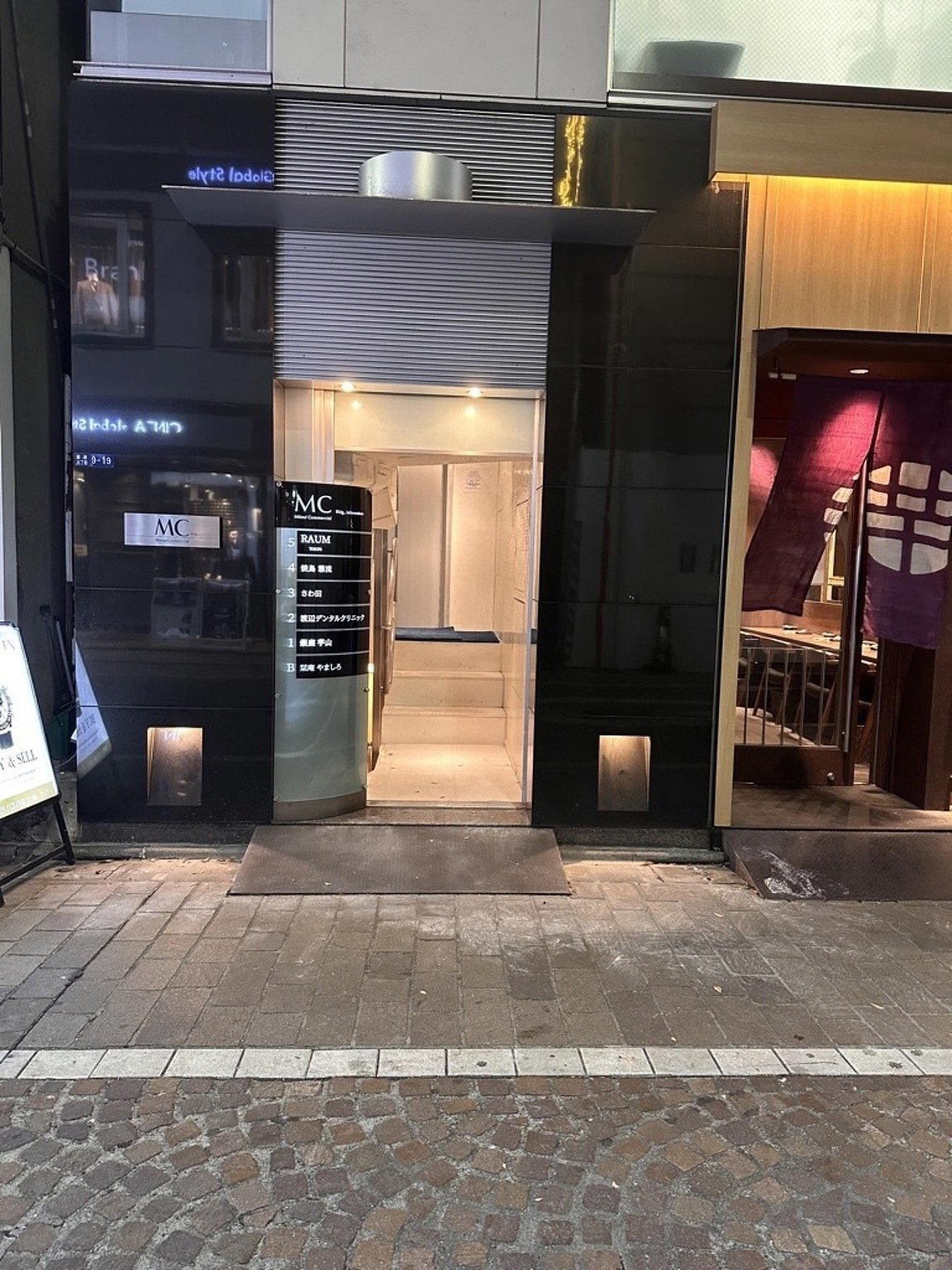
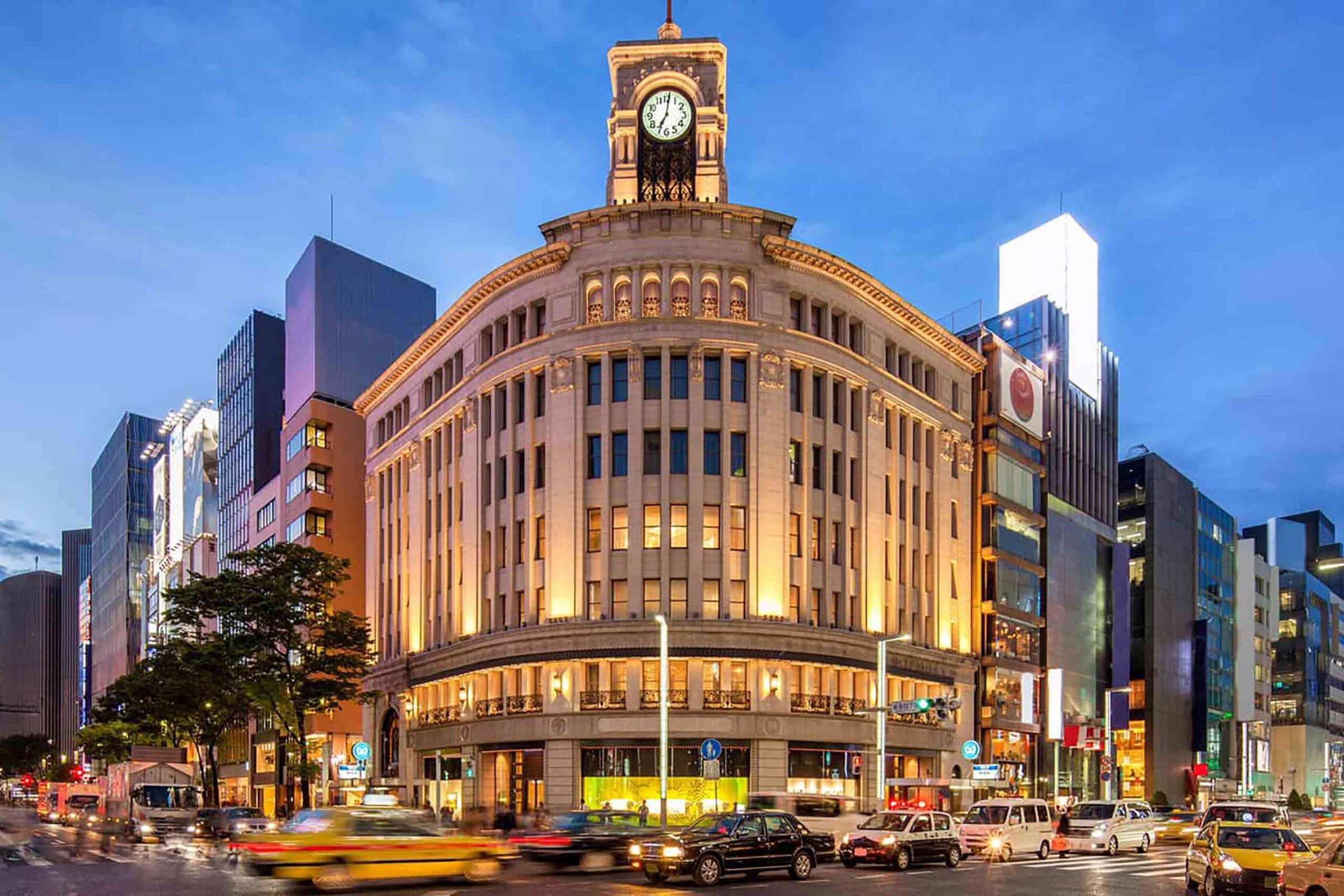
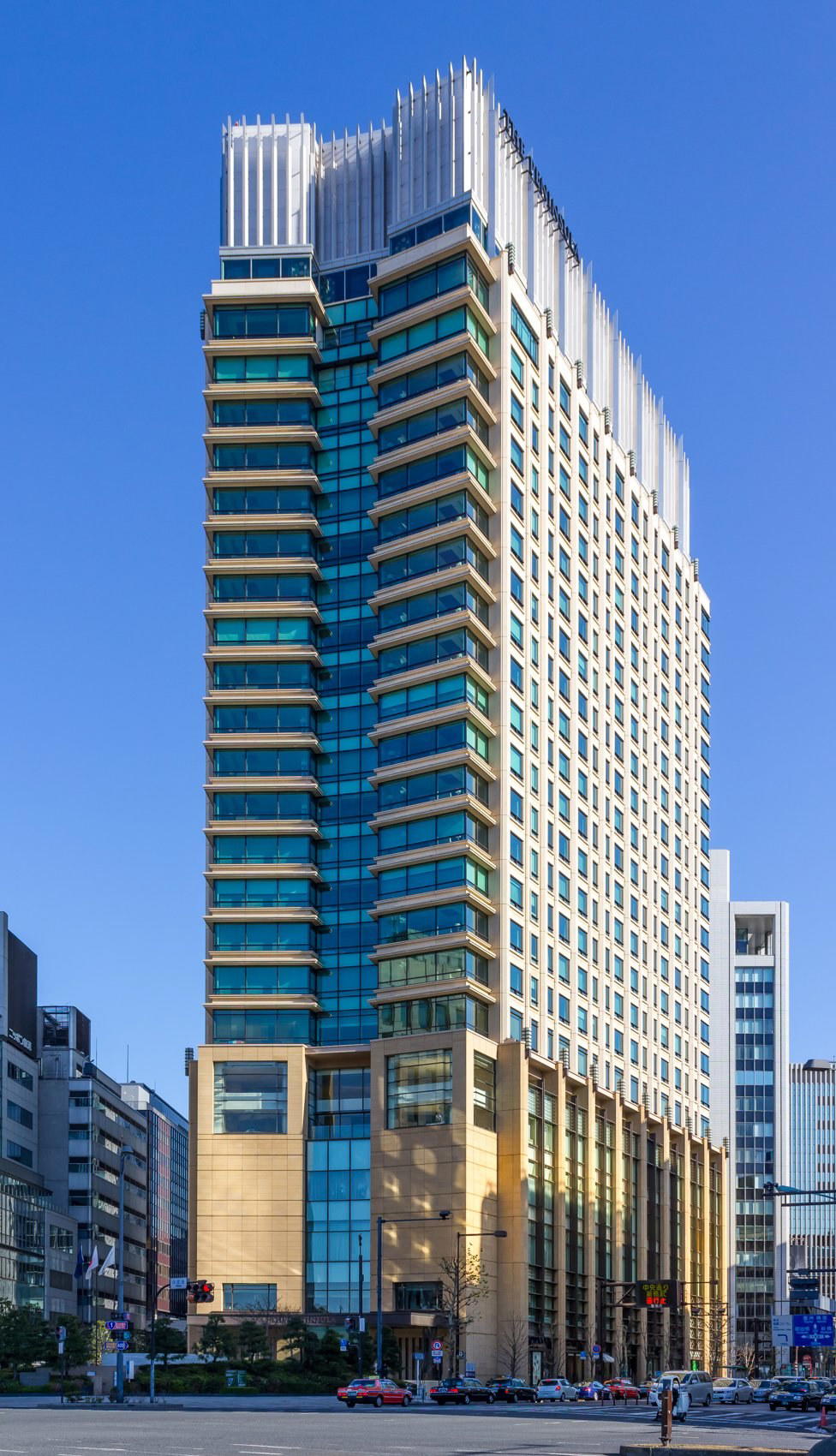
Tokihami is on the second floor of the Suzuki Building at 3 Chome-11-6, Ginza, Chuo City, in the western stretch of Ginza 3-chome, walkable from Ginza Station on multiple lines.
Frequently asked questions
What's the must-try dish at Tokihami?
The Michelin guide's own language points to two dishes. The monaka wafers stuffed with foie gras are noted specifically as a preparation that layers a traditional Japanese confectionery format with a French luxury ingredient, the technical interest is in how the kitchen manages texture and temperature. Tsufuhan, the "Gout Rice," is the other anchor: salmon roe, karasumi, sea urchin, and caviar over rice, a dish that concentrates the kitchen's opulence argument into a single bowl. Both appear in the Michelin Plate citation text across 2024 and 2025, which gives them the strongest documented claim to the menu's identity. The ajillo with sansho pepper is the dish that leading illustrates the cross-cultural technique, and for anyone interested in how Japanese and Western approaches to the same ingredient can produce something neither tradition would arrive at alone, it's the clearest evidence of what the kitchen is actually doing.
Recognition Snapshot
A quick peer reference to anchor this venue in its category.
| Venue | Cuisine | Price | Awards | Notes |
|---|---|---|---|---|
| TokihamiThis venue (the venue you are viewing) | Modern Kappo Izakaya | $50–100 | Michelin Plate · Tabelog 100 #62 | Not listed |
| Harutaka | Edo-Style Omakase Sushi | $200–300 | 3 Michelin Stars · World's 50 Best #76 | Sushi |
| RyuGin | Modern Kaiseki | $500+ | 3 Michelin Stars · World's 50 Best #41 | Kaiseki, Japanese |
| L'Effervescence | Modern French with Japanese Influences | $200–300 | 3 Michelin Stars · World's 50 Best #69 | French |
| HOMMAGE | Modern French with Japanese Influences | $150–200 | 2 Michelin Stars · World's 50 Best #78 | Innovtive French, French |
| MAZ | Innovative Peruvian-Japanese Fusion | $150–200 | 2 Michelin Stars · World's 50 Best #28 | Innovative |
Recognition history
Dated appearances from independent guides and award organizations, with the underlying list record or original source where available.
Michelin Plate
Michelin
Tabelog 100 #62 · No. 62
Tabelog · Tabelog 100 - Japanese cuisine - TOKYO - 2025
Full recognition history (4 entries)
Michelin Plate
Michelin
Michelin Plate
Michelin
Continue exploring
More in Tokyo
Restaurants in Tokyo
All restaurants in Tokyo →
Bars in Tokyo
All bars in Tokyo →


Details
- Intimate
- Elegant
- Sophisticated
- Modern
- Date Night
- Special Occasion
- Celebration
- Chefs Counter
- Open Kitchen
- Extensive Wine List
- Sake Program
- Sommelier Led
- Local Sourcing
- Sustainable Seafood
- A La Carte
- Counter Dining
- Sake
- Wine
Current opening hours
- Monday
- 6–11 PM
- Tuesday
- 6–11 PM
- Wednesday
- 6–11 PM
- Thursday
- 6–11 PM
- Friday
- 6–11 PM
- Saturday
- 6–11 PM
- Sunday
- Closed
Hours can change for holidays and private events. Hours as of .
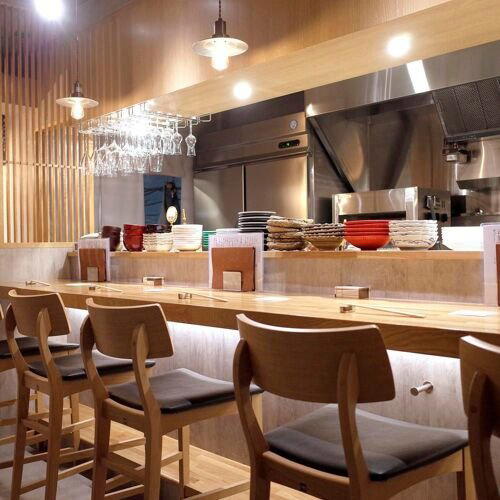
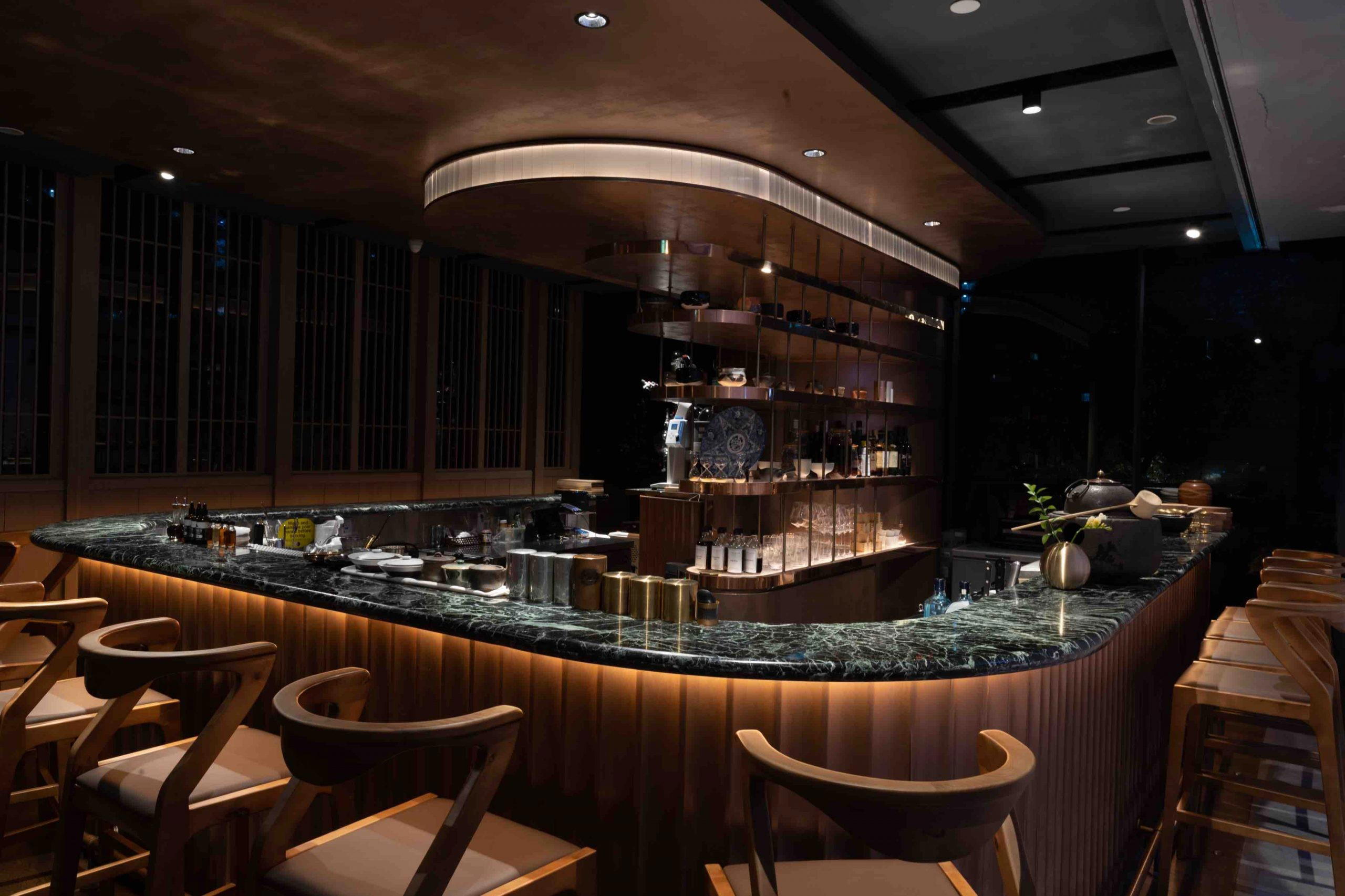
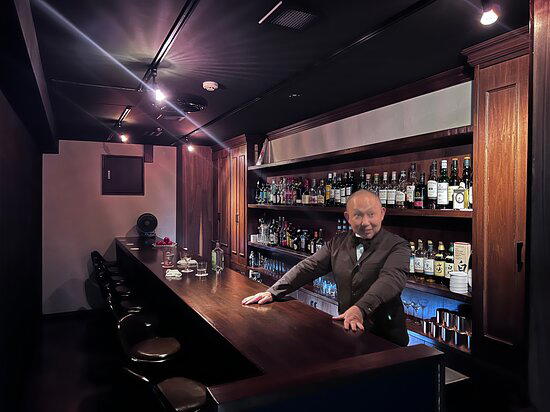
Polished wood, warm intimate lighting, and a low murmur of conviviality create a luxurious, unhurried atmosphere centered around a counter stage where knives whisper and aromas bloom.