

In Kagurazaka's tangle of cobbled lanes, Ichiu delivers a structured Japanese meal rooted in sushi tradition, with a sequence that moves from sake and soup through steamed courses before reaching the counter's main event.
Pearl is the En Primeur Club membership app — saves, bookings, and concierge access live there. Same editors, same standards.
- Address
- Japan, 〒162-0825 Tokyo, Shinjuku City, Kagurazaka, 2 Chome−22 1F
- Phone
- +81 3-6280-7047
- Website
- ichiu-kagurazaka.com
- Directions
- Get directions
 Saves & bookings on Pearl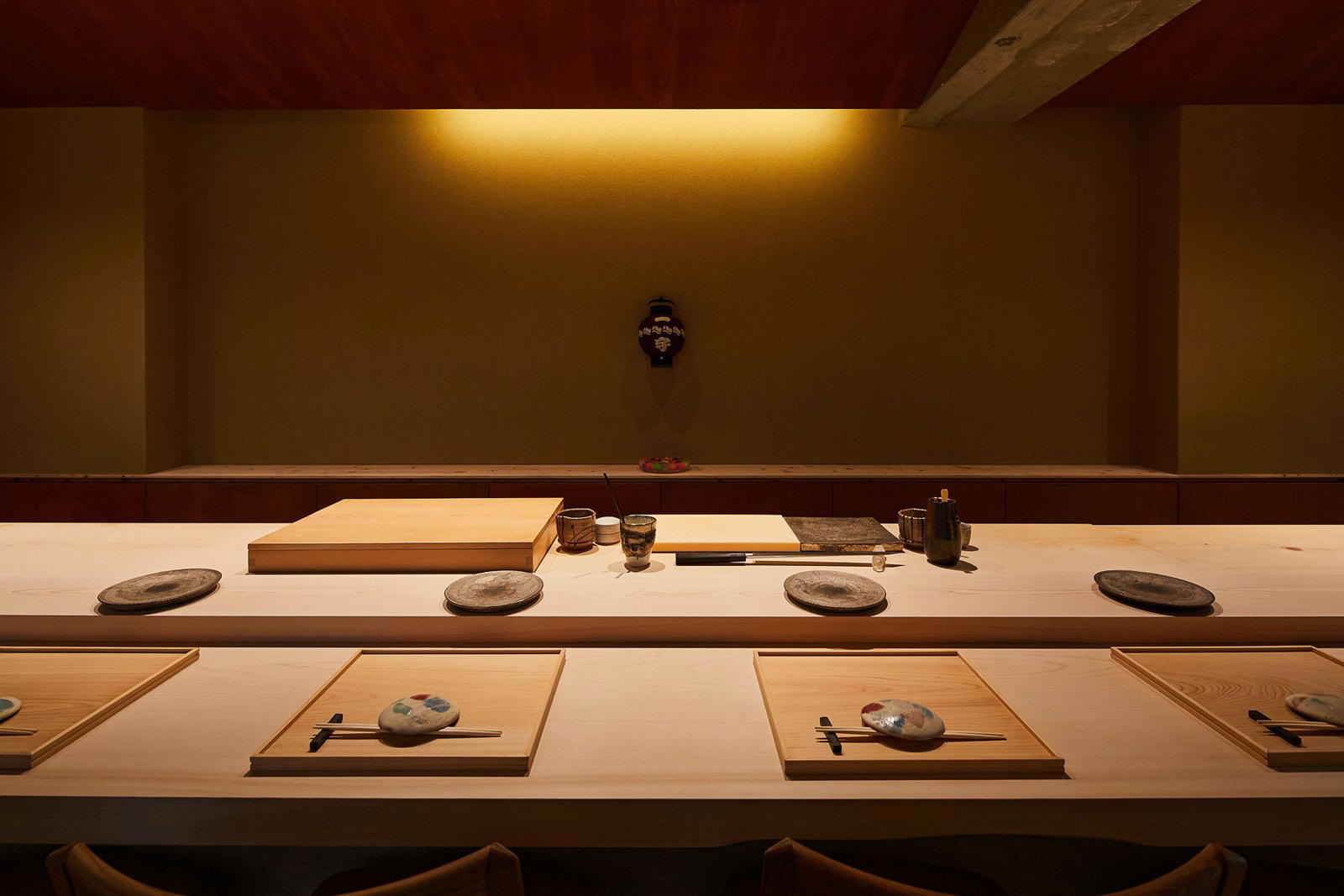
A Meal That Moves With Purpose
There is a category of Tokyo restaurant that resists easy classification: not a destination counter at the price of a weekend flight, not a neighbourhood canteen with laminated menus. Ichiu in Kagurazaka is a Japanese Kaiseki-Sushi Omakase restaurant in Tokyo, priced at about $175 per person, where the format is deliberate and the pacing is the point. The approach here follows the logic of traditional Japanese hospitality, in which the sequence of a meal carries as much meaning as any individual dish. A cup of sake opens the evening. Soup follows. Steamed preparations come next. Then the sushi. Then takikomi gohan, rice simmered with a mix of seasonal ingredients, which closes the meal in the way that Japanese culinary custom has long insisted a proper dinner should close: with something grounding and warm.
That structure is not incidental. In Japanese dining, particularly at a counter built around sushi and its surrounding courses, the choreography of arrival and departure matters. Ichiu's menu, described as faithful to the spirit of Chef Koichi Hamano, operates within that framework. The evening has a shape, and that shape is respected.
The Physical Space and What It Signals
Approaching Ichiu along the 2-chome stretch of Kagurazaka, the entrance itself communicates before you step inside. A door of cedar bark. Roof tiles repurposed as a nameplate. A rope curtain that echoes the diagonal geometry of the ceiling within. These are not decorative choices made in isolation. The name Ichiu translates as 'under one roof', and the ceiling is shaped to press that point home, a roof-form suspended above the guests as a literal expression of shelter and shared experience. In a city where interior design at this tier of dining tends toward either austere minimalism or studied wabi-sabi, Ichiu's architectural decision to make its name a physical argument is worth noting.
Kagurazaka itself adds a layer of context. The neighbourhood has operated as one of Tokyo's more quietly serious dining districts for decades, with a density of Japanese restaurants, French bistros, and intimate counters that reflects its history as a former entertainment quarter. Today it holds a number of significant addresses, including Kagurazaka Ishikawa, a kaiseki counter with Michelin recognition, and Myojaku, another Japanese address that draws a considered clientele. Ichiu operates in that company at a price tier that makes it accessible without signalling compromise.
Where Ichiu Sits in Tokyo's Sushi and Japanese Dining Scene
Tokyo's Japanese dining scene stratifies sharply. At the apex sit counters like Ginza Fukuju and Jingumae Higuchi, where Michelin recognition and reservation lead times mark an upper bracket that prices out most casual visits. Below that tier, but above the workaday sushi chain, sits a range of counters operating at ¥¥¥ where the cooking is serious but the format remains approachable.
For comparison, Azabu Kadowaki operates at the summit of the kaiseki register in Minami-Azabu, while Den, a two-Michelin-star address for innovative Japanese cooking, positions itself in the ¥¥¥ tier with a more playful format. Ichiu's commitment to a traditional sequence places it closer to the formal end of that bracket without the full kaiseki architecture or the equivalent price premium.
Outside Tokyo, Japanese cuisine at this level of seriousness appears at Gion Sasaki in Kyoto, Isshisoden Nakamura, and Kashiwaya Osaka Senriyama, each of which brings its own regional register to the kaiseki and washoku tradition. Tokyo's version, at counters like Ichiu, tends to be tighter, more urban, and more compressed in format, with an energy that reflects the city rather than the quieter cadences of Kyoto or Osaka.
The Ritual Logic of the Meal
The takikomi gohan that closes Ichiu's evening is worth addressing directly, because it illustrates something broader about how Japanese dining understands conclusion. Where Western fine dining often ends with confectionery and petit fours, a deliberate extension of pleasure, the Japanese instinct is to close with rice. Takikomi gohan in particular, rice cooked with vegetables, mushrooms, or seasonal proteins depending on the period, is a dish rooted in domestic Japanese cooking. Its appearance at the end of a restaurant meal is a statement: the evening resolves not with flourish but with something that feels like home.
That choice says something about the philosophy embedded in Ichiu's menu structure. The sake at the opening settles the guest. The soup and steamed courses build in warmth and weight. The sushi arrives at the centre, the expected destination but not the final word. The rice closes. It is a sequence designed for the experience of eating over time, not the accumulation of highlight moments.
Restaurants operating with this kind of pacing discipline are not universal even in Tokyo, where omakase counters sometimes compress the experience or interrupt it with showmanship. The format at Ichiu aligns with an older, more patient tradition of Japanese hospitality.
Planning Your Visit to Ichiu Tokyo
Ichiu is located at Japan, 〒162-0825 Tokyo, Shinjuku City, Kagurazaka, 2 Chome−22 1F. The neighbourhood is reachable by subway, with Kagurazaka Station on the Tokyo Metro Tozai Line one direct approach, and Iidabashi Station offering connections across multiple lines for those arriving from other parts of the city. Budget: ¥¥¥, or about $175 per person. Reservations are essential. Given the Michelin Plate recognition and the format's counter-style intimacy, advance planning is advisable. Dress: smart casual.
, and our full Tokyo experiences guide. HAJIME in Osaka, akordu in Nara, Goh in Fukuoka, 1000 in Yokohama, and 6 in Okinawa each represent the kind of address that rewards the same level of planning.
Comparable Spots, Quickly
Comparable venues nearby, for context on price, style, and recognition.
| Venue | Cuisine | Price | Awards | Notes |
|---|---|---|---|---|
| IchiuThis venue — the venue you are viewing | Japanese Kaiseki-Sushi Omakase | $$$ | Michelin Plate | Not listed |
| Jubei | Yakiniku (Japanese BBQ) | $$$ | Not listed | Shinjuku |
| Sushidokoro Shishi | Niigata-Style Omakase Sushi | $$$ | Michelin Plate | Ōta |
| Waki Shun | Modern Japanese Kaiseki Omakase | $$$ | Michelin Plate | Chūō |
| Kukuku | Traditional Japanese Wagashi & Tea Pairing | $$$ | Michelin Plate | Minato |
| Koshita | Japanese Fine Dining | $$$ | Michelin Plate | Chiyoda |
Recognition history
Dated appearances from independent guides and award organizations, with the underlying list record or original source where available.
Michelin Plate
Michelin
Michelin Plate
Michelin
Tabelog 100 #12 · No. 12
Tabelog · Tabelog 100 - Japanese cuisine - TOKYO - 2025
Michelin Plate
Michelin








At a Glance
- Cozy
- Elegant
- Intimate
- Sophisticated
- Date Night
- Special Occasion
- Chefs Counter
- Sake Program
- Local Sourcing
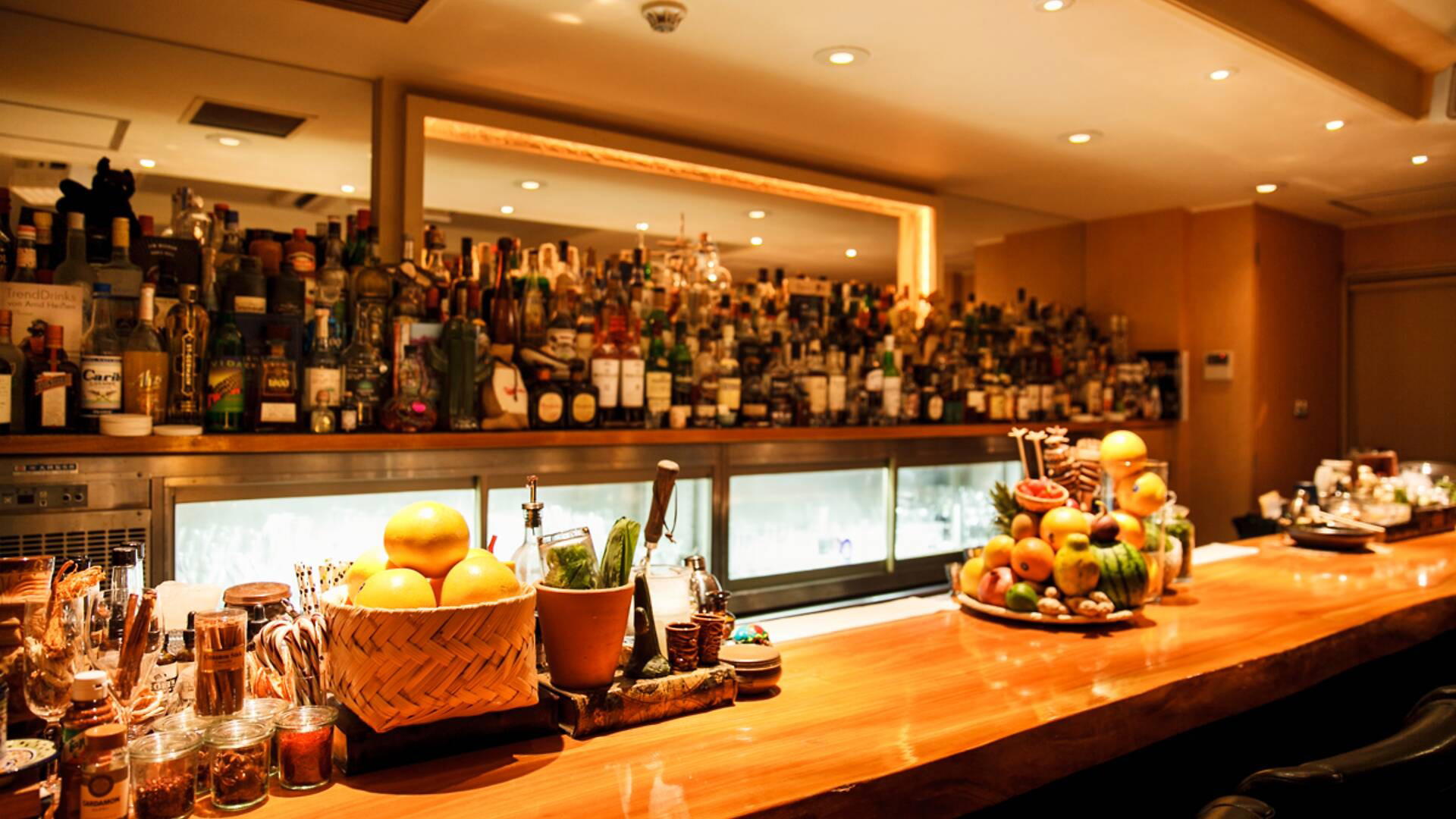
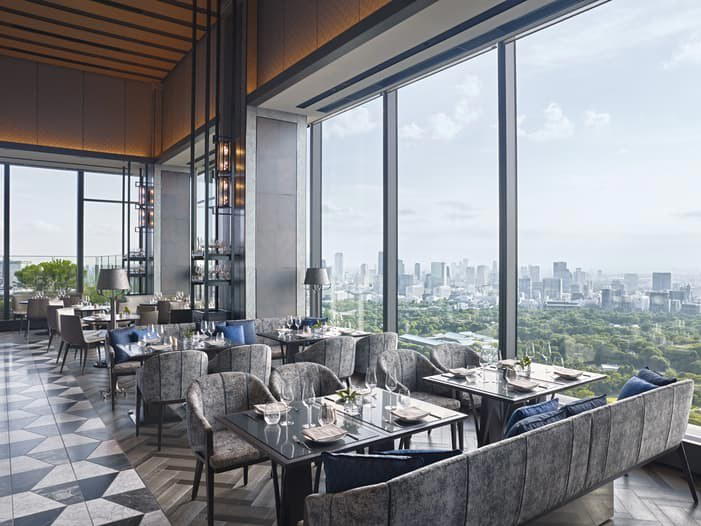
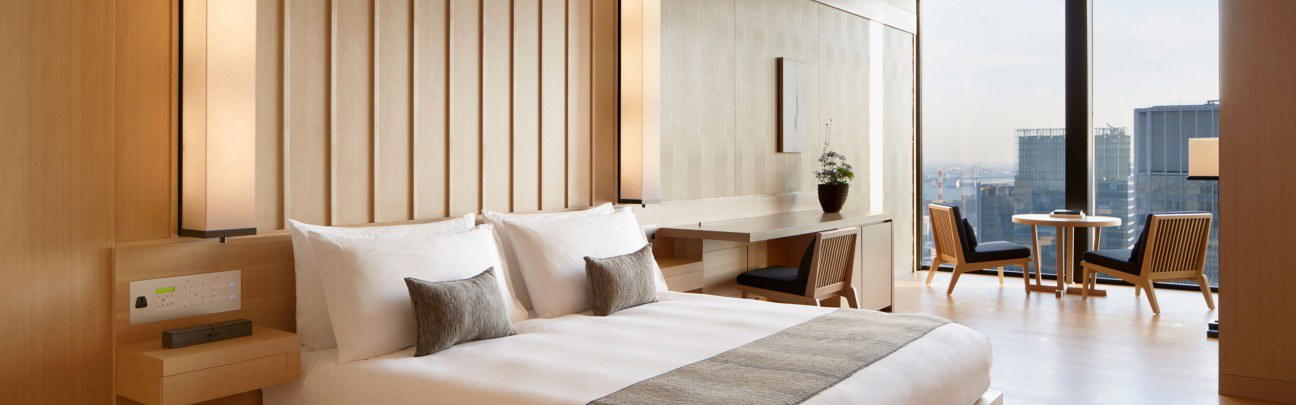
Cozy and elegant space with roof-shaped beams evoking traditional Japanese architecture, hinoki cypress counter, and relaxing Horikawa incense aroma.