
Michelin Bib Gourmand
Our verdict
Shichiku Kiko sits in Kyoto's northern Kita Ward, a Michelin Bib Gourmand-recognised restaurant where the cooking philosophy centres on Shiga Prefecture ingredients handled with uncommon patience. Hassun platters and stewed dishes are prepared slowly, drawing deep flavour from modest produce. At a mid-range price point, it represents one of Kyoto's more considered arguments for ingredient-led Japanese cooking outside the city's kaiseki mainstream.

Pearl is the En Primeur Club membership app, where members save venues, book tables and use the concierge.
The menu
What to order
- Grilled local fish with yuzu
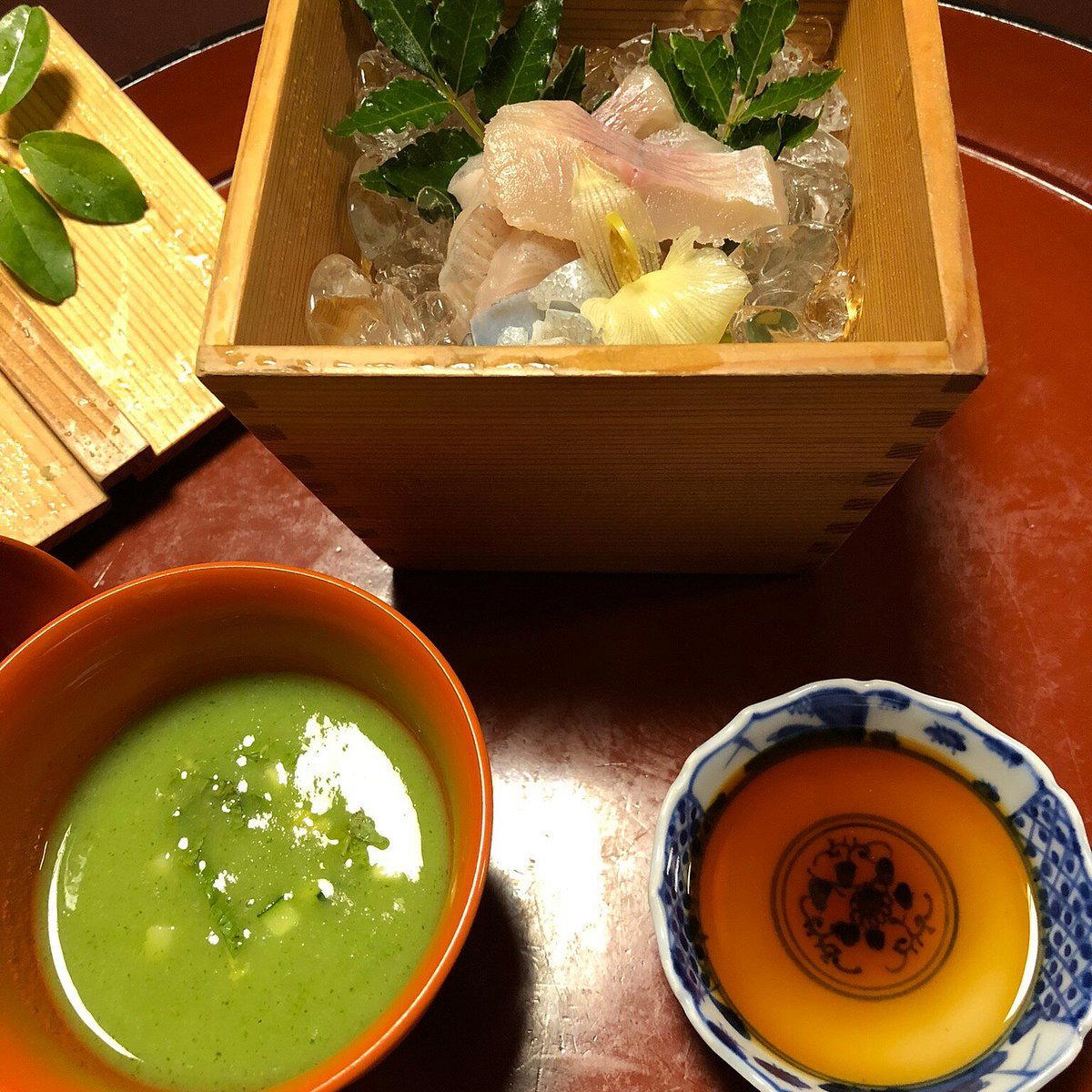
- Seasonal sashimi
- Steamed seasonal vegetables with tofu
- Simmered dashi course
- Matcha ice cream dessert
Planning Around a Restaurant That Doesn't Advertise Itself
Kyoto's dining map has two distinct layers. The first is the city's celebrated kaiseki corridor: high-formal restaurants in Gion, Higashiyama, and Pontocho operating at ¥¥¥¥ price points, where reservations open months in advance and English-language booking support has become standard infrastructure. Isshisoden Nakamura, Gion Matayoshi, Kenninji Gion Maruyama, and Kikunoi Roan all belong to that layer, offering structured seasonal menus built around ceremony as much as cooking. The second layer is quieter, less systemised, and considerably harder to book without local knowledge. Shichiku Kiko belongs here.
The restaurant sits in Kita Ward, Shichiku, a northern residential neighbourhood that most visitors pass through only on the way to Kamigamo Shrine. There is no obvious tourist infrastructure here, no English signage cluster, and no hotel concierge corridor steering walk-ins through the door. That geographic remove is not incidental: it is the operating context for a restaurant whose Michelin Bib Gourmand recognition (awarded in both 2024 and 2025) describes the kitchen's ambition precisely. Bib Gourmand signals quality at a price point below the starred bracket, and at ¥¥, Shichiku Kiko sits well below the ¥¥¥¥ tier that defines most of Kyoto's internationally discussed Japanese restaurants.
The Name, the Neighbourhood, and What They Signal
The name Kiko carries specific meaning. It combines the character aoi, drawn from the Futaba Aoi crest of Kamigamo Shrine, the historic shrine within walking distance in the Shichiku area, with the character for lake, as in Lake Biwa in Shiga Prefecture. That pairing is a compressed statement of the restaurant's sourcing logic: local neighbourhood identity on one side, the chef's native Shiga Prefecture on the other.
Rice, vegetables, and sake all come from Shiga. The Omi region of Shiga has a long culinary history, Omi beef is among Japan's most respected regional wagyu designations, and the lake-adjacent agriculture produces distinctive rice and vegetables. The kitchen's commitment to Shiga produce places Shichiku Kiko within a broader pattern visible across Japan's more thoughtful mid-tier restaurants: a deliberate narrowing of sourcing geography, not because it is fashionable, but because a chef cooking from their native region tends to cook with greater precision and fewer compromises. Compare this to akordu in Nara, which similarly draws on regional identity as a structural principle rather than a marketing gesture.
What the Kitchen Actually Does
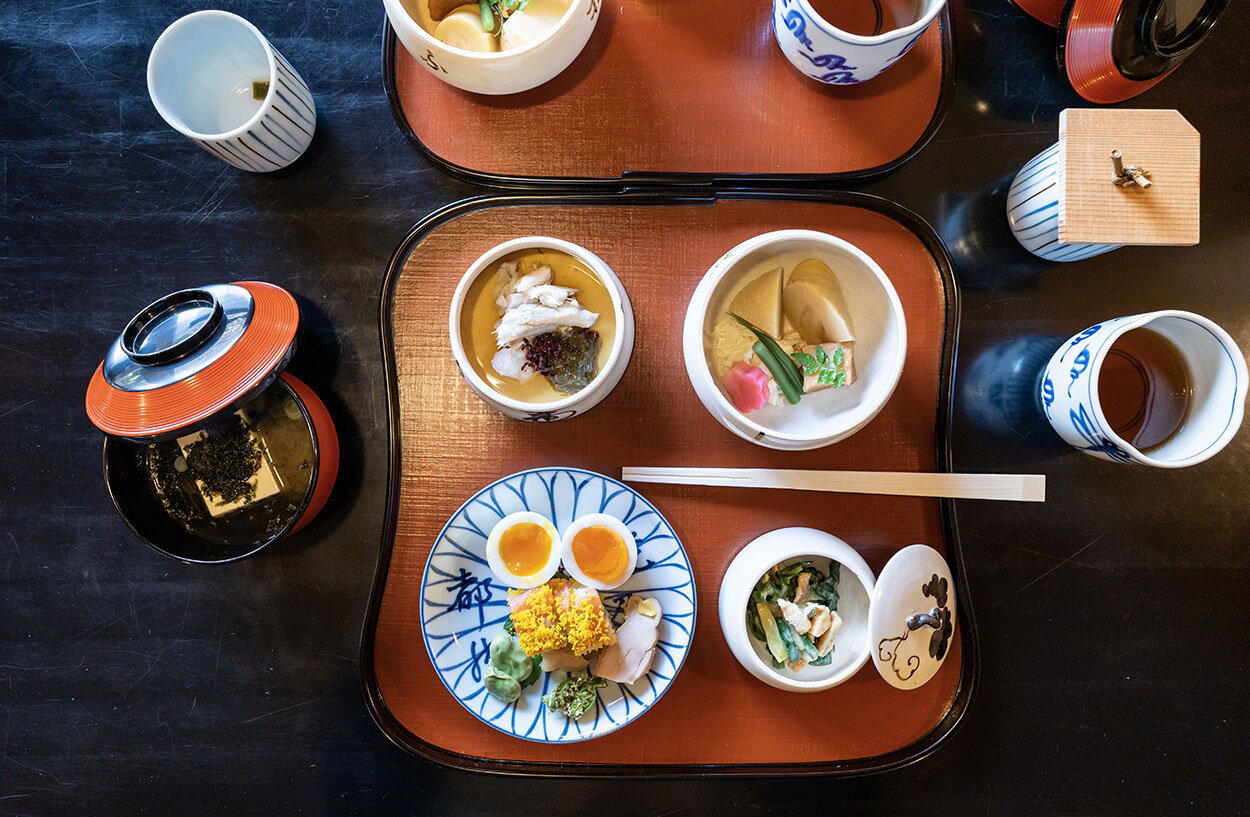
The Michelin description frames the cooking around two formats: hassun platters and stewed items. In the kaiseki tradition, hassun is the second course, a seasonal platter presenting several small preparations together, designed to capture the essence of the current season. At higher-tier kaiseki restaurants such as Kodaiji Jugyuan, the hassun is a high-ceremony moment, often the most visually composed part of the meal. Here, the emphasis falls on flavour depth and careful preparation rather than visual elaboration.
The stewed dishes point toward a different tradition: nimono, or simmered preparations, which represent one of the more technically demanding and least theatrical categories of Japanese cooking. Good nimono requires time, attention to dashi construction, and an understanding of how different ingredients absorb and release flavour during slow cooking. It is kitchen-labour-intensive and produces results that read as quiet rather than dramatic on the plate. That the Michelin inspectors flagged this specifically as a strength is meaningful: it indicates cooking assessed on flavour merit rather than presentation spectacle.
Overall register, as described, is modest and ingredient-led. This puts Shichiku Kiko in a different conversation from Kyoto's more architecturally composed kaiseki formats, and closer to the kind of cooking you find at Bib Gourmand-recognised restaurants across Japan: technically serious, rooted in a specific place, and priced to allow regular attendance rather than one-time occasion dining. Myojaku in Tokyo and Azabu Kadowaki in Tokyo operate in related registers at different price tiers, illustrating how ingredient-led Japanese cooking scales across the market.
The Booking Problem
Editorial angle here matters practically. Restaurants of this type, in residential northern Kyoto, often have no English-language booking channel, no online reservation system accessible from outside Japan, and no hotel concierge relationship.
That changes the planning calculus for international visitors considerably. Compared to the kaiseki tier, where restaurants like Gion Matayoshi and Kenninji Gion Maruyama now have English booking infrastructure, a restaurant like Shichiku Kiko requires either a Japanese-speaking contact, a hotel concierge willing to make an exploratory call, or a third-party dining service that covers the northern wards. Booking through a specialist Kyoto dining service is the most reliable path for non-Japanese speakers. The low price point and Bib Gourmand status make it worth the effort of arrangement.
For context on how Kyoto's dining scene distributes across formats and price tiers, our full Kyoto restaurants guide maps the range from formal kaiseki to neighbourhood-level cooking. Broader Kyoto trip planning is supported by our full Kyoto hotels guide, our full Kyoto bars guide, our full Kyoto experiences guide, and our full Kyoto wineries guide. For those building a multi-city Japan itinerary, the same sourcing-led approach appears at Harutaka in Tokyo, HAJIME in Osaka, Goh in Fukuoka, 1000 in Yokohama, and 6 in Okinawa, each operating within different regional sourcing frameworks.
Planning Details
Location: Shichiku Shimotakedonocho 16, Kita Ward, Kyoto, northern residential district near Kamigamo Shrine. Price range: ¥¥, placing it well below Kyoto's formal kaiseki tier. Reservations: No confirmed English-language or online booking channel; advance arrangement through a Japanese-speaking contact or specialist dining service recommended. Recognition: Michelin Bib Gourmand 2024 and 2025. Cuisine: Japanese, with emphasis on Shiga Prefecture ingredients, rice, vegetables, and sake sourced from the Omi region. Leading approach: Arrange before arrival; walk-in prospects for international visitors without Japanese-language capability are low.
What Should I Eat at Shichiku Kiko?
The Michelin Bib Gourmand citation identifies two categories worth prioritising: the hassun platter and the stewed preparations. The hassun reflects the season, so its contents shift across the year, spring and autumn visits will produce different compositions than summer or winter. The stewed dishes represent the kitchen's technical anchor: slow-cooked, flavour-dense preparations built on Shiga ingredients. Rice, sourced from the chef's native region, is a considered part of the meal rather than an afterthought. The overall register is restrained and flavour-forward, so the meal rewards attention paid to individual components rather than visual drama. At ¥¥, ordering across the menu rather than selecting conservatively is likely the right approach.
Frequently asked questions
Is Shichiku Kiko Michelin-listed?
Shichiku Kiko has received recognition including: Keen to make itself part of guests’ everyday lives, this restaurant takes ordinary ingredients and elevates them through time and effort. Hassun platters and stewed items are meticulously prepared, pursuing deep, satisfying flavour. Each it….
What should I eat at Shichiku Kiko?
The Michelin Bib Gourmand citation points to two categories: the hassun platter and the stewed preparations. Hassun is a multi-item seasonal arrangement rooted in kaiseki structure, and here it reflects the kitchen's focus on ordinary ingredients worked with extended time and care. The stewed dishes follow the same logic, restrained technique applied to Shiga-sourced produce, rice, and sake, expressing the Omi region rather than decorative complexity. Both formats define what this ¥¥ kitchen does and why it earned back-to-back Bib Gourmand recognition in 2024 and 2025.
What's the price range at Shichiku Kiko?
Pricing at Shichiku Kiko is listed as ¥¥.
The Short List
| Venue | Cuisine | Price | Awards | Notes |
|---|---|---|---|---|
| Shichiku KikoThis venue (the venue you are viewing) | Seasonal Kyoto Kaiseki | $50–100 | Michelin Bib Gourmand | Not listed |
| Gion Sasaki | Modern Kaiseki | $300–500 | 3 Michelin Stars · La Liste Top Restaurants | Kaiseki, Japanese |
| cenci | Innovative Italian-Japanese Fusion | $100–150 | 1 Michelin Star · World's 50 Best #76 | Italian |
| Ifuki | Sumibi Kappo Kaiseki | $200–300 | 2 Michelin Stars · La Liste Top Restaurants | Kaiseki |
| Kyokaiseki Kichisen | Kyoto Kaiseki | $200–300 | 2 Michelin Stars · La Liste Top Restaurants | Japanese |
| Kyo Seika | Modern Chinese Fine Dining | $150–200 | 1 Michelin Star · Tabelog Bronze #216 | Chinese |
Recognition history
Dated appearances from independent guides and award organizations, with the underlying list record or original source where available.
Michelin Bib Gourmand
Michelin
Full recognition history (3 entries)
Michelin Bib Gourmand
Michelin
Michelin Bib Gourmand
Michelin
Continue exploring
More in Kyoto
Restaurants in Kyoto
All restaurants in Kyoto →
Bars in Kyoto
All bars in Kyoto →
Hotels in Kyoto
All hotels in Kyoto →
Wineries in Kyoto
Browse all →
Details
- Intimate
- Cozy
- Elegant
- Quiet
- Classic
- Special Occasion
- Date Night
- Solo
- Chefs Counter
- Open Kitchen
- Historic Building
- Sake Program
- Local Sourcing
- Tasting Menu
- Counter Dining
- Set Menu
- Shiga Sake Flights
- Sake Pairings
- Allergy Accommodating
Current opening hours
- Monday
- 12–2 PM, 6–9:30 PM
- Tuesday
- 12–2 PM, 6–9:30 PM
- Wednesday
- 12–2 PM, 6–9:30 PM
- Thursday
- 12–2 PM, 6–9:30 PM
- Friday
- 12–2 PM, 6–9:30 PM
- Saturday
- 12–2 PM, 6–9:30 PM
- Sunday
- 12–2 PM, 6–9:30 PM
Hours can change for holidays and private events. Hours as of .
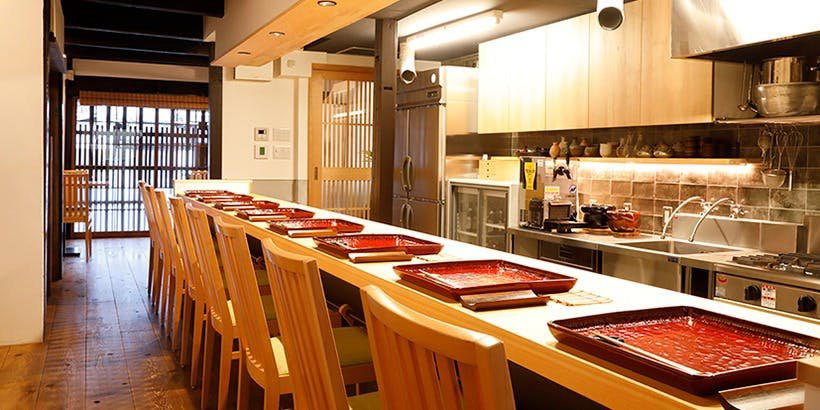
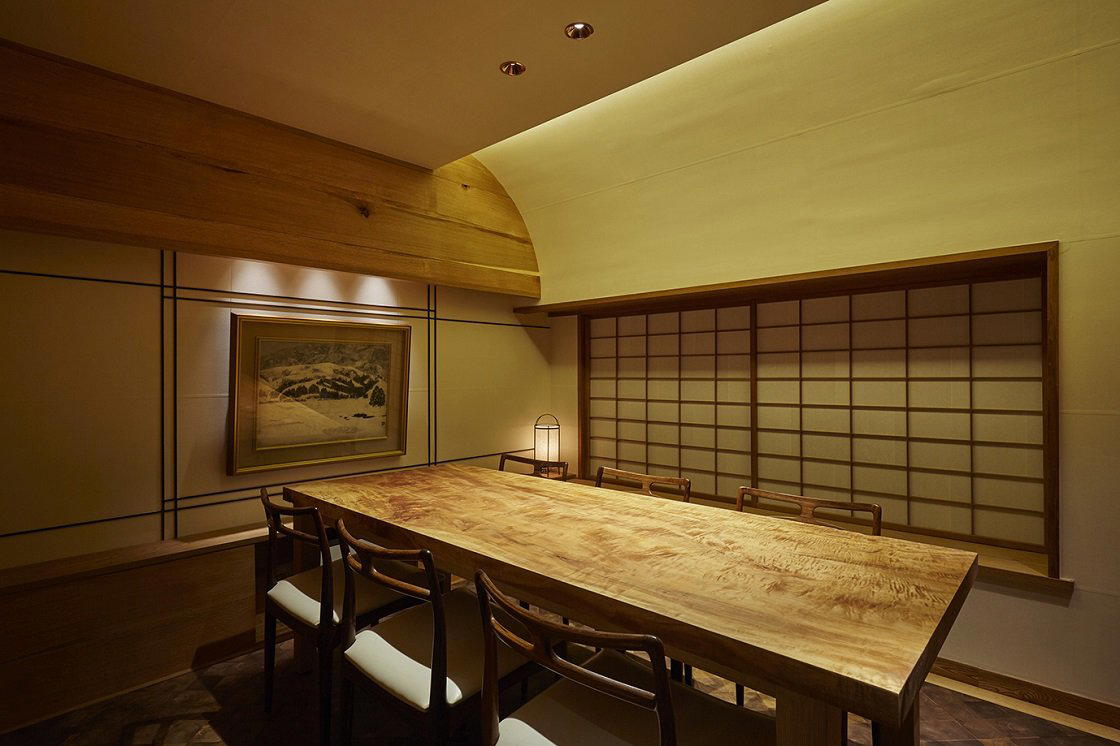
Soft, warm lighting in a remodeled traditional townhouse with low ceilings, sliding wood panels, and an intimate counter; the sounds of the kitchen and quiet conversation shape the evening rather than music.