

Michelin Bib Gourmand
Our verdict
Choshoku Kishin in Kyoto's Higashiyama Ward holds two consecutive Michelin Bib Gourmand awards (2024 and 2025) for a breakfast-only format rooted in tea ceremony principles. Guests select a rice bowl and soup, then receive rice in measured portions as it moves through the steaming process, a ritual rarely structured this way at the price point. Reservations are required.

Pearl is the En Primeur Club membership app, where members save venues, book tables and use the concierge.
The menu
What to order
- Progressively steamed rice
- Grilled sardines
- Miso soup
- Mashed tofu
Breakfast as a Structured Ritual in Higashiyama
Most serious meals in Kyoto happen after dark. The kaiseki counters of Gion, places like Isshisoden Nakamura and Gion Matayoshi, operate on evening timetables, and the city's dining prestige is disproportionately concentrated in the dinner hours. Choshoku Kishin occupies a category that those venues do not touch: a morning meal built around a single format, served once, and shaped by the same principles of seasonal restraint that inform Kyoto's more celebrated evening traditions. It earns its Michelin Bib Gourmand recognition, two consecutive years, 2024 and 2025, at the lower end of the price scale, a bracket where structured formality is rarely the selling point.
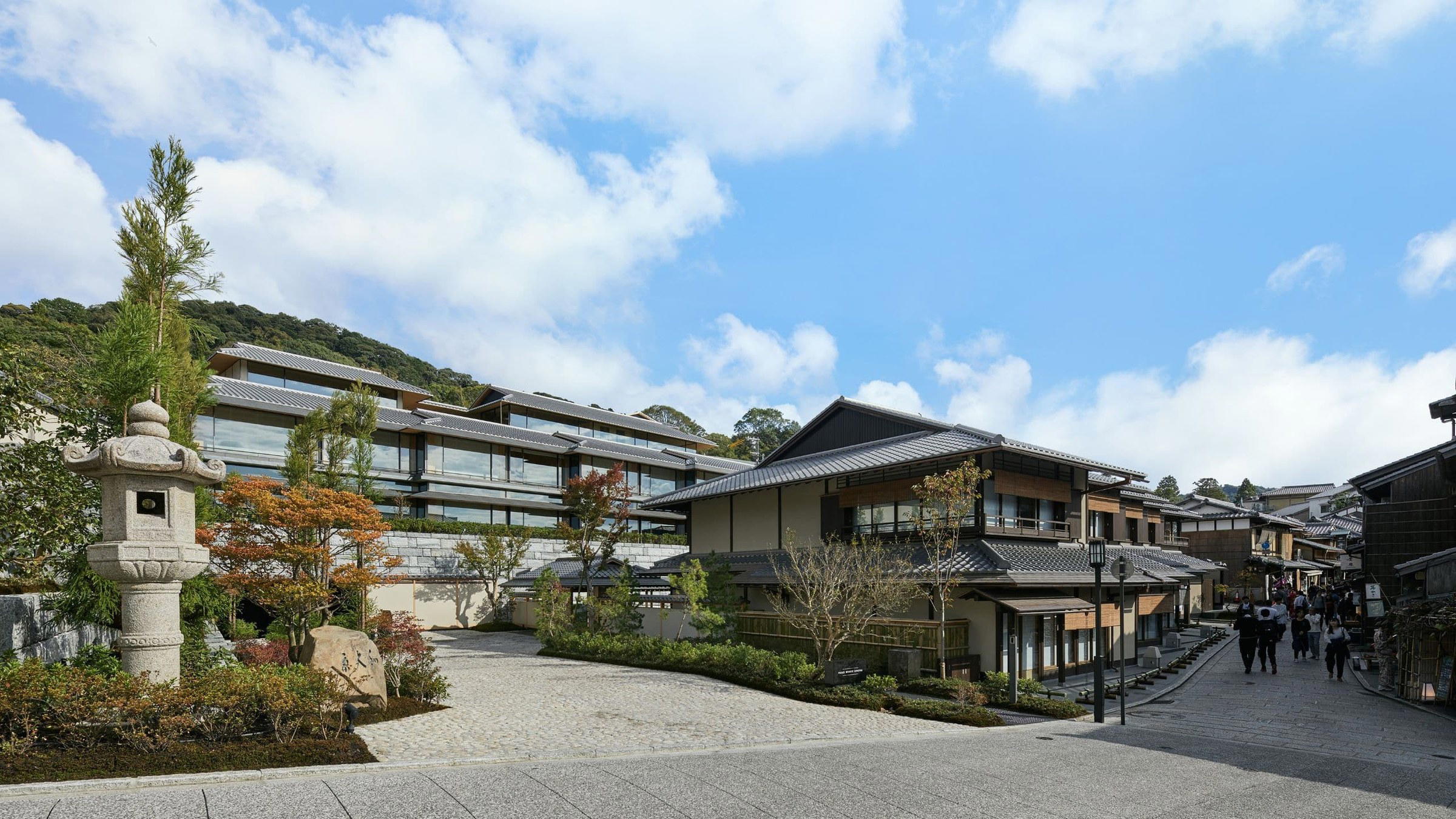
The address is the ground floor of the Hana Toro Hotel in Komatsucho, inside Higashiyama Ward. The neighbourhood context matters: this is the same district that holds Kodaiji Temple to the south and the preserved machiya lanes running toward Maruyama Park. Visitors arriving early enough for breakfast can step outside afterward into one of the most walkable historic corridors in the city. That timing alignment is not incidental, it is a meaningful part of the case for making a reservation here.
What Daytime Service Means at This Price Point
The lunch-versus-dinner divide in Kyoto tends to play out as a value equation: the same kitchens often charge significantly less at midday, or a parallel set of less decorated venues fills the daytime slot. Breakfast is even further from the prestige timetable. Against that backdrop, a Michelin-recognised breakfast at a single-digit price range is a structural anomaly. The Bib Gourmand designation itself signals good cooking at accessible pricing, across Kyoto's Michelin cohort, the majority of stars and Bib awards cluster around kaiseki dinners running into the tens of thousands of yen. Choshoku Kishin sits at a remove from all of that.
Format borrows from tea ceremony cuisine, specifically the approach of kaiseki in its original, pre-multi-course sense, where a light meal accompanies the tea ritual rather than replacing it. Guests select a rice bowl from the available options, then choose from an assortment of soups. The defining element of the format is how the rice is served: in small portions, ladled out progressively as the cooking progresses through its steam cycle. The flavour of the rice changes across that arc, moving from a looser, more fragrant early-steam texture toward a denser, more finished grain as the portions accumulate. This is not a kitchen shorthand for okayu (rice porridge) and it is not conventional breakfast rice. It is a format built around paying attention to a single ingredient across time.
Accompaniments include whole dried round herring and pickled vegetables. These are not decorative, they function as the salt and acid counterpoints that Japanese breakfast logic has always used to frame plain rice, and they track closely with the kind of austere, purposeful simplicity that defines the broader Kyoto approach to morning eating. Compare this to the elaborate small-dish formats at Kyoto's ryokan breakfasts, which can involve a dozen components and considerable ceremony. Choshoku Kishin operates on a narrower scope: fewer elements, more focus on the rice itself.
Where It Sits Among Kyoto's Daytime Options
Kyoto's Michelin map at the multi-star level runs toward dinner-only kaiseki. Kenninji Gion Maruyama and Kikunoi Roan represent the kind of formal, multi-course kaiseki experience that draws travellers planning dinner months in advance. Further along the spectrum, Kodaiji Jugyuan operates with its own distinct seasonal focus. None of these are breakfast propositions. The competitive set for Choshoku Kishin is not these venues, it is the broader category of considered morning eating in Higashiyama, where temple tofu sets and hotel buffets currently fill most of the demand.
But the Bib Gourmand carries more weight as a quality signal here: the Michelin inspectors are measuring value relative to quality, and awarding the designation two years running indicates consistency, not a single strong season.
For travelers who spend their Kyoto dinners at higher-end kaiseki tables, or at destinations in other Japanese cities like HAJIME in Osaka, Harutaka in Tokyo, or akordu in Nara, the question of where to eat breakfast rarely gets the same planning attention. Choshoku Kishin is one of the few morning venues in the country where that attention is warranted. Comparable structured breakfast experiences at Michelin-recognised venues are sparse across Japan; Goh in Fukuoka, 1000 in Yokohama, and 6 in Okinawa operate in entirely different formats and meal periods. The Japanese breakfast as a structured, awarded format remains genuinely thin on the ground.
Planning Your Visit
Reservations are required, which means walk-in access should not be assumed, particularly during Kyoto's peak seasons, cherry blossom in late March and early April, and the autumn foliage window in November. The address at 555 Komatsucho places the restaurant inside the Hana Toro Hotel in Higashiyama Ward, within walking range of the main Gion and Higashiyama temple corridors. For those using the broader EP Club editorial resources, our full Kyoto restaurants guide provides context on the wider dining scene, alongside our full Kyoto hotels guide, our full Kyoto bars guide, our full Kyoto wineries guide, and our full Kyoto experiences guide.
Travelers building itineraries around Japanese cuisine at the structured end of the spectrum will find useful comparisons in the Tokyo kaiseki tradition as well. Myojaku and Azabu Kadowaki represent the kind of evening-focused formality that Kyoto's dinner scene matches, and that makes the contrast with a breakfast format like Choshoku Kishin more legible. The meal period determines the register almost entirely; what Choshoku Kishin demonstrates is that the same discipline can be applied at dawn for a fraction of the price.
Frequently asked questions
What do people recommend at Choshoku Kishin?
The format itself is the draw: the progressive rice service, ladled out from the first plume of steam through to the fully cooked grain, is the central experience that reviewers and the Michelin Bib Gourmand citation both point toward. Accompaniments of dried round herring and pickled vegetables are the traditional complements. The tea ceremony-influenced structure, selecting a rice bowl, then a soup, is noted consistently as something that distinguishes the meal from standard Japanese breakfast formats. Reservations are required, so plan ahead rather than treating it as a casual drop-in.
The Minimal Set
A compact comparison to help you place this venue among nearby peers.
| Venue | Cuisine | Price | Awards | Notes |
|---|---|---|---|---|
| Choshoku KishinThis venue (the venue you are viewing) | Traditional Japanese Breakfast | $20–30 | Michelin Bib Gourmand | Not listed |
| Gion Sasaki | Modern Kaiseki | $300–500 | 3 Michelin Stars · La Liste Top Restaurants | Kaiseki, Japanese |
| cenci | Innovative Italian-Japanese Fusion | $100–150 | 1 Michelin Star · World's 50 Best #76 | Italian |
| Ifuki | Sumibi Kappo Kaiseki | $200–300 | 2 Michelin Stars · La Liste Top Restaurants | Kaiseki |
| Kyokaiseki Kichisen | Kyoto Kaiseki | $200–300 | 2 Michelin Stars · La Liste Top Restaurants | Japanese |
| Kyo Seika | Modern Chinese Fine Dining | $150–200 | 1 Michelin Star · Tabelog Bronze #216 | Chinese |
Recognition history
Dated appearances from independent guides and award organizations, with the underlying list record or original source where available.
Michelin Bib Gourmand
Michelin
Opinionated About Dining Top Restaurants in Japan Recommended
Opinionated About Dining
Full recognition history (4 entries)
Michelin Bib Gourmand
Michelin
Michelin Bib Gourmand
Michelin
Continue exploring
More in Kyoto
Restaurants in Kyoto
All restaurants in Kyoto →
Bars in Kyoto
All bars in Kyoto →

Hotels in Kyoto
All hotels in Kyoto →
Wineries in Kyoto
Browse all →
Details
- Intimate
- Elegant
- Cozy
- Quiet
- Sophisticated
- Solo
- Special Occasion
- Chefs Counter
- Open Kitchen
- Sake Program
- Local Sourcing
- Set Menu
- Counter Dining
- Sake
Current opening hours
- Monday
- 7:30 AM–12 PM
- Tuesday
- 7:30 AM–12 PM
- Wednesday
- Closed
- Thursday
- Closed
- Friday
- 7:30 AM–12 PM
- Saturday
- 7:30 AM–12 PM
- Sunday
- 7:30 AM–12 PM
Hours can change for holidays and private events. Hours as of .
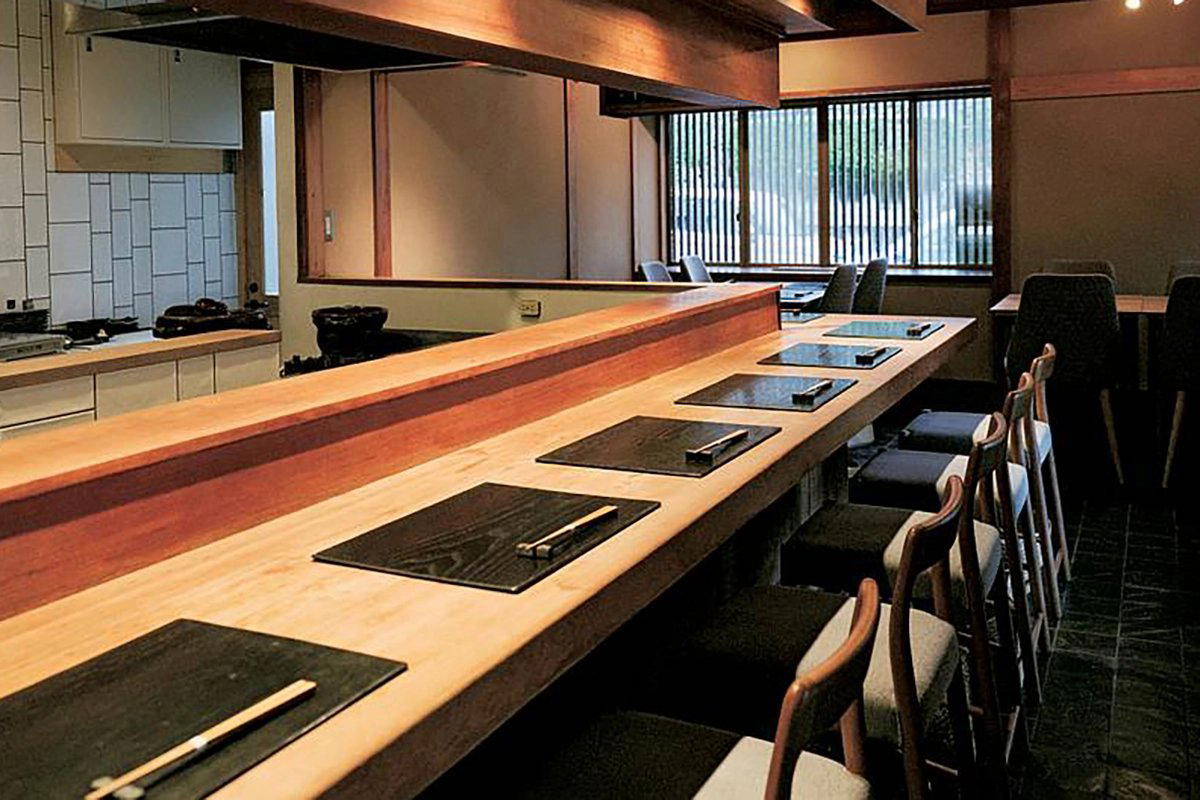
Serene and gracious atmosphere with open kitchen counter seating, warm lighting, and attentive service focused on intimate, educational dining experiences.