ææ°¸å ´ Sheng Yong Xing serves Luxury Beijing Roast Duck with Caviar Roast Duck, backed by an extensive wine list and a leisurely, conversational pace for lunch or dinner.
Pearl is the En Primeur Club membership app — saves, bookings, and concierge access live there. Same editors, same standards.
- Address
- äº Zhixin Rd, å «éåº Haidian District, Beijing, China, 100107
- Phone
- +861059862586
- Directions
- Get directions
 Saves & bookings on Pearl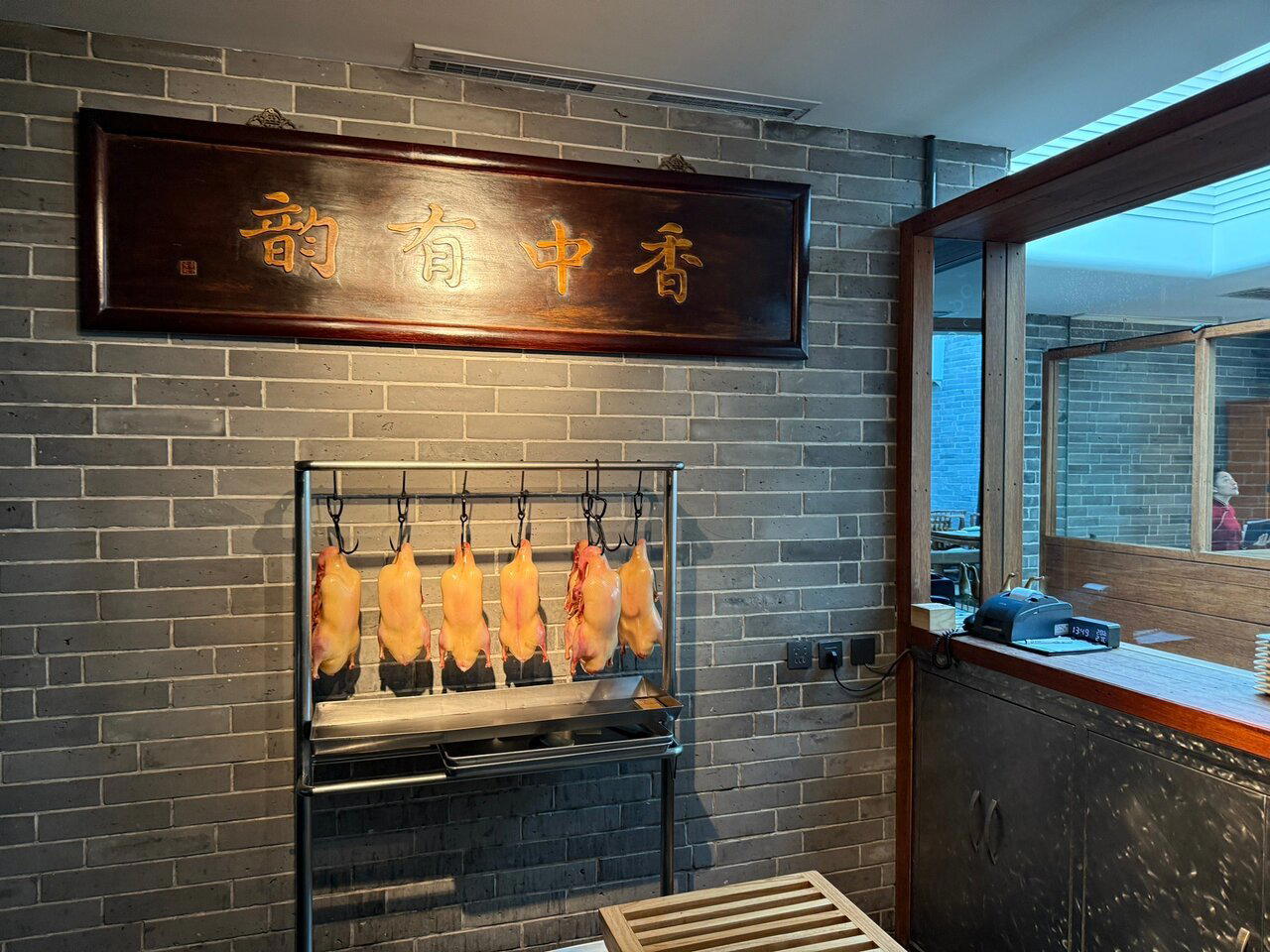
Haidian's Quieter Register
Beijing's dining ambition concentrates most visibly in Chaoyang and the hutong corridors of Dongcheng, where expense-account Chinese restaurants and internationally reviewed counters cluster around the city's commercial and cultural core. Haidian operates at a different frequency. The district's identity is shaped by universities, research institutes, and a residential density that rewards local operators willing to build a following through repetition rather than spectacle. Sheng Yong Xing sits on Zhixin Road within that fabric, a location that signals an address built for regulars rather than first-time visitors. The physical approach is understated in the way that many serious Beijing restaurants are understated: the room announces competence rather than theater, and the meal is expected to carry the weight.
What the Menu Architecture Reveals
In Chinese restaurant culture, the structure of a menu communicates almost as much as its contents. A list that runs across dozens of categories with hundreds of dishes signals one kind of ambition; a tighter, more curated format signals another. Particularly informative menus are the ones where you can read the kitchen's priorities in the sequencing of cold dishes, the proportion of braised versus wok-fired preparations, and the prominence given to seasonal produce in the front sections. The restaurant's Haidian positioning and its local following suggest a menu calibrated to a neighbourhood that rewards depth over novelty. Restaurants that thrive in this part of Beijing tend to anchor their identity in a core cuisine executed consistently, adding seasonal variation as a secondary layer rather than as the primary draw.
This approach contrasts with the model at venues like Xin Rong Ji on Xinyuan South Road, where the Taizhou cuisine program is the explicit proposition and the menu is dense with regional specificity at a ¥¥¥¥ price tier. Similarly, Chao Shang Chao in Chaoyang positions itself around Chaozhou cuisine with comparable pricing ambition. Sheng Yong Xing operates in a different register, shaped as much by its neighbourhood as by any single regional culinary tradition.
Beijing's Mid-to-Upper Chinese Dining Tier
The city's Chinese restaurant sector has stratified considerably over the past decade. At one end sit the large-format Cantonese and Sichuan houses that have dominated Beijing's banquet culture for years. At the other, a smaller cohort of precision-focused Chinese restaurants has emerged, with venues like Jingji anchoring Beijing cuisine within the ¥¥¥¥ bracket and Lamdre and King's Joy staking out the premium vegetarian space. The middle tier, where a restaurant can build genuine neighbourhood loyalty without requiring the infrastructure of a fine-dining operation, is where Sheng Yong Xing sits. This is not a criticism of ambition; it reflects a different kind of success metric, one measured in frequency of visit rather than occasion value.
Across other Chinese cities, the equivalent of this positioning varies considerably. Ru Yuan in Hangzhou operates within a regional cuisine framework that is deeply tied to Zhejiang produce and seasonal rhythm. Imperial Treasure Fine Chinese Cuisine in Guangzhou brings a franchise-level consistency to Cantonese cooking in the city that defined it. In Beijing, the equivalent anchors are typically restaurants with long operational histories and a regulars-first culture, attributes that are harder to acquire than any award and nearly impossible to fake.
The Haidian Context
Understanding where a Beijing restaurant sits geographically matters more than it might in other cities. Haidian's academic and residential character produces a dining culture that is more attuned to value calibration and less driven by social visibility. The clientele that gravitates to this district tends to be knowledgeable, repeat-oriented, and less susceptible to hype cycles. For a restaurant on Zhixin Road, sustained presence in that environment is itself a form of credibility. The contrast with Chaoyang's more volatile, trend-driven dining scene is significant; restaurants in Haidian that endure have generally earned their place through the meal rather than the marketing.
This neighbourhood logic has parallels in other Asian cities. Tokyo's residential neighbourhoods produce the same dynamic, where long-standing local restaurants often carry more operational trust than newer entrants in higher-visibility districts. The Beijing version of this phenomenon is less documented in international food media than the city's Michelin-listed or 50 Best-adjacent restaurants, but it represents a substantial portion of where Beijing residents actually eat with regularity.
Situating Sheng Yong Xing in a Wider Network
For travelers building a Beijing itinerary across multiple meals, the question of where Sheng Yong Xing fits depends on the rest of the schedule. A meal here occupies a different position than dinner at a venue with explicit Michelin recognition or at one of the precision-focused counters that have drawn international attention. The comparison is not about quality hierarchy but about what each meal is designed to do. Internationally recognized precision dining in Beijing sits closer to what Chef Tam's Seasons in Macau or 102 House in Shanghai represent in their respective cities: restaurants where the occasion and the intention are inseparable from the experience. Sheng Yong Xing in Haidian is a different kind of argument for why a city's dining identity is never fully captured by its most decorated addresses.
For a fuller picture of where this restaurant sits within Beijing's Chinese dining options, comparisons with venues in other Chinese cities such as Xin Rong Ji in Chengdu, Dai Yuet Heen in Nanjing, Dingshan Jiangyan in Suzhou, Fleurs Et Festin in Xiamen, Jiangnan Wok Rong in Fuzhou, and Shang Palace in Yangzhou. For a global frame of reference, Le Bernardin in New York City and Atomix in New York City represent the benchmark in their respective categories.
Planning a Visit
Sheng Yong Xing is located on Zhixin Road in Haidian District, accessible from the district's main metro lines and direct to reach from the university area. Reservations are essential, particularly on weekends when neighbourhood restaurants in Beijing of this type tend to fill without advance notice. The address places it away from the tourist circuit, and the service rhythm reflects that.
Where the Accolades Land
Comparable venues nearby, for context on price, style, and recognition.
| Venue | Cuisine | Price | Notes |
|---|---|---|---|
| ææ°¸å ´ Sheng Yong XingThis venue — the venue you are viewing | Luxury Beijing Roast Duck | $$$$ | Not listed |
| Huang Ting | Cantonese Fine Dining | $$$$ | Chaoyangmen |
| 游龙饭庄 | Traditional Beijing Imperial Cuisine | $$$ | Chongwen District |
| 功德林 | Modern Chinese | $$$ | Zhengyilu |
| Courtyard | Imperial Chinese | $$$ | Donghuamen |
| QUANJUDE | Traditional Peking Roast Duck | $$$ | Qianmendajie |

At a Glance
- Elegant
- Modern
- Sophisticated
- Date Night
- Business Dinner
- Special Occasion
- Open Kitchen
- Wine Cellar
- Extensive Wine List
Current opening hours
- Monday
- 11 AM–2 PM, 5–9 PM
- Tuesday
- 11 AM–2 PM, 5–9 PM
- Wednesday
- 11 AM–2 PM, 5–9 PM
- Thursday
- 11 AM–2 PM, 5–9 PM
- Friday
- 11 AM–2 PM, 5–9 PM
- Saturday
- 11 AM–2 PM, 5–9 PM
- Sunday
- 11 AM–2 PM, 5–9 PM
Hours can change for holidays and private events. Last verified .
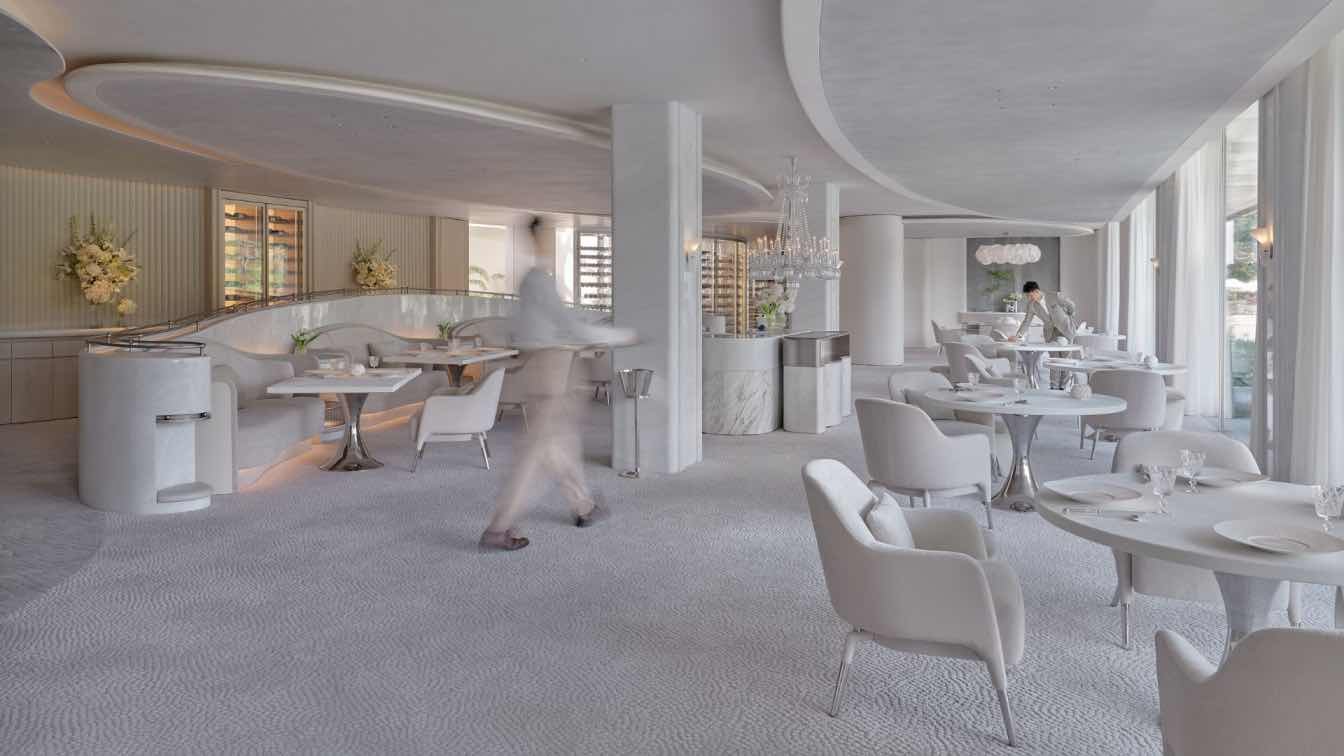
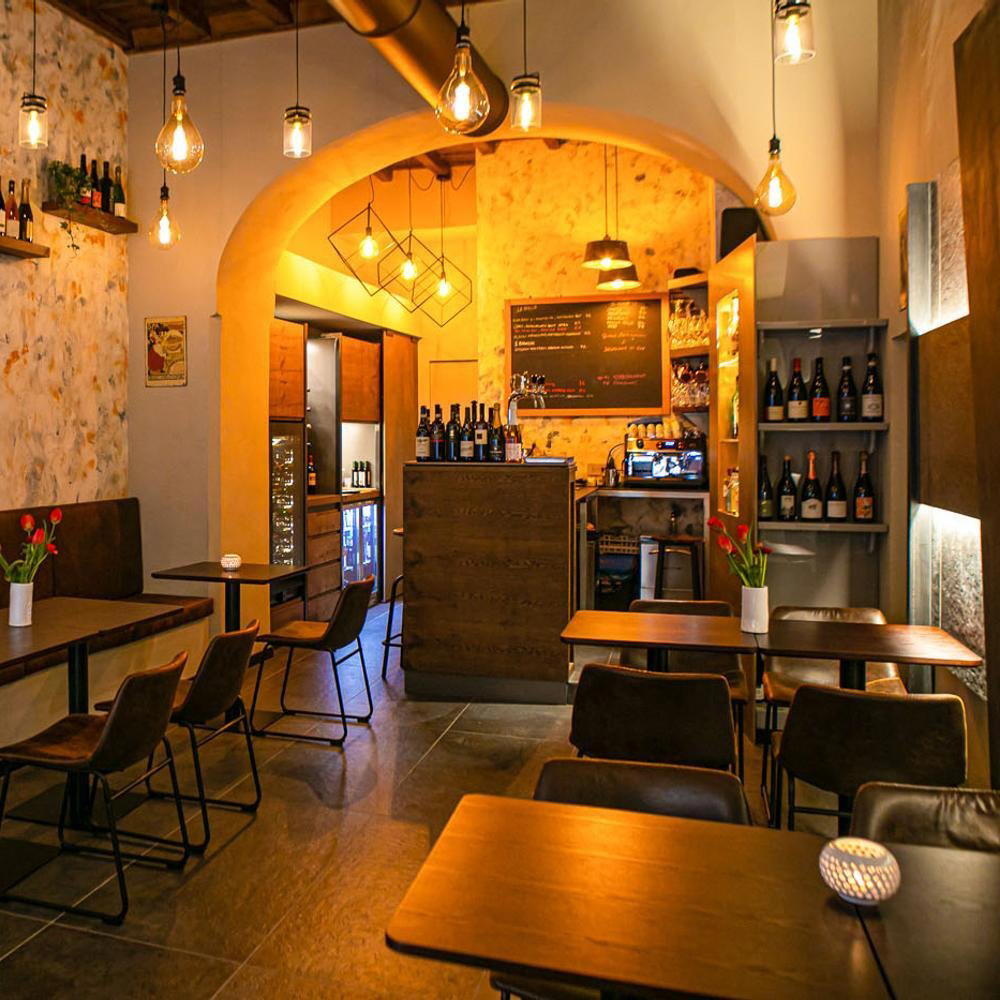
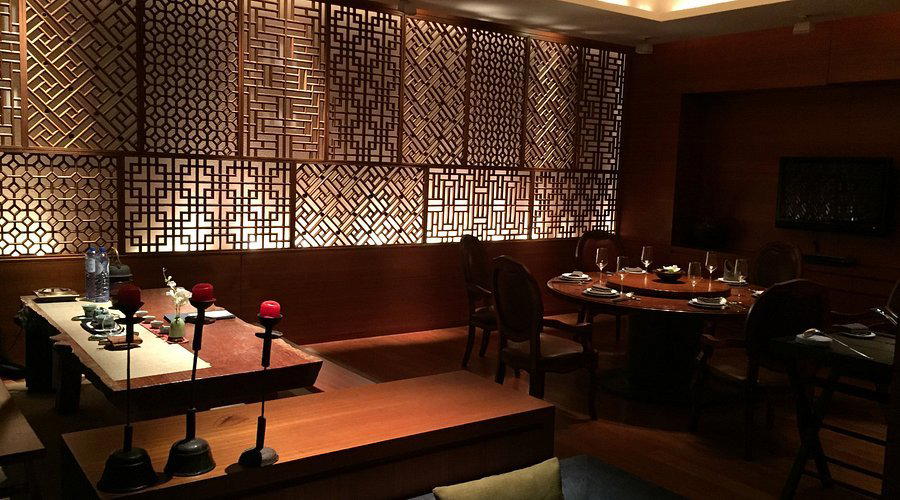
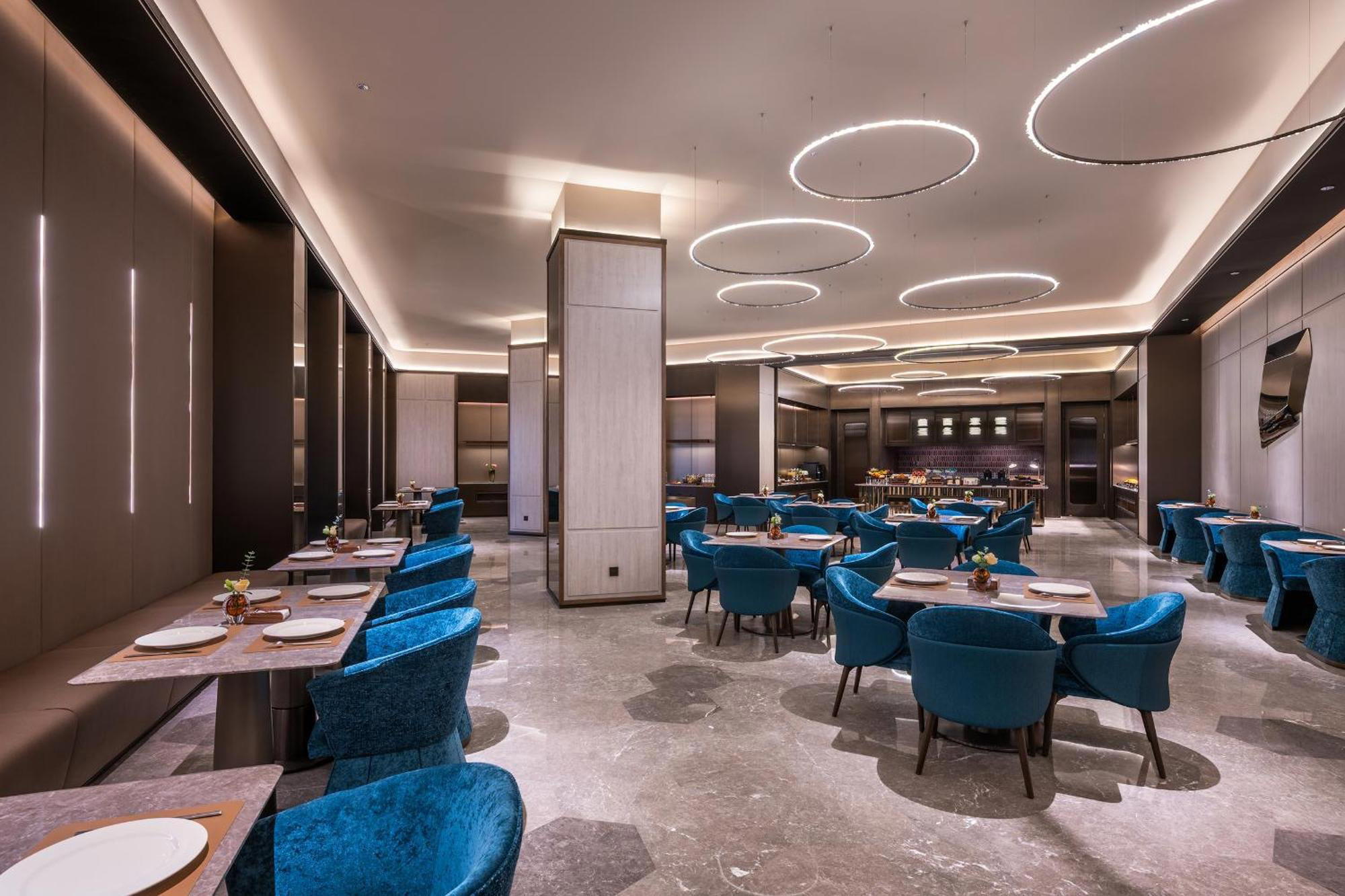
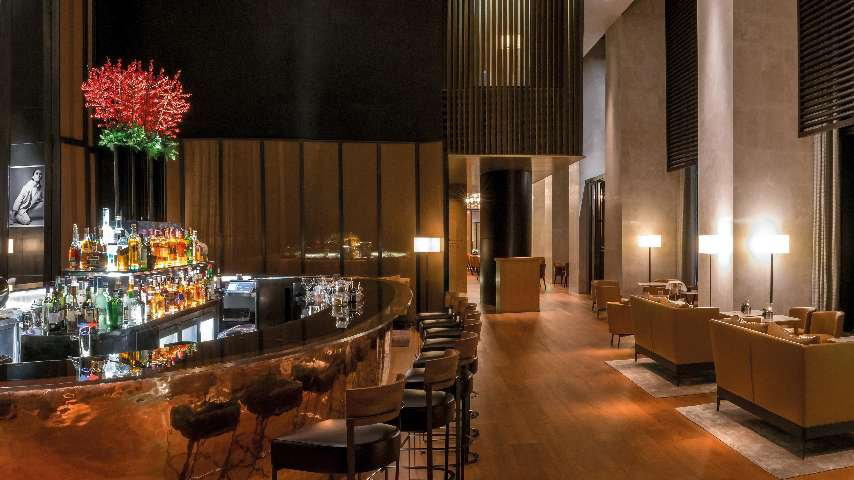
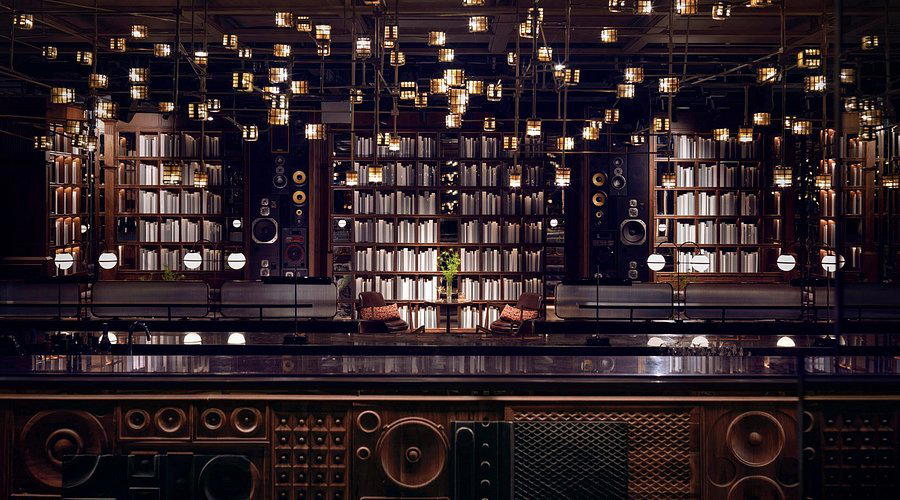
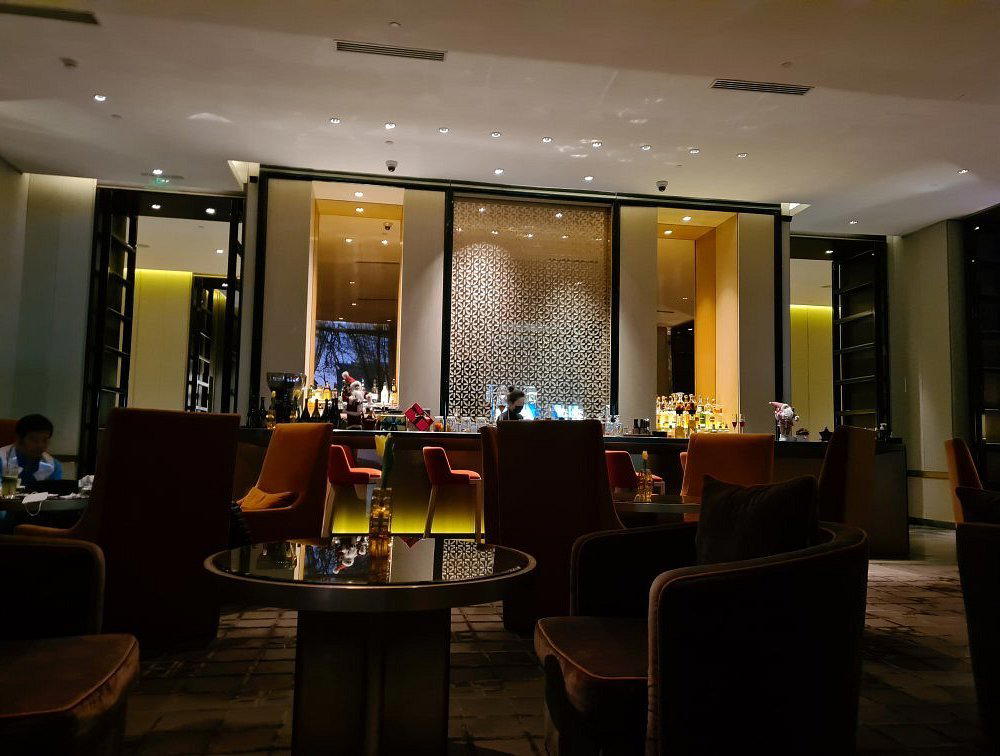
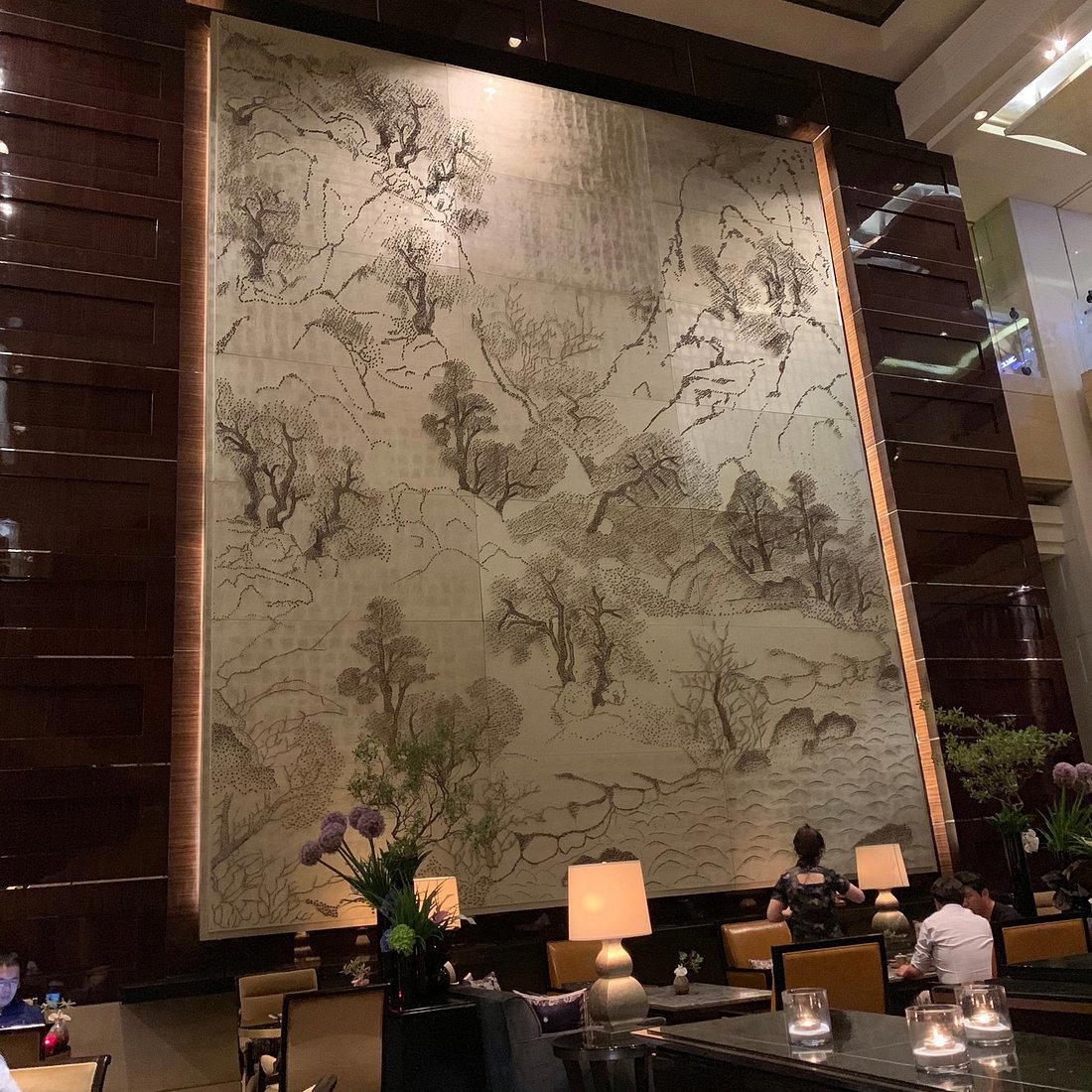
Modern minimalist Chinese design with stylish East-meets-West decor, bright open feel, and Bund views in Shanghai outpost.