


Set within the hushed courtyards of a 600-year-old temple complex, TRB - Temple Restaurant Beijing marries contemporary European cuisine with the serene grandeur of imperial Beijing. Expect exquisitely plated seasonal dishes, silk-smooth service, and a cellar of rare, judiciously chosen wines, all delivered with quiet confidence and well-suited poise. For informed travelers and residents alike, TRB offers a deeply polished dining experience where time-honored history and modern culinary artistry meet in elegant harmony.
Pearl is the En Primeur Club membership app — saves, bookings, and concierge access live there. Same editors, same standards.
- Address
- China, Beijing# 23 Shatan North Street 邮政编码: 100009
- Phone
- +86 10 8400 2232
- Website
- trbhutong.com
- Directions
- Get directions
 Saves & bookings on Pearl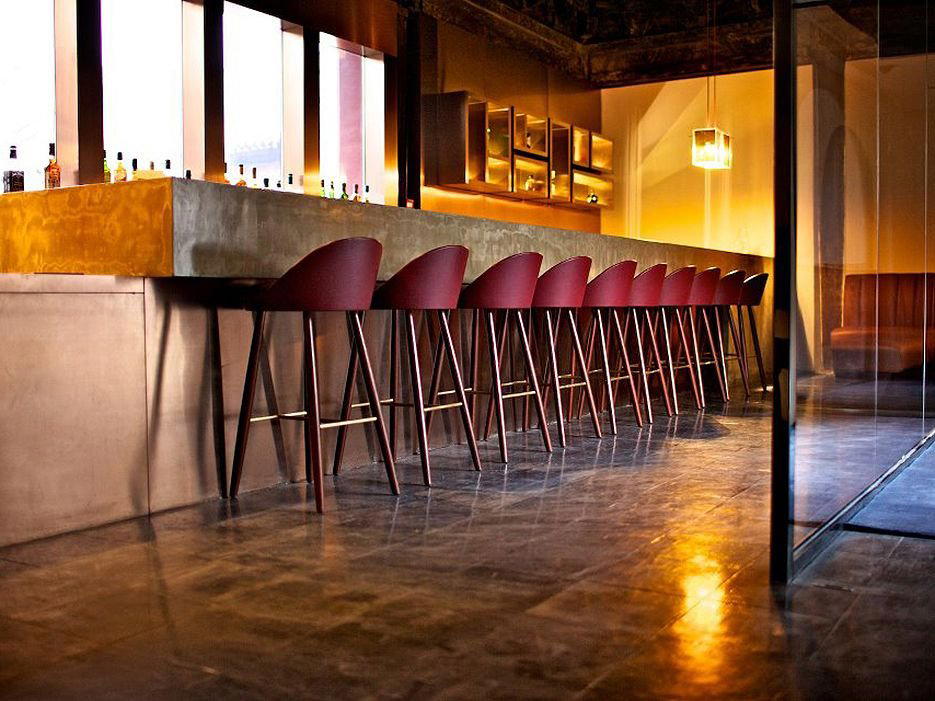
A Courtyard Setting That Reframes What Beijing Fine Dining Can Be
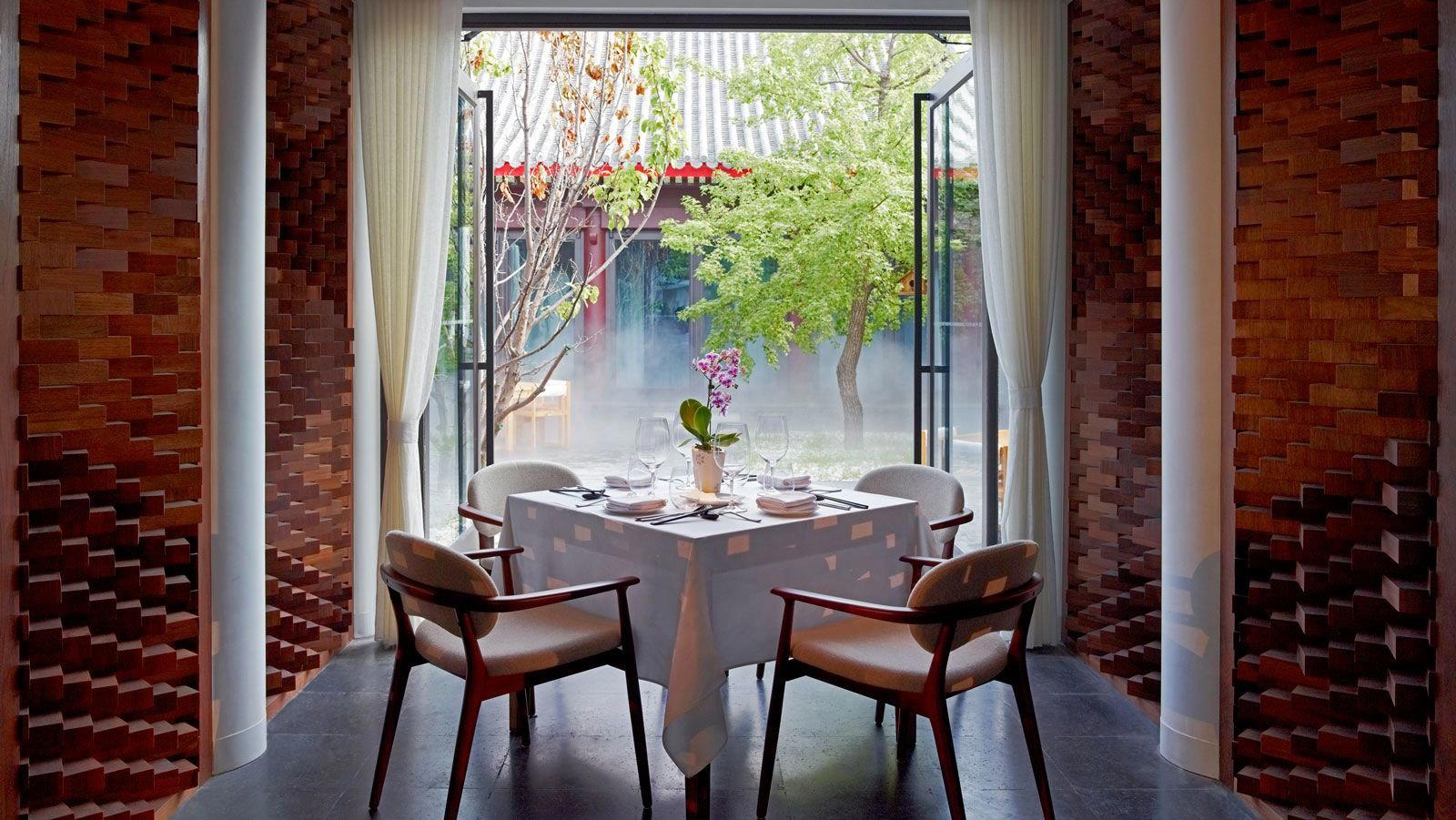
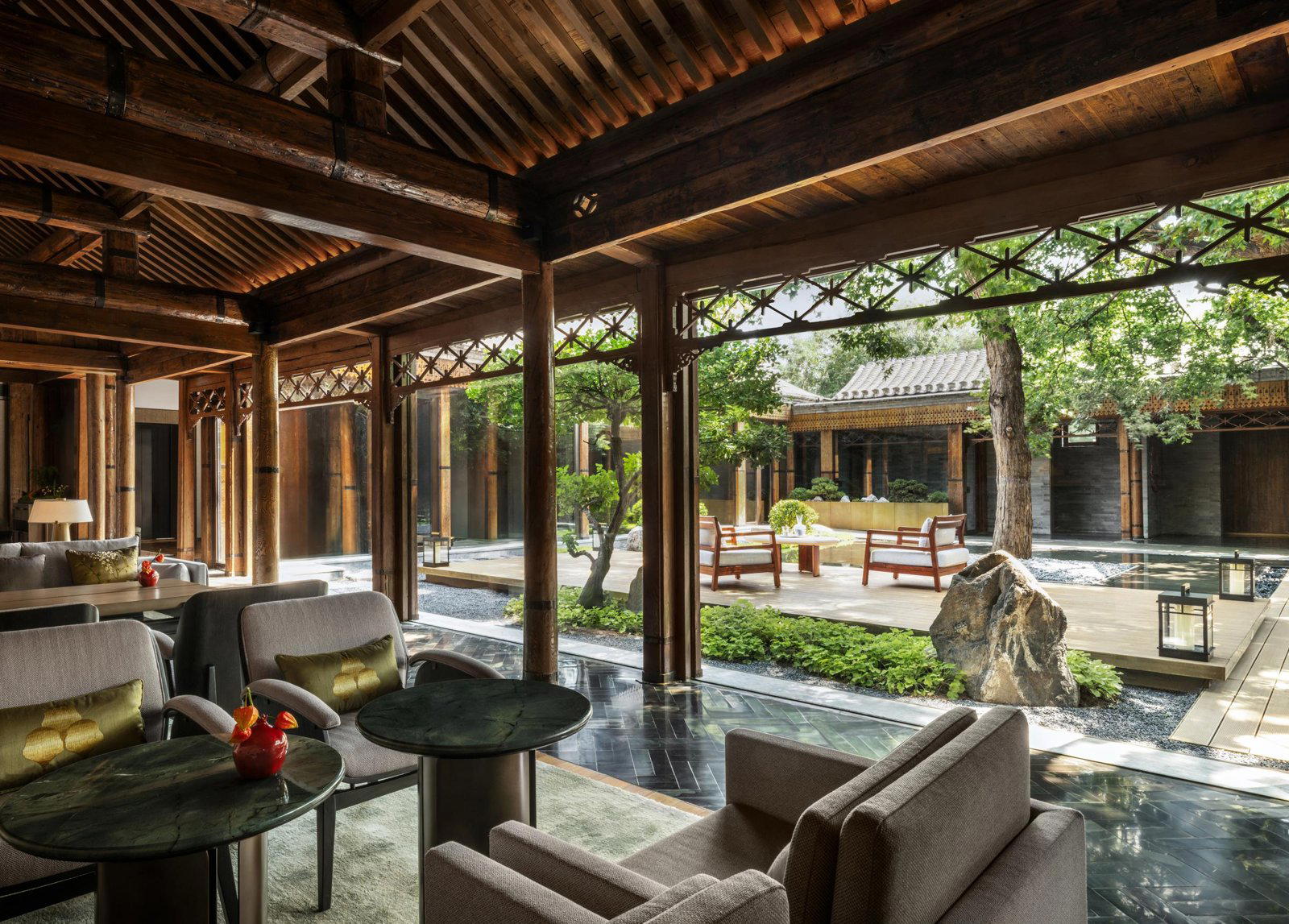
TRB - Temple Restaurant Beijing is a one-star Michelin restaurant in Beijing serving Modern French Fine Dining at about $125 per person. Arriving at TRB, Temple Restaurant Beijing requires a deliberate act of discovery. The address on Shatan North Street places you at the edge of Beijing's historic hutong district, minutes from the Forbidden City, inside the grounds of a centuries-old temple complex. The transition from street to courtyard to dining room compresses several layers of the city's history into a short walk, and it conditions the guest before a single dish has arrived. This is not accidental. Among Beijing's international fine-dining addresses, few occupy a setting with this kind of architectural weight, and the ones that do tend to let the setting do too much of the work. TRB is notable precisely because the cooking earns its context.
Where TRB Sits in Beijing's International Fine-Dining Tier
Beijing's fine-dining scene has historically organised itself around two poles: the grand hotel dining rooms of the international chains, which offer consistency and scale, and a smaller set of independent addresses that trade on either deep local culinary expertise or the kind of international menu fluency that attracts both diplomatic and corporate clientele. TRB belongs to the latter category. Holding a Michelin one star since 2024, it occupies a specific niche: internationally framed cooking, in a non-hotel setting, within a genuinely historic physical structure.
That positioning matters when you consider the comparable set. Restaurants such as Xin Rong Ji (Xinyuan South Road) and Chao Shang Chao (Chaoyang) each occupy the ¥¥¥¥ tier and draw on deep regional Chinese culinary traditions, Taizhou seafood craft and Chaozhou precision respectively. TRB competes in a different register: it is the option for guests seeking European-influenced international cookery at a serious technical level, in a setting that has no equivalent elsewhere in the capital. Compared to the vegetarian fine-dining practitioners at Lamdre and King's Joy, or the Beijing cuisine specialists at Jingji, TRB occupies its own lane, which is both an advantage and a responsibility it appears to take seriously.
What Returning Guests Actually Come Back For
The restaurants that develop genuine regulars in cities like Beijing tend to do so not through novelty but through consistency at a level that becomes almost invisible. The restaurant is known for polished cooking and consistent execution, a quality that matters to regular guests. In a dining market where the temptation to rotate menus aggressively in pursuit of press attention is strong, a kitchen that reliably delivers polished, immaculately crafted plates built on carefully selected local produce is making a deliberate choice. Regulars at this kind of restaurant are not chasing the new dish; they are returning to a standard they trust.
Two menu formats appear to serve different segments of that loyal audience. The premium signature menu, which draws on luxury ingredients, serves the guest who wants the kitchen's full statement. The seasonal menu, which calls on ripe, mature produce in a manner the OAD listing describes as lavish, serves those who return often enough to want variation across visits. That the same kitchen can sustain both formats with the same technical rigour is, in practice, what makes a restaurant worth visiting twice. The dessert finale functions as a closing statement that gives regulars something to anchor the end of the meal.
For those tracking how Beijing's international fine-dining scene compares across greater China, 102 House in Shanghai and Ru Yuan in Hangzhou offer useful reference points in adjacent markets, while Chef Tam's Seasons in Macau and Imperial Treasure Fine Chinese Cuisine in Guangzhou represent the Cantonese-adjacent end of the southern mainland tier. Dai Yuet Heen in Nanjing rounds out the picture for those mapping Michelin-recognised addresses across the country.
The Cooking: International With a Specific Point of View
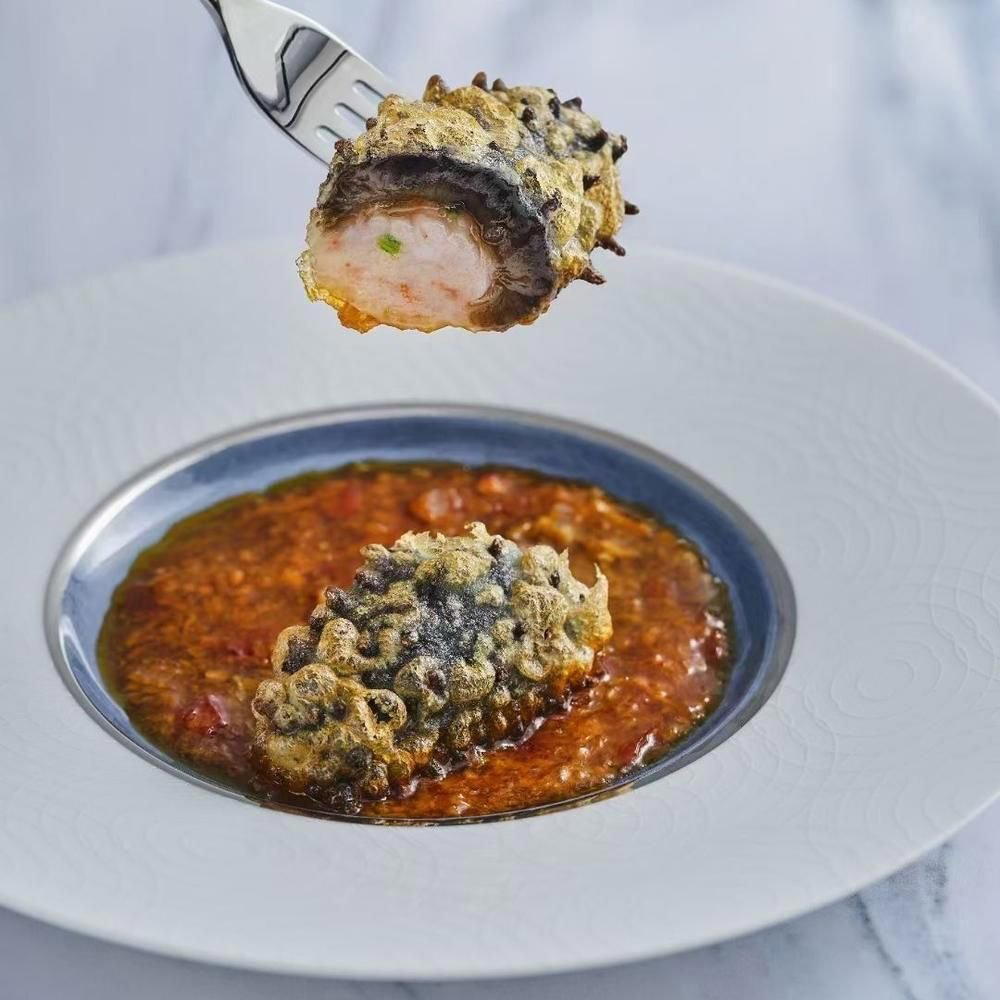
The kitchen at TRB operates under chef Ignace Lecleir. The international cuisine classification covers a broad territory in Beijing, it can mean anything from Mediterranean-leaning hotel dining to modern European tasting menus. At TRB, the OAD description narrows the definition considerably: dishes are polished and immaculately crafted, local produce is a deliberate foundation rather than a token gesture, and the premium signature menu uses luxury ingredients in a format described as inspired by the chef's personal history. That means a menu with editorial coherence, where the ingredients are not random but speak to a consistent palate and set of techniques.
The seasonal menu's emphasis on ripe, mature produce positions TRB alongside a broader movement in contemporary European-influenced cooking that has found expression in cities across Asia: kitchens that take their sourcing calendar seriously, that time dishes to ingredient readiness rather than menu cycles, and that express seasonality through restraint rather than abundance. For a comparative view of how this approach plays out at the international fine-dining level in a European context, Haubentaucher in Rottach-Egern and Loumi in Berlin offer instructive reference points on what a similarly positioned kitchen looks like in its home market. In Beijing, the approach is rarer, which makes TRB's execution of it more significant.
Recognition and What It Signals
Michelin one star awarded in 2024 places TRB inside a small group of Beijing restaurants that have received that recognition. More telling, is the OAD trajectory: from Recommended in 2023 to a ranked position in 2024, then retaining a ranked slot (393rd) in 2025. OAD rankings are compiled from votes by a community of frequent fine-dining guests rather than anonymous inspectors, which means the consistency of TRB's position reflects genuine repeat engagement from the kind of guest who eats at this level regularly and across multiple cities.6 across 38 reviews adds a further data point.
For those building a Beijing dining programme around Michelin-recognised addresses, further reading on the city's hospitality and nightlife can be found in the relevant Beijing guides. Regional Chinese alternatives worth cross-referencing include Xin Rong Ji in Chengdu, which offers a useful comparison for understanding how upper-tier regional Chinese cookery is evolving beyond Beijing and Shanghai.
Planning Your Visit
| Venue | Cuisine | Price Tier | Recognition | Setting |
|---|---|---|---|---|
| TRB, Temple Restaurant Beijing | International | Not disclosed | Michelin 1★ (2024), OAD Asia Ranked | Historic temple courtyard, hutong district |
| Xin Rong Ji (Xinyuan South Road) | Taizhou | ¥¥¥¥ | OAD Asia Ranked | Contemporary dining room |
| Chao Shang Chao (Chaoyang) | Chao Zhou | ¥¥¥¥ | OAD Asia Ranked | Modern Chaozhou format |
| Lamdre | Vegetarian | ¥¥¥¥ | OAD Asia Ranked | Specialist vegetarian fine dining |
| Jingji | Beijing Cuisine | ¥¥¥¥ | OAD Asia Ranked | Beijing culinary tradition |
TRB is located at 23 Shatan North Street, Beijing 100009, well within reach of the Forbidden City and National Museum area. Advance reservations are essential.
Standing Among Peers
Comparable venues nearby, for context on price, style, and recognition.
| Venue | Cuisine | Price | Awards | Notes |
|---|---|---|---|---|
| TRB - Temple Restaurant BeijingThis venue — the venue you are viewing | Modern French Fine Dining | $$$$ | Michelin 1 Star | Not listed |
| Cai Yi Xuan | Michelin-Starred Cantonese | $$$$ | Michelin 1 Star | Hujialou |
| Seventh Son Restaurant Beijing | Michelin One-Star Cantonese | $$$$ | Michelin 1 Star | Hujialou |
| Sheng Yong Xing (Chaoyang) | Beijing Roast Duck | $$$ | Michelin 1 Star | Sanlitun |
| Forum | Deluxe Cantonese | $$$$ | Michelin 1 Star | Dongcheng |
| Lei Garden (Jinbao Tower) | Authentic Cantonese Fine Dining | $$$$ | Michelin 1 Star | Chaoyangmen |
Recognition history
Dated appearances from independent guides and award organizations, with the underlying list record or original source where available.
Opinionated About Dining Top Restaurants in Asia Recommended
Opinionated About Dining
Michelin 1 Star
Michelin
Opinionated About Dining Top Restaurants in Asia Ranked #393
Opinionated About Dining
The Best Chef One Knife
The Best Chef
Michelin 1 Star
Michelin
Opinionated About Dining Top Restaurants in Asia Ranked #359
Opinionated About Dining
Opinionated About Dining Top Restaurants in Asia Recommended
Opinionated About Dining

At a Glance
- Elegant
- Sophisticated
- Modern
- Intimate
- Well Known
- Date Night
- Special Occasion
- Business Dinner
- Celebration
- Historic Building
- Private Dining
- Design Destination
- Extensive Wine List
- Sommelier Led
- Local Sourcing
Current opening hours
- Monday
- 11 AM–2:30 PM, 5:30–10 PM
- Tuesday
- 11 AM–2:30 PM, 5:30–10 PM
- Wednesday
- 11 AM–2:30 PM, 5:30–10 PM
- Thursday
- 11 AM–2:30 PM, 5:30–10 PM
- Friday
- 11 AM–2:30 PM, 5:30–10 PM
- Saturday
- 11 AM–2:30 PM, 5:30–10 PM
- Sunday
- 11 AM–2:30 PM, 5:30–10 PM
Hours can change for holidays and private events. Last verified .
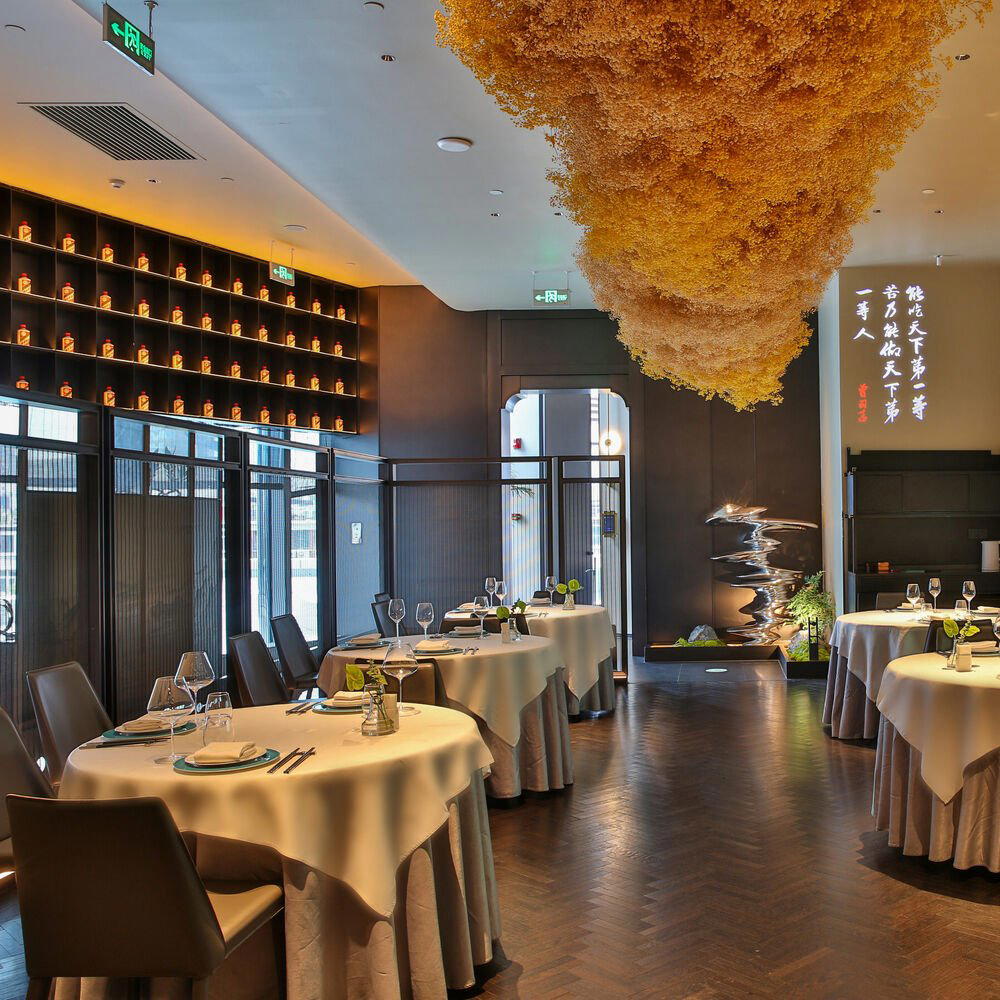
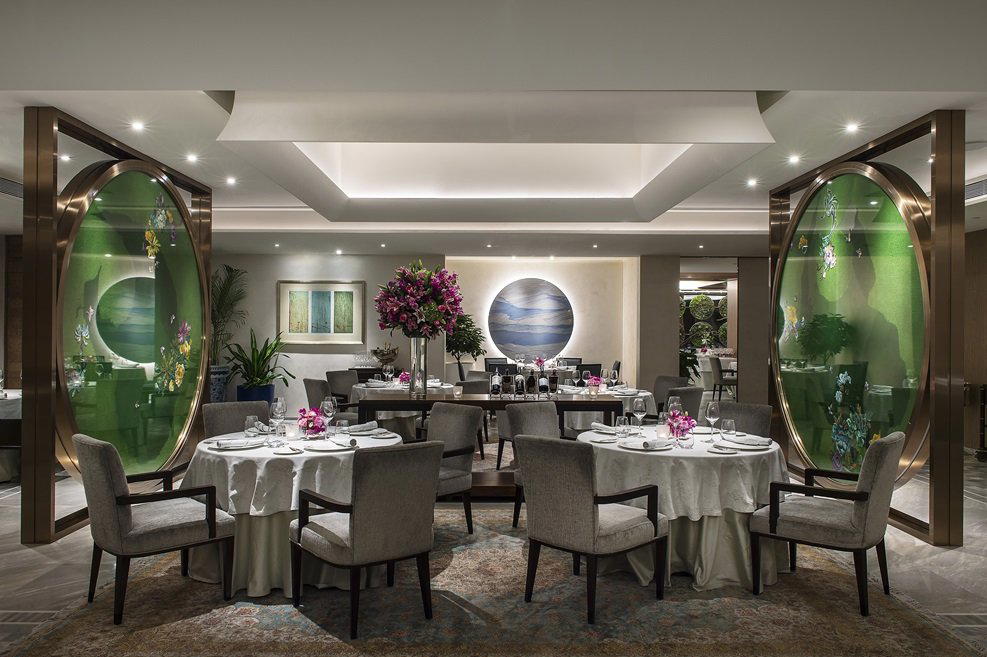
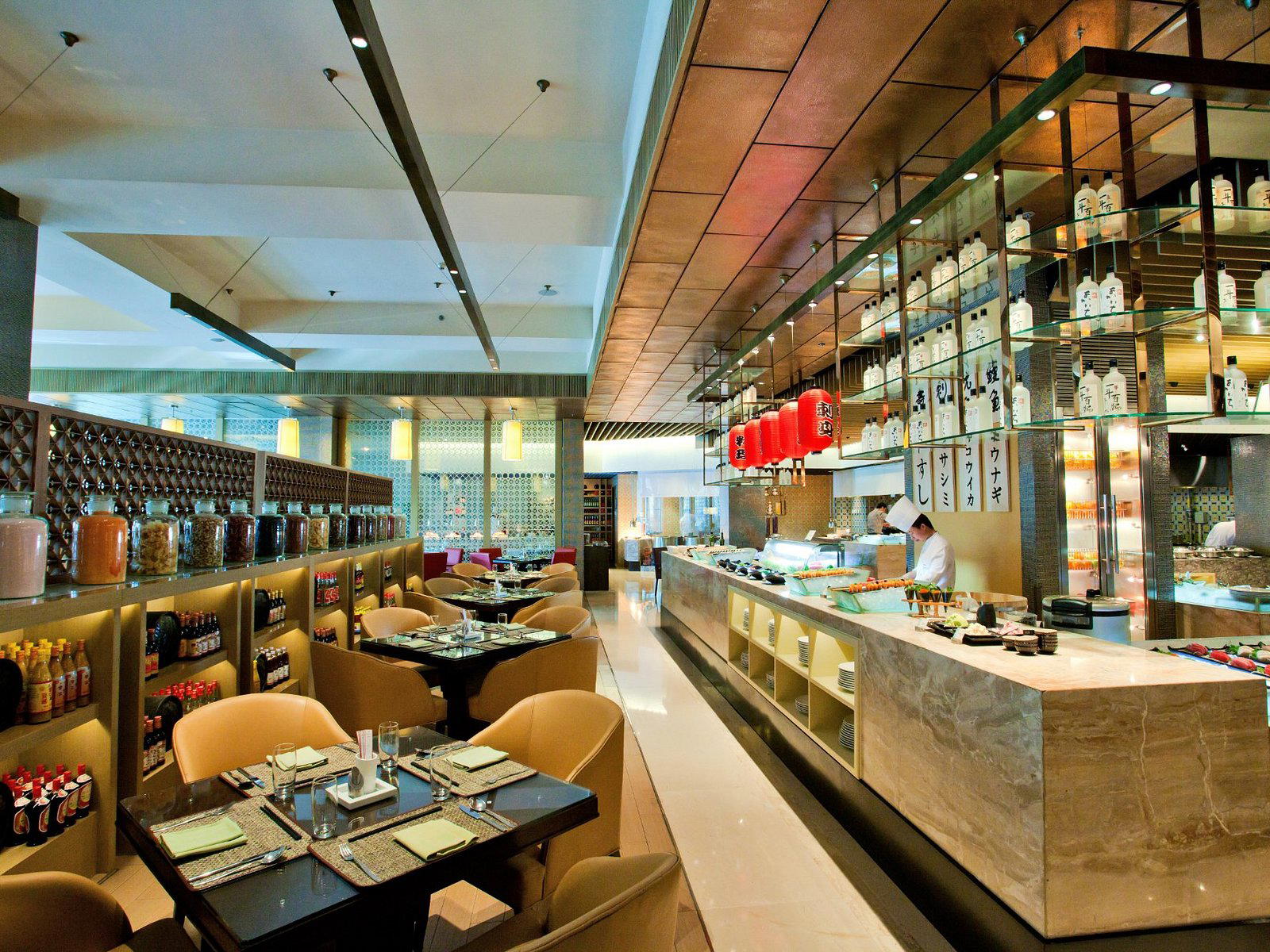
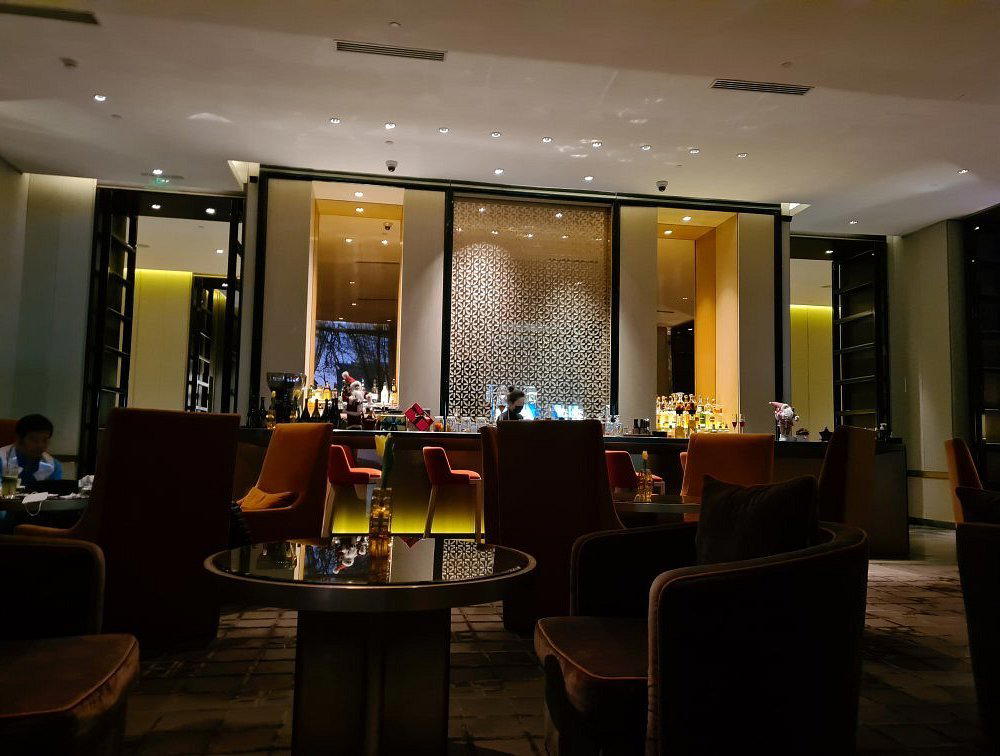
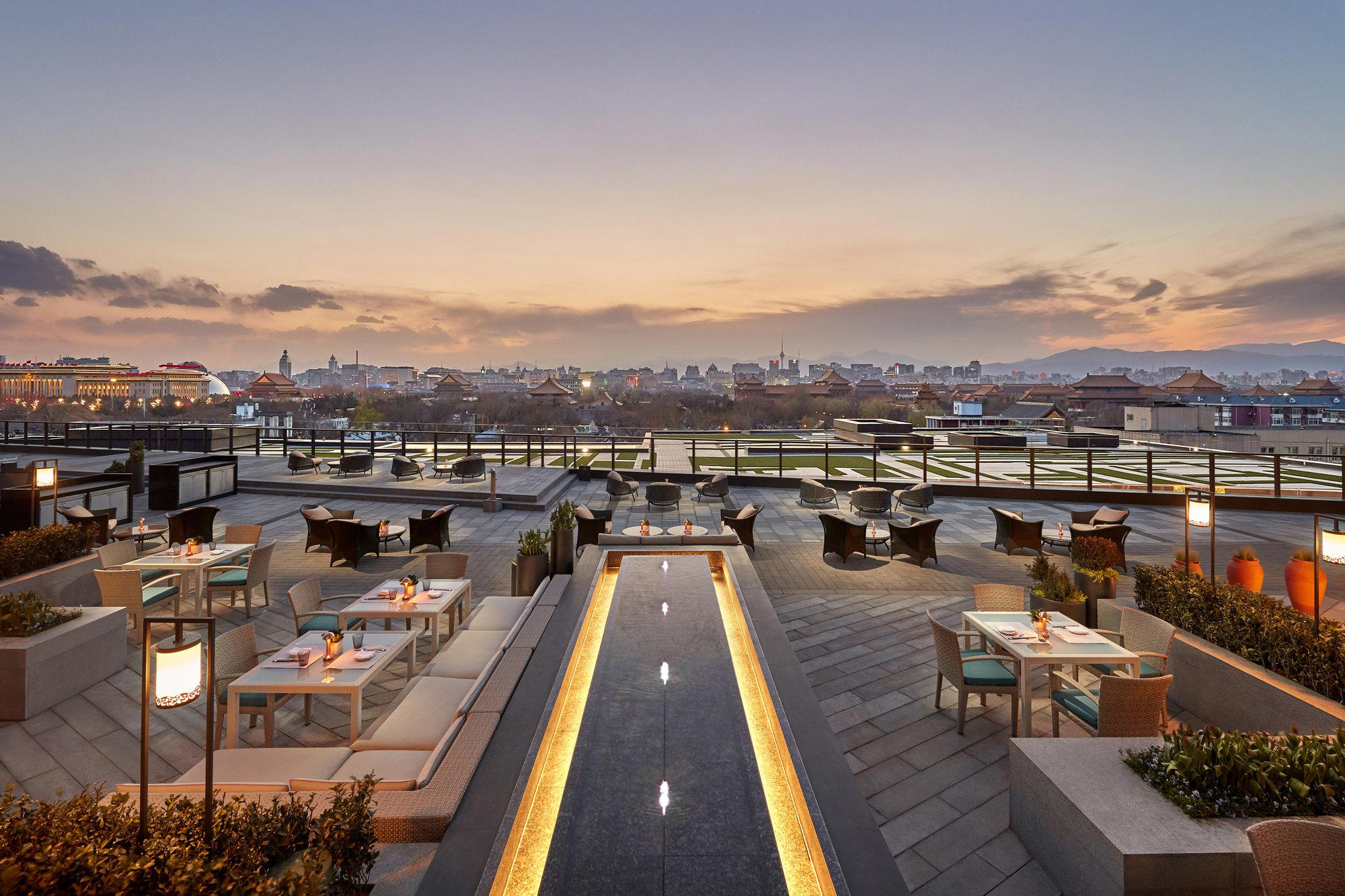
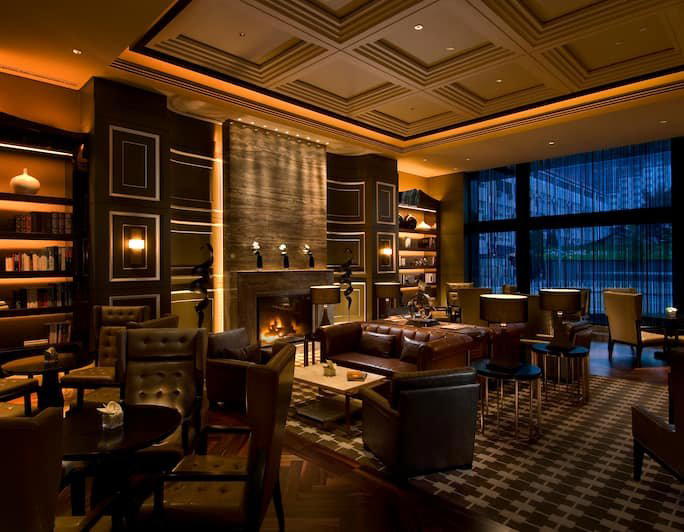
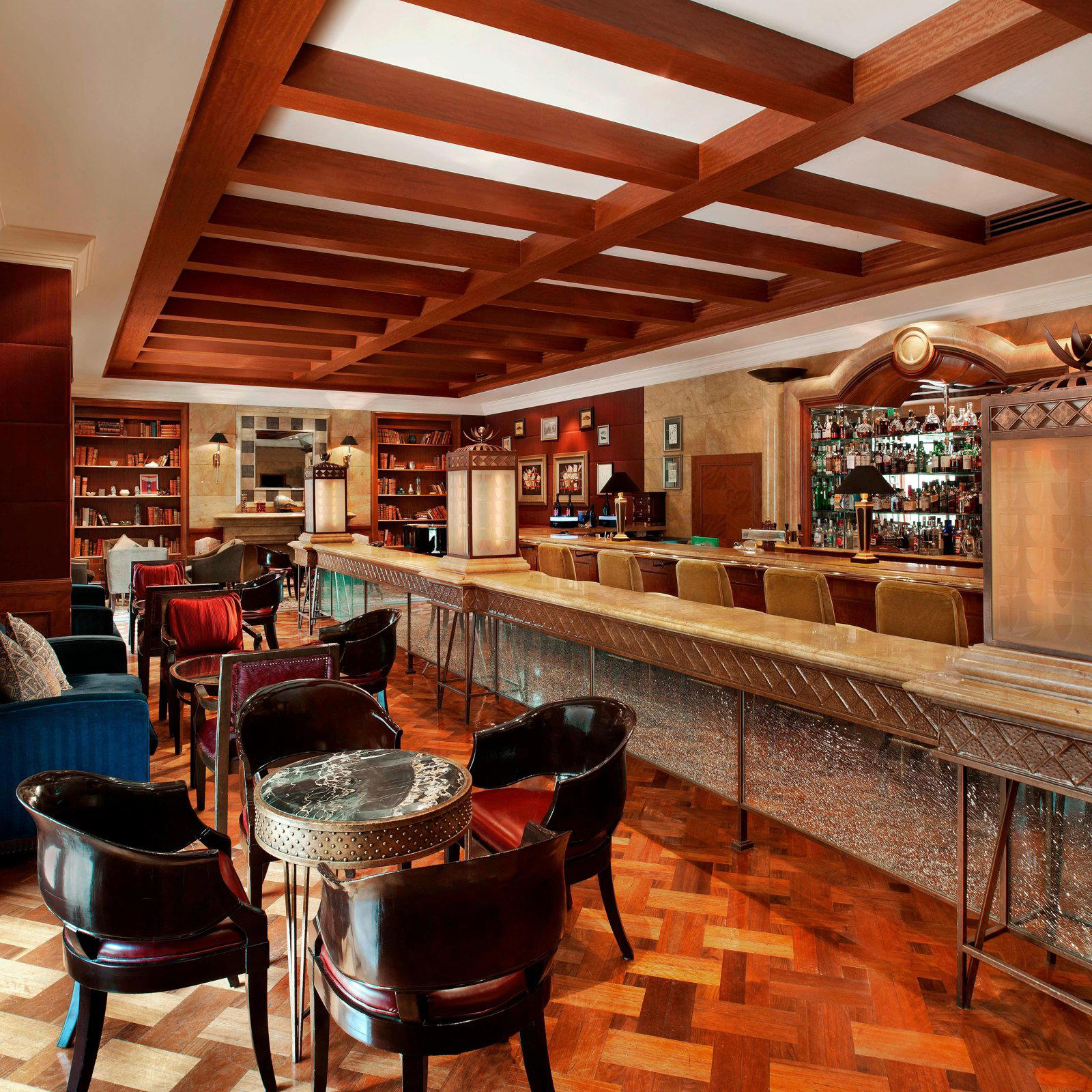
Modern, elegant, and minimalist decor in a historic temple setting with soft lighting, creating a sophisticated and cozy fine dining atmosphere.