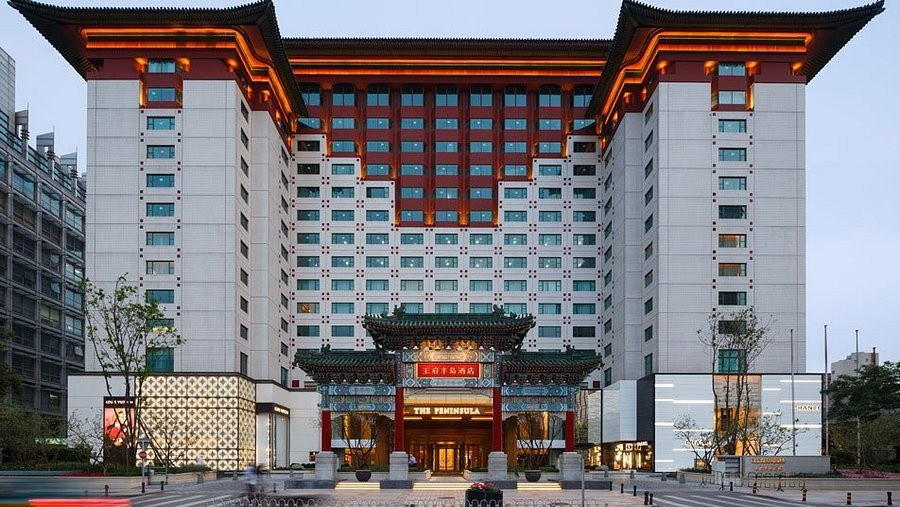
Huang Ting occupies a courtyard setting in Dongcheng's Jinyu Hutong, placing it within Beijing's tradition of formal Chinese dining housed in historic architecture. The address connects it to the hutong-hotel dining format that defines the capital's premium Chinese restaurant tier, where surroundings carry as much weight as what arrives at the table.
Pearl is the En Primeur Club membership app — saves, bookings, and concierge access live there. Same editors, same standards.
- Address
- China, Beijing, Dongcheng, Jinyu Hu Tong, 8å·B2å±çåºåå²é åº
- Phone
- +861085162888
- Website
- peninsula.com
- Directions
- Get directions
 Saves & bookings on Pearl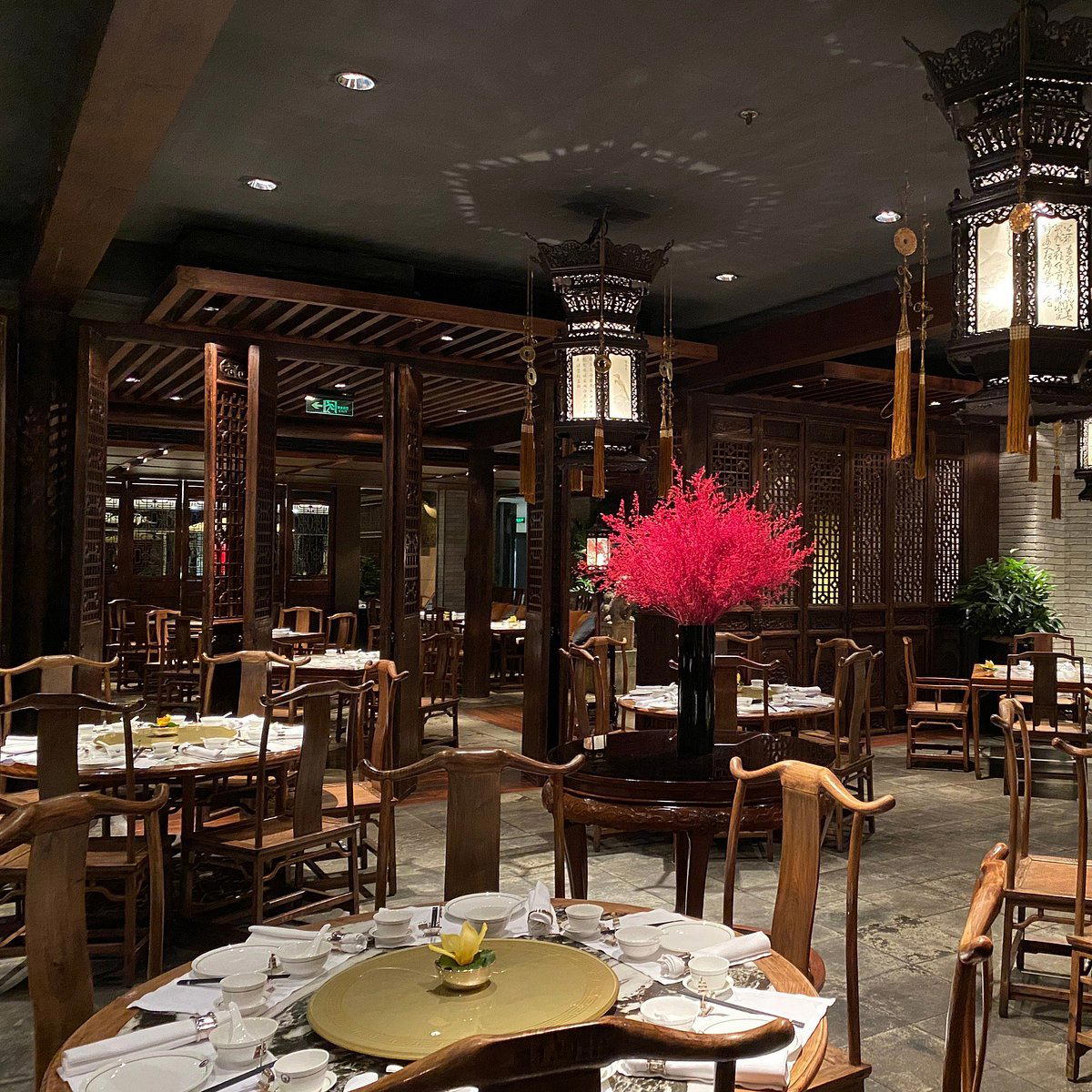
Hutong Architecture as Dining Context
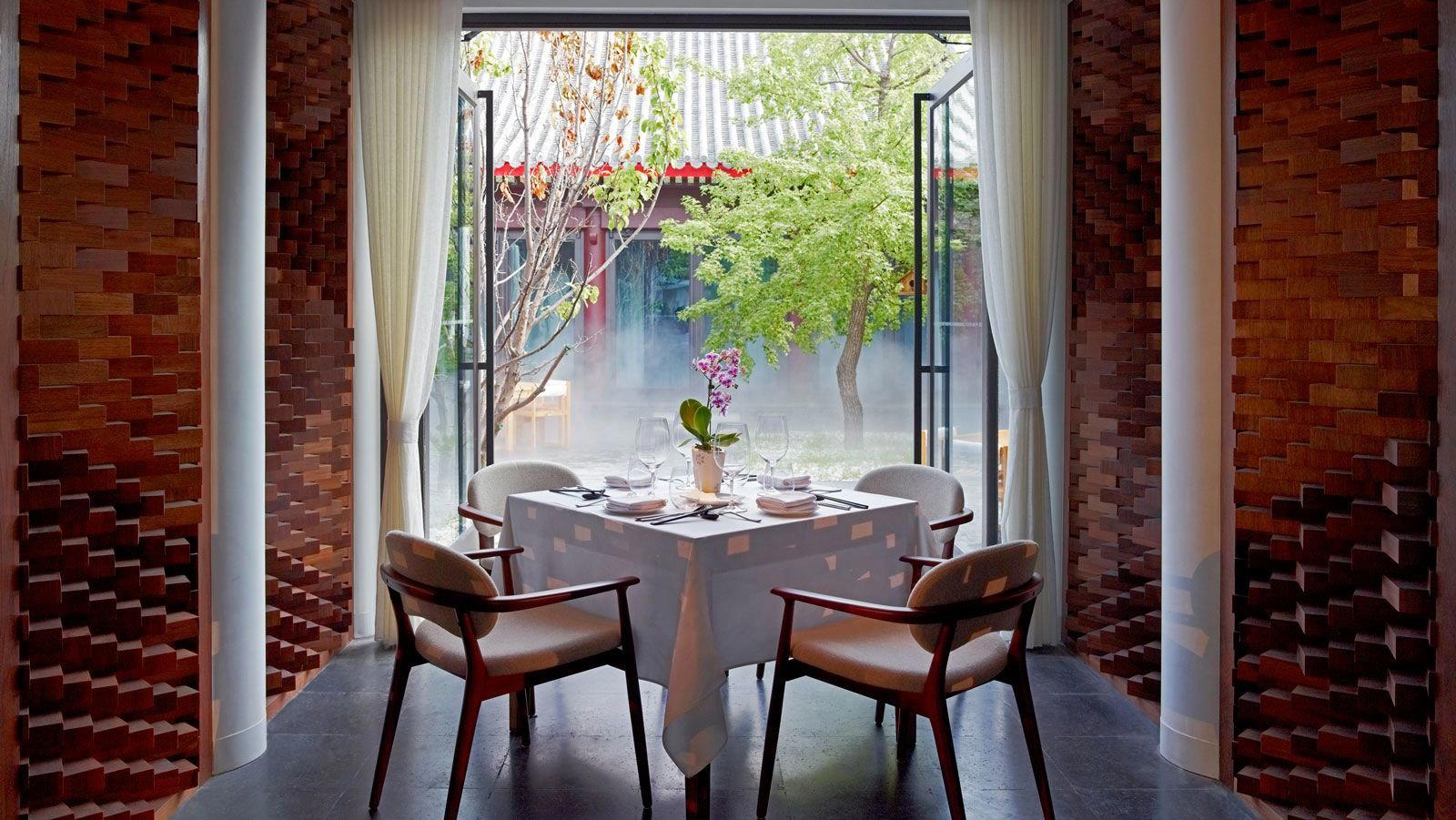
Beijing's premium Chinese dining scene has developed a distinctive format over the past two decades: traditional courtyard architecture, either preserved or faithfully reconstructed, used as the container for formal Chinese cuisine. This is specific to Beijing, where the hutong and siheyuan carry historical weight that shapes the atmosphere. Huang Ting sits within this tradition, addressed at Jinyu Hutong in Dongcheng, one of the districts where the physical fabric of old Beijing survived urbanisation well enough to anchor a serious dining room.
The approach matters because it sets expectations before a single dish arrives. Diners at this tier are paying for the food, the light through a courtyard lattice, the shift in acoustics between a covered corridor and open sky, and the sense that the meal takes place inside a historic setting. That atmospheric layer distinguishes this address from hotel tower dining rooms in other Chinese cities.
Where Huang Ting Sits in the Dongcheng Dining Picture
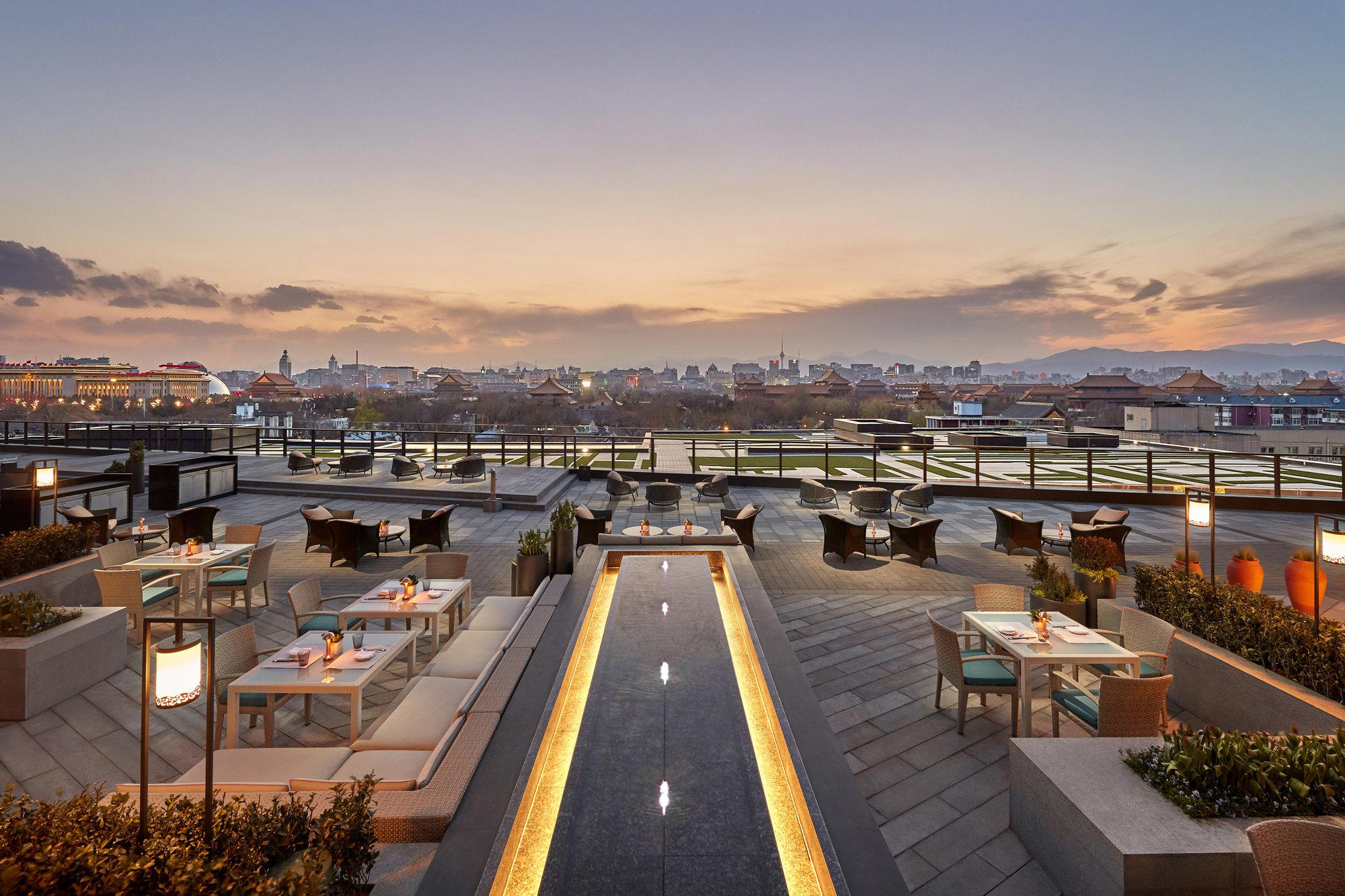
Dongcheng's restaurant profile leans formal and heritage-adjacent. The district contains the Forbidden City, the Temple of Heaven, and a concentration of preserved hutong lanes that attract the kind of visitors, and Beijing residents, who treat a meal as part of a broader engagement with the city's history. Within that context, a restaurant operating inside a hutong-era structure is making a positioning statement: this is not contemporary Beijing with its glass towers and fusion menus, but a deliberate link to an older, more codified dining culture.
The comparison set for Huang Ting within Beijing's premium Chinese tier includes addresses such as Jingji, which grounds itself in Beijing cuisine tradition, and King's Joy, which occupies its own historically significant compound near the Lama Temple and applies the courtyard-dining format to a vegetarian program. Further along the spectrum, Lamdre and Chao Shang Chao in Chaoyang represent the premium Chinese tier with different regional and atmospheric identities. What these addresses share is a willingness to price at the upper end of the Beijing market and to make a case for that positioning through something beyond the plate, whether architecture, provenance, or the coherence of the total environment.
The Sensory Logic of Courtyard Dining
Courtyard dining in Beijing operates on a rhythm that open-plan restaurants cannot replicate. Movement through a series of enclosed spaces, gate, corridor, courtyard, inner room, produces a cumulative decompression that functions as a kind of preamble to the meal. Sound behaves differently inside a siheyuan: traffic noise drops, the acoustic scale shrinks, and conversation takes on an intimacy that larger restaurant rooms rarely achieve. The materials, stone paving, timber columns, ceramic roof tiles, absorb and return sound in ways that modern construction does not, and that physicality is part of what guests at this price point are experiencing even when they cannot articulate it precisely.
This sensory architecture has direct implications for how Chinese cuisine reads at the table. Dishes that might seem unremarkable in a generic dining room carry different weight inside a space with historical coherence. The presentation of tea, the sequence of cold appetisers, the arrival of soup, these moments are ritualised in formal Chinese dining, and they land with more authority when the surrounding architecture is itself ritualised. The restaurant's address in Jinyu Hutong places it inside that logic.
For comparison across other Chinese cities, the hutong-courtyard format is specific enough to Beijing that it rarely translates elsewhere. Ru Yuan in Hangzhou draws on garden aesthetics that are distinctly Jiangnan in character, while 102 House in Shanghai works within the shikumen heritage typology. Each format carries regional atmospheric logic; Beijing's courtyard version is among the more codified, and the restaurant operates inside it.
Regional Context: Chinese Fine Dining Beyond Beijing
The premium Chinese restaurant format has spread across the country's major cities, with each regional variant shaped by local culinary tradition and architectural heritage. Xin Rong Ji in Beijing anchors itself to Taizhou seafood at the leading price tier, demonstrating that regional cuisine specificity is increasingly a credential at this level. Across other cities, addresses like Imperial Treasure Fine Chinese Cuisine in Guangzhou, Dai Yuet Heen in Nanjing, and Chef Tam's Seasons in Macau each position themselves through a combination of culinary lineage and controlled physical environment. Shang Palace in Yangzhou and Dingshan·Jiangyan in Suzhou further illustrate how the hotel-anchored fine Chinese format has evolved across the Yangtze Delta.
What the strongest addresses in this category share is a specific cuisine identity, a building with history, or a service format with cultural grounding. The courtyard addresses of Dongcheng belong to that tendency. For readers exploring formal Chinese dining in cities with less pronounced heritage infrastructure, Fleurs Et Festin in Xiamen, Jiangnan Wok·Rong in Fuzhou, and Xin Rong Ji in Chengdu each offer their own version of this positioning.
Planning a Visit
Jinyu Hutong sits within Dongcheng district, accessible from the central hotel belt around Wangfujing and the older lanes south of the Palace Museum. Dongcheng's hutong areas reward early arrival: the lanes are quieter before midday crowds build, and arriving with time to walk the surrounding streets before a meal adds to the atmospheric layering that the address depends on.
Comparable Spots
Comparable venues nearby, for context on price, style, and recognition.
| Venue | Cuisine | Price | Notes |
|---|---|---|---|
| Huang TingThis venue — the venue you are viewing | Cantonese Fine Dining | $$$$ | Not listed |
| Beijing Da Dong | Modern Peking Duck | $$$$ | Dongzhimen |
| FuRong Hu'nan Cuisine by Rong | Upscale Hunan cuisine by Xin Rong Ji | $$$ | Xicheng |
| Made In China (长安壹号) | Modern Northern Chinese with Peking Duck | $$$$ | Wangfujing |
| Yan Garden by Chef Fei | Upscale Cantonese and Chaozhou | $$$$ | Chongwen |
| Vege Wonder | Modern Chinese Vegetarian | $$$$ | Dongcheng |
At a Glance
- Elegant
- Sophisticated
- Intimate
- Classic
- Business Dinner
- Special Occasion
- Celebration
- Date Night
- Private Dining
- Hotel Restaurant
- Courtyard
- Historic Building
Current opening hours
- Monday
- 11:30 AM–2:30 PM, 6–10 PM
- Tuesday
- 11:30 AM–2:30 PM, 6–10 PM
- Wednesday
- 11:30 AM–2:30 PM, 6–10 PM
- Thursday
- 11:30 AM–2:30 PM, 6–10 PM
- Friday
- 11:30 AM–2:30 PM, 6–10 PM
- Saturday
- 11:30 AM–2:30 PM, 6–10 PM
- Sunday
- 11:30 AM–2:30 PM, 6–10 PM
Hours can change for holidays and private events. Last verified .
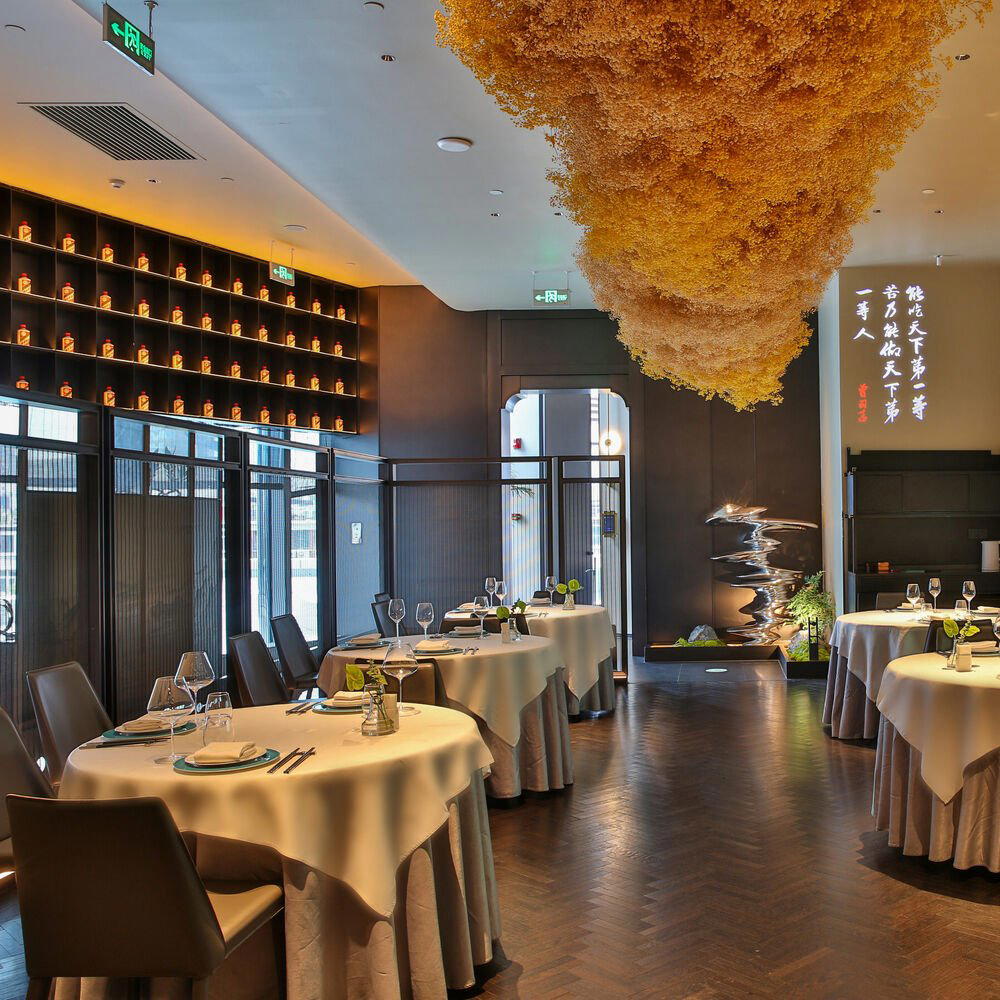
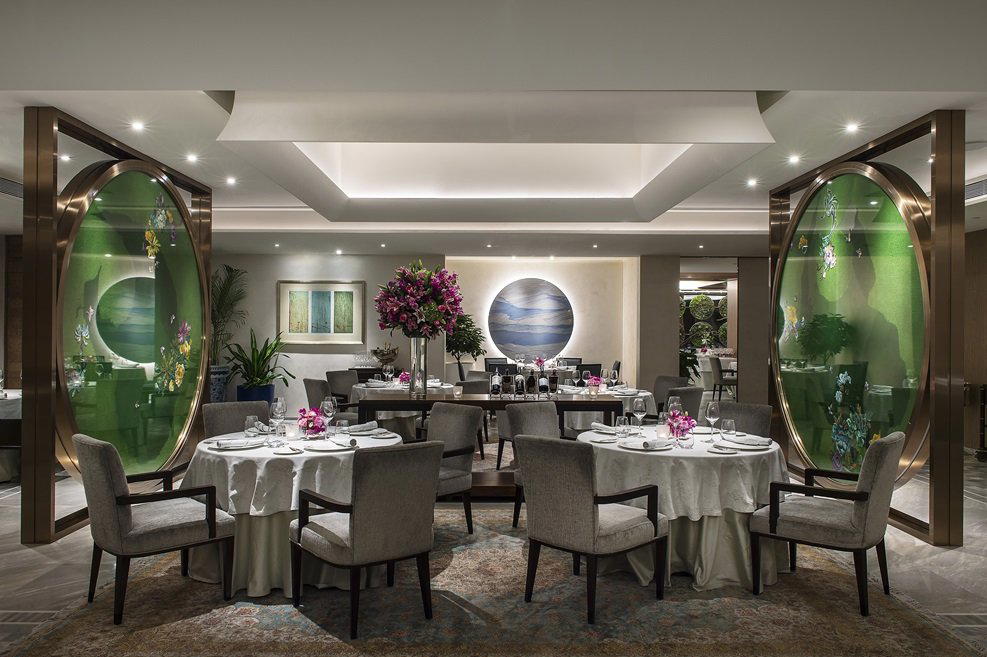
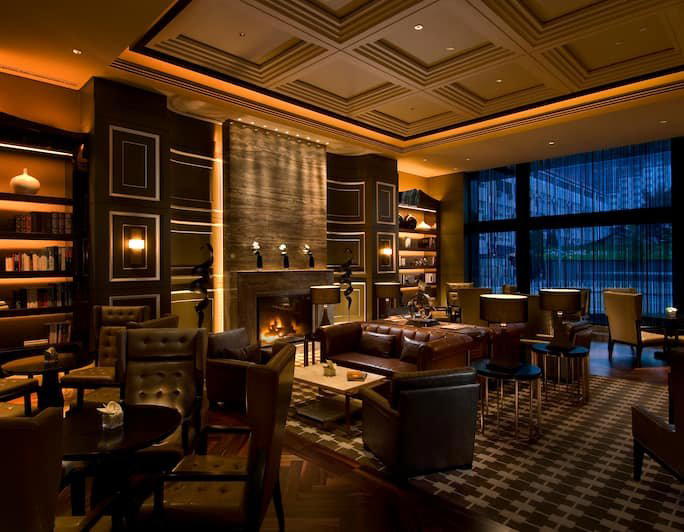
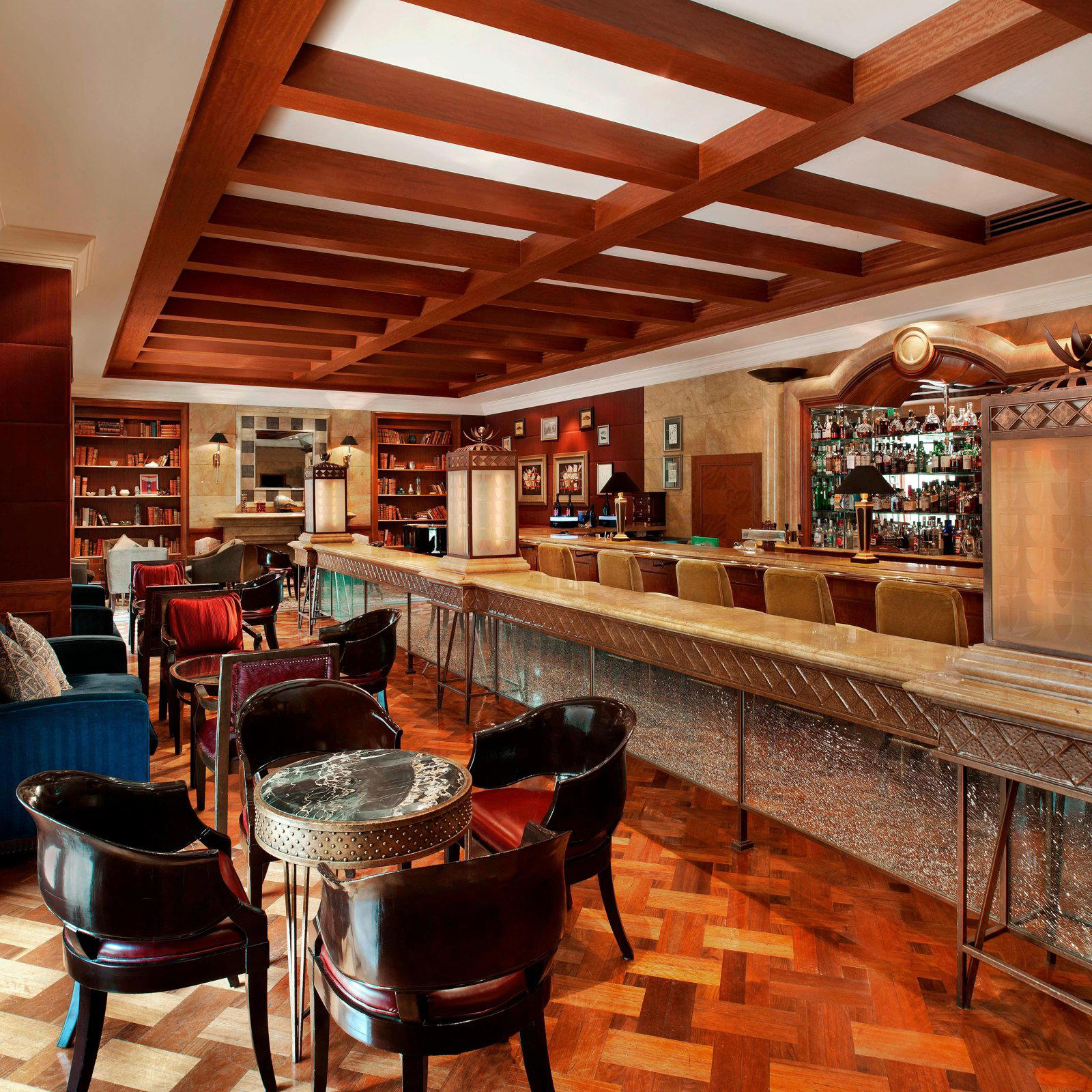
Luxurious and serene with grey brick walls sourced from reclaimed hutong houses, slate floors, aged pine beams, and delicate ivory and blue silk accents creating a warm, palatial ambiance.