
Tabelog 100 #39
Our verdict
A compact Kagurazaka yoshoku address with Italian and wine-bar leanings, Yoshokudo Budo Kagurazaka Kagurazaka belongs to Tokyo’s newer generation of Western-inflected Japanese dining rooms. Its 2025 Tabelog 100 Yoshoku EAST selection gives it a clear credential, while the course-led format and small room make planning part of the experience rather than an afterthought.

Pearl is the En Primeur Club membership app, where members save venues, book tables and use the concierge.
The menu
What to order
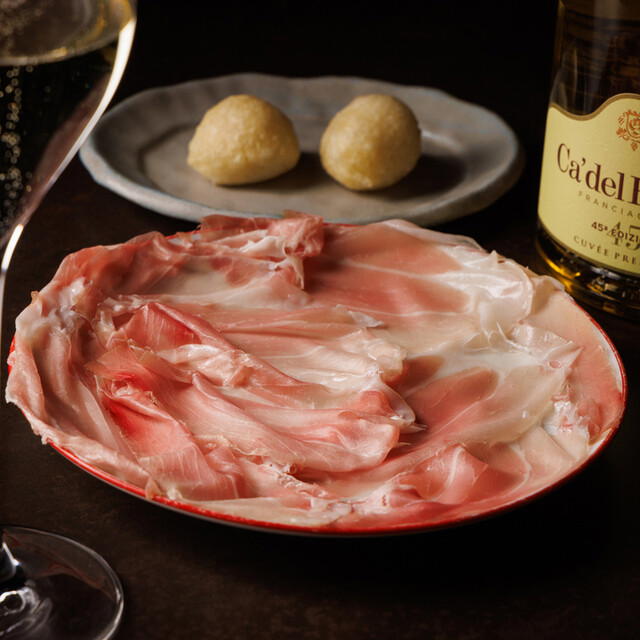
- Just 1mm melt-in-your-mouth prosciutto
- 4 types of handmade pasta
- Choose-your-own full course from 30 options
Tokyo rewards diners who pay attention to scale. The city’s dining rhythm is often built around narrow approaches, low-slung rooms, and addresses that feel closer to private supper clubs than high-traffic restaurants. In that setting, yoshoku has a different charge from more familiar premium formats: it is Western technique translated through Tokyo habits of portion, pacing, and restraint. Yoshokudo Budo Kagurazaka Kagurazaka sits squarely in that register, a room whose appeal is shaped by the category as much as by the meal itself.
Yoshoku is often misunderstood by visitors as casual nostalgia food: omurice, hamburger steak, curry rice, tonkatsu, demi-glace. Tokyo’s current higher-end yoshoku tier is more precise than that shorthand suggests. It borrows the grammar of French and Italian cooking, then edits it through Japanese expectations of seasonality, sauce discipline, and service cadence. The category’s appeal is not fusion for novelty’s sake; it is fluency between culinary languages that have been in conversation in Japan for more than a century.
Tokyo gives yoshoku a quieter, more adult frame
Tokyo is a useful place to read this shift because the city does not depend on one version of spectacle. Residential pockets, discreet dining rooms, and a strong dinner culture give restaurants permission to operate at a lower volume. The result is a city where a compact counter or private room can feel more serious than a room with a larger dining floor and a louder design budget. For yoshoku, that matters. The cooking gains authority when it is treated as a composed evening rather than comfort food with upgraded ingredients.
The restaurant’s Tabelog Hyakumeiten 2025 recognition is the clearest external signal. Tabelog’s Hyakumeiten lists tend to reward category strength rather than luxury theatre, and yoshoku is a category where that distinction matters. A selection here places the restaurant within a conversation about Japanese-style Western cooking, not merely within Tokyo’s general premium-dining circuit. Its listed categories, yoshoku, Italian, and wine bar, also point to the modern shape of the genre: a dinner house where pasta logic, wine service, and Japanese Western dishes can occupy the same table without feeling like separate concepts.
That crossover separates it from other Japanese-specialist rooms and from the city’s more familiar counters. Sushi Oya, Hatou, Ichirin, Isuzu, and Shirogane Toritama Kagurazaka ten each belong to different Tokyo dining codes. The useful comparison is not who is more prestigious; it is how the evening is structured. Yoshoku at this level asks for appetite and curiosity rather than ritual deference. The diner is not only studying a single specialist craft. The pleasure sits in the translation: sauce, wine, and course pacing brought into a Japanese dining room.
The dinner format makes planning part of the meal
Tokyo restaurants often make the booking itself a form of editorial sorting. A focused dining room and a clearly defined category can create a different social contract from casual à la carte dining. Guests are not necessarily dropping in for one plate and a glass; they are committing to the restaurant’s point of view. That is especially relevant in Tokyo, where the evening can be built around one address rather than a crawl between stops.
For travellers, the smart read is to treat this as a dinner anchor. The format suits a planned evening in Tokyo, particularly for diners who want a Japanese category that sits outside the usual sushi, tempura, ramen, and kaiseki checklist. The wine-bar element also gives the room a more flexible identity than old-school yoshoku counters. It suggests a meal designed around drinks as well as food rather than a single-plate dinner built only around rice and sauce.
The recognition also reflects a broader Tokyo pattern: restaurants can enter the serious conversation when the format is tight and the category is clearly defined. Appearing in a 2025 Tabelog Hyakumeiten category list is a useful signal, but not an invitation to inflate the claim. The better interpretation is narrower and more useful: in a city with deep specialist traditions, a yoshoku room gained enough category recognition to be noticed within its field.
Who should put it on a Tokyo itinerary
This is a stronger fit for diners who already understand Tokyo’s high-demand reservation culture and want a category with local specificity. First-time visitors chasing the usual trophy genres may find clearer reference points elsewhere; repeat visitors will understand why a Japanese-style Western restaurant in Tokyo can be the more interesting booking. The category tells a longer story about Tokyo than another luxury counter does: Japan’s adoption, correction, and domestication of Western cooking, expressed through a contemporary dinner format.
It is also a useful counterweight to the city’s polarization between rarefied tasting menus and casual stand-up eating. Yoshoku occupies the middle intellectually, even when the room and price point move upscale. It is neither foreign fine dining nor everyday home cooking. At its better addresses, it becomes a Tokyo lens on how imported technique becomes local habit.
For broader planning around the city, see Our full Tokyo restaurants guide, plus the companion guides to Tokyo hotels, Tokyo bars, Tokyo wineries, and Tokyo experiences. Nearby and category-adjacent Tokyo listings include other yakitori rooms, contemporary dining counters, seafood-focused restaurants, cafes, and curry specialists. For wider Japan and overseas context, browse other dining rooms in Japan and abroad, from casual cafes and sake bars to curry shops and onigiri counters.
Awards and Standing
Comparable venues to place this listing in its category.
| Venue | Cuisine | Price | Awards | Notes |
|---|---|---|---|---|
| Yoshokudo Budo Kagurazaka KagurazakaThis venue (the venue you are viewing) | Italian-influenced Yoshoku & Wine Bar in a Traditional House | $50–100 | Tabelog 100 #39 | Not listed |
| Il Lato | Italian Omakase | $100–150 | Tabelog 100 #27 | Shinjuku |
| ダオルモ | Northern Italian Regional (Trentino-Alto Adige) | $50–100 | Not listed | Minato |
| Orlando | Italian enoteca & restaurant | Not listed | Tabelog 100 #38 | Meguro |
| Vincero | Regional Italian with Japanese Influences | $150–200 | Tabelog 100 #39 | Shinjuku |
| Casita | Modern Italian with Japanese Influences | $100–150 | Not listed | Minato |
Recognition history
Dated appearances from independent guides and award organizations, with the underlying list record or original source where available.
Tabelog 100 #39 · No. 39
Tabelog · Tabelog 100 - Yoshoku - EAST - 2025
Continue exploring
More in Tokyo
Restaurants in Tokyo
All restaurants in Tokyo →


Bars in Tokyo
All bars in Tokyo →


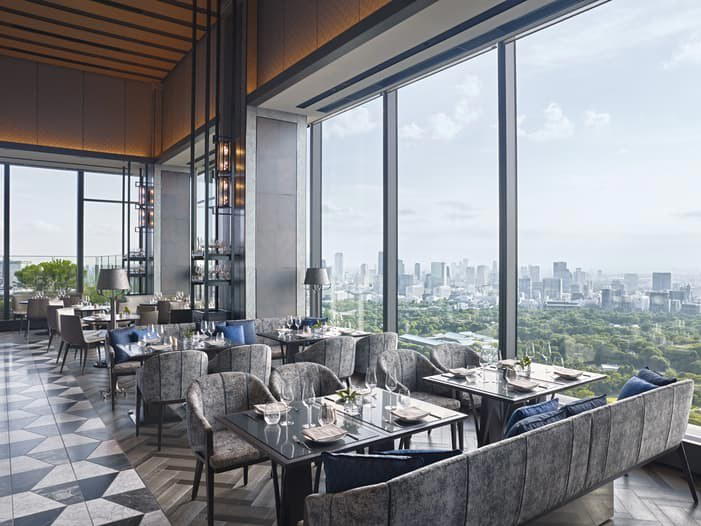
Yoshokudo Budo Kagurazaka Kagurazaka
The wine
- Wine program
- Deep wine list
- Extensive wine list
- Sommelier-led
Details
- Cozy
- Elegant
- Romantic
- Classic
- Intimate
- Date Night
- Business Dinner
- Celebration
- Special Occasion
- Group Dining
- After Work
- Private Dining
- Standalone
- Historic Building
- Wine Cellar
- Extensive Wine List
- Sommelier Led
- Tasting Menu
- A La Carte
- Counter Dining
- Set Menu
- Wine
- Cocktails
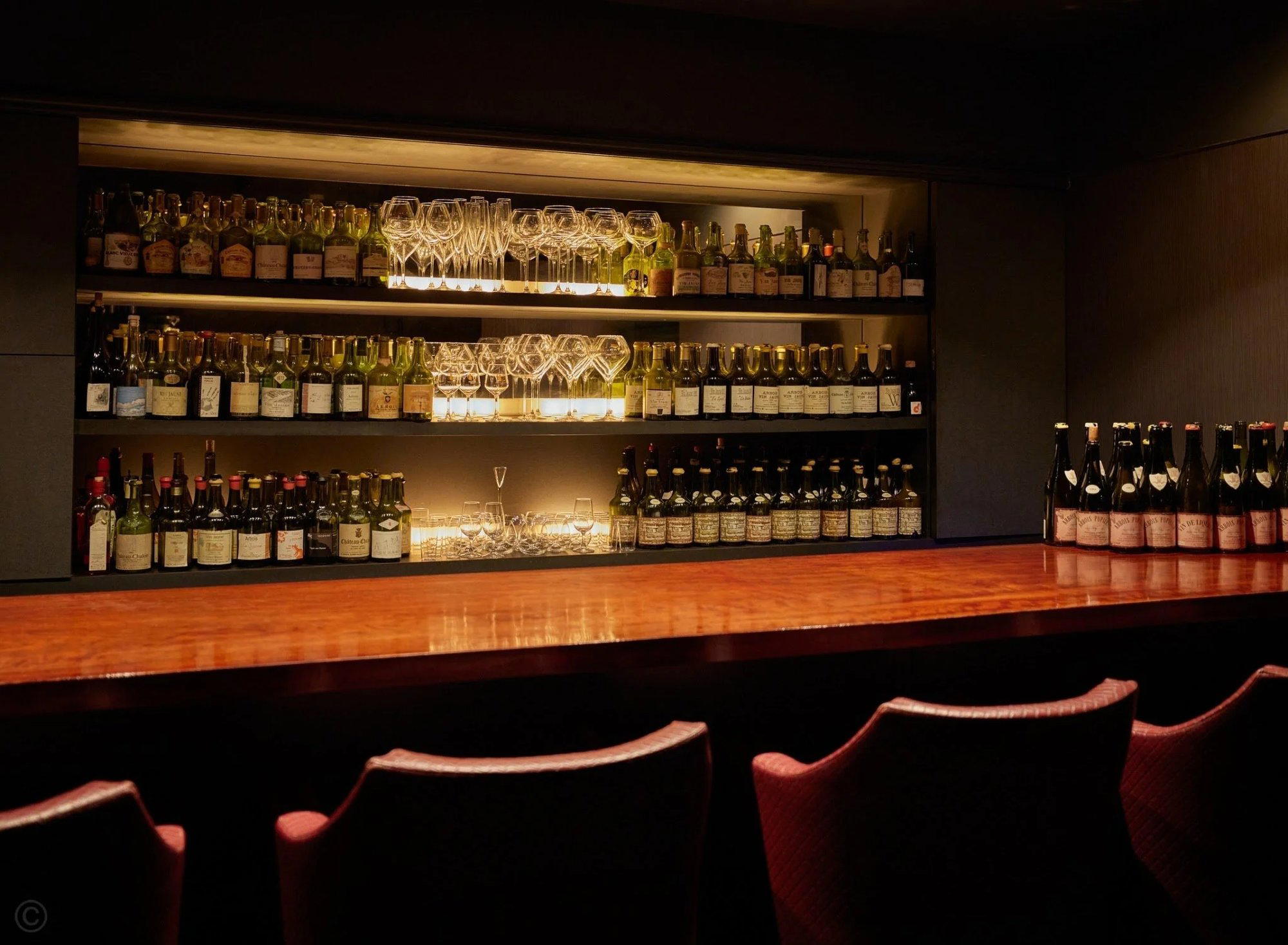
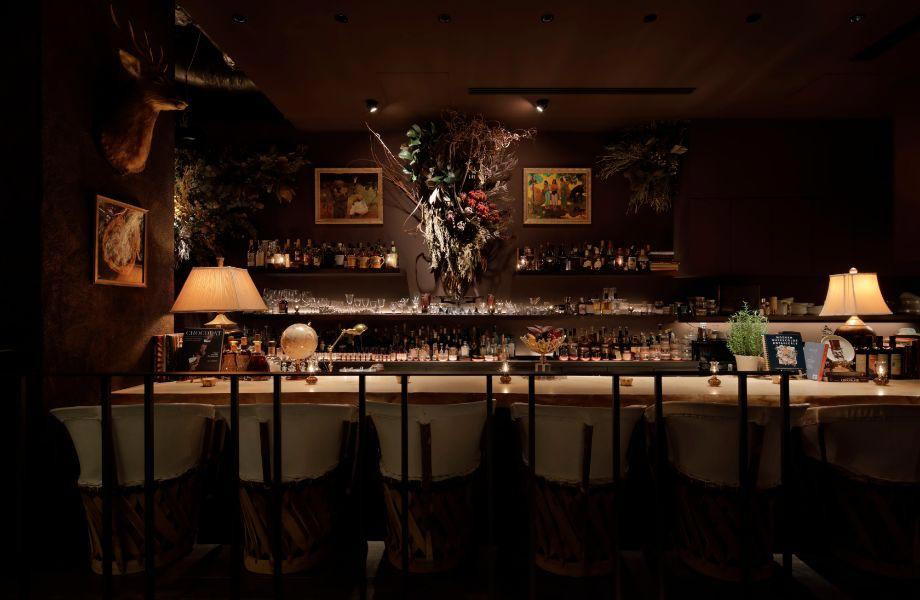
Set in a traditional house with a stylish yet relaxed interior, counter and sunken seating create an intimate "hideout" feel that works equally well for dates, business dinners, and small celebrations, complemented by attentive, wine-focused service.