

Michelin Plate · Tabelog 100 #10
Our verdict
In a white-walled detached house on Komazawa-Koen Avenue, IL GiOTTO operates at the quieter end of Tokyo's Italian scene: a couple-run kitchen, wood-lined interior, and a menu built around slow-aged, char-grilled meats. Two consecutive Michelin Plates (2024, 2025) signal consistent execution rather than spectacle. It sits in the ¥¥¥ tier, occupying a neighbourhood register that many of Tokyo's Italian addresses have moved away from.

Pearl is the En Primeur Club membership app, where members save venues, book tables and use the concierge.
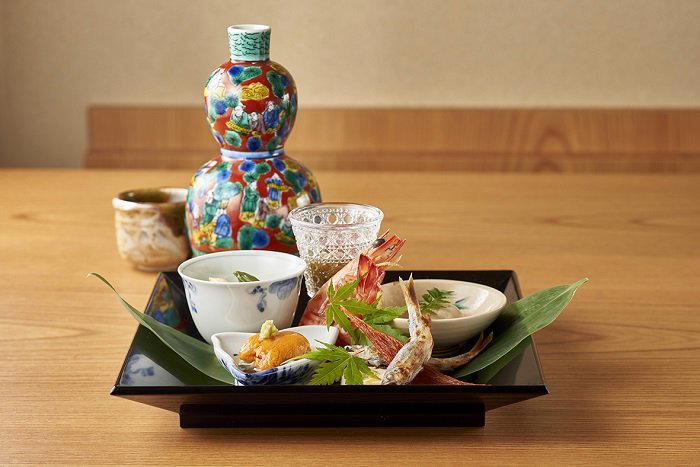
A House on Komazawa-Koen Avenue
The building itself sets the register before you order anything. A white-walled detached house facing Komazawa-Koen Avenue in Setagaya, wood-lined inside, with open-kitchen sounds carrying through the room, IL GiOTTO is structured like a home rather than a restaurant. That isn't incidental. Tokyo has a distinct tier of Italian cooking that operates at neighbourhood scale, where the room is small, the team is compact, and the cooking is shaped by a couple rather than a brigade. IL GiOTTO occupies that tier with unusual consistency, holding a Michelin Plate in both 2024 and 2025 without expanding into the kind of multi-seat dining room that would change the atmosphere entirely.
Setagaya sits outside the central dining districts that most food coverage focuses on. Addresses in Ginza, Azabu-Juban, and Minami-Aoyama pull the majority of attention for Italian cooking in Tokyo, with places like Aroma Fresca, Gucci Osteria da Massimo Bottura Tokyo, and PRISMA anchoring the high end of that conversation. IL GiOTTO does not compete in that bracket by format or price. The ¥¥¥ positioning places it alongside Tokyo's mid-premium Italian addresses rather than the ¥¥¥¥ tasting-menu tier. What it offers instead is a different proposition: proximity, familiarity, and a cooking philosophy that treats simplicity as a form of precision rather than a budget constraint.
Meat, Salt, Pepper: The Logic of Restraint
Italian cooking has always had a strand that resists elaboration. A few ingredients, sourced and prepared to a standard where nothing else is needed, this is the principle behind dishes like cacio e pepe, bistecca alla Fiorentina, and aged prosciutto on warm bread. It is also the organising principle behind the menu at IL GiOTTO. Chef Naofumi Takahashi specialises in meat cookery with a focus on slow-aged, char-grilled preparations. The beef is aged to concentrate umami, then seasoned with salt and pepper before hitting the grill. No sauce architecture, no garnish that changes the subject. The seasoning is the technique.
This approach has a long logic in Italian regional kitchens, particularly in Tuscany and Umbria, where butcher culture and fire cooking have shaped how meat is treated for generations. In Tokyo, however, it is relatively rare at the mid-premium tier. Many Italian restaurants in the city operate more elaborate menus, with tasting formats and multi-course structures that sit closer to the French service model. IL GiOTTO's approach is closer to what Italians call cucina povera in spirit, even if the ingredients are not poor: the method privileges the quality of the raw material over the complexity of its transformation.
The bruschetta with home-cured ham and simmered tripe speaks to the same logic. Tripe is a cut that requires time and patience to prepare well, it rewards the cook who does not try to disguise its character but instead works with it. Home-cured ham alongside it signals a kitchen that controls its own curing process, adding another layer of intent to what looks, on the surface, like a simple starter. At venues like Principio and AlCeppo, Tokyo's Italian scene demonstrates a similar appetite for regional specificity over generic Italian signifiers. IL GiOTTO's version is more domestic in register, but the underlying commitment to ingredient-led cooking is consistent with the broader direction the city's Italian kitchens have taken.
Tokyo's Italian Scene in Broader Context
Tokyo has one of the most developed Italian restaurant cultures outside Italy, a product of sustained chef exchange programs and a Japanese culinary tradition that prizes technique and sourcing above novelty. The city's Italian addresses now span from three-Michelin-star formal dining to tight neighbourhood trattorias, with the mid-premium tier growing as demand has shifted toward more personal formats. Across Japan, Italian cooking has taken root in different regional registers: cenci in Kyoto operates in a refined, produce-driven mode shaped by its setting, while akordu in Nara applies Italian technique to local ingredients with a regional lens. In Hong Kong, 8½ Otto e Mezzo Bombana operates at the formal end of the spectrum with three Michelin stars.
IL GiOTTO does not position itself in any of those registers. It sits at the residential, couple-run end of the spectrum, a category that exists in Italian cities and is rarer in Tokyo precisely because rents and expectations tend to push restaurants toward more elaborate formats. The Michelin Plate designation, held consecutively across two cycles, reflects consistent quality at this scale rather than ambition for the next bracket. For readers accustomed to tracking Tokyo's Italian scene through its decorated addresses, IL GiOTTO is not a counterpoint but a complement: a different use case for the same underlying tradition.
For broader context on Tokyo's dining range, from kaiseki to creative Japanese to French, see our full Tokyo restaurants guide. The city's Italian scene sits alongside a spectrum that includes HAJIME in Osaka, Gion Sasaki in Kyoto, Goh in Fukuoka, 1000 in Yokohama, and 6 in Okinawa, each representing a distinct regional approach to the post-Italian-influence moment in Japanese fine and mid-range dining.
Planning Your Visit
Reservations: Budget: ¥¥¥ tier, placing it in the mid-premium bracket for Tokyo Italian. Getting there: Komazawa-daigaku Station on the Den-en-toshi Line is the standard access point for the Komazawa area. Dress: No formal code is listed; the house format and neighbourhood register suggest smart-casual is appropriate. For hotels, bars, and experiences in the city, see our Tokyo hotels guide, our Tokyo bars guide, our Tokyo wineries guide, and our Tokyo experiences guide.
Frequently asked questions
What dish is IL GiOTTO famous for?
The kitchen is built around meat cookery, specifically slow-aged, char-grilled beef seasoned with salt and pepper, a preparation that relies entirely on the quality of the aging and the precision of the grill rather than additional seasoning or sauce. The bruschetta with home-cured ham and simmered tripe is a second anchor, demonstrating the same ingredient-forward logic at the starter level. Chef Naofumi Takahashi holds a Michelin Plate for 2024 and 2025, a credential that situates the kitchen within Michelin's inspected tier without claiming a star classification.
What is the ideal way to book IL GiOTTO?
At the ¥¥¥ price tier and with consecutive Michelin recognition, a restaurant of this intimacy will fill quickly, particularly given its couple-run format and limited covers. No booking phone or website is listed in the public record. If you are planning around a specific date in Tokyo, the practical approach is to contact the restaurant directly at its Setagaya address or to use a hotel concierge service with local connections. Tokyo's mid-premium Italian tier moves faster than the city's formal dining rooms in some respects precisely because these smaller kitchens have fewer tables to allocate. Early outreach is the sensible approach.
Standing Among Peers
A quick peer reference to anchor this venue in its category.
| Venue | Cuisine | Price | Awards | Notes |
|---|---|---|---|---|
| IL GiOTTOThis venue (the venue you are viewing) | Meat-Focused Italian | $500+ | Michelin Plate · Tabelog 100 #10 | Not listed |
| Harutaka | Edo-Style Omakase Sushi | $200–300 | 3 Michelin Stars · World's 50 Best #76 | Sushi |
| RyuGin | Modern Kaiseki | $500+ | 3 Michelin Stars · World's 50 Best #41 | Kaiseki, Japanese |
| L'Effervescence | Modern French with Japanese Influences | $200–300 | 3 Michelin Stars · World's 50 Best #69 | French |
| HOMMAGE | Modern French with Japanese Influences | $150–200 | 2 Michelin Stars · World's 50 Best #78 | Innovtive French, French |
| MAZ | Innovative Peruvian-Japanese Fusion | $150–200 | 2 Michelin Stars · World's 50 Best #28 | Innovative |
Recognition history
Dated appearances from independent guides and award organizations, with the underlying list record or original source where available.
Michelin Plate
Michelin
Tabelog 100 #10 · No. 10
Tabelog · Tabelog 100 - Italian - TOKYO - 2025
Full recognition history (4 entries)
Michelin Plate
Michelin
Michelin Plate
Michelin
Continue exploring
More in Tokyo
Restaurants in Tokyo
All restaurants in Tokyo →


Bars in Tokyo
All bars in Tokyo →





Details
- Cozy
- Intimate
- Elegant
- Date Night
- Special Occasion
- Open Kitchen
- Sake Program
- Local Sourcing
- A La Carte
- Wine
Current opening hours
- Monday
- 6–10 PM
- Tuesday
- 6–10 PM
- Wednesday
- 6–10 PM
- Thursday
- 6–10 PM
- Friday
- 6–10 PM
- Saturday
- 6–10 PM
- Sunday
- 6–10 PM
Hours can change for holidays and private events. Hours as of .
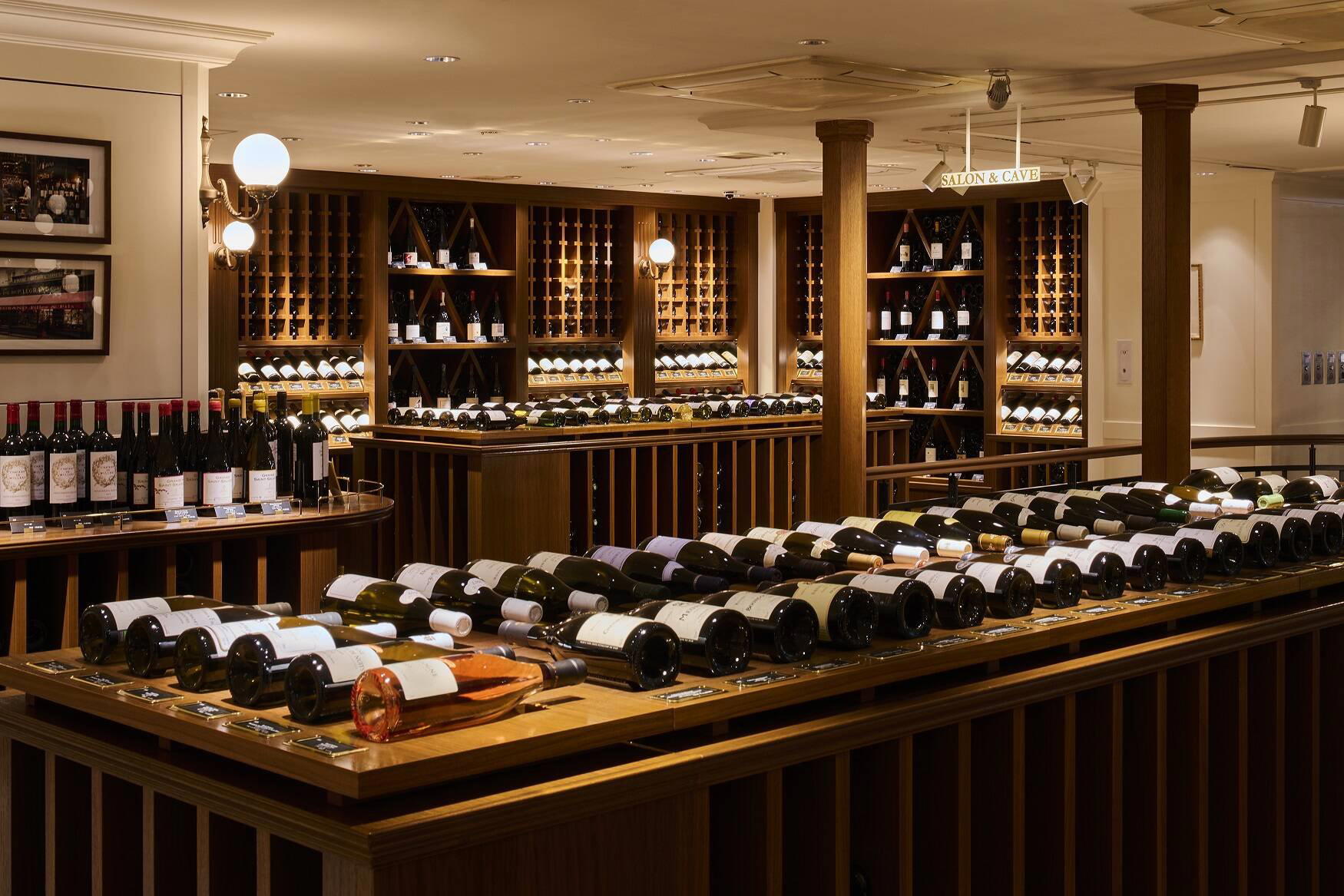
Cozy wood-lined interior with soft ambient lighting, open kitchen sounds, and warm homey atmosphere.