

An Italian restaurant on the sixth floor of an Optica building in Ginza's 3-chome, Ristorante Kurodino earned a White Star recognition from Star Wine List in June 2024, signalling a wine program taken seriously enough to merit specialist attention. The address puts it inside one of Tokyo's most competitive dining corridors, where the standard for Italian cooking is set by decades of Japanese precision applied to European technique.
Pearl is the En Primeur Club membership app — saves, bookings, and concierge access live there. Same editors, same standards.
- Address
- Japan, 〒104-0061 Tokyo, Chuo City, Ginza, 3 Chome−4−17 オプティカ 6F
- Phone
- +81 3-5579-9815
- Website
- tabelog.com
- Directions
- Get directions
 Saves & bookings on Pearl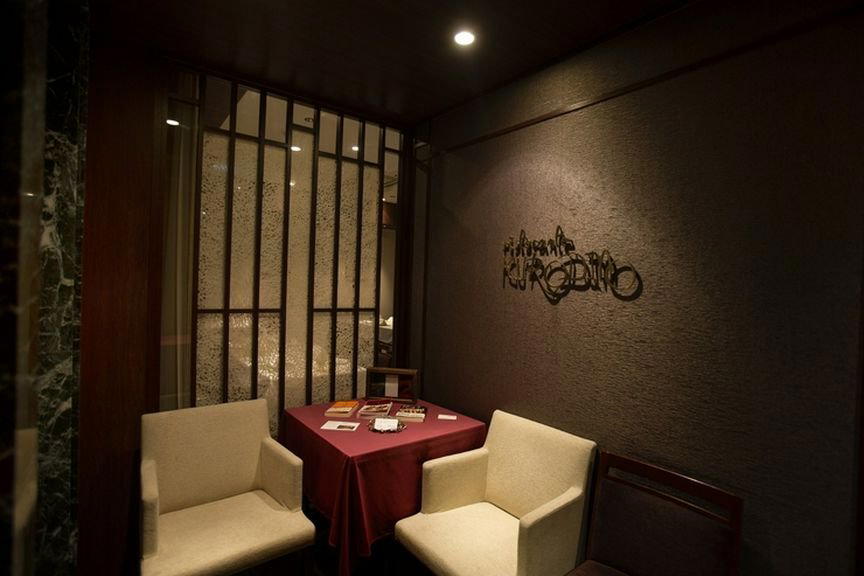
Italian in Ginza: The Weight of the Address
Ginza's 3-chome has long operated as a kind of stress test for restaurants. The neighbourhood attracts some of Tokyo's most practiced diners, people who move between kaiseki counters, French tasting menus, and high-end sushi with the same fluency. For an Italian address to hold ground here, the wine program alone must function as a credential, not an afterthought. Ristorante Kurodino, on the sixth floor of the Optica building at 3 Chome-4-17, sits inside that demanding context. Its White Star recognition from Star Wine List, published in June 2024, places it in a category of restaurants where the cellar is considered a parallel argument to the kitchen.
Star Wine List's White Star designation is not distributed broadly. It marks establishments where the list demonstrates genuine depth, structural logic, and editorial coherence rather than volume for its own sake. In a city where L'Effervescence and Sézanne have already established that European-influenced fine dining in Tokyo can carry serious wine credentials, Kurodino's recognition places it within that broader movement, specifically within the Italian register of it.
The Ritual of an Italian Meal, Read Through a Japanese Lens
What makes Italian dining in Japan formally interesting is the way the meal's pacing and rituals are reinterpreted rather than simply reproduced. Italian dining at its most considered is already structured around tempo, the progression from antipasto through to secondo and dolce carries its own internal logic, and Japanese restaurant culture, with its deep attention to sequence and service cadence, often sharpens that structure rather than diluting it. Tokyo's Italian houses tend to treat the procession of courses with the same gravity that a kaiseki kitchen brings to its seasonal sequence. The result is a dining experience where the Italian form is legible but the execution carries the precision and restraint that define Tokyo's upper tier.
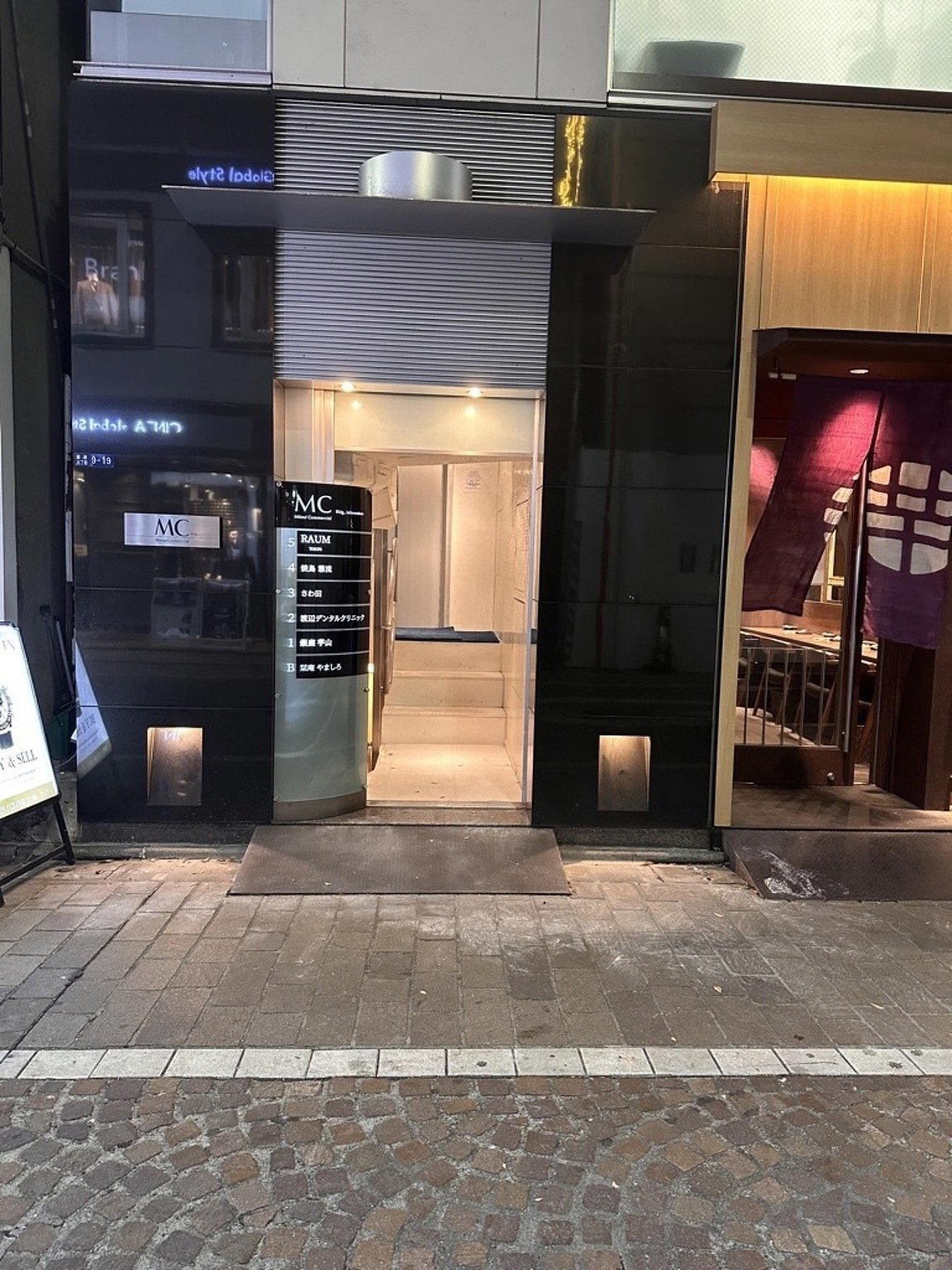
At an address like Kurodino's, located a short walk from Ginza Station and the density of Chuo-dori's retail and dining concentration, the physical approach sets expectations before the meal begins. A sixth-floor room in Ginza signals a deliberate remove from street-level noise, the kind of vertical separation that Tokyo restaurants often use to enforce a change of register between the city outside and the experience inside. The elevator arrival, the transition from a busy commercial street to a dining room with a managed view, is itself part of the ritual.
Wine as Structural Argument
The Star Wine List White Star is the most specific data point available about what Kurodino prioritises. In the context of Tokyo's Italian restaurant category, a strong wine list functions as both a hospitality signal and a curatorial statement. Italian wine in particular requires genuine specialist knowledge to present with authority: the range runs from Barolo and Barbaresco in Piedmont through the volcanic whites of Sicily, Campanian Fiano, and the lighter reds of Alto Adige, and a list that handles that geography well makes a case for the kitchen's seriousness before the first course arrives.
Tokyo has produced a small number of Italian restaurants that have earned standing in Japan's wider fine dining conversation. The recognition that Kurodino carries from Star Wine List places it closer to the specialist tier of that group than to the broader casual Italian market. For context, the comparable wine-credentialed European restaurants in the city, places like Crony in the innovative French category, treat the beverage program as an argument in itself rather than a service add-on.
Ginza in the Wider Tokyo Dining Picture
Understanding Kurodino's position requires understanding where Ginza sits in Tokyo's dining hierarchy. The area concentrates a significant share of the city's Michelin-starred addresses, its high-end sushi counters (among them Harutaka), and its premium Japanese formats including RyuGin in the broader central Tokyo zone. European cooking in this environment competes directly with formats that have centuries of local tradition behind them. Italian restaurants that succeed here do so by finding a register that neither mimics Japanese formality wholesale nor ignores it entirely.
For readers planning a broader Japan itinerary, the standard set in Tokyo by addresses like Kurodino finds echoes in other cities. HAJIME in Osaka and Gion Sasaki in Kyoto represent the Japanese fine dining axis, while akordu in Nara shows how European wine-led dining translates outside the major urban centres. The commitment to serious wine programs connects these addresses across different cuisines and cities. Further afield, Goh in Fukuoka, Bleston Court Yukawatan in Nagano, and giueme in Akita extend the pattern of regional restaurants building serious beverage credentials into their identity.
Planning a Visit
Ristorante Kurodino occupies the sixth floor of the Optica building at 3 Chome-4-17, Ginza, Chuo City, Tokyo. Ginza Station on the Tokyo Metro Ginza, Marunouchi, and Hibiya lines is the most direct access point. The Star Wine List recognition and Ginza address suggest a price point consistent with the neighbourhood's upper tier, though specific pricing and booking details should be confirmed directly with the restaurant. For a full picture of where this fits within Tokyo's dining options, see our full Tokyo restaurants guide. If you are building a wider Tokyo itinerary, our Tokyo hotels guide, bars guide, wineries guide, and experiences guide cover the city's other premium tiers. For international reference points on what a wine-serious Italian or European restaurant can look like at the top of its category, Le Bernardin in New York City and Emeril's in New Orleans offer useful comparison from the American fine dining axis.
How Ristorante Kurodino Tokyo compares with similar nearby venues.
| Venue | Cuisine | Price | Awards |
|---|---|---|---|
| Ristorante Kurodino | Not listed | Not listed | Star Wine List (2026) |
| Ginza Fujiyama | Kaiseki | Not listed | Not listed |
| Ishiyama | Sushi | Not listed | Not listed |
| Ginza Swiss Honten | Not listed | JPY 2,000 - JPY 2,999 JPY 1,000 - JPY 1,999 | Not listed |
Recognition history
Dated appearances from independent guides and award organizations, with the underlying list record or original source where available.
Star Wine List
Star Wine List
Wine Spectator Best of Award of Excellence
Wine Spectator









At a Glance
- Elegant
- Sophisticated
- Cozy
- Intimate
- Date Night
- Business Dinner
- Special Occasion
- Celebration
- Private Dining
- Extensive Wine List
- Sake Program
Current opening hours
- Monday
- 6–9:30 PM
- Tuesday
- 6–9:30 PM
- Wednesday
- 6–9:30 PM
- Thursday
- 6–9:30 PM
- Friday
- 6–9:30 PM
- Saturday
- 6–9:30 PM
- Sunday
- Closed
Hours can change for holidays and private events. Last verified .
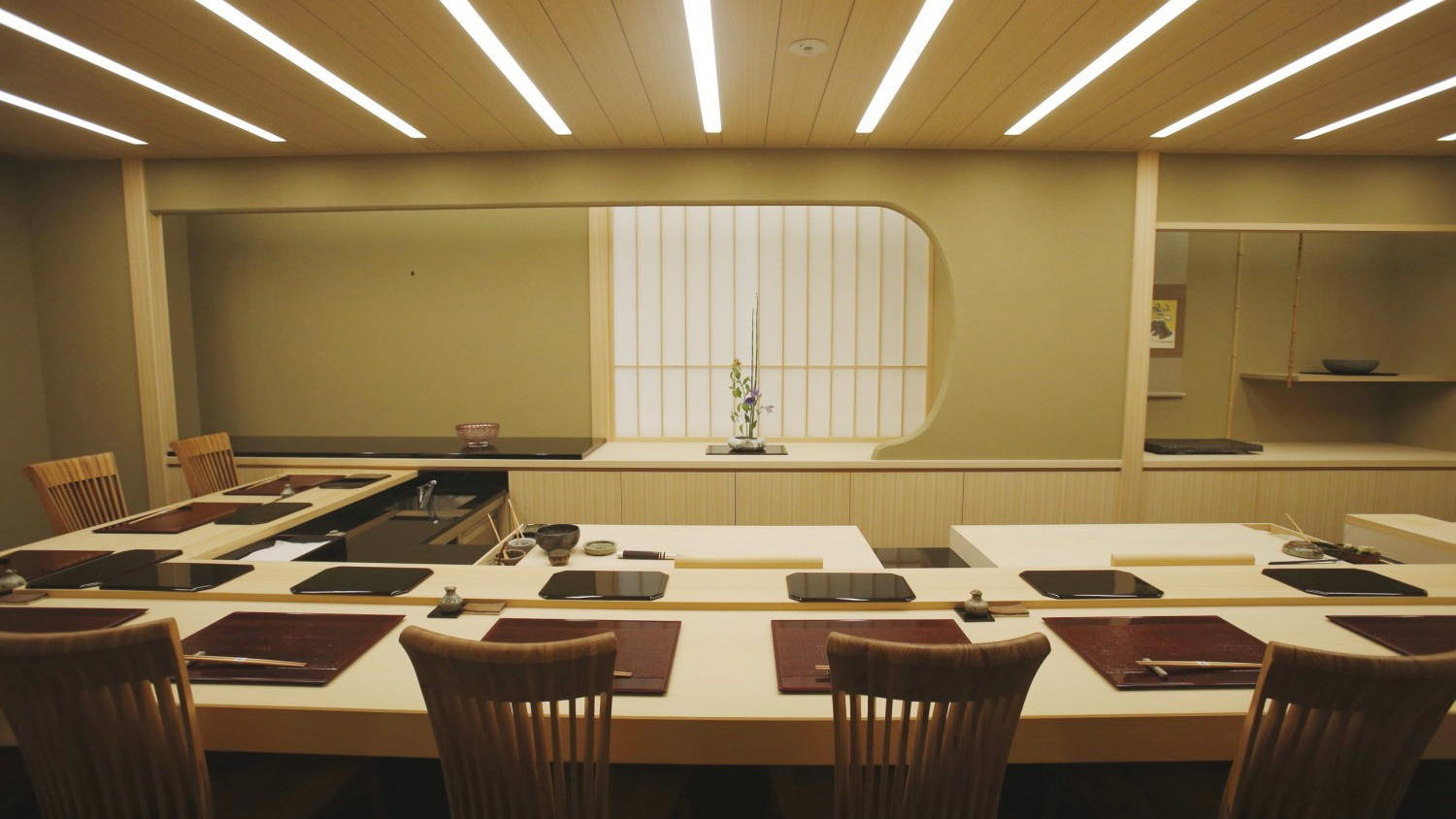
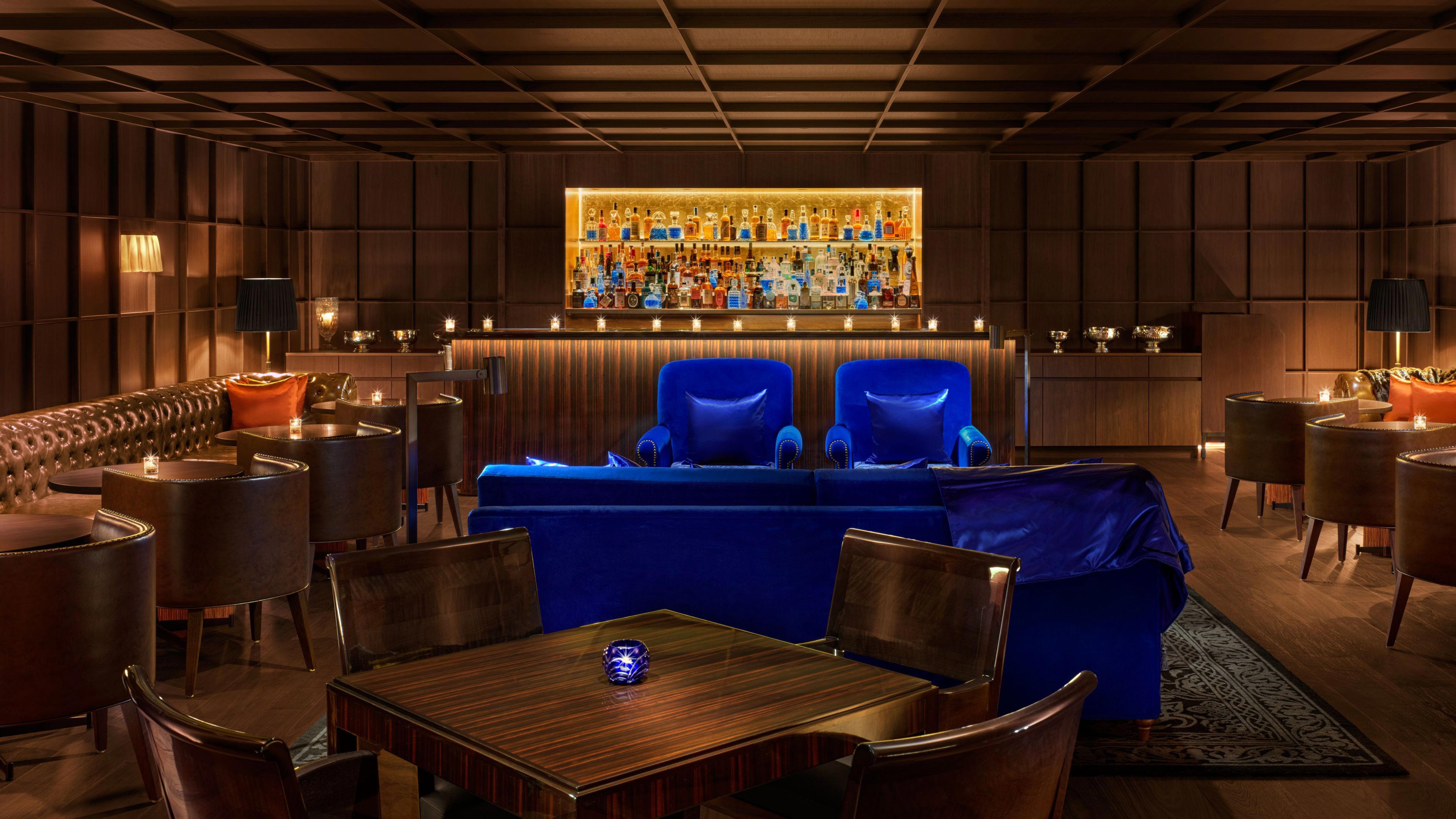
Refined wooden interior with contrasting light and dark colors, calm adult atmosphere, stylish and relaxing space.
Know Before You Go
- Getting there
- Japan, 〒104-0061 Tokyo, Chuo City, Ginza, 3 Chome−4−17 オプティカ 6F