
Tabelog 100 #36
Our verdict
SATO BRIAN Sango occupies a quieter residential stretch of Asagaya in Suginami City, sitting at a remove from the high-density dining corridors of central Tokyo. The address alone signals a deliberate editorial choice: this is a restaurant that asks you to come to it rather than compete for foot traffic. For those tracking where serious cooking is happening outside the Michelin-mapped centre, Asagaya merits attention.

Pearl is the En Primeur Club membership app, where members save venues, book tables and use the concierge.
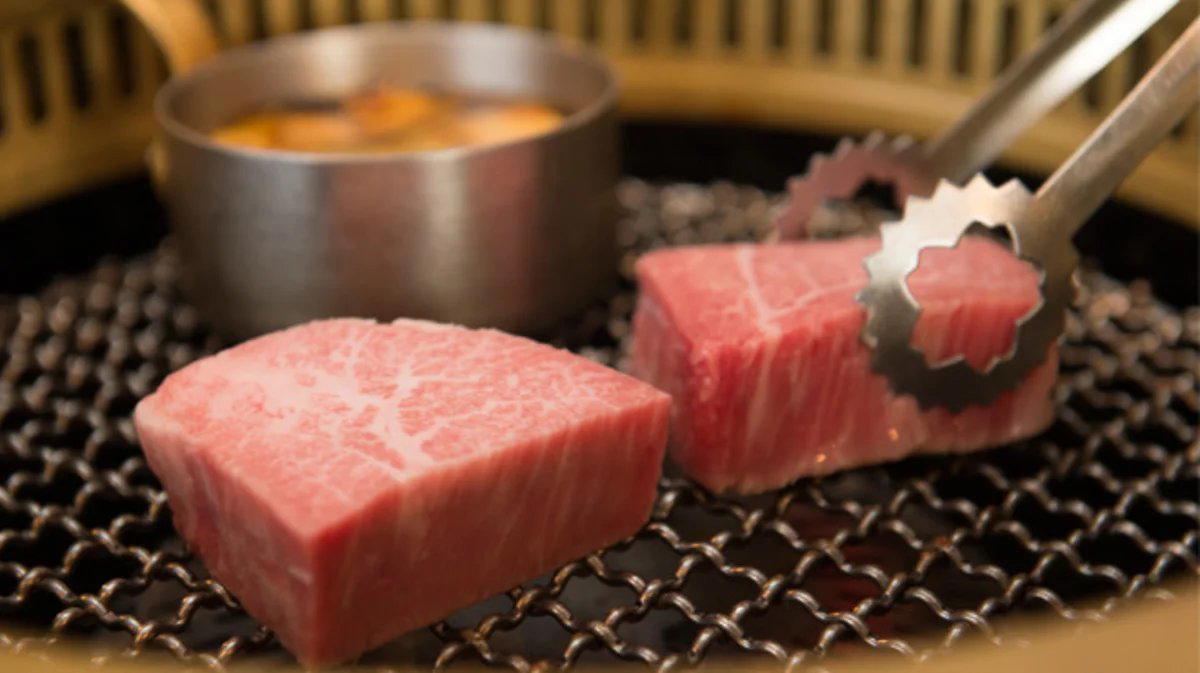
The menu
What to order
- Special Fillet Sukiyaki
- Branded Beef Ribeye
- Buri-Meshi
- Buri-Katsu Sandwich
A Residential Address as a Statement of Intent
The Asagaya neighbourhood in Suginami City sits outside the concentrated dining circuits of Shinjuku, Ginza, and Minami-Aoyama. Restaurants here are not trading on proximity to hotel corridors or office-tower foot traffic; they earn their clientele through reputation transmitted by word of mouth and the occasional specialist review. SATO BRIAN Sango occupies this kind of address, 1 Chome-37-6 Asagayakita, and the location itself communicates something before any dish arrives. In Tokyo's dining culture, the willingness to seek out a room in a residential ward is often the first filter that separates a casual visitor from a committed one.
This pattern of serious cooking anchoring itself to off-centre neighbourhoods is well established across Japanese cities. Goh in Fukuoka operates at a similar remove from tourist-dense zones, and akordu in Nara has built a following precisely because its address demands intention from the diner. SATO BRIAN Sango sits in that tradition.
The Physical Container
Asagaya's residential blocks are composed largely of low-rise buildings, narrow streets, and the occasional shotengai shopping arcade, a fabric quite different from the glass-and-marble corridors of Ginza omakase counters. A restaurant choosing to operate here is almost certainly making decisions about space that reflect that context: smaller rooms, more intimate sightlines, a physical scale that brings the kitchen into closer proximity with the table. This is the architecture of hospitality that Tokyo's neighbourhood restaurants have long perfected, where the room functions less as spectacle and more as a controlled environment for sustained attention.
The contrast with central Tokyo's upper-tier venues is instructive. Harutaka and RyuGin operate in spaces that signal their positioning immediately through address and interior register. A venue in Suginami makes a different calculation, the room earns credibility through what happens inside it rather than where it sits on a city map. That shift in emphasis tends to produce a different relationship between diner and space: less performative, more focused.
Where Asagaya Fits in Tokyo's Broader Dining Map
Tokyo's restaurant geography has never been strictly hierarchical by postcode. Some of the city's most-discussed cooking happens in neighbourhoods that would not appear in a standard luxury travel itinerary. Suginami City, which includes Asagaya, Koenji, and Ogikubo, has a character shaped by independent shops, musicians, and a long tradition of affordable, craft-oriented food culture. A restaurant named with the precision of SATO BRIAN Sango, a personal name combined with a Japanese word suggesting coral or a specific place designation, is operating within that independent tradition while apparently reaching for something more considered.
For context, the high end of Tokyo's dining scene is well documented: venues like L'Effervescence, Sézanne, and Crony anchor a French-influenced tier that operates at ¥¥¥¥ price points and competes in an international frame of reference.
Comparable neighbourhood-anchored approaches are visible across Japan. Gion Sasaki in Kyoto and HAJIME in Osaka both demonstrate that serious cooking in Japan does not require a central-district address. The pattern repeats in smaller cities too: restaurants in Nanao, Sapporo, and Takashima have built credibility on the same principle. The address is not an obstacle; it is part of the offer.
What the Name Signals
The naming convention, a personal surname followed by a given name, then a Japanese modifier, is itself an editorial signal. It implies individual authorship rather than a group or brand operation. In Tokyo's dining culture, this structure of naming tends to appear at counters and small rooms where the format is tightly controlled and the menu is not negotiated from a printed list. Whether that is the case here requires confirmation from a booking inquiry rather than assumption.
For comparison, internationally tracked small-format restaurants like Atomix in New York City and Le Bernardin demonstrate how a named authorial identity anchors a restaurant's positioning across markets. The principle operates similarly in Tokyo, where the counter format and named-chef model have long been the dominant grammar of serious dining.
Planning a Visit
Given the limited public documentation available in English, visitors planning a meal at SATO BRIAN Sango should approach through direct inquiry or a reliable local concierge connection. The Asagaya address is accessible by train, Asagaya Station on the JR Chuo Line sits roughly 15 minutes from Shinjuku, making the logistics more direct than the unfamiliarity of the postcode might suggest. For those building a broader Tokyo itinerary, our full Tokyo restaurants guide maps the city's dining tiers and neighbourhoods in detail.
Venues in this category, small, personally authored, residential-adjacent, tend to fill quickly once any form of wider recognition appears. The relative scarcity of English-language coverage for SATO BRIAN Sango at this point suggests it has not yet crossed into the international booking circuit in the way that venues like Bistro Ange in Toyohashi or Birdland in Sakai have among domestic specialists. That window does not stay open indefinitely.
Also worth noting for regional context: neighbourhood-anchored restaurants in Nishikawa Machi follow a similar logic of earned destination status, building reputations through local consistency rather than marketing exposure.
Reservations: Location: 1 Chome-37-6 Asagayakita, Suginami City, Tokyo 166-0001, a short walk from Asagaya Station (JR Chuo Line). Budget: Timing: Given the small scale implied by the address and naming format, advance planning is advisable.
Frequently asked questions
What dish is SATO BRIAN Sango famous for?
The cuisine type and menu format have not been confirmed in English-language records.
How far ahead should I plan for SATO BRIAN Sango?
No public booking data exists so advance timelines cannot be stated with precision. As a general principle, small-format personally authored restaurants in Tokyo, particularly those in residential neighbourhoods with limited English-language visibility, tend to fill through direct relationships and word of mouth. Inquiring several weeks ahead is a reasonable starting position, with flexibility to adjust if the format turns out to operate differently.
What is the standout thing about SATO BRIAN Sango?
The combination of a residential Asagaya address and a personally named format distinguishes SATO BRIAN Sango from the more internationally documented tier of Tokyo dining. It represents the kind of address that rewards diners who track the city at neighbourhood level rather than by award lists alone. Cuisine specifics, format, and price are best confirmed directly.
Do they accommodate allergies at SATO BRIAN Sango?
Given that small-format Tokyo restaurants frequently operate fixed menus with limited substitution options, raising any dietary requirements at the time of reservation, rather than on arrival, is strongly advisable. A Japanese-speaking contact or concierge may help communicate requirements clearly.
Is eating at SATO BRIAN Sango worth the cost?
What can be said is that Asagaya-area restaurants in this naming and format category tend to offer a different proposition from central-district dining: lower ambient spectacle, higher reliance on what is actually on the plate. Whether that trade suits a given diner depends on what they are seeking from a Tokyo meal.
Is SATO BRIAN Sango a good option for someone already visiting western Tokyo?
For diners whose itinerary already includes Suginami City or the Chuo Line corridor, Nakano, Koenji, Ogikubo, SATO BRIAN Sango fits naturally into a western Tokyo dining day without requiring a dedicated journey from central wards. Asagaya Station sits on the JR Chuo Line, connecting directly to Shinjuku in under 15 minutes, which makes the restaurant logistically accessible even for those based in more central districts. Given the lack of published awards data, it represents a speculative addition to an itinerary rather than a confirmed anchor, but the address and naming convention suggest a level of seriousness worth investigating.
Standing Among Peers
Comparable venues nearby, for context on price, style, and recognition.
| Venue | Cuisine | Price | Awards | Notes |
|---|---|---|---|---|
| SATO BRIAN SangoThis venue (the venue you are viewing) | Premium Yakiniku | $100–150 | Tabelog 100 #36 | Not listed |
| Matsusaka Ushi Yoshida | Matsusaka beef teppanyaki, sukiyaki & shabu-shabu fine dining | $150–200 | Tabelog 100 #84 | Shinjuku |
| 鮨つぼみ | Saito-style Omakase Sushi | $200–300 | Tabelog 100 #59 | Meguro |
| es | Modern Japanese Fine Dining | $300–500 | Tabelog 100 #38 | Minato |
| 霞町 やまがみ | Seasonal Japanese Kaiseki Omakase | $300–500 | 1 Michelin Star · Tabelog 100 #44 | Minato |
| Sushi Kenshin | Edomae Omakase Sushi | $200–300 | Not listed | Shibuya |
Recognition history
Dated appearances from independent guides and award organizations, with the underlying list record or original source where available.
Tabelog 100 #36 · No. 36
Tabelog · Tabelog 100 - Yakiniku - TOKYO - 2025
Continue exploring
More in Tokyo
Restaurants in Tokyo
All restaurants in Tokyo →




Bars in Tokyo
All bars in Tokyo →







Details
- Intimate
- Cozy
- Date Night
- Family
- Special Occasion
- Private Dining
- Sake Program
- Set Menu
Current opening hours
- Monday
- 11:45 AM–2 PM
- Tuesday
- 11:45 AM–2 PM
- Wednesday
- 11:45 AM–2 PM
- Thursday
- 11:45 AM–2 PM
- Friday
- 11:45 AM–2 PM
- Saturday
- 11:45 AM–2 PM
- Sunday
- 11:45 AM–2 PM
Hours can change for holidays and private events. Hours as of .
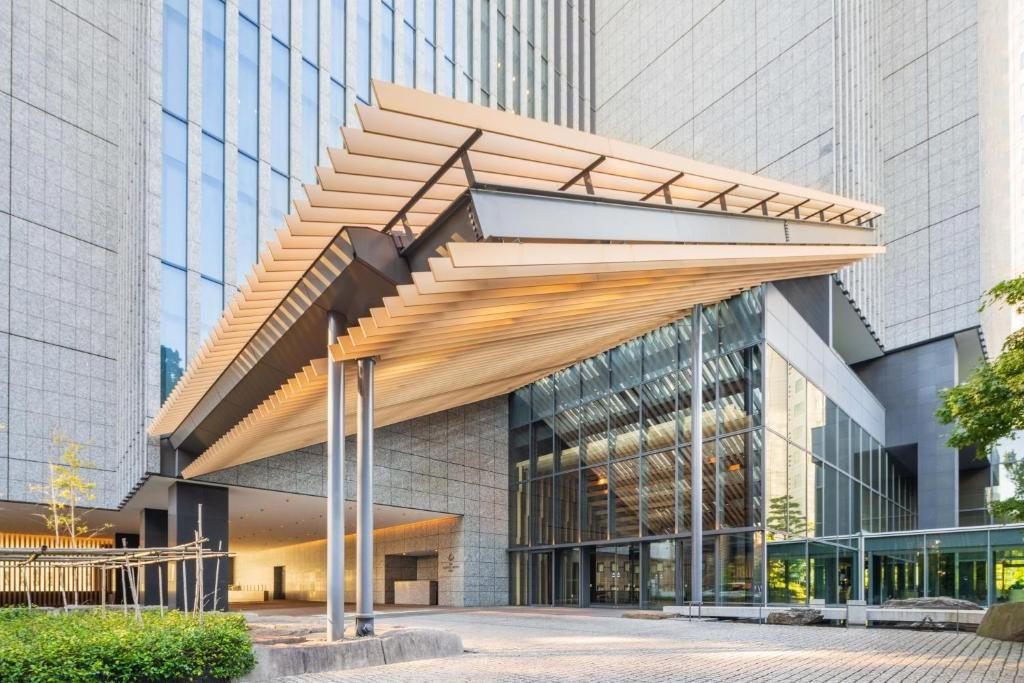
Quiet residential area setting with table seating on the first floor and cozy private room upstairs, offering an intimate and welcoming atmosphere for couples and small groups.