
Tabelog 100 #84
Our verdict
High above Hatsudai, Matsusaka Ushi Yoshida places sukiyaki, shabu shabu, and teppanyaki inside a polished high-rise dining room rather than the tighter counter format associated with much of Tokyo luxury dining. Its 2024 Tabelog 100 Hot Pot selection, 105-seat scale, private rooms, sommelier service, and Matsusaka beef focus put it in a distinct category: formal wagyu dining built for groups as much as specialists.

Pearl is the En Primeur Club membership app, where members save venues, book tables and use the concierge.
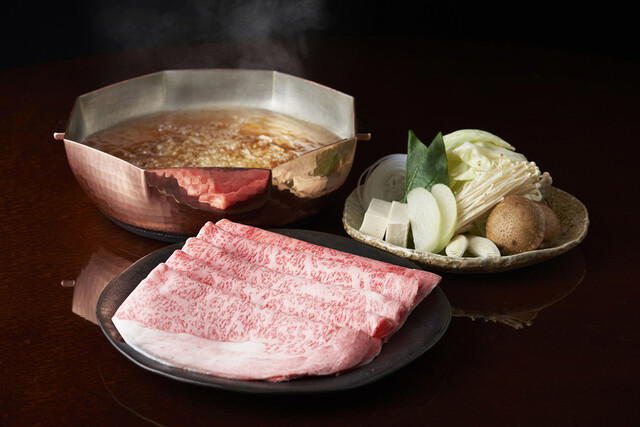
The menu
What to order
- Matsusaka beef teppanyaki course
- Matsusaka beef sukiyaki
- Matsusaka beef shabu-shabu
- Matsusaka beef kaiseki
- Sakura Course premium tasting
The first signal is scale. Tokyo luxury dining often sits at street level, behind noren curtains, in compact rooms where the counter carries the drama. Matsusaka Ushi Yoshida presents sukiyaki, shabu shabu, and teppanyaki in Tokyo with a more expansive sense of occasion. The result is not hushed counter minimalism but formal hot pot and griddle dining in spirit: a restaurant suited to celebrations, business meals, and family tables without one forced tempo.
That matters in Tokyo, where luxury restaurants often use intimacy as shorthand for seriousness. Here, format is the argument. A restaurant in this category must succeed differently from an eight-seat chef’s counter: hot pot pacing, teppanyaki timing, drink service, and spatial comfort for high-spend meals that are social rather than solitary. The Tabelog 100 Hot Pot 2024 selection gives it credible standing in Japan’s sukiyaki and shabu shabu conversation; more interesting is how the dining room reframes that conversation for Tokyo.
Formal hot pot dining, not counter theatre
Tokyo’s premium restaurants tend to split in two. One is the tight, chef-facing format, built on proximity to equipment, technique, and small-room concentration. The other is the formal room, where the meal becomes a shared occasion and atmosphere carries ceremony. Matsusaka Ushi Yoshida belongs to the second camp, closer to polished destination dining than smaller specialist counters.
Tokyo already has a tradition of dining rooms where setting and room feel are part of the experience. New York Grill shows how Western luxury dining can use atmosphere as part of the meal. Matsusaka Ushi Yoshida applies a comparable urban logic to Japanese hot pot and teppanyaki formats, where steam, simmering broth, and griddle service need different pacing. It is less about one chef’s personality than a room designed for several dining modes at once.
The category mix is revealing. Sukiyaki and shabu shabu are not interchangeable rituals: sukiyaki leans into richness and seasoning, while shabu shabu depends on control, dilution, and the timing of ingredients through hot liquid. Teppanyaki adds performative griddle service without making the restaurant counter-only. In a city of narrow specialization, this broader format suits groups with different appetites, especially when the meal is organized around recognized Japanese hot pot traditions rather than a chef-driven tasting sequence.
For readers mapping Tokyo by genre rather than postcode, this sits apart from casual neighborhood value plays such as Hatsudai Spice Shokudo Wakon Insai Tandoru, Kinmochi, or other everyday Tokyo dining rooms. It also differs from izakaya-leaning, cafe-like, curry-focused, or charcoal-driven formats elsewhere in the city. The decision is clear: not Tokyo for a quick bite or tight drinking circuit, but structured hot pot and teppanyaki dining in a room that can carry an occasion.
What the Tabelog Hot Pot selection says about the room
Tabelog’s Hyakumeiten lists reward category strength rather than importing a Western fine-dining hierarchy wholesale. A 2024 Hot Pot selection places the restaurant in a field where simmering technique, ingredient quality, and repeat local confidence matter. Its 3.68 score reads differently in Japan than on global review platforms; Tabelog scores are conservative, and high threes can signal serious local traction.
The room reinforces the category. A restaurant serving sukiyaki, shabu shabu, and teppanyaki has to manage several kinds of pacing at once: simmering, dipping, griddle timing, conversation, and the rhythm of a longer premium meal. The format is clear: a restaurant designed for family meals to corporate dinners without abandoning Japanese hot pot codes.
That flexibility has trade-offs. Diners chasing a tiny, chef-dominant room may find the scale less ascetic than Tokyo’s narrower luxury counters. Diners wanting recognized hot pot formats without silent tasting-menu pressure will understand the appeal faster. Matsusaka Ushi Yoshida is not arguing with counter-only omakase rooms; it plays in formal Japanese dining, where comfort, privacy, atmosphere, and pacing are part of the value.
Tokyo changes the meal’s psychology. The restaurant sits within the city’s broad network of business dining, hotel dining, and destination meals, giving it occasion quality without requiring a narrow neighborhood reading. For broader Tokyo planning, it pairs with restaurants via Our full Tokyo restaurants guide, hotels through Our full Tokyo hotels guide, late-night drinking through Our full Tokyo bars guide, wine detours in Our full Tokyo wineries guide, and cultural scheduling in Our full Tokyo experiences guide.
Who should choose this style of restaurant
The strongest case is a meal where format matters as much as appetite. Tokyo has many places for solo precision and casual dining. Fewer combine sukiyaki, shabu shabu, and teppanyaki under one roof in a premium setting. That suits a celebratory dinner, multigenerational meal, or business table where these categories feel more culturally specific than a generic luxury menu.
The practical read is clear. Lunch is listed in a much lighter budget band than dinner, while dinner sits in a premium Tokyo bracket: Tabelog lists dinner at JPY 20,000 - JPY 29,999 and lunch at JPY 1,000 - JPY 1,999. That split rewards advance planning and a clear sense of occasion. It suits travelers who can plan around the meal rather than treat it as a last-minute stop.
For a wider Japan itinerary, the comparison is not only Tokyo. Sukiyaki, shabu shabu, and teppanyaki formats appear in many Japanese dining contexts, while regional guides show how cities prioritize scale, specialization, and casual formats in different ways. Even overseas Japanese dining references underline the same point: format shapes expectation before the first order.
Matsusaka Ushi Yoshida is strongest as a designed container for formal sukiyaki, shabu shabu, and teppanyaki dining. Its appeal is not mystery or scarcity theatre, but recognized hot pot credentials, Tokyo polish, format variety, and a menu that supports ceremony and conversation.
Frequently asked questions
What days is Matsusaka Ushi Yoshida closed?
Specific closing days are not provided in the available venue details. Check the venue's official channels for the latest schedule before visiting.
What part of town is Matsusaka Ushi Yoshida in?
Tokyo.
Is Matsusaka Ushi Yoshida expensive?
Yes. Tabelog lists Matsusaka Ushi Yoshida at Dinner: JPY 20,000 - JPY 29,999; Lunch: JPY 1,000 - JPY 1,999.
What is Matsusaka Ushi Yoshida known for?
It is known for sukiyaki, shabu shabu, and teppanyaki in Tokyo. The restaurant was selected for Tabelog 100 Hot Pot 2024, with a listed Tabelog score of 3.68.
Can Matsusaka Ushi Yoshida handle vegetarian requests?
Those details are not provided in the available venue information. Check the venue's official channels for the latest details before booking.
Would Matsusaka Ushi Yoshida be comfortable with kids?
Those details are not provided in the available venue information. If you are planning a family meal in Tokyo, check the venue's official channels for the latest guidance.
City Peers
Comparable venues side-by-side for orientation.
| Venue | Cuisine | Price | Awards | Notes |
|---|---|---|---|---|
| Matsusaka Ushi YoshidaThis venue (the venue you are viewing) | Matsusaka beef teppanyaki, sukiyaki & shabu-shabu fine dining | $150–200 | Tabelog 100 #84 | Not listed |
| Hatsudai Spice Shokudo Wakon Insai Tandoru | Japanese-inspired Indian curry & spice canteen | $10–20 | Tabelog 100 #6 | JPY 2,000 - JPY 2,999 JPY 1,000 - JPY 1,999 View spending breakdown |
| Kinmochi | Casual Japanese curry counter | $10–20 | Tabelog 100 #10 | JPY 999 |
| Bon.nu | Modern French Minimalist Tasting Menu | $300–500 | Tabelog Silver #11 | Not listed |
| New York Grill | American Grill | $150–200 | World's 50 Best #48 | Western |
Recognition history
Dated appearances from independent guides and award organizations, with the underlying list record or original source where available.
Tabelog 100 #84 · No. 84
Tabelog · Tabelog 100 - Hot Pot - 2024
Continue exploring
More in Tokyo
Restaurants in Tokyo
All restaurants in Tokyo →




Bars in Tokyo
All bars in Tokyo →





Matsusaka Ushi Yoshida
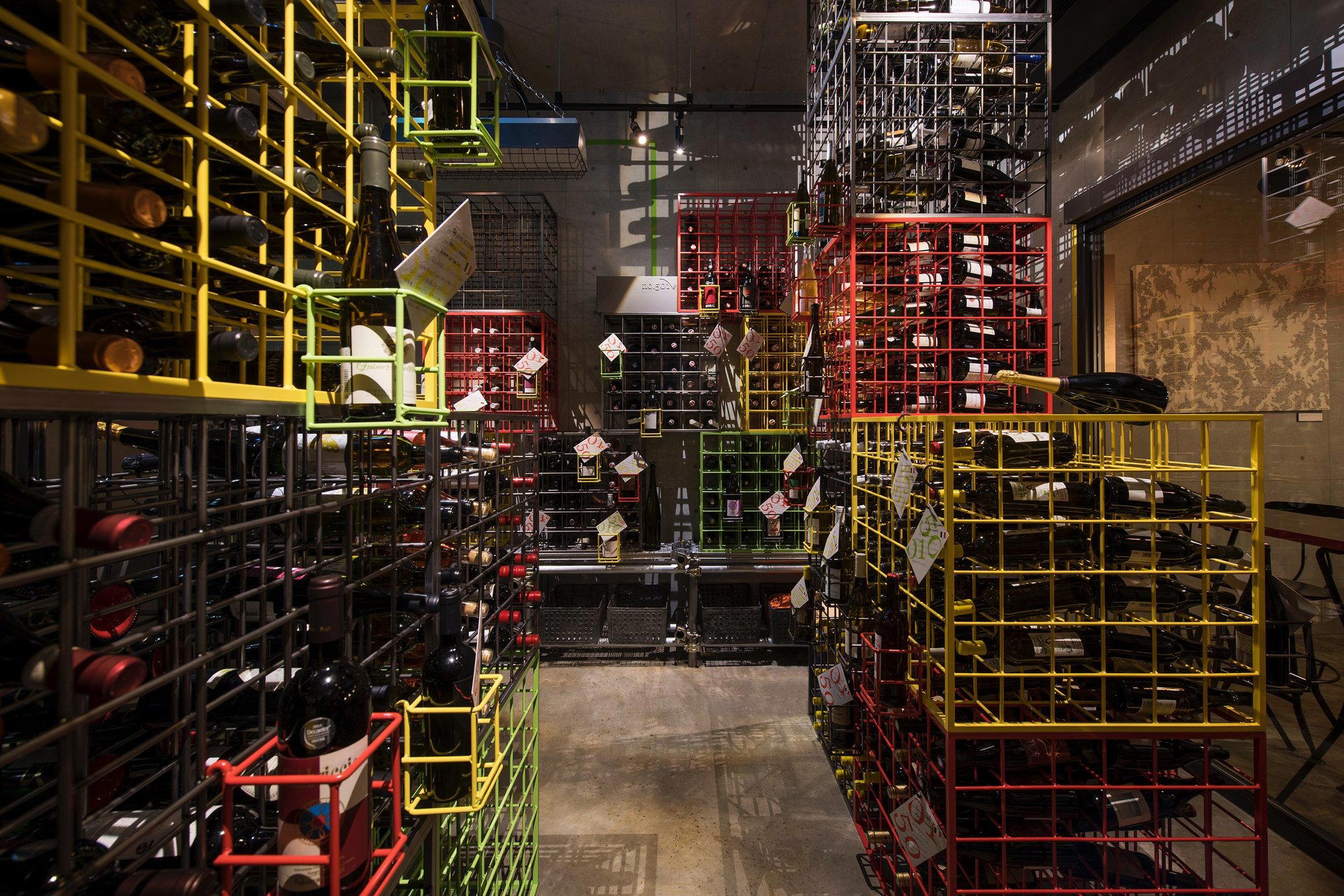
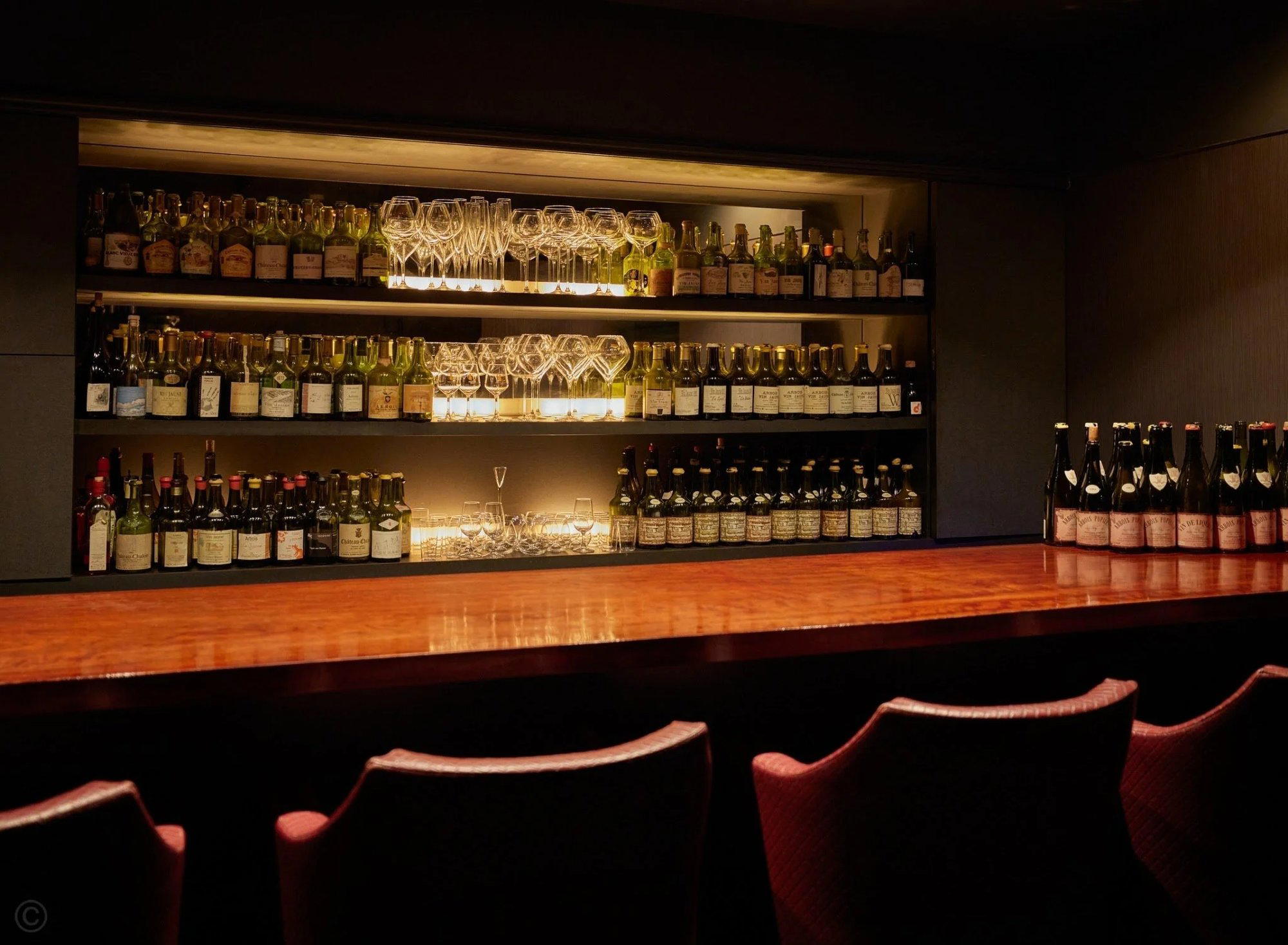
The wine
- Wine program
- Deep wine list
- Extensive wine list
- Sommelier-led
- Sake program
Details
- Elegant
- Scenic
- Sophisticated
- Romantic
- Modern
- Intimate
- Special Occasion
- Date Night
- Business Dinner
- Group Dining
- After Work
- Celebration
- Panoramic View
- Design Destination
- Private Dining
- Standalone
- Extensive Wine List
- Sommelier Led
- Sake Program
- Local Sourcing
- Skyline
- Garden
- Tasting Menu
- Set Menu
- A La Carte
- Wine
- Sake
- Spirits
Current opening hours
- Monday
- 11:30 AM–2 PM, 5:30–9 PM
- Tuesday
- 11:30 AM–2 PM, 5:30–9 PM
- Wednesday
- 11:30 AM–2 PM, 5:30–9 PM
- Thursday
- 11:30 AM–2 PM, 5:30–9 PM
- Friday
- 11:30 AM–2 PM, 5:30–9 PM
- Saturday
- 11:30 AM–2 PM, 5:30–9 PM
- Sunday
- 11:30 AM–2 PM, 5:30–9 PM
Hours can change for holidays and private events. Hours as of .
A quiet, refined space high above the city, blending traditional Japanese elements like kumiko latticework with contemporary luxury, soft lighting, and panoramic day and night views for an elegant, special-occasion feel.