
Tabelog 100 #38
Our verdict
Tokyo’s creative-French dining tier has become a serious counterpoint to sushi and kaiseki, with tasting progressions built around pacing rather than spectacle. es belongs in that conversation: an eight-seat Nishiazabu room selected for Tabelog 100 Innovative / Creative Cuisine 2025, working at the high-price end of the city’s modern dégustation scene.

Pearl is the En Primeur Club membership app, where members save venues, book tables and use the concierge.
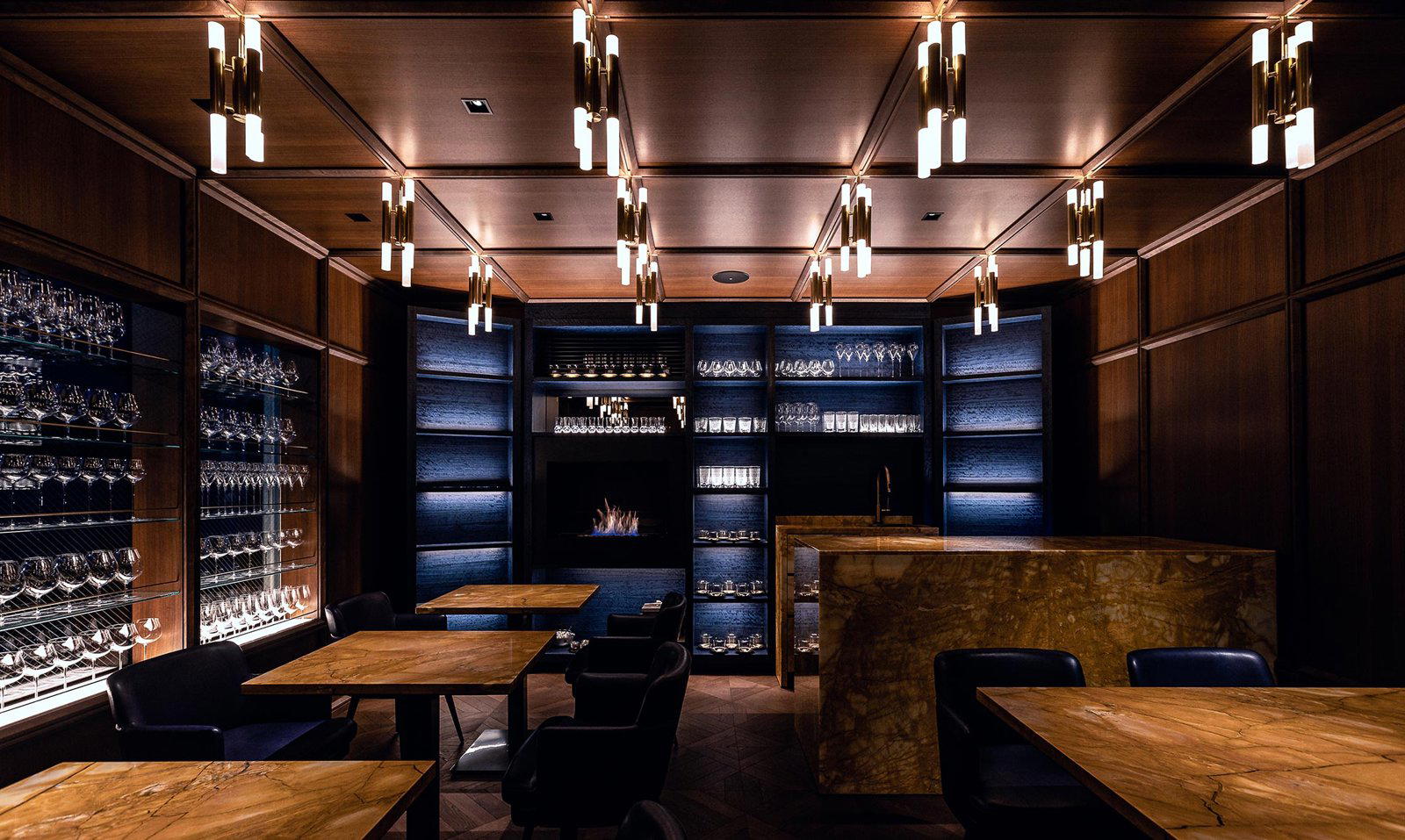
Tokyo changes register after dark: discreet rooms, controlled arrivals, and side streets that feel removed from the city’s brighter glare. In that quieter register, Tokyo’s Innovative and French dining has its own grammar: careful pacing, composed cooking, and an emphasis not on abundance but control, moving diners from opening tension to richer middle courses, then releasing the meal without theatrical excess.
es sits inside that field. Listed for Innovative and French cooking, it was selected for Tabelog 100 Innovative / Creative Cuisine 2025, a useful signal in a city where the creative category spans cerebral counter dining and French-led meals shaped by Japanese seasonality. Its Tabelog score of 3.84 places it in a competitive bracket where pacing, temperature, and service rhythm matter more than decorative language.
A creative dining format built around sequence
Tokyo understands progression. Sushi counters train diners to read temperature and fat; kaiseki teaches season, vessel, and cadence; French dining adds sauce work, pastry structure, and accumulation. The city’s creative-French restaurants increasingly borrow from all three, not as fusion for its own sake, but to use the meal as a controlled argument.
That is the right frame for es. It belongs to Tokyo’s focused dining world, where the meal’s arc can be tightly managed. At this level, the kitchen need not perform breadth; it must make every transition intentional: lighter openings, a deepening middle, then a finish that does not overstay. The category rewards discipline. Too much technique becomes noise; too little structure feels like unrelated plates.
The city context matters. Tokyo’s premium dining scene is often discussed through sushi, tempura, and kaiseki, yet creative-French has become one of its sharper modern categories. Le Bouton and Azur et Masa Ueki illustrate the French side; Muroi and Tsushimi show how broad the city’s high-end references have become. NOGI, at a lower listed dinner bracket, shows how pricing separates casual modern formats from the high-commitment tier. es is priced against serious destination dining, not weeknight experimentation.
For readers mapping a Tokyo itinerary, the contrast is useful. A meal here occupies a different register from casual grazing or single-specialty counters. For breadth across the capital, Our full Tokyo restaurants guide gives the wider restaurant field; Our full Tokyo bars guide is the smarter companion if the night continues after dinner; Our full Tokyo hotels guide helps anchor the stay around city access rather than reputation alone.
Tokyo's advantage is discretion, not spectacle
Tokyo is not always built for casual discovery. Its value, in this register, is separation: a sense of being inside the capital’s restaurant circuit while stepping away from street-level theatre. That suits high-end creative restaurants because the meal begins before the first course. The approach asks diners to slow down, read the room, and accept that sequence, not choice, will shape the night.
The focused format sharpens this. In more formal dining, pacing is exposed: service gaps, plate rhythm, and the balance between explanation and silence become part of the architecture. Scale is therefore not just logistical; it is an editorial clue. Focused Tokyo dining asks diners to join the tempo.
The Tabelog 100 selection matters because Innovative / Creative Cuisine is not a single cuisine in the conventional sense. It is a bracket for restaurants using technique, sequence, and cross-cultural reference points to build meals that resist older labels. In Tokyo, that can mean French structure with Japanese ingredients, counter-style intimacy with dining-room polish, or meals treating seasonality as argument. es belongs in that field, and recognition positions it more clearly than a self-declared creative label would.
There is a practical reader decision here. Diners seeking a large à la carte menu, private-room dining, or a casual neighbourhood meal may be looking in the wrong direction. The stronger case is for travellers who understand Tokyo’s formal dining codes and want to compare its modern French-inflected style with its established counter traditions.
How to place it within a Tokyo dining trip
Use es as a high-focus dinner, not one stop in an overbuilt evening. Tokyo rewards appetite management. A meal at this level needs space, especially if the same trip includes sushi, tempura, yakitori, or kaiseki. Put it on a night when the restaurant can carry the evening rather than compete with it.
For contrast inside Tokyo, the city’s casual and specialist restaurants show the local range. Other Tokyo dining rooms point toward tuna, charcoal cooking, or neighbourhood rhythms, while small-format Japanese restaurants offer another expression of precision. The point is not that these meals compete directly with es, but that Tokyo can be equally serious across very different categories and price points.
Japan’s broader dining map clarifies the distinction. Regional beef-focused meals, Kyoto restaurants shaped by season and restraint, and casual specialist rooms in other Japanese cities all show how category, city, and price point change a meal’s meaning. es should be read through Tokyo’s own high-end Innovative and French lens rather than as a stand-in for Japanese dining as a whole.
International comparisons need care. Japanese-influenced dining abroad can be compelling, but Tokyo’s creative-French dining rooms operate under different expectations: tighter ceremony, a more concentrated sense of progression, and a demanding relationship between price and sequence.
For a fuller city plan, Our full Tokyo experiences guide is useful for daytime structure, while Our full Tokyo wineries guide helps readers separate restaurant-led wine service from dedicated wine destinations. The case for es is narrower and more specific: a Tokyo restaurant in the city’s JPY 50,000 - JPY 59,999 Innovative and French tier, recognized by Tabelog in 2025, where the meal should be judged by the intelligence of its sequence rather than any single plate.
Frequently asked questions
What's the address for es?
es is located in Tokyo.
What's the pricing like at es?
Pricing at es is listed as JPY 50,000 - JPY 59,999.
Should I book es in advance?
Yes. Given es is listed in the JPY 50,000–JPY 59,999 dinner bracket and was selected for Tabelog 100 Innovative / Creative Cuisine 2025, planning ahead is sensible.
What do critics highlight about es?
The clearest trust signal is its selection for Tabelog 100 in the Innovative / Creative cuisine category for 2025. That recognition, alongside its Tabelog score of 3.84, points to a serious Tokyo dining room rather than a casual walk-in choice.
Is es allergy-friendly?
Those details are not provided here. es is in Tokyo, and guests with dietary restrictions should check the venue's official channels for the latest details before booking.
Can I bring kids to es?
Those details are not provided here. Check the venue's official channels for the latest policy before booking, especially given the JPY 50,000–JPY 59,999 dinner bracket.
Snapshot
Comparable venues to place this listing in its category.
| Venue | Cuisine | Price | Awards | Notes |
|---|---|---|---|---|
| esThis venue (the venue you are viewing) | Modern Japanese Fine Dining | $300–500 | Tabelog 100 #38 | Not listed |
| ジュリア | Modern Japanese Fine Dining | $200–300 | Michelin Plate · Star Wine List | Shibuya |
| 茜坂大沼 赤坂店 | Traditional Seasonal Kaiseki | $200–300 | Michelin Plate · Tabelog Bronze #339 | Minato |
| Suiren | Modern Japanese Kaiseki | $200–300 | Not listed | Chiyoda |
| Kusunoki | Oil-Free Tempura Omakase | $150–200 | Not listed | Shinjuku |
| Matsusaka Ushi Yoshida | Matsusaka beef teppanyaki, sukiyaki & shabu-shabu fine dining | $150–200 | Tabelog 100 #84 | Shinjuku |
Recognition history
Dated appearances from independent guides and award organizations, with the underlying list record or original source where available.
Tabelog 100 #38 · No. 38
Tabelog · Tabelog 100 - Innovative / Creative cuisine - 2025
Continue exploring
More in Tokyo
Restaurants in Tokyo
All restaurants in Tokyo →






Details
- Modern
- Elegant
- Sophisticated
- Intimate
- Trendy
- Date Night
- Special Occasion
- Business Dinner
- Chefs Counter
- Design Destination
- Standalone
- Craft Cocktails
- Tasting Menu
- Set Menu
- Cocktails
- Wine
- Sake
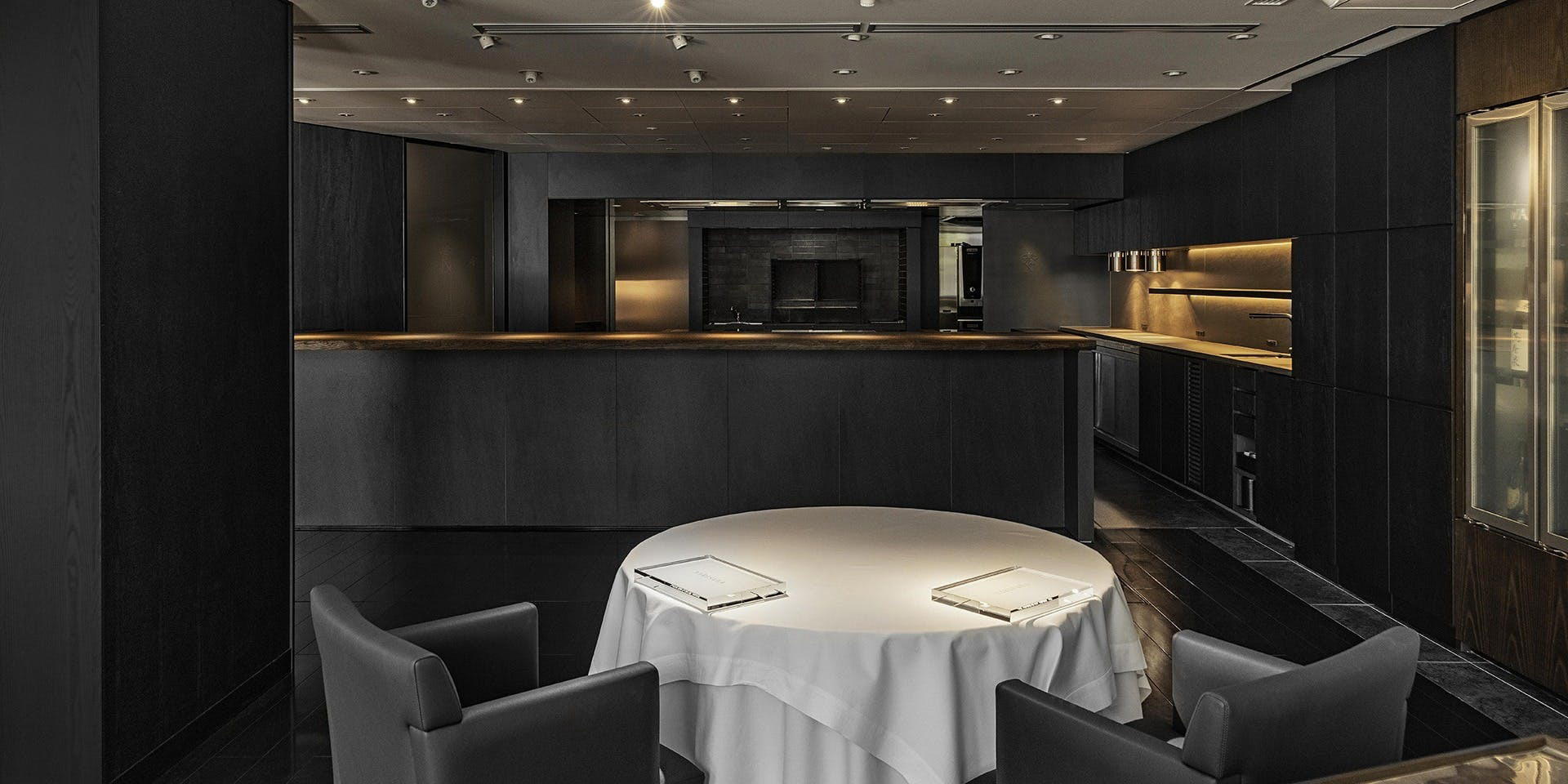
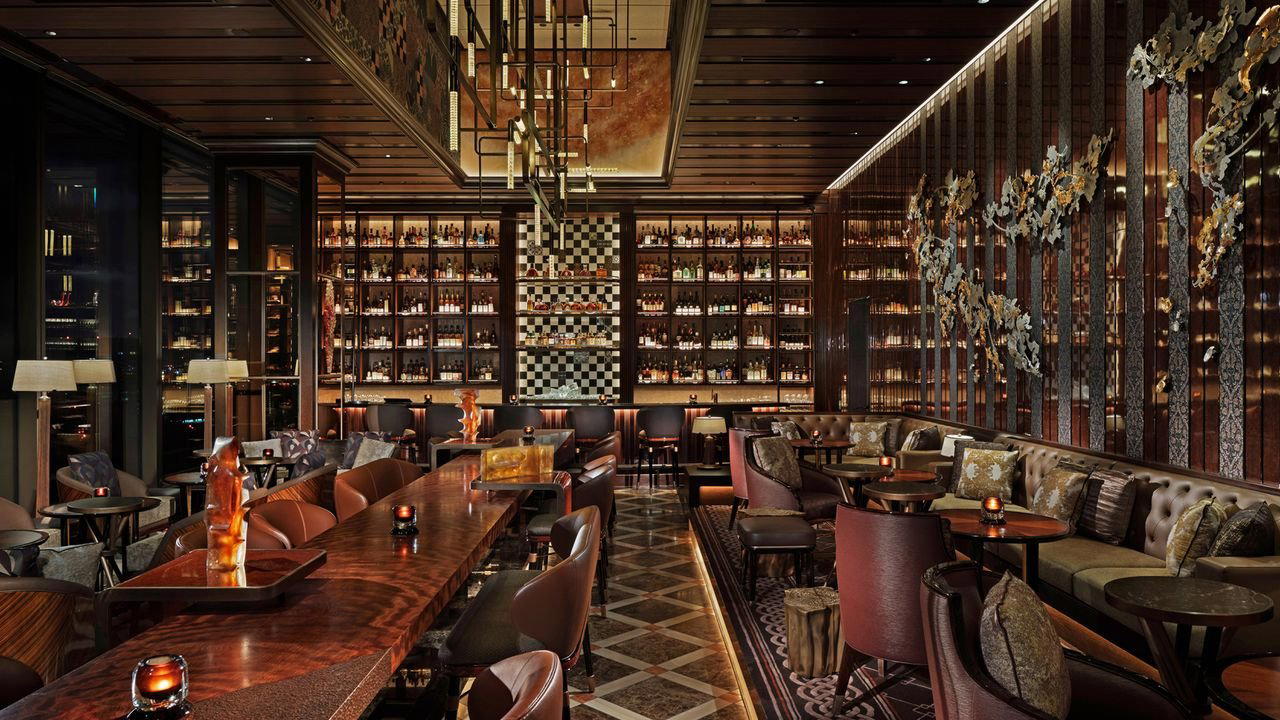
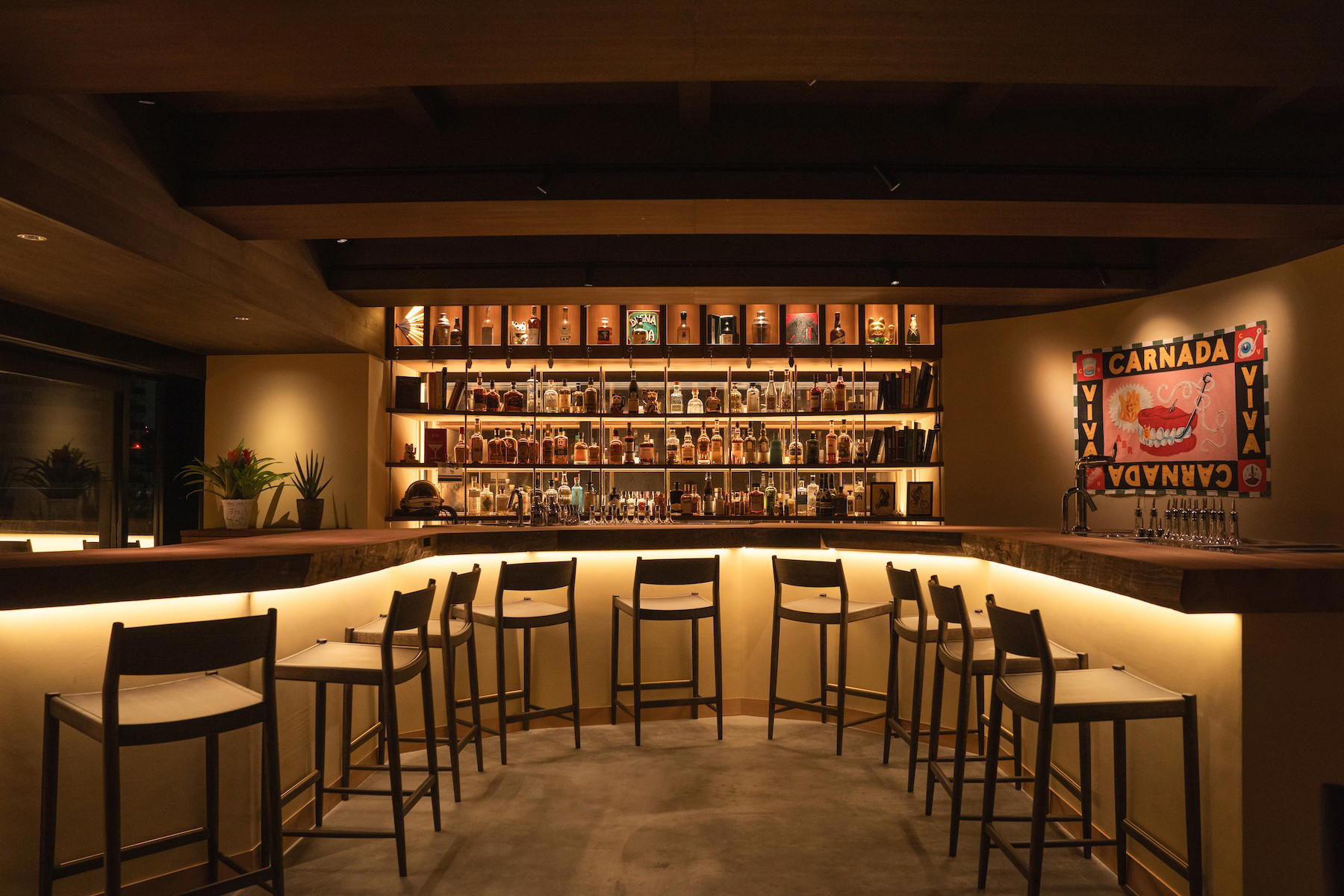
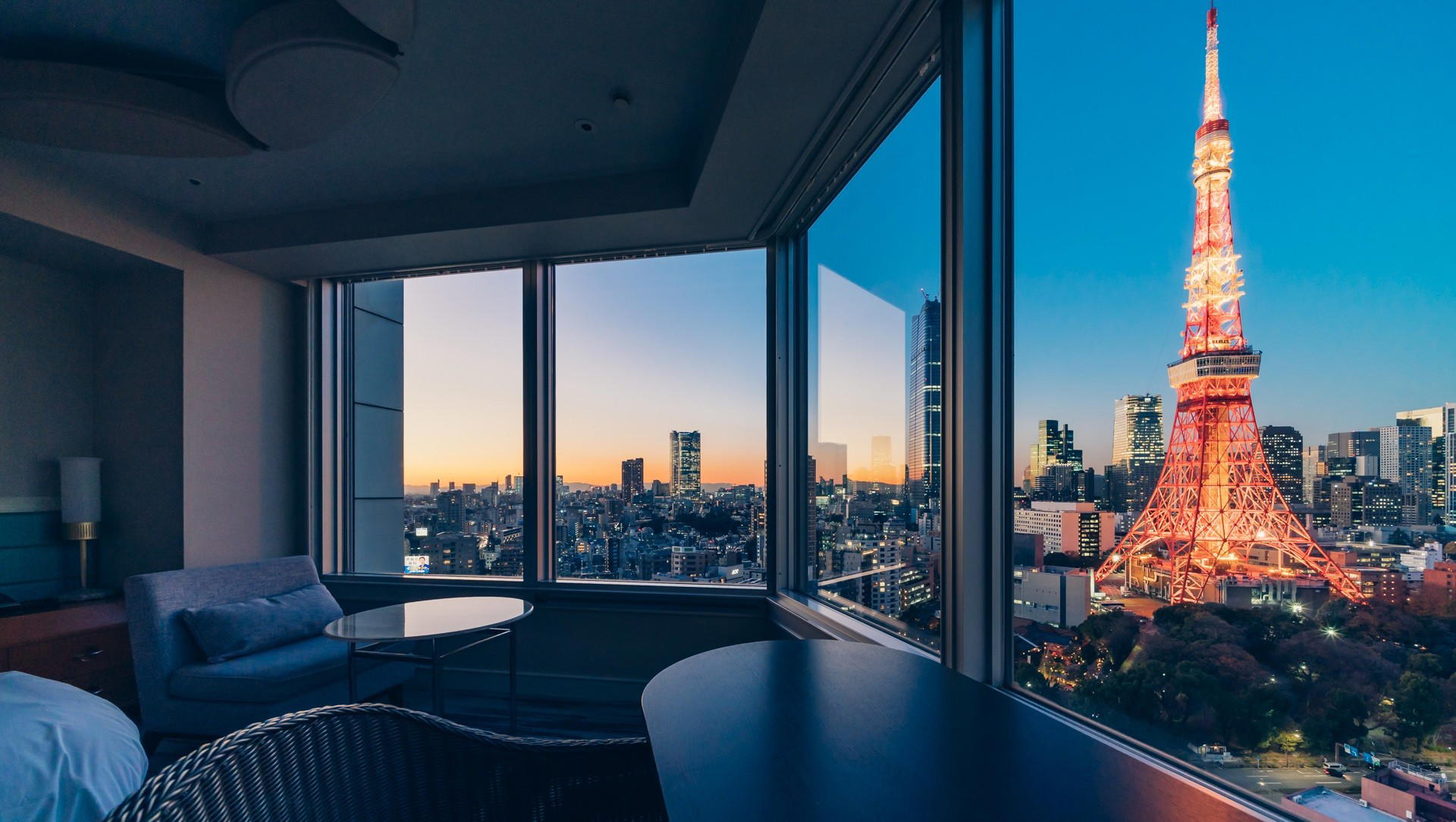
Minimal, modern and high-end, with a calm counter-style setting and softly lit interiors that emphasize a quiet, refined atmosphere suited to focused, course-style dining.