
Michelin Bib Gourmand
Our verdict
A Michelin Bib Gourmand kappo on Kyoto's Takase River, Ryoriya Otaya brings Toyama Bay seafood to Shimogyo through a menu shaped by seasonal availability and regional specificity. Firefly squid, glass shrimp, and buri arrive in their proper windows, dressed with techniques that include heshiko-based preparations.

Pearl is the En Primeur Club membership app, where members save venues, book tables and use the concierge.
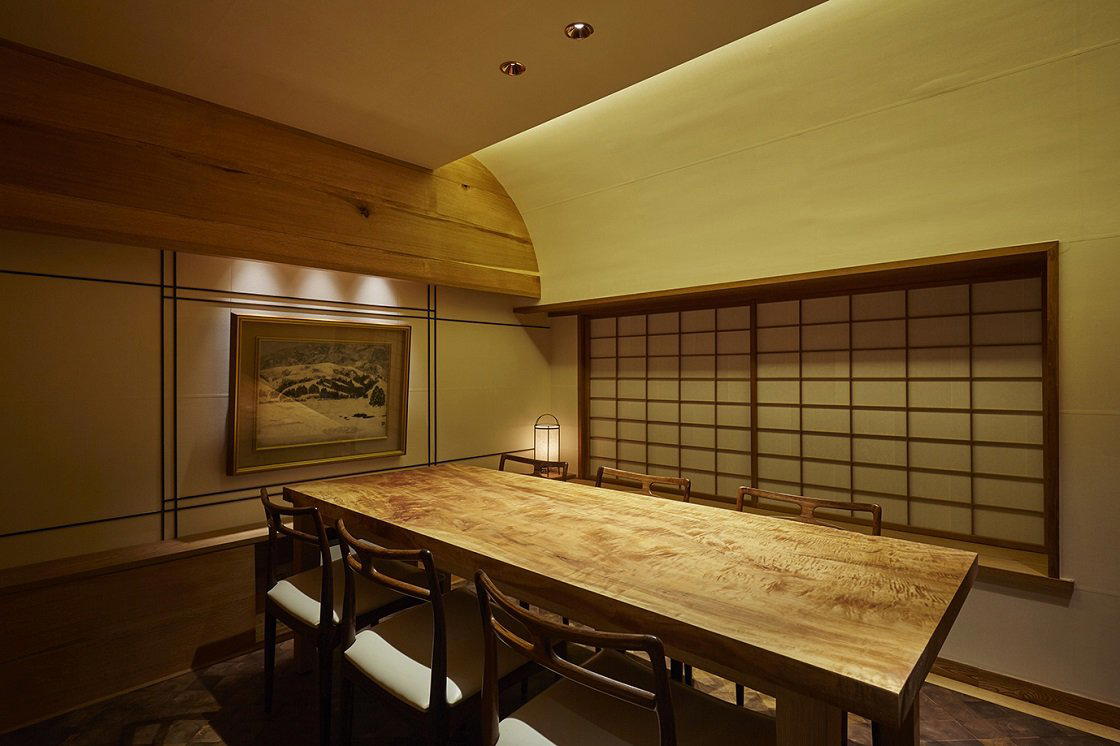
Along the Takase River in Shimogyo
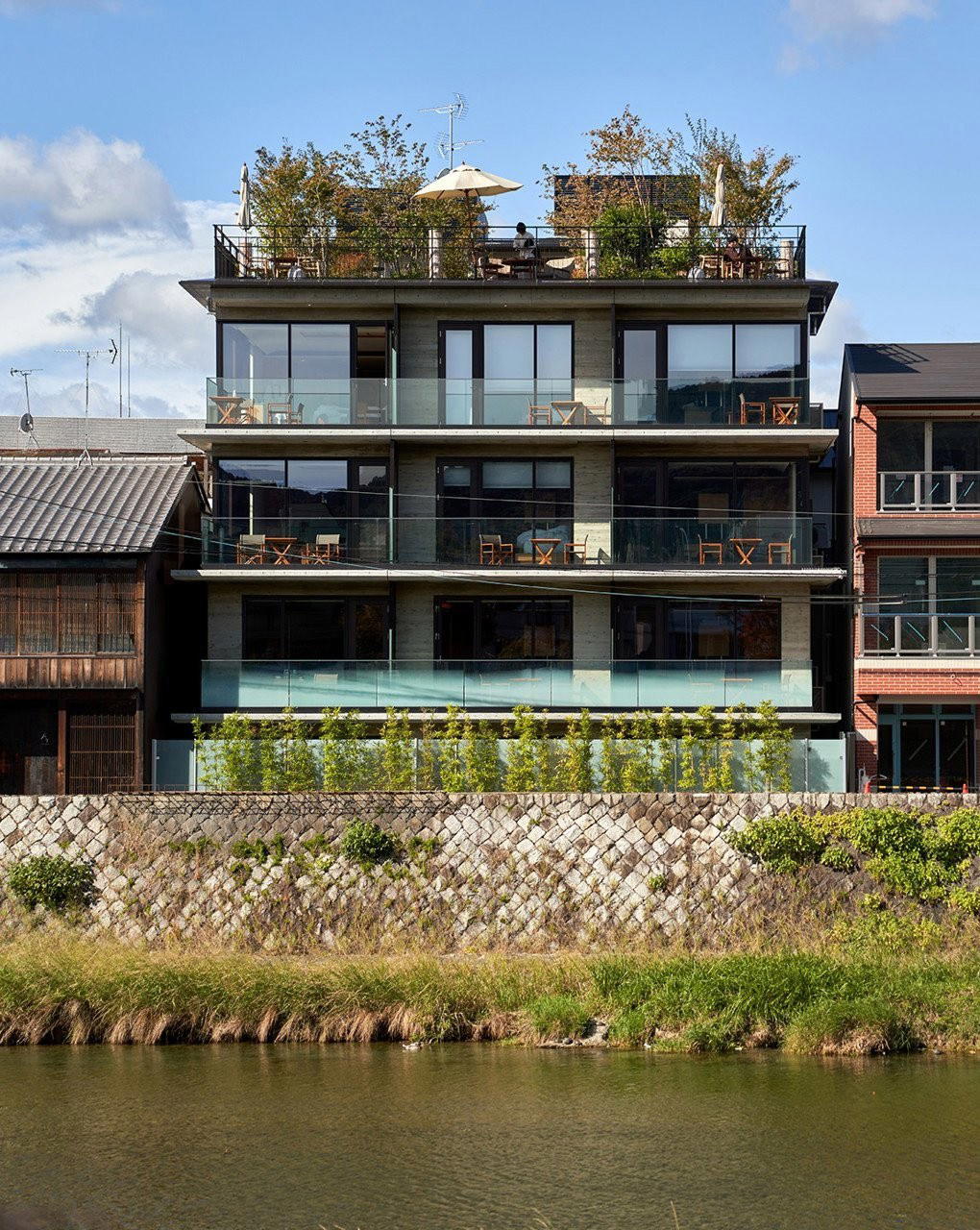
The Takase River canal that runs through Shimogyo Ward is a quieter register of Kyoto than the temple precincts to the east or the upscale kaiseki corridors of Gion. The water is narrow, the streets beside it low-key, and the restaurants along this stretch tend toward the personal and the ingredient-focused rather than the ceremonial. Ryoriya Otaya operates in that spirit: a kappo-format restaurant at 456-2 Tenmacho, sitting close to the canal in a ward that Kyoto visitors often pass through without stopping. The 2025 Michelin Bib Gourmand recognises it as a kitchen worth the detour at a price point well below the city's kaiseki tier.
Kappo Format and What It Means in Kyoto
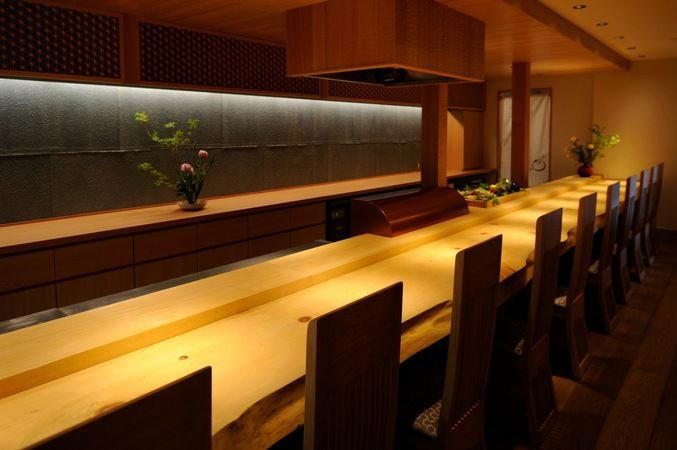
Kappo occupies a specific position in the Japanese dining hierarchy. Where kaiseki follows a prescribed multi-course architecture with deep roots in Kyoto court and tea ceremony culture, kappo is more improvisational: the chef cooks in front of guests, the menu shifts with what arrived that morning, and the interaction between kitchen and counter is part of the meal's texture. Kyoto is kaiseki country by reputation, and the city's highest-budget tables, including multi-starred rooms like those at Isshisoden Nakamura and the Gion corridor's Gion Matayoshi, operate at price tiers that reflect that formal lineage. Kappo sits a step down in formality and often several steps down in cost, which is precisely why the Bib Gourmand, rather than a star, is the appropriate recognition here. The format allows for a kind of culinary directness that kaiseki's structure can constrain.
Ryoriya Otaya's version of kappo draws from a specific regional source that sets it apart from Kyoto-native equivalents. Kyoto's traditional ingredient logic, known as kyoryori, centres on pickled vegetables, tofu, and freshwater fish because the city's landlocked position historically limited sea access. A chef bringing Toyama Bay seafood into this context is making a conscious geographic statement, one that the format of kappo accommodates more easily than kaiseki's stricter regional conventions would.
The Regional Lens: Toyama Bay in a Kyoto Kitchen
Toyama Bay, on the Sea of Japan coast, is one of Japan's more distinct seafood sources. The bay's unusual depth, dropping sharply close to shore, produces cold, nutrient-rich water that supports species rarely found in Pacific-coast catches. Firefly squid (hotaruika), glass shrimp (shiroebi), and yellowtail (buri) are the bay's most documented seasonal exports. Each has a narrow seasonal window: firefly squid appear in spring, glass shrimp from late spring through autumn, buri in winter when cold water drives the fish deeper and fattens the flesh. A kitchen anchored to these cycles is, by necessity, a kitchen operating on Toyama's seasonal calendar rather than Kyoto's.
This creates an interesting tension with the city around it. Kyoto's most formal restaurants, including the ¥¥¥¥-tier kaiseki houses like Kikunoi Roan and Kenninji Gion Maruyama, construct their seasonal identity around Kyoto basin produce and the careful choreography of local tradition. Ryoriya Otaya imports its seasonal identity from the Sea of Japan coast, around 130 kilometres north. The Bib Gourmand's own description of the restaurant calls out the heshiko preparation specifically: mackerel pickled in rice-bran paste, a Fukui and Toyama coast preservation technique with little precedent in classic Kyoto cooking. That dish signals a kitchen working from a different regional vocabulary than its neighbours.
For context on how Kansai kitchens differ from Kanto approaches: Tokyo's kappo and omakase culture, represented at the high end by rooms like Harutaka in Tokyo or the more structurally ambitious Myojaku and Azabu Kadowaki, tends toward richer seasoning and a stronger dashi base. Kansai cooking, including the Kyoto and Osaka variants, favours subtler seasoning and a lighter hand with soy. Ryoriya Otaya sits within the Kansai register but imports Sea of Japan ingredients that introduce a bolder, more preservation-forward flavour profile than classic Kyoto cooking typically presents. The heshiko preparation is the clearest example of this cross-regional logic at work.
Where Otaya Sits in the Kyoto Mid-Price Tier
At ¥¥ pricing, Ryoriya Otaya occupies a tier that is meaningfully below Kyoto's kaiseki establishment. The comparison set at ¥¥¥¥ includes restaurants like Kodaiji Jugyuan and the Gion corridor's formal rooms, where a single dinner can run well into five figures in yen. The Bib Gourmand designation is Michelin's explicit signal that a kitchen offers cooking quality worth noting at a price that does not require that kind of budget. In Kyoto, where the kaiseki tradition inflates the average cost of a serious Japanese dinner, that distinction carries more weight than it might in other cities.
For a low-profile Shimogyo address without the tourism infrastructure of Higashiyama or the Gion district, 202 responses indicates a loyal return audience rather than a tourist tick-list crowd. Beyond Kyoto, the broader Kansai region offers comparison points at different scales: HAJIME in Osaka operates at the three-star end of the Kansai spectrum, while nearby akordu in Nara represents a different approach to regional ingredient sourcing in the same geographic corridor. Further afield, Goh in Fukuoka demonstrates how Sea of Japan ingredients translate in another Kansai-adjacent kitchen, and 1000 in Yokohama and 6 in Okinawa illustrate the full spectrum of Japan's regional dining ambitions.
Sake and the Sea of Japan Pairing Logic
The Michelin notes specifically flag the regional sakes alongside the seafood. Toyama Prefecture produces a style of nihonshu that skews dry and clean, suited to the iodine-forward flavours of deep-sea catch. The pairing logic that works for Toyama Bay seafood, particularly the oilier winter buri, differs from the pairing logic that works for Kyoto's lighter dashi-based cooking. A kitchen that imports its fish from Toyama Bay has good reason to import its sake from the same region, and the recommendation to order them together is, in this context, a culinary argument rather than a sales point.
Planning a Visit
Address: 456-2 Tenmacho, Shimogyo Ward, Kyoto, 600-8024. Price tier: ¥¥, consistent with Michelin Bib Gourmand recognition. Reservations: Seasonal note: The menu follows Toyama Bay's seasonal cycle, so the available seafood shifts materially between a spring and a winter visit. Getting around: Shimogyo is well-served by Kyoto's subway and bus network; see our full Kyoto hotels guide for base options, and our full Kyoto bars guide for post-dinner options nearby.
For broader Kyoto dining context, our full Kyoto restaurants guide covers the city's full range from kaiseki to kappo, and our guides to Kyoto wineries and Kyoto experiences round out the planning picture.
Frequently asked questions
What distinctions does Ryoriya Otaya have?
Ryoriya Otaya has received recognition including: A charming kappo on the banks of the Takase River. The chef’s aim is to create a restaurant that he himself would frequent, so let’s peruse the menu and gauge his tastes. His strong points are the inventiveness and patience he pours into hi….
What's the must-try dish at Ryoriya Otaya?
The heshiko preparation is the most documented dish at Otaya, a salad dressed with mackerel pickled in rice-bran paste, cited by Michelin in the 2025 Bib Gourmand recognition as a showcase of the kitchen's inventiveness. Seasonal Toyama Bay seafood, including firefly squid, glass shrimp, and buri, rounds out the menu when each is at peak availability. The pairing with Toyama regional sakes is specifically flagged in the Michelin citation and worth following.
Is Ryoriya Otaya expensive?
Pricing at Ryoriya Otaya is listed as ¥¥.
Where is Ryoriya Otaya located?
Ryoriya Otaya is located at 456-2 Tenmacho, Shimogyo Ward, Kyoto, 600-8024, Japan, Kyoto.
Is Ryoriya Otaya reservation-only?
A confirmed booking policy has not been published, but the 2025 Michelin Bib Gourmand listing has a well-documented effect on demand at Kyoto's smaller kappo counters. Contacting the restaurant directly before visiting is advisable, particularly for weekend sittings or when seasonal Toyama Bay seafood is in circulation. The address is 456-2 Tenmacho, Shimogyo Ward, Kyoto, 600-8024.
City Peers
| Venue | Cuisine | Price | Awards | Notes |
|---|---|---|---|---|
| Ryoriya OtayaThis venue (the venue you are viewing) | Kyoto Kaiseki Omakase | $50–100 | Michelin Bib Gourmand | Not listed |
| Gion Sasaki | Modern Kaiseki | $300–500 | 3 Michelin Stars · La Liste Top Restaurants | Kaiseki, Japanese |
| cenci | Innovative Italian-Japanese Fusion | $100–150 | 1 Michelin Star · World's 50 Best #76 | Italian |
| Ifuki | Sumibi Kappo Kaiseki | $200–300 | 2 Michelin Stars · La Liste Top Restaurants | Kaiseki |
| Kyokaiseki Kichisen | Kyoto Kaiseki | $200–300 | 2 Michelin Stars · La Liste Top Restaurants | Japanese |
| Kyo Seika | Modern Chinese Fine Dining | $150–200 | 1 Michelin Star · Tabelog Bronze #216 | Chinese |
Recognition history
Dated appearances from independent guides and award organizations, with the underlying list record or original source where available.
Michelin Bib Gourmand
Michelin
Full recognition history (3 entries)
Michelin Bib Gourmand
Michelin
Michelin Plate
Michelin
Continue exploring
More in Kyoto
Restaurants in Kyoto
All restaurants in Kyoto →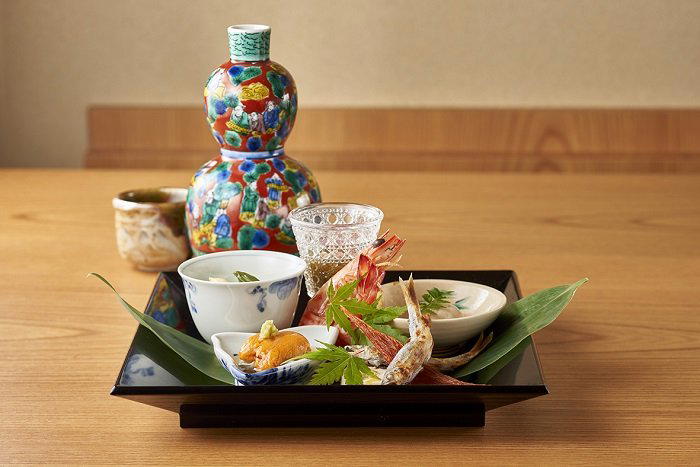

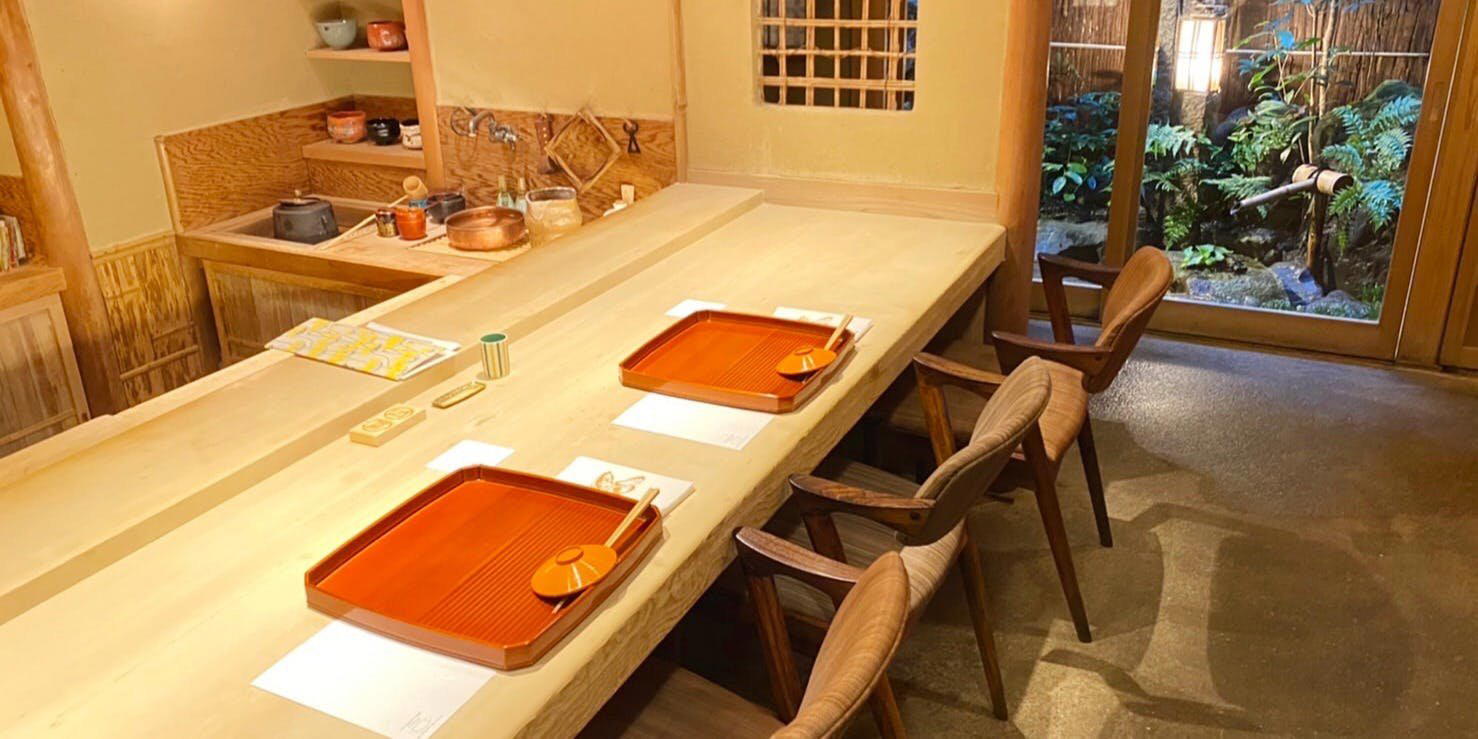
Bars in Kyoto
All bars in Kyoto →
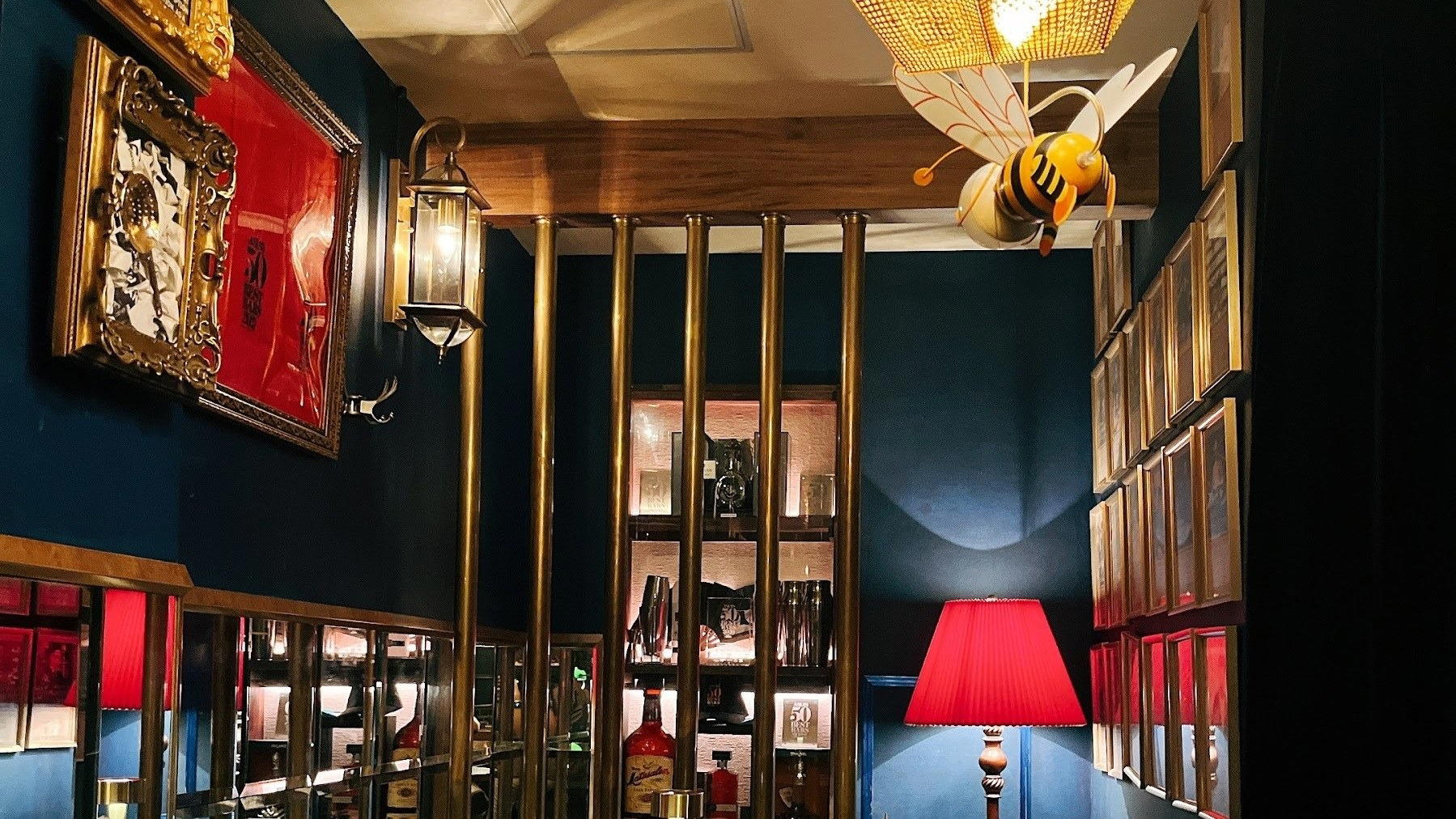


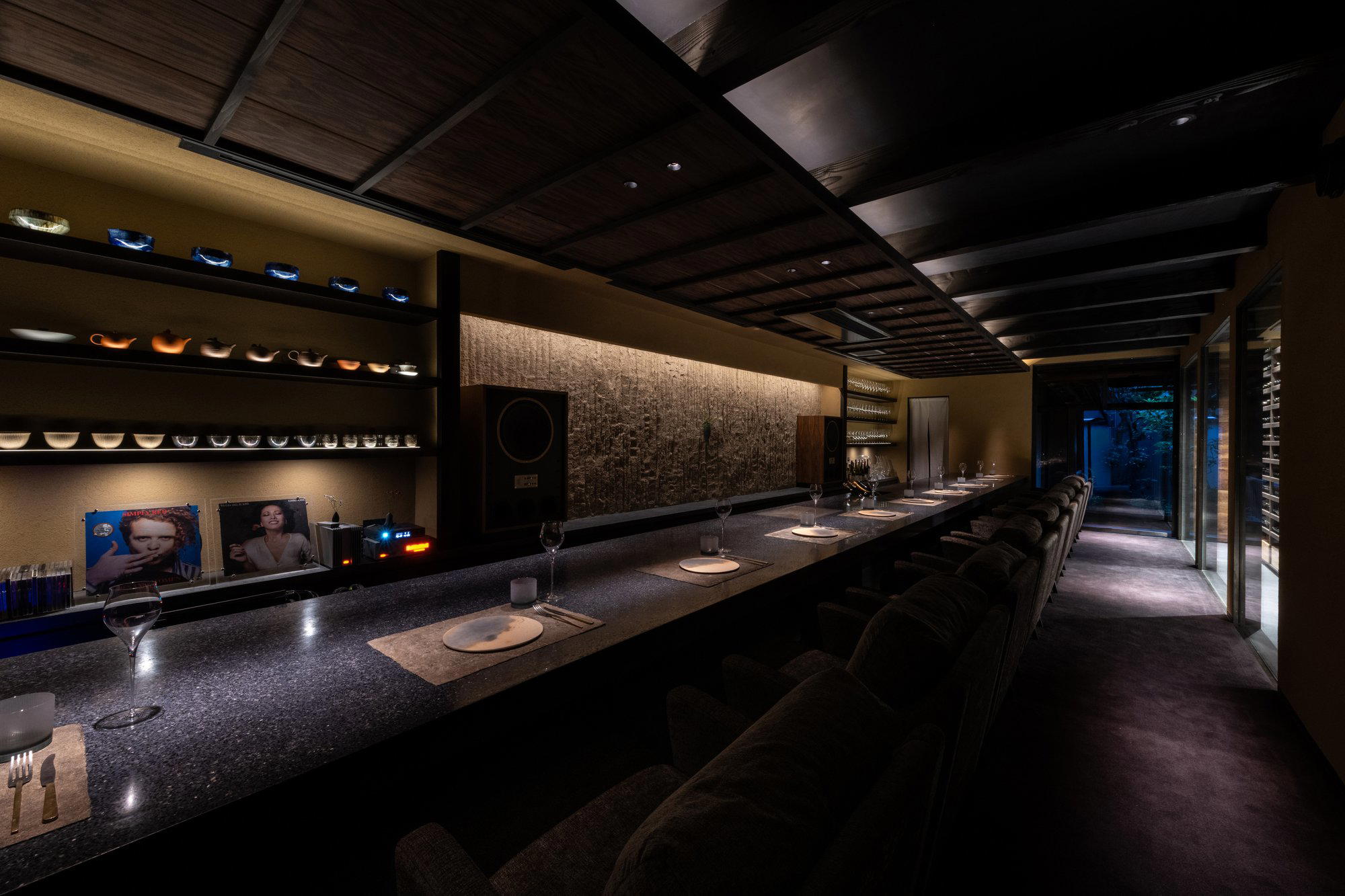
Hotels in Kyoto
All hotels in Kyoto →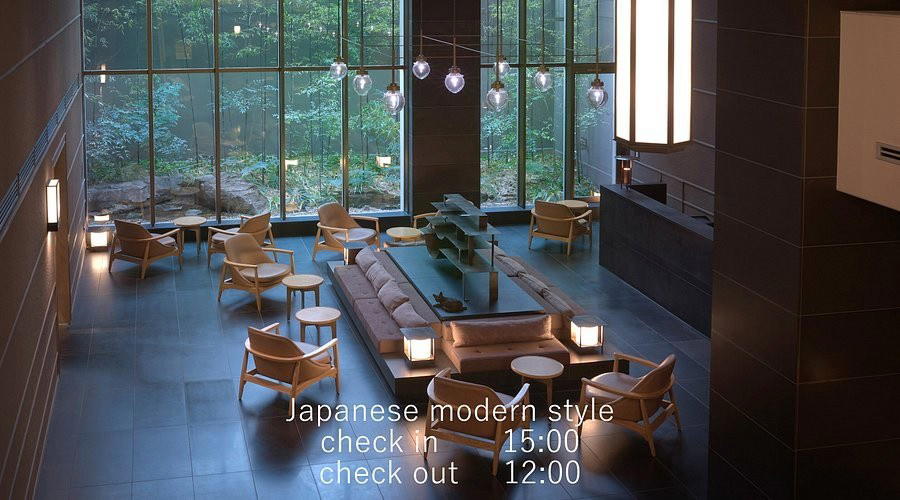

Wineries in Kyoto
Browse all →
Details
- Intimate
- Cozy
- Elegant
- Quiet
- Sophisticated
- Special Occasion
- Date Night
- Solo
- Private Dining
- Sake Program
- Local Sourcing
- Street Scene
- Omakase
- A La Carte
- Vegetarian Friendly
Current opening hours
- Monday
- Closed
- Tuesday
- 5–10 PM
- Wednesday
- 5–10 PM
- Thursday
- 5–10 PM
- Friday
- 5–10 PM
- Saturday
- 12–3 PM, 5–10 PM
- Sunday
- 12–3 PM, 5–10 PM
Hours can change for holidays and private events. Hours as of .
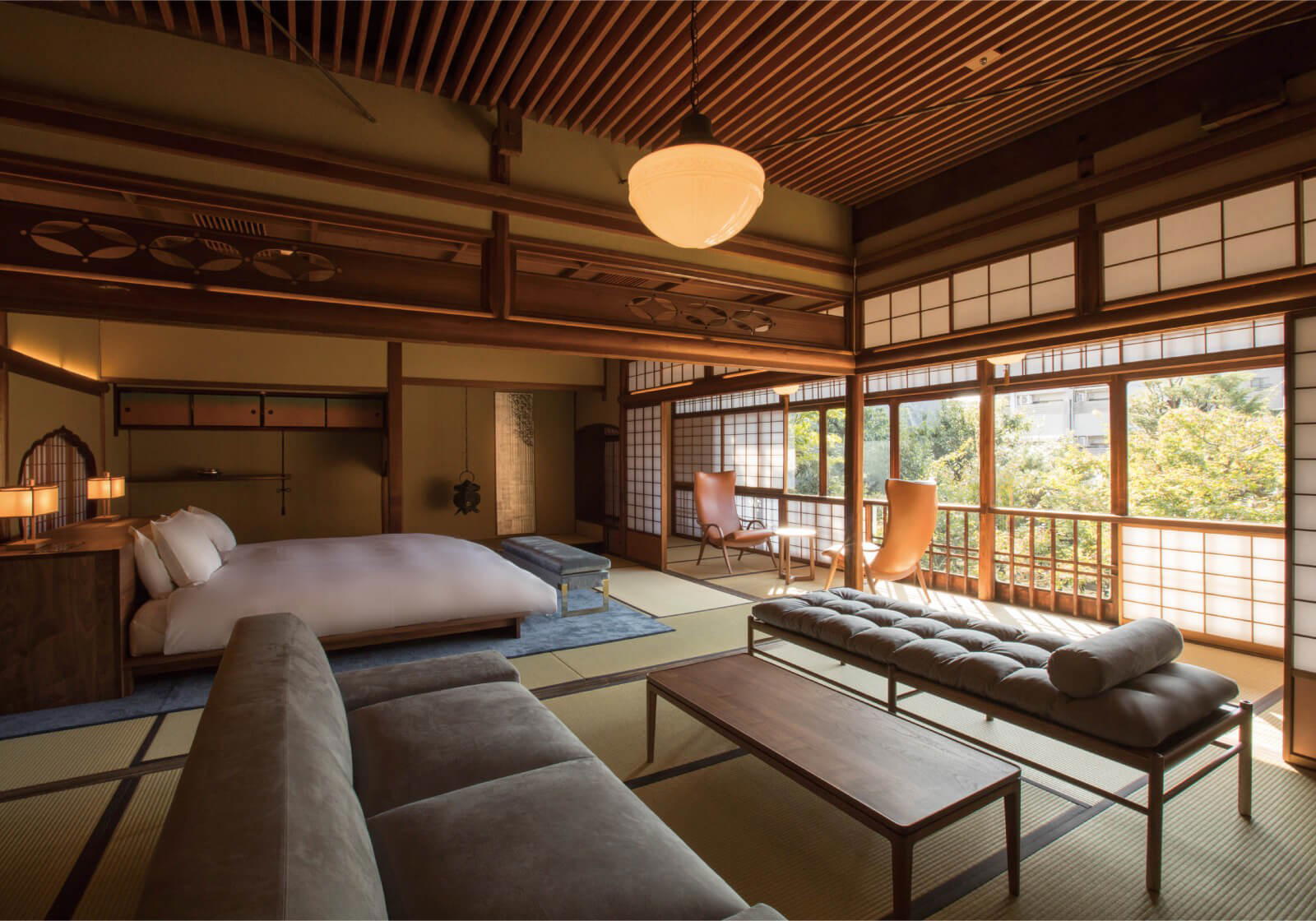
Cozy traditional Japanese interior with serene tranquility, soft lighting, and floor-to-ceiling windows offering river views of seasonal changes.