Rokkasen Otakibashi Street store occupies a stretch of Nishi-Shinjuku that sits at the commercial edge of one of Tokyo's most densely layered districts. The address places it within walking distance of the Odakyu and Keio interchange zones, where neighbourhood identity shifts quickly from commuter utility to dining destination. Specific menu, price, and booking details should be confirmed directly with the venue.
Pearl is the En Primeur Club membership app — saves, bookings, and concierge access live there. Same editors, same standards.
- Address
- Japan, 〒160-0023 Tokyo, Shinjuku City, Nishishinjuku, 7 Chome−2−6 K1ビル 地下1階
- Phone
- +81359376568
- Website
- rokkasen.co.jp
 Saves & bookings on Pearl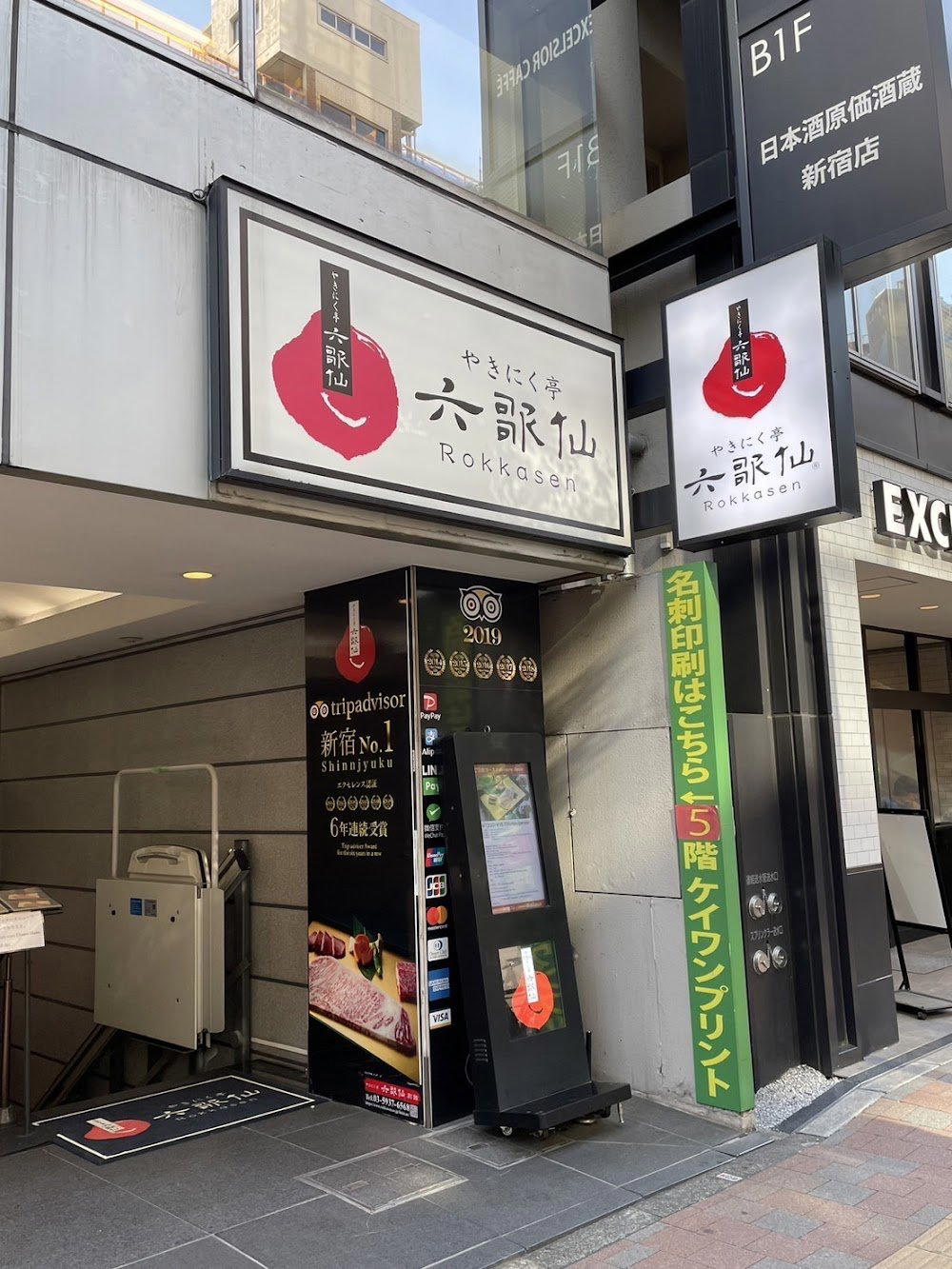
Nishi-Shinjuku's Outer Ring: Where the District's Character Becomes a Draw
Shinjuku is Tokyo's most internally contradictory ward. The east side delivers Kabukicho's noise and Omoide Yokocho's smoke-stained yakitori alleys. The west side, Nishi-Shinjuku, reads differently: lower footfall, a taller skyline, and a dining scene that functions less on spectacle and more on neighbourhood regularity. Rokkasen Otakibashi Street store sits in this western tier, near the 7-chome block of Nishishinjuku, in the kind of address that rewards visitors who have stopped treating Shinjuku as a single monolithic destination and started treating it as a collection of distinct sub-neighbourhoods.
The Otakibashi area is particular. It flanks the Kanda River corridor and sits just north of the busiest interchange zones, which means the pedestrian tempo is slower and the commercial mix leans more local than tourist-facing. For a dining venue in this position, proximity to commuter flow from the Odakyu and Keio lines matters practically, but the street-level atmosphere skews toward the kind of place you return to rather than the kind you visit once for the photograph.
The Shinjuku Dining Tier: Where This Address Sits
Tokyo's high-end dining geography has consolidated around a handful of addresses: Ginza, Azabu-Juban, Minami-Aoyama, and parts of Shinjuku's restaurant floors. The Michelin-starred tier in the city at large, venues like Harutaka in Ginza for sushi, or RyuGin in Roppongi for kaiseki, occupies a price bracket where dinner is a significant financial commitment and bookings run months ahead. French kitchens like L'Effervescence and Sézanne operate in a similar stratum, as does the more experimental Crony. Nishi-Shinjuku contains a different kind of dining density: reliable neighbourhood operators that serve a working population alongside occasional destination visitors.
Rokkasen as a brand has multiple locations across Tokyo, which places it in the category of established multi-site operations rather than single-counter specialists. That distinction matters for how you read the experience: this is not the format where one chef runs a twelve-seat room and the menu changes weekly. It is the format where consistency and accessibility are the operational priorities, and where the neighbourhood context shapes visit frequency more than rarity value.
What the Location Signals About the Experience
Arriving along Otakibashi Street from the direction of Shinjuku Station's west exit is a ten-to-fifteen minute walk, a distance that filters casual drop-in traffic and gives the venue a slightly more intentional customer base. This typology is common across Nishi-Shinjuku and produces a particular kind of interior logic, spaces designed for repeat visitors who come before or after a working day rather than those arriving for a set-piece occasion.
The broader Shinjuku dining scene has a well-documented yakiniku tradition. The ward's yakiniku density is among the highest in Tokyo, and several of the larger operations have built reputations across multiple decades. Rokkasen is one of the names associated with this tradition at a multi-location scale, which positions it as part of a genre with clear expectations: grilled meat at the table, service calibrated for the pace of that format, and a menu architecture that typically organises around cut quality and set combinations.
Tokyo Yakiniku in Context
Yakiniku as a dining format in Tokyo has evolved considerably since its post-war origins. What began as an accessible, high-throughput category has split into sub-tiers: the counter-style specialist dealing in A5 wagyu with a twelve-seat limit and a tasting menu structure at one end, and the multi-room operator serving larger groups with broader price accessibility at the other. The strongest operators at the latter tier have invested in sourcing rigour that rivals the specialist end, the distinction has become less about ingredient quality and more about format, intimacy, and the nature of the dining ritual.
For visitors approaching Tokyo's yakiniku scene for the first time, the Shinjuku ward offers a reasonable cross-section of this range. For those who have already covered the obvious Ginza and Azabu yakiniku addresses, the Nishi-Shinjuku segment offers a different neighbourhood register without dramatically different cuisine. The comparison is not to Michelin-starred kaiseki or omakase counters; it belongs in a separate conversation about a category with its own internal logic.
Japan's wider restaurant scene provides additional reference points for understanding the range of serious dining on offer. HAJIME in Osaka and Gion Sasaki in Kyoto represent the highest-commitment end of the Japanese dining spectrum. More locally specific but equally serious is akordu in Nara and Goh in Fukuoka. For those building a wider picture of Japan's regional dining range, venues like 一本杉 川島酒造 in Nanao, 夕然山乃 in Sapporo, 湖畔荘庵 in Takashima, and 鳥羽屋 in Nishikawa Machi demonstrate how far the country's dining character extends beyond the major cities. International frames of reference, Birdland in Sakai, Bistro Ange in Toyohashi, Le Bernardin in New York City, and Atomix in New York City, illustrate how differently excellence can be expressed across categories and geographies. Our full Tokyo restaurants guide covers the city's major dining categories in full.
Planning Your Visit
Location: Japan, 〒160-0023 Tokyo, Shinjuku City, Nishishinjuku, 7 Chome−2−6 K1ビル 地下1階. Reservations: Recommended. Budget: About $100 per person. Hours: Mon to Sun, 11 AM to 11 PM. Dress: Smart casual.
Where the Accolades Land
Comparable venues nearby, for context on price, style, and recognition.
| Venue | Cuisine | Price | Notes |
|---|---|---|---|
| Rokkasen Otakibashi Street store | Premium Wagyu Yakiniku All-You-Can-Eat | $$$ | Shinjuku |
| Shirogane Toritama Kagurazaka ten | Yakitori & Izakaya | $$$ | Shinjuku |
| Akasaka Gosen | Kaiseki with Soft-Shelled Turtle | $$$ | Minato |
| Akasaka Oozeki Honten | Charcoal-grilled Japanese Yakiniku | $$$ | Minato |
| Toritama | Rare Cut Yakitori | $$$ | Shibuya |
| Shoutai En Shibadaimon ten | Traditional Yakiniku (Japanese BBQ) | $$$ | Minato |













At a Glance
- Elegant
- Sophisticated
- Group Dining
- Celebration
- Private Dining
- Sake Program
Current opening hours
- Monday
- 11 AM–11 PM
- Tuesday
- 11 AM–11 PM
- Wednesday
- 11 AM–11 PM
- Thursday
- 11 AM–11 PM
- Friday
- 11 AM–11 PM
- Saturday
- 11 AM–11 PM
- Sunday
- 11 AM–11 PM
Hours can change for holidays and private events. Last verified .
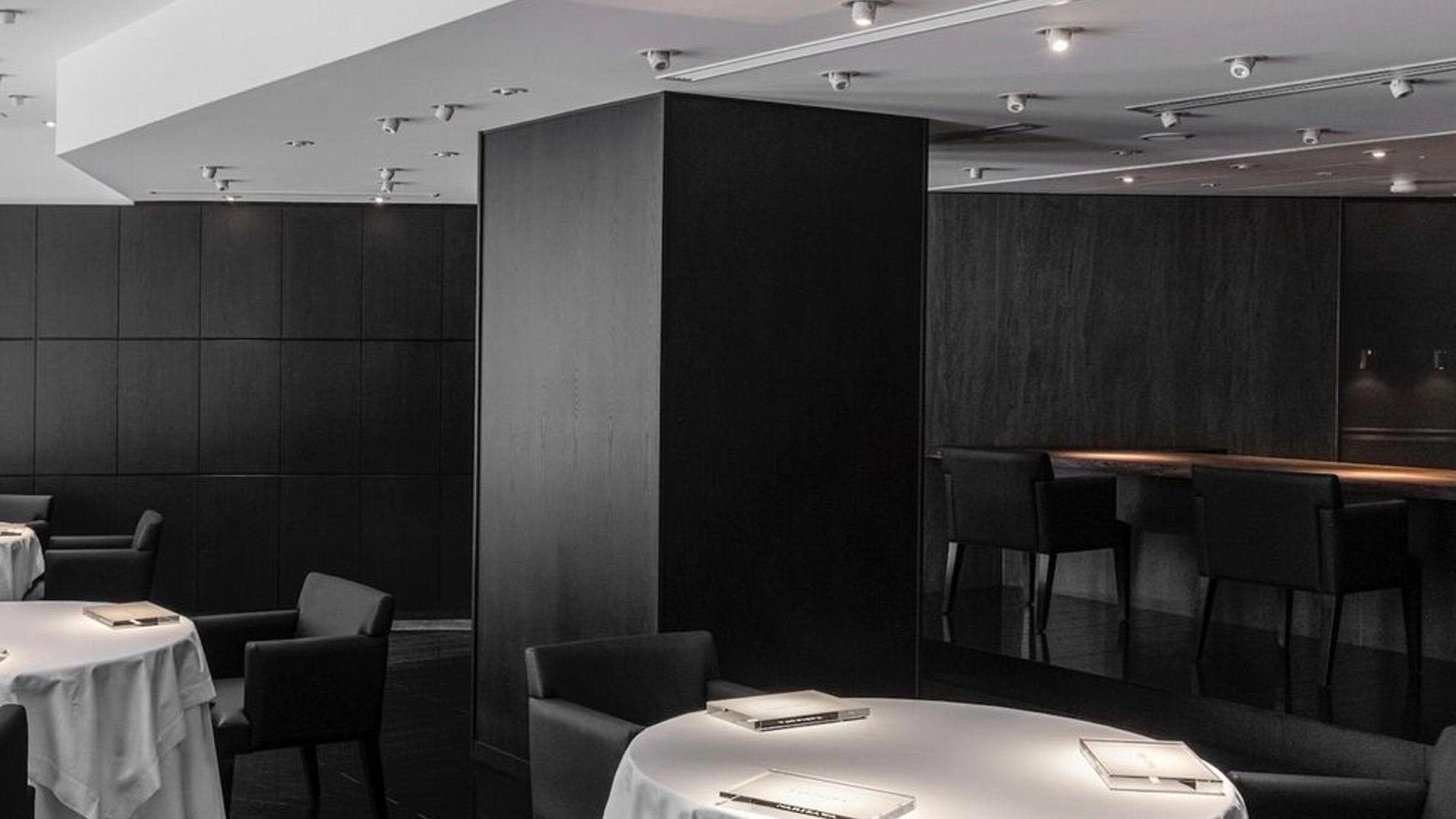
Refined and peaceful atmosphere with staff in traditional Japanese attire providing an elegant dining experience.